How to Grow Apple Mint in Pots and Garden Beds Safely
Learn how to grow apple mint in a patio pot or managed bed, contain its rhizomes, water and prune for tender leaves, propagate it, and store the harvest.
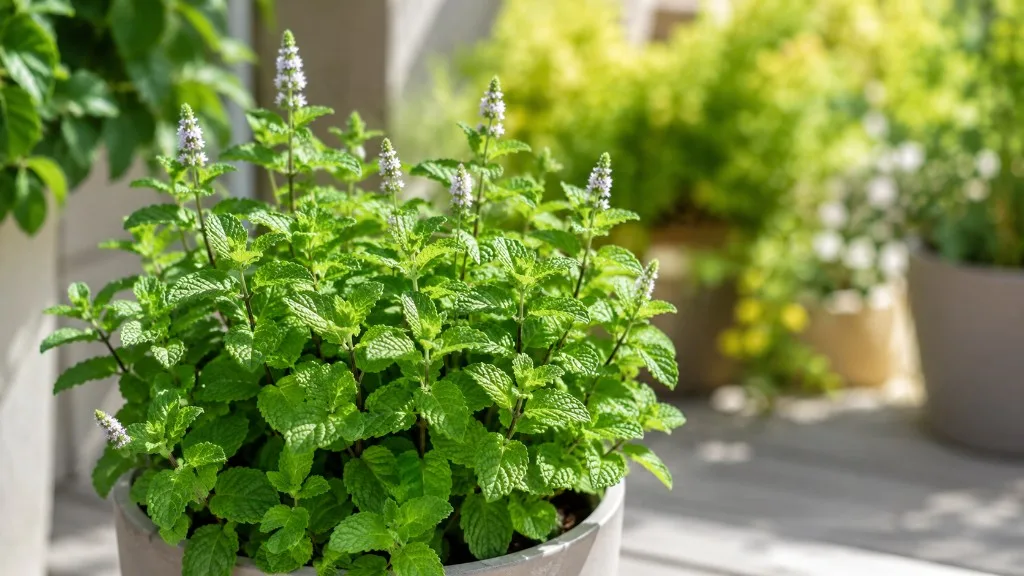
Apple mint is easy to grow because it is a mint, and that is also the reason to decide where it belongs before you plant it. Its fragrant leaves are useful in drinks and food, but its underground runners can move into nearby beds if you give them open soil. A pot, a deliberate barrier, and regular harvesting make this perennial far easier to enjoy than to remove later.
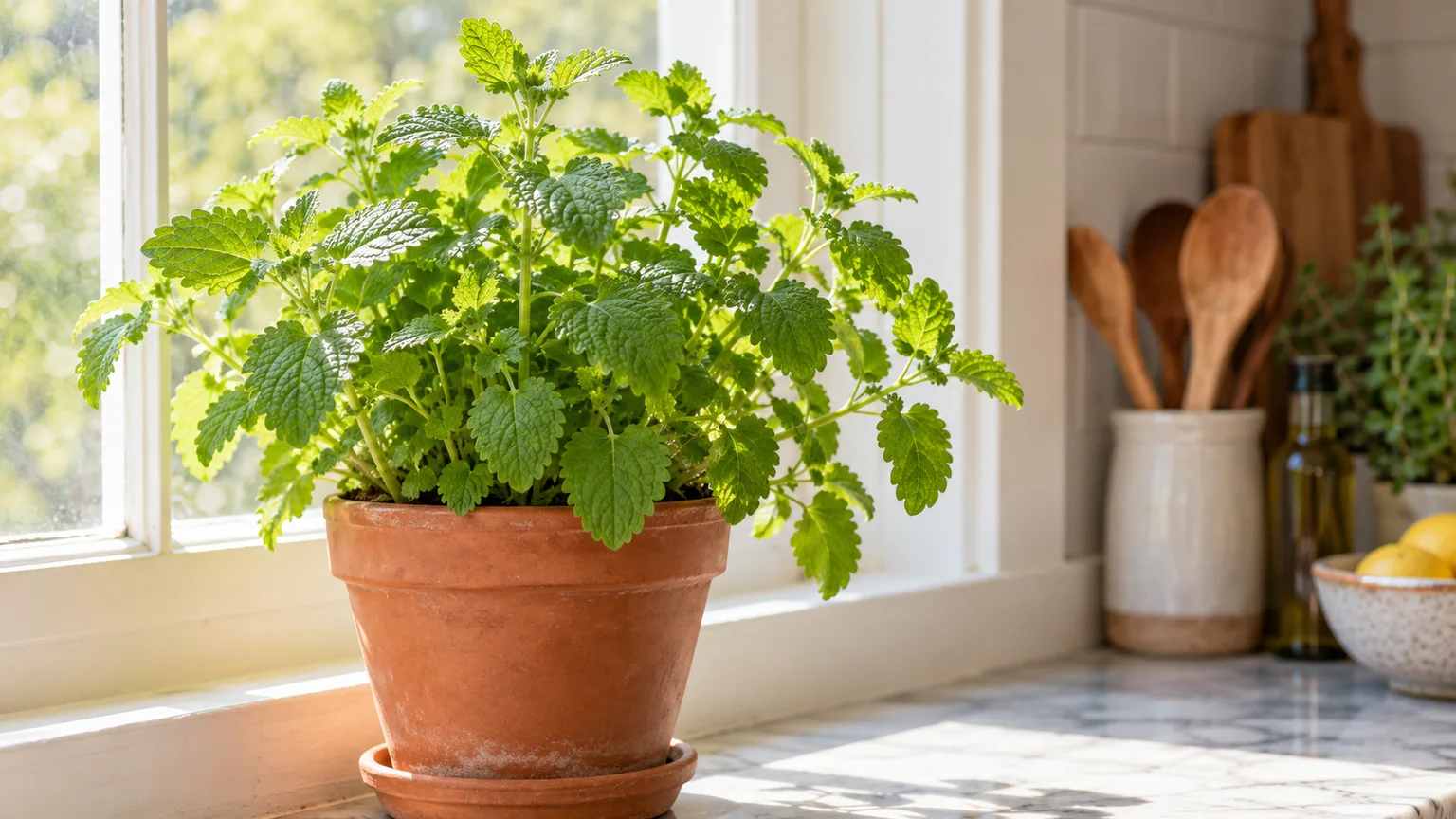
Apple mint, Mentha suaveolens, is sometimes sold as woolly mint or round-leaved mint. It is not simply a novelty spearmint: it has a softer, fruit-like scent, broad slightly hairy leaves, and a different look from the narrow, smoother foliage many people picture when they hear “mint.” The sections below focus on the apple-mint plant itself, not a universal care schedule for every mint variety.
Apple mint has a distinct look, scent, and growth habit
The RHS apple mint profile describes apple mint as a vigorous, rhizomatous perennial with rounded, softly hairy, apple-scented leaves and pale purple flower spikes that appear in late summer and early autumn. Plants may reach around 90 centimeters tall and spread much farther than a small herb pot, so a neat young plant is not a reliable preview of its mature footprint. Rub a leaf gently to check its aroma; the scent is often fruitier and less sharp than peppermint, though taste and fragrance can vary between plants.
“Pineapple mint” usually refers to a variegated form of apple mint, Mentha suaveolens ‘Variegata’, rather than a synonym for every apple mint plant. The cream-edged leaves make that cultivar easy to spot, and the lighter sections can scorch more readily in harsh sun.
The University of Wisconsin–Madison Extension profile describes pineapple mint as edible and notes its shallow rhizomes, while the RHS lists apple mint and pineapple mint separately among mint choices. Buy a labeled plant if leaf pattern or a particular flavor matters; a vague “mint” label does not promise a specific cultivar.
Mint varieties can cross-pollinate, and seed-grown plants may not reliably preserve the flavor and appearance of a named parent. Utah State University Extension recommends using a known plant, a cutting, or a division when the gardener wants a particular mint variety. That is the practical route for a repeatable apple-mint harvest: start with a correctly identified plant, then make more of that plant vegetatively.
Containment comes before companion planting
The first growing decision is not fertilizer or pruning; it is whether apple mint can escape into soil. The RHS apple mint profile describes apple mint as rhizomatous, and NC State Extension documents stems that root wherever they touch the ground in spearmint.
A container sitting directly on soil may still send roots through drainage holes, while a stem trailing over the rim can bridge into a nearby bed.
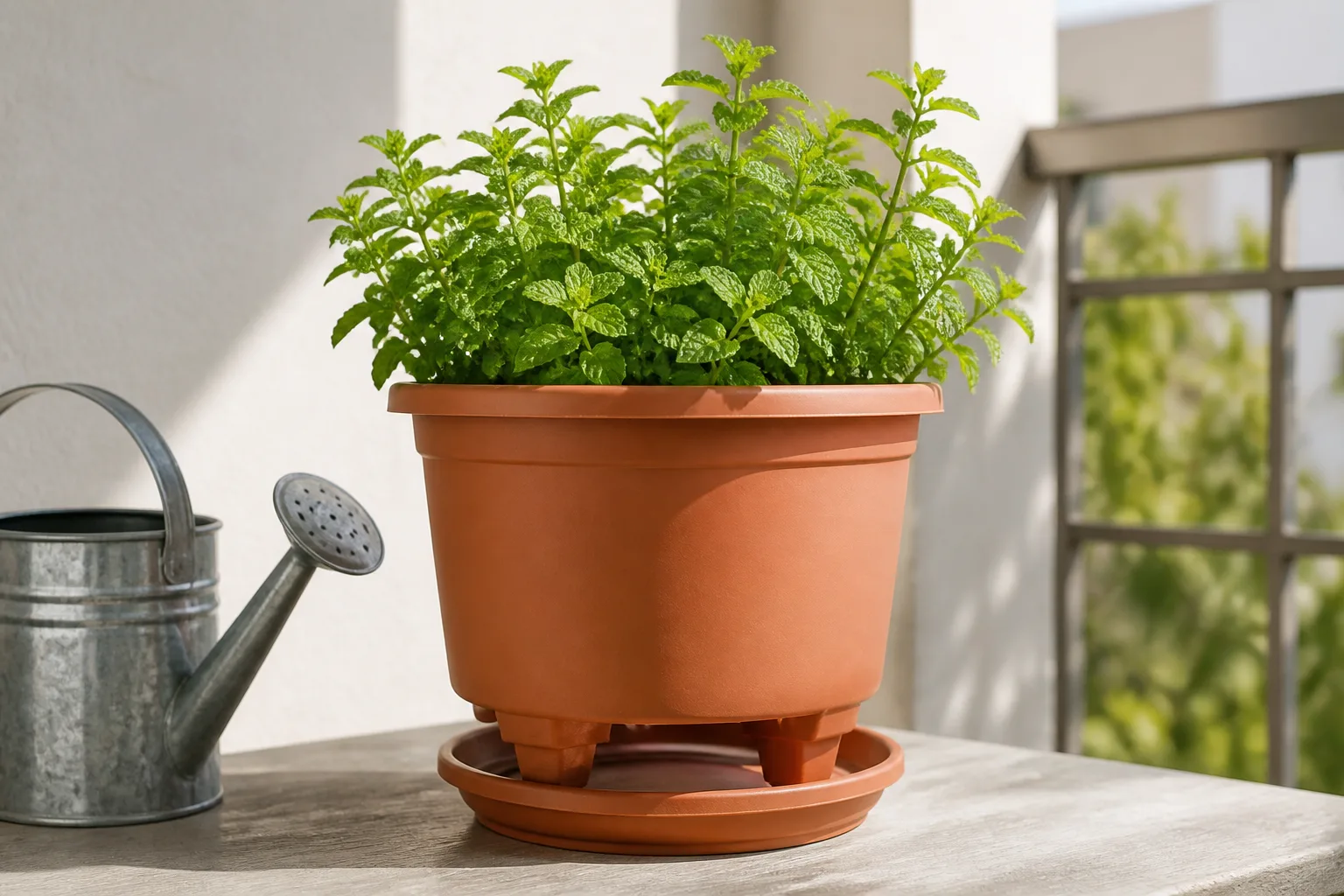
For the simplest setup, choose a stable pot with open drainage holes and place it on paving, a deck, or a stand where roots cannot reach garden soil. Keep the pot rim clear of neighboring plants, lift it occasionally to inspect the base, and trim any runner that reaches the ground. A broad, sturdy container is easier to water and harvest than a tiny nursery pot, but it does not need to be oversized; if water runs straight through or roots pack the mix, divide or refresh the plant.
You can grow mint near ground level using a bottomless container or a large-holed pot sunk into a bed, but leave the rim slightly above the soil so stems cannot root across it. The RHS mint guide recommends this approach to restrain mint’s underground stems.
Inspect the barrier regularly: cracks, soil piled over the rim, or runners rooting outside the boundary can undo it. If you have a small mixed herb bed or cannot patrol the edge, keep apple mint in a freestanding pot instead.
An open bed can work when you are intentionally planting a managed mint patch with room to spread and no delicate neighbors to crowd out. If the idea of finding shoots beyond the boundary sounds like a chore, a pot is the better starting point. For broader guidance on containing spearmint and peppermint too, see the general mint care guide; the same root-and-runner caution applies to apple mint.
Choose light and soil for steady leaf growth
Apple mint grows in full sun or partial shade. UC IPM’s general mint guidance suggests at least four to six hours of daily sun, while the RHS plant profile also lists full sun and partial shade as suitable positions. In a cool summer, a sunny spot can support compact growth; in a hot climate, morning sun with afternoon shade can reduce leaf scorch and slow the pot from drying too quickly.
Deep shade is not a shortcut to lush, tender leaves. A plant that receives too little usable light may stretch toward brightness, flop, and offer fewer sturdy stems for harvest. If a mint pot becomes leggy, first move it gradually into brighter light rather than cutting it back hard and leaving it in the same dim corner.
The soil should hold moisture without staying waterlogged. Apple mint tolerates a range of soils, but the RHS profile recommends moist, well-drained conditions and even notes that it can grow in relatively poor soil.
In a container, use a good-quality potting mix that drains through the holes; in a bed, improve heavy soil or choose a better-drained location rather than trying to solve standing water with more fertilizer. A little compost can improve structure, but an unusually rich mix is not a requirement for good leaves.
Plant apple mint in spring or fall when conditions suit it
A nursery plant or a rooted division is the easiest way to establish apple mint. Set the root ball at the same depth it was growing before, firm the mix around it, water thoroughly, and place the pot where it receives the light you chose. If you are planting a division, keep a healthy crown and several roots attached, then remove old, damaged growth so the new section can settle without supporting a large top.
Spring is a dependable time to transplant after the risk of hard frost has passed, because the plant has a full growing season to establish. The RHS mint guide also lists autumn planting as suitable for mint, but local weather changes that decision: mild regions may have time for roots to settle, while a cold or wet winter arriving quickly makes spring safer. Avoid planting into frozen, saturated, or baking-hot soil; wait for a moderate spell when you can keep the root zone evenly moist.
Water the new plant well and check the mix over the first week rather than assuming a nursery root ball and surrounding potting mix dry at the same rate. A small root ball can dry quickly even inside a large container. Once you see fresh shoots and the plant resists a gentle tug, treat it as established and begin light tip harvesting instead of repeatedly disturbing the roots.
Water enough to keep the root zone moist, not soggy
Apple mint produces its best-looking foliage when the root zone does not swing from dry to flooded. UC IPM advises keeping mint’s root zone moist and avoiding soggy soil; it also notes that well-drained conditions can help reduce problems such as root rot.
A container in sun and wind can need checking every day during hot weather, while a shaded or larger pot may stay moist much longer. Check the soil with a finger rather than setting a fixed calendar.
Water until excess flows from the drainage holes, then empty any saucer beneath the pot. If the surface looks dry but the lower mix is wet, wait and improve airflow or drainage instead of adding more water. If leaves droop and the mix is dry several centimeters down, water deeply and check again; repeated shallow splashes can leave the inner root ball thirsty while the surface looks damp.
New plants and recent divisions need closer attention while their roots reestablish, but that does not mean they should sit in water. In a bed, water at the soil line when rainfall is not keeping the root zone moist, and avoid repeatedly wetting foliage late in the day. If the leaves are pale or drooping, check moisture, light, and root crowding before adding a feed; those common stressors can look similar.
Feed sparingly instead of following a monthly rule
A monthly fertilizer schedule is not a universal apple-mint requirement. The RHS apple mint profile says apple mint can grow in poor, moist soil, and UC IPM says fertilizer or amendments may not be necessary for herbs in well-amended soil.
Utah State Extension recommends a light early-spring application for mint generally, but also warns that excess watering and fertilizer can encourage rust and reduce mint-oil production. These recommendations are not identical, so begin with the apple-mint-specific guidance and your actual growing medium.
If a potted plant has been in the same mix for several seasons and growth is weak after you have ruled out poor light, dry soil, and cramped roots, refresh the potting mix or use a balanced fertilizer at the label rate. Do not add extra feed simply because you want faster growth; very lush stems can flop, and the flavor of aromatic leaves is the goal, not maximum size. For a newly planted mint in fresh potting mix or amended garden soil, wait and watch before feeding.
Do not diagnose a pale leaf from color alone. Old leaves naturally age, while waterlogged roots, insufficient light, a crowded pot, or a nutrient shortage can all slow growth. Correct the condition you can verify, then reassess new growth rather than layering several amendments at once.
Pinch stems and choose when to let the plant flower
Regular cutting keeps apple mint leafy and branching. Pinch or snip growing tips just above a pair of leaves, and two side shoots can develop from the nodes below the cut. This produces a fuller plant with more useful stems than a tall, untouched clump with a few woody bases.
Flower spikes are not a sign that the herb has failed. They add late-season color and can provide nectar for pollinating insects, so you can leave some flowers if that is part of why you grow the plant. If your priority is a continuous supply of tender foliage, harvest stems before most of them flower and remove spent spikes; the Utah State Extension guidance notes that mint leaf oil can decline when plants are allowed to bloom.
Do not rely on pinching flowers to stop mint from spreading. The more important escape routes are rhizomes and stems that touch soil, so check the pot base and rim even if you have removed every flower. Likewise, flowering does not make all the leaves inedible or automatically bitter; taste a fresh leaf and decide whether its flavor still works for your kitchen.
Harvest young stems for fresh flavor
Wait until the plant has established and is producing several leafy stems before taking a large harvest. Snip clean stems above a healthy leaf pair, choosing fresh tips with soft leaves; the RHS mint guide recommends young shoot tips for flavor, and Utah State Extension notes that the youngest leaves and stems are the most flavorful. Take a few stems from different sides of the pot rather than stripping one section bare, so the plant can keep growing evenly.
For the most tender leaves, harvest before the flower spikes dominate. If you want blooms for pollinators, you can harvest selected leafy stems and leave others to flower, then cut the whole plant back after flowering if it has become woody or untidy. A late-morning harvest after dew has dried is easier to clean and store; if you are picking for immediate use, harvest whenever the leaves look fresh and dry.
Use clean scissors or a small knife and avoid pulling stems from the root crown. Frequent light harvests encourage new shoots, but a stressed plant should recover before you take more; leave enough leafy growth for photosynthesis, especially after transplanting, heat stress, or a hard pruning. Rinse the cut stems before eating and discard leaves that show rot or disease rather than trying to salvage them.
Store or preserve the extra leaves
For a few sprigs you will use soon, keep the stems cool and slightly humid. You can stand the cut ends in a glass with a little water in the refrigerator or wrap the leaves loosely in a barely damp towel and place them in a breathable container. UC IPM says fresh mint can keep for about a week in the refrigerator, but temperature, leaf condition, and moisture affect how long yours stays crisp.
If the harvest is bigger than a week’s meals, freeze it before the leaves wilt. Strip the leaves from clean stems, chop them if that suits your recipes, and freeze small portions in an ice-cube tray with enough water to bind them; add a cube to tea, lemonade, or a sauce. The RHS mint guide notes that freezing preserves mint flavor better than drying, so it is a good choice when aroma matters.
You can also dry whole leafy stems in a cool, well-ventilated, shaded spot or use a dehydrator on a gentle herb setting. Wait until the leaves are fully dry and brittle before crumbling them into a sealed jar; any remaining moisture can lead to spoilage. Dried apple mint is convenient for tea, but expect a softer, less fresh flavor than newly cut leaves or frozen mint.
Propagate by cuttings or division to keep the variety
A stem cutting is a low-cost way to make another apple mint plant with the same parent characteristics. Select a healthy new stem, remove the lower leaves, and place one or more bare nodes in clean water or a moist rooting mix. Keep the cutting warm and bright but out of harsh midday sun; if rooting it in water, change the water when it becomes cloudy and move the cutting to potting mix once roots are formed.
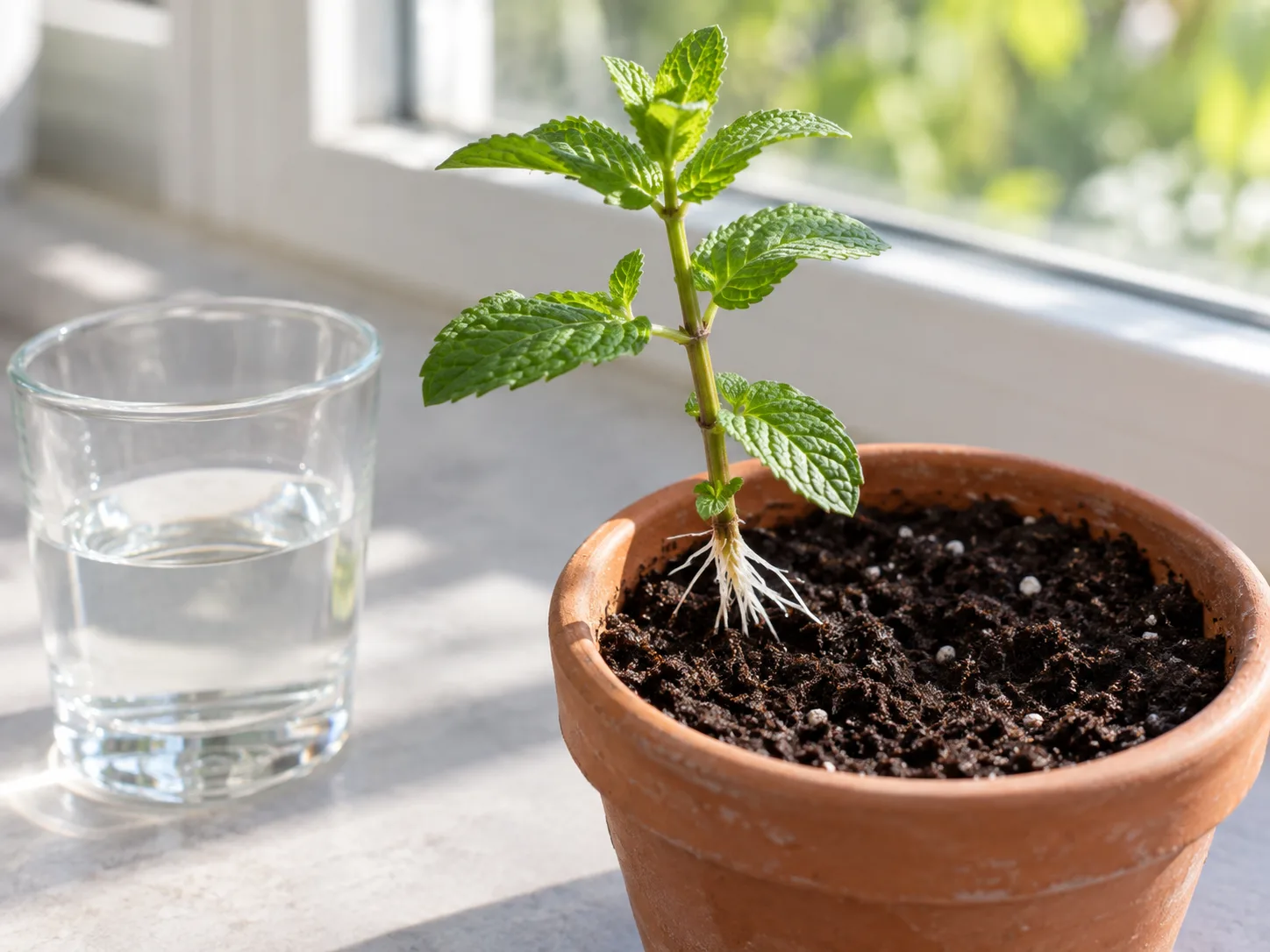
Pot the rooted cutting into a small draining container first, keep the mix lightly moist as it adjusts, and move it to its final spot after new growth appears. A rooted cutting is still mint, so choose a containment plan before setting it near a garden bed. This is useful when you want a second harvest pot or want to keep a named apple mint that has performed well.
Division is faster when an established plant already fills its pot. Lift the clump in spring or early autumn, separate a vigorous piece with roots and shoots, and replant it in fresh mix. Discard dead or woody material rather than dividing every fragment into a new plant.
The RHS mint guide recommends dividing established mint clumps every few years as needed, and Utah State Extension also suggests division or cuttings when the grower wants to retain a variety. Seed can produce mint, but it is a less reliable way to keep a specific apple-mint flavor.
Manage fall cleanup and winter dormancy
Apple mint is a herbaceous perennial, so its leafy top may die back in winter and return from the roots when growing conditions improve. The exact timing depends on your climate, site, and cultivar; some North American gardening guides list apple mint in USDA zones 5 through 9 (Gardening Know How; Gardeners’ Path), while the RHS gives a UK hardiness rating. Use those ranges as a starting point, not a guarantee for a pot exposed to wind and freezing temperatures.
After flowering or when growth naturally slows, remove dead stems and tidy the container. The RHS apple mint profile recommends cutting back apple mint at the end of the growing season, while the general RHS mint guide allows old stems to be cut from late autumn until spring. In colder areas, wait until the top growth has faded rather than cutting healthy leaves just because the calendar says fall.
A container’s root ball is more exposed to winter cold than soil in the ground. Move the pot beside a sheltered wall, group it with other containers, or protect the pot with insulation if your local winter regularly freezes the root zone.
Do not bring dormant mint into a heated room and expect it to keep producing soft growth without enough light. Reduce watering while the plant is dormant, but do not let the pot dry into a hard block for months; resume closer checks when new shoots appear.
Troubleshoot common apple mint problems
Mint is vigorous, but its leaves can still show stress. Yellowing or limp growth often points to too much water, insufficient light, a crowded root ball, or heat stress rather than a need for fertilizer. Check the pot’s drainage, inspect roots if the mix remains wet, and compare the plant’s light with the conditions it received before changing several things at once.
Powdery mildew and mint rust can affect mint foliage. The RHS apple mint profile notes that apple mint can be susceptible to powdery mildew, especially during drought, and to mint rust; Utah State Extension describes rust as small pale spots that can become orange or brown on leaf undersides.
Water the soil rather than keeping leaves wet for long periods, give the plant room for air movement, and remove badly affected stems. Avoid harvesting diseased leaves for food.
Aphids, caterpillars, and leaf damage can appear on outdoor plants, but one insect does not mean you need a broad spray. Look at the undersides of leaves, check whether new growth is still healthy, and use hand removal or a strong water rinse where practical. If you consider a pesticide, confirm that its label allows use on edible herbs and follow the directions, including any harvest interval; when damage is minor, monitoring is often the safer first step.
Keep apple mint away from pets that chew plants
A kitchen herb being edible for people does not make it safe for every animal. ASPCA lists mint in the genus Mentha as toxic to dogs, cats, and horses because of its essential oils, and reports vomiting and diarrhea with large ingestions. That listing is for mint generally, not an apple-mint dose study, so keep pets from chewing the plant and do not assume a small amount is harmless.
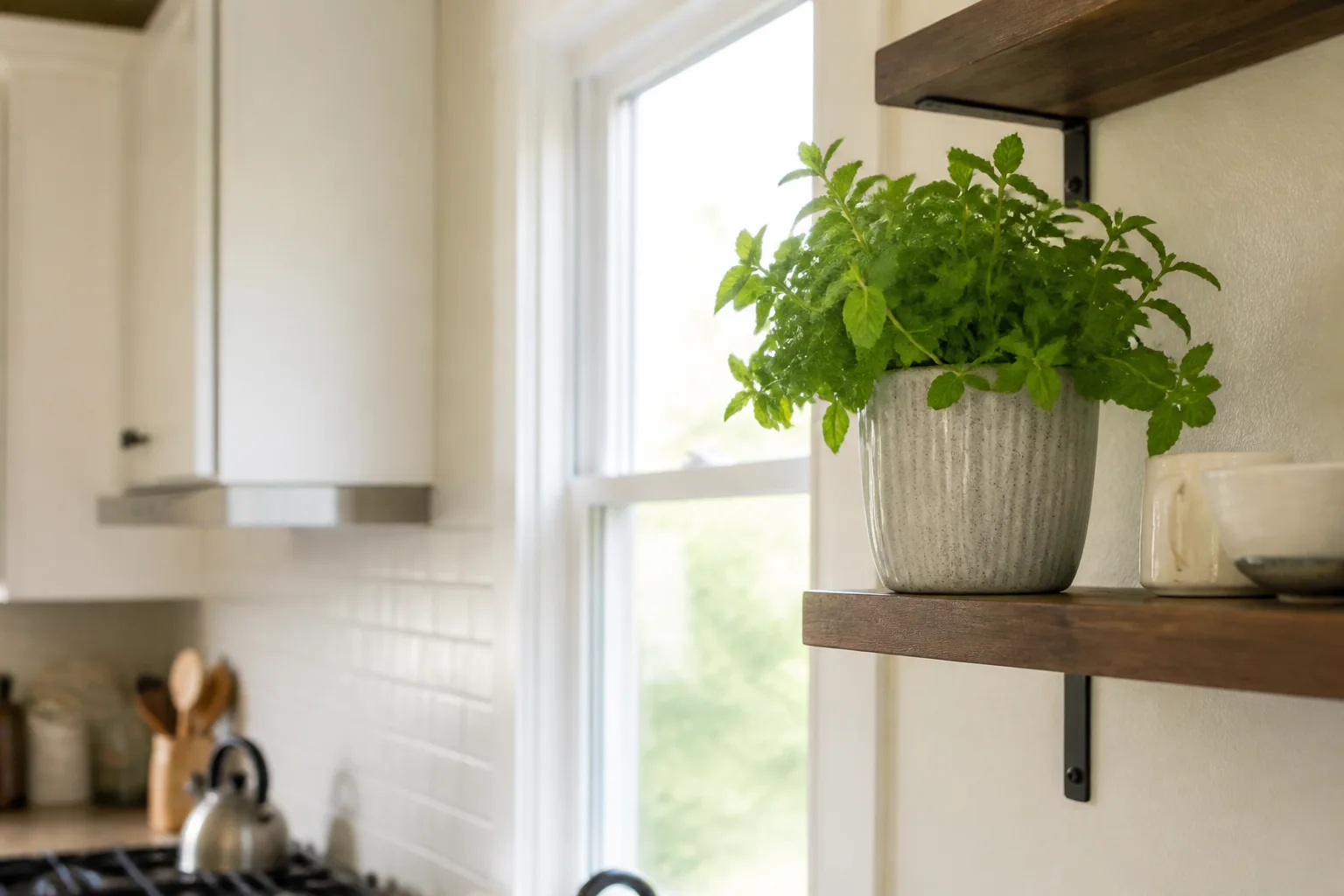
Put the pot on a shelf or stand a curious cat or dog cannot reach, and collect fallen leaves before a pet can snack on them. Keep concentrated mint oils and homemade extracts away from pets as well; the ASPCA identifies essential oils as the toxic principle. If an animal eats mint or develops symptoms, contact a veterinarian or ASPCA Animal Poison Control promptly instead of trying a home remedy.
Treat companion benefits as a bonus, not a guarantee
Mint is often described as a companion plant because its aromatic foliage may discourage some insects, and its flowers can attract pollinators. A University of Georgia Extension article includes mint among plants people grow for possible pest-repelling effects, but it also quotes a university specialist saying it is unclear how many plants would be needed or how close they would need to be to produce a practical result. Do not count on a pot of apple mint to protect tomatoes, brassicas, or fruit trees from pests.
The more dependable companion benefit is that flowers can support pollinating insects when you let them bloom. The RHS mint guide describes mint flowers as beneficial to pollinators; keep a few flower stems if you want that seasonal value, while still watching seed heads and containing the plant. This is a useful trade-off: a flowering mint pot can contribute to a patio or garden, but it is not a substitute for identifying an actual pest problem.
Keep apple mint physically separate from small, slow-growing herbs that cannot compete with it. A separate pot beside the kitchen or vegetable garden gives you a convenient harvest without mixing its rhizomes into the roots of parsley, thyme, or seedlings. If you want a mixed planter, use a removable nursery pot inside a larger decorative container so the mint stays a distinct root system.
Use apple mint in food and drinks
Apple mint works wherever you want fresh mint flavor with a softer, fruit-scented edge. Gardening Know How lists fresh drinks, tea, salads, and dessert garnish among its uses, while Gardeners’ Path discusses its use with fruit, potatoes, and tea. Add a few chopped leaves to fruit salad, iced water, lemonade, tea, yogurt, or a simple herb dressing, then taste before adding more; the aroma can feel sweeter than the flavor itself. Its leaves are also a fragrant garnish for desserts and drinks, while tender stems can flavor a pitcher of water as they steep.
Try a small harvest before drying the whole plant for a recipe. Fresh apple mint is easy to overestimate if you expect it to taste like an apple, so pair it with citrus, berries, cucumber, or mild fruit and adjust the amount to your preference. If the leaves have become coarse or the flavor seems muted after flowering, use younger tips from new growth rather than adding a larger quantity of old leaves.
Use clean, correctly identified culinary mint from a reputable source. Do not substitute pennyroyal or an unlabeled “mint-like” plant, and do not treat mint as a medicinal remedy based on garden folklore. A known plant, sensible harvesting, and careful storage are enough to make apple mint a practical herb for everyday cooking.
Conclusion
Apple mint earns a place in the herb garden when you grow it for its soft, aromatic leaves and plan for its vigorous growth. Start with a correctly labeled plant, give it sun or partial shade and moist, well-drained soil, keep its rhizomes contained, and harvest leafy stems regularly instead of relying on routine fertilizer or pest-repellent claims.
A patio pot is the simplest choice for most gardeners; a sunk barrier can work when you are willing to inspect it. Use cuttings or divisions to preserve a flavor you like, store surplus leaves promptly, and keep the plant away from pets that chew. With those few decisions made early, apple mint can be productive without becoming an unwanted groundcover.