How to Grow and Care for Mona Lavender
Grow Plectranthus 'Mona Lavender' as a houseplant or warm-zone shrub. Complete guide to light, feeding, pruning, cuttings, overwintering, and fall-winter flowering.
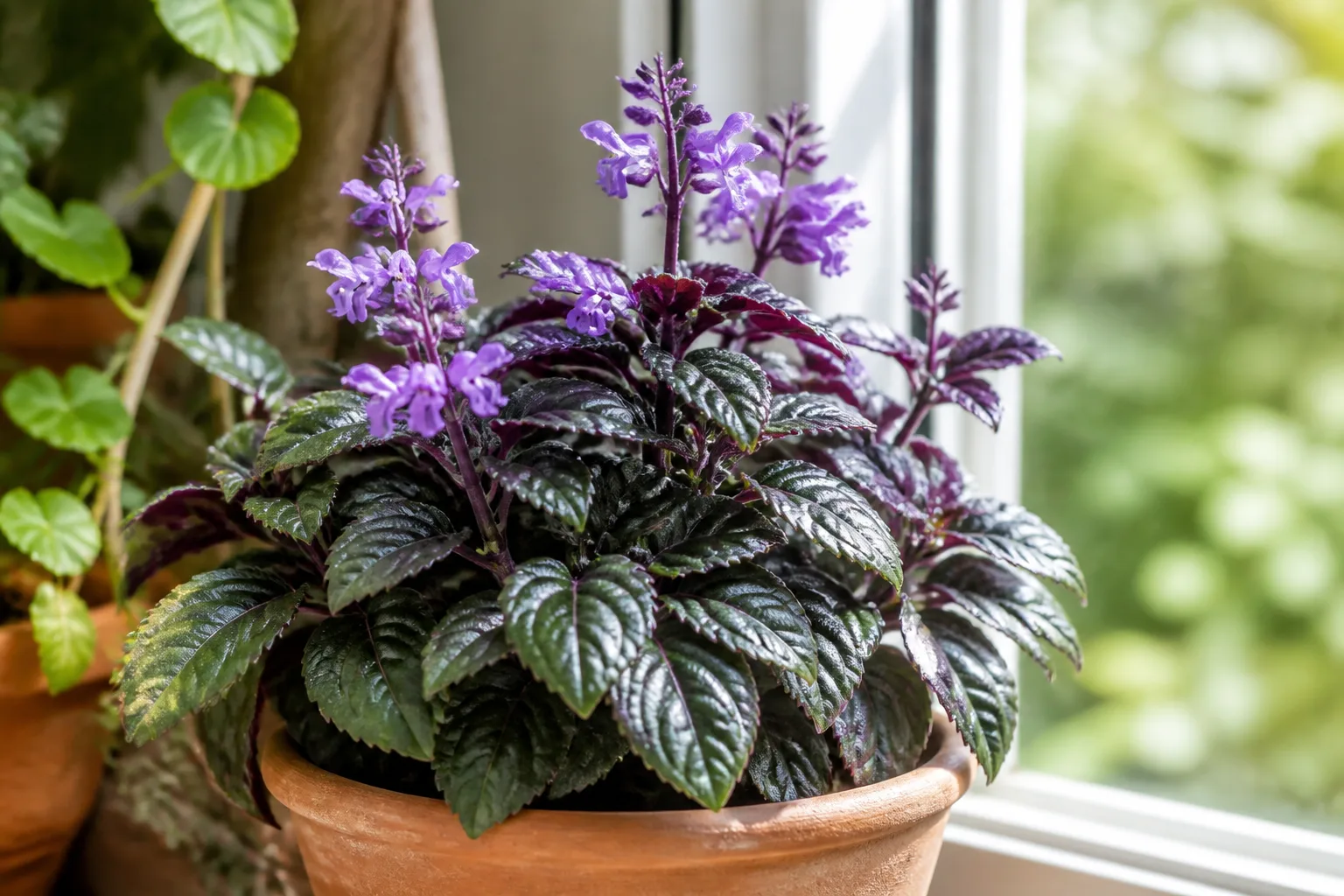
‘Mona Lavender’ (Plectranthus ‘Mona Lavender’) is one of those plants that looks like a houseplant bargain until you realize the flowers run on a completely different calendar than your summer annuals. The glossy green leaves with purple undersides stay handsome year-round, but the lavender-purple tubular blooms on upright purple stems usually wait until days shorten—fall through winter and into early spring—before they put on a show.
That timing surprises a lot of new owners. If you bought it in June expecting constant summer color, you may think something is wrong when it sits green and flowerless for months. Nothing is broken. Mona Lavender is a short-day plant, and understanding that one trait separates frustrated growers from people who get reliable winter blooms indoors.
This guide covers the full cycle: what the plant actually is (and what it is not), light and soil setup, watering and feeding rules—including when to withhold fertilizer so blooms are not smothered by foliage—propagation from cuttings, repotting, overwintering, and fixing the problems that show up first (leggy stems, leaf curl, and silent refusal to flower).
What Is ‘Mona Lavender’ Plectranthus?
Mona Lavender is a cultivated hybrid in the mint family (Lamiaceae), developed in the 1990s at Kirstenbosch National Botanical Garden in Cape Town, South Africa. Plant breeders crossed two South African evergreen species—Plectranthus saccatus and Plectranthus hilliardiae subsp. autrale ‘Magwa’—to create a compact shrub with showy foliage and long-lasting flower spikes. (NC State Extension)
It is sometimes sold as lavender spur flower or grouped with other spur flowers (Plectranthus). The genus is closely related to coleus (Coleus / Plectranthus names have shifted in recent taxonomy), and like coleus it roots easily from cuttings and responds well to pinching.
Hybrid origins and why it is not true lavender
Despite the name, Mona Lavender is not a lavender plant. True lavenders belong to the genus Lavandula—Mediterranean herbs with silvery aromatic foliage and very different soil and sun needs. Mona Lavender will not give you culinary lavender scent or survive on gravel and full desert sun.
What you get instead is a tropical to subtropical foliage shrub with ovate, serrated leaves that are glossy green on top and deep purple underneath, carried on square (mint-family) stems that also run purple. Flower spikes hold two-lipped tubular blooms in lavender-purple with darker speckling—showy but not fragrant in the way Lavandula is.
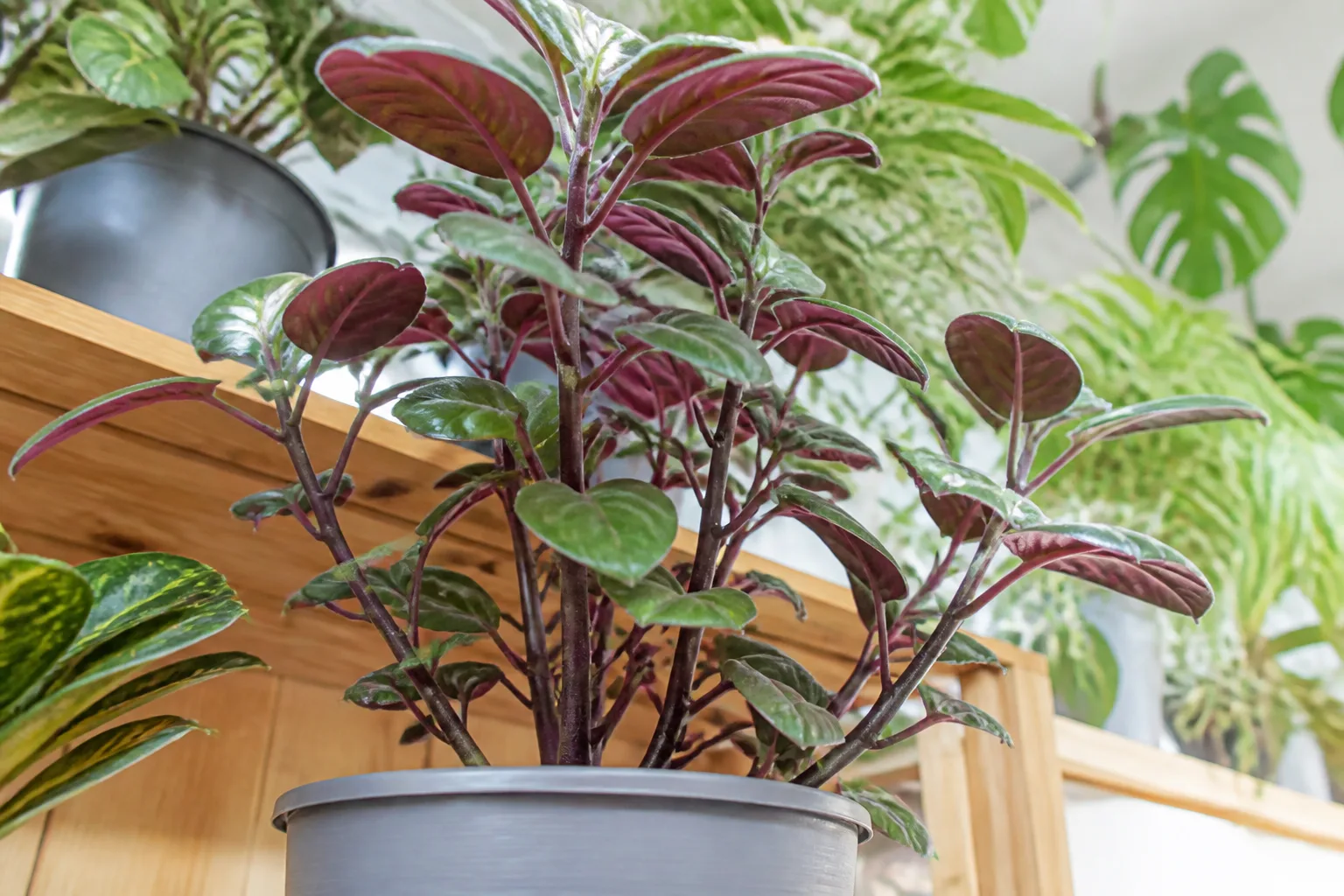
Mature plants typically reach 1 to 2 feet tall and wide, forming a dense rounded mound when pinched regularly. NC State Extension lists it as a broadleaf evergreen herbaceous perennial shrub with medium growth rate and medium maintenance needs—not zero care, but forgiving once you match its moisture and light preferences. (NC State Extension)
Short-day flowering: why blooms appear in fall and winter
Mona Lavender behaves as a short-day (long-night) plant. Flower initiation ramps up when day length drops in late summer and fall, and blooming often continues through winter into spring while nights stay long and days stay relatively short. As spring days lengthen and temperatures climb, vegetative growth takes over and flowering tapers off.
That photoperiod response is why gardeners in cold climates usually grow it as an indoor houseplant for winter color, while those in USDA zones 10a–11b can keep it outdoors as a small landscape shrub that flowers through the cool season. If you grow it indoors under roughly 14–16 hours of artificial light year-round, you may never trigger the short-day signal—another common reason for “no blooms.”
Brighter light intensifies both leaf color and flower production, but light alone cannot override day length. You need the seasonal night-length cue (or a deliberate short-day treatment) plus adequate indirect brightness.
Mona Lavender Quick Reference
Use this table as a setup checklist before you choose a pot, a window, or a garden bed.
| Factor | Target |
|---|---|
| Botanical name | Plectranthus ‘Mona Lavender’ |
| Common names | Mona Lavender, lavender spur flower |
| USDA zones (outdoor year-round) | 10a–11b |
| Mature size | 1–2 ft tall × 1–2 ft wide |
| Light | Partial shade outdoors; bright indirect light indoors |
| Soil | Rich, high organic matter; good drainage |
| Soil pH | Acidic, roughly 5.6–6.5 |
| Water | Even moisture; water when top 1 inch of soil dries |
| Temperature | Roughly 60–80°F ideal; protect from frost |
| Bloom season | Fall, winter, spring (short-day triggered) |
| Propagation | Stem cuttings (easiest and most reliable) |
| Toxicity | Not listed as a major concern; keep out of reach of pets that chew plants |
Light Requirements for Strong Color and Blooms
Mona Lavender wants bright light without harsh midday baking. NC State Extension classifies its outdoor preference as partial shade—direct sun for only part of the day, roughly two to six hours. (NC State Extension) Indoors, that translates to the brightest indirect spot you can offer.
Too little light produces pale foliage, weak purple undersides, and no flowers. Too much hot afternoon sun—especially in dry inland climates—scorches leaves and stresses a plant that prefers steady moisture. Full deep shade keeps the plant alive but dull; you trade the whole reason for growing this cultivar.
Best indoor window placement
For houseplant culture, prioritize an east-facing window (gentle morning sun plus bright indirect afternoon) or a spot a few feet back from a south-facing window where rays are filtered by sheer curtains. A north window can work only if the room is bright and you supplement with a grow lamp in winter.
Rotate the pot a quarter turn every week or two so growth stays even. If stems stretch toward the glass with wide gaps between leaves, light is insufficient—move closer or add a full-spectrum LED grow light for 12–14 hours daily during the growing season, then allow natural short days in fall if you want blooms.
Outdoor sun, shade, and afternoon protection
In zones 10–11, site Mona Lavender where it receives morning sun and afternoon shade, or dappled shade under open trees. On a patio or porch, the east side of the house is ideal. In hot-summer regions, avoid west-facing brick walls that radiate heat into the evening.
Container plants moved outdoors for summer should be hardened off over seven to ten days—gradually increasing outdoor time so leaves do not bleach or crisp. Bring pots back indoors before nights drop below 55°F if you want to preserve foliage and encourage fall flowering.
Soil, Water, and Humidity
Mona Lavender thrives in organically rich, moist, well-drained soil—think potting mix with compost or peat-based blends, not heavy garden clay. The roots need constant access to moisture but hate sitting in stagnant water, which invites root rot and stem rot.
Acidic potting mix and drainage
Target slightly acidic pH between 5.6 and 6.5. Alkaline tap water and alkaline potting mixes can yellow leaves and reduce flowering over time. If your municipal water is hard, alternate with rainwater or filtered water when possible, or choose an acid-forming fertilizer during the active growth months.
Any quality container mix labeled for houseplants or annuals works if you add extra drainage: perlite, pine bark fines, or coco coir in a roughly 70/30 mix-to-amendment ratio. Outdoor beds benefit from compost worked into the top six inches and a mulch layer that does not touch stems.
Always use pots with drainage holes. A cachepot without holes is an invitation for anaerobic roots.
Watering rhythm and signs of stress
Water when the top inch of soil feels dry to your knuckle, then soak until water runs from the drainage holes. Discard saucer water within thirty minutes. In active growth and during indoor heating season, that may mean watering every few days; in cool short-day winter bloom, check twice weekly rather than on a rigid calendar.
Leaf curling is an early drought signal—Mona Lavender is thirstier than many succulents or true lavender. Wilting with wet soil points to root rot or poor drainage instead. Yellow lower leaves with soggy mix mean back off watering and inspect roots.
Average household humidity is usually adequate, but if leaf edges brown in winter with the furnace running, group plants together or run a small humidifier nearby. Avoid misting if your space has poor air circulation; wet foliage plus cool nights encourages leaf spot.
Temperature, Hardiness, and Frost Risk
Mona Lavender prefers year-round temperatures between about 60°F and 80°F. White Flower Farm recommends 50–80°F for overwintered Plectranthus indoors—cooler nights are acceptable if light remains strong. (White Flower Farm)
Outdoor permanent culture is realistic only in USDA zones 10a through 11b, where frost is rare. The plant is not frost-hardy. Brief exposure to light frost may damage foliage; hard freezes kill roots and stems. Do not leave patio pots out once nights approach 40°F if you intend to keep the plant.
In marginal warm zones, microclimates against a south wall can extend outdoor time, but have a frost cloth or indoor space ready. Treat northern-zone outdoor plantings as annual foliage plants unless you take cuttings before frost.
Fertilizer: When to Feed and When to Stop
Feed Mona Lavender during active vegetative growth—typically spring through early fall when days are lengthening and the plant is pushing new leaves and branches. A balanced water-soluble fertilizer at half label strength every six to ten weeks works for in-ground plants. Container houseplants can take a half-strength feed every two weeks after the bloom cycle finishes, per general Plectranthus guidance from White Flower Farm. (White Flower Farm)
Here is the rule most guides bury but growers need upfront: withhold fertilizer while the plant is in flower during short days. High nitrogen during the bloom window pushes soft leafy growth and can shorten or suppress flowering. Resume feeding when flower spikes fade and the plant shifts back to vegetative mode in spring.
In alkaline soils, an acidifying fertilizer can improve foliage color and flower count. Never fertilize a drought-stressed or root-rotted plant—fix water issues first.
How to Get Mona Lavender to Bloom Indoors and Out
Blooming requires three conditions working together: short day length, bright indirect light, and moderate nitrogen (no heavy feeding during the floral phase).
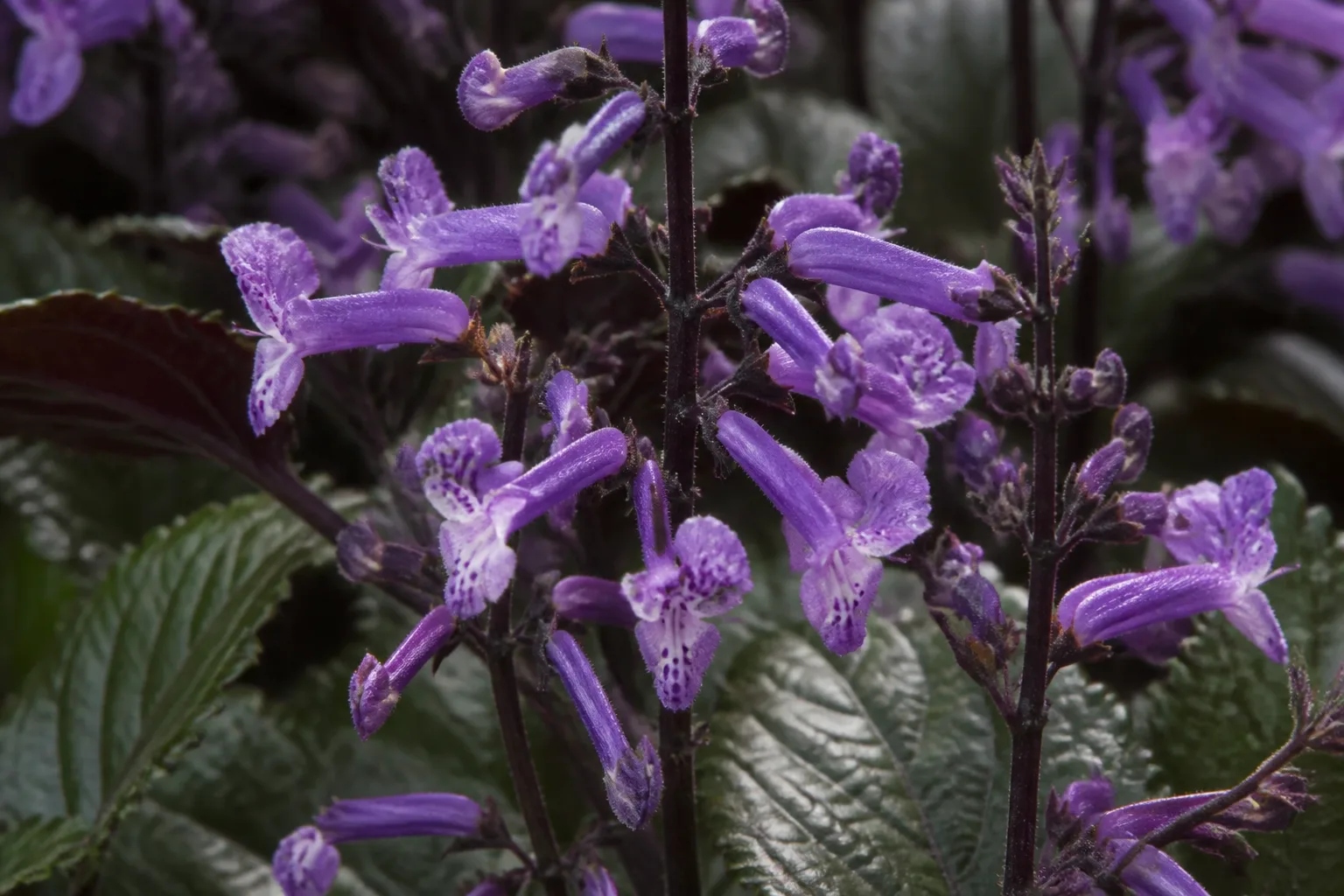
Outdoors in zones 10–11, nature supplies the short-day signal automatically in fall. Keep soil evenly moist and remove spent spikes to extend the display. Deadheading redirects energy into new buds rather than seed formation—important because this hybrid does not come true from seed.
Indoors in northern climates, place the plant where it receives bright light but experiences natural shortening days in autumn—avoid running grow lights sixteen hours a day through October if you want flowers. A south or east window with no supplemental lamp from September through February often triggers blooming. If you must use lights for survival, give 14 hours or less of illumination in fall and winter.
When blooms fail despite short days, work through this checklist in order:
- Light intensity — Move to a brighter window or add supplemental light at least 6–12 inches above foliage.
- Nitrogen load — Stop fertilizer; flush soil lightly if you overfed all summer.
- Plant age — Very young cuttings sometimes wait a season; mature plants bloom more reliably.
- Temperature swings — Cold drafts below 55°F or hot dry air from heating vents can abort buds.
- Pot size — Severely root-bound plants may bloom poorly; repot in spring if roots circle the pot.
Remember: Mona Lavender grown as a summer annual in cold zones may die from frost before the fall bloom window opens. For color, start with a plant in fall or overwinter cuttings indoors.
Pruning, Pinching, and Deadheading
Mona Lavender does not demand heavy pruning, but it responds beautifully to pinching. Snip the tips of young shoots every few weeks during spring and summer to force side branches and keep the dense, rounded form NC State Extension describes. (NC State Extension)
Remove spent flower spikes at the base of the inflorescence to prolong blooming. If the plant goes leggy in low winter light, cut stems back by up to one-third in late winter or early spring before new growth starts. Use clean scissors; stems are soft and root readily if you save cuttings.
Avoid pruning hard during peak bloom unless you are sacrificing flowers for shape correction.
Propagating Mona Lavender from Stem Cuttings
Stem cuttings are the recommended propagation method—faster and more reliable than seed for this hybrid. NC State Extension lists stem cuttings as the official propagation strategy for the species. (NC State Extension)
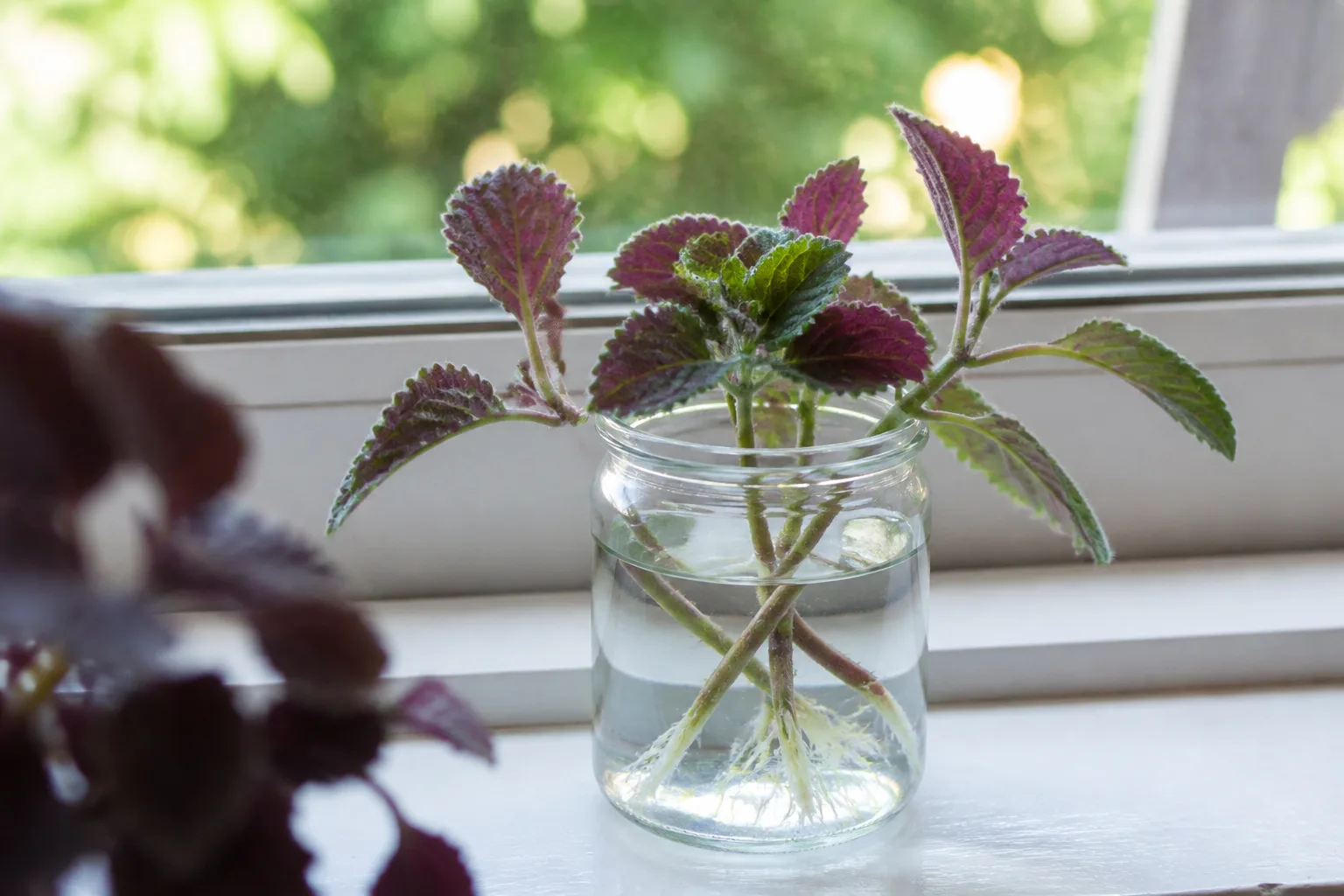
Best timing: late summer or fall, when you bring outdoor pots indoors anyway. Rooted cuttings overwinter on a bright windowsill and become full patio plants by spring.
Step-by-step:
- Select 4- to 6-inch tips from healthy non-flowering shoots (or pinch off buds).
- Strip leaves from the bottom third of the stem.
- Root in clean water in a bright indirect spot, changing water when it clouds—or plant directly into moist perlite–peat mix.
- When roots reach 1–2 inches, pot into standard houseplant mix.
- Pinch the top after planting to encourage bushiness.
- Harden off before moving outdoors after all frost danger passes.
Cuttings taken in fall give you insurance against losing the parent plant to frost. Because Mona Lavender is a first-generation hybrid, seed saved from your plant will not reproduce the parent reliably; purchased seed from a reputable supplier is an option if live plants are scarce, but cuttings remain the practical choice.
Potting, Repotting, and Moving Plants Seasonally
Grow Mona Lavender in any container material—terracotta, plastic, or glazed ceramic—as long as drainage holes are present. Terracotta dries faster and suits growers who tend to overwater; plastic holds moisture longer for dry homes.
Repot every one to two years in spring, moving up only one pot size (1–2 inches wider). Shake off old mix only if it is compacted or salty; otherwise upgrade the pot and backfill with fresh acidic mix.
An alternative to endless upsizing: take fresh cuttings each fall and retire woody parent plants that have grown sparse at the base. Young rooted cuttings often bloom more heavily than old leggy specimens.
For seasonal moves, keep indoor plants near an east or south window in winter, then shift to a sheltered morning-sun patio after frost passes. Reverse the process in fall—indoors before nights hit the mid-40s°F.
Overwintering in Cold Climates
If you garden north of zone 10, treat overwintering as a two-part plan: protect the container plant or preserve the genetics via cuttings.
Option A — Whole plant indoors: Before first frost, inspect for pests, rinse foliage lightly, and move to the brightest cool room you have (50–65°F at night is acceptable if light is strong). Reduce watering frequency but never let soil go bone dry. Expect some leaf drop if the transition is abrupt; stable conditions recover the plant.
Option B — Cuttings only: If space is limited, take four to six cuttings in September, root them in water, and discard or compost the outdoor parent. Potted cuttings need less room than a mature shrub.
Withhold fertilizer during the winter bloom period if flowers are forming. Increase watering slightly when spikes are active—blooming plants transpire more water—but maintain drainage.
Pests, Diseases, and Common Problems
NC State Extension notes no significant insect or disease problems under normal outdoor culture with good drainage. (NC State Extension) Indoor plants face the usual houseplant pests:
- Spider mites — Fine webbing on leaf undersides in dry heated air; rinse foliage and raise humidity.
- Aphids — Clusters on new growth; insecticidal soap or a sharp water spray.
- Whiteflies — Cloud of tiny white insects when disturbed; yellow sticky traps plus soap sprays.
Diseases include leaf spot, stem rot, and root rot—all tied to overwatering, poor drainage, or stagnant humid air. Remove affected leaves, improve airflow, and let soil dry slightly before the next soak. Severe root rot requires repotting into fresh mix after trimming black mushy roots.
Leggy, sparse growth almost always means insufficient light, especially in short northern winters. Move the plant, prune back, and pinch tips after recovery.
No flowers — Review the bloom checklist in the section above; day length and excess nitrogen are the top indoor culprits.
Leaf curl — Usually underwatering; soak thoroughly and adjust schedule.
Other Plectranthus Worth Knowing
Mona Lavender is the flagship hybrid of its cross, but the genus offers useful comparisons:
- Plectranthus ciliatus — Spreading groundcover types such as ‘Troy’s Gold’ with variegated margins; useful as a trailer in shade baskets.
- Plectranthus ciliatus ‘Zulu Wonder’ — Purple leaf undersides similar to Mona Lavender but different growth habit.
- Plectranthus oertendahlii — Often sold as Swedish ivy; silver-marked leaves, excellent trailing houseplant.
Taxonomy continues to shift between Coleus and Plectranthus; nursery tags may use either name for related foliage plants. Care requirements overlap: bright indirect light, even moisture, easy cuttings.
Conclusion
Mona Lavender rewards growers who respect its short-day flowering rhythm and its preference for steady moisture, acidic rich soil, and bright indirect light. It is not true lavender, not a drought succulent, and not a summer-only annual in cold climates—but as a fall-through-spring blooming houseplant or a zones 10–11 landscape shrub, it delivers glossy purple-backed foliage and lavender flower spikes that few temperate windowsills can match.
Set it in a bright east or south window, water when the top inch dries, pinch young stems for bushiness, and stop fertilizing when buds form. Take fall cuttings if frost threatens, and you can keep this South African hybrid in your collection indefinitely without buying a new plant each year.