Helenium Care: How to Grow and Maintain Sneezeweed
A practical helenium care guide with planting, watering, pinching, deadheading, division, seed starting, winter prep, and fixes for poor bloom or mildew.
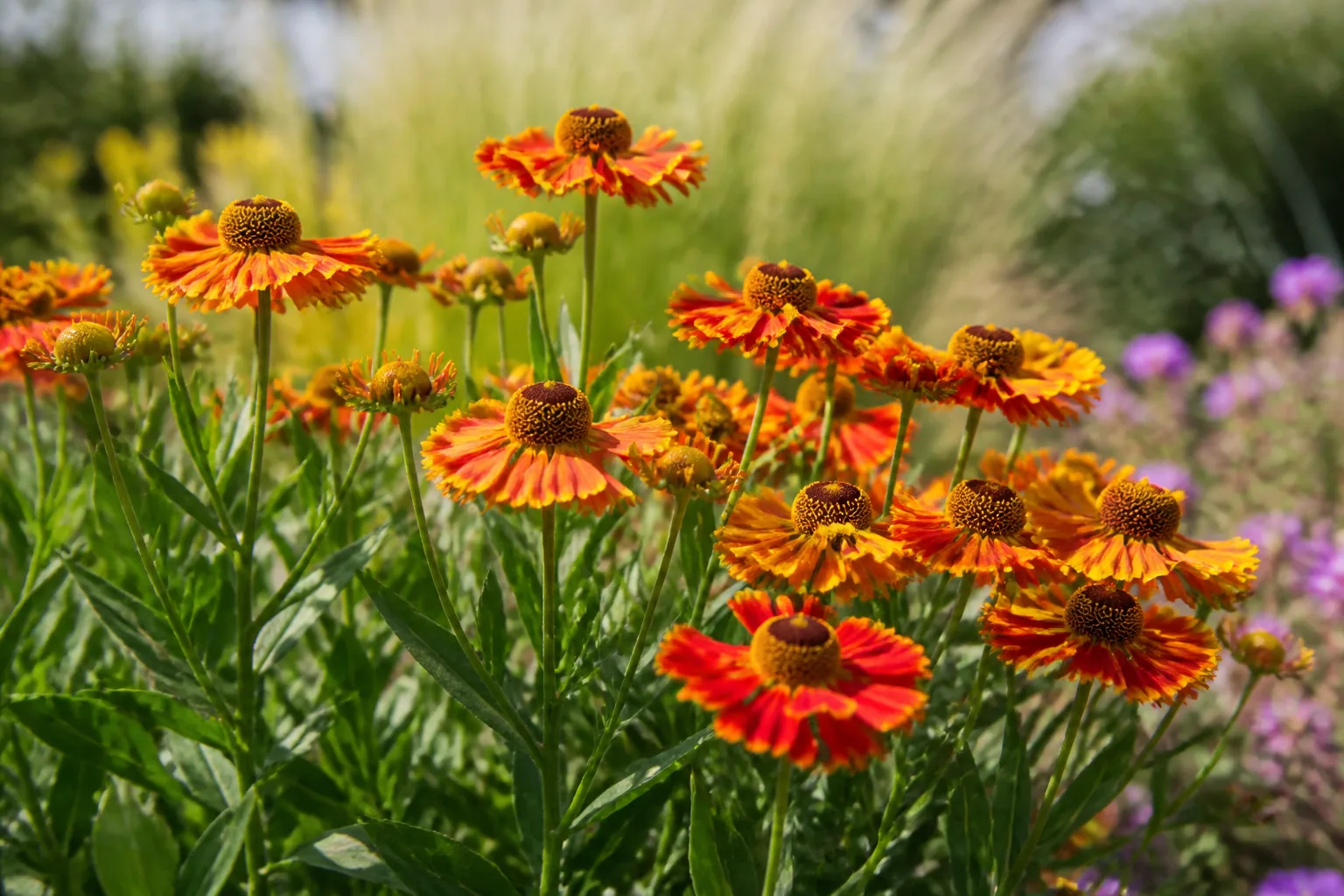
Helenium brings warm yellow, copper, orange, and red flowers to the stretch between summer and fall. It is a clump-forming North American perennial, commonly grown as a group of cultivars and hybrids, and most plants bloom in late summer or autumn. Its strongest combination is simple: give it sun, keep the root zone from drying out, and choose a variety whose mature height fits the bed.
The common name “sneezeweed” comes from the historical use of dried leaves and flower heads in snuff, not from a gardening use for the plant. Helenium is a good choice for a sunny rain-garden edge or a border that stays evenly moist, but it can disappoint in dry soil or deep shade. University of Wisconsin–Madison Extension describes the genus’ late-season flowers and clump-forming habit, while NC State Extension notes that the species grows in moist soils and can reach 3 to 5 feet.
Helenium at a Glance
| Feature | What to expect |
|---|---|
| Botanical name | Helenium, most often Helenium autumnale and its cultivars |
| Plant type | Herbaceous, clump-forming perennial |
| Mature size | About 2 to 5 feet tall, depending on species and cultivar |
| Spread | Commonly about 2 to 3 feet; check the cultivar label |
| Light | Full sun for the strongest flowering; some plants tolerate partial shade |
| Soil | Moist to wet, with fertility and drainage suited to the variety and site |
| Bloom | Summer into fall; timing varies by variety and climate |
| Hardiness | The species is reported for USDA zones 3a–8b |
| Best uses | Pollinator borders, rain gardens, meadows, cutting gardens |
The species and the ornamentals sold at nurseries are not interchangeable in every detail. NC State’s profile places Helenium autumnale in moist-to-wet habitats, while Plantura’s general garden guide cautions against waterlogging. That suggests tolerance can depend on species, cultivar, and growing setup; use the label and treat a container differently from an in-ground rain-garden planting. Named selections also vary in height, vigor, flowering time, and color, so use the plant tag to refine the range in NC State Extension’s plant profile and Wisconsin Horticulture’s overview.
A safety note is useful because sources disagree. NC State Extension lists Helenium autumnale as poisonous if eaten in significant quantities, and Wisconsin Extension also describes its foliage as toxic when ingested in large amounts. Plantura’s care guide says the plant is not poisonous but may irritate sensitive skin. Treat helenium as ornamental: do not eat it or make snuff from it, discourage children and pets from chewing it, and wear gloves if you know your skin reacts to garden plants.
Choose a Site With Sun and Reliable Moisture
Choose a spot that receives at least six hours of direct sun on most days. Helenium can manage partial shade, especially where afternoon sun is harsh, but less light often means looser stems and fewer flowers. If the bed is shaded for much of the day, solve that site problem first instead of trying to compensate with extra fertilizer.
Moisture is the second half of the site decision. Helenium works well in a sunny low area, the upper edge of a rain garden, or a border where the soil does not bake dry between rains. The plant’s roots should have consistent access to moisture during active growth and flowering; a bed that dries hard every week makes it harder to keep stems leafy and flowers abundant.
The plant is clump-forming, so it suits a planned bed better than a narrow crack beside paving. Leave room for its labeled mature width and for neighboring plants to grow without sealing the leaves into a dense, damp mass. That spacing helps air move through the stems and makes the plant easier to inspect and deadhead.
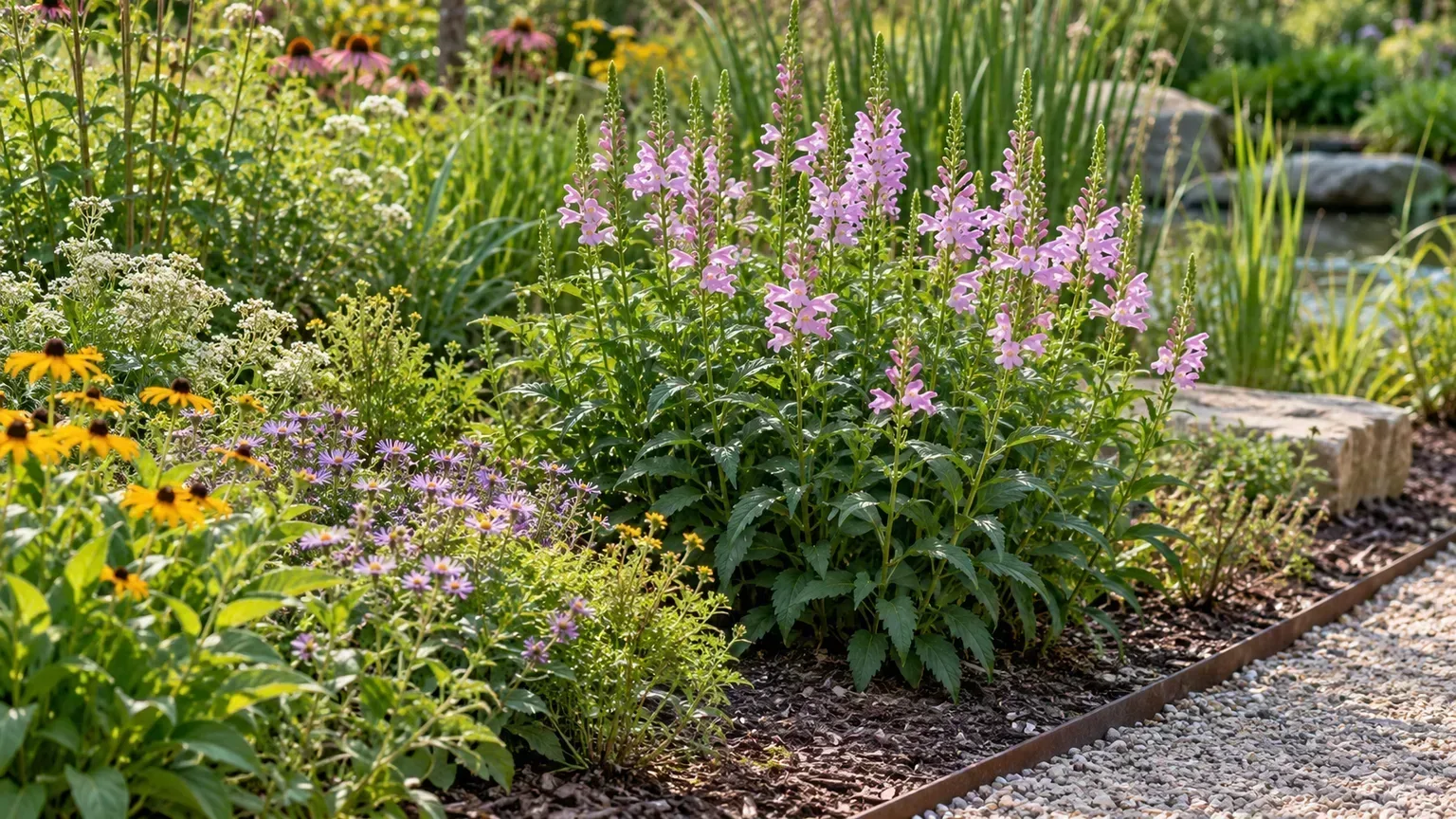
The Soil Should Stay Moist, Not Stagnant
Helenium tolerates a broad range of soils, including clay, if the variety and site can handle the amount of water present. NC State’s profile describes the species in moist-to-wet soils and lists clay among tolerated textures, while Plantura cautions against waterlogging, particularly for container-grown plants. That difference is a reason to evaluate the site rather than assume every helenium has identical drainage needs.
A practical target is soil that feels cool and slightly damp below the surface after rain, without an ordinary planting hole remaining full of water for days. In a heavy bed, improve the broader planting area with organic matter or raise the planting zone; do not create a tiny pocket of loose potting mix inside impermeable clay, where water can collect around the roots. If the site remains saturated for long periods, use a wet-site species or another plant matched to that condition, and check the label for a named cultivar.
Planting Helenium: Timing, Depth, and Spacing
Plant nursery-grown helenium in spring after the soil is workable, or in early fall where enough mild weather remains for roots to establish before winter. Spring gives a new plant the longest runway in colder gardens. In a mild climate, fall planting can work well if the soil is still warm and you can water through dry spells.
Dig a hole no deeper than the root ball and roughly twice as wide. Set the crown at the same level it sat in the nursery pot, backfill, press the soil lightly to remove large air pockets, and water slowly until the root zone is wet. Mulch around the plant to reduce evaporation, keeping the mulch a few inches away from the crown so stems are not buried.
Space plants according to the mature width of the specific cultivar rather than a universal number. Many heleniums reach about 2 to 3 feet wide; for a group, that usually means leaving enough room for each crown to expand while still giving the planting a full look after establishment. Plantura suggests spacing roughly 55 to 70 centimeters, with the wider end for vigorous plants, while NC State lists the species at 2 to 3 feet wide.
Can Helenium Grow in a Container?
Yes, but a pot is a less forgiving place for a moisture-loving perennial. Pick a compact cultivar, use a container with generous drainage holes, and choose a pot large enough to hold the root ball and some growing room. The smaller the container and the hotter the patio, the more often you will need to check moisture.
Water when the upper part of the mix begins to dry, then let excess water drain. Do not leave the pot standing in a full saucer. Container roots also experience more winter temperature swings than roots in the ground, so move the pot to a sheltered unheated spot, insulate it, or sink it into the soil for winter in colder regions. Plantura likewise recommends drainage and added winter protection for potted helenium.
Water and Feed for Steady Growth
For a new planting, check the soil every few days during warm, dry weather and water before the root ball dries through. Once established, helenium still performs best when it does not repeatedly wilt from drought. Probe several inches into the root zone: if it is dry, soak slowly at the base; if the soil is already damp, wait and check again rather than adding water on a schedule.
Mulch helps smooth out the wet-dry cycle, especially in a sunny border. A layer of shredded leaves or composted bark can reduce evaporation, but keep it pulled back from the crown. Water at soil level when possible, especially in humid weather, so foliage does not stay wet overnight.
Helenium is not a plant that needs heavy feeding to flower. In average garden soil, add compost in spring or use a light, balanced fertilizer only if growth is weak and the soil is poor. Too much nitrogen can produce lush, soft stems that lean and put more energy into leaves than flowers. Wisconsin Extension recommends early-spring feeding only as needed and warns against excessive fertilizer for this reason.
Prevent Flopping With Pinching and Support
Flopping usually has a cause that can be corrected before the next flowering season. Tall varieties are naturally more likely to lean in wind or heavy rain, but deep shade, crowded growth, and overfeeding can make the problem worse. A sturdy cultivar in a sunny site needs less intervention than a five-foot plant packed tightly into a damp corner.
Support tall plants before they fall. Put a peony ring or discreet stakes around the clump in late spring, while new stems are still short enough to grow through the support. This is easier than tying up a tangle of flowering stems after a storm, and it keeps the support hidden once the plant fills in.
When to Pinch and When to Stake
Pinching is an optional way to trade some height and earliness for a shorter, more branched plant. In late spring, while shoots are actively growing and before flower buds form, remove the tips of tall stems. The plant responds with more side branches; flowers may appear later than on unpinched stems. Wisconsin Extension notes this timing and trade-off, and NC State Extension also recommends an early-summer cutback to encourage branching.
Do not pinch a compact cultivar that already has the height and shape you want. Avoid late pinching: if the season is short or buds are already forming, cutting the plant can leave too little time to flower. If the plant is tall but blooming well, a support ring is the simpler choice for this season; next year, move it to more sun or try earlier pinching.
Deadhead Flowers and Plan for Winter
Deadheading spent flowers can extend the display and keep the border looking tidy. Cut a faded flower stem back to a healthy side shoot or leaf joint rather than shearing the entire plant at once. Check every week or two during the main bloom period; removing old flowers is most worthwhile when fresh buds are still developing.
If you want seeds or winter structure, leave the last flowers standing. Helenium’s late flowers attract bees and butterflies, and its seed heads add texture after bloom. Hugh Conlon of What Grows There notes that deadheading can extend the bloom period of ‘Short ‘n’ Sassy’; whether to continue depends on whether you prefer more flowers or seed heads.
Should You Cut Helenium Back in Fall?
You can cut helenium back after flowering, but there is no need to rush while the plant is still green and healthy. If the foliage is clean, leave stems through winter for structure and cut them down before new growth starts in spring. If leaves are badly spotted or mildewed, remove affected material after it dies back and discard it rather than leaving infected debris packed around the crown.
In colder climates, a light winter mulch can reduce freeze-thaw stress on young plants, but avoid burying the crown under a wet, heavy layer. Ground-grown helenium is hardy across a broad zone range; pots are more exposed and need extra insulation or a protected position. This is one reason a compact variety in the ground is often simpler than a tall one in a small container.
Choose a Helenium Variety for Your Space
Choose by height and bloom timing first, then color. A plant listed at five feet may need a place near the back of a border and early support; a compact cultivar can edge a path or grow in a larger patio pot. Ask the nursery for the cultivar name, because “sneezeweed” alone does not tell you whether the plant will be 20 inches or several feet tall.
- ‘Short ‘n’ Sassy’ is a compact, early-flowering selection with orange and yellow flowers. Hugh Conlon describes it at about 12 to 18 inches tall and useful in smaller spaces or containers; other references list it near 20 inches, so use the plant tag for the final height.
- ‘Butterpat’ has bright yellow flowers and a taller habit, commonly around 3 to 4 feet.
- ‘Moerheim Beauty’ produces coppery red flowers on a taller plant that may need support.
- ‘Sahin’s Early Flowerer’ has a long flowering period and color that can shift between orange, red, and yellow tones.
The cultivar descriptions above are consistent with Wisconsin Horticulture’s comparison and NC State Extension’s plant profile. Cultivar height varies with climate, soil, and growing conditions, so leave a little more space than the smallest catalog number suggests.
Divide Helenium When Clumps Lose Vigor
Helenium does not need dividing every year. Consider division when the center of a mature clump becomes sparse, stems grow weakly, or the plant flowers less well despite adequate sun and moisture. Wisconsin Extension suggests digging clumps every three to five years to maintain vigor, while Plantura gives a similar four-to-five-year interval; use those as check-in points rather than a deadline.
Early spring, as new growth is just starting, is the easiest time to lift and replant. Division also gives you a way to keep a plant that has spread beyond its allotted space or to replace an old center with younger outer growth. Skip division during a heat wave or when the soil is waterlogged, since freshly disturbed roots are more vulnerable to drying or damage.
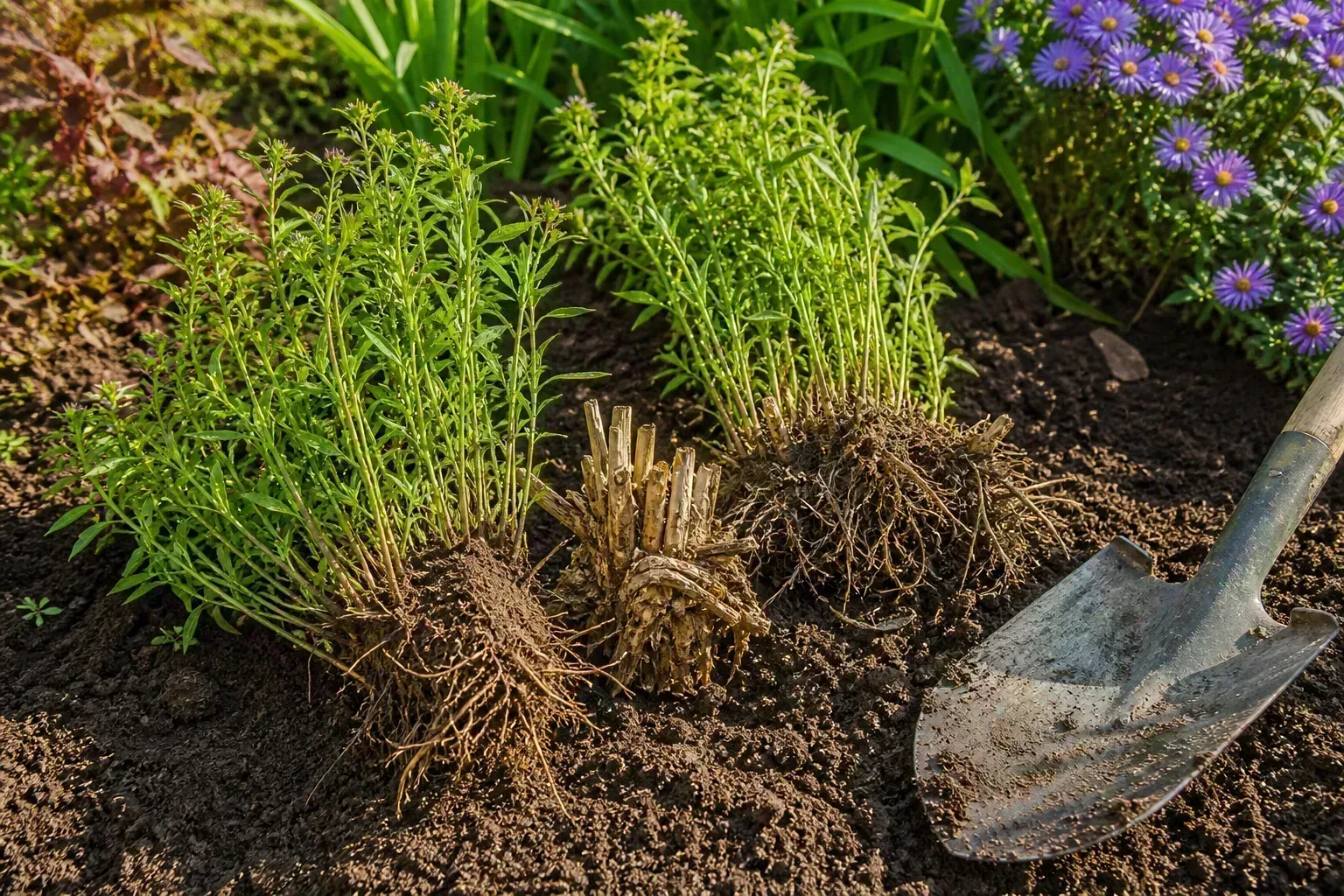
How to Divide Helenium in Spring
- Water the clump the day before if the soil is dry.
- Insert a garden fork in a circle around the plant and lift the root mass with as much root as practical.
- Pull or cut the clump into sections that each have healthy shoots and roots; discard a woody or declining center.
- Replant divisions promptly at the original depth, firm the soil gently, and water thoroughly.
- Keep the new divisions evenly moist while they establish, then resume the normal moisture checks for the bed.
If the clump is small and still flowering strongly, leave it alone. Division is a renewal tool, not routine maintenance for its own sake.
Grow Helenium From Seed or Cuttings
Seed is useful when you are growing the species or want a number of plants for a naturalistic planting. It is less reliable when you want an exact match to a named cultivar: many garden heleniums are hybrids, and seedlings may differ in height, color, or bloom time. For a faithful copy of a favorite variety, choose division or a cutting instead.
Helenium seeds need light to germinate. Sow them on the surface of a moist seed-starting mix, press them gently into contact, and keep them bright and evenly moist; do not bury them under a thick layer of soil. Plantura’s propagation guidance describes surface sowing and notes that hybrids can produce little viable seed. Exact sowing dates depend on your climate and whether you start indoors or sow outdoors.
For a cutting, take a short tip from a healthy new shoot in spring and remove the lower leaves. Place it in a clean, moist propagation mix and keep it in bright indirect light while roots form. This takes more attention than division, so most gardeners will find dividing an established plant the easier route. Wisconsin Extension identifies both division and tip cuttings as ways to propagate hybrid heleniums.
Troubleshoot Poor Bloom, Flopping, and Leaf Damage
Look at the site and recent care before reaching for a product. A helenium that is leafy but flowerless, one that wilts every afternoon, and one with a white leaf coating need different fixes. Change one likely cause at a time so you can tell whether the plant responds.
Few Flowers or Tall, Weak Stems
Start with sunlight. If the plant gets only a few hours of direct light, move it to a brighter location when the weather is mild; feeding will not make a shaded plant bloom well. Next, check the root zone during dry weather. Helenium can tolerate moist ground, but a plant that dries repeatedly may lose lower leaves and produce weaker flowering stems.
If growth is extremely lush and stems are soft, stop adding fertilizer and compost for now. Support the stems this season, then consider spring pinching next year or switch to a shorter cultivar. A mature clump that has become thin or hollow may need division, but only after you have ruled out shade, drought, and excessive feeding.
Bloom can also be delayed by pinching. If you cut the shoots back in late spring, allow extra time for side branches and buds to develop before deciding that the plant has failed. Compare its bloom timing with the cultivar label; heleniums do not all open in the same month.
Powdery Mildew, Leaf Spots, and Dry Foliage
Powdery mildew appears as a pale coating on leaves, while leaf spots show as discrete discolored patches. NC State Extension lists powdery mildew, leaf spot, and rust among the issues to watch for, although it describes the plant as having no significant problems overall. Improve spacing and airflow, water the soil rather than the leaves, and remove badly affected foliage after the season.
Brown or ragged lower foliage can be a sign that the root zone has dried out, particularly before the flowers open. Check below the mulch instead of judging only by the surface; if the soil is dry several inches down, water deeply and resume regular checks. If it is persistently wet, do not keep adding water just because the leaves look tired—check drainage and whether another cause, such as disease, is present.
Helenium generally has few serious pest problems, but slugs may damage tender spring shoots. Inspect new growth after damp nights and remove slugs or use a locally appropriate barrier if damage continues. Avoid pesticide use on open flowers where bees and other pollinators are feeding.
Pair Helenium With Other Late-Blooming Flowers
Use helenium where its warm colors can bridge the gap between summer and autumn. In a mixed border, put tall varieties behind shorter perennials and leave the front edge for compact cultivars. Planting a small group rather than a single specimen gives the flowers more visual weight and makes support less conspicuous.
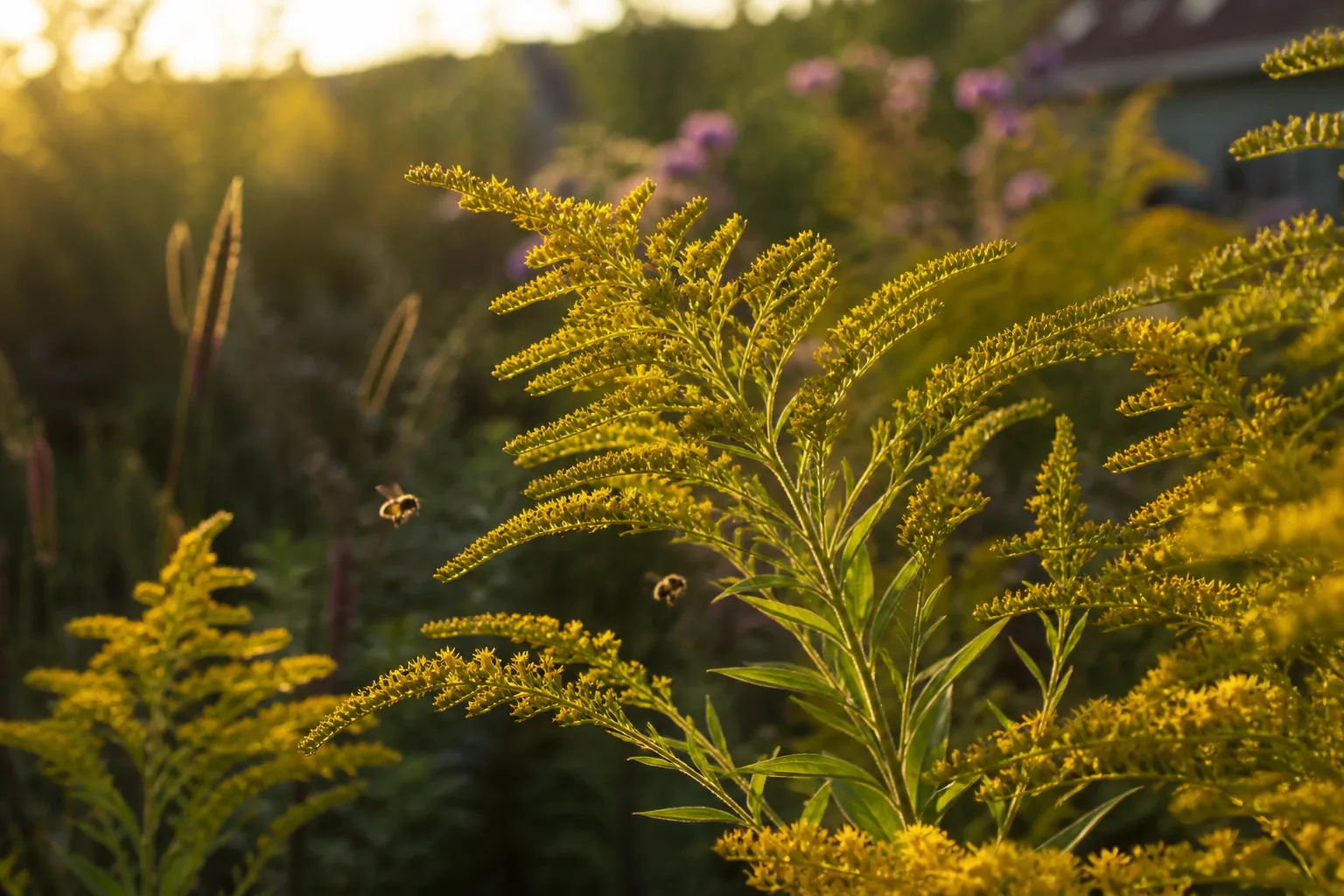
Choose companions that enjoy similar sun and moisture. Wisconsin Horticulture lists asters, goldenrods, purple coneflower, rudbeckias, ornamental grasses, and other perennials as landscape partners; Plantura also suggests goldenrod, phlox, bee balm, and ornamental grasses. These combinations extend seasonal color and create a longer window for pollinators, but avoid pairing helenium with plants that need a sharply drier site unless you can water those zones separately.
Conclusion
Helenium is easiest when you match its moisture needs and mature size to the bed before planting. Give it sun, keep the root zone from drying out, and use the cultivar label to decide spacing and support; then deadhead for more flowers or leave the final heads for seed and winter structure. If an established clump declines, divide it in spring, and if flowering disappoints, check light, moisture, and fertilizer before replacing the plant.



