14 Home Depot Gardening Tools Under $50 for Spring
Shopping for spring garden tools? See what each under-$50 Home Depot pick is best for, what to skip, and how to build a practical starter kit.
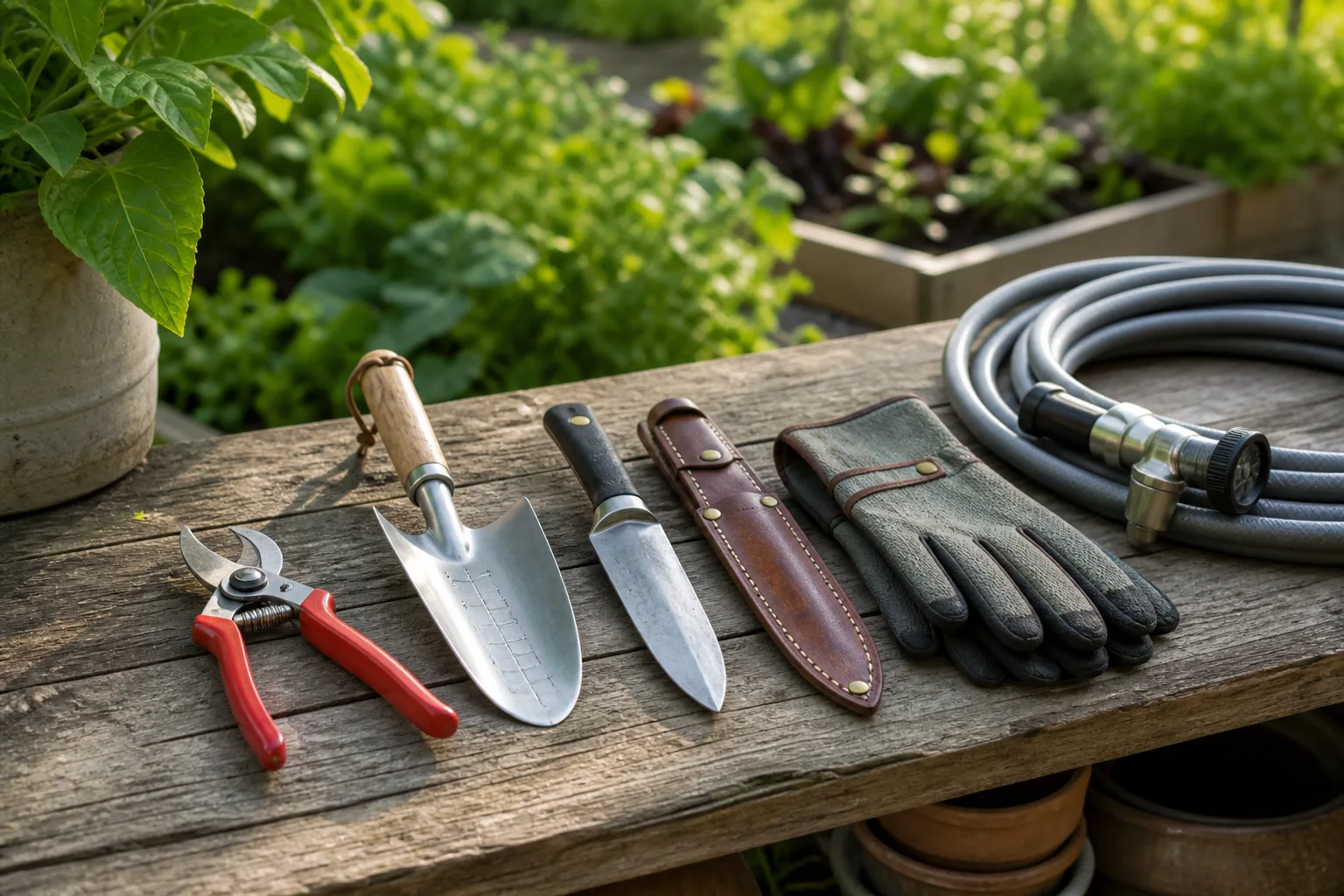
The best spring garden purchase is usually the tool that solves the job waiting in front of you—not the item with the most features. A hand trowel that fits your grip, a bypass pruner that matches the size of your stems, and gloves that protect your wrists can be more useful than a large pile of accessories.
The 14 Home Depot gardening tools below cover planting, potting, pruning, watering, weeding, carrying, labeling, and supporting plants. The supplied shopping round-up listed them at roughly $5 to $42, but prices, stock, pack sizes, and local pickup can change. Treat the linked retailer page as the current check, and use the buying notes to decide whether an item belongs in your garden at all.
How to choose affordable garden tools that earn their space
Start with your spring jobs. If you are planting containers, you need a pot with drainage, an appropriate potting mix, a trowel or scoop, gloves, and a gentle way to water. If you are reopening an established bed, gloves, pruners, a hoe, labels, and ties may matter more. A cart, apron, stool, or bucket bag becomes worthwhile when it removes repeated trips or makes the work more comfortable.
Penn State Extension describes the right tool as a form of self-care: handle length, balance, material, head angle, and weight affect fatigue and injury risk, not just convenience. Its guidance also separates bypass cutters, which slide past each other for live wood, from anvil cutters, which meet a blunt surface and are better suited to dead wood. Penn State Extension explains the tool-fit principle and pruning distinction.
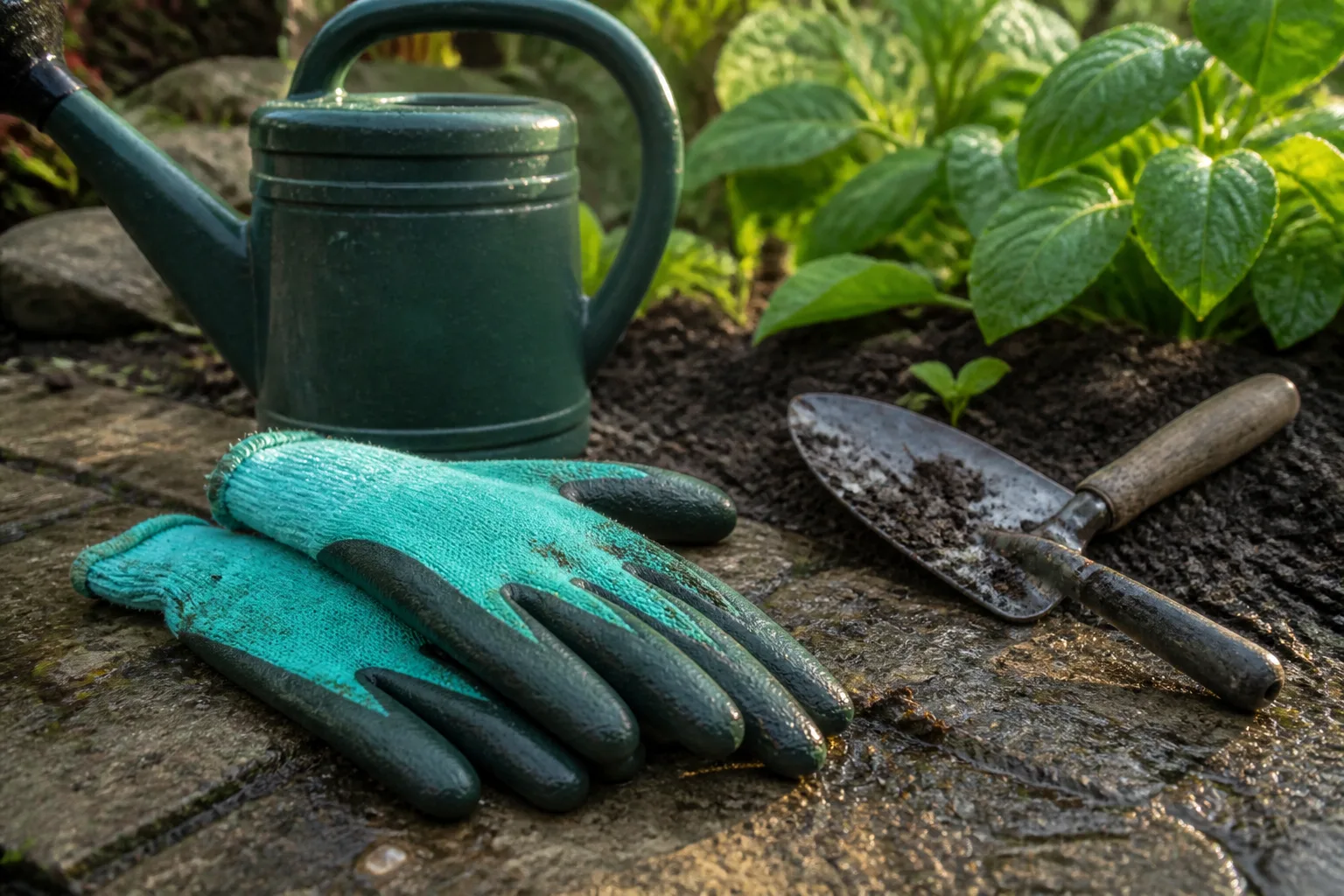
Use four quick tests before putting anything in your cart:
- Job test: Can you name the spring task this item will complete?
- Fit test: Can you hold, lift, or operate it without hunching, pinching, or overreaching?
- Plant test: Will it help the plant, or could it compact soil, crush stems, or keep roots too wet?
- Care test: Can you clean, dry, store, and repair it after the season?
The list includes true tools and useful support items. You do not need all 14. For many beginners, the best first purchases are gloves, a trowel, a watering can, and bypass pruners; add potting mix or a planter only when you already know what you are planting.
The 14 Home Depot gardening tools under $50
1. Digz long-cuff garden gloves
The Digz long-cuff garden gloves were listed at about $17 and are a sensible upgrade when ordinary knit gloves leave your wrists exposed. A longer cuff helps when you are reaching through rough brush, handling thorny stems, pulling weeds, or moving compost. The floral print is a style detail; the useful question is whether the large size fits securely enough that you can still feel a pruner handle and trowel.
Use these for general planting and cleanup, not as a universal substitute for task-specific protective equipment. The RHS recommends sturdy gloves for thorns and long cuffs for sharp plant material, while waterproof gloves are better when contact with wet or potentially harmful substances is part of the job. RHS safety guidance covers gloves, cuffs, open wounds, and chemical-label requirements. If you have small hands, compare the retailer’s sizing before buying; a loose glove can reduce control around blades.
2. Miracle-Gro potting mix
The Miracle-Gro potting mix was listed at about $8 for a 25-quart bag and is the kind of purchase that makes sense when you are filling containers, refreshing tired media, or transplanting seedlings into pots. The product listing describes feeding for up to six months, but that does not mean it is the correct medium for every plant or that every plant needs more fertilizer immediately.
Do not shovel ordinary garden soil into a container just because it is free. Container roots have limited space and need a medium that drains while holding enough moisture; a heavy bed soil can stay wet and compact around the root ball. The RHS notes that potting compost is different from garden compost and that the best choice depends on the crop, with short-term bedding and vegetables often using a multipurpose medium while long-term plants may need a heavier, soil-based mix. RHS container guidance explains drainage, compost choices, and overpotting.
Buy this bag when you have a container plan. Skip it if you only need to amend an in-ground bed, where bulk compost or a soil amendment chosen for your soil test may be the more appropriate purchase.
3. Vigoro Aurelia resin planter
The Vigoro Aurelia resin planter was listed at about $25 and measures roughly 15.1 inches across by 14.2 inches high. Its weather-resistant resin and blue patina make it a quick way to add a focal container to a patio, porch, or entry, but appearance should come after the root-zone check.
Look inside and underneath before planting. Confirm that the container has a real drainage opening, that excess water can escape, and that the pot will sit level on the surface you plan to use. The RHS calls drainage holes essential for container plants and warns that an oversized pot can hold more damp compost than a small root ball can use. RHS container advice is the reason to check drainage and size before buying.
This is a good pick for a decorative seasonal display or a group of compatible plants. It is not automatically a good home for a drought-tolerant plant that needs a very fast-drying mix, nor should a large empty container be filled with wet media and then moved after planting. Choose the location first.
4. Fiskars Classic bypass pruning shears
The Fiskars Classic bypass hand pruning shears were listed at about $10 with a 5/8-inch cutting capacity. Bypass blades are the right starting point for live, flexible stems: the blades pass each other and make a cleaner cut than a blunt crushing action. That makes this an inexpensive, high-use tool for removing spent flowers, thin suckers, herbaceous stems, and small woody shoots that are within its stated capacity.
Do not force these shears through a branch that is too thick. A stuck blade, a crushed stem, or a bent tool is the usual result. Hold the branch where the cutting head can close fully, keep fingers behind the blades, and clean the tool between plants when disease could be transferred. Penn State Extension recommends regular blade cleaning between cuts and gives rubbing alcohol or a properly diluted bleach solution as options; follow the product directions and rinse and dry metal afterward. Penn State’s garden-tool guidance covers bypass blades and disinfecting between cuts.
5. The Home Depot 1.5-liter Sparrow watering can
The Sparrow blue-gray watering can was listed at about $5 and holds 1.5 liters. Its small capacity is exactly why it works well for seedlings, balcony pots, and a few containers near the door: it is light enough to carry and less likely to deliver a heavy, uncontrolled stream.
It is not a substitute for a hose or larger can when you are watering a long bed. You will make more trips, and frequent refilling can be annoying if the garden is far from the tap. Use a fine rose or gentle pour for newly planted seedlings so you do not wash media away from shallow roots. Water the root zone thoroughly, then let excess drain; a decorative can should not encourage quick surface sprinkles that leave the lower root zone dry.
6. Suncast portable plastic garden cart
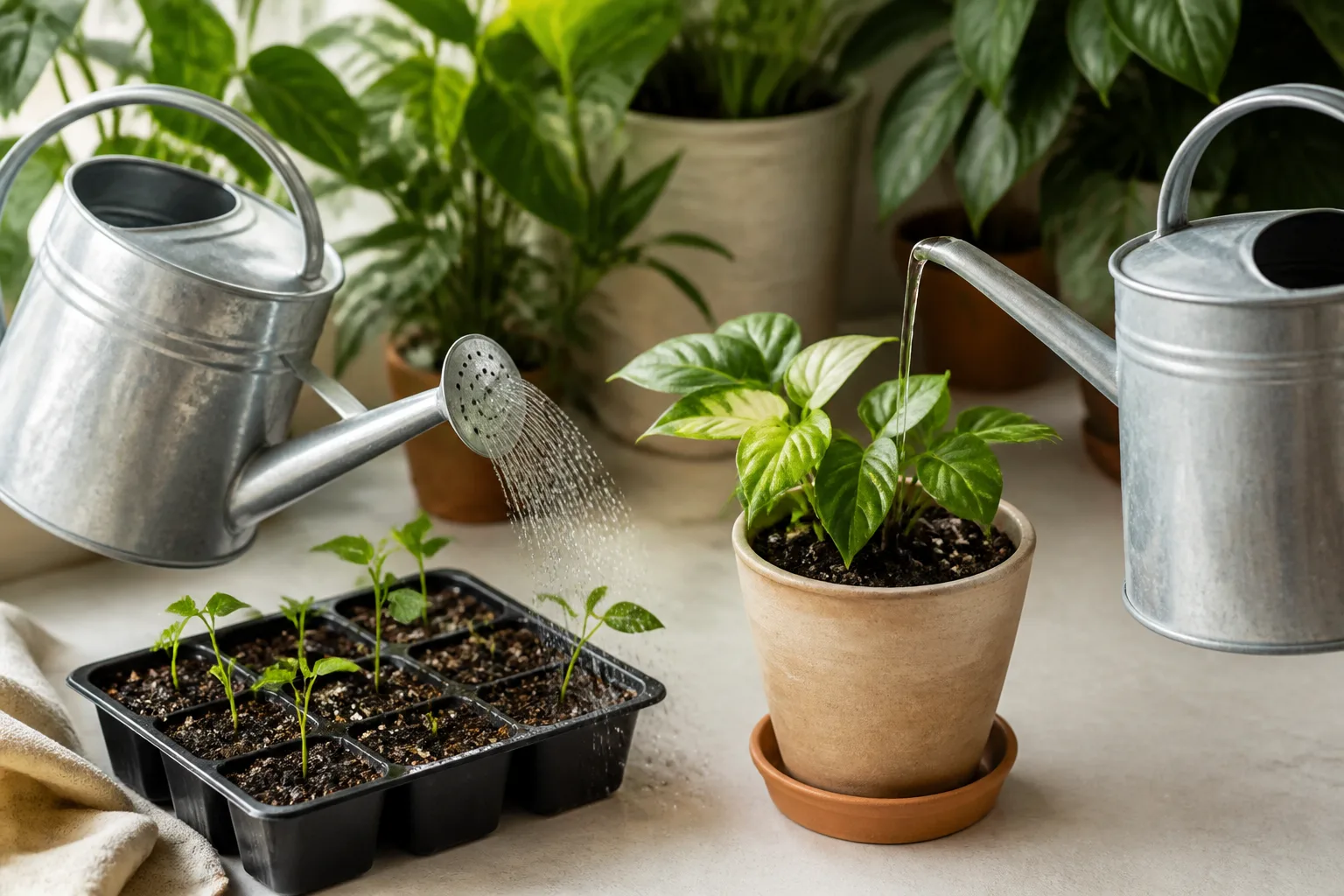
The Suncast portable garden cart was listed at about $39 with a 2-cubic-foot capacity. A small rolling cart earns its place when you are moving bags of potting mix, mulch, weeds, empty pots, or several hand tools across a yard. It can turn repeated lifting into one controlled trip, especially for a bed that is not close to a shed.
Before buying, measure the route: a cart that fits a shed door may still be awkward on steps, soft soil, or narrow paths. Keep the load stable and within the manufacturer’s capacity, and do not assume a light plastic body can safely carry a bag that is difficult for you to lift. A two-wheel cart is easier to steer in tight spaces; a wheelbarrow may carry more but demands more balance and lifting strength.
7. Anvil wood-handle trowel
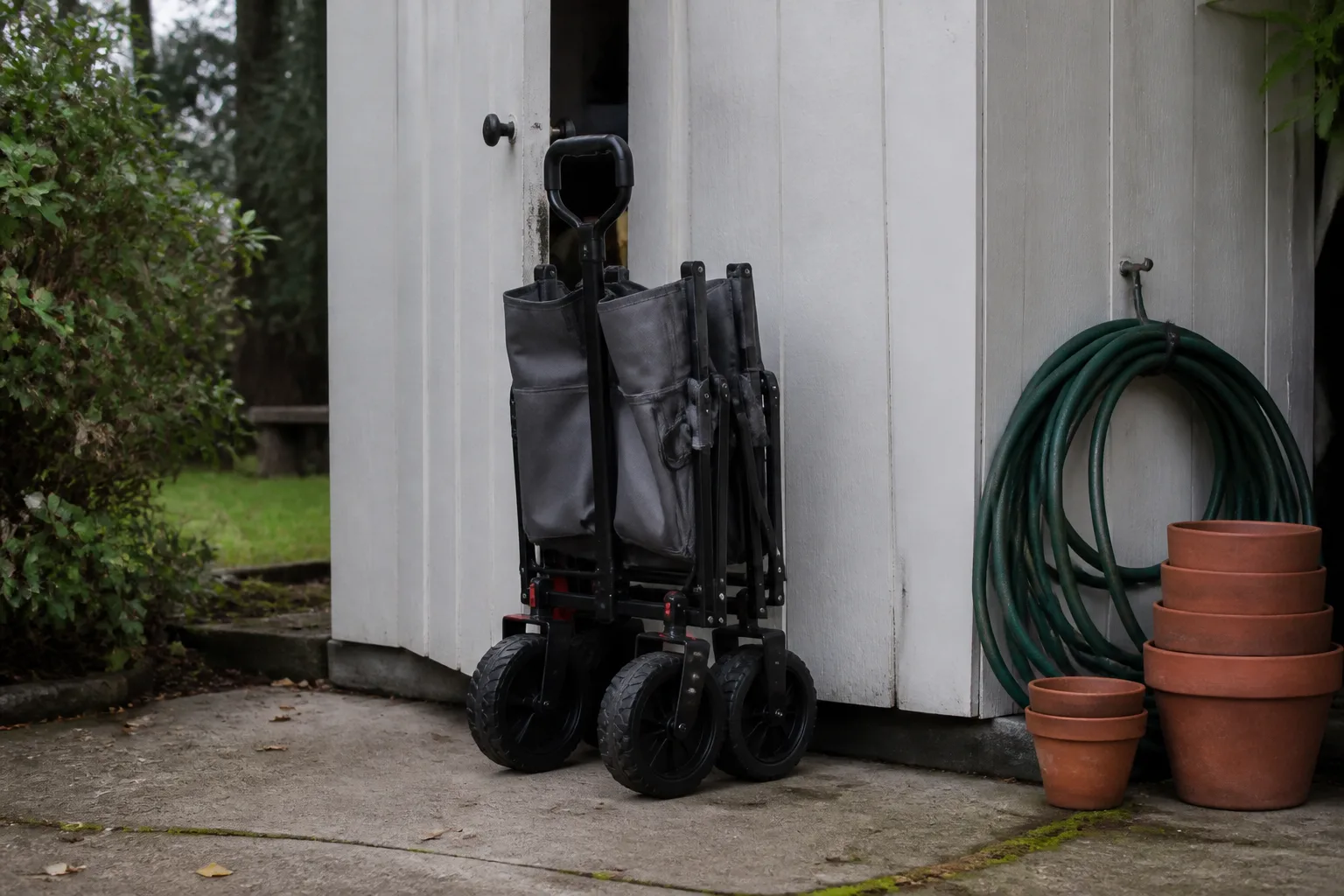
The Anvil wood-handle trowel was listed at about $5, with a 5-2/5-inch head and a rust-resistant metal blade. A trowel is the small digging tool most gardeners reach for first: use it to open transplant holes, lift small weeds, divide a crowded pot, or fill a container around a root ball.
The wood handle is comfortable for many gardeners, but inspect the joint and the grain before buying. A loose head or cracked handle is not a bargain. Use the blade to cut and lift soil, not as a lever for prying rocks or roots; that is how a low-cost handle gets damaged. After wet work, knock soil off, rinse if needed, and store the tool dry so “rust-resistant” does not become “rust-proof.”
8. Tidy Pots curved potting scoop
The Tidy Pots curved potting scoop was listed at about $5 and is designed for moving loose potting mix into containers with fewer spills. Its nine-inch length and curved profile make it more comfortable than a flat hand trowel when you are filling a wide pot, topping up a houseplant, or transferring dry mix from a bag to a tub.
Think of it as a media-handling tool, not a replacement for a digging trowel. A scoop is a poor choice for compacted clay, hard garden soil, or roots that need slicing. Keep a small bucket or tray under the work area, and moisten dusty mix according to the product and crop needs rather than working with a cloud of dry particles. Gardeners with allergies or asthma should also consider ventilation and a suitable mask when handling dusty media; the RHS discusses dust and airborne particles from dry compost. RHS safety advice covers dust from potting media and protective choices.
9. Digz canvas gardening bib apron
The Digz canvas gardening bib apron was listed at about $25 and has a padded shoulder strap and a large pocket. It is most useful when your garden has become a series of short jobs: prune one shrub, carry labels to a bed, gather plant ties, then move to a container. Keeping a marker, snips, labels, gloves, and a small trowel on your body can reduce trips back to the shed.
Do not overload a single pocket with sharp tools. Store blades closed or sheathed, keep the apron clear of loose straps that can snag on shrubs, and wash it when it becomes contaminated with soil or plant residue. If the apron causes shoulder or neck strain, a bucket bag or cart may be the better carrying system. The goal is less walking and bending, not a heavier outfit.
10. Pure Garden folding stool with garden bag and tools
The Pure Garden folding stool and tool set was listed at about $42 and combines a low seat, a garden bag, and several small tools. A stool is a comfort purchase that can be genuinely practical for weeding, deadheading, container planting, and harvesting when kneeling is painful or standing for long periods is tiring.
Check the stool’s stability on the surface where you will use it, and do not stand on it as a step ladder. The included tools are convenient for a first kit, but inspect their handles, head attachment, and size; a bundle is not a reason to keep a tool that does not fit your hand. Use the bag for light hand tools and refuse, then fold and store the set out of rain so its fabric, hinges, and tools last longer.
11. Vigoro plastic T-labels
The Vigoro plastic T-labels were listed at about $7 for a 25-pack. Labels are inexpensive insurance when you start several varieties at once, sow a crop in more than one location, or want to remember the planting date next spring. They are especially helpful for seedlings that look identical for the first few weeks.
Write the plant name, variety, and sowing or transplant date. A permanent marker is a start, but sun and weather can fade writing, so test the marker on one label before committing the entire pack. For valuable seeds, keep a simple garden map or notebook too; a label can be knocked out by a storm, animal, or cultivation. These are not a substitute for a record, but they make the record easier to use in the bed.
12. VELCRO garden ties
The VELCRO garden ties were listed at about $6 for a 50-foot roll and are useful when a plant needs flexible support rather than a rigid wire tie. Cut a short length for tomatoes, young shrubs, climbing vines, or a temporary stake, then make a loose loop with room for the stem to expand.
Never cinch a tie tightly around a growing stem. Check it as the plant thickens, and position the tie so wind does not cause repeated rubbing against the stake. These adjustable ties are convenient because they can be opened and repositioned, but they do not replace a strong trellis or the right staking method for a heavy crop. Buy them when you already have a support plan; otherwise, they become a roll of good intentions in the shed.
13. Digz waterproof gardening bucket bag
The Digz waterproof gardening bucket bag was listed at about $15 and is described as holding up to five gallons. It is a practical middle ground between an apron and a cart: use it to collect weeds, carry hand tools, gather vegetables, or move a small amount of loose soil while keeping the contents together.
The waterproof material is useful for damp debris, but it does not make the bag indestructible. Do not fill it until it is too heavy to lift safely, and do not throw sharp prunings into an open bag where they can puncture the fabric or injure someone reaching inside. Empty and rinse it after carrying wet soil or diseased plant material, then dry it before storage. For large loads, the Suncast cart above is the more ergonomic choice.
14. Ames 54-inch action scuffle hoe
The Ames action scuffle hoe was listed at about $34 and has a 54-inch wood handle. A scuffle hoe, also called an oscillating or stirrup hoe, is designed to slice small weeds at or just below the soil surface as you push and pull it. Its long handle lets you work upright, which is often more comfortable than repeated hand weeding.
Use it when weeds are young and the soil surface is workable. Sweep shallowly between rows and around established plants; plunging deeply can sever crop roots or bring up new weed seeds. A scuffle hoe is not the best tool for removing a large, rooted perennial weed, breaking compacted ground, or working tight between seedlings. Penn State Extension emphasizes that hoe shape and head angle affect the job, so test your stance and handle length rather than assuming every hoe will feel the same. Penn State’s explanation of hoe form and function is useful before choosing a long-handled weeder.
The most useful starter combination is usually gloves plus trowel plus watering can plus bypass pruners. Add the potting mix and resin planter for container work, the scuffle hoe for open beds, and the cart or carrying accessories only when your garden layout makes transport the recurring problem. The labels and ties are low-cost add-ons that become worthwhile once you are growing several varieties or supporting plants.
A spring checklist that turns a shopping list into results
Spring timing depends on your local frost pattern, soil condition, and the crops you grow. Do not let a new tool rush you into planting tender plants while the soil or nights are still too cold. Use the list in this order:
| Spring job | Most useful picks | What to check first |
|---|---|---|
| Plant a container | Planter, potting mix, trowel, watering can, gloves | Drainage hole, root-ball size, crop-appropriate mix, and a stable final location |
| Prune live growth | Bypass shears, gloves, apron or bucket bag | Stem diameter, sharp clean blade, and a safe stance |
| Weed an open bed | Scuffle hoe, gloves, cart or bag | Small weeds, shallow passes, and enough space around crop roots |
| Support young plants | Garden ties, labels, trowel | Loose loops, a real stake or trellis, and a durable plant record |
| Move supplies | Cart, bucket bag, stool | Route, load weight, surface, and whether you can lift the full load safely |
For a container, set up the planter where it will live before filling it. The RHS recommends choosing a container suited to the plant, using a suitable potting compost, leaving a small gap below the rim, and watering slowly enough that the medium is not washed away. Its broader container guidance also notes that pots dry faster than open ground and can become waterlogged when drainage is poor. RHS planting instructions show the sequence for filling, planting, and watering a container.
For a bed, do one inspection walk before you start. Identify stakes that need ties, stems that actually need pruning, and weeds small enough for a scuffle hoe. That five-minute survey prevents the common spring mistake of using the newest tool simply because you bought it.
Care, cleaning, and safety for budget garden tools
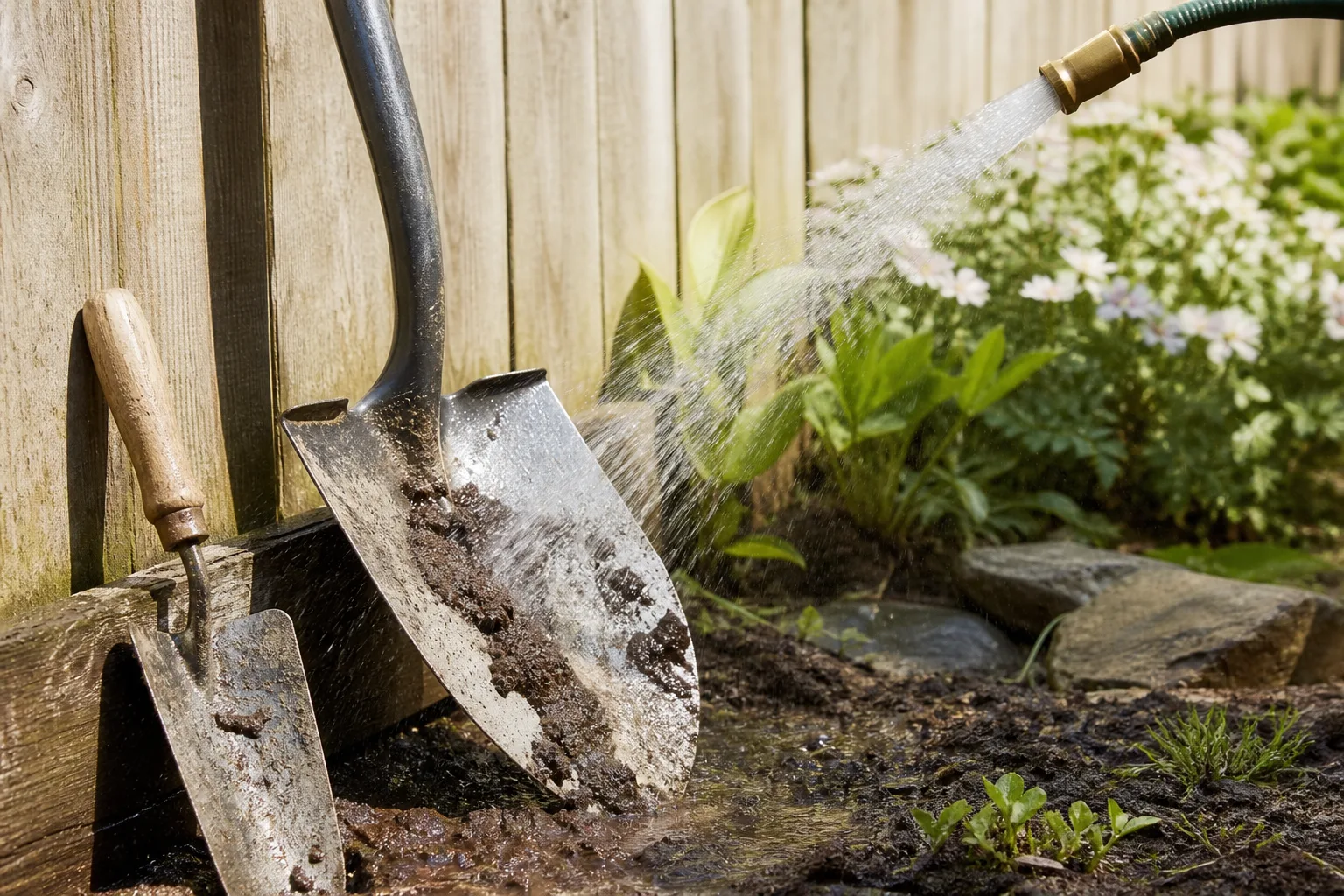
Low price does not have to mean short life. Soil left on a blade holds moisture, sap makes a pruner sticky, and a wet wood handle can swell or deteriorate at the joint. A short reset after each session is more useful than a dramatic end-of-season rescue.
- Remove soil immediately. Brush or rinse dirt from trowels, scoops, hoe heads, and cart wheels before it dries hard. Avoid storing mud-caked tools in a shed.
- Dry metal completely. Wipe blades and heads, paying attention to the hinge and the place where the head meets the handle. Rust-resistant coatings reduce risk; they do not remove the need for drying.
- Clean cutting tools between plants when needed. Sap and plant residue can make a cut drag, and dirty blades can move pathogens between plants. Use the disinfecting method recommended by a reliable horticultural source or your extension service, then rinse and dry metal so the cleaner does not sit on it.
- Oil moving parts. A small amount of tool oil on a pruner hinge helps it open and close smoothly. Keep oil off the cutting edge immediately before pruning edible crops unless the product is appropriate and the label allows it.
- Sharpen instead of forcing. A sharp blade usually requires less effort and makes a cleaner cut. Follow the existing bevel with a suitable file or stone; replace a tool if the blade, spring, or locking mechanism is unsafe.
- Store tools off the ground. Hang long-handled tools, keep sharp edges covered, and store gloves and canvas bags dry. Empty the cart and bucket bag so damp plant material does not stay trapped inside.
The RHS recommends protective gloves for many garden tasks, long sleeves for skin-sensitive plants, eye protection when debris may fly, and sturdy footwear when using hand tools or moving heavy objects. It also stresses following the label for fertilizers and plant-protection products. A long-cuff glove is helpful for thorns and rough stems, but it is not a claim that a budget garden glove provides every form of chemical or mechanical protection. RHS safety advice explains how to match protective equipment to the task.
Ergonomics matter as much as the item price. Penn State Extension notes that handle length, head angle, balance, and weight affect posture and fatigue, while BBC Gardeners’ World Magazine’s tool reviews assess comfort, blade performance, maintenance, and value rather than looking at price alone. BBC Gardeners’ World Magazine describes practical criteria for secateurs and gloves. If your wrist aches, your back rounds, or your hand loses control, stop and change the tool, grip, task, or duration.
Conclusion
These 14 Home Depot gardening tools under $50 make the most sense when you buy them to solve a specific spring job. Start with the tools that touch the work directly—gloves, a trowel, watering can, pruners, or hoe—then add the planter, potting mix, labels, ties, and carrying accessories that match how your garden actually operates.
The winning budget is not the one that buys the most items. It is the one that gives you reliable control, healthy drainage, clean cuts, safer posture, and a simple cleanup routine after the work is done. Check the current retailer page for price and stock, inspect the fit in person when possible, and let the first week of spring gardening tell you what deserves the next purchase.