How Long Do Pumpkins Last? A Storage Guide
How long do pumpkins last? Compare carved, whole, and pie pumpkins, then learn how harvest timing, curing, cool storage, and weather affect shelf life.
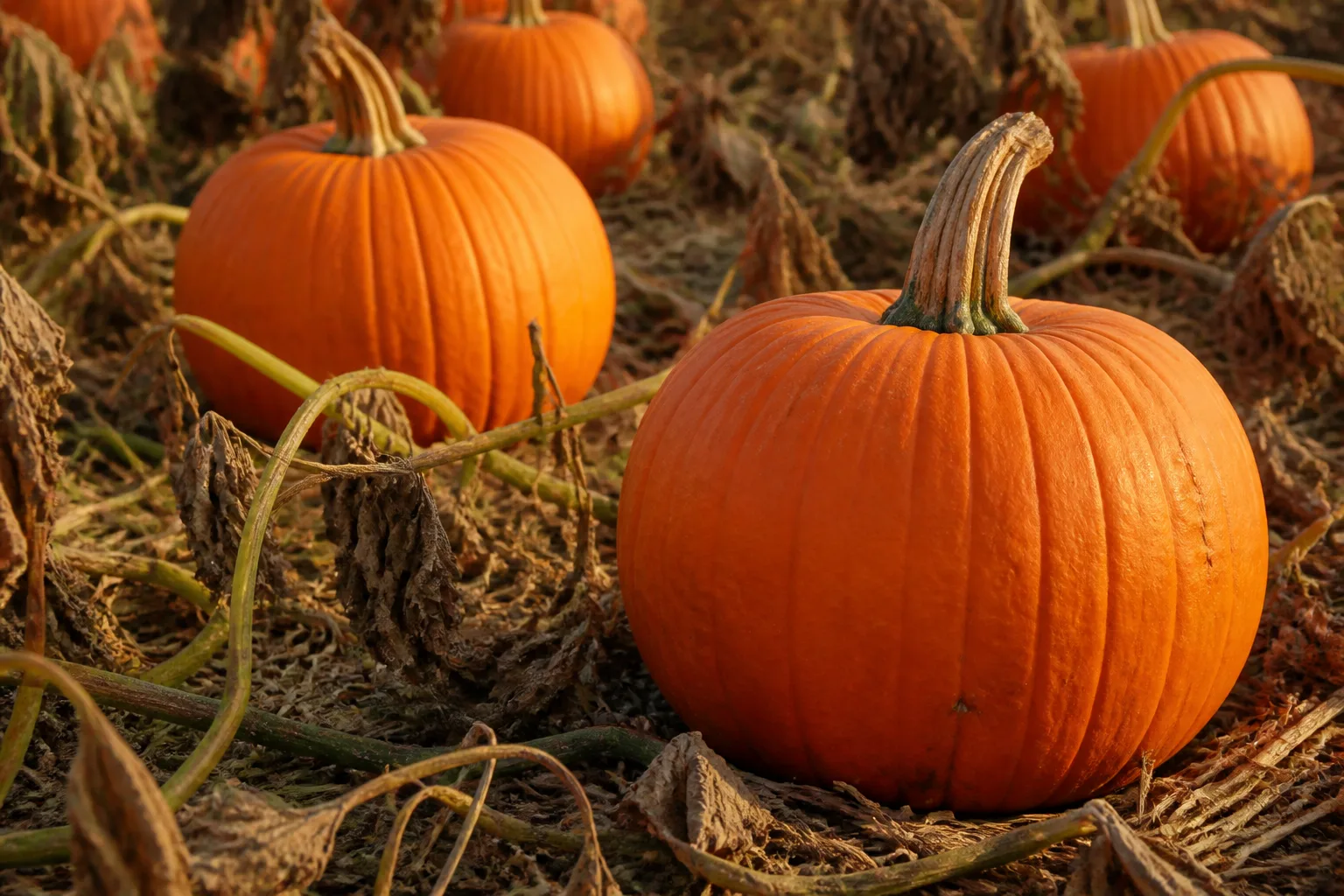
A whole, mature pumpkin can last a few weeks at room temperature or roughly two to three months in cool, dry storage. Some specialty varieties keep longer, but cultivar, harvest maturity, bruises, stem damage, humidity, and temperature all change the clock. Once you carve a pumpkin, plan on days rather than months: warm weather, rain, direct sun, and handling can make a jack-o’-lantern soften quickly.
That range is only useful after you decide what kind of pumpkin you have and what you want it to do. A grocery-store carving pumpkin on a sunny porch, a cured pie pumpkin in a cool pantry, and a jack-o’-lantern lit for Halloween have different storage needs. Here are seven practical ways to help each one last as long as its condition allows.
Quick answer: pumpkin shelf life depends on its condition and destination
| Pumpkin and setting | Realistic starting range | What shortens the life |
|---|---|---|
| Whole pumpkin kept in a warm room | Several weeks to about a month | Warmth, dry air, bruises, soft spots |
| Sound whole pumpkin in cool, airy storage | Around 1–3 months for many varieties | Temperature swings, dampness, detached stem |
| Specialty storage variety, properly cured | Several months; sometimes longer | Wrong cultivar, immature harvest, damage |
| Carved jack-o’-lantern on display | A few days to about a week in mild conditions | Heat, rain, sun, insects, freeze-thaw |
These are planning estimates, not expiration dates. A pumpkin already bruised at the farm may deteriorate in days, while a firm fruit with an intact stem can outlast the usual estimate in a stable storage room. The University of California Davis Postharvest Research and Extension Center gives a cultivar-dependent storage range of two to six months for pumpkins and winter squash at about 55–59°F, and notes that they can be injured below 50°F; home recommendations vary because varieties and storage rooms vary.
A whole pumpkin is still a living, respiring fruit with a protective rind. The rind slows moisture loss and blocks many decay organisms, but it cannot protect a cracked fruit, a wet underside, or tissue damaged by freezing. Carving breaks that barrier, so no spray or coating can give a cut pumpkin the dependable shelf life of an intact one.
If you need a pumpkin to look fresh on a specific date, work backward from that date. Buy the whole fruit early if you want to display it, but wait to carve until the event is close. For a pumpkin you plan to cook, choose a food variety, keep it whole and cool, and process it before soft rot begins.
Tip 1: Match the pumpkin to its purpose
A pumpkin’s label and intended use matter more than its diameter. Carving varieties are selected for a broad shape and workable walls; pie pumpkins are usually sold for cooking; ornamental types may be bred for color, texture, or miniature size. Those traits do not translate into one universal storage life, and a mini pumpkin is not automatically a “keeper.”
Carving pumpkins are built for display
Large jack-o’-lantern pumpkins are convenient to cut, but many have thinner walls and more hollow space than dense cooking pumpkins. That makes them easier to carve, not inherently better at long storage. Treat a carving pumpkin as seasonal produce: keep it whole while you decorate with it, and do not count on it to stay firm for an entire fall if it sits outdoors through warm spells or rain.
A store or farm may have already held the fruit for some time before you buy it. You usually cannot tell exactly when harvest occurred, so assess the actual pumpkin instead of assuming the shelf-life timer starts on your purchase date. A firm rind and intact stem are more useful evidence than a bright color alone.
Pie pumpkins and winter keepers follow different rules
Small pie pumpkins and specialty culinary types can be kept whole for later cooking, but their storage potential still depends on the cultivar and harvest condition. Some hard-rinded winter squash are bred to store for months; others are best used sooner. Oregon State University Extension emphasizes that storage length varies by type and recommends sound, well-cured fruit for storage around 50–55°F with ventilation. Its guidance is more useful than assigning every pumpkin the same number of months.
The variety names on seed packets or farm labels can help if you grow your own. If you bought an unlabeled pumpkin, use a conservative window and inspect it regularly rather than applying the maximum shelf life reported for a different type. For cooking, a long-storing pumpkin is only useful while its rind and flesh remain sound; appearance alone cannot certify food quality.
Mini pumpkins are not automatically long-lasting
Small decorative pumpkins often look sturdy because they have a hard outer skin, but size by itself does not predict storage life. A tiny fruit with a nick, a soft blossom end, or a broken stem may rot sooner than a larger healthy one. Mini pumpkins in mixed decorative bins can also have been handled repeatedly, so turn each fruit and inspect the bottom before buying.
Use the same rules for minis as for large pumpkins: firm surface, no leaking or sunken areas, an intact stem, and a cool, dry display. Some varieties are genuine long keepers, but a claim that “mini pumpkins last six to twelve months” is not a safe default for every ornamental pumpkin. The Home for the Harvest cultivar guide gives substantially different upper-end estimates for named types, which is a useful reminder that cultivar matters more than size alone.
Carving changes the clock
A whole pumpkin may hold for weeks or months, but cutting it open exposes moist flesh and creates surfaces where microbes can grow. A carved pumpkin is a short-term decoration. In mild weather, it may stay presentable for several days or around a week; hot afternoons, damp weather, or freezing nights can cut that short.
Tip 2: Choose a mature, undamaged pumpkin
Start with the pumpkin’s least glamorous side: the bottom. Lift or gently roll it enough to check for a soft spot, flattened wet patch, puncture, or mold hidden against the display surface. A shallow, dry scuff is less concerning than a tender patch that gives under light pressure, a crack through the rind, or a dark area that is spreading.
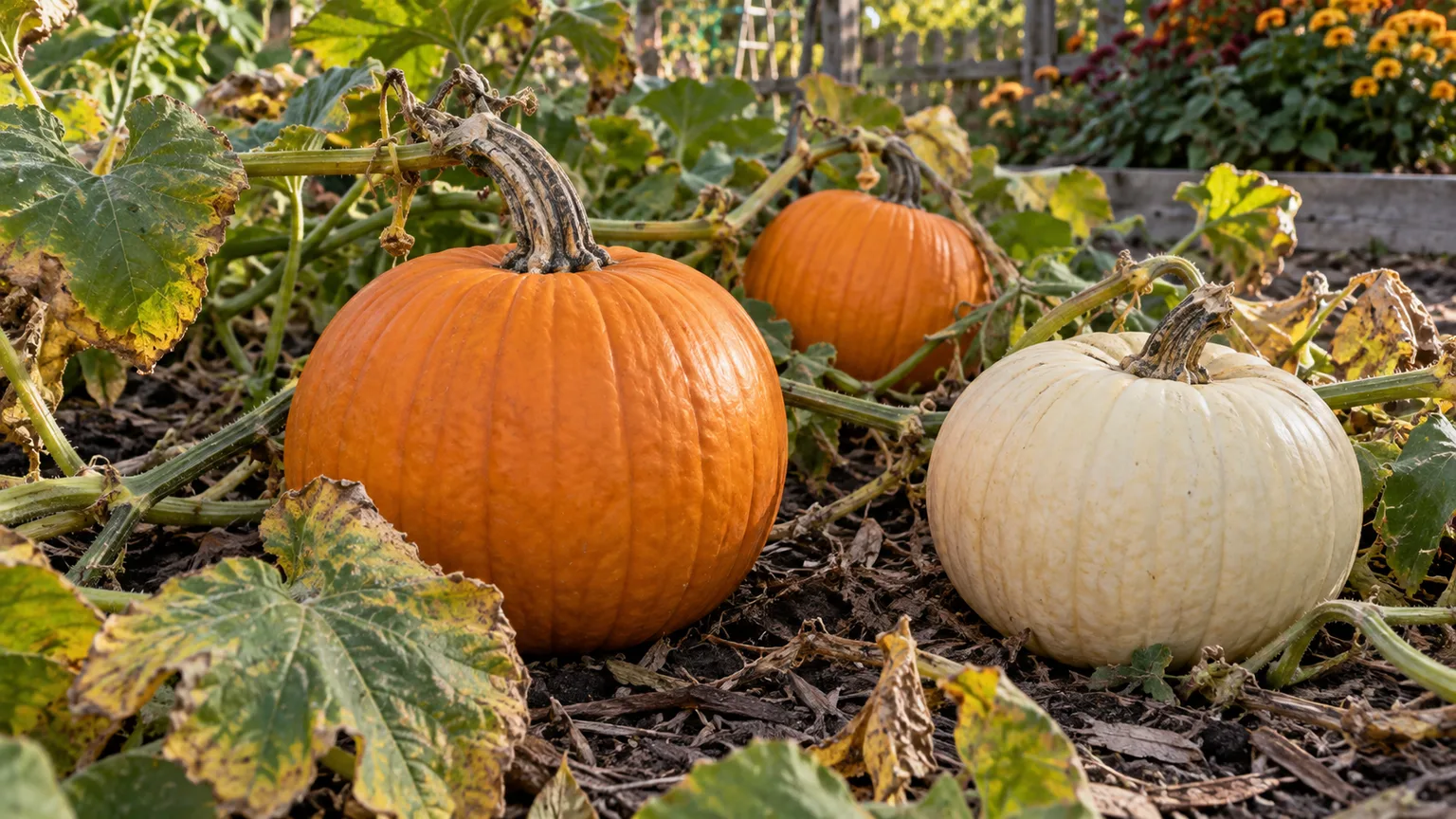
Choose fruit that feels firm and heavy for its size, with a hard rind and a well-attached stem. A uniformly mature color helps, but color is cultivar-specific: a pale or blue-gray pumpkin can be ripe if that is its normal mature color. For a homegrown pumpkin, the rind should resist a fingernail rather than dent easily, and the vine usually begins to decline as the fruit matures. Do not rely on vine dieback alone; disease, drought, or frost can also damage a vine.
Avoid pumpkins with a missing stem if longevity is the priority. The stem scar is an exposed, vulnerable area, and the fruit is more likely to dry or decay from that end. Also avoid carrying the pumpkin by its stem, even if it looks sturdy. Support its weight from underneath, and keep it from rolling or striking other fruit on the way home.
The University of Minnesota Extension advises cutting pumpkins from the vine rather than pulling them, and warns that a detached stem shortens storage life. Homes & Gardens horticulturist Drew Swainston similarly recommends leaving several inches of stem and handling the pumpkin by its body, not its stem. That advice is practical at both harvest and checkout: a gentle ride home preserves the rind you paid for.
Tip 3: Protect the stem and rind from harvest to home
For a homegrown pumpkin, wait until the rind is hard and the fruit has reached its mature color for the variety. Harvest before a hard frost, because freezing can injure the flesh even if the rind still looks intact. Use a clean, sharp knife or pruners to cut the stem, leaving a few inches attached; do not twist, yank, or lift the pumpkin by that stem.
A stem is not a handle. Set the fruit down carefully, and carry it with two hands under the base. A fall onto concrete, a sharp fingernail, or pressure from a tight stack can create a wound that is hard to see at first but becomes the starting point for soft rot. Keep pumpkins in a single layer during transport if you can, or wedge them gently so they cannot knock together.
Brush off loose soil with a soft, dry cloth. If you wash a pumpkin for food preparation, use clean water, avoid soaking it, and dry the surface completely before storage. A damp pumpkin placed in a basket or plastic bag has less opportunity to dry and more chance of developing decay. For a decorative pumpkin, a full wash is usually unnecessary; remove dirt without scrubbing through the rind.
Separate any fruit that is cracked, bruised, or missing its stem. Use a damaged food pumpkin first, while it is still firm, or compost a badly injured decorative fruit. Do not put a questionable pumpkin into long-term storage with sound ones and hope it heals. Curing can help some small superficial wounds on appropriate varieties, but it cannot repair a deep cut, a crushed area, or rot already spreading through the flesh.
Tip 4: Cure only when the pumpkin and your storage plan call for it
Curing is a short warm, dry holding period after harvest that lets the rind harden and minor surface injuries dry. It is most relevant to sound, mature pumpkins or winter squash you want to keep for later, not to a pumpkin you plan to carve this weekend. Curing is also not a magic treatment: it cannot make an immature or badly damaged fruit into a long-term keeper.
When curing helps
If you grew a storage variety and harvested it in good condition, a warm, airy cure may improve how well its rind protects the fruit. University extension recommendations vary by type and system. UMass Extension describes curing some winter squash for about five to ten days at 80–85°F, while Oregon State Extension guidance also uses a short warm cure and then cooler storage. Homes & Gardens describes a one- to two-week cure for pumpkins in a warm, ventilated place. The practical lesson is to follow cultivar-specific guidance when you have it rather than treating one exact duration as universal.
For a home setup, lay pumpkins in one layer on a dry rack, slatted shelf, or clean cardboard in a warm room with air movement. Keep them dry and out of rain, and turn or inspect them if one side stays damp. A thermometer is useful: a “sunny window” may heat one spot sharply during the day and cool it at night, while an unheated porch can be too cold for effective curing. Aim for stable warmth, not baking sun or a sealed greenhouse.
After curing, move the fruit to cooler storage instead of leaving it warm indefinitely. The aim is to help the rind, then slow respiration and decay. Keep the fruit where you can inspect it. One pumpkin that begins to leak or soften should be removed promptly so it does not contact the rest.
When to skip curing or shorten the process
If the pumpkin is already mature, was purchased for immediate display, or will be carved soon, curing adds little practical value. It does not extend the carved pumpkin’s life, and a long, warm hold can be counterproductive when the variety does not benefit from curing. UMass Extension notes that curing can actually reduce the storage life of some Cucurbita pepo squash types; that is a useful warning against assuming every pumpkin needs the same treatment.
Do not try to cure a pumpkin that is wet, cut, frozen, or actively decaying. Dry it if it is merely surface-damp, but discard fruit with soft, sunken, or leaking areas. If your only warm place is a hot, humid garage or a spot that swings between hot sun and cold nights, skip the formal cure and focus on keeping sound pumpkins dry, ventilated, and frost-free.
Tip 5: Store whole pumpkins cool, dry, and with airflow
For long storage, keep whole pumpkins in a cool, dry place with air moving around each fruit. Oregon State Extension’s home storage guidance points to about 50–55°F for sound, well-cured pumpkins and winter squash; other horticultural advice gives a broader 50–60°F range. A home pantry may be warmer than ideal, so treat the range as a target, not a guarantee. In warmer rooms, expect a shorter life and check the fruit more often.

Temperature matters more than a dark room
“Cool and dark” is incomplete if the storage area is too cold, too hot, or damp. A typical refrigerator is colder than the recommended range for whole winter squash and pumpkins, and chilling can shorten quality rather than extend it. Use the refrigerator for cut or cooked pumpkin following food-safety guidance, not as the default home for an intact pumpkin.
A stable cellar, cool closet, or mild basement can work if it stays dry and above freezing. A garage may be ideal in one climate and unsuitable in another: direct afternoon sun can heat it, damp concrete can wet the fruit, and an overnight freeze can damage it. If you do not have a thermometer, compare the storage area with a comfortable cool room and avoid places that become hot, clammy, or frosty.
Keep stored pumpkins away from a furnace, water heater, laundry moisture, and bright windows. Do not wrap each pumpkin in plastic or trap it in a closed bin; stagnant, humid air creates conditions where mold and soft rot spread. A breathable room with gentle air movement is better than a perfectly dark sealed container.
Keep pumpkins separated and off damp surfaces
Set each pumpkin on a dry shelf, crate, or board, with a little room between fruits. Avoid stacking them: the weight can bruise lower pumpkins, and close contact hides soft areas while restricting airflow. If shelf space is limited, store fewer at a time and use the rest sooner rather than building a dense pile.
A dry surface matters because the blossom end and lower rind are common places for moisture to linger. Do not set fruit directly on bare soil, wet cement, or damp straw. A slatted rack is useful because it lets air reach the underside. Check the stored pumpkins every week or two, gently feeling the rind and looking underneath; remove a pumpkin at the first sign of progressive softening.
The exact best humidity is harder to control in a home than temperature. If the air is persistently humid, increase airflow and avoid damp corners. If it is extremely dry, the pumpkin may shrivel, especially over long storage. The goal is not to engineer a commercial root cellar but to keep the fruit away from prolonged wetness, condensation, and heat.
Tip 6: Adjust an outdoor display to your local weather
A pumpkin on a porch is a decoration exposed to changing weather, not a pumpkin in controlled storage. Shade it from hot afternoon sun and keep it under cover during long rain. Elevate it on a dry board or stand so it does not sit in a puddle, and leave enough space around it for air to circulate. A sunny autumn day can warm the rind considerably even when the morning feels cool.
In a hot climate, display whole pumpkins later in the season or move them into the coolest indoor room during heat waves. Warmth speeds deterioration, so buying early and leaving a pumpkin in full sun for weeks is a poor strategy if it needs to look fresh near Halloween. A shaded, covered porch helps, but it cannot cancel out sustained high temperatures.
In a cool, wet climate, shelter matters more than the calendar. Keep pumpkins out of rain and away from wet leaves, and check the underside after damp weather. In a frost-prone region, bring the display into a protected, frost-free space when a hard freeze is forecast. Freezing may leave the rind looking normal at first, but damaged tissue can collapse after it thaws.
For unpredictable weather, make the display movable. Use a tray or board with handles, or arrange pumpkins where one person can lift them from beneath. Do not wait for a fixed date to move them indoors; respond to the week’s actual forecast. If you want fall color early, use an intact pumpkin for the first part of the season and add the carved lantern at the last moment.
Tip 7: Carve late and treat a jack-o’-lantern as decoration
Carving removes the rind’s protection and exposes the moist interior to air, dirt, insects, and handling. If appearance matters for an event, carve as close to the event as practical—often within a few days. In mild weather, a carved pumpkin may stay presentable for around three to seven days, but that is not a promise. Warm nights, sun, rain, candle heat, or a small cut that grows can shorten its display life.
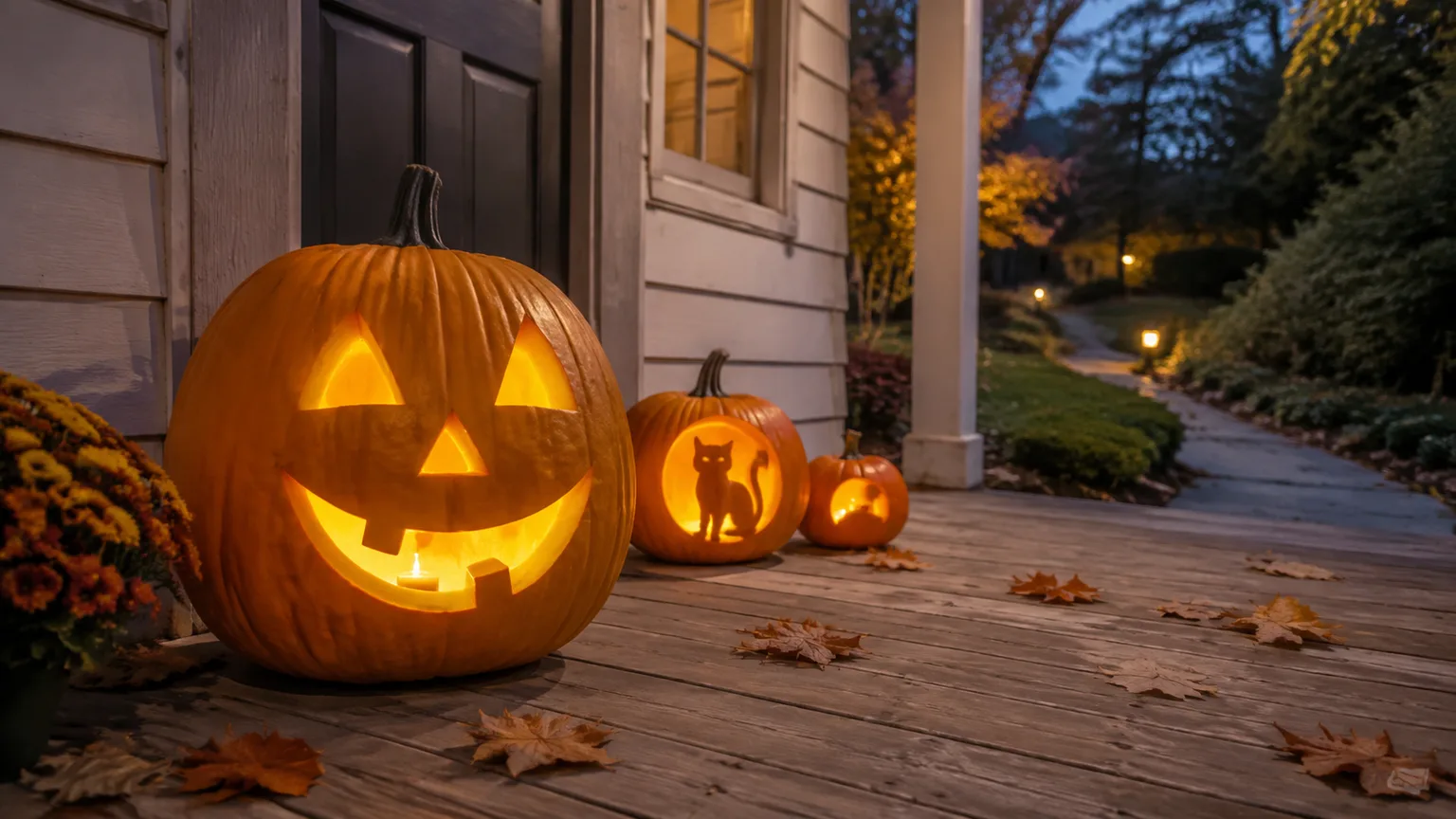
Use clean hands and tools, scoop out seeds and stringy pulp, and keep the pumpkin in a cool shaded place when it is not on display. A battery light adds less heat than a candle. If you bring the pumpkin inside or put it in the refrigerator to slow decay between displays, remember that refrigeration does not make it safe to eat later. Michigan State University Extension classifies carved pumpkins left at room temperature for more than two hours as perishable and advises using separate, uncarved food pumpkins for cooking. A jack-o’-lantern is for decoration, not for the dinner table.
Do not let children or pets taste a carved pumpkin, and do not use it for puree after it has been displayed. A pumpkin picked for cooking should be washed and prepared as fresh produce before it is cut, and its flesh should be kept under safe food-storage conditions. If you want to roast seeds, save seeds from an uncarved food pumpkin or prepare them promptly and hygienically before the pumpkin is placed outdoors.
Why chemical preservation hacks are unreliable
You may see advice to spray a jack-o’-lantern with bleach or vinegar, rub it with oil, or coat the cut edges with petroleum products. These recipes are not a dependable way to restore the intact rind or guarantee extra display days. Household mixtures also vary in concentration and application, and food-contact safety is a separate concern. Do not mix cleaning products, and do not apply a treatment unless its label clearly permits the intended use.
The reliable basics are less dramatic: start with an undamaged fruit, carve late, remove wet pulp, keep the pumpkin cool and shaded, and discard it when it softens or smells. If the pumpkin is already deteriorating, a spray cannot reverse the damaged tissue. Save the chemical experiments for a context where the product is specifically labeled and the risks are clear.
Recognize spoilage before it spreads
Check the pumpkin at the base, around the stem, and along any cut edges. A little dry surface scuff is not the same as decay. Look for a soft or sunken spot that expands, leaking liquid, collapsing walls, fuzzy mold, a sour or unpleasant smell, or a rind that has become slippery and weak. Any of those signs means the pumpkin is past its useful display stage.
For stored whole pumpkins, separate and use a fruit with a small, dry blemish sooner only if the surrounding rind and flesh remain firm and sound. If a spot is wet, deep, spreading, or foul-smelling, do not cut around it for food; discard it. A carved pumpkin that has been on display outdoors should be treated as decoration and composted or discarded, not salvaged as an ingredient. Remove candles, wire, paint, and plastic before composting, and follow local collection rules.
A simple weekly check is more useful than a claimed shelf-life number. Note the date you bought or harvested each pumpkin, where it sits, and any change in firmness. If one begins to fail sooner than expected, use that information to change the next batch: choose a less damaged fruit, move it out of sun, reduce dampness, or shorten the storage plan.
Conclusion
A pumpkin lasts as long as its rind, harvest condition, variety, and storage environment allow. Plan on days for a carved lantern, weeks for a whole fruit left in a warm display area, and roughly one to three months for many sound pumpkins held in cool, dry, ventilated storage. Longer lives are possible for particular varieties under suitable conditions, but they are not a promise for every pumpkin in a decorative bin.
To get the best result, choose a firm fruit with an intact stem, handle it from underneath, cure only when the type and storage goal warrant it, and keep it dry with airflow. Watch your local weather and carve late. Those choices cannot stop natural decay, but they give a sound pumpkin the best chance to remain useful through the season.