How to Grow and Care for False Sunflowers
Plan false sunflower care from planting to winter cleanup, including cultivar choices, container tips, seed propagation, and when to leave seedheads for birds.
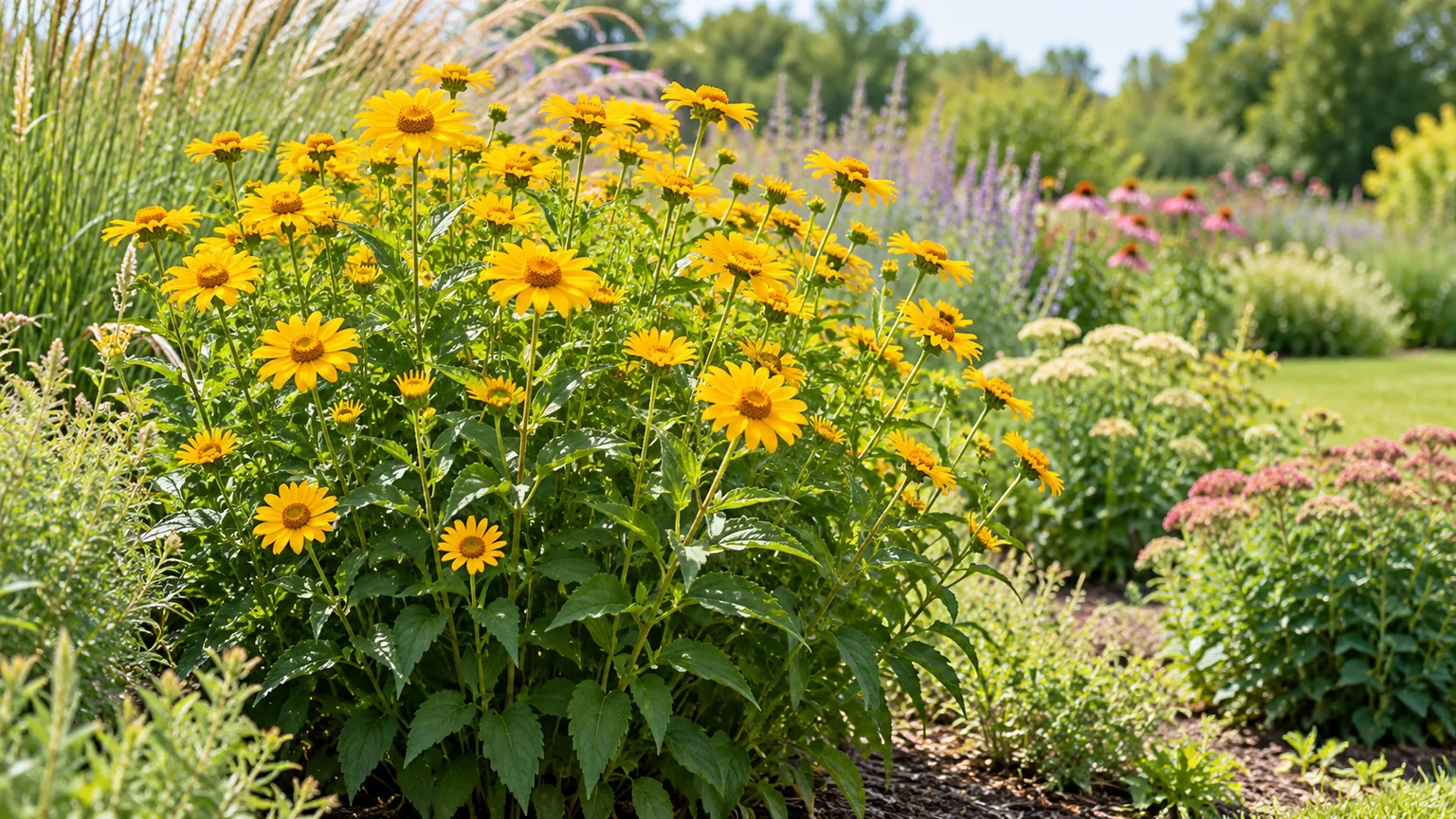
False sunflower (Heliopsis helianthoides) is a hardy, clump-forming perennial for a sunny border, meadow edge, or pollinator planting. Give it open sun and soil that drains, water young plants while their roots settle, and skip routine heavy feeding; those choices do more for sturdy flowering than a complicated maintenance schedule. Tall forms can reach several feet, so also decide whether you want a natural upright plant, a shorter pinched clump, or a compact cultivar.
The common name can be confusing because false sunflower is not a true sunflower in the genus Helianthus. It returns from a perennial crown, has daisy-like yellow flowers, and can reseed if mature seedheads are left in place. The guide below covers how to choose a site, grow it from seed or division, and keep the stems and bloom period in balance with the rest of the garden.
False Sunflower at a Glance
| Feature | What to expect |
|---|---|
| Botanical name | Heliopsis helianthoides |
| Growth habit | Upright, branched, clump-forming herbaceous perennial |
| Typical size | About 3 to 6 feet tall and 2 to 4 feet wide; cultivars vary |
| Light | Full sun for the strongest stems and flowering; light shade is tolerated |
| Soil | Adaptable to clay, loam, or sand if drainage is good |
| Bloom season | Summer into early fall, depending on cultivar and climate |
| Wildlife value | Flowers attract bees and butterflies; seedheads can feed birds |
False sunflower is native across much of central and eastern North America, including parts of southeastern Canada. Its flowers have yellow ray florets around a raised central disk, while the stems are branched and the toothed leaves grow in opposite pairs. NC State Extension’s Plant Toolbox profile describes the species’ range, size, soil tolerance, wildlife value, and tendency to self-sow.
The difference from true sunflower is more than a label. Native Plant Trust’s Go Botany description notes that Heliopsis ray flowers are fertile, unlike the sterile outer rays on true sunflowers. For garden planning, the practical distinction is that Heliopsis forms a perennial clump rather than behaving like an annual sunflower that must be resown each year.
Choose a Site That Lets Tall Stems Stand
A sunny site makes the plant easier to manage. In a border, place taller cultivars behind shorter perennials and away from narrow paths where stems can lean into traffic; in a meadow-style planting, allow the clump enough room to look relaxed without swallowing neighboring plants. The mature width on the label matters as much as the height, especially if you want airflow around foliage.
Light: Give It Open Sun
Aim for at least six hours of direct light when you can. Heliopsis tolerates partial shade, but too little sun can mean fewer flowers and weaker, more stretched stems that are more likely to bend after rain or wind. If an established plant suddenly flops, compare its current light with the hours it received when the stems were shorter; a nearby shrub or tree may have grown enough to change the exposure.
A sheltered, sunny border is ideal, but do not hide the plant in a corner with stagnant air. Air movement helps tall stems dry after rain and keeps the clump from becoming crowded. In a very exposed garden, group plants with similar height or plan discreet support before they are fully grown rather than waiting for stems to break.
Soil: Drainage Matters More Than Perfection
False sunflower tolerates a range of garden soils, including clay and relatively poor ground, but it should not sit in waterlogged soil for long periods. NC State lists full sun, good drainage, and conditions from moist to occasionally dry; its profile also says shade can reduce hardiness and weaken the stems. That combination points to a useful rule: improve drainage problems before amending ordinary soil for texture or pH.
You usually do not need to adjust pH or build a rich planting pocket. If water remains in the bed after rain, move the plant to a better-drained spot or raise the planting area modestly instead of filling the hole with loose compost that may hold water like a basin. For spacing, use the cultivar’s mature spread; when the label is missing, leave roughly 2 to 3 feet between full-size plants and give compact selections less room only if their listed width supports it.
Plant and Establish False Sunflower
Plant nursery-grown Heliopsis in spring after the soil can be worked or in early fall while there is still time for roots to settle before freezing weather. A spring planting gives you a full growing season to monitor watering; early fall can be a useful alternative in areas with hot summers, but do not leave a fresh transplant dry during a warm spell.
Prepare the bed by removing perennial weeds and loosening compacted soil beyond the root ball. Set the plant at the same depth it grew in its pot, backfill with the native soil, and water slowly so the root ball and surrounding ground make contact. A light layer of mulch can slow drying, but keep it a little away from the crown so stems are not buried or held wet.
If you are planting several, arrange the pots before digging. This lets you judge the spacing and see which plants will sit at the back of the border; it is easier to correct a crowded layout while the clumps are still in containers. Water newly planted Heliopsis through its first stretch of active growth, then use the soil itself to decide when to water again.
Water to Establish Roots, Then Adjust to Weather
During establishment, water deeply enough to wet the root zone rather than sprinkling the leaves every day. Check the soil a short distance from the stem: if it is drying several inches down and the plant is newly planted, water slowly and let excess drain away. Once roots have spread into the surrounding bed, established plants can handle periods of dry weather, though prolonged drought can reduce vigor and shorten the display.
Do not read “drought tolerant” as “never water.” A young plant has a smaller root system than a mature clump, and a hot, windy site can dry faster than a protected border even when both receive the same rain. Conversely, constantly wet soil can stress roots; if leaves wilt while the soil is saturated, adding more water is unlikely to solve the problem.
For garden beds, use rainfall and a soil check rather than a fixed weekly calendar. Container Heliopsis dries faster and needs more frequent checks, especially in summer; water when the top layer of mix has dried, then let the pot drain freely. Empty any saucer beneath it so the root ball is not left standing in water.
Feed Lightly and Avoid Soft, Leggy Growth
Start with ordinary garden soil and do not automatically add high-nitrogen fertilizer. Excess fertility can produce lush leaves and long, softer stems that need more support, while the plant’s adaptability means many established clumps flower well without regular feeding. A thin annual mulch is usually enough for a bed that already supports healthy perennials.
If growth is persistently pale or weak despite adequate sun, drainage, and water, first check for root stress, competition, or an incorrect cultivar expectation. A soil test is more useful than guessing at a nutrient deficiency; if it identifies a need, follow the test’s recommendation and the fertilizer label rather than applying a stronger dose. Avoid late-season feeding that pushes tender growth just before cold weather.
Prune for a Tidy Clump and More Flowers
Pruning has three different jobs here: lowering the plant before flower buds form, removing spent flowers to keep new buds coming, and cleaning up dead stems after the season. Decide which result you want before cutting, because a midsummer haircut trades some current height for a later flush. A tall cultivar that is already flowering may be better staked than cut back hard.
Pinch or Cut Back Early Only If You Want a Shorter Plant
If you want a fuller, more compact clump, pinch the growing tips of young stems in spring before visible flower buds develop. For a tall plant that needs more height control, cut the stems back by about one-third to one-half in late spring or early summer, leaving enough leafy growth for recovery. The exact calendar date shifts by climate; the useful timing cue is actively growing stems before the main flowering display.
Early pruning can delay flowers by a couple of weeks. Garden educator Melinda Myers explains this trade-off for Heliopsis: a little early-season pruning encourages compact growth, but flowering follows later. If you are unsure, try the method on only part of the clump for one season and compare its height and bloom timing with the uncut stems.
For an established plant already leaning, use a discreet hoop or stakes to hold stems before they snap. A light support placed early is less visible than a rescue job after a storm. Next year, correct the underlying cause—often shade, excess feeding, or a tall cultivar in a windy spot—rather than repeatedly cutting the plant during flowering.
Deadhead Flowers, but Save Some Seedheads
To encourage a cleaner look and continued flowering, remove faded flowerheads while other buds are still forming. Cut each spent stem back to a healthy side branch or leaf joint instead of taking the whole plant down to the ground; the remaining branches can keep producing flowers. Gardening Know How’s pruning guidance recommends staged trimming, including deadheading during bloom and saving final cleanup for fall or spring.
Deadheading is optional, not a requirement for plant survival. If you want seedlings for a naturalized patch or seed for birds, leave a portion of the last flowers to mature; Heliopsis can reseed and form additional clumps. If volunteers are not welcome, remove the last seedheads before they dry and pull unwanted seedlings while they are small.
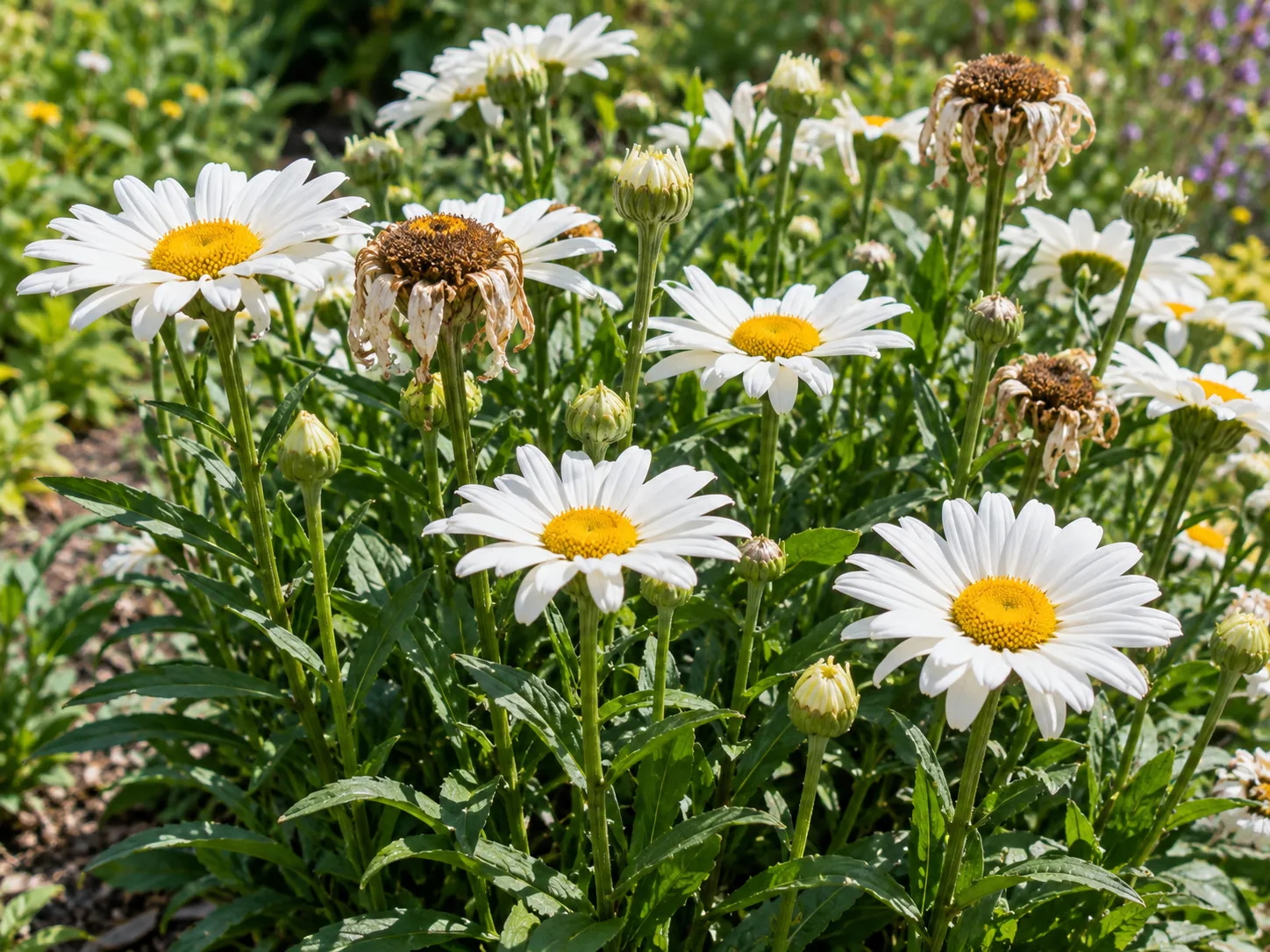
Removing only faded heads leaves developing buds and open flowers in place.
Grow False Sunflowers From Seed
Seed is an inexpensive way to establish several plants, especially if you want a loose meadow effect. It is less predictable than buying a named cultivar: seedlings from a selected variety may not reproduce the parent’s exact height, flower form, or foliage color. Choose division or a nursery-grown plant when maintaining a specific cultivar matters.
Direct-Sow Outdoors in Fall or Early Spring
NC State lists fall or early-spring sowing as propagation options. For a direct sowing, clear weeds from a small patch, loosen the surface, and scatter seed sparsely or place it where you want the clumps to grow; follow the packet’s depth guidance rather than burying small seed deeply. Press it into good contact with the soil, keep the patch from drying during germination, and thin seedlings before they crowd one another.
Fall sowing lets outdoor weather provide the seasonal conditions seeds experience in nature. If you sow in spring, follow the seed supplier’s instructions if it recommends pre-chilling or another treatment; germination can vary with seed freshness and conditions. Mark the spot so you do not mistake the young plants for weeds, and do not expect a full-size display immediately from small seedlings.
Start Seedlings Indoors
Fill a clean tray or small pots with a fine seed-starting mix and moisten it before sowing. Set seed shallowly according to the packet, keep the surface evenly moist but not soaked, and give emerging seedlings strong light so they do not stretch. Once plants have several true leaves and outdoor frost danger has passed, harden them off gradually over about a week before transplanting.
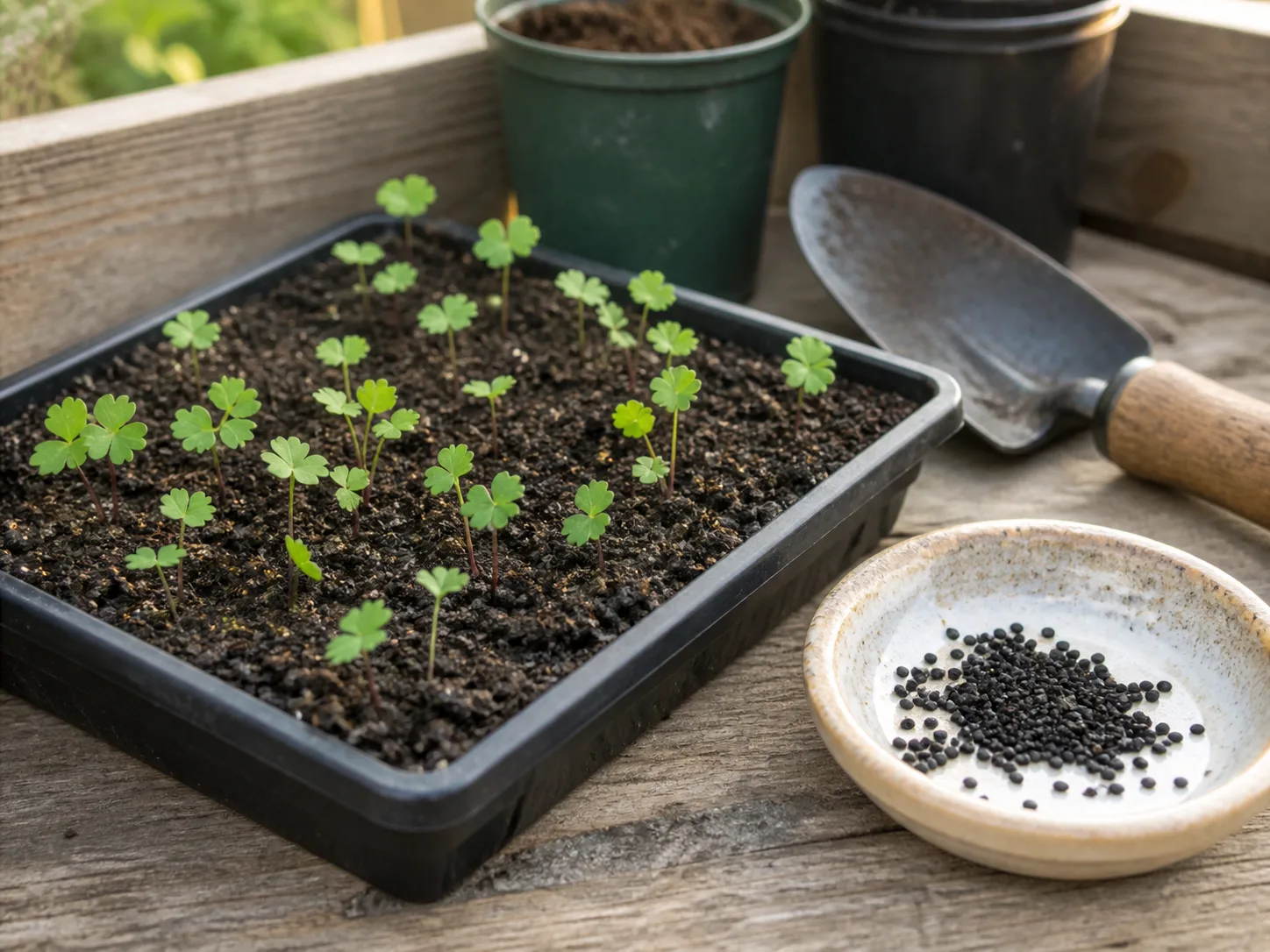
Use a clean seed tray and evenly moist mix; the pictured seedlings are a general example of the setup, not Heliopsis seedlings.
When transplanting, keep the root plug intact and water the new plant at soil level. Space seedlings according to the mature size of the cultivar or seed strain, and label the row with the sowing date and source. The first season may focus more on roots and foliage than flowers, so judge success by healthy establishment rather than by whether every seedling blooms immediately.
Divide a Clump Only When It Needs More Space
A calendar reminder to divide every few years is unnecessary for a healthy clump. Divide when the plant has outgrown its allotted space, the center is declining while the outside remains vigorous, or you want more plants; if it is flowering and holding its shape, leave it alone. Spring as new growth begins or early fall after flowering gives divisions a better chance to re-establish than hot, dry weather.
Water the plant the day before if the soil is dry, then lift the clump with a garden fork wide enough to get beneath the roots. Shake or wash away just enough soil to see the crowns, separate the plant into sections with healthy roots and live buds, and discard dead or mushy material. Replant each section at the original depth, firm the soil gently, and water well; keep new divisions evenly moist while they recover.
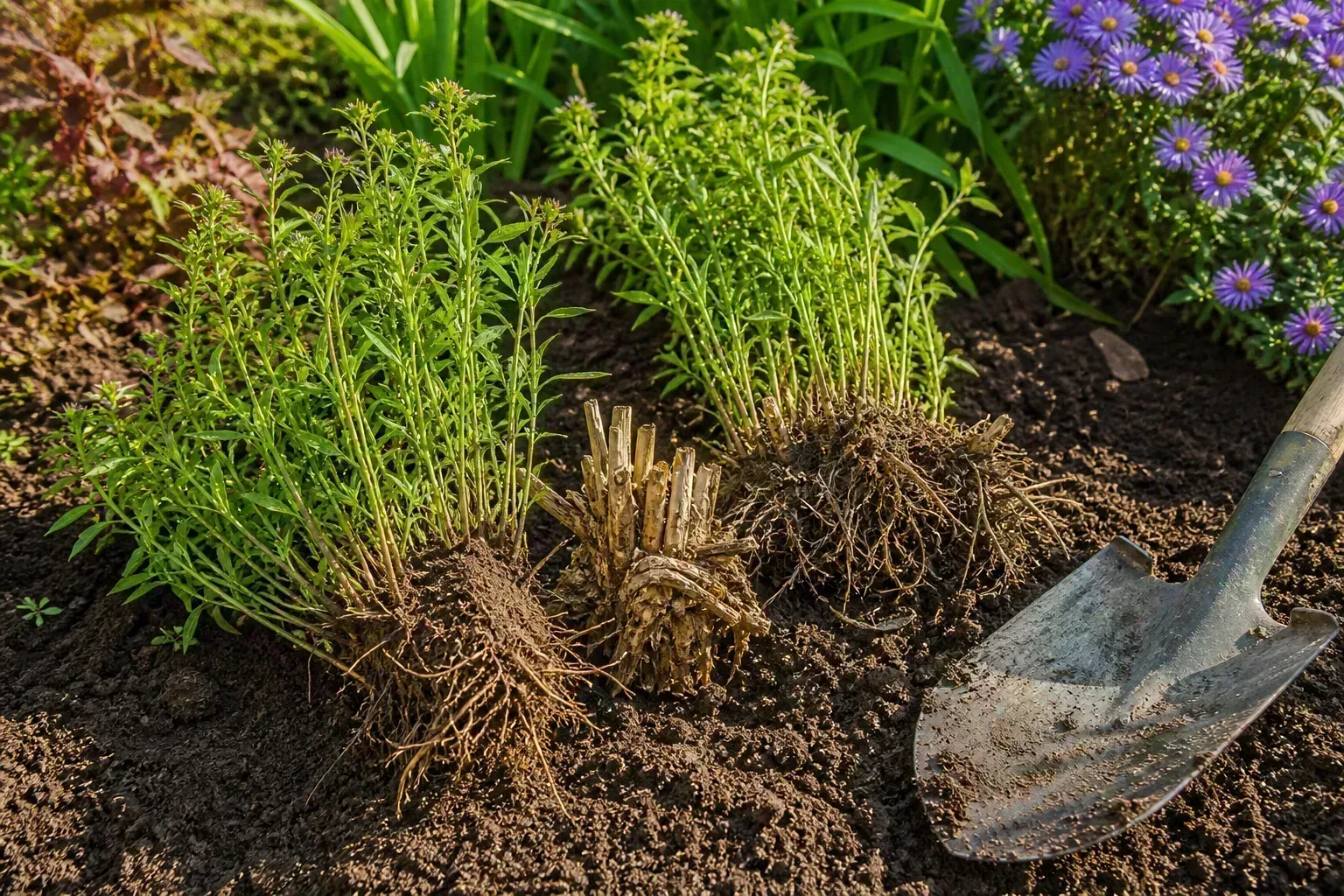
The example shows a different perennial; use the same lift, inspect, and replant sequence for a Heliopsis clump.
Division is the more reliable choice for preserving a named cultivar because the new plant is a piece of the original crown. Do not divide just because the center looks less dense after a difficult season; first check whether drought, shade, waterlogging, or competition caused the decline. Correct the site issue before expecting a divided plant to perform better in the same conditions.
Choose a Cultivar That Fits Your Space
The species can be several feet tall, but named selections vary in height, foliage, and flower shape. Check the plant label for mature dimensions and use before buying; a compact cultivar is easier to manage in a small bed or pot, while taller forms make better back-of-border accents. NC State Extension’s profile lists selections including ‘Asahi,’ ‘Summer Nights,’ ‘Sunstruck,’ and ‘Tuscan Sun.’
| Cultivar | Notable feature | Best fit |
|---|---|---|
| ‘Asahi’ | Double, golden-yellow flowers; about 30 inches tall | A fuller flower form at moderate height |
| ‘Sunstruck’ | Compact, cream-and-green foliage; about 14 to 16 inches tall | A small border or foliage contrast |
| ‘Tuscan Sun’ | Compact, bright gold flowers; about 18 inches tall | Containers and front-of-border color |
| ‘Summer Nights’ | Reddish stems and foliage with mahogany flower centers | A taller clump with darker contrast |
| ‘Burning Hearts’ | Dark foliage and yellow flowers with reddish-orange centers | A bold accent where its taller size has room |
Cultivar names and trade availability can differ by nursery, and mature dimensions may shift with soil and climate. If you are buying for a pot or narrow bed, verify the current label rather than assuming every Heliopsis stays at the species’ smaller end. For a naturalized area, a seed-grown straight species can be a better value than paying for a color or foliage trait you do not need.
Grow a Compact False Sunflower in a Container
Choose a compact selection such as ‘Tuscan Sun’ or ‘Sunstruck’ and a wide, stable pot with unobstructed drainage holes. A container that is too small dries quickly and can make a tall plant top-heavy; use enough volume for the listed mature width and set it where the plant receives several hours of direct sun. Fill it with a quality potting mix rather than dense garden soil, which can settle and drain poorly in a pot.
Check moisture more often than you would in a garden bed, especially during heat or wind. Water thoroughly when the upper layer of potting mix dries, then allow the pot to drain rather than keeping a water-filled saucer beneath it. If the plant becomes top-heavy, move to a heavier planter or add a low-profile support before stems lean.
A container exposes perennial roots to colder and faster-changing temperatures than the ground does. In winter, keep the pot outdoors so the plant can remain dormant, but move it to a sheltered position or sink the container in the soil where practical; avoid bringing it into a warm room. Protect drainage and do not wrap the crown in wet material that could hold moisture against it.
Troubleshoot Leaning Stems, Weak Bloom, and Leaf Problems
If stems lean: check light first, then think about plant height, wind, crowding, and fertilizer. Stake a flowering clump that needs immediate support; for the next growing season, use early pinching or a compact cultivar if you want less height. A sudden lean after heavy rain is different from a plant that grows stretched and weak all season.
If flowers are sparse: confirm the plant gets open sun, then consider whether it is newly planted, was cut back late, or is growing in unusually rich soil. Deadheading can keep the display tidy and encourage additional buds, but it will not compensate for deep shade or a stressed root system. Bloom timing varies with region and selection, so compare the plant with its own past performance rather than a fixed date on a calendar.
If leaves have white patches or aphids: crowded, damp foliage can develop powdery mildew, while aphids may cluster on tender tips. Improve spacing and airflow, water at the base when possible, and rinse a light aphid colony from the plant before considering a treatment. NC State describes Heliopsis as having few serious pest or disease problems, though it notes some aphid susceptibility; Gardenia’s species profile also identifies powdery mildew as a possible issue.
If seedlings appear everywhere: the mature flowerheads have dropped viable seed. Pull seedlings while small or deadhead the final flush before seeds mature; leave a few heads only if you want birds and volunteer plants. This is usually a garden-management choice, not a sign that the established crown is spreading underground.
Plan Seasonal Care and Winter Cleanup
In spring, cut last year’s dead stems close to the ground before fresh shoots become tangled in them. Remove diseased debris from the bed, add a light mulch if the soil dries quickly, and decide whether early pinching fits your bloom schedule. If the clump is healthy, there is no need to divide, feed, or repot it simply because the season has restarted.
Through summer, water new plantings during dry spells, stake tall forms before they fall, and deadhead selectively if you want more tidy flowers. Let some seedheads mature if birds or natural reseeding are part of the plan. In fall, stop shaping the plant once the main display is ending; leave healthy stems standing through winter if you want seed for wildlife and visual structure.
Ground-planted Heliopsis is winter-hardy across a broad range, commonly listed for USDA zones 3 through 9, but cultivar and local conditions matter. A compact nursery selection in a pot may need more root protection than the same plant in the ground. Use the hardiness information on the plant label for your region, keep the pot from sitting in winter water, and do final cleanup in late winter or early spring if you chose to leave stems standing.
Conclusion: Match the Plant to the Site
False sunflower is easiest when its size and site are chosen together. Give a tall form enough sun, drainage, and space; use light feeding, water young plants until established, and prune early only when a shorter shape is worth a later bloom. A compact cultivar suits a smaller bed or container, while seed or division lets you expand a planting for different reasons. Once you decide whether you want a controlled border clump or a looser patch with seedheads, the rest of the care becomes a few seasonal choices rather than a strict routine.