How to Get Rid of Bees Outside: 6 Safe Ways to Try
Learn how to get rid of bees outside safely: identify the insect, remove food cues, and avoid risky nest treatment. Get six humane fixes and pro-call signs.
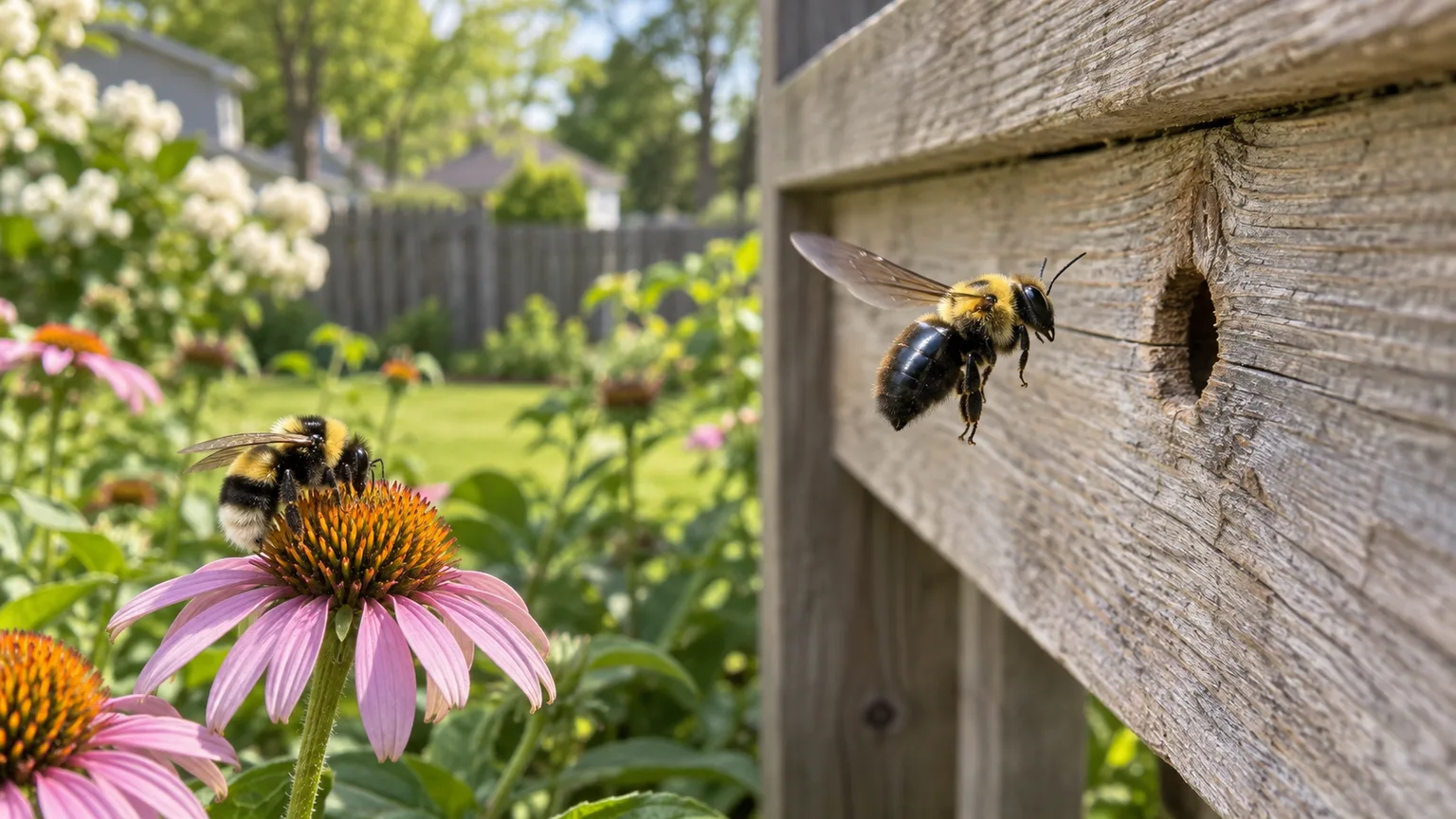
If bees keep circling your patio or pool, start by moving the activity rather than trying to eliminate every bee in the yard. Cover food, clean sticky spills, and work out whether insects are visiting flowers or flying repeatedly to a nest entrance. Most bees you see in a garden are foragers, not a colony set up on your property; the USDA’s Carl Hayden Bee Research Center makes that distinction and notes that removing flowers is not an effective way to keep bees away.
The safest plan depends on what the insects are doing. Honey bees may form a temporary swarm before choosing a nesting site, bumble bees can nest in a burrow, and many solitary bees use small holes in soil or wood. Wasps are a separate group with different food habits and nest behavior, so pause before using any “bee repellent” advice that treats all of them the same.
Use the six steps below to make a high-traffic area less attractive without coating the garden in sprays or destroying useful habitat. If you see a steady stream entering a wall, roof, shed, or ground hole—or anyone nearby has a serious sting allergy—keep away and contact a qualified professional.
First, figure out what is attracting or nesting there
Look at the insects from a comfortable distance. One or two bees repeatedly visiting flowers, a hummingbird feeder, or a leaking faucet are usually foraging; a regular flight path to one hole or opening is a stronger sign of a nest. Penn State Extension advises checking for both an actual nest and nearby food or water, because stinging insects can be active around resources even when the nest is elsewhere.
Do not walk closer to confirm what is flying in and out. Observe from inside, from a window, or from the far side of the yard, and note whether insects carry pollen, hover at a drink, or disappear into one fixed opening. If you need help identifying them, take a zoomed photo from a safe position or show the pattern of activity to your county extension office or a bee-removal specialist.
Distinguish bees from wasps at a distance
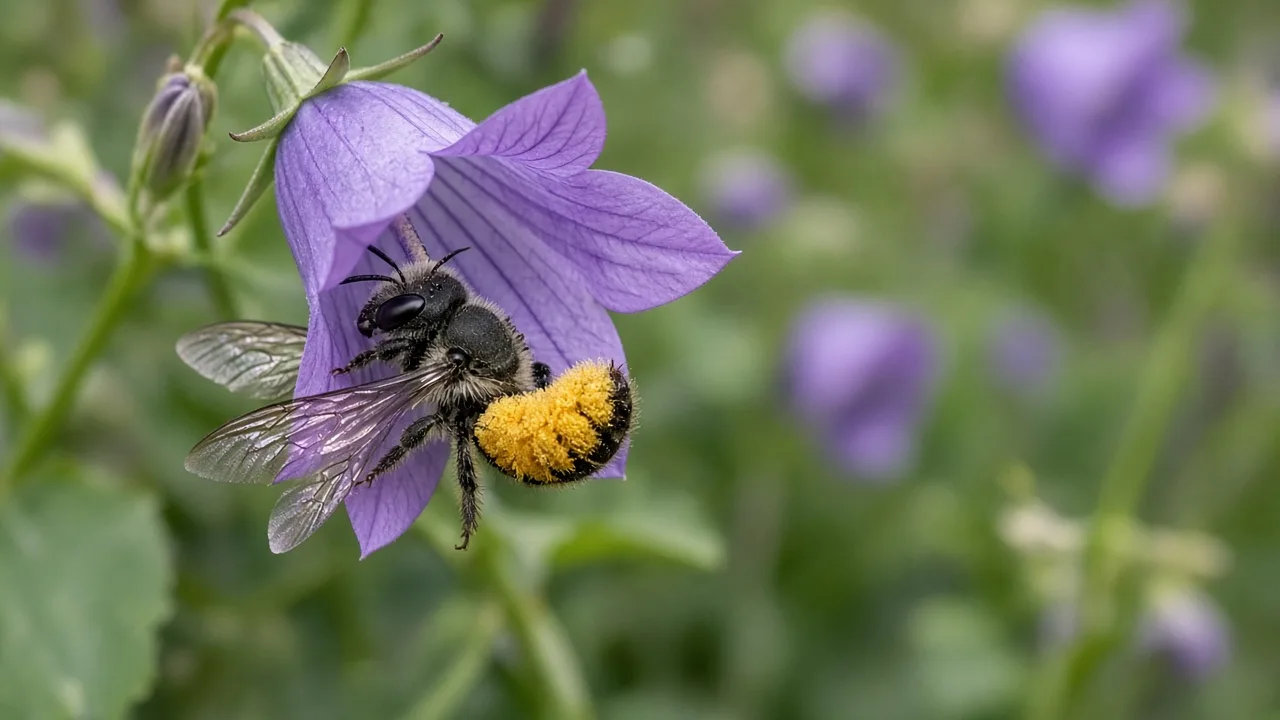
Bees are often hairier than wasps, with pollen dusting or collecting on their bodies as they visit flowers. Wasps tend to look smoother and narrower at the waist; yellowjackets are especially likely to investigate uncovered food late in summer. Those are clues, not a guarantee: species vary, distance obscures details, and a nest’s location alone does not identify what lives inside it.
| What you notice from a distance | What it may indicate | Safer next move |
|---|---|---|
| Bees landing on flowers, then leaving in different directions | Foragers collecting pollen or nectar | Keep the flower patch, but adjust seating or foot traffic nearby |
| A steady line entering and leaving one hole | A nest in soil, a tree, wood, or a building cavity | Keep clear; do not plug or spray the entrance |
| A cluster of many bees hanging on a branch | A temporary honey bee swarm may be resting while scouts look for a home | Give it space and contact a local beekeeper if it is near people |
| Smooth, narrow-bodied insects visiting a soda can or trash bin | Wasps or yellowjackets may be foraging | Cover food and waste; treat a nest as a separate safety issue |
The table is a starting point, not a field key. If the activity is concentrated at an opening or a cluster is difficult to identify, manage it as an active nest and stay back rather than testing it by tapping, spraying, hosing, or blocking the entrance.
Recognize four common bee situations
Honey bees are social and may live in a managed hive or a cavity such as a hollow tree, wall, soffit, or shed. A temporary swarm can collect on a branch or another object before moving; it is not the same thing as an established hive inside a structure. The UC Statewide IPM Program describes swarms as temporary clusters and recommends calling a beekeeper if a cluster needs to be moved.
Bumble bees are usually stout and noticeably fuzzy. A colony may use an old rodent burrow, a grass clump, or another sheltered space; Utah State University Extension notes that bumble bee colonies are seasonal and that queens start new nests in spring. That makes a low, discreet nest different from a honey bee colony in a wall, though a nest in a doorway or play area can still pose a real conflict.
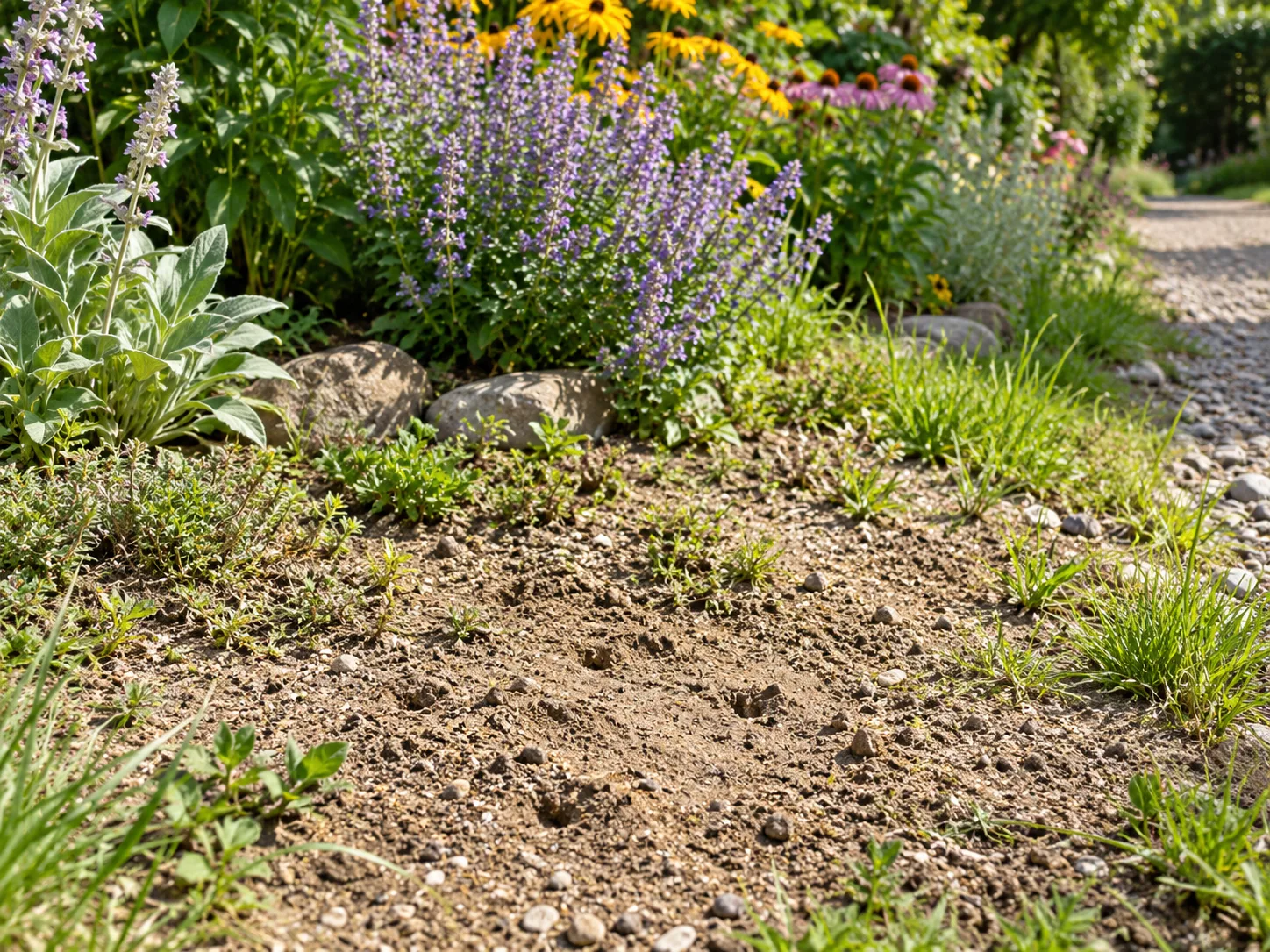
Solitary bees include many ground-nesting species and bees that use hollow stems, soft wood, or small cavities. Several entrances close together do not always mean one large colony: some solitary species nest in a shared patch while each female provisions her own nest. The Royal Horticultural Society explains that leafcutter bees are solitary, and many other solitary bees nest in gardens; if a small area of lawn or bare soil is involved, leave it undisturbed when it is not in a high-traffic place.
Wasps, including yellowjackets and paper wasps, are not bees. They may forage on sweet drinks, meat, fallen fruit, and trash; some nest in the ground or inside wall voids. The Royal Horticultural Society’s garden advice notes that social wasps also prey on other insects, while Penn State Extension explains that their nest defense, location, and size matter when deciding what to do. Keep wasp management separate from bee conservation, but use the same rule around a nest: do not disturb it yourself.
Six safer ways to reduce bees around outdoor living areas
These changes target the places where people and bees overlap. They are most useful when insects are foraging rather than guarding a nest; they may reduce visits to a table or pool, but no yard method can guarantee that bees will never fly through.
1. Cover food and rinse spills quickly
For an outdoor meal, keep sweet drinks capped between sips and place fruit, desserts, and other food under mesh covers or in sealed containers until serving. Use cups with lids and straws around young children, and carry empty cans or bottles indoors instead of leaving them on a table. A few drops of soda or juice can keep drawing insects after the drink is gone, so wipe the surface and rinse sticky dishes promptly.
The fix is to remove the reward, not to spray around the table. If a bee is already near a drink, set the cup down and step away; waving at it can turn a harmless visit into a collision. If the insects are wasps rather than bees, covering meat and food scraps matters too, because their diet is not limited to nectar and pollen.
Be careful with a hummingbird feeder that drips or leaks. Clean sticky residue from the outside, check that the ports and seals fit correctly, and use a bee guard designed for that feeder rather than coating the ports with oil or repellent. If bees repeatedly use the feeder, move it away from the eating area so the flight path does not cross where people sit.
2. Secure trash, compost, and fallen fruit
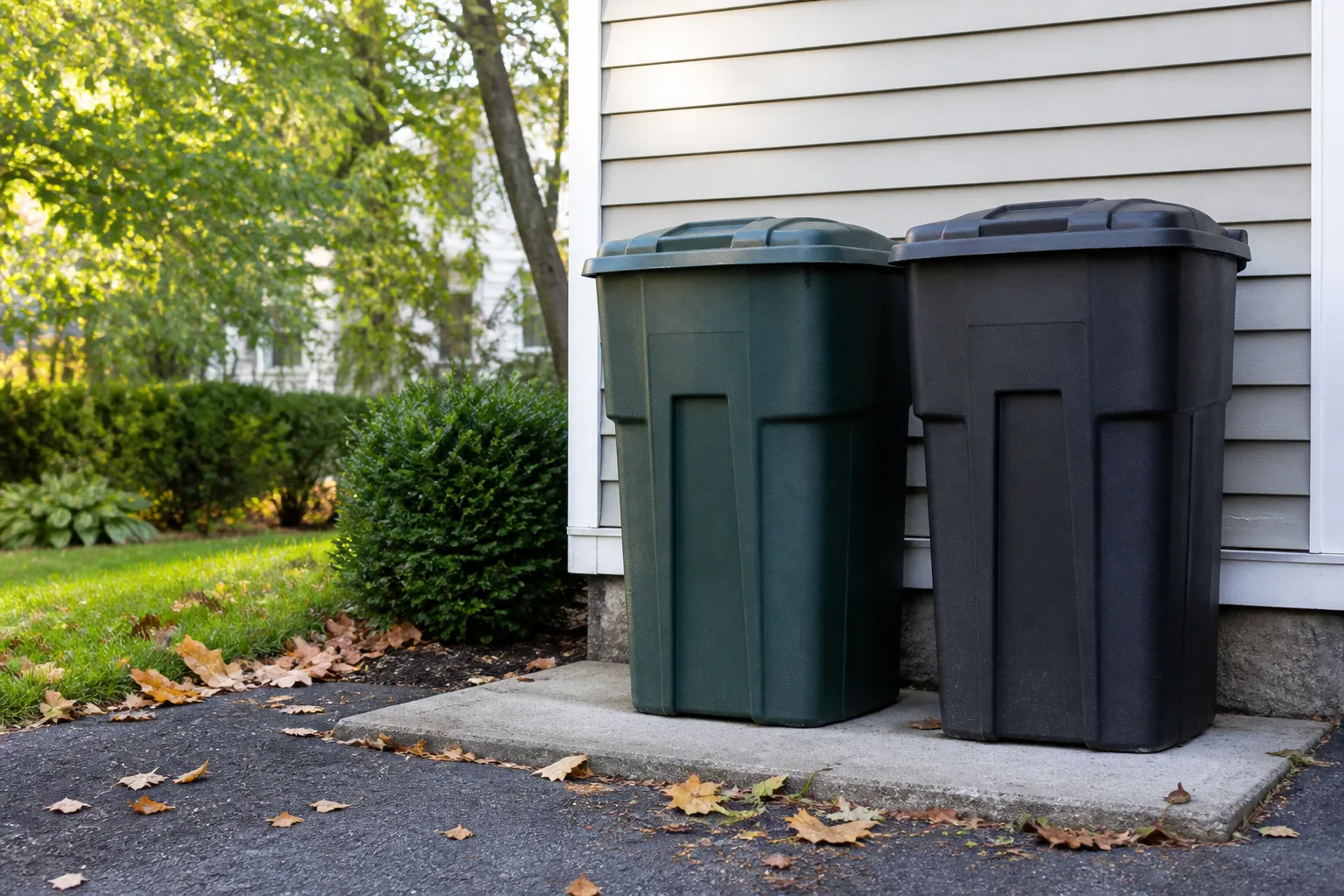
Use a bin with a tight-fitting lid and rinse residue from the lid, rim, and surrounding pavement when it gets sticky. Keep recycling covered until collection if cans or bottles contain sweet residue, and do not leave pet food outdoors for long stretches. Penn State Extension notes that food waste, fallen fruit, and other resources can bring foraging insects into an area even if the nest is somewhere else.
Pick up ripe or damaged fruit on a regular schedule, especially beneath trees near a patio or pool. Compost fruit in a covered bin rather than an open bowl or heap beside a doorway, and close the lid after adding scraps. If a wasp problem peaks around ripening fruit, harvest promptly and collect windfalls before they ferment; avoid bait traps beside people because they can draw more insects into the place you are trying to keep clear.
This step works best when several small sources are removed together. A clean table will not help much if an open drink, an overflowing recycling bin, and split fruit are all within a few yards. Check the entire route from the back door to the seating area, including a grill tray, pet bowl, compost caddy, and the ground under a fruiting shrub.
3. Move flowering plants and feeders away from seating
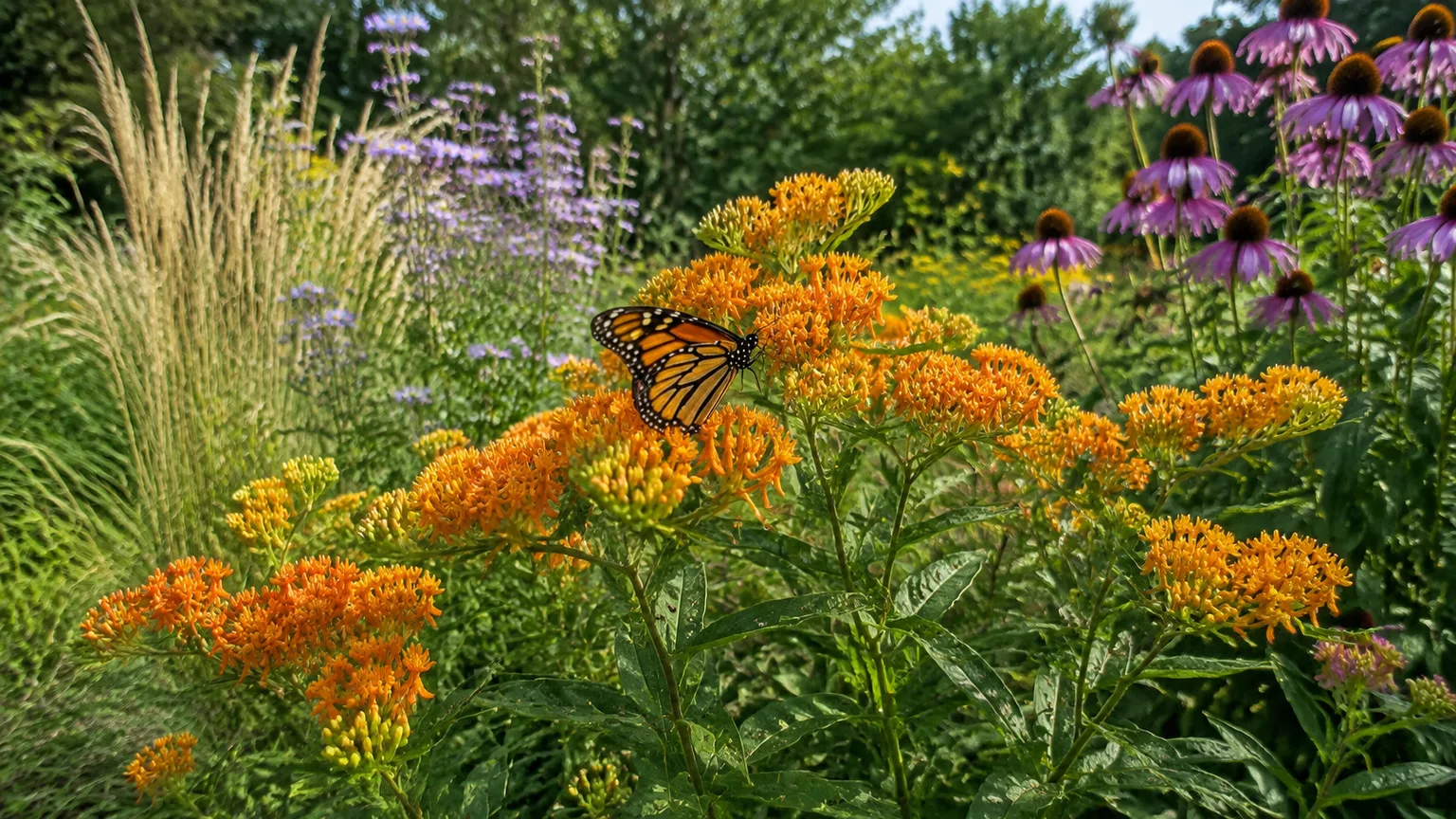
You do not need to remove flowers from your yard to have a more comfortable patio. Instead, look for a flowering container, nectar-rich shrub, or feeder directly beside a doorway, dining table, or narrow path, then move it to a garden bed where bee traffic will not cross people’s regular route. When choosing a new location, pay attention to the flight path as much as the distance; a plant tucked behind a seat may be more disruptive than one farther away but beside a walkway.
The goal is to create a buffer around the places people use, not a flower-free yard. Keep pollinator plants in a designated bed at the far edge of the lawn or in a less-used corner, and maintain enough open space around gates, steps, play equipment, and pool ladders for people to pass without brushing blooms. The U.S. Fish and Wildlife Service identifies nesting and feeding habitat as important for pollinators, so preserving a separate garden zone is a better trade-off than stripping out every flowering plant.
Move hummingbird feeders away from seats if the birds still have a clear approach. If the feeder attracts bees, clean up leaks and try a model with bee-resistant ports; do not add chemicals, petroleum jelly, or essential oils to the flowers or feeder. Beekeepers sometimes recommend relocating a feeder or placing attractive flowers away from a patio, but the result depends on local blooms, weather, and competing nectar sources.
4. Redirect water sources without creating another lure
During hot, dry weather, bees and wasps may collect water from pools, birdbaths, pet bowls, leaky hoses, sprinklers, or outdoor faucets. Repair dripping connections, empty a container that is not meant to hold water, and keep the area right beside the table from becoming the easiest drinking spot. If a pool is the attraction, use a pool cover when it is not in use and keep people away from the busiest flight path.
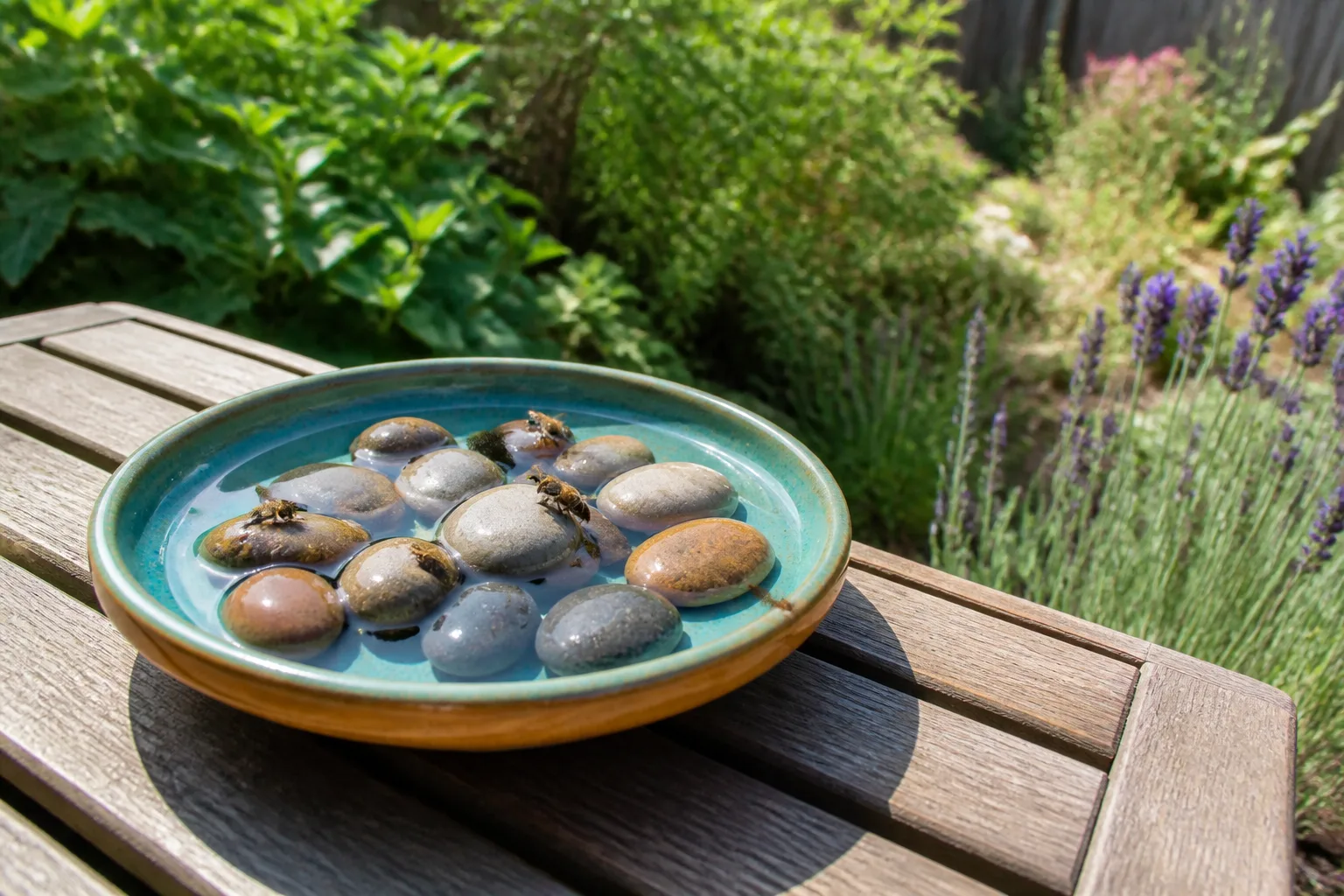
Some gardeners try a shallow water dish with stones or other landing points in a less-used part of the yard. The EPA’s backyard pollinator guide recommends clean water for pollinators, but that does not mean every dish will draw bees away from a pool. Treat this as a low-risk experiment, not a guaranteed diversion: place it well away from doors, seating, and play areas, keep it clean and topped up, and watch whether bee traffic actually shifts. If the dish brings more bees near people or does not change the pool activity, remove it rather than adding a permanent new congregation point.
Avoid salt, detergents, oil, or pesticide in pool and birdbath water. Those additives can hurt wildlife or contaminate soil when the water spills, and they are not a reliable way to make bees leave. Never swat at a bee drinking at a pool edge; move people inside and allow it to finish, then change the source or route after the bee has left.
5. Block future nest sites, but only when empty
Honey bees look for protected cavities, and some solitary bees use holes in wood or stems. Before nesting season, inspect sheds, eaves, vents, tree cavities, and damaged outdoor furniture from a safe position. Repair rotted boards, fit sound screens over vents, store overturned pots and unused equipment, and close gaps only when you have confirmed there is no active nest inside.
Do not fill a hole just because a bee went into it. A small entrance with regular traffic can lead to an active nest, and sealing it may trap insects or drive them into the building. The USDA Agricultural Research Service recommends checking for repeated entry and exit before treating an opening as a colony; if traffic continues, mark the spot from a distance and call an expert.
The same caution applies to carpenter-bee holes and solitary-bee nest sites. If there is no active traffic, repair wood and cover openings during the inactive season for the species in your region. If bees are entering a deck, wall, or tree cavity now, get an identification and removal plan before doing repairs; work on an active nest is not a weekend caulking project.
6. Give pollinators a lower-conflict zone
If your yard has room, keep the busiest gathering places on one side and the flowering or nesting habitat on another. A practical arrangement might leave the patio, grill, doorway, and pool steps relatively clear while keeping native flowers, a pollinator water dish, or an undisturbed soil patch at the edge of the garden. There is no universal setback that keeps every bee away; choose the greatest separation your layout allows and avoid placing blooms right beside a route people must use.
This layout also makes expectations clearer for children and guests. Explain that a bee moving between flowers is feeding, not chasing them, and give visitors a path that does not run through blooms. If an allergy makes close exposure a serious concern, design the seating route around the nest or flower bed and get advice from an allergist and a local extension specialist rather than assuming a plant barrier will protect the area.
Do not mow, dig, or pour water into an area where bees are entering a burrow. For ground nests, keep pets and children away from the patch and postpone work until you know what species is present. Small solitary-bee nesting areas often last for only part of the year; a temporary boundary or route change may solve the conflict without removing habitat.
If you found a nest or swarm, choose the right response
First ask whether you have seen one bee near a resource, a loose cluster, or repeated traffic to one fixed entrance. A single bee does not prove that a colony lives nearby, and an activity peak around flowers can be seasonal. A line of insects going in and out of a wall, tree cavity, shed, or ground hole is different: it points to an established nest, and the answer depends on its location and the people who pass it.
The same insect can be tolerable in one part of a yard and risky in another. A nest well away from a doorway may be left alone, while a nest beside steps, a child’s play space, or an outdoor dining area can be disturbed simply by normal use. If you cannot identify the insect or cannot see the entrance without approaching it, treat it as a nest and get expert help.
When waiting is safer
If a few bees are foraging among flowers, leave them alone and change the layout or food cues near the patio. If a honey bee swarm is clustered on a branch, keep people and pets inside or on the opposite side of the house and give it space. A swarm is a temporary stage in colony reproduction; UC IPM says a cluster often moves once its scouts settle on a new site, and a beekeeper can collect it if it is in a problematic spot.
Do not test whether a swarm is “docile” by approaching, hitting, shaking, hosing, or trying to bag it. Conditions and bee populations vary by region, and a dense cluster can react if it is provoked even when it is temporarily resting. Let a local beekeeper know where it is, how long it has been there, and whether it is exposed or entering a structure; send a photo only if you can take one from a safe distance.
A bumble bee nest in a quiet garden corner may also be left undisturbed. Many colonies are seasonal, but timing varies by species and climate; a local extension office can help with identification if you are unsure. If the nest is under a step or beside a door, make a temporary route around it rather than trying to relocate the nest yourself.
When to call a licensed professional or beekeeper
Call a licensed pest-management professional with bee or stinging-insect experience if a nest is in a wall, roof, attic, chimney, shed, or other enclosed space; if it is near a doorway, pool ladder, playground, or heavily used path; or if a household member has a known severe sting allergy. The same rule applies when the nest is high, partly hidden, large, or impossible to identify from a safe position. Keep the area clear while you arrange help.
For a honey bee swarm or accessible hive, contact a local beekeeper association or a specialist who handles live removal. Ask whether the visit is for a temporary swarm or an established colony, whether removal includes the comb, and what repair or cleanup is included if the nest is inside a structure. NC State Extension explains that structural honey bee removal may require opening the wall and removing wax and honey, so a quote that only promises to “spray the bees” may leave the underlying problem behind.
Never plug an active entrance, inject foam, pour water or fuel into a nest, use fire, or try to knock down a cluster. NC State Extension warns that honey bees in cavities can look for another way out if an entrance is blocked and may enter the living space. The U.S. Fish and Wildlife Service also notes that improper pesticide use can harm pollinators and other wildlife; for any nest treatment, let a licensed professional identify the species and choose an approach consistent with local rules and the product label.
What does not reliably keep bees away
Many home remedies make a strong claim based on smell or color, but that does not make them dependable controls. Bees respond to a changing mix of food, water, shelter, weather, and the flowers in bloom. A scent that seems strong to a person does not reliably redirect a foraging bee, and removing a few plants will not make the wider landscape disappear.
The more dependable approach is still to remove a reward from the exact place people gather, keep traffic away from a nest, and call a specialist for an established colony. If a method relies on spraying, smoke, burning, or placing a pesticide around a patio, do not assume that “natural” or “outdoors” makes it safe.
Avoid mothballs, pesticides, and DIY nest treatment
Mothballs are pesticides made for specific fabric-pest uses, not outdoor bee repellents. The National Pesticide Information Center explains that the product label controls where and how mothballs may be used; outdoor use can expose children, pets, and wildlife and contaminate soil, plants, or water. Hanging them in a bag around a yard is not a safe workaround.
Do not spray a flowering bed, patio, or feeder with insecticide to stop bees from visiting. A product may kill the bee that touches it and can affect other insects that were not the target. The U.S. Fish and Wildlife Service recommends using pesticides only when necessary and targeting the application so only the intended pest is affected. If an active nest is genuinely a safety problem, use a licensed professional instead of trying a household spray or garden pesticide.
Vinegar, peppermint oil, garlic, cinnamon, and other strong-smelling substances are not reliable fixes for an active nest. Spraying them on flowers can expose insects and pets; spraying them into an entrance may provoke a colony without removing it. The Royal Horticultural Society advises avoiding pesticides where possible and never spraying open flowers, while Epic Gardening’s pollinator-safe pest guidance favors physical barriers and targeted control over broad spraying. Keep scents and sprays away from the nest and bloom patches.
Changing the color of patio furniture is not a dependable bee-control method either. Bees may visit a flower bed because it offers nectar and pollen, while a bee passing over a blue chair may simply be traveling through. Do not repaint a patio or remove healthy flowering plants based on a color chart; redirect the blooms and remove food cues instead.
Protect people during a bee encounter
Keep children and pets away from nests, swarms, and regular flight paths. If a bee is near you, stay calm, do not swat, and give it room to fly away. If a cluster of insects is disturbed, move indoors or into a vehicle and close the door; do not linger nearby to photograph it. If you need to mow, prune, dig, or open a structure near an active nest, postpone the work until an expert has assessed the risk.
People with a known severe insect-sting allergy should follow the plan made with their allergist and carry any prescribed epinephrine auto-injector. After a sting, symptoms such as trouble breathing, swelling of the tongue or throat, widespread hives, dizziness, or fainting can signal anaphylaxis. The American College of Allergy, Asthma & Immunology advises using prescribed epinephrine immediately when anaphylaxis symptoms develop and getting urgent medical care; call emergency services if a severe reaction is occurring.
For a local sting with pain and swelling only at the sting site, basic first aid differs from an allergic emergency. If the person has a history of a serious reaction, multiple stings, or symptoms beyond the sting area, seek medical help promptly rather than relying on a home remedy. Prevention around a nest is especially important when an allergic person shares the yard, but a DIY spray is not a substitute for a removal plan.
Conclusion
To get rid of bees outside safely, make the patio less rewarding, not the whole yard less welcoming. Cover food, clean spills and fallen fruit, move feeders and flowering plants away from seating, manage water cues, and close potential nesting gaps only after they are confirmed empty. Those steps reduce conflict with foraging bees while keeping pollinator habitat available somewhere else on the property.
If bees keep entering one opening, or you find a swarm, colony, or nest beside a high-traffic area, leave it alone and call a local beekeeper or licensed specialist. Avoid mothballs, sprays, and blocked entrances; the right solution starts with identification and a safe distance.



