How to Grow a Root Beer Plant (Piper auritum)
Root beer plant care starts with warmth, filtered light, steady moisture, and a plan for spreading roots. Get steps for pots, pruning, and propagation.
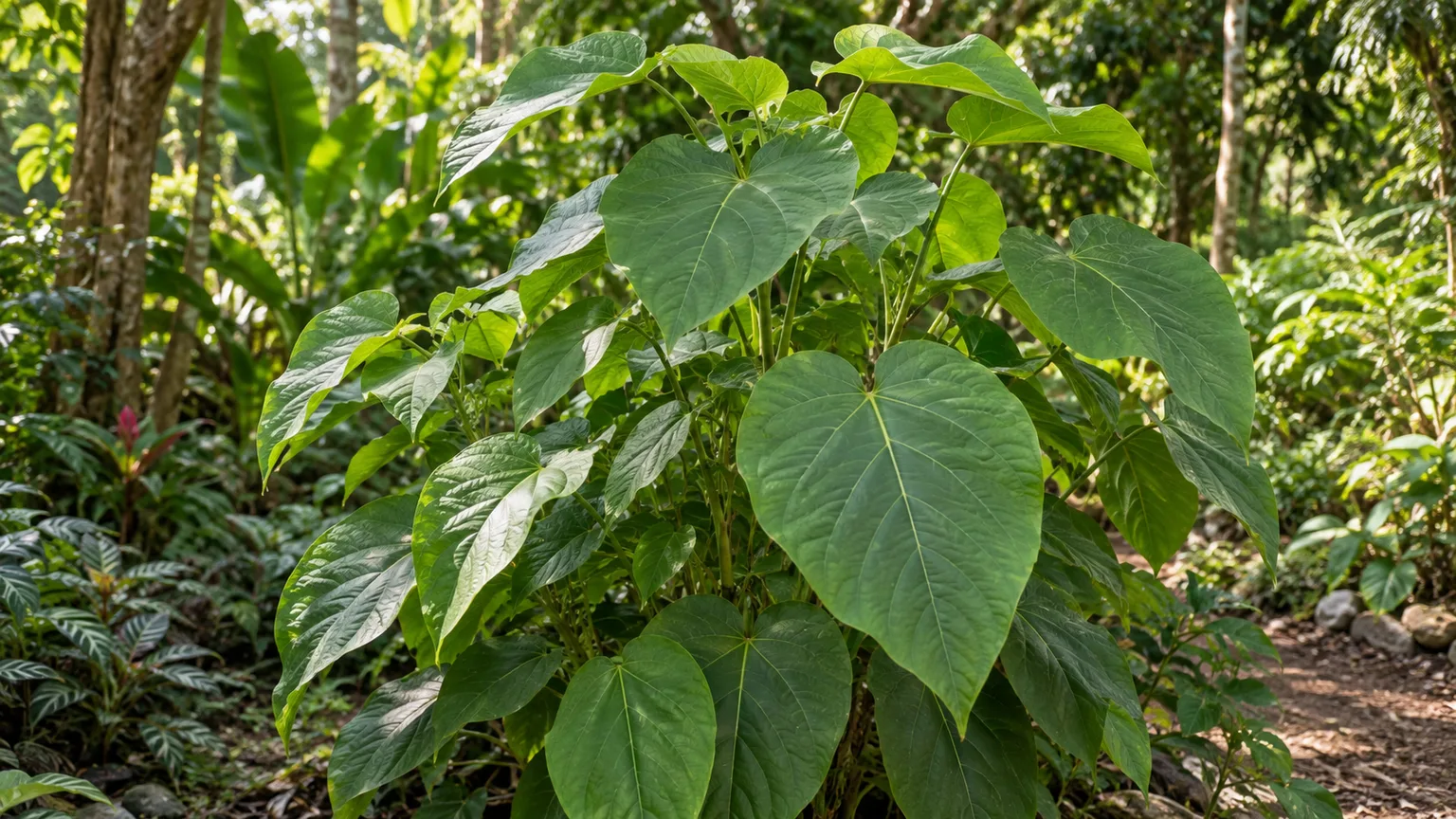
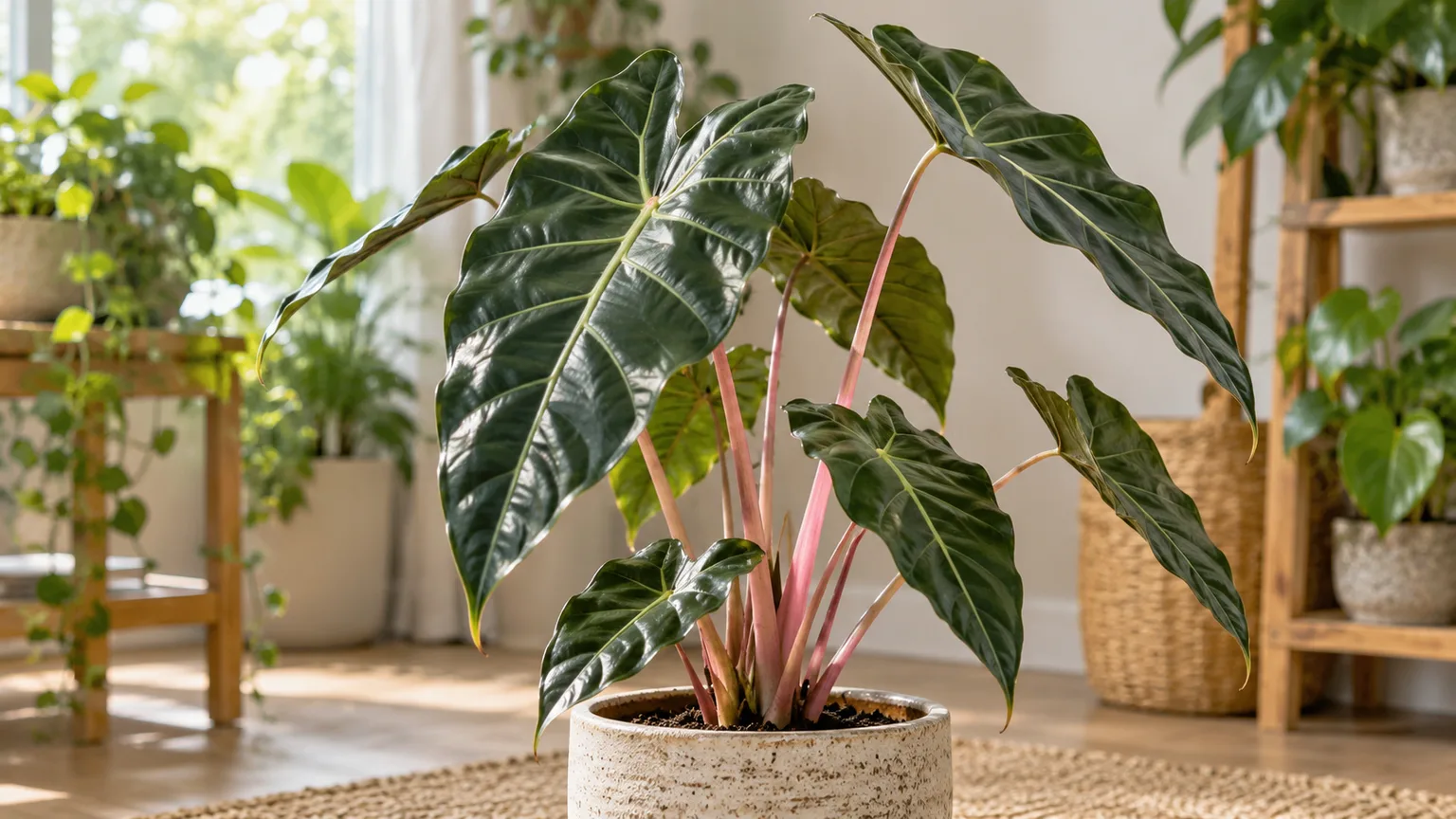
Root beer plant, or Piper auritum, is a tropical foliage shrub grown for its oversized, aromatic, heart-shaped leaves. It is also called hoja santa and Mexican pepperleaf; bruise a leaf and you will understand the root-beer comparison. The plant can make a dramatic feature in warm, shaded gardens or a bright indoor space, but its vigorous underground growth makes the planting decision as important as the watering routine.
Start with two checks: whether your local invasive-plant guidance allows it, and whether you can keep its rhizomes contained. If both answers are yes, give it warmth, filtered light, moisture that drains freely, and enough room for the broad leaves. In colder places, a container that can move indoors is usually a more manageable option than an open garden bed.
Root Beer Plant at a Glance
| Growing factor | Practical starting point |
|---|---|
| Light | Partial shade outdoors; bright, filtered light indoors |
| Soil | Moisture-retentive but free-draining |
| Water | Keep the mix evenly moist; never leave the pot standing in runoff |
| Temperature | Warm conditions; protect from frost and cold drafts |
| Humidity | Higher humidity helps indoor foliage stay attractive |
| Growth habit | Upright, leafy shrub that can spread by rhizomes |
| Best first decision | Check local invasive-plant guidance before buying or planting |
The name can mislead new growers: Piper auritum is not a ready-made root beer flavoring plant. It is a foliage shrub whose leaves smell anise-like or root-beer-like when bruised, with a habit that can shift from a contained potted plant to a substantial tropical shrub in warm ground. Look for broad, heart-shaped leaves on upright stems, then confirm the botanical label; several unrelated plants carry “root beer” in a cultivar or common name.
The Royal Horticultural Society describes Piper auritum as a tender shrub for partial shade, with moist but well-drained soil; for greenhouse growth it recommends bright filtered light and high humidity. Its profile lists a smaller mature size than university information describing plants in tropical conditions, a reminder that size depends on climate and growing conditions rather than a single dependable number. The Royal Horticultural Society profile is a useful baseline, but plan for the plant to become wider and taller than a typical compact houseplant.
Check Invasiveness and Food Safety Before You Plant
Root beer plant spreads through underground rhizomes, and pieces left behind can form new growth. Plant Pono describes it as invasive in Hawaii and Florida, with other naturalized records, and notes that it can form dense thickets. Vanderbilt University likewise reports invasive behavior in Florida and Hawaii. Those regional records do not mean it is invasive everywhere, but they do mean you should check your state, county, and local invasive-plant lists before buying it. If your area flags it, do not plant it outdoors; use a locally recommended alternative instead. The Plant Pono species profile and Vanderbilt University document why containment matters.
Even where planting is allowed, consider a pot or a secure above-ground container before putting it into the soil. Rhizomes can travel beyond the visible stems, and cutting the top growth is not a reliable way to stop them. A container is only a boundary if it stays intact, has no escape route through nearby soil, and is not emptied into a garden or compost pile containing viable plant pieces. Keep it away from natural areas, drainage channels, and property lines where escaped growth would be hard to retrieve.
The leaves also call for a careful distinction between culinary tradition and a safe recommendation. Hoja santa is used in food in parts of Mexico and Central America, but Piper auritum contains safrole. One study found safrole was the largest component of the essential oil it analyzed; that percentage describes the oil sample, not the weight of a fresh leaf or a typical serving. The Piper auritum essential-oil study therefore cannot tell a home gardener how much safrole a recipe delivers. A 2023 toxicology paper describes safrole as a possible human carcinogen and discusses animal and metabolic evidence, but it does not estimate a home cook’s exposure from a particular leaf or recipe. 2023 safrole toxicology paper. U.S. regulation treats food with added safrole, and foods intended mainly to deliver it, as adulterated. The 21 CFR 189.180 rule does not quantify exposure from a leaf or establish the risk of a single accidental taste. Because dose and preparation matter and the available evidence is not a home-use safety assessment, this guide treats the plant as ornamental and does not recommend eating it, brewing tea from it, or using its essential oil.
Choose a Site: Outdoor Bed or Container
Grow outdoors only where climate and local rules allow
In a warm region where local guidance permits planting, choose a sheltered site with light shade or bright dappled light. Morning sun can be workable if the plant is acclimated, but intense afternoon sun, reflected heat, and wind can damage its large leaves. The RHS recommends a sheltered, lightly shaded position outdoors, which is a safer default than placing it in the hottest exposed part of the yard. Royal Horticultural Society profile also emphasizes moisture with good drainage, not a boggy planting hole.
Give the plant space from paths, neighboring shrubs, and structures. Its leaves can be broad enough to crowd a narrow walkway, and a clump can expand underground even when its top growth looks contained. Avoid planting next to a stream, wetland, wooded edge, or other place where a rhizome fragment could be difficult to find. If you want to keep the plant, choose a spot where you can inspect its edges and remove unwanted shoots through the growing season.
Use a container when you need a boundary
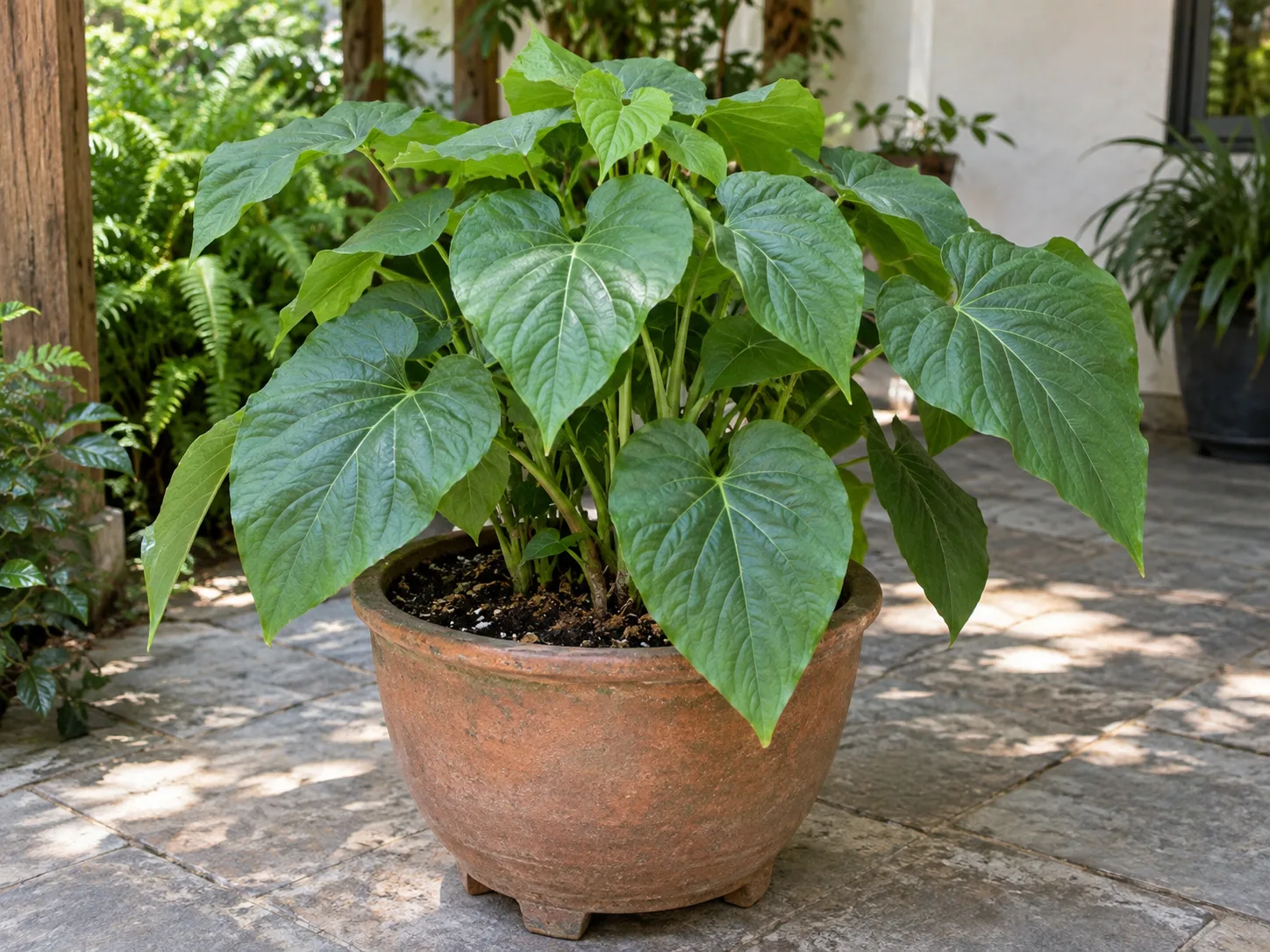
A roomy pot makes the plant easier to move and inspect, but it will not reproduce the open-ground conditions that let a tropical shrub reach its full size. Choose a stable container with several unobstructed drainage holes and enough volume for the root mass to expand for a season or two. A wider pot is easier to monitor for surface shoots than a small, narrow nursery pot, and a heavy planter is less likely to tip as the stems grow.
Set the container on a hard, inspectable surface rather than directly over garden soil. Check the drainage holes periodically for protruding roots or rhizomes, and do not let runoff collect around the pot. If roots begin circling densely, water runs straight through, or growth stalls in warm weather, inspect the root ball and move up one pot size or divide the clump. Those are better signals than repotting on a fixed annual schedule.
Plant Root Beer Plant Step by Step
Planting a nursery start outdoors
Plant during warm weather after the danger of frost has passed, while there is enough of the growing season left for the root system to settle in. First confirm the plant is allowed in your location. If it is, loosen the soil in a broad area and blend in a modest amount of finished compost only when the native soil is poor or compacted; the goal is an open, moisture-holding bed, not a rich pocket that stays saturated.
Water the nursery pot before planting so the root ball is evenly damp. Set the plant at the same depth it was growing in its pot, backfill without burying the stem bases, then water slowly to settle the soil. Add a light mulch layer to reduce surface drying, keeping the mulch a few inches away from the stems. Mark the planting boundary so you can notice shoots appearing beyond the original clump.
Potting for drainage and root control
Use a quality peat-free potting mix that holds some moisture but does not compact into a dense, wet mass. If the mix feels heavy after watering or dries into a hard block, blend in a coarse aeration ingredient such as perlite or fine bark. Avoid creating a gravel layer at the bottom; it does not improve drainage through the pot and can leave the root zone perched in wetter mix.
Slide the plant out carefully, loosen only the outer circling roots, and set the root ball so its top sits just below the pot rim. Fill around it, press lightly to remove large air pockets, and water until excess runs from the holes. Empty the saucer after draining. RHS greenhouse guidance also pairs bright filtered light with a loose, loam-based compost amended for drainage, rather than permanently waterlogged soil. Royal Horticultural Society profile
Give It Bright Filtered Light
Indoors, place root beer plant close to a bright window where it receives abundant indirect light or gentle morning sun. A sheer curtain can soften strong exposure; a few feet back from a very sunny west or south window may be more comfortable than against hot glass. Rotate the pot occasionally so new growth does not lean toward the light, and move it gradually if you change its position.
Outdoors, partial shade is the reliable starting point. Dappled light beneath open tree cover or morning sun followed by afternoon shade generally protects the leaves from scorch while giving stems enough energy to stay sturdy. Dense shade can produce slower, leggier growth; sudden relocation from shade to direct sun can bleach or crisp leaves. Change exposure over a week or two, then judge the newest leaves rather than expecting already damaged foliage to recover.
Keep the Root Zone Moist, Not Soggy
This plant likes consistent moisture, but roots still need oxygen. In a pot, check the mix with a finger rather than watering by weekday: when the top inch begins to lose its damp feel, water slowly over the surface until it drains freely. Let excess water escape and empty the saucer. In hot weather a small pot may need water more often; in winter or a cool room the same pot may stay wet for much longer.
In the ground, water deeply when rainfall has not kept the root zone moist. A mulch layer can slow evaporation, but it cannot fix heavy soil that remains saturated. If leaves yellow while the soil feels wet for days, pause watering and check that drainage is working. If leaves wilt while the root ball is dry and pulls from the pot edge, water thoroughly and reassess the container size and heat exposure.
Avoid keeping the plant constantly submerged or letting its pot sit in a decorative cachepot full of water. On the other hand, repeatedly allowing the root ball to dry completely can cause leaf droop and crispy edges. The useful target is a steady, slightly moist mix with air spaces, not a rigid number of watering days.
Provide Warmth and Humidity
Piper auritum is a tender tropical shrub, so treat frost as a threat rather than relying on a broad hardiness-zone number. The RHS recommends heated-glass cultivation in cooler climates, while outdoor guidance assumes a sheltered site. Move a container indoors before nights turn cold, and keep it away from exterior doors, cold windowpanes, and heating vents that create sharp temperature swings.
Hardiness descriptions for this species are not fully consistent: Gardening Know How gives a broad USDA-zone range but also says the plant will not survive freezing, while the RHS calls it tender; the Gardening Know How root beer plant guide also cautions about freezing. For a plant you want to keep, respond to that uncertainty conservatively: protect it from frost rather than treating any single zone label as a guarantee for your exact garden.
Warm indoor air can be dry, especially in winter. Grouping plants or using a room humidifier can help maintain a more comfortable environment; keep leaves clear of a draft and avoid misting as a substitute for humidity control. If older leaves yellow and drop soon after moving indoors, check for cold exposure, lower light, and wet soil before adding fertilizer. A seasonal slowdown is normal when daylight and warmth decline, so water less often as growth slows.
Feed Lightly and Prune With a Plan
Start with a fertile, well-drained mix and watch the plant before adding fertilizer. During active growth, a diluted balanced houseplant fertilizer used according to its label can support new leaves; reduce or stop feeding when growth slows in winter. Pale growth alone is not proof that the plant needs more fertilizer: check light, drainage, root crowding, and watering first. Excess feed can leave salts in a container and make root stress harder to diagnose.
Prune for size, shape, or damage rather than on a schedule. Remove dead or badly torn leaves with clean pruners, and shorten an overly tall stem just above a healthy node if you want a bushier outline. The RHS advises cutting outdoor plants down in late autumn in its UK growing context, but in frost-prone areas a container should usually be moved inside before cold weather rather than left exposed after a hard cut. Do not rely on pruning above ground to control underground spread.
Propagate Without Spreading It Accidentally
Propagation is easy to turn into an escape problem, so first confirm that sharing or moving the plant is permitted locally. Keep new divisions, cuttings, soil, and trimmed rhizomes contained. The Plant Pono species profile notes that this plant can reproduce from vegetative fragments and root suckers, which is why cleanup matters as much as the propagation technique.
Divide a rooted rhizome
Division is a practical option when an established plant has produced a rooted offset. In warm weather, ease the plant from its pot or expose one edge of the clump, then look for a section with its own roots and a visible growing point. Separate it with a clean knife or spade; do not break a rhizome into random pieces and assume every fragment is an intentional, healthy division. General rhizome guidance recommends keeping viable nodes on divisions and replanting promptly. Epic Gardening rhizome-control guide describes the same principle for rhizomatous plants.
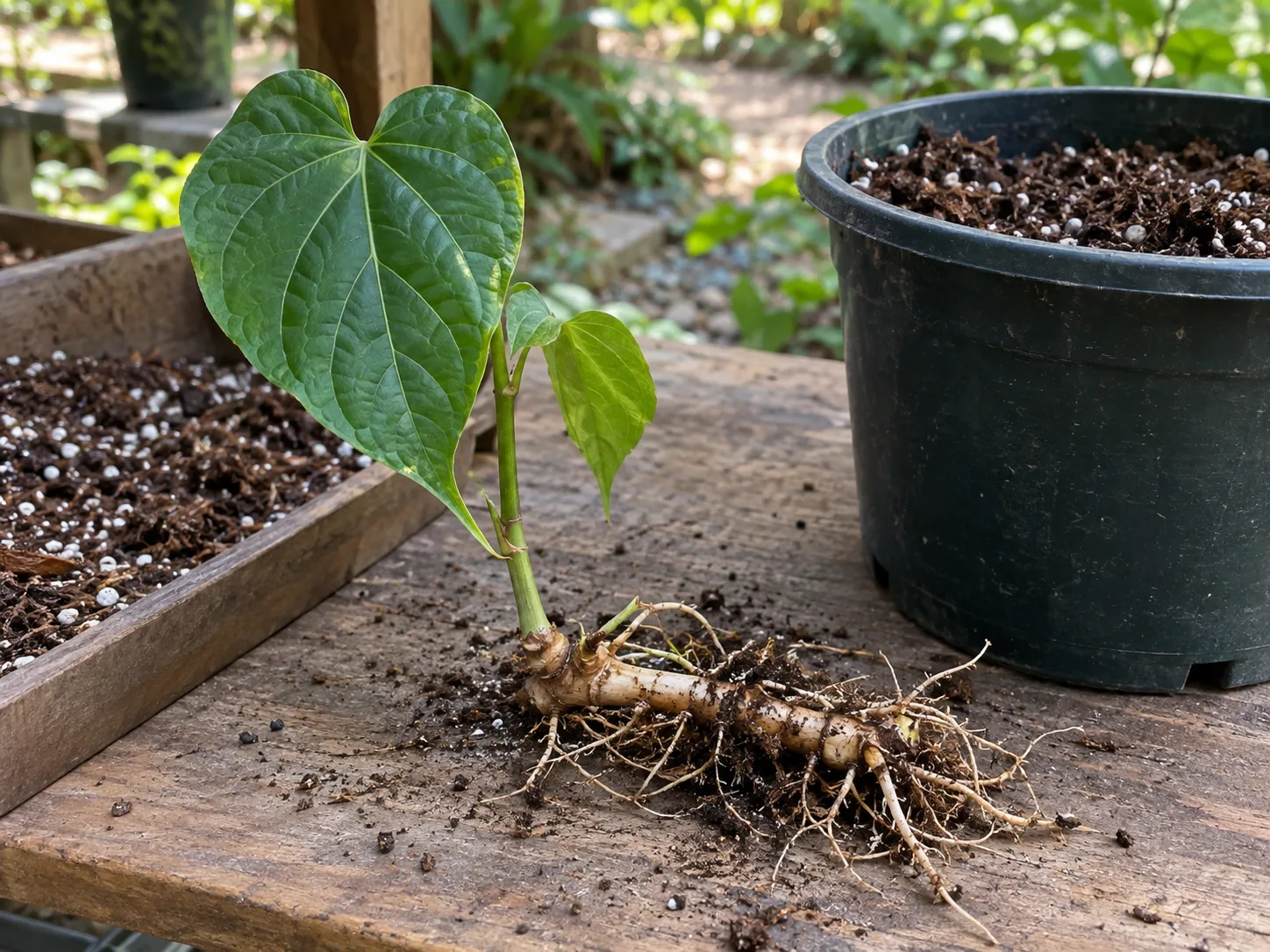
Pot the division into fresh, evenly moist mix at the same depth it grew before. Keep it warm in bright filtered light while it establishes, and do not fertilize heavily until you see new growth. If a section has no roots or growing point, discard it securely rather than leaving it on damp soil where it may sprout.
Try seed or semi-ripe cuttings
The Royal Horticultural Society profile lists seed sown with heat in early spring and semi-ripe cuttings as propagation options for Piper auritum. Seed is a slower and less predictable route for a home grower, and it is inappropriate where the species is restricted or where seed could escape. Use correctly identified, legally sourced material; do not collect or distribute seed from a plant in a region that treats it as invasive.
For a semi-ripe cutting, take a healthy stem section that is neither very soft new growth nor fully woody, remove lower leaves, and place it in a clean, airy rooting medium in a warm, humid environment. Keep the medium lightly moist and provide filtered light while it roots. Use a small covered propagation setup only if it can be ventilated enough to prevent stagnant, wet conditions. If a cutting wilts persistently or darkens at its base, discard it and start again with a healthier section.
Troubleshoot Leaf and Growth Problems
| What you see | Check first | A sensible next step |
|---|---|---|
| Yellow leaves with wet mix | Drainage, saucer water, and roots | Let the mix drain; correct blocked holes or an oversized cachepot |
| Drooping leaves with dry mix | Root-ball moisture and hot sun | Water fully, then move away from harsh afternoon exposure |
| Crisp or scorched patches | Direct sun, hot glass, wind, or dry air | Provide filtered light and a more sheltered position |
| Long, weak stems | Light level and crowding | Move brighter gradually; prune lightly after active growth resumes |
| Sudden leaf drop indoors | Cold draft, room change, low light, or wet soil | Stabilize warmth and light; water only when the mix needs it |
| Little new growth in a warm season | Root crowding, low light, or stalled drainage | Inspect the root ball and growing conditions before feeding |
Root beer plant is generally described as pest- and disease-free in the RHS profile, but any indoor plant can still pick up common pests. When leaves look stippled, sticky, or distorted, inspect their undersides and stem joints before spraying. Isolate a confirmed infested plant, rinse foliage if appropriate, and identify the pest before choosing a treatment. Avoid applying a pesticide just because a leaf is damaged; sun scorch, cold, root stress, and pests require different responses.
Look at the whole pattern before changing care. One old yellow leaf at the base may be normal turnover, while several leaves yellowing as the pot stays wet points toward a drainage problem. Brown, papery edges after a sunny move suggest exposure stress; soft, limp foliage in a cold room suggests temperature or root trouble. Correct one likely cause at a time and judge the new growth, because injured leaves rarely turn green again.
Overwinter Root Beer Plant
In a climate with frost, keep the plant in a movable pot and bring it inside before cold nights arrive. Check the foliage and pot surface for pests, rinse off debris, and place it in the brightest filtered-light spot available. Avoid repotting, heavy feeding, and hard pruning all at once; a plant adjusting to lower light benefits from steady conditions and fewer simultaneous changes.
Water less often indoors than during summer, but do not let the root ball become bone-dry. Check the mix before each watering and make sure runoff can leave the pot. If the plant loses some leaves as it adapts, assess temperature, light, and moisture rather than assuming it is dead; healthy roots and stems may resume growth when warmth and daylight return. In a warm, frost-free region, outdoor plants may remain evergreen, but still monitor their spread and remove unwanted shoots promptly.
Conclusion
Grow root beer plant for its striking foliage only after checking that local rules and conditions make it a responsible choice. Give it partial shade or bright filtered light, a warm and sheltered position, and soil that stays moist while draining well. Most of all, contain the rhizomes from the start, handle propagation carefully, and treat the plant as ornamental rather than as a food or home-remedy ingredient.