How to Grow Butterhead Lettuce in Your Garden
Get tender butterhead lettuce with practical sowing, spacing, watering, container, and harvest advice, plus ways to slow bolting before leaves turn bitter.
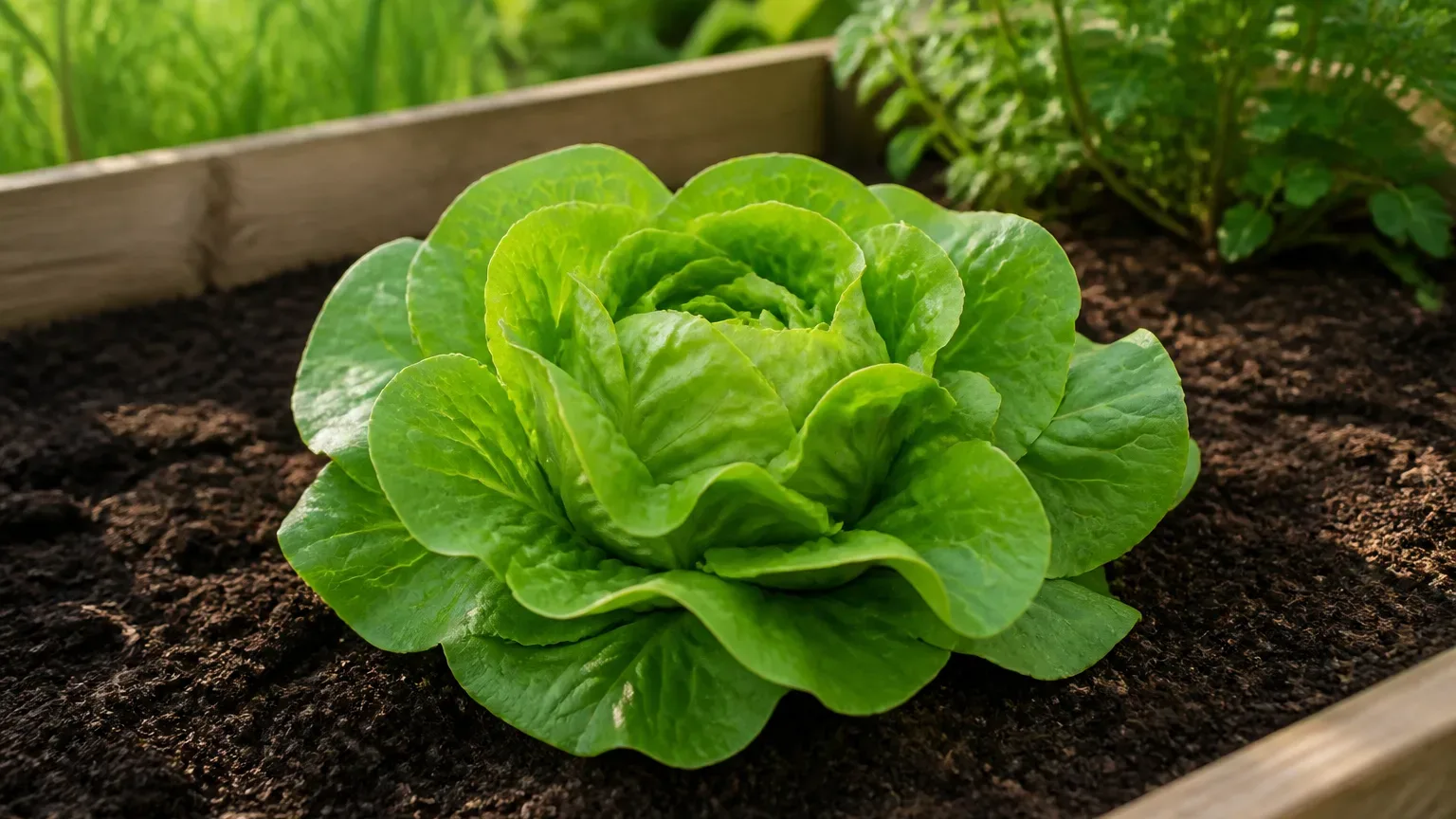
Butterhead lettuce earns its name from its soft, loosely folded leaves and mild, almost creamy texture. Grow it for a tender head you can pull apart for sandwiches and salads, or pick a few outside leaves while the center continues to fill. The main trick is to grow it during cool weather and keep the root zone evenly moist; heat, long days, and dry soil push lettuce toward flowering and a more bitter flavor.
Butterhead is a type of head lettuce, not a single cultivar. Buttercrunch, Bibb, Boston, and other named varieties share the soft, rounded heart, but differ in size, color, maturity time, and heat tolerance. The seed packet is the best guide to the individual variety, while the growing steps below will help you adjust to the weather you actually have.
Choose a butterhead variety for your season and harvest style
A butterhead forms a loose central head rather than the long upright leaves of romaine or the open rosette of many leaf lettuces. The Royal Horticultural Society describes butterheads as open, soft-leaved hearting lettuces and notes that they are relatively quick to mature but best eaten fresh because they do not keep as well as crisphead types (RHS growing guide). That tender texture is the appeal, but it also means that the crop is best planned in small, repeatable batches.
Choose a compact variety such as Bibb or a small Buttercrunch type if you want individual servings or have a narrow bed. Boston types generally make larger heads, so they need more space and a little longer to fill out. For a long spring, choose varieties described as slow to bolt; for an early fall crop, look at the packet’s maturity estimate and choose a variety that can finish before your first hard freeze.
Do not treat “heat tolerant” as “safe to plant in summer.” Some cultivars hold quality longer than others, but every lettuce eventually flowers, and hot weather can also prevent seeds from germinating. If your garden gets hot early, grow the first crop in spring, pause during the hottest stretch, then sow again as nights and soil begin cooling.
Pick planting dates by temperature, not calendar
Butterhead lettuce is a cool-season annual. It grows well when days are mild and nights are cool, while prolonged heat and long days accelerate bolting. As a broad guide, lettuce grows well around 60 to 70 degrees Fahrenheit; when daytime temperatures repeatedly approach 75 to 80 degrees, expect growth to slow, leaves to taste stronger, or the center to start rising. Variety and local weather matter, so use those numbers as a signal to adjust rather than a guarantee.
A practical spring rule is to sow outdoors as soon as the soil is workable and the forecast shows a run of mild days. Lettuce tolerates light frost better than many warm-season vegetables, but a late hard freeze can damage young plants, so keep row cover or a cloche ready when a cold night is expected. Gilmour’s guide also recommends successive sowings and explains that lettuce performs best in cool weather (Gilmour lettuce-growing guide).
For a fall crop, count backward from the first hard freeze using the seed packet’s days to maturity, then add roughly two weeks for slower autumn growth. The packet may count from sowing or from transplanting, so check its wording before you plan. When a fall sowing lands in hot weather, start seeds in a cooler spot or shade the seed row until germination; warm soil can leave you with empty gaps even though you watered.
Time spring and fall sowings
One large sowing often produces more heads than a household can eat at their peak. Sow a short row or a few container cells every 10 to 14 days instead, then stop when summer heat is persistent and resume as the weather cools. This small-batch approach spreads the harvest and gives you a backup if one round is damaged by frost, slugs, or poor germination.
Use the variety’s maturity estimate to stagger your starts, not to predict an exact harvest date. Hearting lettuces may take several weeks longer to make a full head than leaf lettuces, and cool autumn days lengthen the schedule. The RHS gives roughly 10 to 14 weeks for hearting lettuces, while faster leaf types may be ready in four to six weeks; that difference is why the packet and the plant’s shape matter more than one universal number.
Give heads enough room to form
Thin seedlings so mature butterhead plants sit about 8 to 12 inches apart, with rows roughly 12 inches apart if you need access between them. Use the upper end for large Boston-type heads or humid gardens where airflow helps foliage dry. The RHS suggests about 12 inches for larger hearting lettuces and warns that crowding can prevent firm heads (RHS spacing and planting advice).
If you prefer baby leaves, you can leave plants closer together and start picking while they are small, but they will not make full heads. For a salad garden, leave every other seedling at head spacing and use the thinnings in a salad; this gives you something to eat early without sacrificing the remaining plants’ room. If a bed is too crowded after transplanting, remove the weakest plant rather than trying to move several established lettuce roots.
Spacing also improves disease control. Butterhead leaves overlap naturally as heads mature, but plants jammed tightly together stay damp, hide slugs, and make it harder to inspect the crown. Give the mature rosettes enough room that you can see the soil between their outside leaves when they are young.
Prepare loose, moisture-holding soil
Lettuce roots are shallow, so the top several inches of soil need to stay open, fertile, and damp without turning soggy. Work finished compost into the bed before sowing, break up clods, and remove stones that keep the seed row uneven. If the soil stays puddled after rain, plant in a raised bed or a container rather than trying to make lettuce tolerate waterlogged ground.
A simple soil check is more useful than chasing a perfect pH number: the bed should drain after irrigation but still feel cool and slightly moist below the surface the next morning. A thin mulch of fine compost or clean straw can slow evaporation once seedlings are established. Keep mulch away from the central crown so leaves do not sit against a wet layer.
Do not add fresh manure or a heavy dose of nitrogen-rich fertilizer just to make the leaves look lush. Lettuce needs nutrients, but a fertile bed with mature compost is often enough for a short crop, and excessive feeding can produce soft growth that wilts quickly. If you are growing in a reused bed, base amendments on a soil test or the fertilizer label instead of guessing.
Sow directly or transplant seedlings
Direct sowing is usually the easiest way to grow butterhead because the plant does not need to recover from root disturbance. Indoor starts are useful when spring is still cold, when slugs are severe, or when you want to save a small patch of garden space. Whichever method you choose, keep the seed surface moist until germination and give seedlings strong light so they stay short and sturdy.
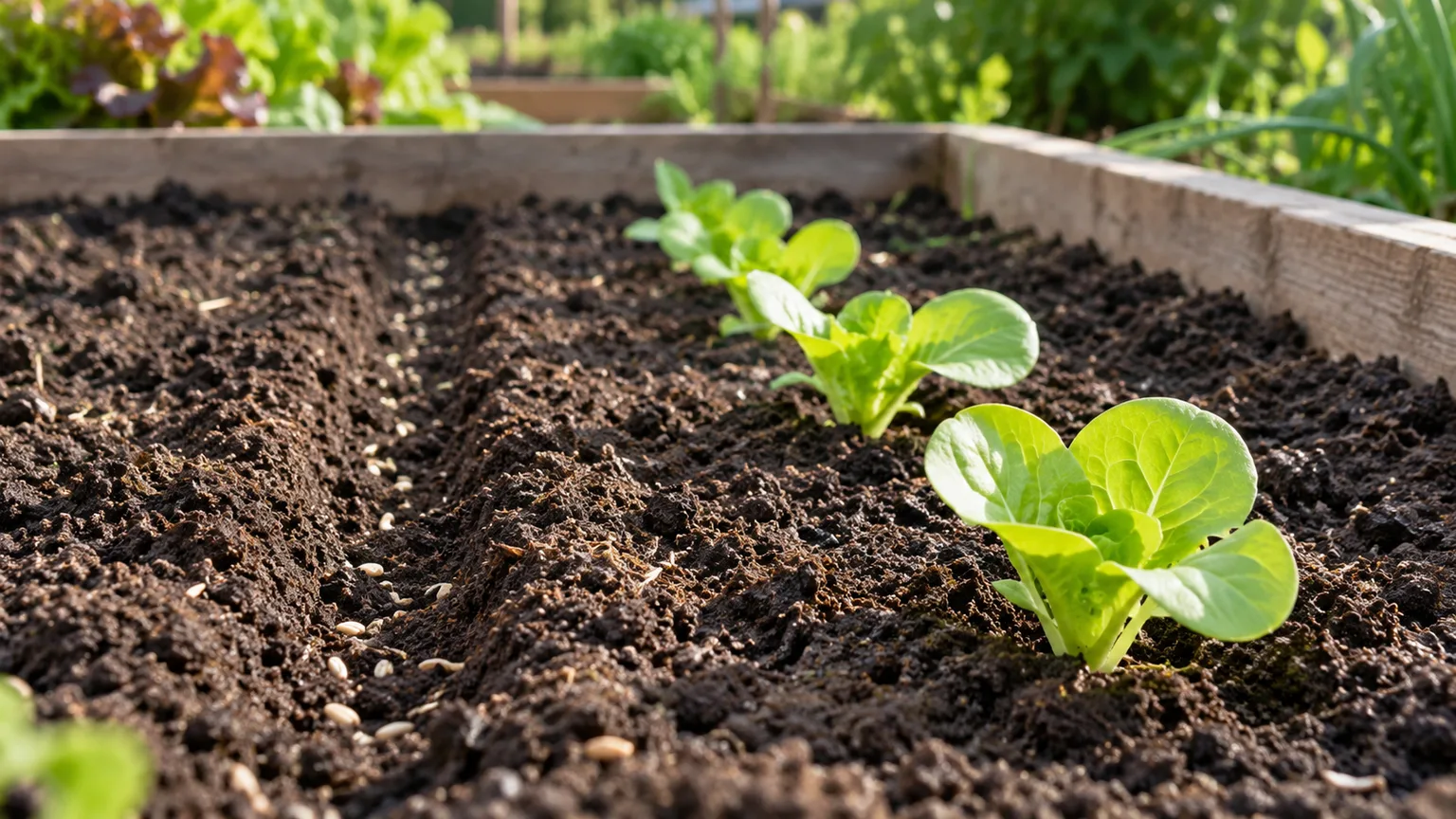
Lettuce seed is small and should not be buried deeply. Press it onto firm, damp soil and cover it with only a very thin dusting of fine mix, following the seed packet if it specifies a depth. A coarse crust can trap seedlings below the surface, while letting the seed row dry can stop germination partway through.
Direct sowing gives roots less disturbance
Prepare a level row, water the soil, and sow seeds thinly rather than dropping a dense pinch in one spot. Cover lightly, label the variety and date, and mist or water gently so the seed does not wash into a clump. In warm weather, a board or shade cloth laid above the row can keep the surface cooler, but remove any solid cover as soon as seedlings emerge.
Once seedlings have two or three true leaves, thin them to the spacing you want. If you are unsure which seedling to remove, keep the stockiest plant and snip the others at soil level instead of pulling them; that avoids disturbing its neighbor’s roots. Use the thinnings in a salad only if they are clean and healthy.
Transplant for an earlier start
Start a few seeds in cell trays about three to four weeks before you expect to plant outside. Keep the mix damp but not saturated, and move seedlings into good light as soon as they emerge. If several sprout in one cell, snip away extras so one plant remains; separating a crowded cluster can tear the fine roots.
Harden seedlings off before planting by setting them outdoors in a sheltered spot for a few hours, then lengthening the exposure over about a week. Plant them at the same depth they were growing in the cell, water them in, and shade them for the first afternoon if the weather is sunny or windy. Lettuce transplants can wilt quickly in heat, so planting on a cool, cloudy day is easier on both the plant and the gardener.
Set up containers for lettuce on patios and balconies
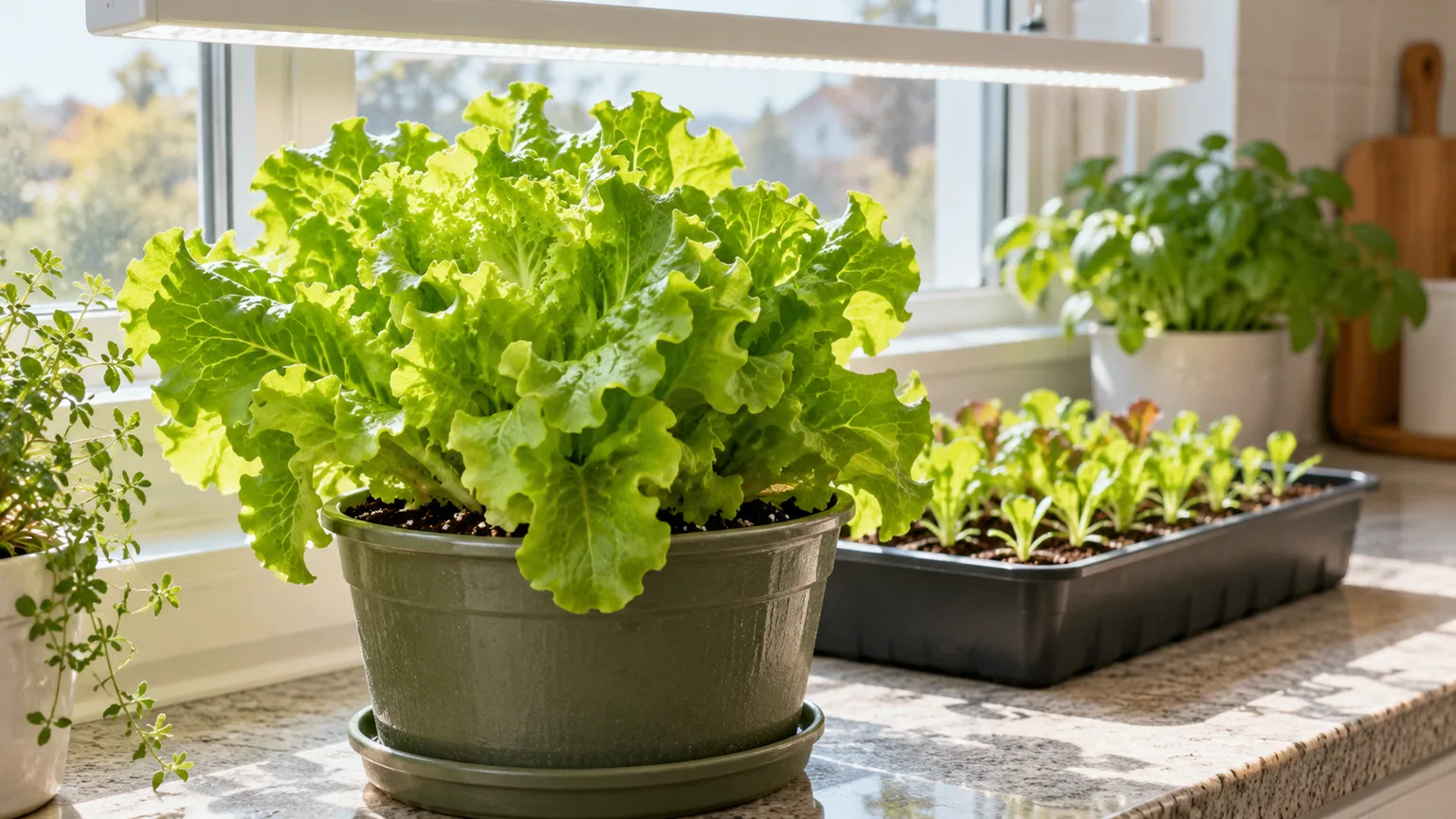
A wide planter works better than a narrow deep pot because butterhead roots stay close to the surface and each head needs room to spread. Choose a container at least 6 to 8 inches deep, with several drainage holes; allow about 8 to 10 inches of width for each full head, or use a window box for a row. Fill it with fresh, moisture-retentive potting mix rather than dense garden soil, which can compact in a pot.
Containers help when garden soil drains poorly, rabbits or slugs are persistent, or you want to move lettuce into afternoon shade as the season warms. Garden Therapy’s container-growing notes also emphasize that lettuce has shallow roots and can be sown or transplanted into larger planters (Garden Therapy’s lettuce planter guide). The trade-off is that pots dry faster than beds: check them daily in warm or windy weather, and do not let a saucer hold standing water beneath the pot.
If you want a steady supply, sow one section of a long planter every week or two rather than filling it all at once. Keep the pot close enough to the kitchen that you will notice when the surface dries, but away from a hot reflective wall or a dark pavement that overheats the root zone. A bright windowsill or grow light can extend the season indoors, but a sunny outdoor spot is usually easier for producing compact, full heads.
Water steadily without keeping crowns wet
Butterhead grows best when the soil does not swing between bone dry and saturated. Check the bed by pressing a finger about an inch into the soil; if it is dry at that depth, water slowly enough to soak the shallow root zone. Containers may need water daily in summer, while a mulched bed may go several days between checks depending on rain, wind, and soil texture.
Water in the morning when possible and direct the stream at the soil rather than into the center of each head. Wet leaves dry faster in sun and moving air, while a crown that stays damp can develop soft, discolored leaves. The RHS recommends keeping lettuce consistently moist and notes that containers can dry rapidly in summer, sometimes needing daily checks (RHS watering advice).
If a plant wilts briefly in afternoon heat but recovers by morning, give it some shade and check the soil before adding more water. If the soil is already wet and the crown is soft or foul-smelling, extra water will worsen the problem; remove damaged leaves, improve drainage, and reduce overhead watering. A simple moisture check prevents both drought stress and the common mistake of treating every droop as thirst.
Use light and shade to delay bolting
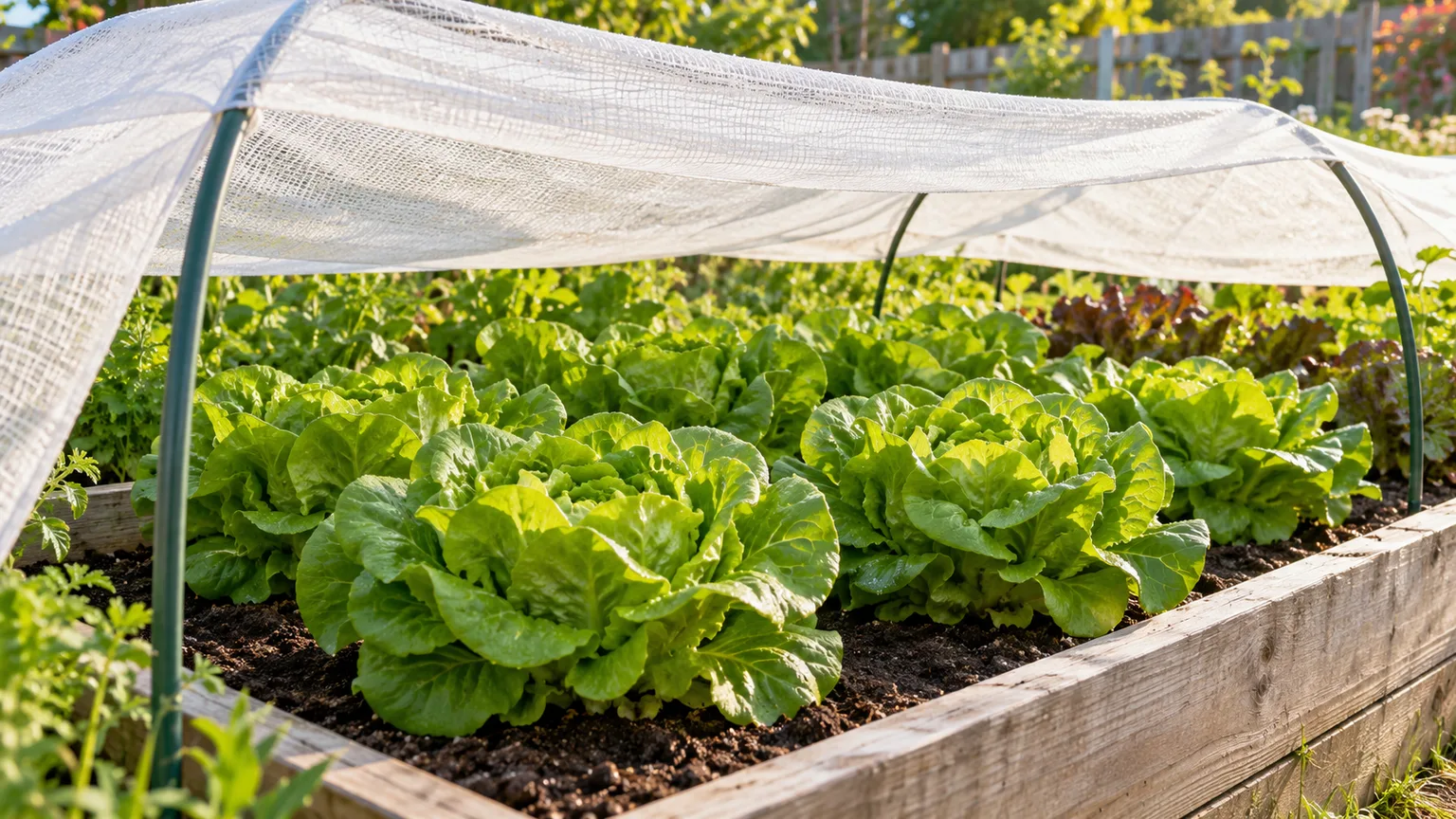
In cool spring weather, give lettuce a sunny bed; when afternoons become hot, move the crop into light afternoon shade or suspend a breathable shade cloth above it. Lettuce needs light to grow compactly, but the combination of longer days, high temperatures, and dry soil can trigger bolting. Purdue Extension explains that lettuce is a cool-season annual that tends to bolt as summer days lengthen, with hot temperatures and dry soil speeding the process (Purdue Extension on lettuce bolting).
Watch the center rather than waiting for a calendar date. A normal head forms a compact cluster of leaves; a bolting plant develops a thicker, upright center that begins to elongate. Some growers use shade cloth to cool the bed during warm spells; Epic Gardening suggests cloth that blocks roughly 30 to 60 percent of direct sun as a starting range, with airflow and variety affecting the choice (Epic Gardening’s bolting guide).
Shade is a delay tactic, not a cure. Once the stalk begins rising, harvest any leaves that still taste acceptable, pull the plant if it is too bitter, and replant only when cooler weather is returning. Purdue Extension notes that bolting cannot be reversed once flowering has begun, so avoid wasting water and fertilizer trying to force the head back into growth.
Feed lightly and avoid soft, watery growth
If you prepared the bed with compost, most short-season lettuce crops need little extra feeding. Pale, slow leaves may point to crowded roots, cold weather, shade that is too deep, or dry soil before they signal a fertilizer shortage. Correct the growing condition first, then use a balanced fertilizer at the label rate if the bed is poor or a soil test shows a need.
Container mix has less nutrient reserve than garden soil, so a light, balanced feed may help after several weeks of growth. Follow the product label for edible crops and avoid feeding a stressed plant in hot, dry soil. More fertilizer will not prevent bolting or compensate for a root zone that is baking in a pot.
Harvest outer leaves or the whole head
Butterhead can be harvested early, but the way you cut it determines whether you get one large salad or several smaller pickings. For a continuing harvest, take a few of the largest outside leaves from each plant and leave the central growing point intact. Do not strip more than about a third of the foliage at one time; the remaining leaves power the next flush.
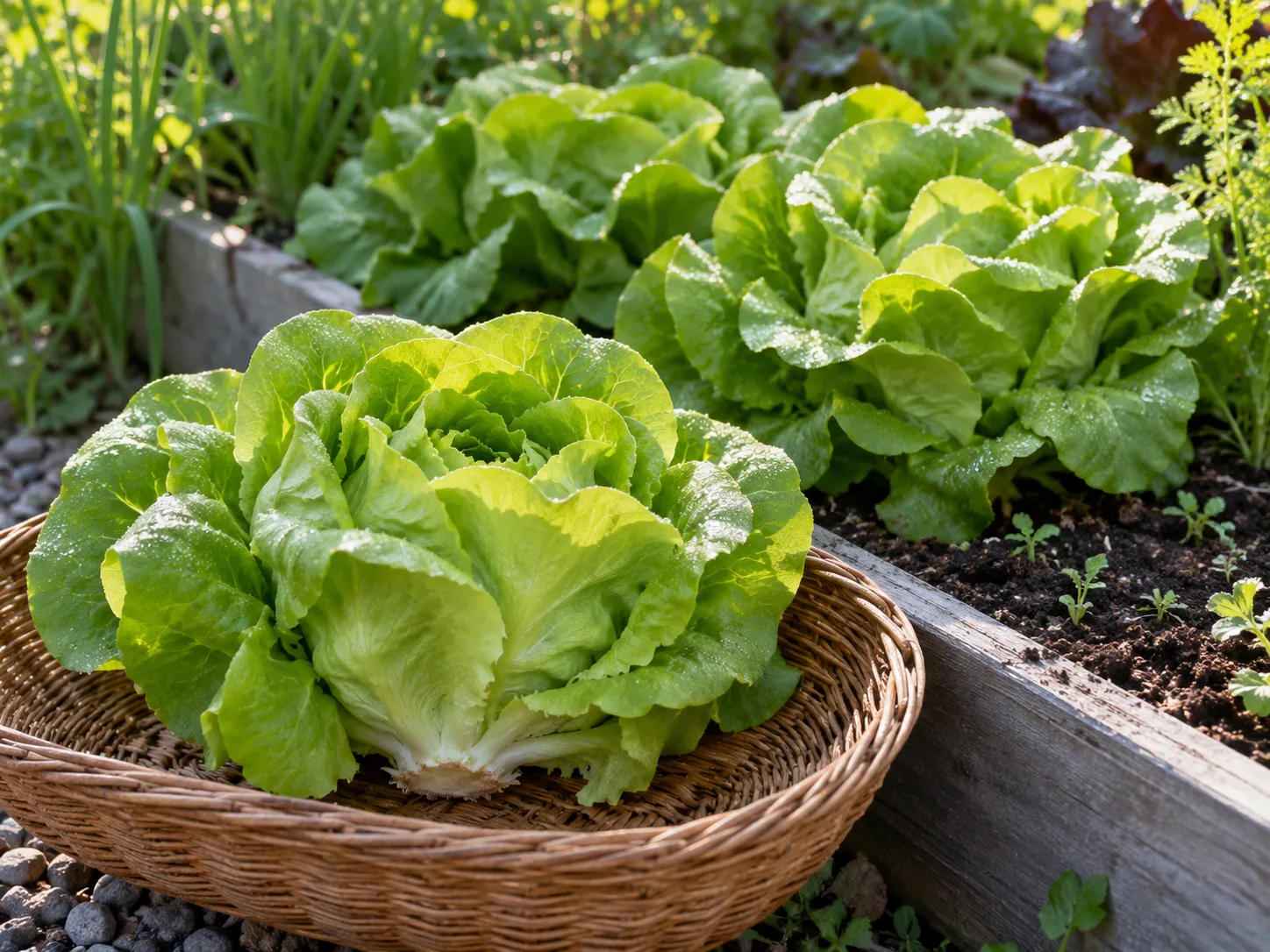
For a full head, wait until the center is filled and the outside leaves curve around it, then feel the head gently. It should be springy and substantial rather than loose and floppy; cut it at the base with a clean knife before the center elongates or the flavor turns strong. Hearting lettuces take longer than leaf types, and morning harvest keeps leaves crisp; the RHS recommends cutting whole heads when a firm heart has formed (RHS harvest guidance).
A cut stem may send up a few smaller leaves if the crown remains healthy and the weather is cool, but treat that as a bonus rather than a promised second head. Garden Therapy describes harvesting either outside leaves or a whole head from container-grown lettuce, with the center left to continue growing when only leaves are taken (Garden Therapy). If you need to clear a bed for another crop or the head is beginning to bolt, take the whole plant instead.
Store leaves crisp for salads
Pick lettuce in the morning, remove damaged outer leaves, and cool it soon after harvest. Rinse only when you are ready to use it, or dry washed leaves thoroughly before refrigerating them in a loose bag or container with a clean towel to absorb extra moisture. Butterhead bruises and wilts more readily than crisphead lettuce, so use it promptly rather than planning a long storage window.
If harvested leaves feel limp but are still clean and sound, a brief soak in cold water can restore some crispness. Dry them well before dressing so the salad does not become watery. Do not eat leaves that are slimy, foul-smelling, or visibly rotting.
Troubleshoot slow, bitter, or damaged lettuce
When butterhead disappoints, start by identifying the stage where growth stopped. Seeds that never emerge usually need a different fix from seedlings that vanish overnight, plants that make leaves but no heart, or heads that suddenly become bitter. Check moisture, temperature, spacing, and the shape of the central growth point before adding fertilizer or spraying anything.
No germination or patchy seedlings
If no seedlings appear after about a week in mild conditions, check whether the seed row dried out, crusted over, or got buried too deeply. Re-sow a small test row with fresh seed, press it lightly into moist soil, and keep the surface damp until germination; in hot weather, move the seed tray to a cooler spot or wait for a cooler spell. Lettuce seed can lose reliability with age, so check the packet date if a second sowing is also patchy.
If seedlings emerge and disappear, inspect the soil at night for slugs or cutworms and cover the row with fine mesh or a low tunnel. A leggy seedling that leans toward a window needs more light, not more fertilizer. Move indoor starts closer to a bright window or under a grow light and give them space so air can move around the leaves.
Loose hearts, rot, and holes in leaves
A loose head can be normal early in growth, but if plants remain open near the packet’s maturity window, check spacing and sunlight first. Crowded plants compete for light and fail to make a compact center; deep shade can also keep leaves thin. Thin nearby plants, give the bed several hours of direct light in cool weather, and water evenly while the center fills.
Soft or slimy lower leaves usually point to persistent wetness, poor airflow, or leaves resting on muddy soil. Remove affected leaves, keep mulch off the crown, and water the ground in the morning. Small ragged holes or missing seedlings often signal slugs, snails, birds, or cutworms; hand-pick visible pests, clear hiding places near the bed, and use a physical cover while plants are small.
Aphids tend to gather under leaves and in tight centers, where a head can be hard to rinse. Remove a heavily infested outer leaf or wash small colonies off with a firm stream of water, then check the plant again the next day. If you choose a pesticide, use only a product labeled for lettuce and follow its directions and preharvest interval exactly; many small infestations are easier to manage with barriers and hand removal.
Conclusion
The simplest route to sweet butterhead lettuce is to sow small batches in cool weather, thin plants enough to form heads, and keep the soil evenly moist without waterlogging the crown. Use spring and fall windows for full heads, shift into light afternoon shade when heat arrives, and cut each plant while the center is still compact. With a few staggered sowings and quick harvests, a modest bed or planter can supply fresh salad leaves for weeks without asking one sowing to carry the whole season.