How to Grow Catnip Plants: Care and Harvest
Grow catnip from seed or a nursery plant with clear advice on sun, drainage, pots, pruning, spread, winter care, drying, and cat safety.
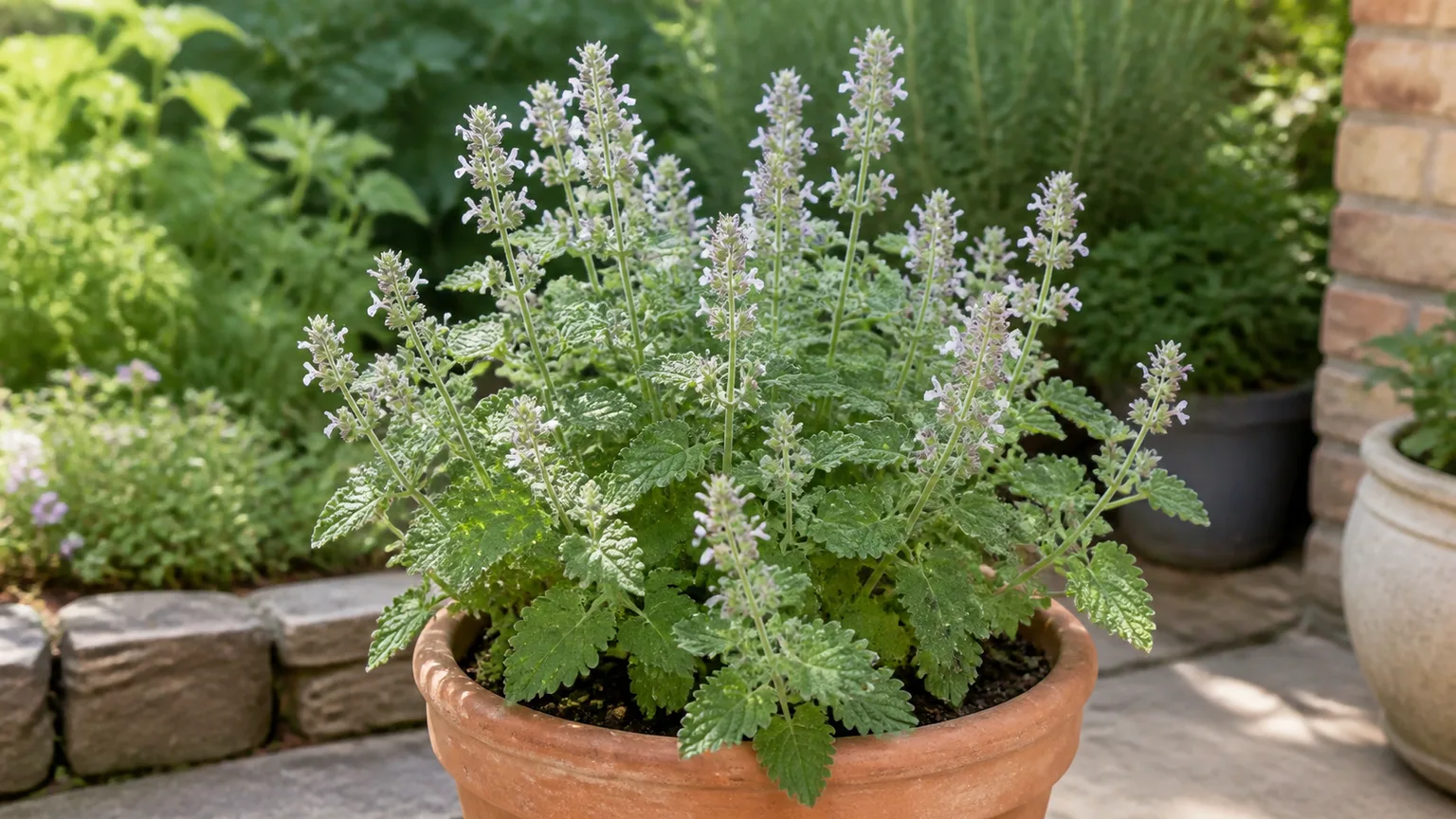
Catnip is easy to grow when you give it the conditions it actually wants: strong light, fast drainage, and enough room for a vigorous perennial herb to spread. The harder part is deciding where to put it, because Nepeta cataria can reseed, attract neighborhood cats, and turn a small planting into a flattened patch if it sits beside a busy path.
For most gardeners, the best first move is a sturdy pot in full sun. A container gives you control over roots and volunteer seedlings while keeping fresh leaves close for harvest; a garden bed works well when you want a pollinator-friendly herb and are willing to cut flower heads or pull seedlings. Catnip is perennial in much of the temperate United States, but its winter behavior, spread, and pet impact still depend on your climate and site.
Catnip at a Glance
Catnip is the common name for Nepeta cataria, a member of the mint family, Lamiaceae. It forms an upright, somewhat spreading clump of aromatic gray-green leaves on square stems, then produces small white to pale lavender flowers in dense whorls. The NC State Extension plant profile lists it as a fast-growing herbaceous perennial that tolerates full sun to partial shade, dry conditions after establishment, and a wide range of soil textures when drainage is good.
| Growing detail | Practical target |
|---|---|
| Botanical name | Nepeta cataria |
| Life cycle | Herbaceous perennial; often dies back in cold winter |
| Mature size | About 2–3 feet tall and wide, depending on soil and pruning |
| Light | At least 6 hours of direct sun; afternoon shade in extreme heat |
| Soil | Average, loose soil that drains quickly; avoid standing water |
| Water | Regularly while establishing, then deep water during prolonged dry weather |
| Spacing | About 18–24 inches between plants |
| Hardiness | Commonly listed for USDA zones 3–9; verify your local climate |
| Flowers | White or pale lavender, typically from late spring through summer or fall |
| Main management issue | Reseeding, spread, and damage from cats rubbing or rolling |
The species is native to Eurasia and naturalized in many temperate regions. “Invasive” is not a label to apply uniformly across every yard: the Invasive Plant Atlas of the United States shows that records and legal or invasive listings are regional, and its map is not a complete inventory. Check your state or local extension guidance before planting near natural areas, especially if you plan to let the plant set seed.
Choose the Right Spot Before You Plant
Start with the plant’s job. If you want a controlled supply of leaves for a cat, choose a container or a bed with a hard edge; if you want flowers and pollinators, give it a sunny border with enough room to shear the plant and inspect seedlings. If you dislike volunteer plants, do not put catnip in loose soil at the edge of a meadow or beside a drainage ditch where dropped seed can be difficult to remove.
Think about cats before you think about aesthetics. A young plant can be healthy one day and snapped the next after a cat rolls on it, so a protected back corner, raised container, hanging basket, or temporary cage may save the first season’s growth. In a cat-friendly garden, that behavior can be the point; beside delicate seedlings, it is a predictable maintenance problem.
Sun, Heat, and Airflow
Give outdoor catnip at least six hours of direct light. More sun generally produces sturdier stems and more aromatic, flowering growth, but a plant in a hot, humid climate may appreciate shade during the hottest part of the afternoon. The University of Wisconsin Horticulture profile describes full sun as the best exposure while noting that catnip can survive partial shade and that soil moisture and fertility strongly affect plant size.
Indoor catnip needs the brightest window you have, not a dim shelf that happens to be convenient. A south- or west-facing window can work in the Northern Hemisphere; if stems stretch toward the glass, move the pot closer to the light, rotate it weekly, or add a grow light. Leggy growth is usually a light problem first, not a request for more fertilizer.
Leave a little space around the plant in damp climates. Airflow helps foliage dry after irrigation and makes it easier to spot mites, aphids, chewed stems, or crowded runners before the plant becomes a tangled mass.
Soil That Drains Fast Enough
Catnip is flexible about soil texture, but it is not flexible about prolonged saturation. Sandy, loamy, rocky, and even some clay soils can work if excess water leaves the root zone; a low spot that holds a puddle after rain is a poor site no matter how sunny it is.
Test drainage before planting by digging a hole roughly the depth of a nursery root ball, filling it with water, and watching whether it empties within a reasonable period. If water remains for hours, plant in a raised bed or container, loosen compaction, or choose another location. Adding a small amount of finished compost can improve structure, but compost cannot turn a permanently waterlogged site into a well-drained one.
Plant Catnip From a Nursery Start
A nursery plant is the fastest route to a harvestable catnip clump. In most climates, plant outdoors after the last frost in spring, when the soil is workable and a young plant has time to root before summer heat. An early-fall planting can work in mild regions if several weeks of root growth remain before hard freezes, but do not make a late transplant in cold soil simply to meet a calendar date.
The Better Homes & Gardens catnip guide likewise recommends spring planting, 18–24 inches of spacing, and a contained site or close monitoring when spread would be a problem.
Timing, Spacing, and Establishment
Harden off a plant that was grown in protected indoor conditions. Set it outside for a short period in bright shade, then lengthen the outdoor time over a week or two while increasing morning sun; move it back if leaves scorch or the plant wilts repeatedly. This gradual transition is especially useful when the nursery plant has been raised under filtered light.
Prepare a hole slightly wider than the root ball and set the plant at the same depth it occupied in its pot. Space plants 18–24 inches apart so each clump has room for airflow and harvesting, then water the soil deeply enough to settle it around the roots. Keep the root zone evenly, lightly moist during the first couple of weeks, but do not turn the planting hole into a basin that stays wet.
Once new growth is obvious, let the surface dry somewhat between waterings. A layer of loose mulch can reduce weeds and slow evaporation, but keep it off the crown so the base of the stems stays dry and visible.
Grow Catnip From Seed
Choose seed when you want several plants, enjoy watching seedlings develop, or need a low-cost way to fill a contained bed. Choose a nursery start or cutting when you want leaves sooner, because catnip seed may germinate unevenly and seedlings still need time to build a useful clump.
Cold Treatment, Sowing Depth, and Light
Sow indoors roughly six to eight weeks before your expected last frost, or direct-sow outdoors once the soil has warmed and severe frost is no longer likely. Catnip seed needs light to germinate, so press it onto moistened seed-starting mix and cover it only with a thin veil of mix or vermiculite rather than burying it deeply. The Epic Gardening catnip guide describes an overnight freezer treatment as one way to encourage germination; follow the seed packet if its supplier gives different preparation instructions.
Keep the mix moist but never glossy or waterlogged, and provide bright light as soon as seedlings emerge. Germination can take anywhere from several days to a few weeks, so do not discard a tray just because the first week is quiet. Thin crowded seedlings when they have a couple of sets of true leaves, leaving the strongest plants enough room to grow without competing for light.
Transplant outdoors when seedlings are several inches tall and the frost danger has passed. Harden them off before planting, and protect the young plants from cats, slugs, strong wind, and sudden heat; a small seedling has much less stored energy than an established clump.
Keep Young Plants From Being Flattened
Catnip’s attraction can create a problem before it creates a harvest. Cats may chew, rub against, or roll on new foliage, breaking stems and uprooting shallow young plants even when the soil and light are perfect. Wisconsin Horticulture specifically warns that roaming cats can damage stems and notes that temporary protection or an elevated container can help.
Use a low wire cloche, short garden fence, or a few stakes with open mesh around the plant while it establishes. The barrier should allow light and airflow and should not press against wet foliage. If you want to offer leaves to a cat, let the plant become well rooted first and harvest a small amount rather than sacrificing the entire young crown.
Water, Feed, and Prune for Useful Growth
Catnip’s care becomes simple after the root system is established. Its drought tolerance is a reason to avoid constant irrigation, not a reason to ignore a newly planted container or a plant growing through a long, hot drought.
Water by Soil Condition
For in-ground plants, water deeply when the upper soil has dried and the plant shows genuine need during a prolonged dry spell. Apply water at the soil line and soak the root zone rather than sprinkling a little every day; deep, less-frequent watering encourages roots to explore more soil. Once established, a healthy outdoor plant may need little supplemental water in ordinary rainfall.
Containers dry faster, especially in full sun and wind. Check the mix with a finger or small trowel rather than following a fixed weekly schedule, then water until some drains from the hole. Empty a saucer after the pot has finished draining, and never leave the pot standing in water.
Wilt is a clue, not a diagnosis. Dry, light potting mix calls for a thorough drink; cool, soggy mix calls for better drainage and a root inspection. If the roots smell sour or are soft and brown, remove damaged material and repot into fresh, airy mix only after correcting the container or site that caused the saturation.
Fertilizer and Pruning Decisions
Catnip usually needs little fertilizer. Mix finished compost into poor soil when planting and apply a thin spring layer if the bed needs organic matter; avoid repeated high-nitrogen feeding, which can produce soft, floppy growth and more leaf than the site can support.
Pinch the growing tips of a young plant once it has several healthy stems if you want a bushier form. After the first major flowering flush, shear the spent stems to encourage fresh growth and a possible second bloom. If you want to limit volunteers, remove flower heads as they fade and before seed drops; if you want a few self-sown plants or seed-eating birds, leave only selected heads and cut the rest.
Pruning also manages runners and stray stems. Pull or cut unwanted shoots while they are small, and clean up fallen seedling clusters before their roots become established. Use clean, sharp shears and avoid severe cutting during a heat wave, drought, or immediately before a hard freeze.
Grow Catnip in a Container
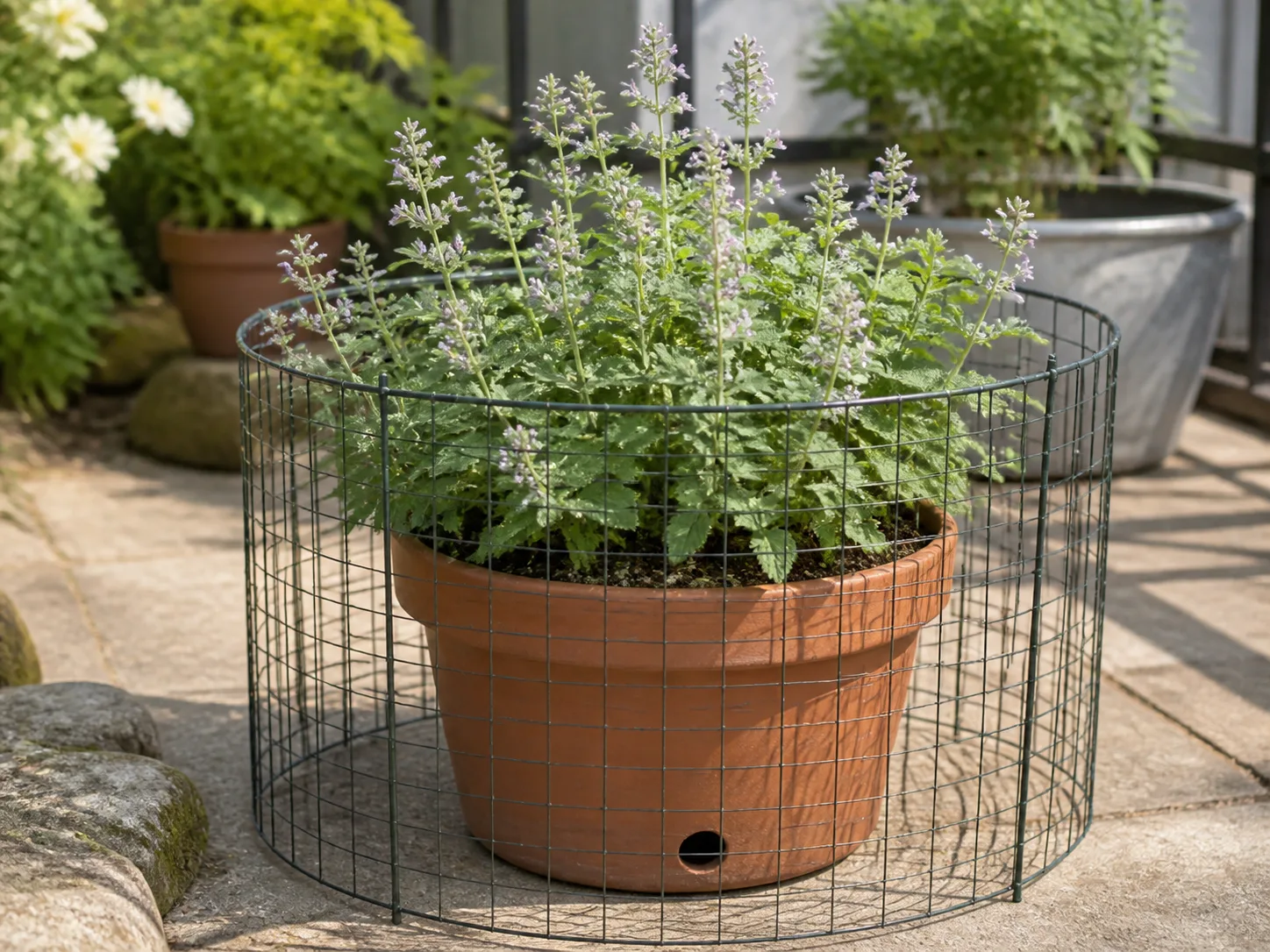
A container is the most useful default for a gardener who wants catnip without negotiating its spread. Choose a heavy pot at least 12 inches wide with a drainage hole; a wider, stable container is less likely to tip when a cat rubs against it, and it gives the roots enough soil to buffer rapid drying.
Use a quality potting mix amended with a drainage material such as perlite, not garden soil packed into a pot. Set the root ball at its previous depth, water thoroughly, and place the container where it receives strong light and good airflow. Terra-cotta can help excess moisture escape, but it also dries faster than plastic, so match the pot to how often you can check it.
Indoor plants can stay productive longer when placed in the brightest available window. Turn the pot a quarter turn each week to keep growth balanced, and prune stretched stems rather than feeding a plant that is simply light-starved. A container limits root spread, but it does not stop seed from falling out of the pot or cats from finding the foliage, so deadhead and protect it as needed.
Propagate by Cuttings or Division
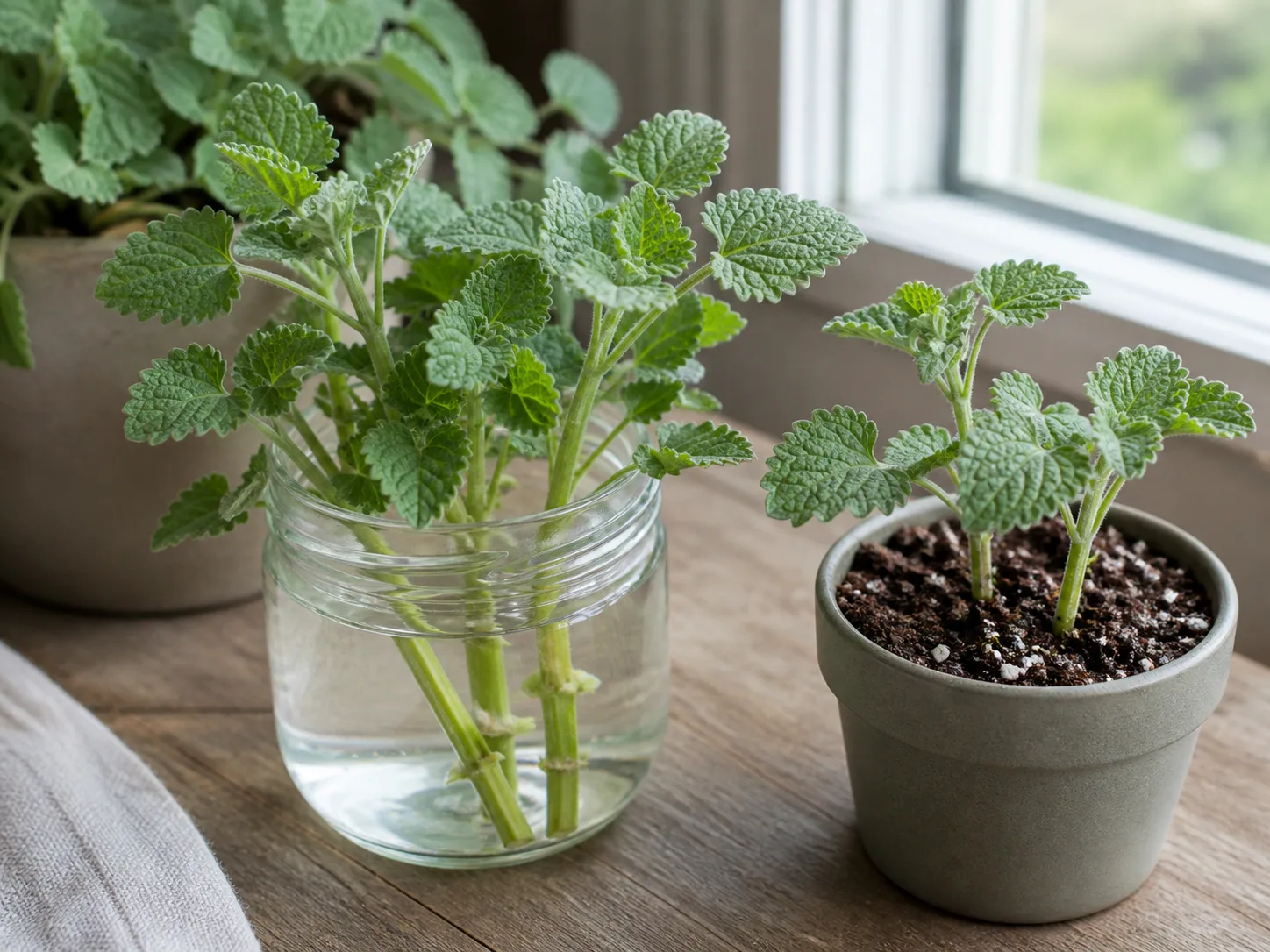
Use stem cuttings when you want a quick, genetically identical copy of a vigorous plant, division when an established clump is crowded, and seed when you want genetic variety or many plants. All three methods are practical, but a cutting or division is a better choice than seed when you need to preserve a particular plant’s form or fragrance.
For a stem cutting, take a 4–6-inch piece in spring or early summer from healthy, nonflowering growth. Make a clean cut just below a leaf node, remove leaves from the lower half, and place the cutting in water or a small pot of moist, soilless mix. Keep it warm in bright, indirect light, change the water daily if using a jar, and keep the mix moist rather than wet. New roots and new leaf growth signal that it can move into a larger pot or garden bed. The method is also described in the Epic Gardening propagation guide.
Divide mature catnip in spring or fall when the plant is not under heat or drought stress. Dig around the clump, lift as much of the root system as practical, and separate it into sections with healthy roots and shoots using a sharp spade or clean shears. Replant divisions at the original depth, water them in, and protect them from intense afternoon heat while they re-establish.
Harvest, Dry, and Store Catnip
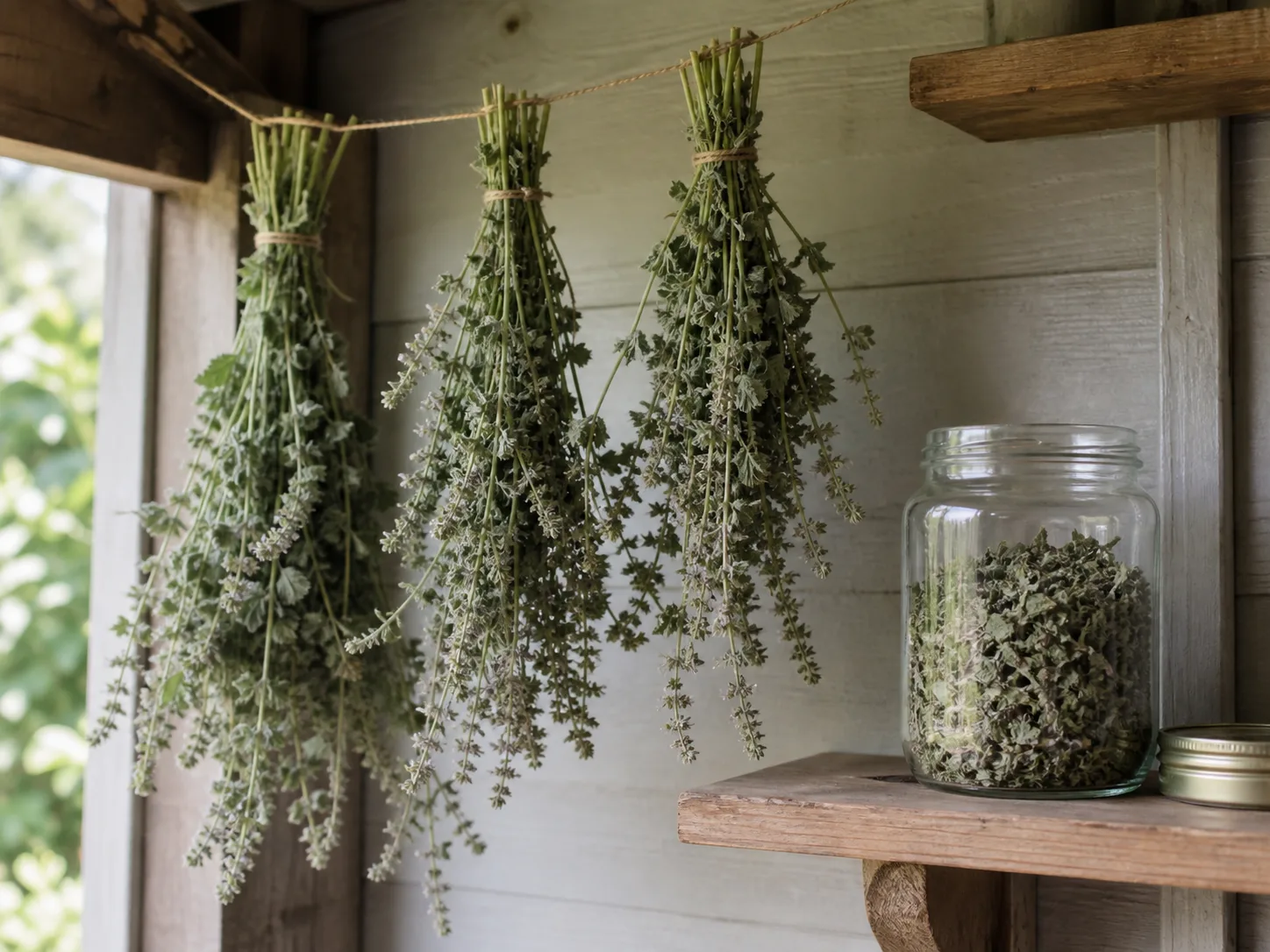
Harvest when the plant is actively growing and flower buds are opening or flowers are beginning to appear. Late morning, after dew has dried and before the day becomes hot, is a good compromise between clean foliage and reduced wilting. Use clean shears to cut stems above a healthy leaf node, and remove no more than about one-third to one-half of the foliage at once so the plant can keep photosynthesizing.
For a small fresh harvest, pick individual leaves or a few tips. For drying, bundle a few stems loosely and hang them upside down in a dark, dry, well-ventilated place; a dehydrator on a low setting can also work. The leaves are ready when they crumble easily and the stems snap rather than bend. Do not seal partly damp leaves, because trapped moisture can cause mold.
Strip dried leaves from the stems and store them in an airtight jar in a cool, dark cupboard. Mark the harvest date and keep the jar closed between uses; aroma fades with time even when the dried herb is not visibly spoiled. Offer only a small amount to a cat at first and watch the individual response rather than assuming every cat will react the same way.
Catnip is a plant material, not a reason to experiment with concentrated essential oil or homemade extracts around a pet. The ASPCA catnip profile is the appropriate safety reference for a specific animal, while NC State notes that catnip can cause vomiting or diarrhea and may stimulate or sedate different cats. If a cat eats a large amount or develops concerning symptoms, contact a veterinarian or animal poison-control service promptly.
Catnip or Catmint?
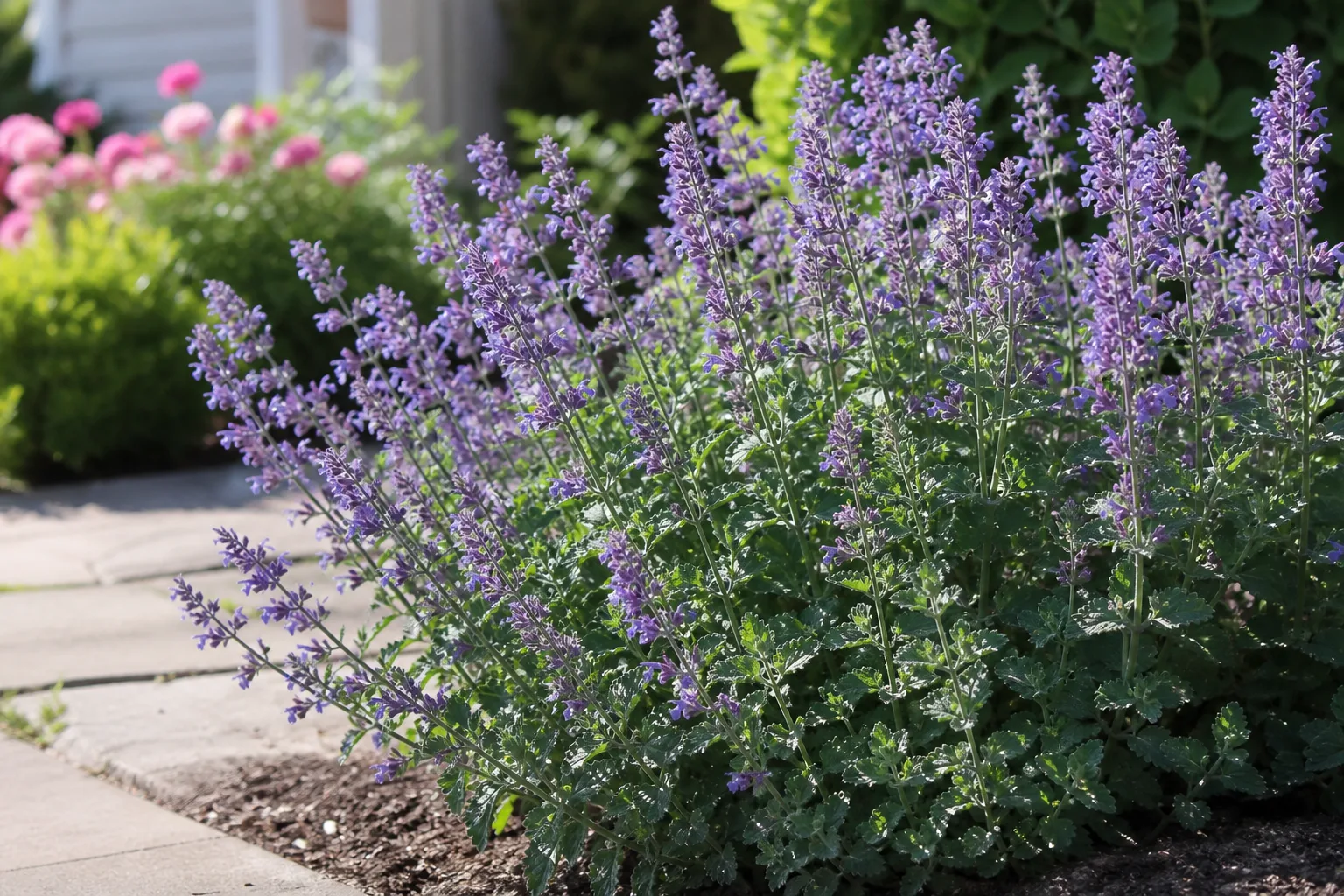
The names are close enough to cause real buying mistakes. True catnip is Nepeta cataria, the species grown primarily for its effect on cats; catmint is a broader common name often used for ornamental Nepeta species and hybrids such as Nepeta × faassenii.
| Feature | Catnip | Catmint |
|---|---|---|
| Common botanical match | Nepeta cataria | Often Nepeta × faassenii, N. racemosa, or related hybrids |
| Main garden reason | Cat enrichment, aromatic herb, easy perennial | Flowers, edging, and a more predictable ornamental mound |
| Foliage | Gray-green, aromatic, usually taller and looser | Gray-green and aromatic, often denser and more refined |
| Flowers | Small white or pale lavender blooms | Commonly blue or lavender flower spikes |
| Cat response | The most reliable choice if catnip is the goal, though not every cat responds | May attract some cats, but usually chosen for looks |
| Spread and habit | Can reseed or become weedy | Many cultivars are more restrained; check the specific plant |
Read the botanical name on the label instead of relying on “catmint.” NC State lists Nepeta cataria as frequently confused with Nepeta × faassenii, and the visual similarity is exactly why a purple-flowering ornamental can disappoint a gardener who bought it for a cat.
Troubleshoot Sparse Growth, Rot, and Pests
Most catnip failures come from a mismatch between the plant’s conditions and the gardener’s routine. Use the symptom plus the soil and site history to choose a fix rather than adding water or fertilizer automatically.
| What you see | Most likely check | First response |
|---|---|---|
| Long, weak stems | Too little direct light or too much nitrogen | Move it toward stronger light, pinch the tips, and pause feeding |
| Wilt with dry soil | Container or bed has dried deeply | Water slowly and thoroughly, then check again after drainage |
| Wilt with wet soil | Poor drainage or root damage | Stop watering, improve drainage, and inspect roots before repotting |
| Snapped stems or flattened crown | Cats rubbing, chewing, or rolling | Add an airy barrier, raise the pot, or move it to a protected corner |
| Few flowers | Young plant, low light, heat stress, or crowded growth | Improve light and airflow, avoid excess fertilizer, and prune lightly after bloom |
| Seedlings everywhere | Mature flower heads released seed | Deadhead earlier, pull volunteers while small, or move the plant into a pot |
| Fine webbing or stippled leaves | Possible spider mites in hot, dry conditions | Isolate the pot, rinse foliage, and improve airflow; use only a labeled treatment if needed |
Thin, pale growth indoors is rarely fixed by adding feed. Catnip is an outdoor-leaning herb even when it is grown in a house, so a dim window can create weak stems, sparse foliage, and a plant that dries unevenly because its growth is reaching toward light.
If the plant collapses after heavy rain, do not cut it back and keep watering on schedule. Move a container under cover, let the mix drain, and check the crown and roots; for a bed plant, solve the site drainage or transplant while the plant is healthy enough to recover.
Not every cat responds to catnip. A healthy plant that a cat ignores is not necessarily weak or incorrectly grown, and increasing the dose or offering concentrated products is not an appropriate way to force a reaction.
Plan for Winter and Next Season
In zones where catnip is perennial, the top growth may die back after frost while the roots rest underground. Once the foliage has fully browned, cut the stems back to a few inches above the soil and remove diseased debris, but avoid stimulating tender new growth during late fall with heavy pruning or fertilizer.
Outdoor plants should be kept on the dry side during cold, wet weather. The combination of low temperatures and saturated roots is more dangerous than a clean dormant crown. In colder climates, a container’s roots are more exposed than roots in the ground; move the pot to a sheltered, unheated location or protect it according to your local winter conditions without bringing a dormant plant into a warm, dim room.
Before spring growth begins, remove volunteer seedlings, refresh the top layer of container mix, and inspect the crown for winter damage. Divide an overcrowded clump, repair a broken barrier, and decide whether this is the year to allow a few flowers to set seed or to deadhead everything for tighter control.
Conclusion: Give Catnip Sun, Drainage, and Boundaries
The reliable catnip formula is short: plant Nepeta cataria in strong light, give it soil that drains, water more while it roots and less after it establishes, and prune with a purpose. Use a container or a defined bed when you need to control reseeding, and protect young plants until their stems and roots can withstand a curious cat.
Harvest lightly when the plant is flowering, dry the leaves completely before storing them, and treat every cat as an individual. If your site is hot and humid, your soil stays wet, or local guidance flags catnip as a problem plant, change the location or choose a different Nepeta rather than forcing this vigorous herb into the wrong garden.