Itoh Peony Care and Growing Guide for Home Gardens
Learn Itoh peony care from crown depth to fall cutback, with advice on watering, feeding, division, bloom problems, disease prevention, and pet safety.
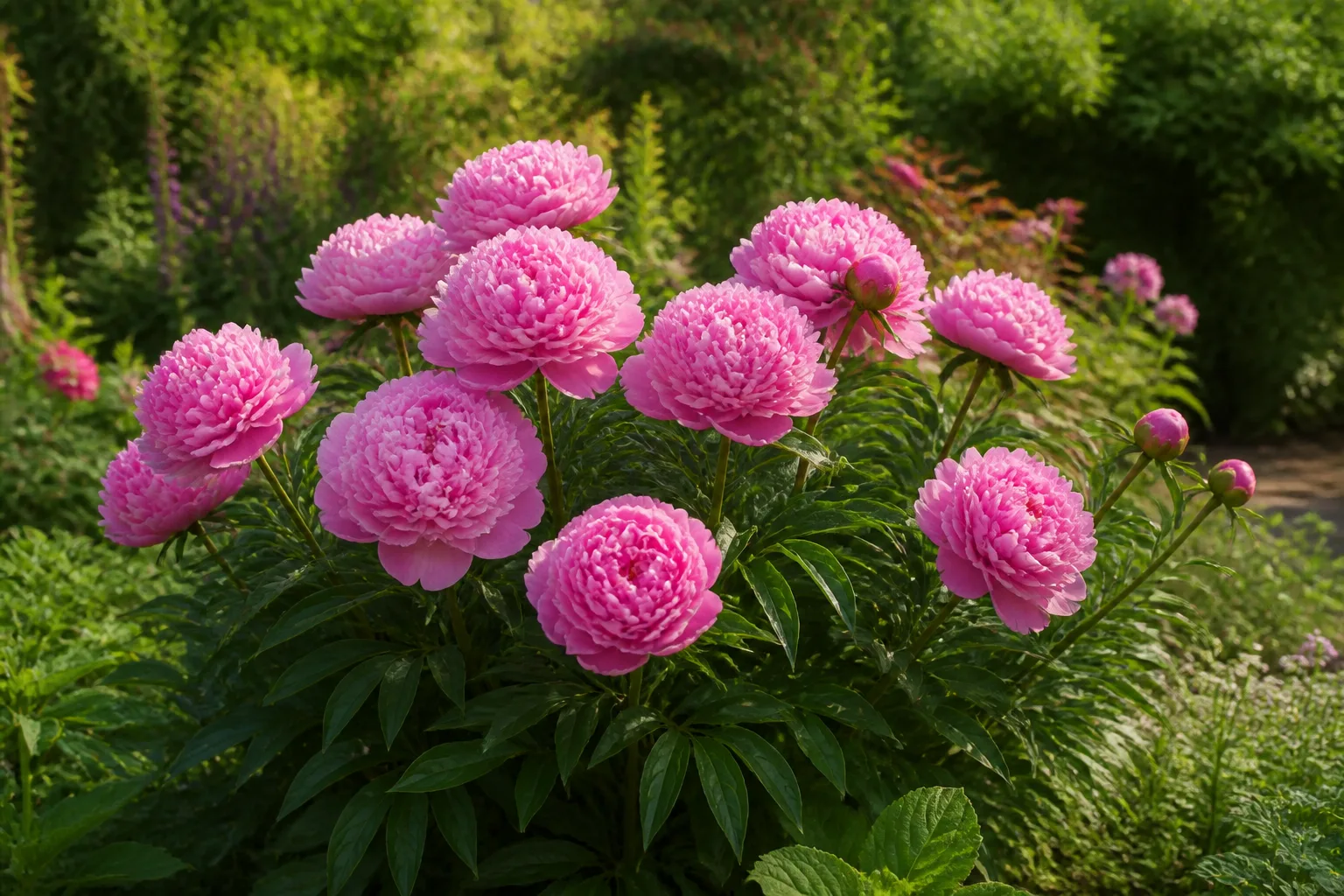
Itoh peonies are long-lived garden perennials with large flowers and stems that usually stay upright without staking. Their care is straightforward once you understand the one detail that causes outsized trouble: the crown and its flower buds must sit close to the soil surface, not buried deeply like a shrub root ball. Give the plant sun, free-draining soil, room to mature, and a full season of healthy foliage after bloom.
Plant bare-root divisions in fall when possible; potted plants can go in when the soil is workable and heat is not stressing them. Water a new plant while it establishes, then judge an older clump by rainfall and soil moisture instead of a fixed weekly schedule. Feed only when the soil or the plant’s growth indicates a need, cut back after the foliage dies in fall, and avoid dividing a healthy clump just to make more plants.
What Makes an Itoh Peony Different
An Itoh peony is an intersectional hybrid between a tree peony and an herbaceous peony. It takes large flowers and relatively sturdy stems from its tree-peony parent, then grows as a herbaceous perennial: its leaves and stems die down in autumn, and new shoots rise from the crown in spring. Penn State Extension describes that combination of woody-looking stems during the season and full winter dieback in its peony overview.
The common name comes from Japanese plant breeder Toichi Itoh, who first successfully crossed the two groups. Modern cultivars are sold in a broad range of colors and flower forms, from simple single blooms to dense doubles. ‘Bartzella,’ ‘Garden Treasure,’ ‘Julia Rose,’ ‘Cora Louise,’ and ‘Singing in the Rain’ are examples; compare the individual plant label for mature size, color, flowering time, and the hardiness range of that cultivar rather than assuming every Itoh grows or blooms identically.
Most Itohs form a compact, leafy mound roughly 2 to 3 feet tall, with a spread that can reach 3 to 4 feet. Their flowers often open over a longer period than a single flush of blooms might suggest because buds on the same plant mature at different times. A garden account in Sunset’s test garden describes an established ‘Bartzella’ producing many flowers over several weeks; treat that as a cultivar and site example, not a bloom count to expect from every new plant.
Choose a Cultivar That Fits Your Garden
Color is an obvious reason to choose an Itoh, but it should not be the only one. Compare the plant’s mature width with the space available, check the seller’s hardiness rating against your winter lows, and note whether the flower is single, semi-double, or fully double if you plan to cut it for the house. A compact cultivar can fit in a smaller border; a broad, heavily flowered plant needs more breathing room.
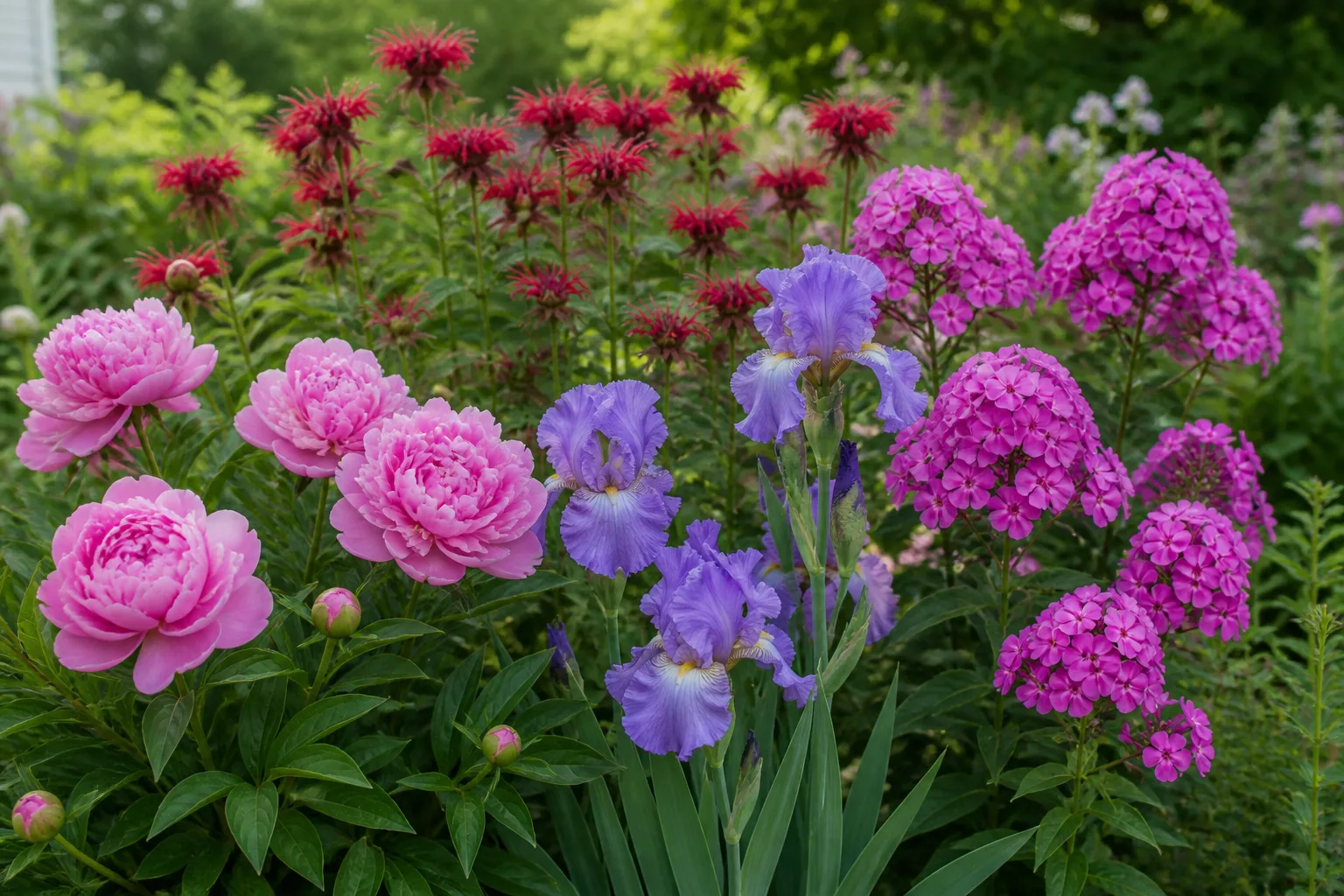
Itohs are useful as specimen plants, in a perennial border, or at the front of a shrub bed where their foliage remains attractive after the flowers finish. Avoid placing one tight against a wall, tree trunk, hedge, or vigorous neighbor: competition for light and water makes later care harder, and crowding keeps wet foliage from drying after rain. Plant labels and local nursery advice are especially useful for climate fit because a hardiness-zone label describes winter survival, not a guarantee of bloom performance in every warm-winter region.
Choose a Site With Sun, Drainage, and Airflow
Give an Itoh peony an open spot where its mature canopy can spread without pressing against other plants. The American Peony Society’s Itoh guidance points gardeners to the cultural practices used for both parent groups, while Penn State lists intersectional peonies among the forms that prefer full sun.
Match Sun Exposure to Your Climate
Aim for a sunny position, preferably with several hours of direct light early in the day. In a cool or temperate garden, full sun usually supports the strongest flowering; in a hot inland climate, a little protection from harsh late-afternoon sun can help blooms last longer, but a site shaded for much of the day may produce leaves and few flowers. Do not plant beneath a tree just because it offers summer shade: the tree’s roots compete for moisture, and the peony may receive too little light once the canopy fills in.
The Royal Horticultural Society also recommends full sun for herbaceous and intersectional peonies. Regional performance can vary, so use the cultivar’s zone information as a first screen, then ask a local nursery or peony grower whether it flowers reliably where winters are mild. A Sunset account of a long-established Itoh in coastal California shows that local success is possible in a mild-winter setting, but one garden’s results do not establish a universal low-chill rule.
Prepare Soil Before You Plant
Itohs want soil that holds some moisture but drains promptly after rain. Rich loam is convenient, but clay can work if water does not sit around the crown; where the bed stays soggy, choose a raised bed or a better-drained site rather than trying to disguise the problem with a little compost in one planting hole. The RHS peony guide makes the same distinction: peonies tolerate a range of soil textures as long as the soil is not waterlogged.
Loosen the bed broadly and blend in mature compost if the soil is poor in structure or organic matter. Do not add a layer of gravel at the bottom of the planting hole, and do not create a tiny pocket of fluffy potting mix inside dense clay; either approach can leave the surrounding root zone waterlogged. If you are unsure about fertility or pH, test the soil before adding amendments, since the right correction depends on the existing soil rather than the plant name.
Plant in Fall and Keep the Crown Shallow
Late autumn is the best planting window for bare-root Itoh divisions in many temperate gardens because the roots can begin settling in as the top growth goes dormant. Potted plants are more flexible, but they still establish best when they are not pushed into hot, dry weather without reliable watering. Avoid planting a bare root or dividing a mature clump while it is in active flower or under summer heat stress.
Dig a broad hole and loosen the base and sides, but do not make it needlessly deep. Set the roots so they can spread naturally, backfill with the original improved soil, and water once to settle it around the plant. Leave enough space from paths and other perennials for the mature canopy; moving a peony a year later because it was planted too close is harder than measuring now.
Set Bare-Root Eyes One to Two Inches Deep
The “eyes” are the small growth buds on the crown that become next spring’s shoots. For a bare-root plant, arrange the roots downward and outward, then cover those eyes with only about 1 to 2 inches of soil; the shallower end is a sensible choice in a warm climate or heavy soil. Penn State Extension’s peony overview gives the same shallow range for herbaceous peony eyes, and the RHS peony guide warns that deep planting reduces flowering.
For a nursery plant in a pot, check where the crown sits instead of burying the whole root ball deeper by habit. If the eyes are already too far below the potting mix, gently remove excess mix from above the crown before planting so the finished soil line remains shallow. Keep mulch away from the crown; compost or bark placed in a thick mound over the eyes can effectively turn a correctly planted peony into a deeply planted one.
Water Deeply While Roots Establish
During the first growing season, keep the root zone from drying completely while new roots extend into surrounding soil. Check the soil a few inches down near the plant rather than relying on whether the surface looks dry: if it is still cool and moist, wait; if it is dry and the plant has had little rain, water slowly at soil level until moisture reaches the root zone. Regular watering during dry spells is especially important when a potted peony was planted in spring or summer.
Once established, a peony’s deep roots usually reduce the need for routine irrigation. The RHS peony guide notes that established peonies often do not need regular watering after their first year, but a long spring drought can still affect bud formation and flower quality. During a dry spell, give the root zone a deep soak and then let the upper soil begin to dry again; repeated light sprinkling encourages shallow roots and leaves the crown wetter for longer.
Avoid treating a calendar schedule as a rule. A peony in sandy soil during hot, windy weather may need attention sooner than one in heavier soil after a cool week of rain. Use a rain gauge if you find it helpful, but let the soil check and the plant’s establishment stage decide whether to water; never let water stand around the crown.
Feed Only When Soil Needs It
Itoh peonies do not need three automatic fertilizer applications each year. Start with healthy soil, and if the plant grows well and flowers normally, it may need no supplemental feed beyond a light compost top-dressing. Penn State Extension recommends a soil test as part of peony site preparation, which is more useful than adding a fertilizer blend without knowing whether the soil is deficient.
If a test or clear poor growth points to low fertility, apply a modest spring feeding according to the test recommendation and product label. Avoid high-nitrogen lawn fertilizer and repeated feeds that push soft leafy growth; the Gardening Know How guide to hybrid Itoh peonies cautions that Itoh peonies are sensitive to excessive nitrogen and suggests a lower-nitrogen formulation when feeding is needed. Keep fertilizer off the crown and do not try to solve a no-flower problem by adding more product before checking planting depth and light.
A thin layer of finished compost around the root zone can improve soil structure over time, but it should not cover the central crown. Do not place fresh manure against the stems, and do not fertilize a drought-stressed or waterlogged plant as a substitute for fixing the actual condition. If leaves are dark green and the plant is growing strongly, extra nitrogen is unlikely to help it flower.
Follow the Seasonal Care Cycle
Think of Itoh peony care as a repeating annual cycle: protect new growth in spring, keep the leaves working after bloom, and clean up only when the plant is dormant. This timing matters more than frequent pruning or feeding. The plant must keep its foliage long enough to rebuild the root system and prepare next year’s growth buds.
Deadhead Spent Flowers Without Cutting Green Stems
Remove a flower once it fades, especially if wet petals are collapsing onto leaves or the seed pod is beginning to swell. Follow the flower stem down to the first healthy leaf junction and cut just above it; do not shear the whole plant or strip off the green foliage. Deadheading makes the plant tidier and prevents unwanted seed production, but Itoh peonies do not rebloom because you cut off a spent flower—the staggered opening of side buds is part of their normal flowering pattern.
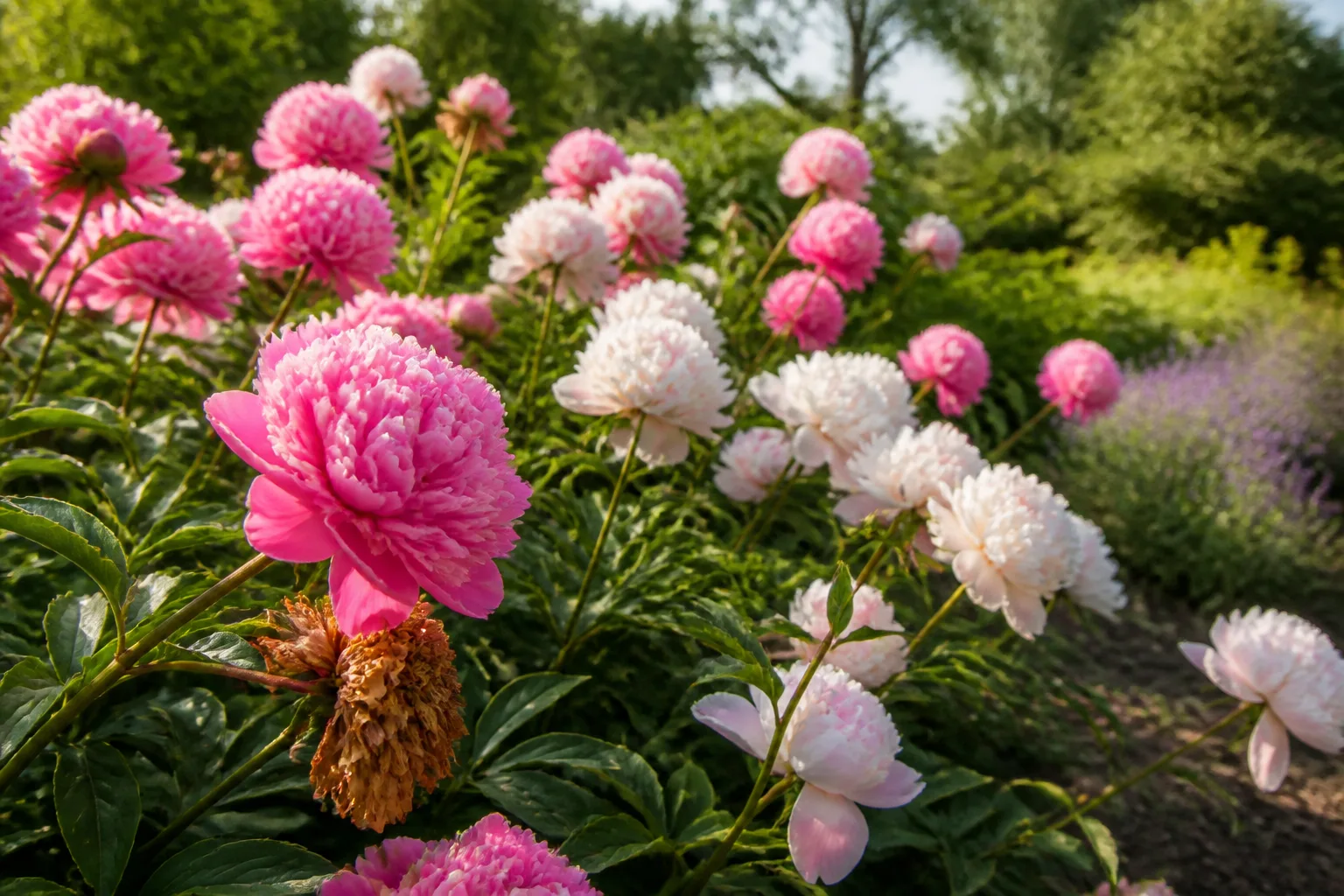
Cut-flower harvesting uses the same rule: take a small number of stems with buds just beginning to open, and leave plenty of leafy stems on the plant. Removing a large share of the foliage after flowering reduces the energy available for next year’s crown growth. For a step-by-step look at cut placement and seasonal timing, see our guide to deadheading peonies.
Cut Back Only After Foliage Dies
Do not cut the entire plant to the ground after flowering. Leave the foliage in place through summer and autumn while it is green; after a killing frost or natural yellowing, cut the dead stems close to the crown without nicking the buds at soil level. The RHS peony guide recommends autumn cutback to reduce the risk of peony wilt, and the Pacific Northwest Plant Disease Management Handbook advises removing diseased material during the season and clearing old foliage at the end of the year.
Remove suspect leaves, stems, or flowers promptly if they show blackened buds, sudden collapse, or gray mold, and do not compost clearly diseased material. Clean pruners between affected and healthy plants. In-ground Itohs that are hardy for the site can remain in the bed for winter; if you mulch in a severe climate, use a light, loose layer around the root zone rather than burying the crown.
Divide an Itoh Peony Only When You Have a Reason
A healthy Itoh peony can stay in the same place for years, so division is for propagation, relocation, or a genuinely overcrowded clump—not routine annual maintenance. Wait until the plant is mature and dormant, usually in fall after the foliage has died back. Dividing a young or newly planted Itoh interrupts establishment and may delay the next strong flowering season.
Dig well outside the crown because the storage roots extend away from it and can be brittle. Rinse or brush away soil until you can see the eyes and the structure of the crown; then use a sharp knife or pruning saw to separate sturdy pieces that each retain several healthy eyes and substantial storage root. The American Peony Society’s Itoh guidance notes that Itoh crowns can become firm and woody and that a saw may be needed; it also advises retaining enough root tissue to support first-year growth.
Replant divisions promptly at the same shallow crown depth used for new bare-root plants. Water them in, mark their position, and keep the soil modestly moist while they re-establish. Expect flowering to pause or thin after division, especially if the crown was divided into small pieces; do not treat the first sparse season as proof that the division failed.
Fix Poor Bloom by Checking the Basics in Order
If an Itoh peony grows leaves but gives few or no flowers, start with planting depth. Eyes more than a couple of inches below the finished soil line are a common reason peonies fail to flower; remove a thick mulch mound first, and if the crown itself is buried too deeply, consider lifting and replanting it during the dormant season rather than scraping soil away from the crown every spring.
Next, check light and competition. A plant receiving only a few hours of direct sun, or one recently shaded by a maturing tree or shrub, may produce foliage without enough energy for flowers. Then consider the plant’s age and history: a small bare-root division, recent transplant, or a clump divided the previous fall may need time to rebuild roots before it flowers well.
Look for weather and care factors after checking depth and sun. A late frost can damage buds, a dry spring can interrupt bud development, and waterlogged soil can weaken roots; excessive nitrogen can favor leaves over flowers. Fix the condition that matches what you see rather than applying all possible remedies at once, and compare the plant’s progress over a full season. A healthy, newly planted Itoh with no bloom in its first season is not automatically a failure.
Manage Pests, Disease, and Pet Safety
A few chewed petals or beetles on the flowers are not the same problem as shoots collapsing at soil level. Inspect the plant in daylight, look at where the damage begins, and remove or identify the cause before reaching for any spray. Avoid broad pesticide recommendations: products and labels vary by location, and pollinators visit open peony flowers.
Ants on Peony Buds Usually Need No Control
Ants often crawl over peony buds because the buds release sugary nectar. University of Missouri Extension explains that the ants are attracted to the nectar and do not help the flowers open; they usually are not a plant pest. If you are cutting flowers for a vase, gently shake or brush the ants off outdoors instead of spraying the bloom.
Inspect for actual feeding damage if the petals or leaves are ragged, but do not assume ants caused it. If beetles are chewing flowers, hand-pick them when practical and remove badly damaged debris; ask a local extension service to identify a persistent pest before choosing a treatment.
Treat Fungal Symptoms With Sanitation First
Botrytis blight is most concerning in cool, wet weather. Young shoots can wilt and fall over near the ground, buds can blacken before opening, and infected stems or petals may develop gray mold. The Pacific Northwest Plant Disease Management Handbook and Missouri Botanical Garden’s Botrytis guide both describe moisture and infected plant debris as important parts of the disease cycle; improve airflow, avoid overhead irrigation, remove affected material, and clear dead foliage at season’s end.
Powdery mildew appears as a pale coating on foliage, while Botrytis often causes tissue collapse, blackened buds, or rotting stems. These symptoms call for different diagnosis, so photograph the affected part and consult an extension diagnostic service if the cause is unclear or the problem spreads. Do not apply a fungicide just because one leaf has a spot; product choice, timing, and label directions depend on the confirmed disease and your location.
Peonies are listed by the ASPCA as toxic to dogs, cats, and horses, with paeonol identified as the toxic principle. Keep pets from chewing the leaves, flowers, or roots; if an animal eats the plant, contact your veterinarian or an animal poison-control service promptly.
Grow Itoh Peonies in Containers Only With Care
An Itoh peony can be grown in a container, but a pot is a more demanding long-term setting than a garden bed. The plant has a substantial root system and needs room to mature, excellent drainage, regular checks through summer, and a winter environment that permits dormancy without leaving the root ball exposed to repeated drying or hard freezes. Choose the largest practical frost-resistant pot with multiple drainage holes rather than a small decorative planter.
Use a free-draining potting mix and set the crown at the same shallow depth as in the ground. Container soil dries faster in hot weather, so check it more often during the first growing season, but do not let the pot sit in a saucer full of water. If winters are severe, shelter or insulate the pot while keeping the plant outdoors in an unheated location; bringing it into a warm living room can disrupt its seasonal rest.
Repot only when the root mass has outgrown the container or the mix no longer drains. Lift the plant while dormant, handle the storage roots carefully, and avoid dividing it unless you intend to propagate or renew the planting. If you have a sunny garden bed available, planting there is usually simpler and gives the mature crown more stable moisture and insulation.
Conclusion
Itoh peonies reward a light-touch routine: choose a sunny, well-drained site, plant the crown shallowly, water a new plant through its first season, and feed only when the soil calls for it. Keep the foliage after flowering, deadhead only the spent flowers, and wait until the plant dies back before removing stems.
When flowering disappoints, check planting depth and light before trying fertilizer or dividing the clump. Leave healthy established plants undisturbed, divide only in dormancy when there is a clear reason, and keep the crown clear of heavy mulch. Those few choices give an Itoh peony the conditions it needs to settle in and bloom year after year.