How to Deadhead Peonies: Cuts, Timing, and Fall Rules
Deadhead peonies without damaging next year's buds: cut spent flowers above leaves, keep foliage all summer, and cut back in fall for wilt prevention.
The Direct Answer: Yes for Health and Tidiness, Not for Rebloom
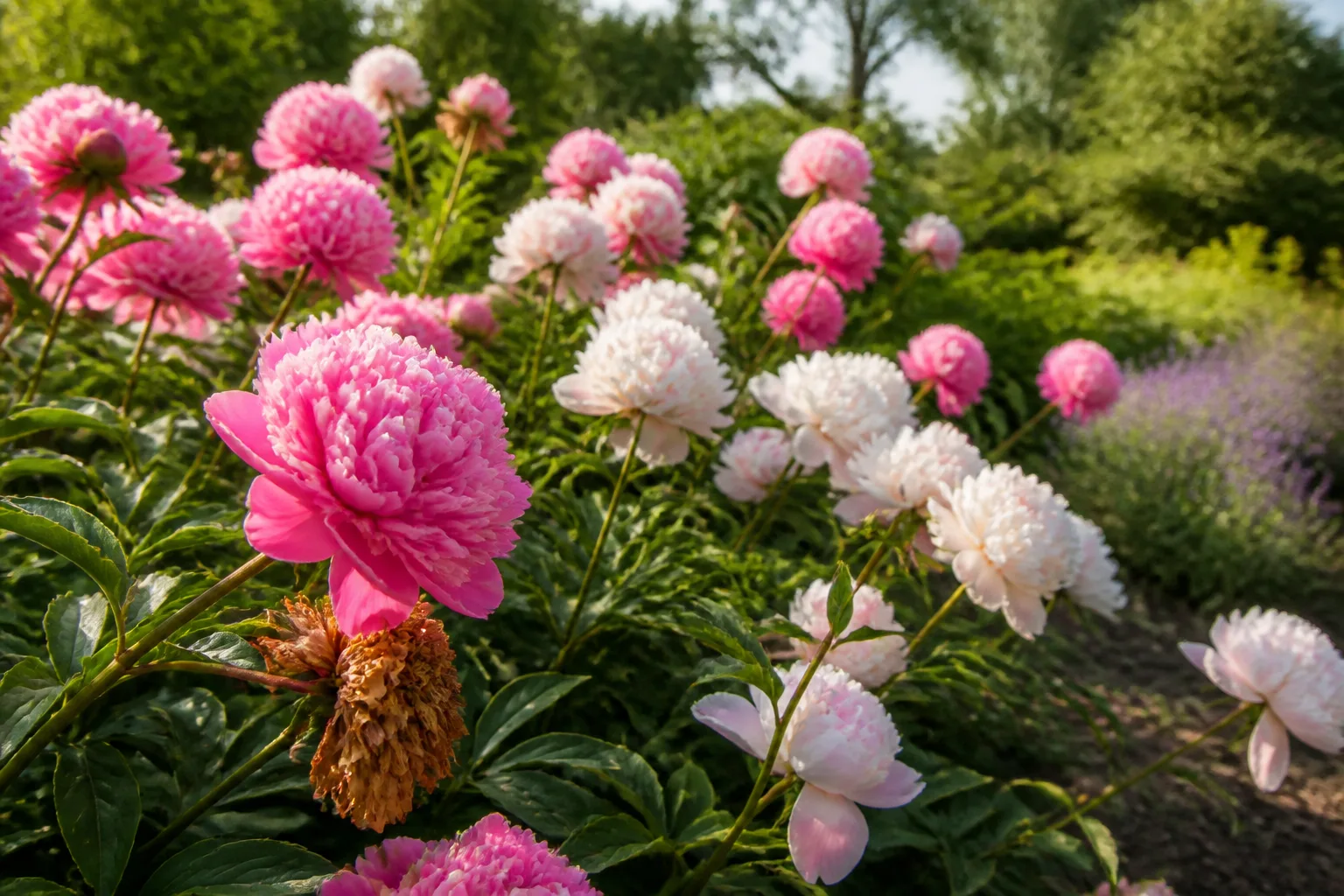
Yes—deadhead peonies when spent blooms start to collapse if you want a cleaner bed and stronger root storage for next spring. Cut each faded flower just above the uppermost healthy set of leaves on that stem, leaving all foliage in place. That redirects energy away from seed-pod development and keeps heavy double blooms from scattering wet petals across neighboring buds.
The important expectation reset: deadheading peonies will not coax out a second flush of flowers the way it can on reblooming daylilies or some salvias. Herbaceous peonies put on one main show in late spring to early summer, then spend the rest of the season rebuilding roots and buds underground. What deadheading buys you is tidiness, fewer volunteer seedlings from hybrid plants, and less energy wasted on seeds you probably do not want—not more blossoms this year.
Use this quick rule at the plant. If petals are brown, papery, or hanging in a wet clump, snip the flower head above the top leaf set. If you are intentionally saving seed from a species peony or experimenting with hybrid seedlings, leave selected pods until they ripen. If foliage looks healthy, do not touch it until fall. If stems or buds show grey mould or sudden wilt, remove infected parts promptly and do not compost them.
Why Peonies Are Different From Reblooming Perennials
Peonies are long-lived storage perennials. Their showy flowers are the visible tip of a much larger root-and-crown system that must recharge every summer if you want bigger blooms next year. Treating them like reblooming annuals or repeat-flowering daylilies leads to disappointment and unnecessary cutting.
One Spring Flush, Then Foliage Work
Most garden peonies—especially herbaceous Paeonia lactiflora hybrids—flower once per season in a concentrated window, often over two to three weeks depending on cultivar and climate. RHS guidance on herbaceous peonies describes flowering from late spring into early summer, followed by months when leaves, not petals, do the real work. (RHS) After that flush, the plant’s job is photosynthesis and root storage, not pushing more crown buds into bloom in August.
That biology is why deadheading peonies is a maintenance and health habit, not a rebloom lever. Readers coming from daylily deadheading should expect a different payoff: cleaner beds and better root vigor rather than another scape of flowers six weeks later.
Where Deadheading Actually Helps
Removing spent blooms plus any swelling seed pods stops the plant from finishing seed development—a process that pulls carbohydrates away from roots and next year’s flower buds. RHS deadheading guidance notes that redirecting energy from unwanted seed production supports stronger growth, and it specifically mentions peonies among plants whose heavy petals scatter messily if left in place. (RHS)
For named hybrid peonies, seed is usually a dead end anyway. Most garden cultivars are complex hybrids that do not breed true from seed; any volunteers that sprout will not match the parent flower. Deadheading prevents random seedlings and keeps the bed looking intentional. The trade-off is small: you lose the chance to play plant breeder unless you deliberately leave a pod or two.
When to Deadhead Peony Blooms
Timing for peony deadheading is simpler than for woody rebloomers because you are reacting to individual flowers finishing, not trying to trigger a second wave.
Signs a Flower Is Ready to Remove
Deadhead when the bloom has passed its peak and petals begin to brown, bruise, or hang in a damp mass. Double peonies often go from perfect to bedraggled overnight after rain. Single and anemone-form types may hold shape slightly longer but still look tired once pollen sheds and edges discolor.
Watch the area just below the flower, too. If a green seed pod is swelling where the petals attached, include that structure in your cut. Leaving the pod means the plant keeps investing in seed even after petals fall. On stems with multiple buds opening in sequence—uncommon on many hybrids but possible—remove each spent head as it finishes while leaving unopened buds and healthy leaves alone.
How Often to Check During Bloom Season
During peak peony week, walk the bed every day or two. A few minutes with sharp secateurs prevents mushy petals from sticking to fresh buds and catches seed pods early. Once the main flush ends, checks taper to occasional cleanup of any stragglers.
UNH Extension’s guidance on deadheading perennials emphasizes removing fading flowers before seed set when your goal is appearance and continued plant vigor rather than seed collection. (UNH Extension) That rhythm fits peonies well: frequent light passes beat one aggressive hack after the bed already looks shabby.
How to Deadhead Peonies Without Damaging the Plant
Deadheading peonies is technically easy and botanically unforgiving if you remove too much stem or leaf tissue. The goal is flower removal, not stem reduction.
Where to Make the Cut
Follow the stem down from the spent bloom to the first set of healthy leaves that looks fully expanded and green. Cut about one-quarter inch above that leaf junction—not into the leaf itself and not halfway down a bare stem if lower leaves remain healthy. Those leaves feed the crown through summer.
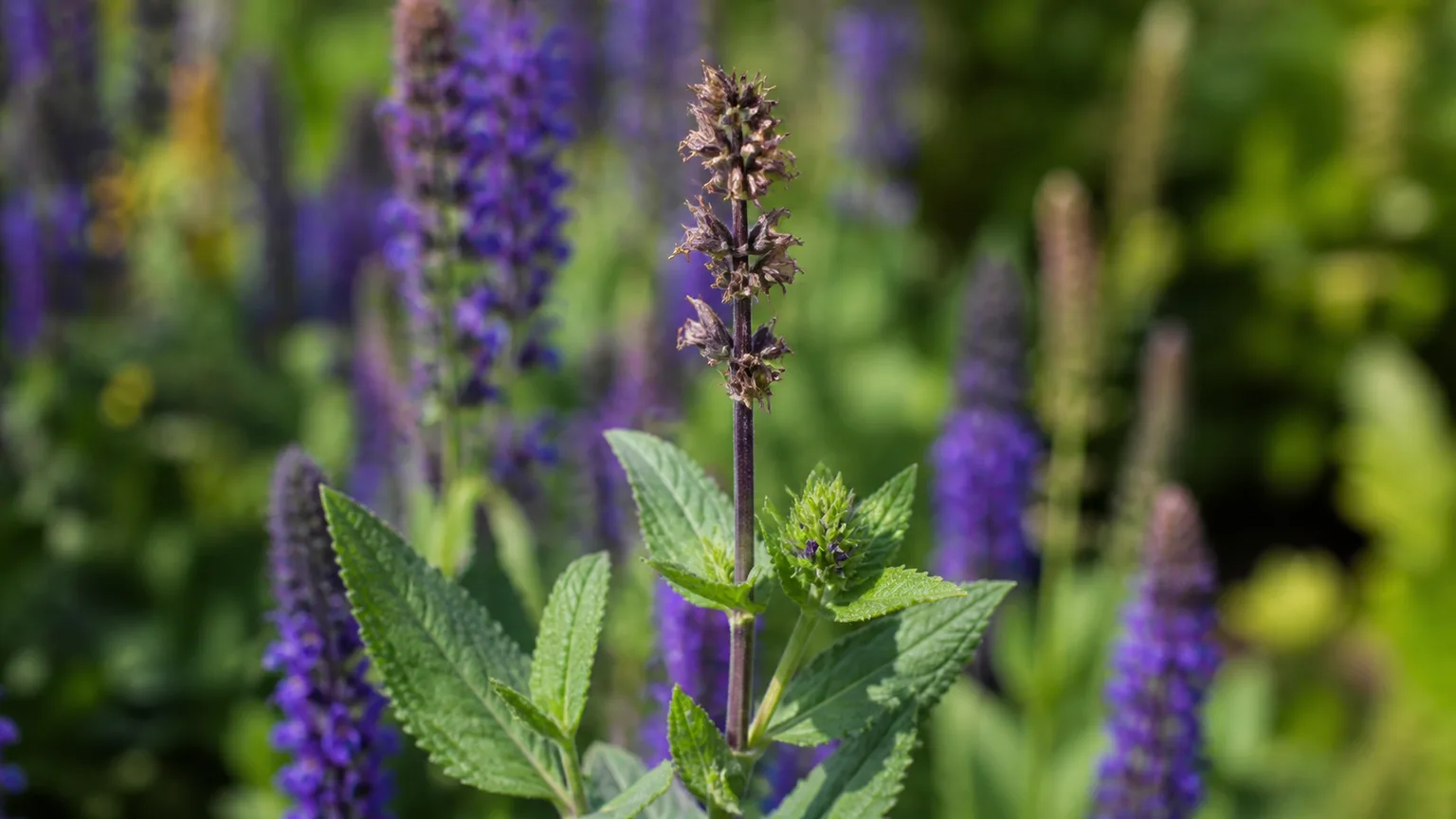
If the entire stem carried only one flower and the leaves below still look good, stop there. Peonies need leaf area; more foliage is almost always better until natural senescence in fall. Avoid the common mistake of cutting stems to the ground during summer because the bed looks messy after bloom. That removes the photosynthetic factory next year’s flowers depend on.
When a stem shows disease—grey fuzzy mould, sudden collapse, or brown lesions—cut lower to remove all affected tissue, sterilize your tool, and dispose of cuttings in the trash rather than the compost pile.
Tools, Sanitation, and What to Do With Cuttings
Use clean bypass secateurs or snips sharp enough to make a crisp cut without crushing the stem. Wipe blades with rubbing alcohol between plants when mildew, botrytis, or unknown wilts are present in the bed.
Disease-free spent blooms and seedless petals can go into compost. Any material showing mould, peony wilt, or blotch symptoms should be bagged and discarded or burned where local rules allow. RHS peony wilt guidance is explicit: remove infected material promptly and do not compost it, because the fungus forms soil-persisting sclerotia that can reinfect plants the following spring. (RHS)
When Not to Deadhead (Seed Saving and Wildlife Exceptions)
Deadheading is the default for hybrid peony beds, but it is not mandatory in every garden.
Leave selected flowers if you want to collect seed from species peonies or experiment with hybrid offspring. Understand the limitation first: hybrid seedlings will not reproduce the parent’s flower form or color. RHS propagation guidance on herbaceous peonies notes that hybrid seed does not breed true and that viable seed appears black once pods split, while unfertilized red seed can be discarded. (RHS) If you are curious about breeding, leave one or two pods on healthy stems and deadhead the rest so the plant is not feeding an entire crop of seeds.
You might also skip deadheading on a back-border peony if you do not mind self-sown volunteers and naturalized look. Just know volunteers from named cultivars are lottery plants—sometimes interesting, rarely duplicates of the parent.
RHS deadheading guidance also reminds gardeners to leave plants that produce decorative seedheads or those you plan to collect seed from intentionally. (RHS) Peonies are usually not grown for ornamental pods, but the principle applies when seed is the goal.
What to Do With Peonies After Flowers Finish
Deadheading ends the flower chapter, not the care season. Peonies still need water, disease monitoring, and intact foliage until frost.
Summer Leaf Care and Light Feeding
Keep watering during dry spells the first year and during droughts on established clumps, especially in spring bud development periods. RHS notes that prolonged spring drought can reduce bud formation or cause buds to fail to open on established plants. (RHS) Deep-rooted mature peonies tolerate dry summers better than shallow plantings, but stress still shows up as fewer flowers next year—not as a problem deadheading can fix later.
If bloom count was thin and foliage looks pale, a light spring feeding of balanced fertilizer is reasonable on depleted soil; avoid heavy nitrogen late in the season, which pushes leaves at the expense of bud formation. Watch for powdery mildew on crowded peonies in humid summers; our powdery mildew guide covers cultural fixes that pair with sanitation in the peony bed.
Ants crawling on buds are normal and not a reason to cut flowers early. They feed on nectar and do not damage peony petals; deadhead based on flower age, not insect presence.
Fall Cutback Versus Summer Snipping
Summer deadheading removes flowers only. Fall cutback removes dying foliage after the plant goes dormant.
Herbaceous peonies die back naturally in late autumn. RHS recommends cutting dead stems at ground level at that point to reduce peony wilt infection risk. (RHS) Cut stems about 1 to 2 inches above the crown—enough to clear collapsed foliage without burying the pink growth eyes. Sterilize tools between clumps if wilt was present during the season.
After cutback, apply a light mulch layer around—not over—the crown. Covering peony eyes with mulch or compost is a common reason clumps stop flowering; buds need shallow placement, typically no more than about 1 inch of soil above the eyes at planting and no smothering mulch in winter.

Mark plant locations if you tend to forget where dormant crowns sit. Stepping on sleeping peony eyes in winter causes more damage than leaving an old flower head one extra week in June.
Cutting Peonies for Vases at the Marshmallow Stage
Deadheading and harvesting overlap in technique but differ in timing and stem length.
For longest vase life, cut buds when they are soft but not fully open—often described as the marshmallow stage because the bud yields gently when squeezed like a campfire marshmallow. Fully open peonies are gorgeous in the garden but shed petals quickly indoors. Harvest early if heavy rain is forecast; saturated doubles bruise and shatter fast.
When cutting for arrangements, use sharp sterilized secateurs, slice at a 45-degree angle, and leave at least two to three leaf sets on the plant side of the cut so the crown can recover. Strip leaves that would sit below the waterline, place stems immediately in clean water out of direct sun, and expect roughly seven to ten days from marshmallow-stage buds under cool indoor conditions.
Harvest cuts are more aggressive than deadheading cuts because you intentionally remove stem length—but the same rule applies: never strip a plant of all its foliage in one pass.
Herbaceous, Tree, and Itoh Peonies: Same Rules?
Most of this guide targets herbaceous peonies—the backbone of North American perennial borders—but tree and intersectional types follow the same deadheading logic with small twists.
Herbaceous peonies die to the ground each winter. Deadhead spent blooms in summer; cut all stems to the crown in fall after foliage yellows.
Tree peonies (Paeonia suffruticosa and hybrids) form woody stems that persist above ground. Deadhead faded flowers the same way—just above the nearest healthy leaf or branch junction—without shearing the woody framework in summer. Fall cleanup focuses on removing diseased leaves rather than cutting the shrub to the ground.
Intersectional peonies (Itoh hybrids) combine herbaceous dieback with tree-peony-style flowers. Deadhead like herbaceous types; cut dormant stems near the base in fall like herbaceous peonies. Their longer bloom window sometimes means deadheading passes stretch over more weeks, but still without true rebloom on most cultivars.
RHS deadheading notes for shrubs include tree peonies among woody plants that benefit from removing spent heads with secateurs just below the flower, taking care not to damage new buds below. (RHS)
Why Your Peony Flowers Died Before You Could Deadhead
Sometimes buds fail before you ever get a perfect bloom to remove. Deadheading cannot fix problems that happen upstream.
Botrytis Blight and Peony Wilt
Peony wilt, caused by the fungus Botrytis paeoniae, strikes in spring and early summer when shoots or buds wilt and brown without obvious physical damage. Infected buds often hang down and refuse to open; grey fuzzy mould may appear in wet weather. (RHS)
This is not a deadheading error—it is a sanitation and weather problem. Remove affected buds and stems promptly, discard them outside the compost system, and plan rigorous fall cutback. Because spores can blow in from neighboring gardens, perfect hygiene reduces but does not guarantee elimination.
Thrips, Frost, and Drought Stress
Thrips can scar bud tissue so flowers open distorted or fail entirely. Late frosts after bud swell brown edges and freeze interiors. Spring drought after deep planting or crown shade reduces bud count more effectively than any summer snip restores.
When buds fail, inspect recent weather and planting depth before reaching for fertilizer or pruners. Fix drainage, adjust mulch away from eyes, provide water during spring dry spells, and protect emerging shoots during late cold snaps if your climate demands it. Deadheading healthy spent blooms remains good practice, but it is downstream of bud formation.
Common Deadheading and Pruning Mistakes
Cutting all stems to the ground in June because bloom is finished removes the leaves that store next year’s flowers. Wait for natural dieback in fall.
Pulling petals off without removing the seed pod tidies briefly while the plant still invests in seed. Cut the head above leaves and include swelling pods.
Expecting rebloom like Stella de Oro daylilies. Peonies reward deadheading with root strength and cleanliness, not August flowers.
Composting mouldy cuttings spreads peony wilt sclerotia and mildew spores. Trash or burn infected material.
Burying crowns with mulch after fall cleanup smothers eyes. Mulch around, not over, the crown.
Harvesting every stem for vases at marshmallow stage weakens young plants. Limit cuts on new divisions until clumps mature.
Conclusion
Cut dead peony flowers when they fade—it is worth the few minutes per plant. Snip just above the top healthy leaf set, include swelling seed pods unless you are saving seed, and keep all foliage through summer so roots recharge. Remember that deadheading will not rebloom peonies this season; it keeps beds tidy and directs energy toward next spring’s show. After frost kills the leaves, cut herbaceous stems near the crown for wilt prevention, mulch without covering eyes, and discard any diseased tissue instead of composting it. Get those three seasons straight—bloom cleanup, summer leaves, fall cutback—and peonies stay healthier than any clickbait title promising instant rebloom.



