Pampas Grass Care: Plant, Prune, and Manage Its Risks
Before planting pampas grass, check local invasive status and fire risk. Then follow practical steps for spacing, establishment, pruning, division, and winter care.
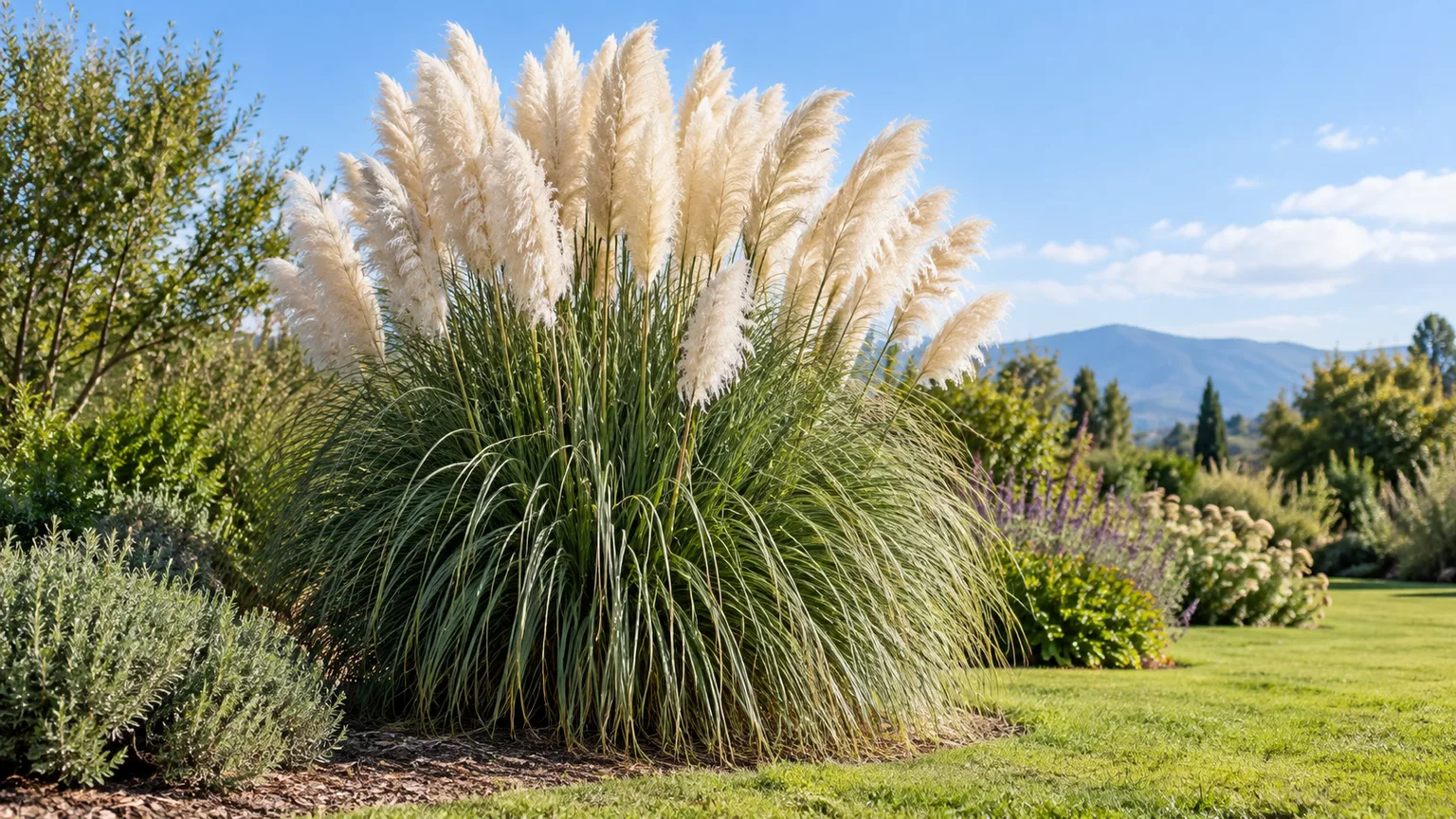
A mature pampas grass can rise above a garden border in a fountain of narrow leaves and silky plumes, but its size is only one reason to plan carefully. The species can spread by windblown seed in some regions, its dry foliage can carry fire, and its leaf edges can cut skin. Check whether it is appropriate where you live before buying a plant; if it is permitted and suitable, give it sun, drainage, and more room than a nursery label suggests.
Pampas grass, Cortaderia selloana, is a warm-season perennial from South America. The care itself is fairly simple once established: water through its first growing season, avoid waterlogged soil, and cut old foliage back near the end of winter. The larger challenge is matching the plant to your climate and site, then maintaining it without turning a vigorous ornamental into a hazard or a spread problem.
Decide Whether Pampas Grass Belongs in Your Garden
Start with your state or regional invasive plant list, then confirm with a local cooperative extension office or conservation agency if the listing is unclear. Pampas grass is invasive in some parts of the United States and other regions, but its status is not uniform nationwide. NC State Extension warns that it is highly invasive in some U.S. areas, while the University of Georgia Extension describes it as invasive in parts of California and Hawaii and not invasive in the Southeast at the time its circular was reviewed. Those regional differences are exactly why a general “safe” or “invasive” label is not enough.
If local authorities advise against planting it, choose a locally native grass with a similar height or plume effect instead. NC State Extension points gardeners toward native alternatives such as muhly grass and switchgrass for a similar landscape role in North Carolina; your own extension service can suggest species suited to your soil, rainfall, and wildlife. A sterile cultivar may reduce seed production, but cultivar claims can be inconsistent and should not override local guidance. “Dwarf” describes size, not necessarily seed behavior.
Also consider fire exposure before you decide. Old pampas foliage dries into a dense mass that can burn, so do not site it beside a house, shed, grill, outdoor fireplace, or a fire-prone boundary. In a region with wildfire defensible-space rules, follow local setbacks and plant recommendations; a large, dry grass clump is not a good choice for a narrow strip next to a structure. (University of Georgia Extension; NC State Extension)
Know the Plant Before You Choose a Spot
Pampas grass forms a dense, fountain-shaped clump. Depending on cultivar and growing conditions, mature plants commonly reach roughly 6 to 10 feet tall and can approach a similar width; some sources give a wider range. Plan for the mature footprint rather than the compact pot you bring home. NC State Extension recommends about 10 feet between plants, which gives a useful starting point for a specimen planting.
The showy plumes are flowers, not fluffy foliage. Pampas grass is dioecious: male and female flowers occur on separate plants. Female plumes have silky hairs and usually look fuller; male plumes are narrower. A seed-grown plant may not reveal its sex until it blooms, and UGA Extension notes that seed propagation can produce variable plants, including the less showy male form. If a particular plume appearance matters, choose a named plant from a reputable nursery and ask how it was propagated.
Flowering usually occurs from late summer into fall, although the exact timing shifts with cultivar, climate, and growing season. The leaves may remain evergreen in mild areas or turn tan and go dormant after cold weather. That seasonal difference changes when the plant needs attention, but the central rule remains the same: preserve the crown and avoid planting where the eventual clump will block people or routine access. (University of Georgia Extension; NC State Extension)
Choose a Site With Sun, Space, and a Safety Buffer
Choose a spot that receives full sun for most of the day. Pampas grass can tolerate some light shade, but shade may produce a looser clump and fewer plumes, while a damp, crowded position can increase fungal trouble. A half-day of direct sun is a reasonable minimum in UGA Extension’s guidance; six or more hours gives the plant a better chance of flowering well.
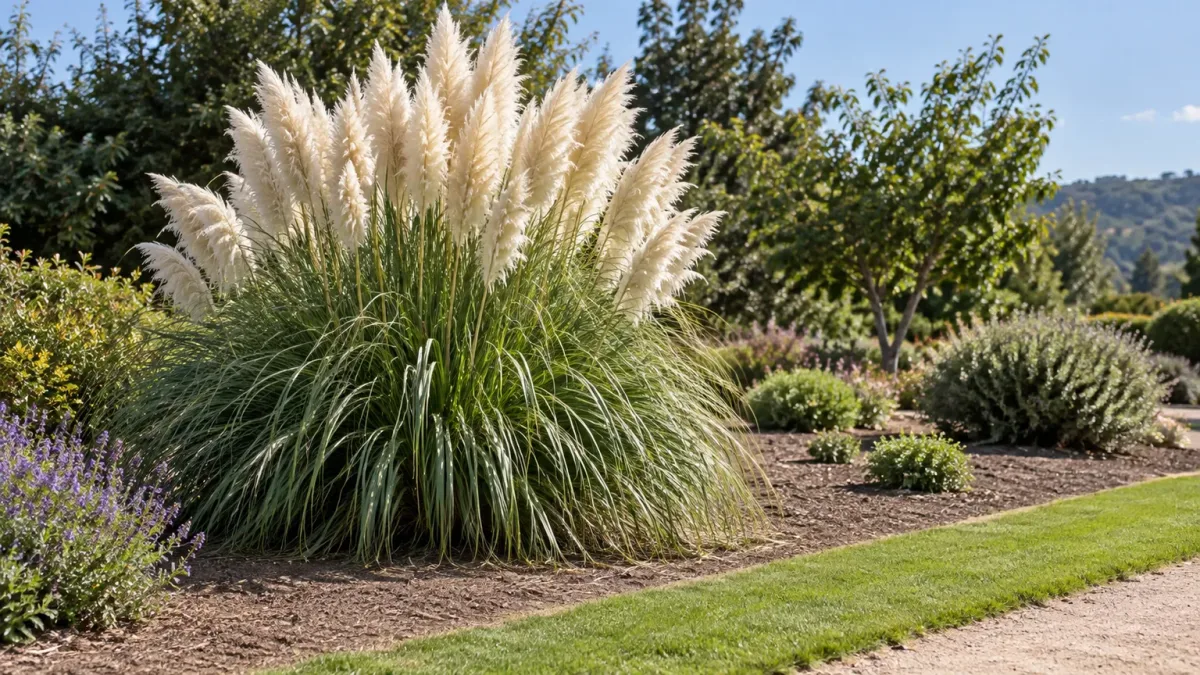
Leave a wide buffer around the clump. Its leaves have sharp, blade-like edges, and they can make a narrow path, play area, or frequently used seating space uncomfortable or unsafe. Avoid placing it where people must brush past it to reach a gate or hose bib. If you are using it as a screen, keep the foliage away from the route used to maintain fences, utilities, or nearby plants.
Think about wind and sightlines, too. Plumes rise well above the foliage and can lean in storms, while the plant’s mature width can cover nearby perennials or obstruct a window. Put it where the full silhouette can be seen from a comfortable distance and where you can reach the clump for annual maintenance without stepping through its leaves. (Southern Living; NC State Extension)
Prepare Soil That Drains After Rain
Good drainage matters more than a particular soil recipe. Pampas grass tolerates a range of soils, including sandy and coastal conditions, but it does poorly when the crown sits in persistently soggy ground. Before planting, notice where water pools after rain and how quickly it disappears. If a spot remains waterlogged, choose another site or make a broad, modest mound that lifts the crown above the wettest layer.
In heavy clay, improve the planting area broadly rather than filling a small hole with loose potting mix. A pocket of amended soil surrounded by dense clay can collect water like a basin. Work in organic matter across a wider bed only if it improves the soil structure, and do not add a thick layer of compost directly against the crown. In very sandy ground, compost can help retain some moisture without turning the root zone into a wet pocket.
The plant is not especially fussy about pH, so a soil test is rarely needed just to grow one ornamental clump. A test is useful if the wider bed has a history of poor growth or if you are considering fertilizer. (NC State Extension; Southern Living)
Plant Pampas Grass at the Right Time and Depth
Plant in spring after the danger of hard frost has passed, giving the roots a full growing season to establish before winter. In warm climates, early fall may also work if the soil remains warm and the plant has time to root, but spring is the simpler choice where winters are cold or unpredictable. Buy a healthy, correctly identified plant; avoid taking divisions or seed from a location where the species is discouraged or regulated.
Dig a hole as deep as the root ball and about twice as wide, then loosen compacted soil around the sides. Set the crown at the same height it grew in the nursery container; planting too deeply can keep the base wet. Backfill with the soil you removed, firm lightly to remove large air gaps, and water slowly until the root ball and surrounding soil are evenly moist.
Space plants about 8 to 10 feet apart for separate mature clumps, adjusting for the cultivar and the visual effect you want. A hedge-like row can be tighter, but close spacing means a denser, harder-to-maintain planting and less air movement through the foliage. Do not crowd it against a fence or wall just to conceal the base; you will need room to prune and inspect the crown. (NC State Extension; University of Georgia Extension)
Watering: Establish First, Then Adjust to Weather
Water thoroughly at planting, then keep the root ball from drying out during the first growing season. How often that means watering depends on rainfall, temperature, wind, soil texture, and the size of the nursery plant. Check the soil a few inches below the surface near the root ball: water when it is drying, and wait when it is still cool and moist. A fixed weekly schedule can leave a clay site wet for too long and a sandy site dry between visits.
Once established, pampas grass is drought tolerant and usually needs supplemental water only during extended dry weather. A deep soak is more useful than frequent light sprinkling because it reaches the root zone. If the leaves curl or growth slows during a hot spell, check the soil before watering; wilt-like stress can also occur when roots are damaged by waterlogged ground.
Plants in containers dry faster than plants in garden soil and need more frequent checks in warm weather. Still, water only when the mix is beginning to dry, and make sure excess can drain from the pot. (Southern Living; Epic Gardening)
Fertilizer: Use Less Unless Soil Says Otherwise
Established pampas grass rarely needs a regular fertilizer program. If the plant is growing steadily and producing healthy foliage, leave it alone. Too much nitrogen can push leafy growth at the expense of flowers, and excess feeding will not correct shade, poor drainage, an immature plant, or the wrong plant sex.
For a new planting, a small amount of balanced fertilizer may help in poor soil, but follow the product label and avoid applying it directly against the crown. Compost is often a better first choice when the soil needs organic matter. If a mature clump becomes weak or pale, check drainage, sun, root crowding, and winter damage before adding nutrients; a soil test can help distinguish a nutrient shortage from a site problem.
Extension recommendations can differ by region and soil. UGA Extension describes a light application after pruning in its regional guidance, while other care references say routine feeding is unnecessary. Use the local extension recommendation for your site, and do not fertilize simply because the calendar says it is time. (University of Georgia Extension; Southern Living)
Why Pampas Grass Fails to Bloom
If a clump grows leaves but no plumes, first ask whether it is old enough and whether it has received enough sun. A young plant may need time to establish, and a shaded plant often produces weaker growth and fewer flowers. Give it a season in a brighter location before changing fertilizer or dividing it.
Plant sex is another explanation. Male plants flower, but their plumes are typically less full than those of female plants. With seed-grown pampas grass, you may not know which you have until flowering; division from a known female plant preserves the parent’s characteristics. A nursery label that only says “pampas grass” cannot guarantee a particular plume form.
Excess nitrogen, saturated soil, a harsh winter, or a crowded, aging crown can also reduce bloom. Do not try to fix all of these possibilities at once. Review the plant’s age and sun exposure, confirm that the crown drains, and note whether the clump suffered winter dieback. If the plant is otherwise vigorous but still lacks the plume effect you want, replacing it with a correctly identified female cultivar may be more practical than repeated feeding. (University of Georgia Extension; Southern Living)
Prune Pampas Grass Safely in Late Winter
Cut back old foliage once a year near the end of winter, before new growth gets tall. In mild regions that may be late winter; in colder areas, wait until the worst freezes have passed but before the clump is actively pushing fresh leaves. Fall pruning removes winter structure and may expose the crown to harsher conditions, so leave the foliage standing through winter unless local guidance says otherwise.
Treat pruning as a protective-equipment job. The leaf margins can slice skin, and dry blades can flick into the face. Wear thick gloves, eye protection, long sleeves, long pants, and closed-toe shoes. Work on a calm, dry day, keep children and pets away, and do not reach blindly into the clump. For a large or very dense plant, hire a landscaper if you cannot cut it safely from outside the foliage.
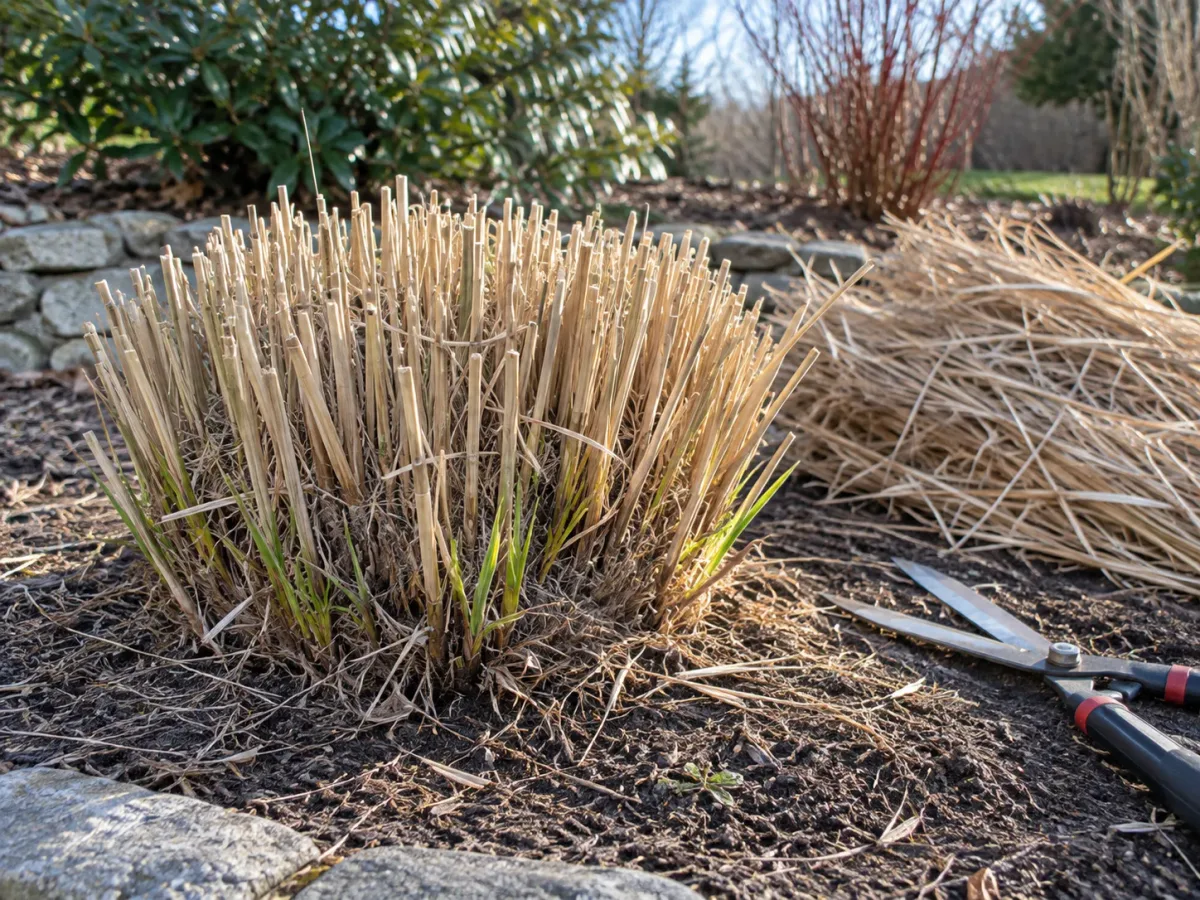
Use hedge shears or loppers to bring the clump down to roughly 10 to 12 inches above the crown, removing last year’s leaves and flower stalks while keeping the growing base intact. Do not cut flush with the soil or use a powered tool beyond your control near the crown. Tie the outer foliage together before cutting only if you can do so without pulling leaves toward your body; otherwise work in manageable sections from the outside. Bag seed-bearing plumes and dispose of them according to local yard-waste rules rather than shaking them out over the garden.
Afterward, clear loose debris from around the crown so new growth has air and light. Do not burn the cut foliage in place: dry pampas grass is flammable, and open burning may also violate local rules. (University of Georgia Extension; Southern Living)
Divide an Established Clump
Division is the most dependable way to make another plant with the same sex and traits as the parent. Do it in late winter or early spring, just before strong new growth begins. First confirm that growing pampas grass is allowed and appropriate in your area; dividing an invasive plant simply creates more planting stock.
A mature root clump can be heavy and difficult to cut. Wear the same protective clothing used for pruning, then use a sharp spade to separate a healthy section from the outer edge. Each division needs roots and growing points, not just detached leaves. Lift it carefully, replant promptly at the original depth, water it in, and keep the new section evenly moist while it establishes.
Do not divide a clump every year by default. Consider it when the center has died, the plant has become too large for its space, or you have a specific need for a replacement section. If the crown is extensively rotten or the plant is invasive locally, consult local guidance about removal and disposal instead of moving pieces elsewhere. (University of Georgia Extension; Epic Gardening)
Growing Pampas Grass From Seed
Seed is an inexpensive way to raise plants, but it is a poor choice when you want a predictable plume or a controlled number of plants. Male and female flowers occur on separate plants, and seedlings vary; UGA Extension notes that their sex cannot be determined until they flower. Female plants generally produce fuller plumes, so a seedling may not match the parent’s appearance.
Where local rules permit seed propagation, sow fresh seed on the surface of a well-draining seed-starting mix and press it in lightly rather than burying it deeply. Keep the medium evenly moist, warm, and bright, but not waterlogged. Pot seedlings on after they are easy to handle, then harden them off and plant outside after frost risk has passed.
Seed-grown plants also create a spread concern. A female plant can release many wind-carried seeds, and a container does not keep those seeds on your property. If pampas grass is invasive in your region, do not sow it or rely on clipping plumes as a substitute for choosing a different plant. (University of Georgia Extension; Better Homes & Gardens)
Growing in a Container: Dwarf Doesn’t Mean Small
Compact cultivars can be grown in a large outdoor container, especially where winter protection is needed. The pot still has to accommodate a wide, vigorous root system and the plant’s heavy top growth. Choose a stable container with generous drainage holes and a quality potting mix; even a “dwarf” variety may reach several feet tall and wide.
A container can make a plant easier to move or monitor, but it does not prevent airborne seeds from escaping. Use one only if pampas grass is permitted locally and the cultivar’s seed behavior is understood. Plan for the pot’s weight before filling it, place it where it will receive full sun, and check moisture more often than you would for an in-ground clump.
In cold climates, a container may let you move a suitable cultivar into a cool, protected space, but a very large pot can be difficult to handle. If you cannot move it safely or provide a frost-protected location, choose a hardy alternative rather than assuming the pot itself will protect the roots. (Southern Living; Better Homes & Gardens)
Winter Care and Cold-Climate Limits
Winter hardiness depends on the cultivar, drainage, exposure, and the length of cold spells. Many care references place common pampas grass in roughly USDA Zones 7 to 10, but UGA Extension’s regional guidance describes the common species as hardy in coastal Georgia Zone 8 and marginal in parts of Zones 6 and 7. Treat zone numbers as a starting point, not a guarantee; ask a local nursery or extension office which cultivars reliably survive your winters.
Leave the foliage in place over winter in cold regions. It provides some protection to the crown and helps the plant hold its shape until late-winter pruning. Avoid wrapping the crown in wet material or piling wet mulch into the center, since persistent moisture can contribute to rot.
In a mild climate, the grass may stay partly green through winter. Remove only dead or damaged material that you can reach safely, and still schedule the main cleanup before new growth begins. If winter has killed much of the clump, wait for spring growth before deciding it is dead; a damaged plant can resprout from a viable crown, while a soft, foul-smelling center is a stronger sign of rot. (University of Georgia Extension; Southern Living)
Diagnose Yellowing, a Dead Center, or Weak Growth
Older leaves naturally turn tan as the plant enters dormancy, so color alone is not a diagnosis. If yellowing spreads during active growth, check whether the soil stays wet, the site receives enough sun, and the crown has room to breathe. A plant in saturated shade may develop fungal problems; improve drainage and air movement before applying a treatment.
A dead patch in the middle of a very large clump can result from crown aging, accumulated dead foliage, or rot. Look for a dry, hollow center versus soft tissue and persistent wetness. If the outer ring is healthy and the plant is permitted locally, you may be able to divide and replant healthy sections in the appropriate season. If the crown is broadly soft or foul-smelling, or the species is invasive in your region, get local advice on removal and disposal instead of spreading root pieces.
Sparse plumes with otherwise green foliage point back to the bloom checks: age, sun, plant sex, excess nitrogen, or winter injury. Several symptoms can overlap, so change one site factor at a time and give the plant a growing season to respond. Avoid fertilizing or watering more just because the plant looks weak; either can worsen a problem caused by poor drainage. (NC State Extension; Epic Gardening)
Harvest and Dry Plumes Without Spreading Seed
For indoor arrangements, cut plumes after they have fully emerged but before they mature and begin shedding. Wear gloves, sleeves, and eye protection, and use clean long-handled shears so you do not have to reach through the leaves. Carry the stems upright and avoid brushing them against nearby soil or plants.
If seed escape is a concern, place each cut plume directly into a bag and dispose of it according to local guidance. For arrangements, hang stems upside down in a dry, ventilated place or stand them in a tall vessel while they dry. Keep the dried material away from candles, fireplaces, and other heat sources because dry ornamental grass can ignite readily.
Do not harvest or keep plumes from a plant that local authorities advise removing. Dried heads can still release seed, and decorative use is not a reason to allow an invasive plant to persist. (University of Georgia Extension; Southern Living)
A Simple Year-Round Care Calendar
| Season | What to do |
|---|---|
| Late winter | Wear protective gear, cut back old foliage before new growth, remove debris, and divide only if needed and locally appropriate. |
| Spring | Plant after hard frost risk passes; water new plants as the root ball begins to dry; check for fresh shoots. |
| Summer | Water established plants only during extended drought; keep pathways clear and watch for unwanted seedlings where the plant is permitted. |
| Late summer and fall | Enjoy or harvest plumes before they mature and shed; avoid fall cutback in cold areas; confirm local fire and yard-waste guidance. |
Treat the calendar as a prompt to inspect rather than a rigid schedule. Weather, soil, cultivar, and local rules determine whether a task is needed that year. If you find seedlings outside the clump or the plant is listed as invasive in your area, contact local extension or land-management staff for removal advice.
Conclusion
Pampas grass is straightforward to grow only after the site is right. Check local invasive guidance and fire exposure first, then give a permitted plant full sun, well-drained soil, and roughly 8 to 10 feet of space. Water it while it establishes, let rainfall carry most of the load later, and prune the old foliage in late winter with clothing and tools that protect you from its sharp leaves.
Choose division when you need a plant that matches a known parent, and treat seedlings or “sterile” labels cautiously. If your location, yard size, or maintenance setup makes the risks hard to manage, a locally native ornamental grass can give you height and movement with fewer trade-offs.