Snow-in-Summer Care: How to Grow, Prune, and Divide
Learn how to grow snow-in-summer in a sunny, well-drained site, choose a compact cultivar, time pruning, renew thin patches, and contain runners and seedlings.
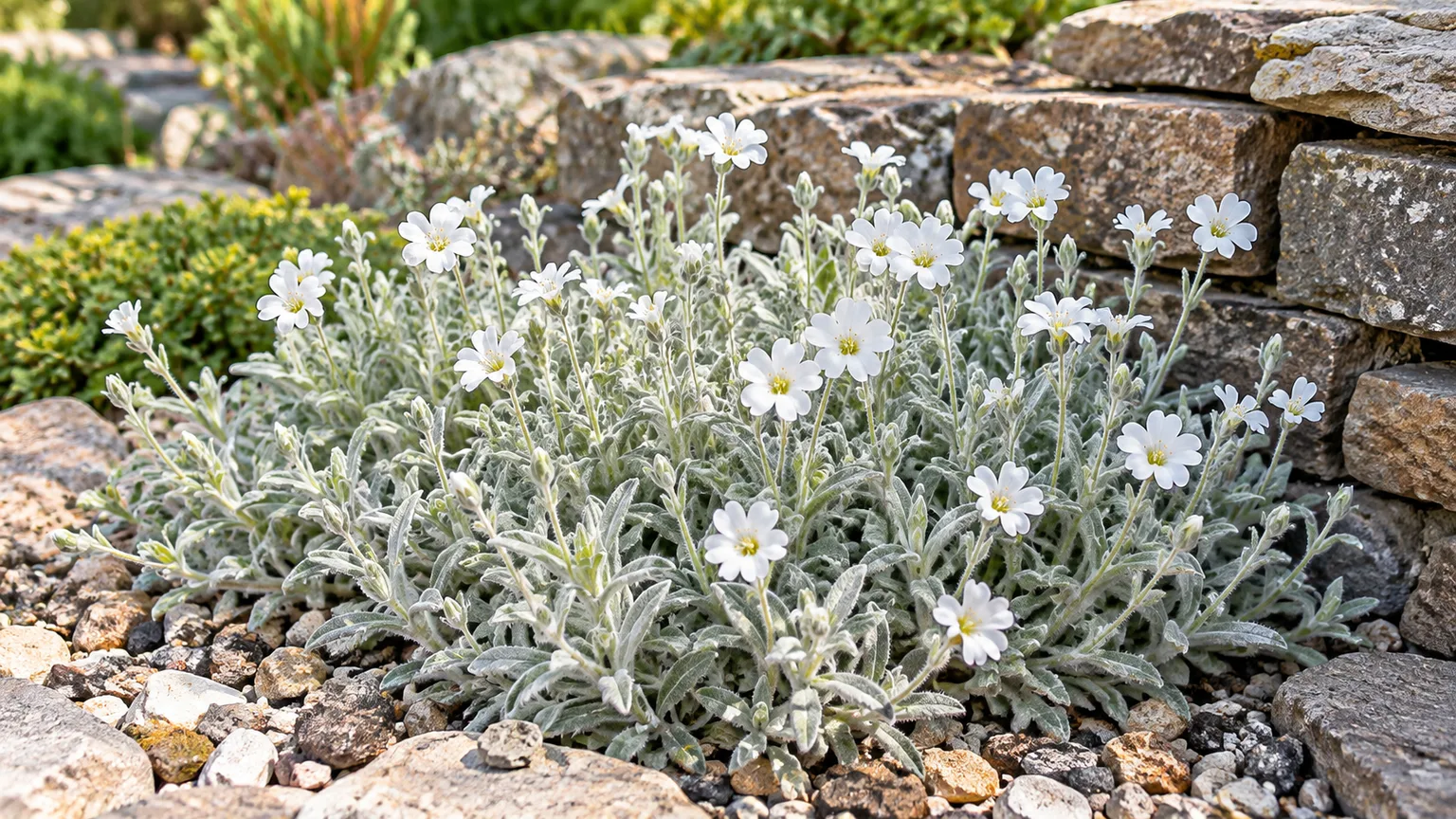
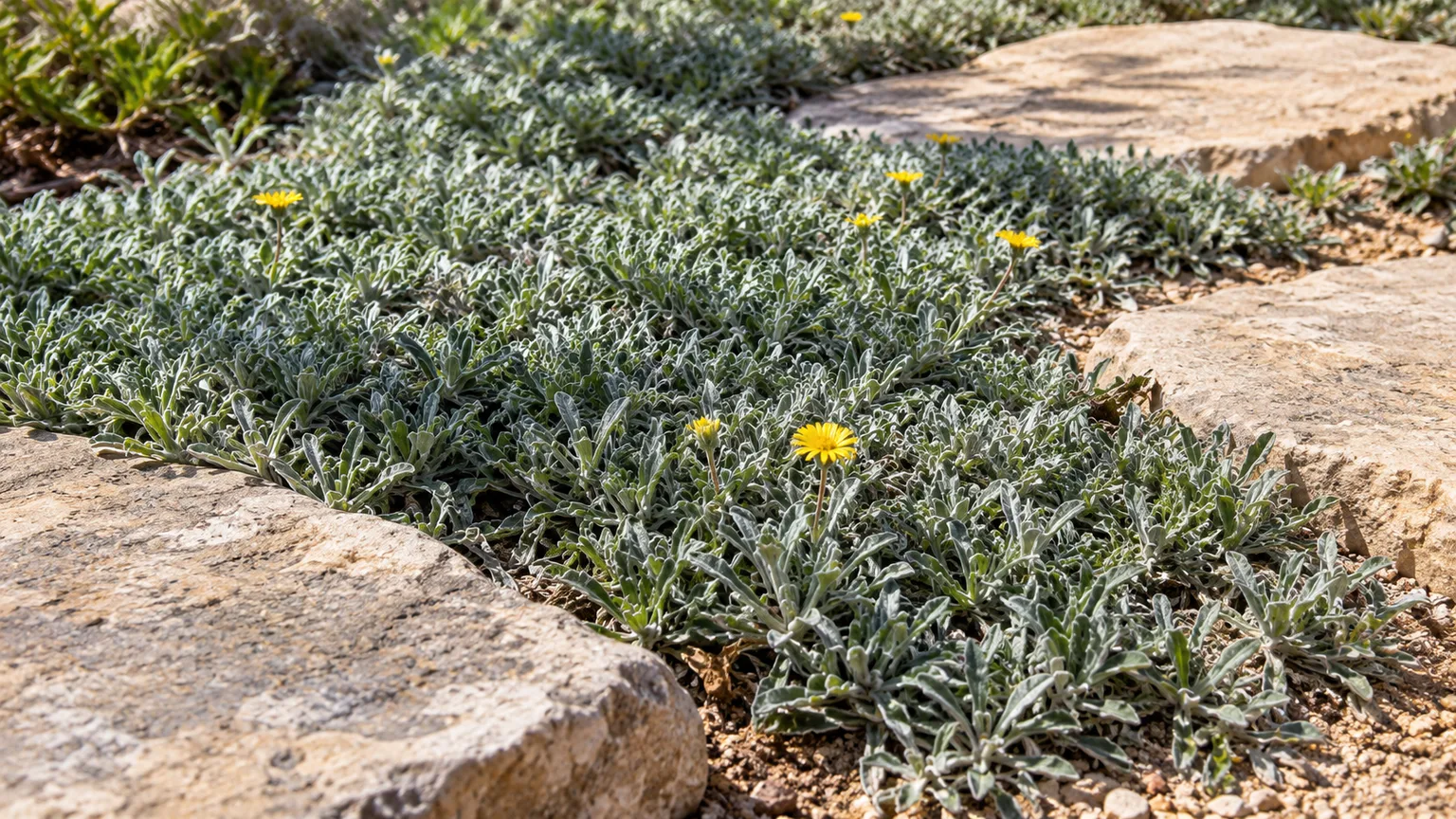
Snow-in-summer (Cerastium tomentosum) is a low, silver-leaved perennial that covers itself with small white flowers in late spring or early summer. It is at its best in a sunny, lean, fast-draining place where many fussier plants struggle. Give it wet soil, stagnant air, or a long hot and humid summer, though, and the mat can thin or rot; give it a climate it likes and it may spread farther than you planned.
Before buying a flat of it, answer two questions: does your site drain quickly, and are you comfortable removing runners and seedlings? If both answers are yes, snow-in-summer can soften a rock garden, spill over a dry wall, or knit a sunny slope together. If not, choosing a less vigorous or more humidity-tolerant ground cover is usually easier than trying to correct the site later.
Snow-in-Summer at a Glance
| Trait | What to expect |
|---|---|
| Botanical name | Cerastium tomentosum |
| Growth habit | Creeping, mat-forming perennial with silvery, woolly leaves |
| Typical foliage height | About 6 inches |
| Flowering stems | Often 8 to 12 inches above the mat |
| Bloom season | Late spring to early summer; varies by climate |
| Best light | Full sun for compact growth and heavy flowering |
| Best soil | Lean, sandy or rocky, and sharply drained |
| Winter hardiness | Commonly listed for Zones 3 through 7; check the cultivar and regional advice |
| Main watch-outs | Wet roots, hot humid summers, runners, self-seeding, and bare centers in older mats |
The “snow” is a flush of small white flowers above a gray-green carpet, not a plant that stays covered in bloom all summer. NC State Extension’s plant profile describes the foliage mat at about 6 inches tall and flowering stems rising 8 to 12 inches; the actual footprint varies with cultivar, climate, and how much room the stems have to root.
Is This Ground Cover Right for Your Garden?
Snow-in-summer suits a sunny, dry edge that needs a low, spreading cover rather than a plant that stays inside a neat outline. Think gravel gardens, the top of a retaining wall, a dry bank, or the front of a border where its silver foliage contrasts with darker leaves. The flowers attract bees, but it is not a lawn substitute: it does not tolerate regular foot traffic.
Its best feature and its main drawback are the same: it spreads. Underground runners fill open ground, and flowers left to set seed can create volunteers beyond the original patch. NC State Extension notes that it can become weedy in cooler summer climates, where it is vigorous; that is different from saying it is legally invasive everywhere. The Invasive Plant Atlas of the United States records C. tomentosum as exotic and shows reported distribution, but local listings and rules still need to be checked with your state or regional invasive-plant authority.
If you cannot monitor the edge, garden near a natural area, or have a damp site, choose another species. A plant can be too aggressive for a small garden even when local authorities do not classify it as invasive. Conversely, “exotic” on a database is not by itself proof that a plant is banned in your county.
Choose a Cultivar for the Space
The straight species is a useful choice where a vigorous silver mat is welcome and you can trim its boundary. If you want the look in a smaller bed, ask for a named cultivar rather than relying on a vague “snow-in-summer” label. NC State Extension describes ‘Columnae’ as a lower mat, ‘Olympia’ as a tidier 6- to 8-inch clump, ‘Silver Carpet’ (also sold as ‘Silberteppich’) as a less aggressive spreader, and ‘Yo-Yo’ as more compact.
Those descriptions are relative, not a guarantee that a plant will never escape its allotted spot. Nursery labels can also use common names loosely, so confirm that the botanical name is Cerastium tomentosum and ask how the cultivar performs in your region. Another species, C. biebersteinii, is sometimes sold under similar common names; check the full botanical label before treating one plant’s growth habit as a promise about another.
Pick the Site Before You Plant
Choose the site by drainage and summer weather first, then decide how much spread you can accept. A sunny slope or raised gravel bed lets water move away from the crown and gives spreading stems a defined edge to cross. A low pocket where rain collects, a shaded bed under dense shrubs, or a narrow border beside delicate perennials is a poor match.
Use the site’s behavior after rain as a practical test. If water still pools there the next day or the soil stays slick and saturated, snow-in-summer is likely to struggle. If a sunny bank dries quickly between storms, that can be an advantage, although newly planted starts still need regular checks until roots establish.

Keep the edge visible and accessible. A patch that begins above a paved path or between rocks is easier to inspect than one planted deep inside a mixed perennial border. Leave room to walk around it for trimming; do not rely on surrounding plants to restrain it, because runners can creep under and through neighboring growth.
Give It Sun and Airflow
Aim for at least six hours of direct sun if you want a dense mat and the strongest flowering. More light also helps surface foliage dry after rain. In partial shade, the plant may stay alive, but stems can stretch and flower less, so it loses some of its tidy, carpet-like look.
Air movement matters when summers are damp. Avoid wedging the mat between a wall and tall shrubs where humid air sits around the crown. If your garden is naturally muggy, spacing and airflow may reduce stress, but they cannot fully compensate for a long season of high heat and humidity. That is a climate mismatch, not simply a watering mistake.
Build Drainage, Not Fertility
Plant snow-in-summer in poor to average soil that drains readily. Sandy, gritty, or rocky ground is a natural fit, and NC State Extension notes that it tolerates a range of soil textures so long as drainage is good. The pH does not need to be engineered to a precise number; a broad range works, while persistently wet soil is the more important risk.
Do not enrich the bed just because the soil looks meager. Heavy compost applications and routine feeding can push lush, loose growth that spreads quickly and is harder to keep neat. This plant is adapted to lean ground; if the soil is compacted clay or stays wet, changing the site is more useful than adding fertilizer.
For a heavy site, plant on a raised mound or in a genuinely raised bed with open drainage, or choose another plant. Avoid the common shortcut of putting a layer of gravel only at the bottom of a planting hole: it does not turn a waterlogged bed into a well-drained one. Prepare a wider area so water can escape, and set the root ball level with the surrounding surface rather than burying the crown.
Space nursery plants roughly 9 to 12 inches apart if you want them to knit together. Leave a larger gap from plants you need to protect, and use fewer starts if you prefer to watch their spread before making a continuous mat. Water the new planting in so the root ball makes contact with the soil, but do not leave a saucer-like basin that holds water around the crown.
Water by Establishment Stage
New transplants need more attention than an established mat. During the first growing season, check the root zone every few days in warm or windy weather and water when the root ball is drying; then let excess water drain away. The goal is even establishment, not constantly damp soil. A small plug can dry out before it has spread roots into surrounding ground, even though a mature patch handles dry spells well.
After the plant is established, reduce routine irrigation. Water during a prolonged drought if the foliage loses firmness or the soil is dry well below the surface, but do not use a calendar-based schedule. In rainy or humid weather, adding water because the leaves look dull can worsen root trouble. Direct irrigation at the soil when watering is needed, rather than repeatedly wetting the dense mat from overhead.
Skip fertilizer unless a soil test or a specific diagnosed deficiency calls for it. The GardenersPath growing guide also recommends lean soil and no routine feeding; extra nutrients do not solve poor drainage, shade, or summer humidity. A weak patch should be diagnosed before it is fed.
Match Its Climate Limits
Snow-in-summer is winter-hardy in cold regions—NC State Extension lists it for USDA Zones 3a through 7b—but a hardiness zone describes average winter minimums, not summer performance. A plant can survive winter and still decline during a hot, humid season. NC State specifically notes that the species is less successful in the high summer heat and humidity of the Deep South.
In a cool, dry-summer region, expect the patch to be more vigorous and plan to manage its edges. In a hot, humid region, a location with sun, slope, and quick drainage may improve its chances, but it will not remove the humidity limit. If the center repeatedly browns or thins by midsummer, do not keep watering and feeding in an attempt to force it: first check for saturated soil, then consider replacing it with a plant suited to the local summer.
In colder areas, snow cover and local exposure affect winter appearance. The foliage is often evergreen or semi-evergreen, but “evergreen” does not mean pristine through every winter. Salt splash, ice, and wet freeze-thaw conditions can damage a mat, especially in a container or at a roadside edge.
What to Expect From Flowering
The main display usually arrives in late spring or early summer, often around May or June in temperate gardens. Bloom timing shifts with latitude, elevation, weather, and cultivar, so judge the plant by the local season rather than a calendar date. Small white flowers with notched petals rise above the silvery leaves and can nearly hide the foliage during a strong flush.
A healthy plant does not need a bloom-boosting fertilizer. Full sun, lean soil, and good drainage do more for a reliable display than extra feeding. A little shade may reduce flowers, but poor bloom can also signal that a patch is aging, crowded, waterlogged, or stressed by a hot humid summer. Check the surrounding conditions before assuming the plant needs more phosphorus.
Prune After the Bloom, Not in Fall
Cutting back is optional for plant health, but it is useful for appearance and seed control. Once most flowers have faded, shear off the tall flowering stems just above the silver mat. This removes spent stalks before capsules release seed and keeps the patch from looking brown and untidy through summer.
Use hand shears for a small clump. For a large, flat planting, NC State Extension says it can be mowed on a high setting; make a small test pass first and avoid cutting into the crown or bare soil. Rake or collect the clippings, especially if you do not want seedlings. If you missed the post-bloom window, wait until spring rather than giving the plant a hard fall cut; the foliage helps cover the ground through winter.
Keep Runners and Seedlings Contained
Control works best as a short routine after flowering and during the growing season:
- Clip flower stems after the main flush if you do not want self-sown plants.
- Trace the edge every few weeks while the plant is actively spreading; pull or cut stems that have crossed the boundary.
- Lift unwanted rooted sections with their roots rather than leaving small pieces in adjacent soil.
A physical edging can make the boundary easier to see, but a mat-forming plant can root across the surface and produce seedlings beyond an underground barrier. Use edging as an aid, not a guarantee. Keep the patch away from neighboring natural areas, watercourses, and beds where you cannot reach the edge; if a local authority lists the plant as invasive or restricts it, do not plant it.
Do not dump live trimmings at the edge of a property or in a wild area. Bag them for household waste or use a municipal green-waste service that accepts invasive or weedy material. If you want the flowers to reseed within a contained bed, leave only a few seedheads in the interior and remove those nearest the boundary.
Divide Older Mats Before the Center Dies
Snow-in-summer can be short-lived as a solid carpet. A bare or brown center in an otherwise healthy patch often means the oldest growth has thinned, not that the whole planting needs a fertilizer rescue. NC State Extension recommends dividing every few years, in spring or fall, and identifies division as a way to renew the plant.
Choose a mild, not waterlogged day. Dig up the healthy outer portion, separate it into smaller rooted pieces, and discard dead or mushy centers. Replant divisions at the same depth in a sunny, well-drained spot, then water them in and keep checking while they establish. Spring and fall division are also recommended in Gardenia.net’s plant profile. If the roots are black and soft or the bed stays soggy, dividing into the same conditions will repeat the problem; correct drainage or choose a different plant.
Grow From Seed Without Multiplying Surprises
Seeds are a low-cost way to start a new patch, but they also explain why an untrimmed plant can appear in nearby spaces. Start them in a clean tray filled with seed-starting mix, press them onto the surface, and keep the mix evenly moist but not saturated. The GardenersPath guide advises surface sowing because the seeds need light to germinate; follow the seed packet if its supplier gives different instructions for a named selection.
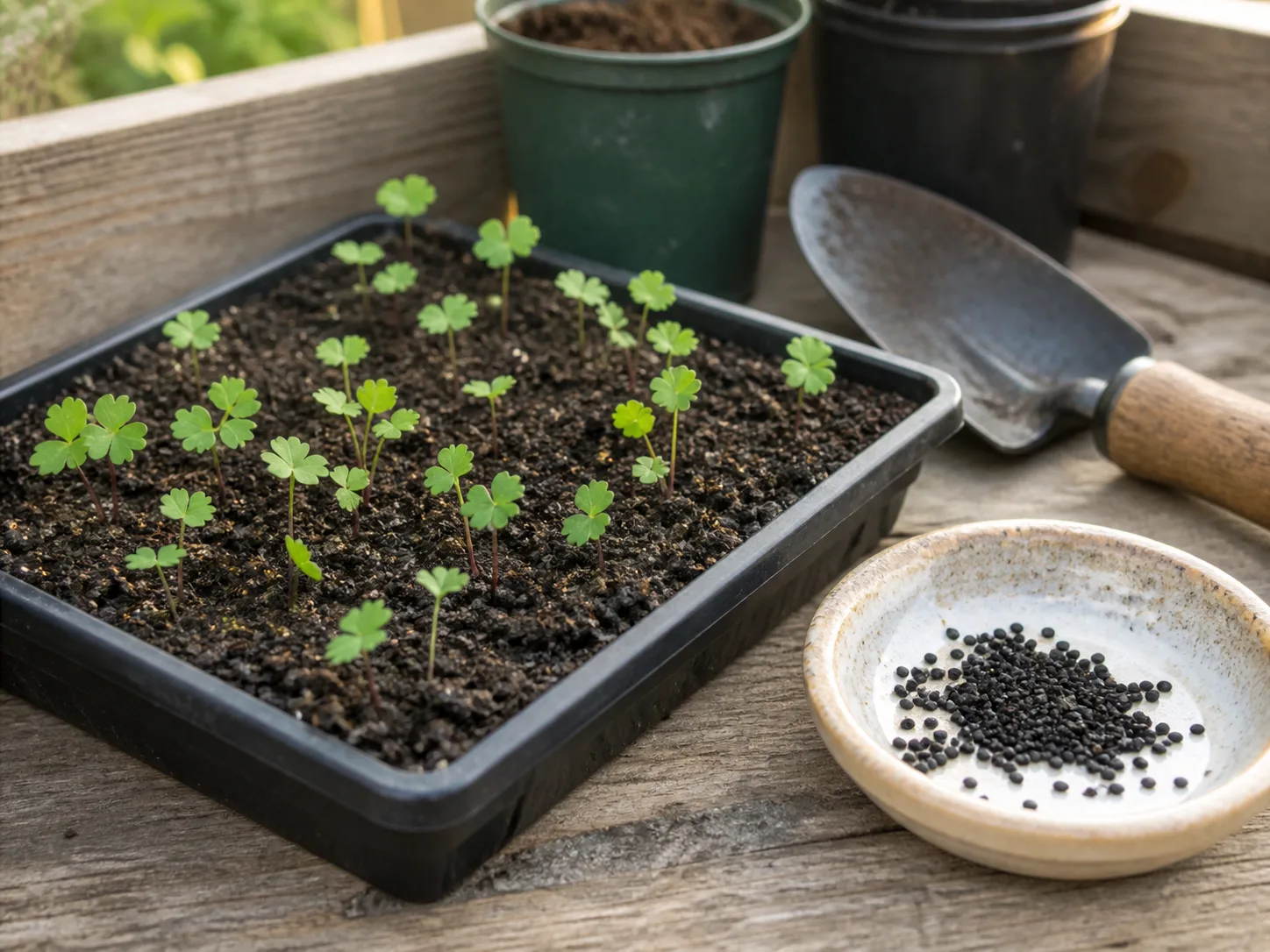
You can also sow outdoors in spring in a prepared, weed-free bed, but mark the row so seedlings are not mistaken for weeds. Thin or transplant starts after they develop enough roots to handle, and keep young plants watered during establishment. Use seed only if you are comfortable with the possibility of variable seedlings and future volunteers; a named cultivar is usually better bought or propagated vegetatively if you want to preserve its traits.
Root Cuttings for a Small Number of Plants
Stem cuttings are useful when you want a few extra plants without waiting for seed or disturbing a large mat. In early summer, take healthy, nonflowering tips a few inches long, remove leaves from the lower section, and insert that bare end into a small pot of airy, well-drained propagation mix. Keep the medium lightly and consistently moist while the cutting roots, not waterlogged.
Place the pot in bright indirect light and shelter it from drying wind. A loose clear cover can slow moisture loss, but vent it regularly so stagnant, wet air does not encourage rot. Once the cutting resists a gentle tug and begins new growth, acclimate it to outdoor conditions and plant it in its permanent sunny site. Do not take cuttings from a diseased or rotting patch; propagation preserves the wrong growing conditions as readily as it preserves a desirable plant.
Use Containers, Walls, and Slopes Carefully
A pot or raised trough can be a good way to display the silver foliage without letting a vigorous mat roam through a border. Use a container with several unobstructed drainage holes and a free-draining mix. Check it more often than an in-ground plant during establishment and summer dry spells, because limited soil volume dries faster. At the same time, never let the pot sit in a water-filled saucer.
On a dry stone wall, keep the plant where falling stems can be trimmed and will not root in a neighboring bed below. On a slope, it can cover bare ground, but do not treat a planting of snow-in-summer as an engineered erosion-control system: surface runoff, slope angle, soil depth, and established roots all affect stability. For a high or eroding bank, combine plants appropriate to the site and use a design that addresses the underlying drainage problem.
Winter exposure is greater in pots than in the ground. A container’s roots experience colder swings, so in severe-winter areas place it in a sheltered position or protect the pot itself while keeping the soil able to drain. If summers are consistently hot and humid where you live, a pot will not make the species climate-proof; select a better-adapted plant instead.
Diagnose Browning and Bare Patches
Start with timing and soil moisture. Brown seedheads after flowering are normal; remove them if you want a tidier patch or fewer volunteers. If leaves brown early in the season, check whether the soil is dry all the way through or, at the opposite extreme, wet and airless. Brown foliage alone does not tell you which problem you have.
When the center is thinning, pull back a small section of the mat and inspect the crown and roots. Firm, pale roots with dry surrounding soil point toward drought stress or an aging center; water deeply if the plant is still establishing, or divide a mature patch. Dark, soft roots and a persistently wet crown suggest rot. Improve drainage and remove compromised material rather than increasing watering or adding fertilizer.
If damage appears mainly during midsummer in a hot, muggy climate, heat and humidity may be the limiting factors even when the soil drains. Reduce overhead watering and crowding, but be realistic: repeated summer collapse is a reason to replace the plant with a species that suits the climate. Pests are not usually the first explanation; look at light, air movement, drainage, and age before treating the patch.
Conclusion
Snow-in-summer is easiest when you give it the conditions it evolved to handle: sun, lean soil, quick drainage, and room to spread. Plant it where the silver foliage and late-spring flowers are useful, not where you need a reliably contained, walkable carpet or a plant that will thrive through a humid summer.
Start with one or a few plants, watch their growth through a full season, and decide whether to let them knit together. Shear after flowering, remove runners at the edge, and divide older patches before the center collapses. If the site stays wet or the climate repeatedly overwhelms the mat, changing plants is a better fix than trying to coax this one through.