How to Grow and Care for Sweet Alyssum
Sweet alyssum care made simple: planting timing, light, drainage, deadheading, reseeding, container care, and fixes for wilting or yellow leaves.
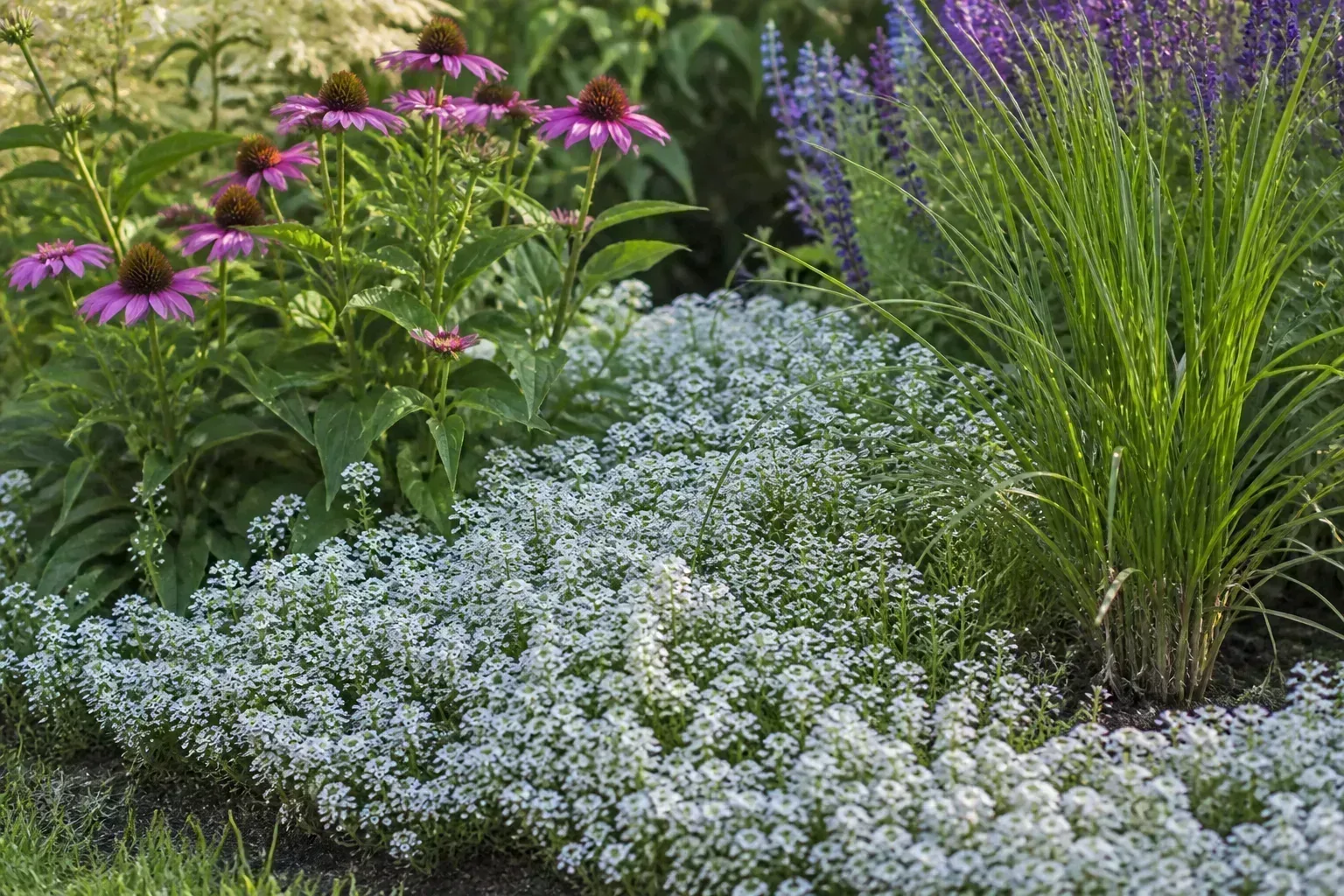
Sweet alyssum (Lobularia maritima) is a low, spreading flower with small four-petaled blooms and a honey-like fragrance. It is useful wherever a garden needs a soft edge: along a path, beneath taller flowers, over a wall, or spilling from a window box. The plant is also forgiving about soil texture, but it is not indifferent to heat, standing water, or planting time.
The most reliable way to grow it is to treat it as a cool-season annual in much of North America: give it sun and fast drainage, keep new seed evenly moist, trim it when it gets tired, and expect a pause during the hottest weather. In mild climates, it may flower for much longer and reseed itself. In cold climates, it may survive a light frost once established but is usually replanted or allowed to return from seed.
What Sweet Alyssum Needs to Thrive
Sweet alyssum forms a compact mat roughly 3 to 10 inches tall, with a wider spread that depends on the cultivar and growing conditions. It is commonly sold as an annual, although its response to winter is more complicated: the species is perennial in some mild climates, while gardeners elsewhere rely on self-sown seedlings or new transplants. NC State Extension describes it as a low-growing plant that tolerates a range of sites when drainage is good. (NC State Extension)
The plant’s small size makes it easy to underestimate its needs. A crowded alyssum edging may stay green in a dim, wet spot but flower poorly. A plant in a hot, exposed container can bloom hard in spring, collapse in July, and recover after a serious cutback only when temperatures moderate. Think of it as a cool-weather flower that handles sun when its roots stay evenly supplied with air and moisture.
Choose the Site: Sun, Shade, and Drainage
Place alyssum where it receives about six to eight hours of light, with an important climate adjustment. In a cool spring, full sun usually produces the heaviest flowering. In a hot, dry summer, morning sun and afternoon shade can extend the plant’s life. The correct question is not “full sun or shade?” but “how much light can this soil or container support without drying the roots every afternoon?”
Match Light to Your Climate
Full sun suits alyssum in cool and moderate conditions. If leaves wilt repeatedly even though the soil dries quickly, move a container to a spot with afternoon protection or add a nearby taller plant that filters late-day heat. Do not put alyssum in deep shade to solve heat stress; it may stop flowering and become open and floppy. Aim for bright light with a cooler root zone.
In coastal, northern, or mild-summer gardens, a sunny border can keep the plant flowering for months. In hot-summer regions, use alyssum as a spring and fall flower, or give it morning sun. The Royal Horticultural Society likewise lists sweet alyssum as a sun-loving plant but notes that planting conditions and moisture affect performance. (RHS)
Prepare Soil That Drains
Alyssum tolerates sandy, rocky, and relatively lean soil better than soggy soil. Work compost into very poor ground, but do not create a rich, water-holding pocket in heavy clay. A raised edge, slope, rock garden, or bed amended for drainage is often better than a low spot that stays wet after rain.
Before planting, dig a small test hole, fill it with water, and watch how quickly it empties. If water remains for hours, improve the bed’s structure or choose a different site. In a container, drainage holes matter more than a gravel layer at the bottom; use a quality potting mix and make sure excess water can leave freely. Missouri Botanical Garden lists Lobularia maritima as a sun-loving, low-growing annual suitable for borders and containers. (Missouri Botanical Garden)
Plant Sweet Alyssum at the Right Time
Plant nursery alyssum after the last expected frost in cold-winter areas, once the soil is workable and nights are no longer sharply freezing. Harden off transplants by placing them outdoors for progressively longer periods over about a week. A tender flat moved straight from a warm greenhouse into freezing wind can stall even when an established plant would tolerate a light frost.
For a long season, sow in succession. Make one sowing in early spring, then another a few weeks later if your spring is cool. In regions with intense summers, sow again in late summer for fall flowers. The best date is the one that gives seedlings cool growing weather, not necessarily the earliest date on the packet.
Start Sweet Alyssum From Seed
Sweet alyssum is one of the easiest flowers to direct-sow because the seeds are small and germinate at the soil surface. Do not bury them deeply. The seed needs light, moisture, and firm contact with the growing medium.
Direct-Sow Outdoors
- Clear the bed of weeds and rake the surface level.
- Scatter seed thinly over damp soil. Press it gently into the surface instead of covering it with a thick layer.
- Mist or water with a gentle rose so the seed does not wash into a pile.
- Keep the surface consistently moist until seedlings emerge, then water more deeply as roots develop.
- Thin crowded seedlings so air can move between plants and each seedling has room to spread.
The goal is not a perfect row. Alyssum looks natural when scattered along an edge, but dense clumps stay wet inside and are more likely to decline. Mark the sowing area because the seedlings are easy to mistake for weeds during their first stage.
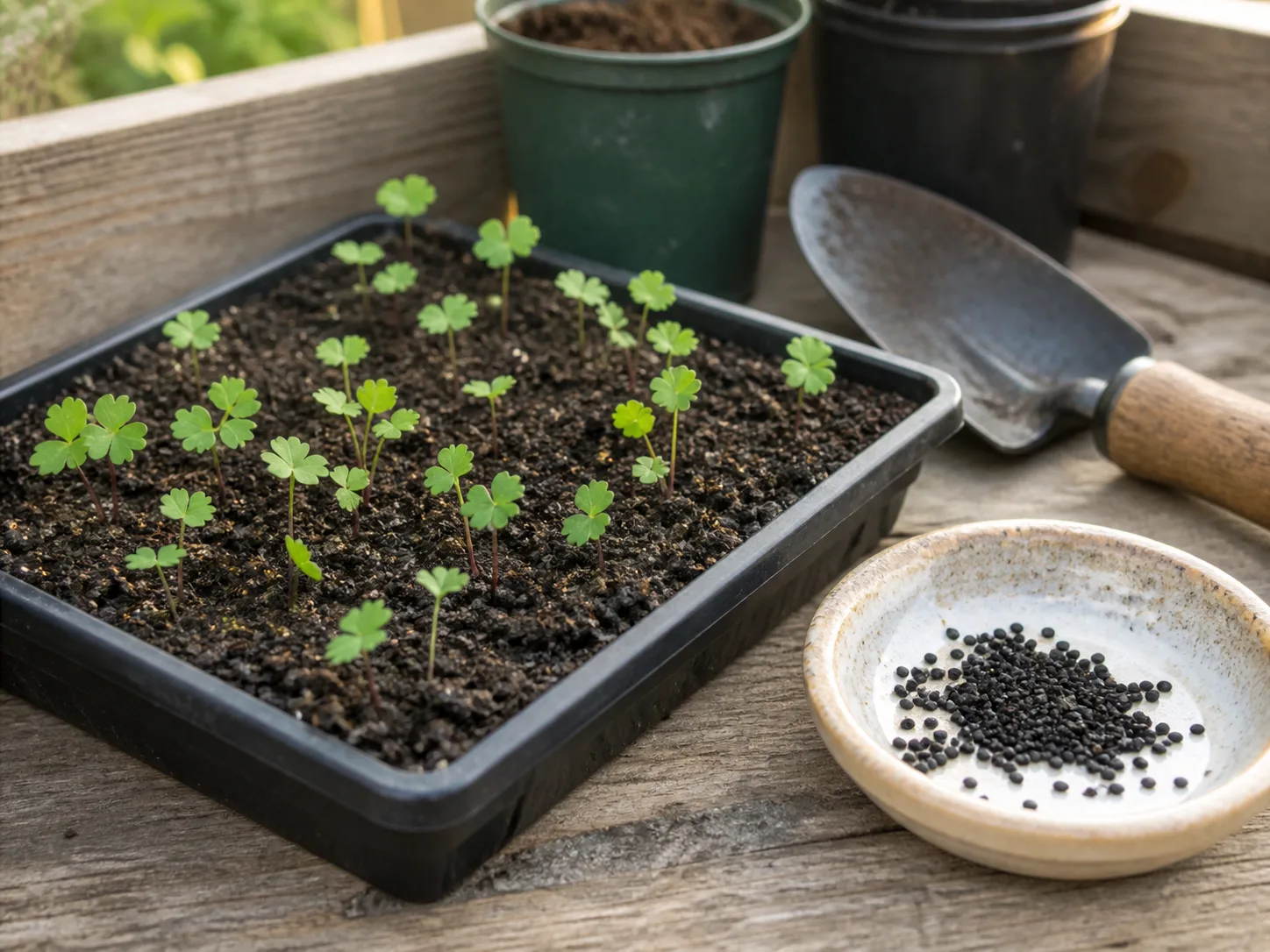
Start Seeds Indoors
Sow indoors about four to six weeks before your local planting window. Use clean seed-starting mix in a tray with drainage, moisten the mix before sowing, and press the seeds onto the surface. Covering them with vermiculite or potting soil can reduce germination. Give them bright light and good air movement after they emerge.
Transplant when seedlings have several true leaves and outdoor conditions are suitable. Lift them by the leaves rather than the fragile stems, disturb the roots as little as possible, and water them in. A little transplant shock is normal. If seedlings stretch, move the light closer or increase brightness; leggy plants often flop when planted outdoors.
Watering and Feeding Without Excess
Water new seed beds often enough to keep the surface from drying. Once plants are established, water when the top inch of soil feels dry and the plant is not receiving enough rain. A thorough drink is better than frequent shallow sprinkles, but stop when water begins to pool.
There is no universal “once a week” schedule. A sunny container may need water every day in a heat wave; a cool bed in clay may stay wet for several days. Check the soil, the pot’s weight, and the weather together. If leaves wilt in dry soil, water at the root zone. If leaves wilt while soil is wet, adding water is the wrong first move—inspect drainage and roots.
In-ground alyssum usually needs little fertilizer when planted in reasonably fertile soil. Too much nitrogen produces soft leaves and fewer flowers. Container plants lose nutrients through repeated watering, so feed during active growth with a diluted, balanced fertilizer according to the product label. Fertilize moist soil, not bone-dry roots, and stop feeding a stressed or heat-dormant plant until it resumes growth.
Grow Alyssum in Containers and Baskets
Alyssum is an excellent container “spiller,” especially with upright plants that have similar light and watering needs. Choose a pot with drainage holes, fill it with potting mix rather than garden soil, and leave space below the rim for watering. A window box or hanging basket dries faster than a bed, so check it more often.
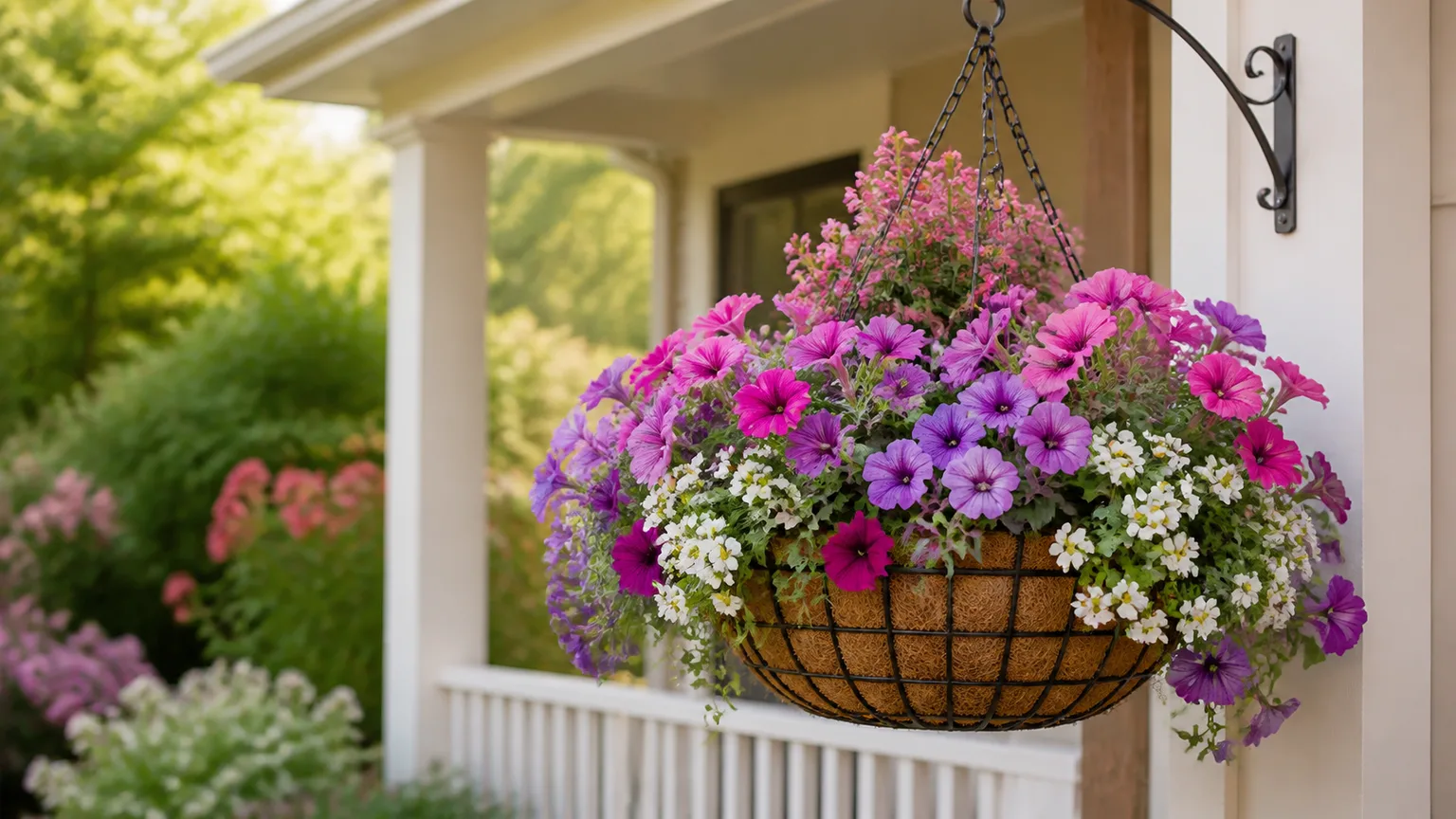
When combining plants, avoid pairing alyssum with a thirsty plant that demands constantly wet soil or with a vigorous plant that will bury it in shade. Petunias, compact marigolds, calibrachoa, and other sun-loving annuals can work if the container drains well. Space alyssum near the edge so its stems can trail rather than being pinched beneath the centerpiece.
If a container becomes root-bound or dries out within hours, refresh it in spring or move it to a larger pot. Do not jump from a small pot to an oversized one: excess wet mix around a small root ball dries slowly and raises the risk of rot.
Keep Flowers Coming With Trimming
Deadheading is optional but useful. Pinch or snip spent flower clusters when you want a tidier edge and more energy directed toward new buds. For a large drift, wait until flowering has clearly slowed and shear the plants back by about one-third. Water afterward if the soil is dry, then wait for fresh growth.
Do not shear a severely wilted plant and leave it in bone-dry soil. Rehydrate the root zone first. Likewise, do not keep cutting a plant that is declining in waterlogged soil; pruning cannot repair root damage. Clean, sharp scissors reduce tearing and make it easier to remove the whole tired portion without pulling neighboring plants.
Let some flowers mature if you want self-sown seedlings. The trade-off is appearance: seed set can make a border look less manicured, and seedlings may appear in cracks or outside the intended bed. In warm regions, check whether local invasive-plant guidance recommends removing seed heads. California lists Lobularia maritima as an invasive plant of concern in some habitats, so regional behavior matters. (California Invasive Plant Council)
Choose Varieties for Fragrance, Color, or Heat
Most sweet alyssum cultivars are white, lavender, pink, or mixtures of those colors. Choose a compact mound for a formal edge, a trailing type for a basket, or a vigorous type when you want it to knit bare soil quickly. Cultivar names and performance vary by seed supplier, so read the packet for mature spread and heat tolerance rather than assuming every alyssum behaves the same.
White-flowered forms often make the fragrance easiest to notice at dusk, while purple and pink cultivars add stronger color among foliage. A heat-tolerant hybrid may keep flowers longer in summer, but “heat tolerant” does not mean it can survive waterlogged soil or a sealed container. The site still controls the outcome.
Plan for Summer, Frost, and Self-Sowing
Expect the plant to slow or stop flowering during prolonged heat. That is not automatically a disease. If foliage is mostly healthy and temperatures are high, cut the plant back by one-third, keep it watered when the soil dries, and wait for cooler weather. Many plants resume growth and bloom in fall.
Established alyssum can tolerate brief light frost, but young transplants are more vulnerable. Cover them when a late freeze is forecast, or delay planting. In mild regions, leave some plants in place and see whether they overwinter. In colder regions, clear dead material in late winter while leaving a few seed-bearing stems if you want volunteers.
Troubleshoot Wilting, Yellow Leaves, and Few Flowers
Wilting in Hot Weather
Feel the soil before watering. Dry soil plus limp leaves points to thirst or a container that has become too small. Wet soil plus limp leaves points to poor drainage, root stress, or heat damage that watering will not solve. Move a container out of harsh afternoon sun, improve drainage, and remove only the most damaged growth.
Yellow Leaves or Mushy Stems
One old yellow leaf may be normal aging. Several yellow leaves, a heavy pot, sour-smelling mix, or mushy stems suggest excess moisture and possible crown or root rot. Pause watering, confirm that drainage holes are open, and inspect the root zone if decline continues. Healthy roots should be firm; dark, soft tissue should be removed before repotting into fresh, airy mix.
Aphids and Leaf Disease
Aphids can cluster on tender tips and flower stems, especially when plants are stressed. Knock small populations off with a firm water spray and monitor new growth. If they persist, use insecticidal soap according to its label and avoid spraying during heat or when pollinators are actively visiting flowers. UC IPM recommends starting with monitoring and low-impact control rather than reaching immediately for broad-spectrum insecticides. (UC IPM)
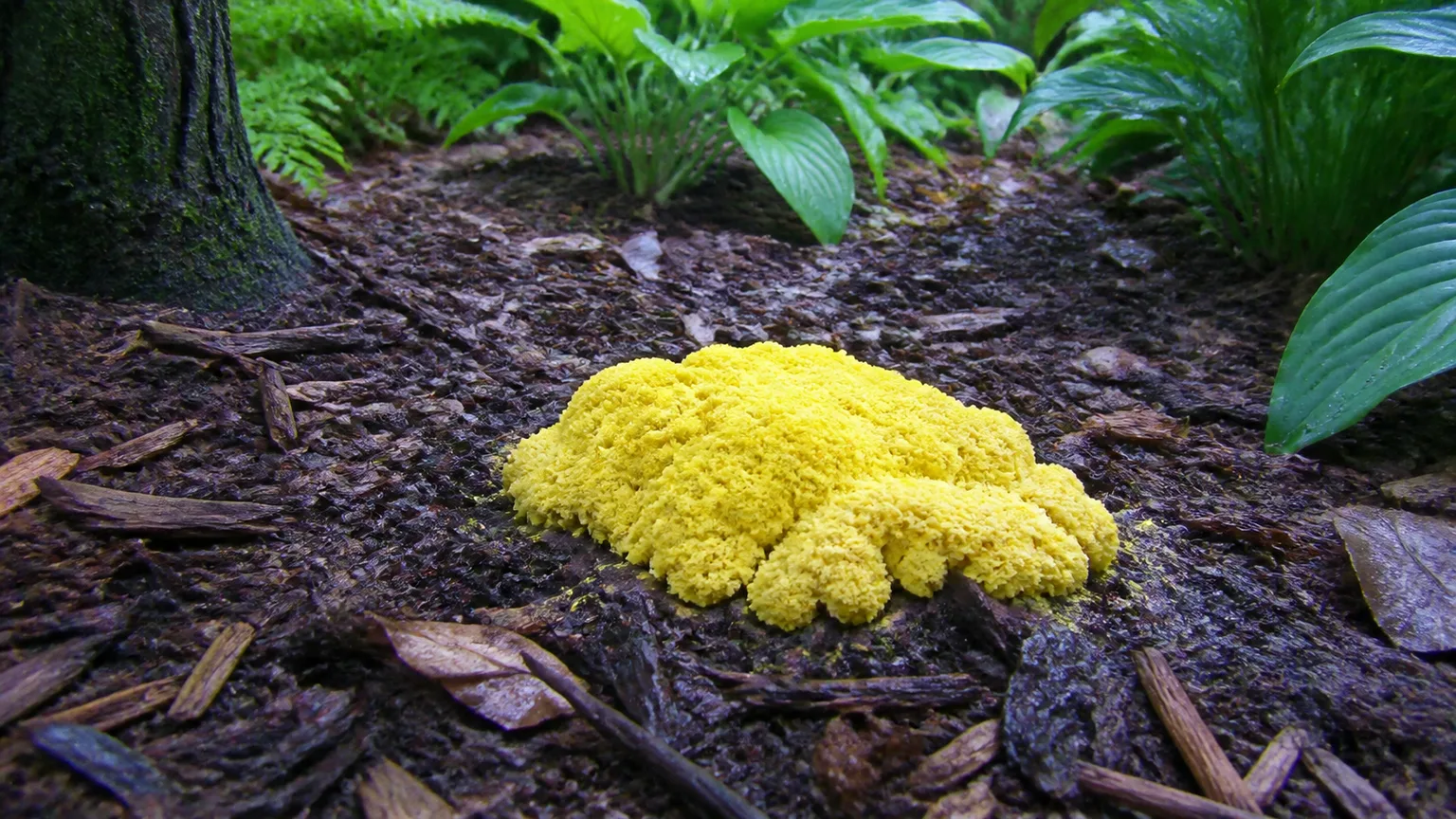
Downy mildew and other leaf diseases become more likely when foliage stays wet, plants are crowded, and air movement is poor. Water the soil in the morning, thin dense growth, and remove badly affected debris. Do not compost diseased material unless your compost system reliably reaches temperatures that destroy pathogens.
| What you see | First check | Practical next action |
|---|---|---|
| Limp plant, dry soil | Root-zone moisture | Water deeply, then improve container size or shade |
| Limp plant, wet soil | Drainage and roots | Stop watering; inspect the root zone |
| Few flowers, lush leaves | Too much nitrogen or too little light | Increase light and pause heavy feeding |
| Yellow lower leaves | Age, wet soil, or stress | Check the whole plant and pot moisture |
| White film or declining leaves | Humidity and airflow | Space plants, water at soil level, remove debris |
| Sticky tips or clusters of insects | Aphids | Rinse, monitor, then use labeled insecticidal soap if needed |
A Simple Sweet Alyssum Care Routine
At planting, choose a bright site with fast drainage and sow seed on the surface. During establishment, check moisture daily rather than trusting a calendar. Once plants spread, water deeply when the soil begins to dry, remove weeds that crowd the mat, and trim spent growth when flowering slows.
In a heat wave, protect containers from late-afternoon exposure and accept a temporary bloom pause. In fall, cut back tired plants, reseed a few flowers if your climate permits, and remove volunteers where they do not belong. This routine is more reliable than constant feeding or daily misting because it responds to the plant’s actual bottlenecks: light, oxygen at the roots, and seasonal temperature.
Conclusion
Sweet alyssum rewards a simple, observant approach. Give it bright light, soil that drains, steady moisture while young, and enough room for air to move. Start seed shallowly, trim tired plants instead of discarding them at the first summer lull, and decide deliberately whether self-sown seedlings belong in your garden. When the plant wilts, check the soil before adding water; when it stops blooming, check heat, light, and fertilizer before blaming the seed. Those small decisions are what turn a short flush of flowers into a dependable fragrant edge or container spiller.