How to Keep Wasps Away From Your Pool Safely
Learn why wasps visit pools and follow a safe, practical plan for food cleanup, pool covers, traps, fans, nest checks, and sting response.
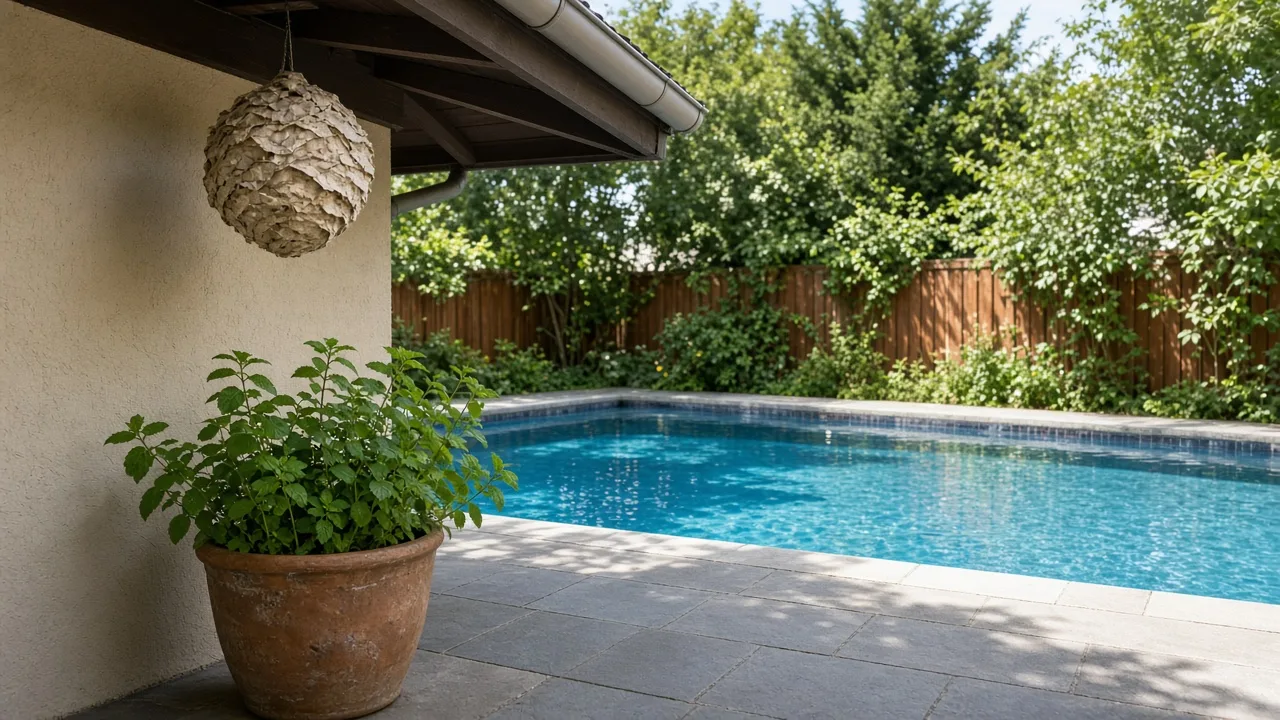
If wasps are circling the pool, start by removing the reasons they have to stay: cover food and drinks, wipe sticky spills, close trash and recycling, and cover the water whenever nobody is swimming. During the swim itself, keep a single wasp from becoming a panic event—stay still, do not swat, and move indoors slowly if several insects begin flying defensively.
The best long-term fix depends on what you are seeing. A few insects dipping into the water call for sanitation and access changes; a steady stream from one hole, eave, wall, or tree indicates a nest that should be assessed from a distance. Traps, fans, decoy nests, and scents can be supporting tools, but none is a substitute for professional help when the colony is close to swimmers or someone in the household has a serious sting allergy.
The safest first response for today’s pool day
Pause the activity long enough to make the deck less rewarding. Put drinks in lidded cups, move fruit and grilled food indoors or into sealed containers, rinse soda cans before placing them in a closed recycling bin, and wipe tables, rails, and the coping where a splash may have dried. Do not leave pet food, meat scraps, sticky wrappers, or a full trash bag beside the pool.
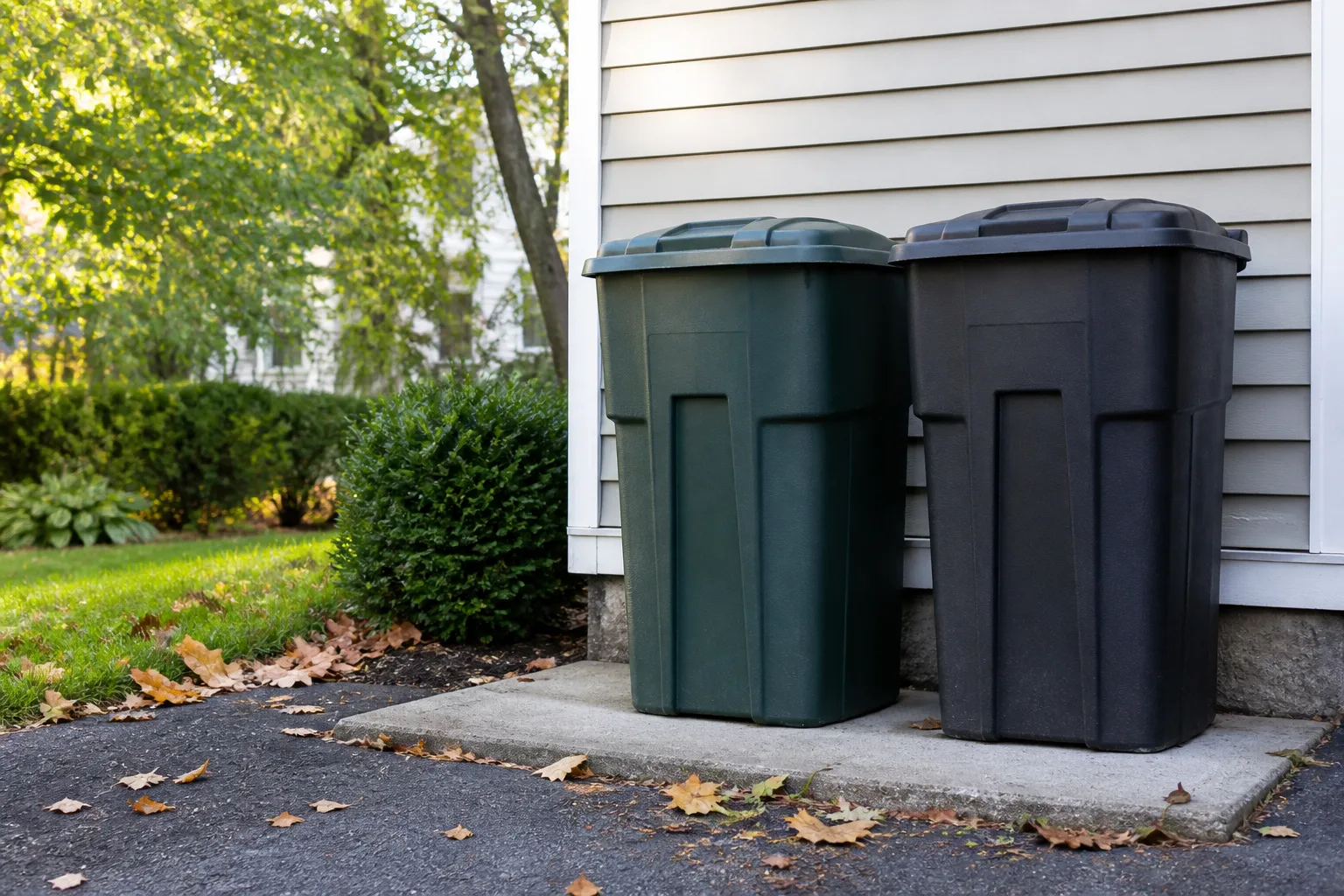
If wasps are landing on the water, use a pool skimmer to remove them only when you can do so without leaning into a cloud of insects or disturbing a nearby nest. A skimmer is a cleanup tool, not a reason to chase or strike at flying wasps. If the pool is not in use, cover it with a properly fitted cover and remove any water that accumulates on top according to the cover manufacturer’s instructions.
For one wasp near a person, the safest move is usually quiet stillness. The CDC’s outdoor-worker guidance says swatting can provoke a sting; if several stinging insects attack, go indoors or to shade rather than jumping into the pool, because insects may continue hovering above the water (CDC/NIOSH guidance on stinging insects).
Why wasps visit pool areas
Pool decks combine several resources that wasps can use during warm weather. Open water is easy to reach, food and drink are often present, and the surrounding garden may offer flowers, ripe fruit, insects, shelter, or a place to build a nest. A pool is not necessarily the cause of the problem; it may simply be the most visible stop on a regular foraging route.
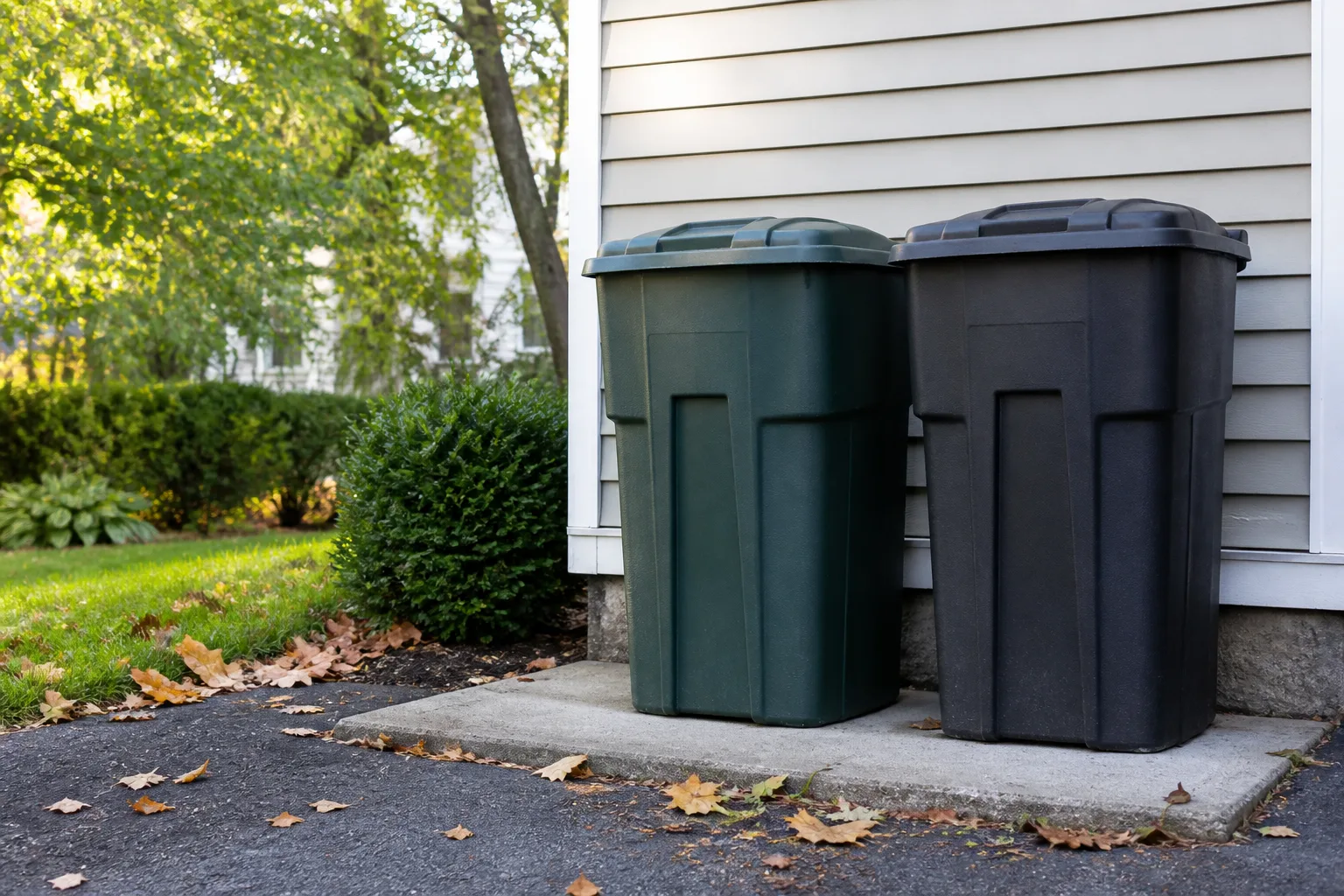
Pool-specific pest guidance also points to sticky food residue, sugary beverages, scented personal products, and open waste as reasons wasps stay close to outdoor entertaining areas (poolside wasp-prevention guidance from Proof Pest Control). Think of prevention as removing a menu and a drinking fountain at the same time. If you eliminate only one, the insects may keep visiting for the other.
Water is a resource, not proof of a nest
Wasps may land on a pool surface to drink, especially on hot days, and some may carry water back to a colony. That behavior does not tell you where the nest is or how large it is. Adults can travel from a nest elsewhere in the yard, a neighboring property, a tree, an eave, a wall void, or an underground cavity.
This distinction matters because draining or chemically altering a pool to solve a wasp problem is usually an extreme response with its own cost and safety implications. First make the pool unavailable when it is not being used, then watch where the wasps go when they leave the water. If they repeatedly disappear toward one hedge, roofline, crack, or ground hole, you have a more useful lead than the fact that they were drinking.
An alternate shallow water dish can sometimes shift a foraging route, but it is not a proven way to make a pool area wasp-free. It also creates a new place where wasps congregate, and the dish must be kept away from swimmers, children, pets, doors, and eating areas. Treat it as a controlled experiment only after the main pool is covered when idle and the new water source is positioned at the far edge of the property.
Food, fragrance, and landscape cues add the pull
Food often explains why wasps move from the pool to the people. Sugary soda, juice, fruit, ice cream, barbecue sauce, and ripe or fallen fruit can all reward close approaches. Some yellowjackets also scavenge meat, dead insects, pet food, and refuse. The University of Minnesota Extension’s yellowjacket profile notes that activity can include feeding on injured or overripe fruit later in the season.
Fragrance and color are secondary clues, not a complete explanation. Bright clothing can resemble flowers at a distance, while perfumes, floral lotions, scented hair products, and sweet-smelling sunscreen can add another scent for an insect to investigate. The New York State Department of Health’s sting-prevention guidance recommends covering outdoor food and drinks, avoiding bright clothing and strong scents, and wearing closed-toe shoes.
The landscape can contribute too. Flowering plants, fruit trees, aphid colonies, spider webs, and sheltered eaves may all support wasp activity without meaning you should remove healthy habitat. Wasps prey on many garden pests and some visit flowers, so focus changes on the narrow zone where people swim and eat instead of trying to sterilize the entire yard.
Identify the wasp problem before choosing a fix
“Wasp” covers several kinds of insects with different habits. Paper wasps commonly build open, exposed combs beneath eaves and overhangs. Yellowjackets often use underground cavities, though they can also occupy wall voids, attics, cracks, or other protected spaces. Bald-faced hornets build large enclosed paper nests above ground.
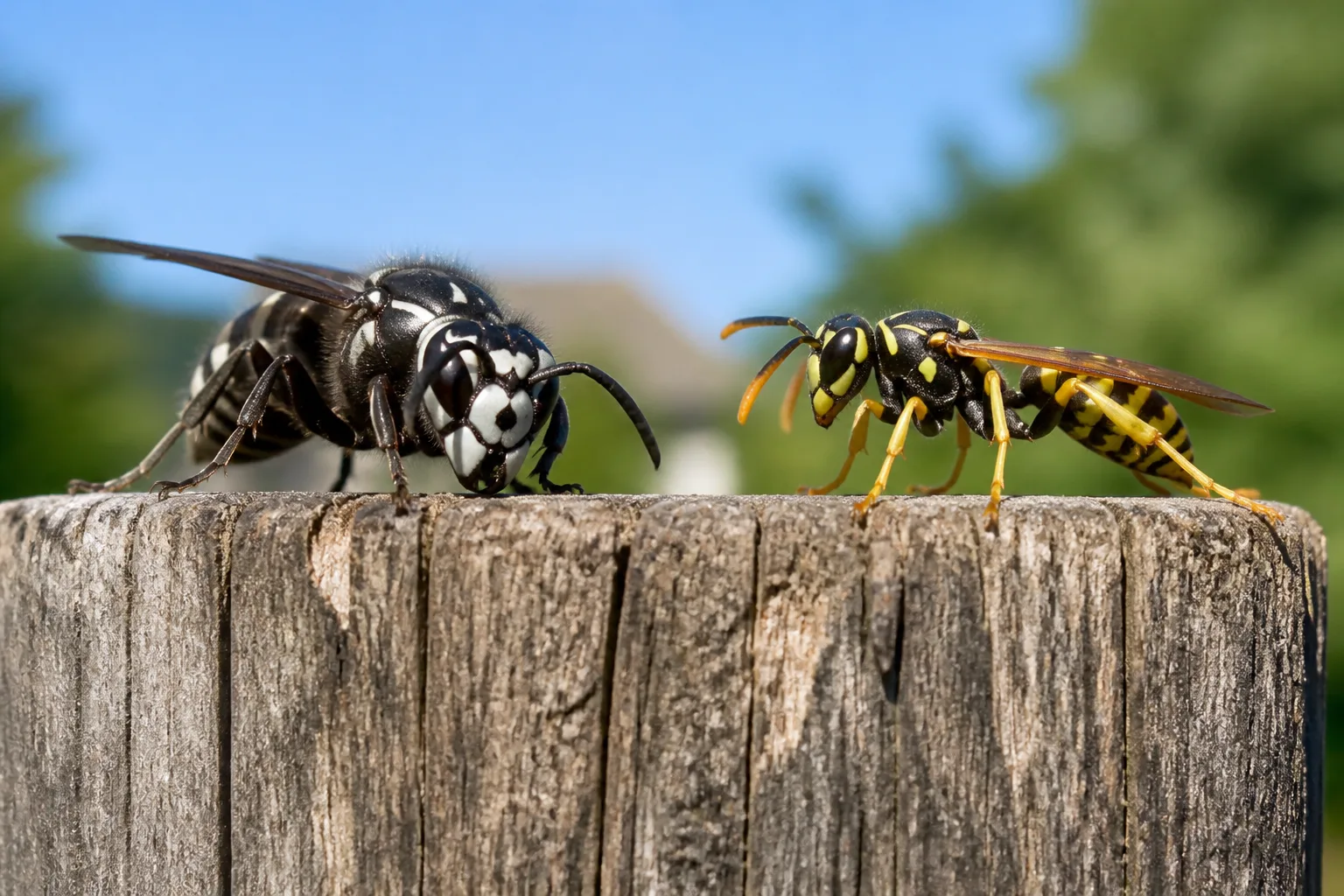
The Penn State Extension overview of common social bees and wasps explains the practical safety distinction: social wasps can defend a nest and females can sting repeatedly, while many wasps encountered away from their nest are not looking for a fight. Late summer and fall can bring more defensive behavior as food becomes scarce and colonies reach their seasonal peak.
What the nest location tells you
An occasional wasp with no consistent flight direction is usually a foraging problem first. Focus on food, water access, trash, fragrance, and the pool’s operating schedule. A repeated flight line to one location is different: it suggests the insects have a home base that may keep replenishing the traffic.
From a safe distance in daylight, look for a small open comb under a roof edge, a papery enclosed nest in a tree or soffit, or workers entering a hole in soil, a retaining wall, pool equipment housing, or siding. Do not tap walls, poke holes, lift lids, dig, or stand directly beneath a nest to get a better look. Photographing from a distance and marking the location on a simple yard sketch is enough for a pest professional to start.
Remove food and drink attractants
Make cleanup a pool routine rather than a once-a-week project. Before swimmers arrive, empty yesterday’s cups, rinse sticky residue from the table, check under loungers for fruit or wrappers, and close every lid. During a gathering, keep food covered between servings and wipe a spill as soon as it happens; a dried ring of juice can continue to advertise the area after the drink itself is gone.
Separate the eating zone from the swimming zone when you can. A table at the far side of the yard gives wasps a place to investigate without bringing them across wet swimmers, towels, and pool toys. It also makes it easier to keep food and trash contained. If wasps are concentrated around a grill or compost area, solve that hotspot instead of adding more repellent beside the pool.
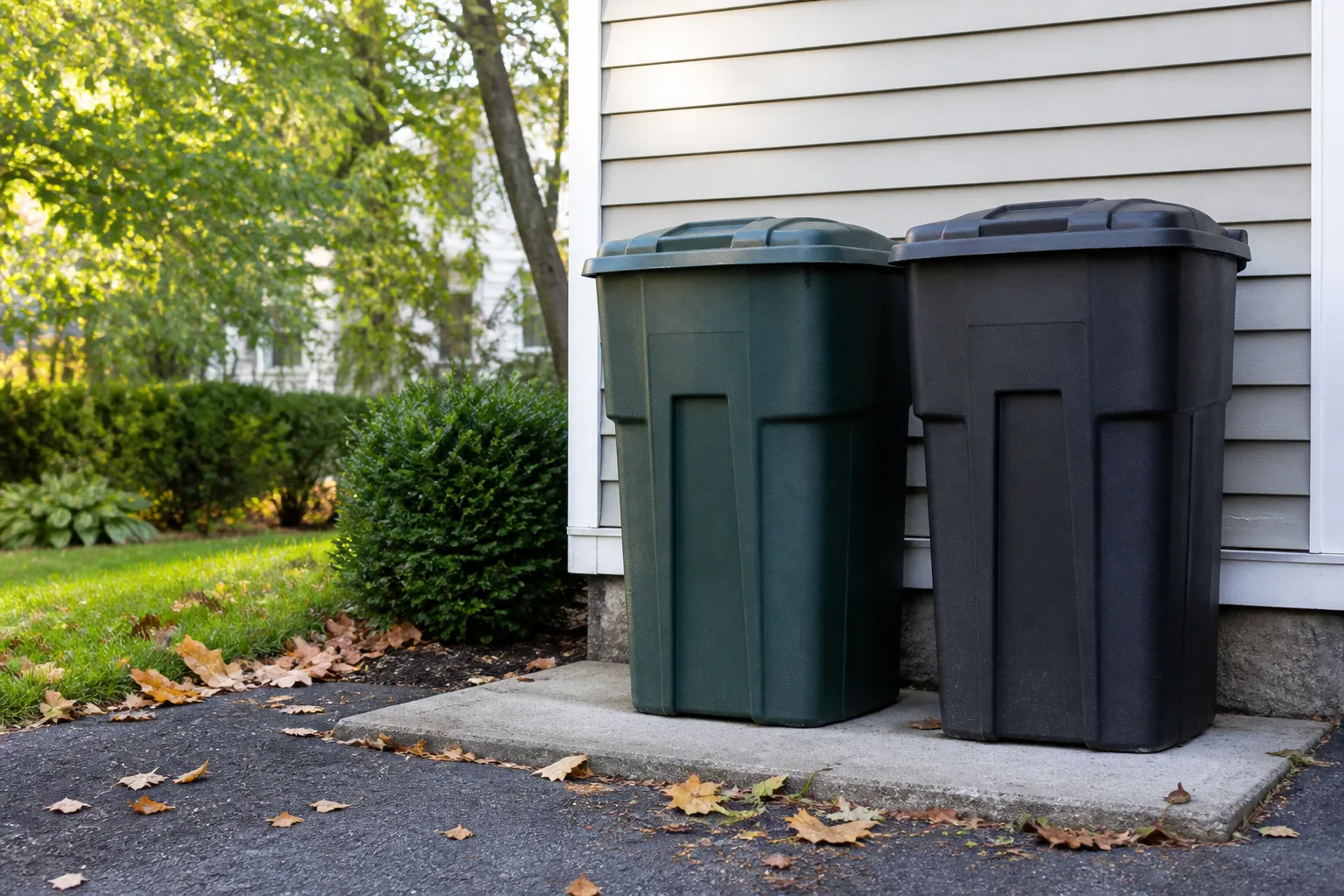
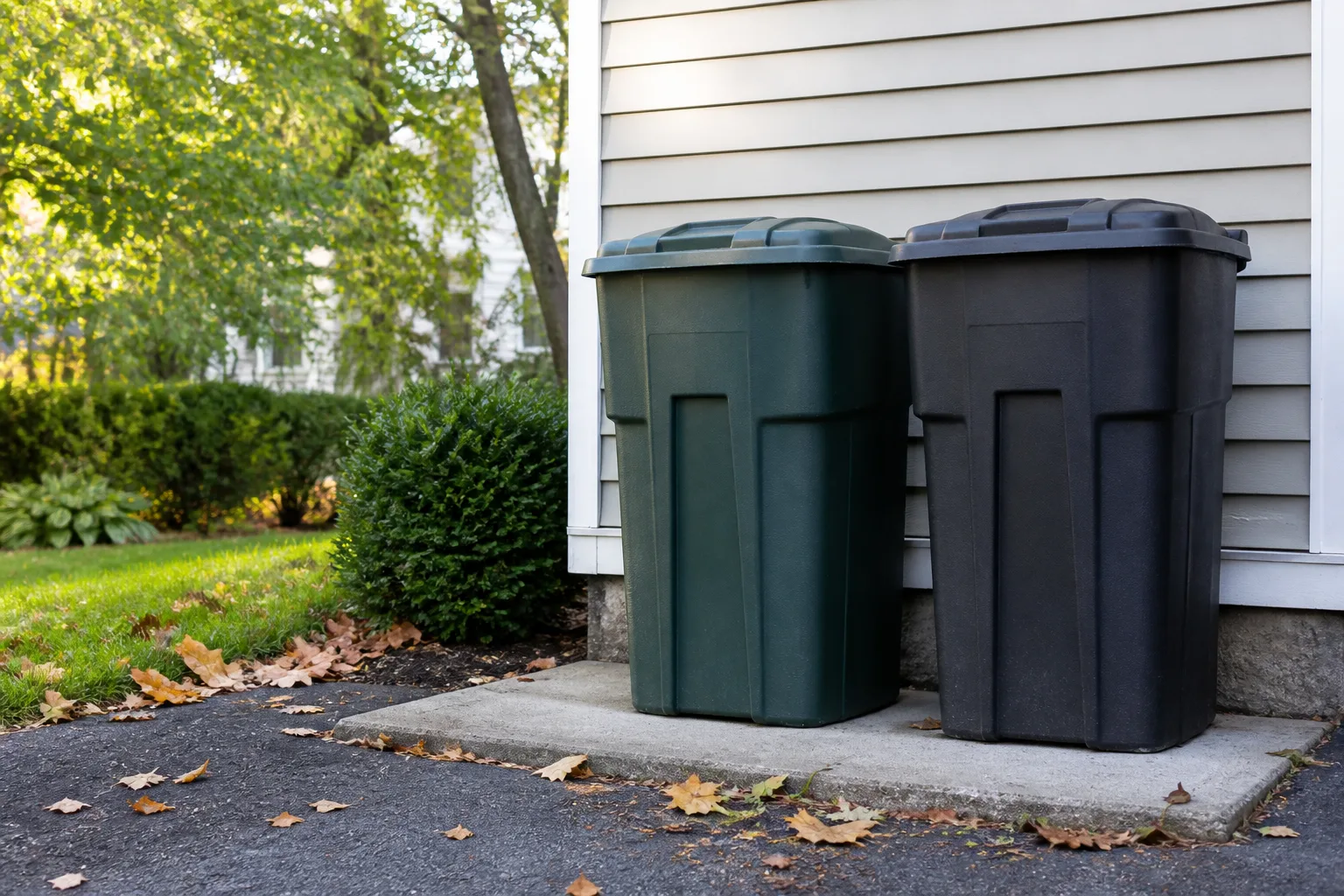
Keep trash and recycling containers closed, clean, and farther from the pool than the seating area. Empty cans and bottles promptly, rinse residue from recycling when local rules allow, and do not let meat packaging or pet food sit outside overnight. Pick up fallen peaches, grapes, plums, berries, or other soft fruit around the yard; BBC Gardeners’ World’s wasp guidance highlights how quickly wasps exploit damaged soft fruit.
Do not apply insecticide, essential oil, vinegar, or another homemade substance to the pool water, skimmer, floats, towels, or food-contact surfaces. A product that smells unpleasant to an insect is not automatically safe for swimmers, pets, pool finishes, filters, or beneficial insects. Keep the intervention at the source of attraction and follow a product label if you use a labeled outdoor treatment for a separate, appropriate target.
Block access to the water
A pool cover is most useful during the hours the pool is idle. It removes the visible water surface and keeps insects, leaves, and other debris out, but it does not remove nearby food or a nest. If wasps continue to gather on the deck while the pool is covered, the water was only one part of the attraction.
Use a cover that is designed for the pool and keep it taut, secure, and free of unsafe puddles. Do not improvise with a loose sheet that can become a tripping or entrapment hazard. Keep children and pets away while the cover is being installed or removed, and do not assume a covered pool is safe for unsupervised access.
If the pool is used daily, cover it after the last swim rather than leaving it open overnight. Record whether the number of insects drops after two or three covered periods. A simple observation can prevent you from spending money on a trap when the main improvement would have come from changing the pool’s open hours.
Is a separate water station worth trying?
Usually, it is a last-tier experiment rather than the first fix. A shallow dish with stones or a stable landing surface can offer water away from swimmers, but it may also concentrate wasps in a different part of the yard. Never place it beside a path, door, play space, pet bowl, garden bench, or outdoor meal.
If you try one, place it at the outer edge of the yard, well away from the pool, and keep it consistent rather than moving it closer to people when the first location fails. Cover the pool while the station is available so the insects have a reason to switch. Stop the experiment if activity increases near the house, if the dish attracts pets, or if you cannot maintain it without creating standing-water or sanitation problems.
Use traps away from the pool
Traps can reduce the number of foraging yellowjackets in a particular area, but they are not a boundary that keeps every wasp away. Their bait is meant to attract insects, so placing one beside a lounge chair, pool ladder, grill, or drink table can make the exact area you want to protect more active.
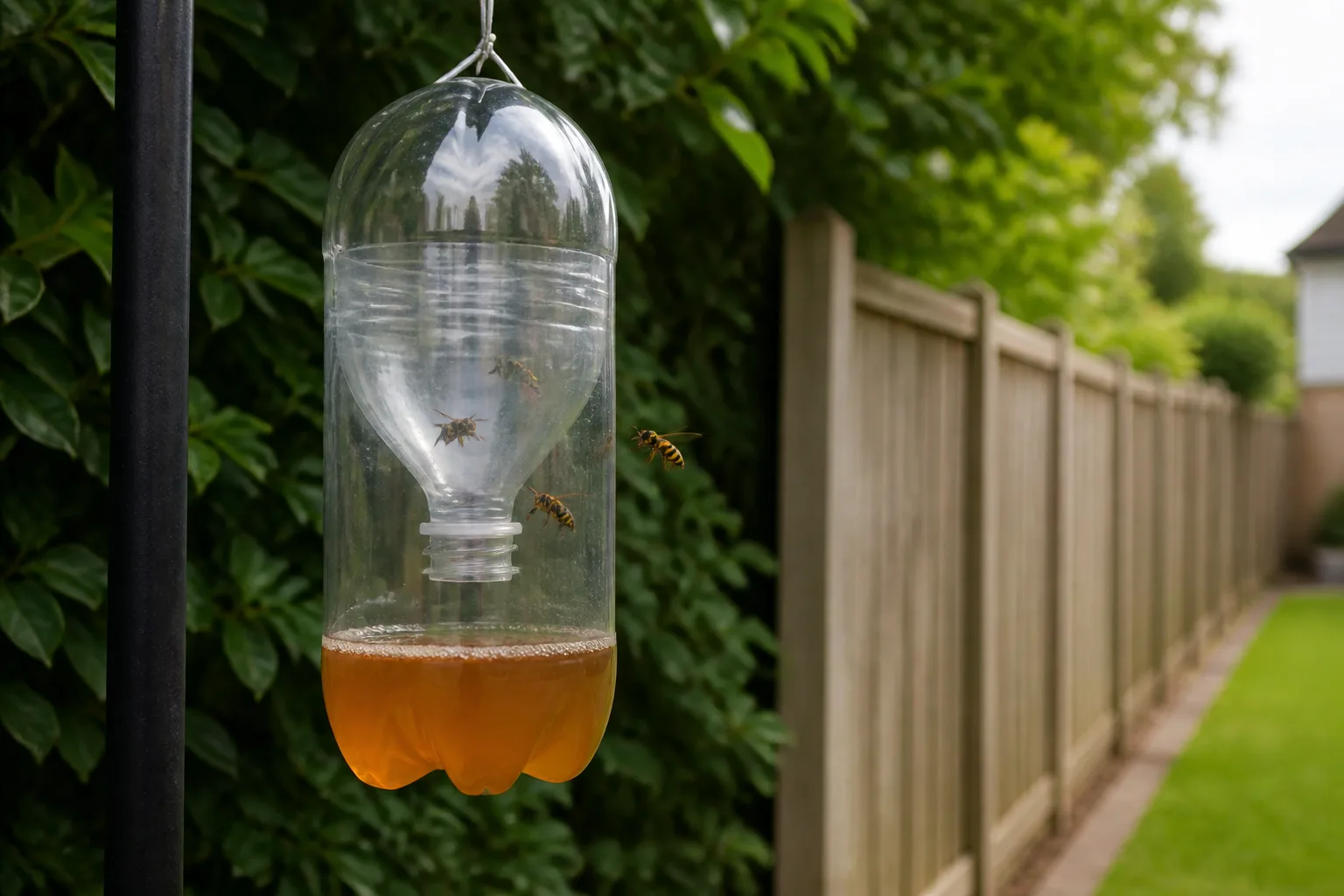
Position a commercial trap at the edge of the property or along the observed approach route, with the opening directed away from the poolside gathering zone. Keep it out of reach of children and pets, secure it against wind, and follow the product label for hanging height, bait, inspection, and disposal. Replace or empty it as directed; a neglected trap can become a foul waste container rather than a useful control layer.
For a homemade trap, the same placement rule matters more than the bottle design. Use a contained setup only if you can inspect it without approaching a nest, and do not leave raw meat, sugary liquid, or soap water open beside the pool. Attractants belong at a distant control point, not on the table where people eat.
Choose bait for the season and the food source
Match the bait to what the insects are already seeking. If they are hovering around soda, fruit, or sweet spills, a labeled sweet lure may be more relevant. If they are following a grill, meat scraps, or refuse, a protein-oriented lure may be more relevant. Read the trap label because lure types, replacement intervals, and target insects vary.
Do not assume a trap proves that the entire colony is nearby or that catching a few insects will solve a nest problem. Some yellowjackets are valuable predators of caterpillars, aphids, and flies, and a trap can catch non-target insects. Use one only where the wasps create a genuine conflict, and keep it far enough from the pool that the control method does not become the attraction.
Add airflow and change the layout
An outdoor-rated fan can make a seating area less comfortable for flying insects by disrupting their approach and making landings harder. Place it so the airflow crosses the chairs or table, not so it blows food, loose napkins, or pool chemicals around. Keep cords, plugs, and the fan itself away from splashing water, and use equipment intended for outdoor conditions.
A fan is a people-protection layer, not a nest treatment. It loses value when the air is already gusty, when the problem is a ground nest beneath the deck, or when the insects are attracted to a spill at your feet. Turn it on during meals or swim breaks, observe whether activity shifts, and stop relying on it if wasps continue to land or if it creates a new electrical or trip hazard.
Change the layout to reduce overlap between people and wasp routes. Move the drink table out of the direct path between a flowering bed and the pool, place trash farther from the deck, and shift loungers away from roof edges or dense shrubs where insects repeatedly appear. Moving furniture is useful because it changes where people are standing while you observe the route; it is not a magic way to erase an insect’s memory.
Treat decoy nests and scents as optional
A paper-bag or purchased decoy nest is easy to test early in the season, particularly under a covered porch where paper wasps might otherwise inspect an overhang. Gardening Know How describes decoys as one part of early spring wasp-proofing, alongside cleanup and keeping trash closed (early-season wasp-proofing guidance).
The limitation is important: a decoy is not a dependable territorial barrier. Penn State Extension notes that there is no clear evidence that decoy nests prevent paper wasps or yellowjackets from nesting, and nests can occur close to one another. It will not address a ground nest, a wall colony, or wasps that are simply visiting your pool for water.
Strong-smelling remedies deserve the same skepticism. Gardening Know How discusses peppermint, eucalyptus, clove, and vinegar as ways some gardeners try to discourage wasps, but the effect is temporary and difficult to measure (discussion of scents used around wasps). Never rub essential oils on skin before swimming, spray them into the pool, or use concentrated oils around children, pets, or plants without checking their safety. If sanitation and a cover work, keep the setup simple rather than layering on a scent that adds exposure and maintenance.
Find the nest—and know when not to touch it
The safest nest inspection is an observation exercise. Watch from indoors or from the far side of the yard during daylight, note the entrance or flight line, and keep everyone away from the area. A nest beside the pool gate, under a chair, in pool-equipment housing, beneath the deck, or inside a wall deserves a lower tolerance for DIY experiments because ordinary swimming and maintenance can disturb it.
Ground nests are especially easy to miss. The Contra Costa Mosquito and Vector Control District describes ground-nesting yellowjackets as aggressive toward people and advises contacting a service rather than approaching the nest. If your local agency offers inspection or treatment, follow its instructions exactly; do not spray, flood, dig, or disturb the entrance before the technician arrives.
Call a licensed pest professional when the nest is large, enclosed, underground, high, inside a wall or roof, close to a doorway or pool path, or producing repeated defensive flights. The same applies when a resident or frequent guest has a history of severe allergic reactions. A professional can identify the insect, choose a treatment that fits the nest structure, and account for nearby pool equipment, people, pets, and runoff.
Never pour gasoline, diesel, kerosene, or another flammable liquid into a nest hole. NC State Extension specifically warns that petroleum treatment is extremely hazardous and environmentally unsound (NC State guidance on yellowjackets in turf). Do not burn a nest, seal an active wall entrance, or climb a ladder while trying to spray. The safest control method is the one that does not turn a nuisance into a swarm around the pool.
Keep people safe while you manage wasps
Teach swimmers one simple rule: do not slap at a wasp. If one insect is flying nearby, pause, keep hands still, and walk slowly toward shade or indoors. Avoid loose clothing that can trap an insect against skin, wear shoes around the deck and grass, and skip strong fragrance during a pool gathering. Keep food covered until it is being eaten and check cups before drinking.
If several wasps begin attacking, leave the area quickly and go indoors. Do not jump into the water, wave towels, or wait beside the pool for the insects to disperse. Once everyone is safe, close the room or door behind you, identify where the insects came from only from a distance, and keep the area closed until the source is assessed.
If someone is stung
For a typical local reaction, move away from the insect, wash the area with soap and water, apply a cold pack wrapped in cloth, and avoid scratching. The CDC/NIOSH first-aid guidance recommends washing the site, applying ice for swelling, and not scratching because scratching can increase irritation and infection risk (CDC/NIOSH first-aid guidance). Follow a person’s existing allergy action plan and medication instructions rather than improvising a dose.
Watch closely for trouble breathing, swelling of the face or throat, fainting, widespread hives, or a rapidly worsening reaction. These can indicate anaphylaxis, which requires immediate emergency care; the New York State Department of Health advises calling 911 for serious symptoms such as difficulty breathing, facial or throat swelling, or fainting (New York State sting-prevention guidance). When in doubt about a severe reaction, treat it as an emergency.
A seven-day pool reset plan
Use a short reset to learn which factor is keeping the wasps around. Change one major variable at a time and write down the time of day, weather, number of insects, where they land, and where they fly when they leave.
- Day 1 — remove the reward. Clean the deck, rinse sticky containers, close trash and recycling, remove fallen fruit, bring pet food indoors, and move meals away from the pool.
- Day 2 — remove idle water access. Cover the pool after swimming, inspect the cover for unsafe puddles, and note whether wasps continue circling the deck when the water is hidden.
- Day 3 — map the route. From a safe position, watch where insects enter and leave. Mark a suspected nest or approach direction without touching the location.
- Day 4 — add one people-protection layer. Use an outdoor-rated fan across the seating area or move chairs out of the flight path. Do not add a trap beside the people you are trying to protect.
- Day 5 — decide whether a trap is justified. If foragers still gather but no nest is apparent, place a labeled trap at the far edge of the yard. If a nest is apparent, skip the trap and arrange professional assessment.
- Day 6 — audit the landscape. Pick up soft fruit, check roof eaves and pool equipment for shelter, close gaps only after the colony is inactive or removed, and do not seal an active entrance.
- Day 7 — choose the next level. Keep the sanitation-and-cover routine if activity is falling. If traffic is unchanged, or if insects defend a nest, stop adding gadgets and call a professional.
This sequence is deliberately modest. It helps separate “the pool is the attraction” from “the pool is where we notice a nest problem,” and it prevents a decoy, scent, trap, or fan from taking credit for an improvement caused by simply removing soda, fruit, or trash.
Conclusion
To keep wasps away from your pool, start with the basics that protect people and remove rewards: cover the water when it is idle, keep food and drinks sealed, clean spills immediately, close trash and recycling, and move eating areas away from the pool. Use a fan during outdoor gatherings, and place any trap at the yard’s edge rather than beside swimmers.
Treat water dishes, decoy nests, and strong scents as optional experiments with clear limits. If wasps follow a steady flight line, defend a ground or aerial nest, emerge from a wall, or keep people from using the pool safely, call a professional. The goal is not to eliminate every beneficial wasp from the property; it is to separate people from a dangerous colony and make the pool area a poor place to forage.



