How to Reuse Grass Clippings in the Garden
Reuse grass clippings safely with clear mowing, mulch, compost, storage, and herbicide-history rules that keep your lawn and garden healthier.
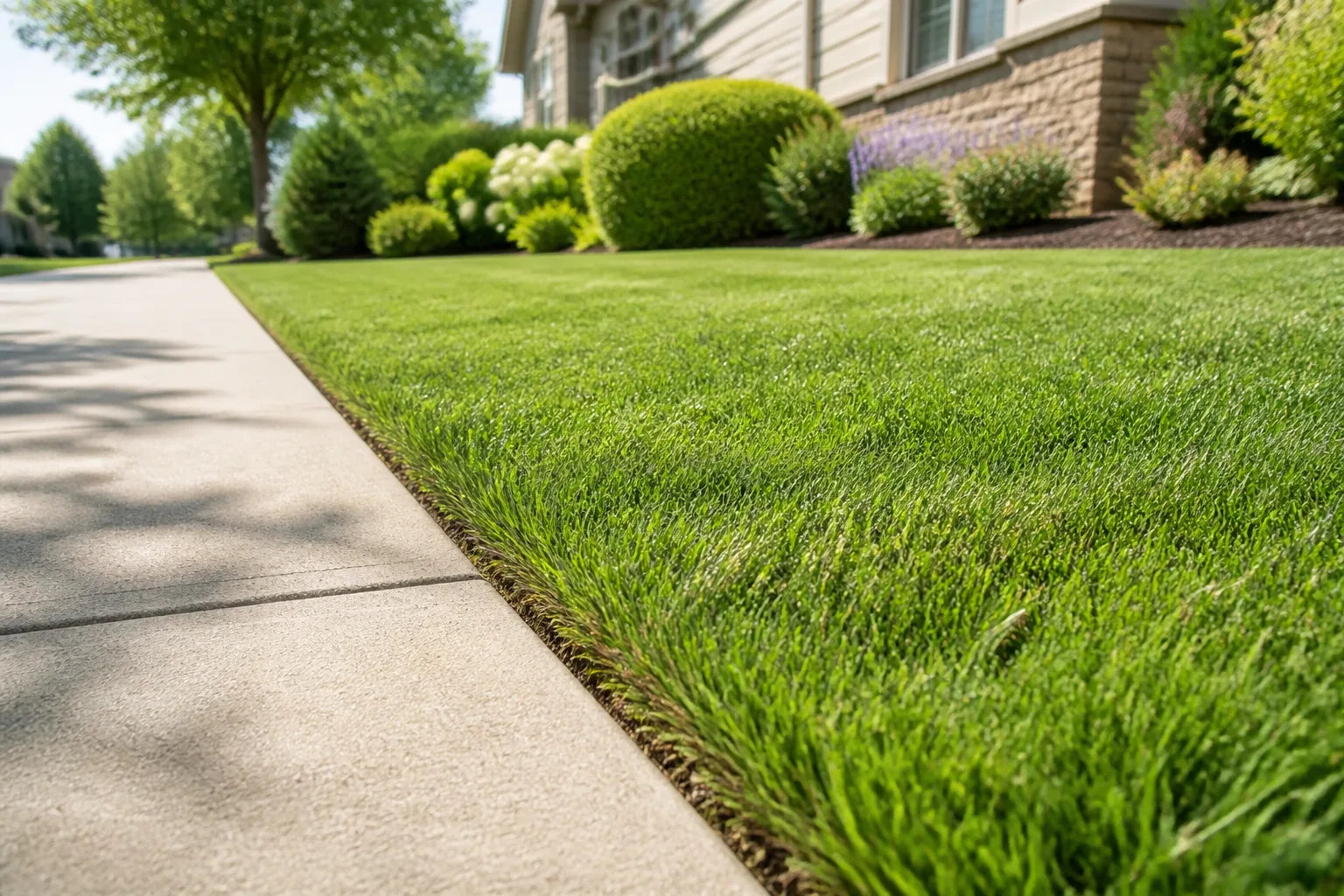
Grass clippings are not automatically trash. If they are short, dry enough to spread, and free from pet waste and questionable chemical treatments, they can return nutrients to the lawn, protect bare soil, or become useful compost.
The mistake is treating every pile the same. A thin layer of fresh clippings behaves very differently from a wet bag of tall grass, and clippings from a known residential lawn are a different risk from material collected at a golf course or farm. Use the condition and history of the clippings to choose the method below.
Start With the Right Clippings
Begin with three questions: How long are the clippings? Are they wet or dry? Do you know what has been applied to the grass? Those answers matter more than whether you have a large lawn or a small one.
Healthy clippings from regularly mowed turf are usually the easiest to reuse. They should be free of stones, plastic, branches, and dog or cat feces. If the mower has collected a mixture of grass and a large amount of mature weeds, do not spread that material through a vegetable bed or perennial border; it may carry mature seed or pieces that you do not want to distribute.
Mow often enough that you remove no more than about one-third of the leaf blade at one time. The University of California’s grasscycling guidance pairs that limit with the proper cutting height for the grass species and says to avoid grasscycling when turf is too wet or has grown too tall. A sharp blade also makes smaller pieces that settle between the living blades instead of forming visible ropes.
Do not assume that “organic” or “natural” means a clipping pile has no chemical history. If the lawn was treated recently, check the product label and any waiting or disposal instructions before using the clippings around edible or broadleaf plants. If you do not know the treatment history, keep the material on the same lawn or use your local green-waste program rather than spreading it through a garden.
Leave Short, Dry Clippings on the Lawn
For ordinary residential mowing, the simplest reuse method is grasscycling: leave the small clippings where they fall. The DC Department of Public Works explains that this returns nutrients and moisture to the turf while reducing bagging and waste. It also recommends mowing dry grass, keeping the blade high enough for the turf, and cutting regularly.
Grasscycling works because small pieces fall through the canopy and decompose on the soil surface. They do not need to be collected, hauled, or turned into a separate fertilizer. During active growth, fine clippings may disappear within a few days, especially when the lawn is dry enough to avoid clumps and the mower blade is sharp.
The timing matters. If the grass is damp with rain or irrigation, the mower may lay down heavy strings that stick together. If the lawn has been allowed to become unusually tall, the volume of material can overwhelm the turf even if the clippings are technically grass. In either case, rake or blow the clumps into an even layer and use the excess as mulch or compost instead of leaving piles in one spot.
Grasscycling is not the same as ignoring a lawn thatch problem. True thatch is a dense layer of slowly decaying stems, crowns, roots, and other plant parts at the soil surface. Clippings are mostly soft leaf tissue and break down much faster. Repeatedly dropping long, wet clumps can create a temporary mat and worsen surface conditions, but regularly mowed, finely cut clippings are not the usual cause of excessive thatch.
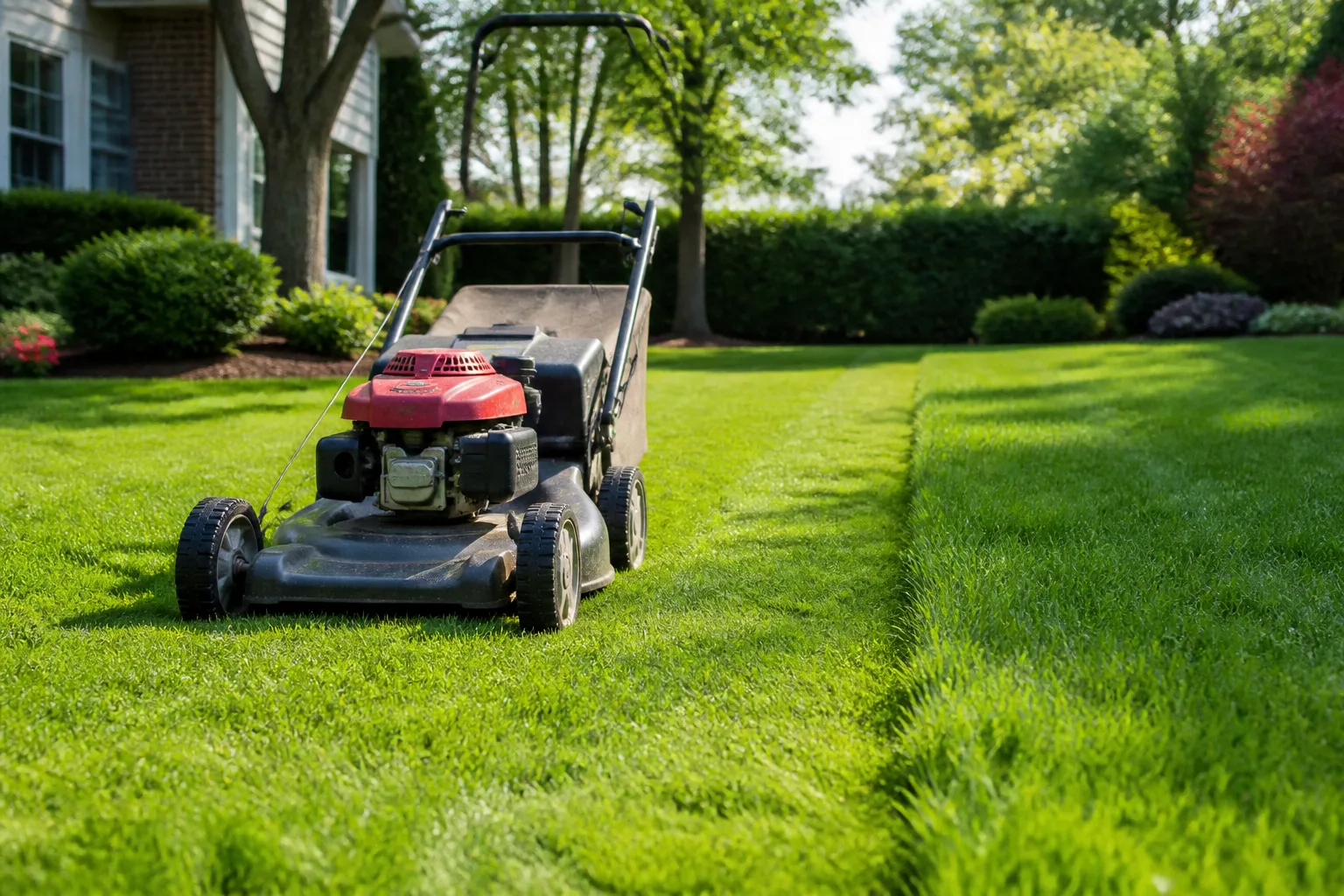
Use Grass Clippings as Mulch Without Creating a Mat
Grass clippings can make a quick, free mulch for bare soil, vegetable rows, annual beds, and paths. They shade the surface, slow evaporation, and add organic matter as they decompose. Their high moisture and nitrogen content are also why they can turn sour when applied in a thick, airtight layer.
Use fresh clippings as a thin top-dressing, roughly one-quarter inch at a time. If you can see a continuous felt-like blanket after spreading, the layer is too thick. Let the first layer dry and settle before adding more. Dried clippings can be applied somewhat thicker, but still use several light applications instead of tipping an entire mower bag in one place.
Spread mulch over already moist, mostly weed-free soil. Keep it a few inches away from plant crowns, tender stems, and the trunks of trees and shrubs. A ring of wet grass touching a stem holds moisture against the plant tissue and can invite rot; it also makes it harder to inspect the base of a plant for pests or damage.
Grass clipping mulch is most useful where appearance is secondary, such as a vegetable garden, behind a shrub border, beneath a trellis, or along a temporary path. It can look messy as it fades from green to brown, so a finished compost or wood-chip mulch may be a better choice in a highly visible foundation bed.
The RHS guide to mulches recommends applying biodegradable mulch in a substantial but not stem-smothering layer and notes that fresh grass clippings can stimulate soil microorganisms that temporarily use some available nitrogen. That is another reason to keep a fresh clipping layer light and to prefer finished compost when you are preparing a planting bed.
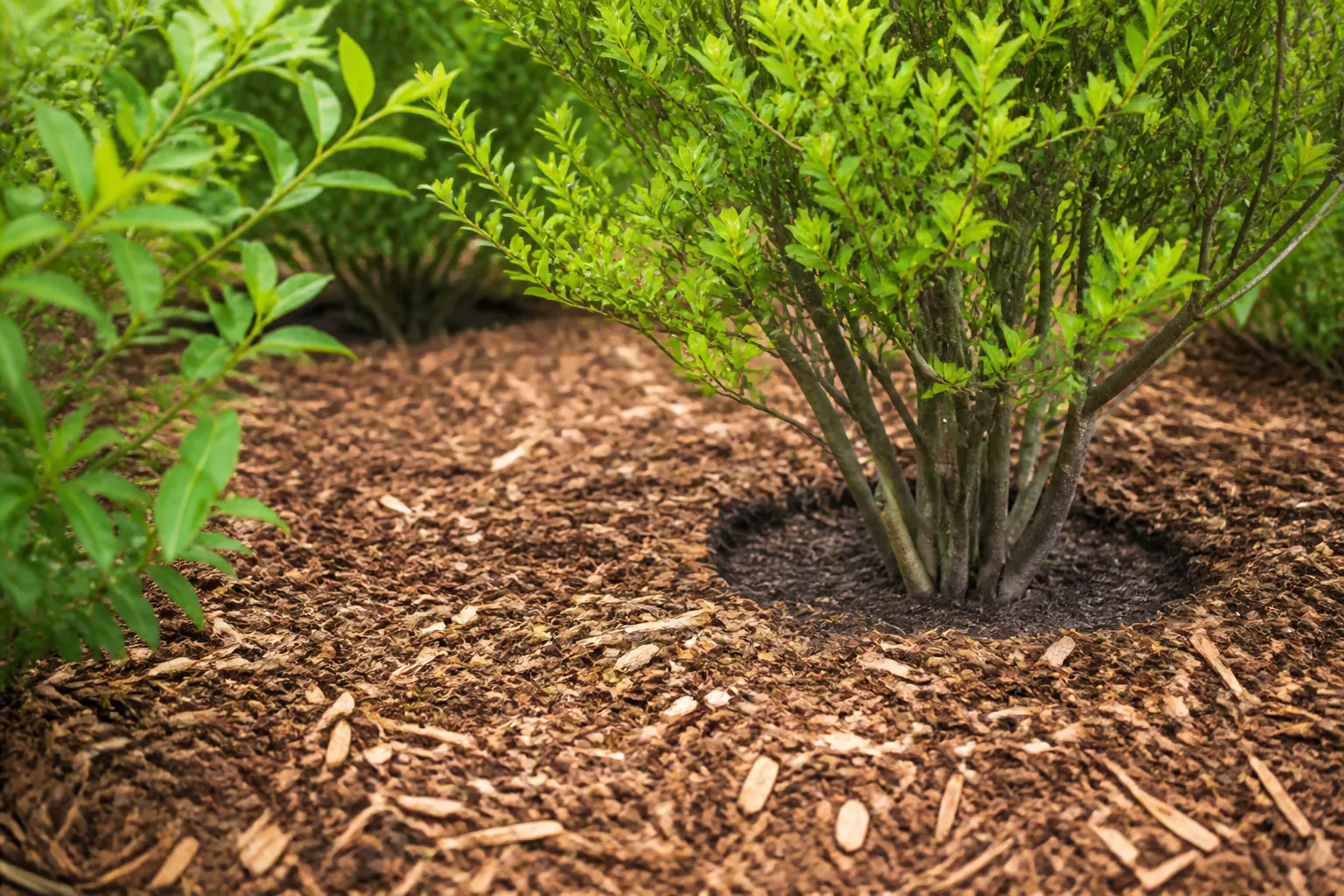
Compost Grass Clippings With Enough Brown Material
Fresh grass is a nitrogen-rich green compost material. It is useful, but it is not a complete compost recipe. A pile made almost entirely from lawn clippings tends to compress into a wet, oxygen-poor mat that smells more like fermentation than forest soil.
Build a Balanced Clipping-and-Brown Mix
For a practical starting point, combine about one bucket of fresh clippings with two buckets of dry leaves, shredded cardboard, small wood chips, or other brown material. That is a volume shortcut, not a rule that every pile must follow exactly. The actual balance changes with the moisture and particle size of your materials, so use the pile’s texture and smell as feedback.
The RHS composting guide describes grass clippings as green material and gives a broad guide of 25–50 percent green material to 50–75 percent brown material. It specifically warns that grass should not dominate the bin. Add clippings in thin layers, fluff them with a fork, and mix them into the browns instead of making a deep green sandwich.
Your compost should feel damp but not waterlogged—similar to a wrung-out sponge. If the pile is wet and dense, add more dry browns and turn it. If it is dry and barely changing, add a small amount of water while mixing, then cover it so the next rain does not saturate the pile.
Do not buy a compost accelerator just because the grass is slow. Fresh air, adequate moisture, and a sensible green-to-brown balance do more than most bottled additives. A small pile may decompose slowly, particularly in cool weather; that is a reason to be patient and keep adding varied material, not a reason to bury a thick mat of grass in the garden.
Know When Grass-Clipping Compost Is Ready
Finished compost is dark, crumbly, and earthy-smelling. You should not be able to identify most of the original blades, and the pile should no longer feel hot in the center. The RHS notes that home compost can take roughly six months to two years to mature, depending on the materials, pile size, temperature, moisture, and turning.
Use unfinished material as a new compost ingredient, not as a seed-starting medium or a thick layer around small plants. A pile that still smells sour, looks slimy, or contains recognizable mats of grass needs more browns and air. If you use it too early, the continuing decomposition can temporarily compete for oxygen and nutrients at the root zone.
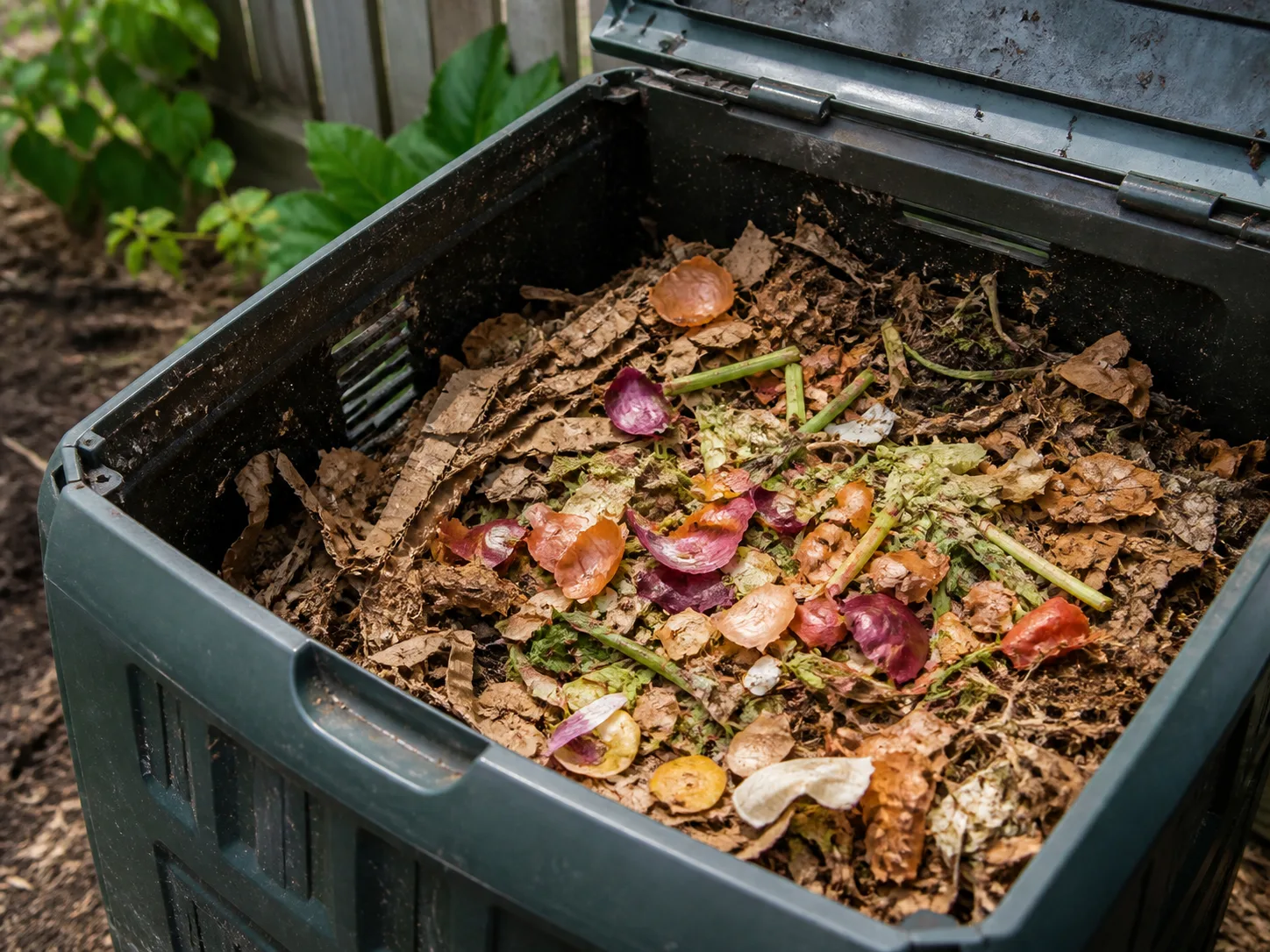
Add Clippings to Sheet-Mulch and Lasagna Beds
Grass clippings are useful as one green layer in a new bed built from alternating carbon-rich and nitrogen-rich materials. Place them between dry leaves, shredded cardboard, straw, or wood chips rather than making a deep layer of grass alone.
For a simple sheet-mulch bed, mow or remove existing vegetation, lay overlapping plain cardboard on the soil, wet it thoroughly, and add alternating thin layers of green and brown materials. Finish with a thicker brown layer or finished compost. The cardboard and upper layers suppress light, while the organic materials settle and decompose over time.
Fresh clippings can heat up quickly in a large, moist layer. That can be helpful in an actively managed composting system but can also create an anaerobic pocket inside a new bed. Keep each grass layer thin enough that you can still see the brown material around it, and avoid burying wet clippings against the stems of plants you have already installed.
If you are filling a raised bed for immediate vegetable planting, use finished compost and clean soil for the root zone. A lasagna bed is a slow soil-building method; it should not be confused with a ready-to-plant potting mix.
Use Dried Clippings to Build Soil Carefully
Dried clippings can be a convenient carbon-and-nitrogen input for a future bed, but they are not a substitute for finished compost. Let the material dry in a thin layer, then mix it with leaves or other coarse organic matter before incorporating it into soil.
The safer default is to leave fresh organic matter on the surface and let it break down with air exposure. If you dig a heavy volume of fresh clippings into a planting hole, the material can collapse into a wet pocket around roots. Soil microorganisms may also draw on available nitrogen while decomposing it, leaving newly planted crops less supported for a period of time.
For established beds, spread a light surface layer or add mature compost instead of trying to force a pile of clippings to become soil overnight. The benefit of grass is its availability; it does not need to be used in the most aggressive way to be useful.
Handle Compost Odors Without Hiding a Bigger Problem
A small sprinkle of fresh clippings can cover the smell of a compost bin for a short time, but it is not an odor treatment. If the smell is sour, rotten, or ammonia-like, the pile probably needs more air, more dry material, or less water.
Use dry leaves, shredded cardboard, or a thin layer of finished compost as the final cap when you need to cover exposed food scraps or a fresh green addition. If you use fresh clippings, mix them through the pile and add browns at the same time rather than piling an inch of wet grass across the surface.
Odor is useful information. A healthy aerobic pile can smell earthy or warm, but a persistent foul smell means the microbes are working without enough oxygen. Pull apart compacted sections, add coarse browns, turn the pile, and leave the lid or cover arranged so excess rain cannot flood it.
Know When Grass Clippings Should Not Go in the Garden
There are times when the most responsible reuse method is not a garden bed. Use the following stop rules before you spread a free material simply because it is free.
Unknown or Persistent Herbicide History
Be especially cautious with clippings from golf courses, commercial turf, farms, roadsides, horse properties, or a lawn maintained by someone else. Some persistent broadleaf herbicides can remain active in hay, grass clippings, manure, and compost long enough to injure vegetables, flowers, and other broadleaf plants.
According to NC State Extension’s guidance on herbicide carryover, clopyralid, aminopyralid, and picloram can remain active in treated material and may damage sensitive crops after the material has been composted. The extension publication lists symptoms such as poor germination, twisted or cupped leaves, misshapen fruit, and reduced yields—symptoms that can be mistaken for disease or nutrient problems.
This does not mean every treated residential lawn is automatically unsafe. Product labels and legal uses differ, and many persistent products are not registered for ordinary residential lawns. It does mean you should ask what was applied and follow the label. If the history is unknown, keep the clippings on turf that can tolerate the relevant treatment or use an approved disposal route.
If you already have questionable compost or clippings and need to know whether they can go near vegetables, NC State describes a bioassay using a compost-and-potting-mix sample, control pots, and sensitive pea or bean seedlings. It takes several weeks, so do not treat a quick visual check as proof that suspicious material is safe.
Wet, Heavy, Contaminated, or Seed-Filled Material
Do not spread a steaming, waterlogged bag of clippings as a thick mulch. Open it on a tarp, spread it thinly, and let it dry before deciding whether it belongs in compost or as a light mulch. If it has a strong sewage-like odor, mix it with dry browns or use your municipal green-waste service rather than burying the problem in a bed.
Keep clippings containing pet feces, litter, trash, or chemical spill residue away from food gardens and home compost. Do not rely on a small backyard pile to sanitize contaminated material. Local collection rules vary, but a municipal program may have controlled processing that is more appropriate.
Finally, avoid distributing clippings from a lawn full of mature seedheads or invasive weeds. Mowing before weeds set seed makes reuse easier; once a bag contains seed-rich material, disposal or a properly managed hot-composting program is safer than spreading it under plants.
Choose the Best Reuse Method for Your Clippings
The best use depends on the material you have, not on a promise that one method is always superior.
| Clipping condition or goal | Best option | What to do | Avoid |
|---|---|---|---|
| Short, dry, regularly mowed residential turf | Grasscycling | Leave it spread evenly on the lawn. | Leaving wet ropes or tall clumps in one place. |
| A small amount of clean fresh grass | Surface mulch | Apply about one-quarter inch over moist soil and keep it off stems. | Dumping a full bag around a plant. |
| A large amount of clean fresh grass | Compost | Mix one bucket of clippings with about two buckets of dry browns, then aerate. | Making a pure-grass pile. |
| Clean clippings that have dried | Mulch or compost | Use a light mulch or mix with other dry materials. | Assuming dry grass alone is finished compost. |
| New bed under construction | Sheet mulch | Use thin green layers between cardboard, leaves, straw, or wood chips. | Planting immediately into a fresh, settling layer. |
| Unknown chemical history or contamination | Keep on turf or dispose | Follow the label, local waste rules, or ask Extension. | Applying it to vegetables, flowers, or compost. |
If you have only a mower bag or two, grasscycling or a light surface mulch is usually simpler than building a new compost system. If you have repeated large volumes, composting makes sense—but only if you have enough browns to keep the pile open.
Store Extra Clippings Until You Can Use Them
Never leave fresh clippings sealed in a plastic bag for several days. They heat, compact, and begin to smell quickly. Empty the bag onto a tarp, old sheet, compost bay, or other clean surface and spread the material into a shallow layer.
Turn the clippings once or twice as they dry. After they have lost much of their surface moisture, use them as a light mulch or mix them into a compost pile with dry leaves and cardboard. Keep the pile away from storm drains, ponds, and places where runoff can carry loose material.
If rain is expected, cover the drying pile loosely so air can still move through it. A sealed cover traps condensation; no cover at all can turn a light layer into a soaked mat. The goal is ventilation, not sterilization.
Troubleshoot Smelly Piles and Lawn Clumps
Most grass-clipping problems are visible before they become serious. Look at the material and change the method rather than adding more of the same thing.
If the Compost Pile Smells or Turns Slimy
Pull apart the compacted grass with a fork and mix in a generous amount of dry, coarse brown material. Shredded cardboard, dry leaves, and small wood chips provide air pockets that a solid layer of wet grass cannot.
If the pile is saturated, pause watering and protect it from additional rain. Turn it after adding browns, then check it again in a few days. If the smell improves and the material becomes loose, continue adding grass only in small mixed additions. If it remains foul or includes contamination, stop feeding it and use a green-waste program.
If Clippings Clump on the Lawn
Clumping usually points to wet turf, an overgrown lawn, a dull blade, a mower deck packed with debris, or mowing too quickly. Wait until the grass is dry, mow more frequently, sharpen the blade, and use the height recommended for your turf species.
If a pass leaves visible piles, rake them into a thin layer. Do not mow over the same wet pile repeatedly; that makes the pieces finer but does not solve the lack of airflow. When the excess is dry, collect it for a thin mulch or a brown-rich compost batch.
Use a Simple Mowing-Day Routine
You do not need a special mower or a complicated waste system. Use this five-minute decision before and after each mowing:
- Check the source. Confirm the lawn is free of pet waste, trash, mature weed seed, and an unknown chemical history.
- Check the weather. If the blades are wet or the lawn is too tall, plan to collect and dry the excess instead of grasscycling a heavy mat.
- Mow correctly. Keep the mower blade sharp, use the right height for the turf, and remove no more than one-third of the blade.
- Choose one destination. Leave fine clippings on the lawn, apply a thin layer as mulch, or mix them immediately with dry browns in the compost bin.
- Inspect tomorrow. Rake any lawn clumps, turn a wet compost addition, and remove mulch that has crusted into a thick mat.
This routine turns grass clippings into a resource without making them the only material in your garden system. Your lawn supplies a nitrogen-rich green, fallen leaves and cardboard supply carbon and structure, and finished compost supplies stable organic matter. Use each material where it performs best.
Conclusion
The safest, easiest way to reuse grass clippings is often to leave short, dry pieces on a regularly mowed lawn. When you have extra, use a thin layer as mulch or combine the clippings with plenty of dry brown material in compost. For new beds, add them as a thin green layer rather than a solid blanket.
Before spreading any clipping, check its history and condition. Wet, contaminated, pet-soiled, seed-filled, or chemically uncertain material belongs in a safer disposal route. That small pause is what turns a free lawn byproduct into a genuine benefit for your garden.



