How to Care for Lavender in Winter
Winterize lavender with a cultivar-based plan for beds and pots, including watering, mulch, wind protection, pruning, and spring recovery checks.
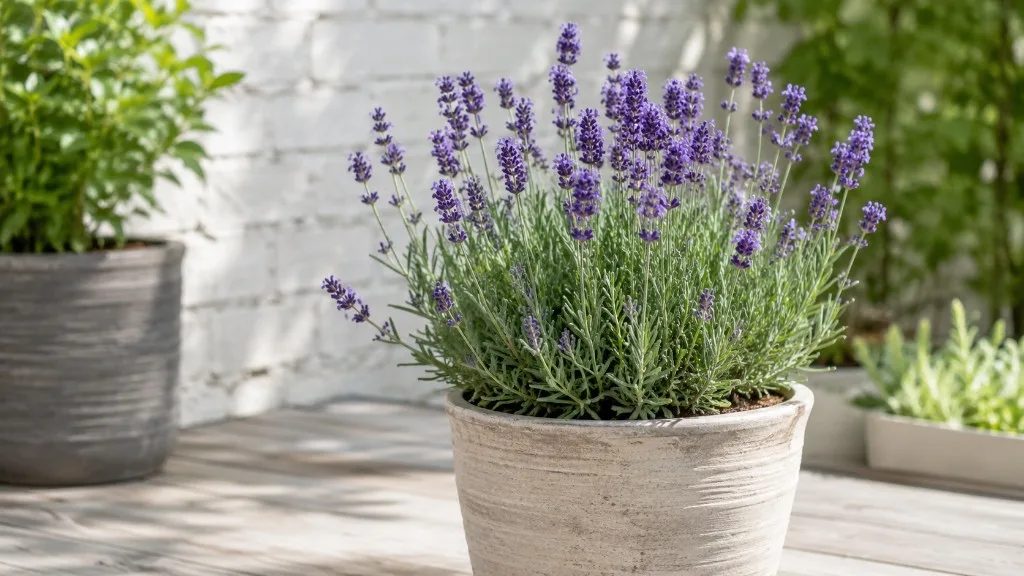
Lavender winter care is mostly a moisture-and-timing problem, not a wrapping problem. Start by identifying the type you grow, then protect the roots from winter wet, stop stimulating tender new growth, and add wind or frost protection only when your plant and climate need it.
English lavender and lavandin hybrids are the best candidates for outdoor overwintering, while many French, Spanish, and other tender lavenders need a sheltered container or frost-free cover in cold climates. Even a hardy cultivar can fail if its crown sits in wet clay, its pot freezes solid, or late pruning leaves fresh cuts exposed to a hard freeze. The RHS lavender growing guide and extension guidance from NC State both emphasize that cultivar, drainage, pruning, and exposure matter together.
First, decide whether your lavender should stay outdoors
Before you reach for fleece, answer three questions: What kind of lavender is it? Is it in the ground or a pot? Does the site stay dry through winter? Those answers are more useful than a single temperature number because a plant’s hardiness rating assumes reasonably suitable growing conditions.
Match the cultivar to your winter climate
English lavender, usually sold as Lavandula angustifolia, is the reliable starting point for cold-winter gardens. Lavandin, the hybrid L. × intermedia, is also widely grown in cooler regions, although individual cultivars still vary. Colorado State University Extension describes English lavender as hardy to Zone 5 in Colorado and notes that French and Spanish lavenders are not cold hardy there; the RHS identifies English lavender and its hybrids as the hardiest group.
That does not mean every English lavender will survive every Zone 5 site, or that a tender type must be discarded after one chilly night. USDA zones describe average annual extreme minimum temperatures, not winter rainfall, wind exposure, ice, freeze-thaw cycles, or the protection provided by snow. A sheltered, sunny bed with fast drainage can be far safer than an exposed bed in the same zone.
Named English cultivars can differ from the broad species range, too; GardenersPath’s lavender overview notes that cultivars such as ‘Hidcote’ and ‘Munstead’ may be rated colder than the general English-lavender range. Use the plant label and your local conditions together rather than treating a zone number as a guarantee.
Use this as a practical starting plan:
| Lavender situation | Default winter plan | Extra caution |
|---|---|---|
| English lavender or a labeled hardy hybrid in the ground | Leave outside; improve drainage and shelter from drying wind | Protect young plants and exposed sites more generously |
| French or Spanish lavender in a mild, dry climate | Leave outside only if the cultivar’s label supports it | Cover during hard freezes and avoid winter rain |
| Tender or unknown lavender in a cold or wet climate | Grow in a pot and move it to shelter | A warm, dark room is not a good long-term location |
| Any lavender in a container | Treat the roots as more vulnerable than an in-ground plant | Keep the pot draining and protect it from repeated freeze-thaw |
If the plant label is missing, inspect the flower heads and foliage for clues, but do not rely on appearance alone. When survival matters, ask the nursery for the cultivar name and its local hardiness recommendation; the University of Tennessee Gardens overview is a useful reminder that the common names “French” and “Spanish” are not used consistently in everyday plant sales.
Why container lavender needs earlier protection
In-ground roots benefit from the insulating mass of surrounding soil. Container roots are surrounded by a much smaller volume of mix and can experience colder, faster temperature swings, so a pot of hardy lavender may need protection even when a matching plant in the bed does not. The RHS specifically notes that container plants are more susceptible to cold and recommends shelter from severe weather and excessive winter rain.
Move a tender container before the first hard freeze. For a hardy lavender, wait until the plant is slowing down and the forecast points to sustained freezing, then move it to a protected porch, cold frame, unheated greenhouse, or cool garage with a window. The goal is a cool rest with enough light to prevent weak, stretched growth—not a heated living room where the plant tries to grow in low winter light.
Give the roots the winter protection they actually need
Lavender often dies in winter with green foliage still attached because the root zone remains cold and saturated. The plant is adapted to sunny, relatively dry conditions; its winter enemy is frequently water that cannot leave, followed by a freeze that damages already stressed roots.
Fix drainage before the ground freezes
Walk around the plant after a soaking rain. If water pools beside the crown, the soil stays glossy for hours, or a downspout sends runoff toward the bed, solve that problem before adding any cover. A raised bed, planting mound, redirected downspout, or better-draining location is a more reliable fix than piling amendments around an established crown.
Lavender should sit slightly high rather than in a basin. In heavy soil, the RHS recommends a 20–30 cm mound, ridge, or raised bed so roots do not sit in wet ground. Colorado State Extension also cautions that adding sand or gravel to clay can create an even greater drainage problem; do not assume a little sand will turn compacted clay into a Mediterranean soil.
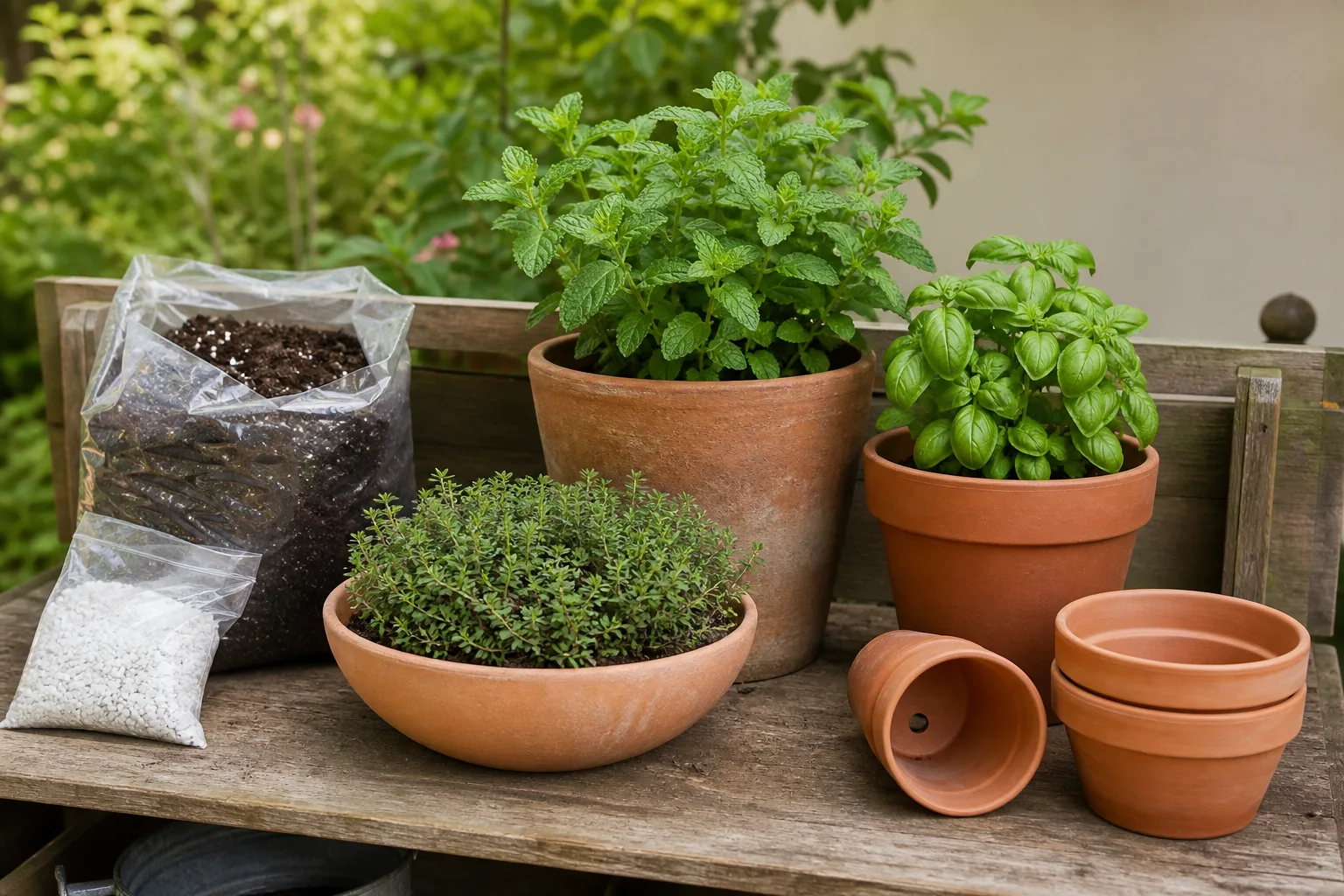
For a potted plant, clear the drainage holes, empty any saucer, and set the pot on feet or a slatted surface so it cannot stand in meltwater. Do not seal the pot in a decorative cachepot for winter. If the mix is already dense and slow to drain, repotting immediately before a freeze can disturb roots at the worst time; shelter the plant first, then repot when growth resumes unless rot is already evident.
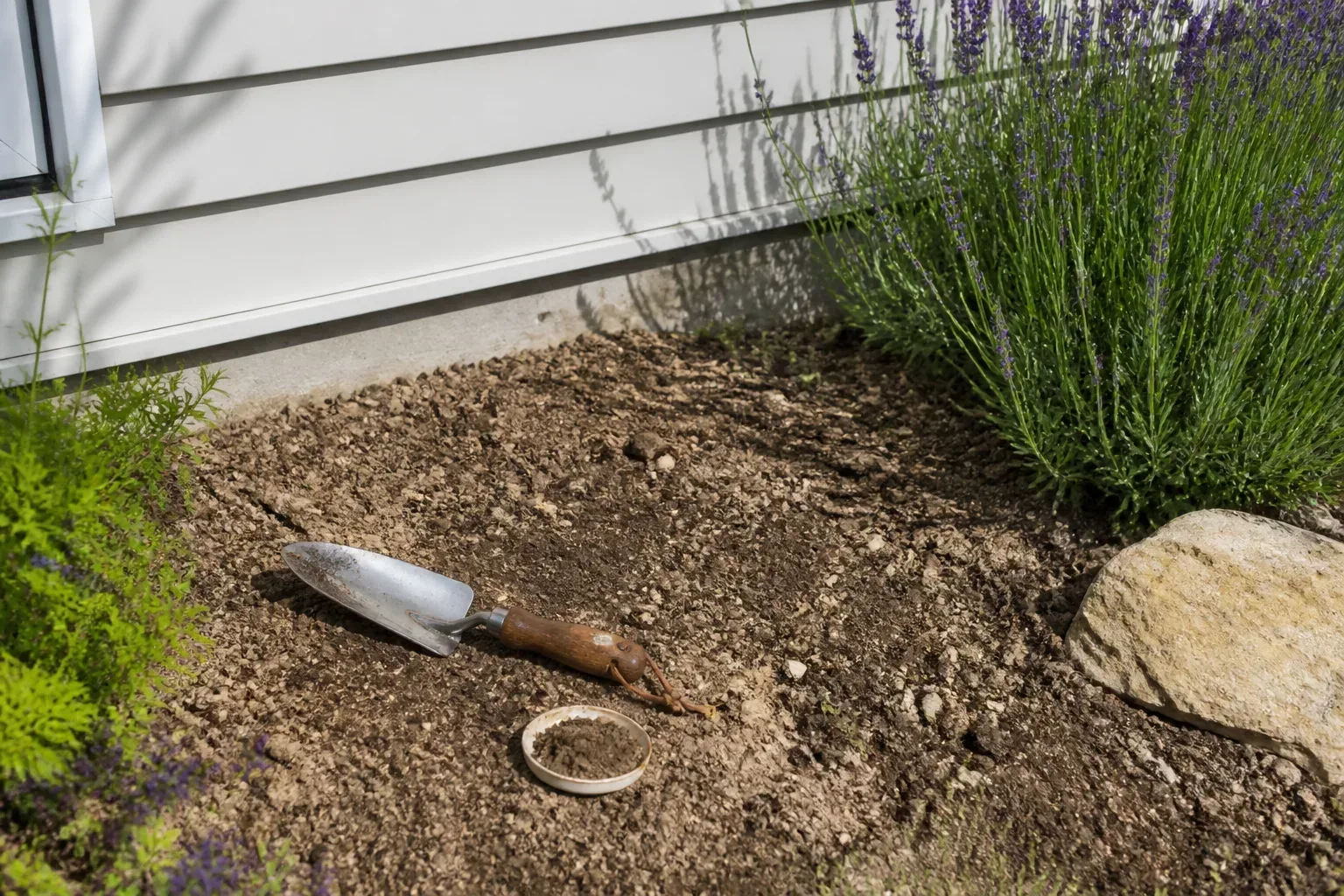
Add light mulch without burying the crown
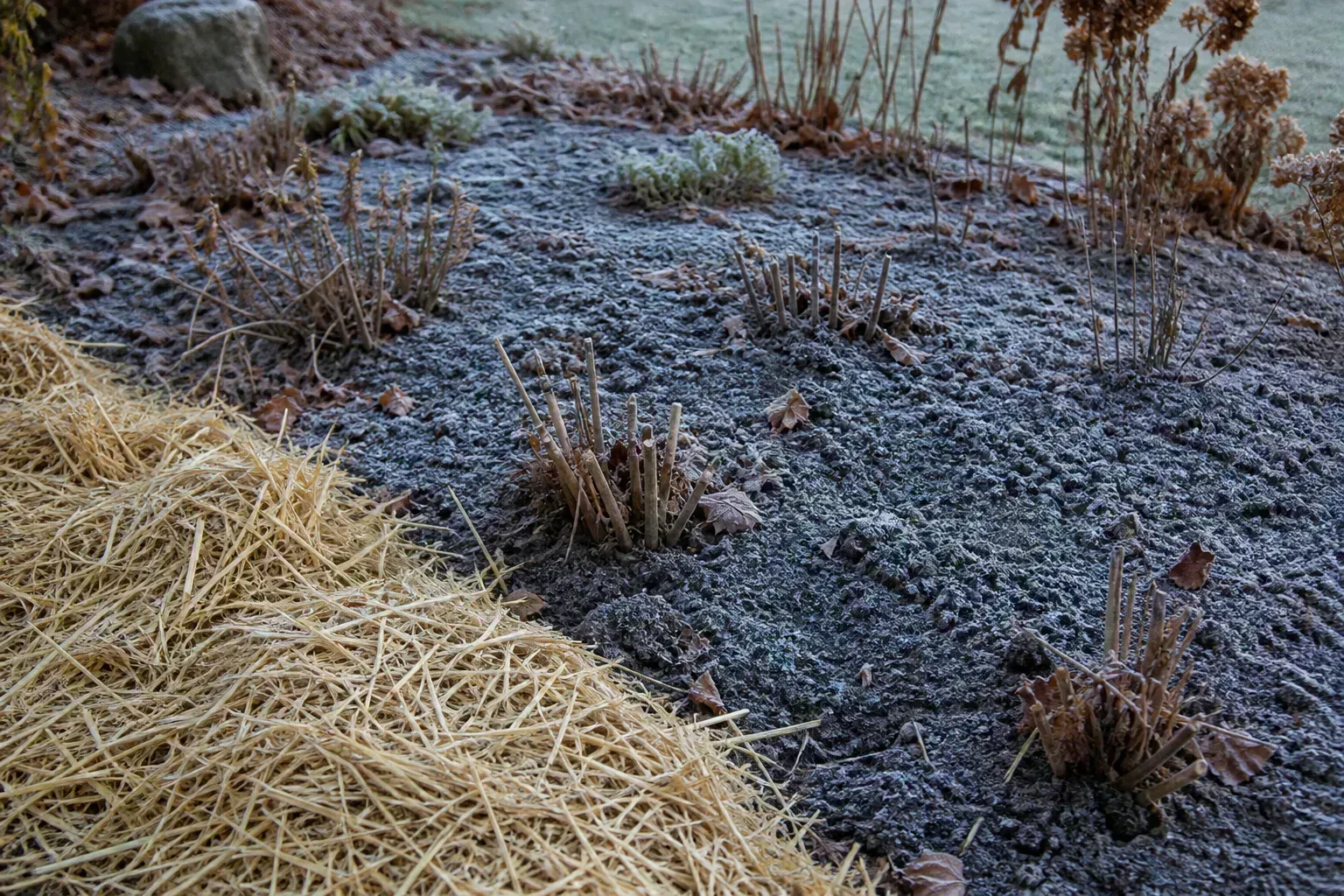
Mulch has one job here: buffer rapid soil-temperature changes and reduce root heaving. It should not turn the base of a dry-loving shrub into a damp compost pile. Pine straw, coarse chopped leaves, or another airy material works better than a thick, fine layer that mats after rain.
Spread a light ring over the root zone, leaving the crown and the woody stems visible. Think of a donut, not a volcano: the center stays open so air can move and moisture does not collect where stems meet roots. Wait until the soil has cooled and the plant is entering dormancy before adding the heaviest protection, especially in climates with warm autumns.
NC State Extension notes that heavy mulch applied before cold weather can keep soil warmer and reduce winter acclimation; for plants that need deeper protection, it recommends adding organic material after the first hard freeze and removing most of it as growth begins. Lavender does not automatically need the deepest mulch in that range. A hardy, established plant in free-draining soil may need only a modest layer, while a young or marginal plant in a cold site may justify more.
Use a simple fall-to-winter care sequence
The best preparation happens in a sequence. Watering, feeding, pruning, and covering each affect the next step, so avoid treating them as unrelated chores.
Water deeply while the plant is still active
Do not stop watering simply because the calendar says fall. Drought-stressed plants can be less resilient going into cold weather, and evergreen lavender can still lose water from its foliage on bright winter days. NC State Extension advises keeping plants adequately watered through late summer and fall and watering during a dry winter before a severe freeze when the ground is workable.
The winter adjustment is to water less often, not automatically never. For established in-ground lavender, check the soil several inches down and water deeply only when the root zone is genuinely dry and the forecast allows time for excess water to drain. For a container, lift the pot or check below the surface; water sparingly when the mix has dried well, then let the pot drain completely. Never water a frozen root ball or leave a pot sitting in a saucer of meltwater.
Newly planted lavender is the exception to the “drought tolerant” shorthand. A first-year plant has a smaller root system and may need occasional water during a dry autumn, even though established lavender rarely needs irrigation in the ground. The University of Missouri Extension’s lavender trials likewise distinguish the need for supplemental water while plants establish from the need for well-drained soil year-round.
Stop feeding and avoid late hard pruning
Do not push lavender into a flush of soft new growth just before winter. NC State advises that herbs should not receive fertilizer after early August because late nitrogen can encourage growth that has not matured before frost. Lavender generally prefers lean soil anyway, so late fertilizer is more likely to create vulnerability than better spring flowers.
Make your last significant shaping cut early enough for wounds to settle before severe cold. In colder areas, that usually means finishing after flowering in late summer or by early September, not cutting a woody plant hard in late October. If a broken stem is a safety or disease concern, remove that damaged piece cleanly; otherwise, leave a major renovation for spring.
Prune lavender at the right time for spring growth
Lavender is a semi-woody shrub, not a soft herb that reliably resprouts from every old branch. The aim of pruning is to keep leafy growth compact and prevent a plant from becoming a split, bare-centered framework. Cutting farther down is not automatically better.
What to cut in late summer or early fall
For hardy lavender that has finished flowering, trim off spent flower stalks and lightly shape the leafy green portion. A useful rule is to remove only a small amount of current foliage—about an inch of leaf growth is the conservative RHS recommendation—rather than taking a large percentage from a tired plant. The RHS guidance says to prune annually in late summer after flowering and warns that lavender does not break new growth easily from old stems.
If your lavender is still flowering, deadhead selectively instead of giving it a full haircut. If it is a tender French or Spanish type, be even more conservative: winter protection and shelter matter more than a perfectly rounded shape. A short, leafy plant that enters winter intact has a better chance than a freshly exposed framework.
Gardens Illustrated’s named horticultural writer Janice Shipp also recommends finishing autumn pruning by early October, preferably earlier, while noting that lavandin hybrids deserve extra care because their hardiness can vary. The practical takeaway is simple: shape after flowering, then stop well before your local severe-freeze window.
What to leave until spring
Do not cut all the way into gray, leafless wood just because the plant looks untidy. Those old stems may have few dormant buds capable of restarting, and a late cut removes the small amount of shelter the plant has around its crown. Leave healthy woody structure in place through winter unless it is broken, diseased, or rubbing.
Spring is the better time to assess winter injury. When green growth begins at the base, remove dead tips and damaged stems back to living tissue, then make a measured reduction above new leafy shoots. Colorado State Extension recommends spring pruning when green leaves emerge and removing roughly one-third of the top; that is a recovery-season instruction, not a reason to perform a one-third cut in late fall.
Protect in-ground lavender from wind, ice, and freeze-thaw
Cold is only one part of winter exposure. Drying wind pulls moisture from evergreen foliage, ice can snap brittle stems, and repeated thawing and refreezing can heave shallow roots. A windbreak often helps more than wrapping the entire plant tightly.
Use a breathable barrier on the windward side: lattice, a loose burlap screen, or a supported layer of horticultural fleece. Keep fabric off the foliage when possible, secure the bottom so it does not whip against the plant, and leave openings for air circulation. Plastic sheeting pressed against lavender can trap condensation, overheat the plant in winter sun, and turn a protection measure into a disease problem.
In a snowy area, do not repeatedly knock frozen snow from the stems. Brush away only heavy, wet accumulation with a soft motion after it loosens. If the site is naturally sheltered by a wall or hedge, use that microclimate; do not move an in-ground plant after the soil has frozen just to find a better winter position.
The NC State winterizing guide specifically lists English lavender among herbs that benefit from windbreaks and identifies drainage, pruning, fertilization, and watering as factors that influence winter hardiness. Those factors work together: a dry, acclimated plant in a sheltered bed may need little intervention, while a wet, wind-exposed plant may need a screen even if its cultivar is nominally hardy.
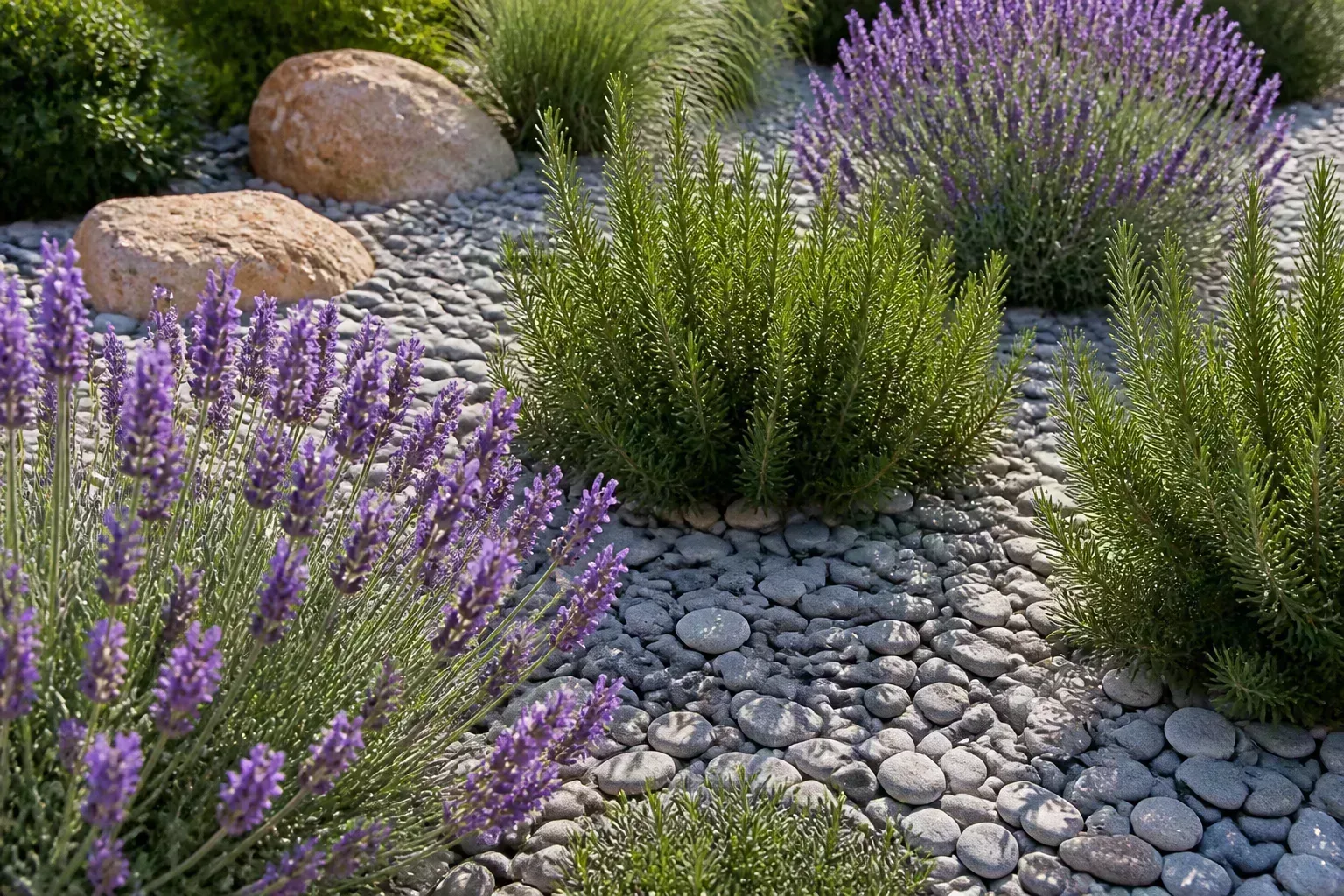
Overwinter container lavender without weakening it
Container lavender gives you more control but also removes the insulation of the ground. Decide whether you are protecting the pot outside or moving it under cover based on cultivar, forecast, wind, and the ability to keep rain off the root zone.
Choose cold, bright shelter
An unheated greenhouse, cold frame, enclosed porch, or cool garage with a window can work. The ideal space is cool enough to keep the plant resting but bright enough that any evergreen foliage is not forced to stretch toward weak light. A dark, warm basement often creates pale growth and a watering dilemma: the plant looks active while the cool mix dries slowly.
For a tender lavender, moving it under cover before frost is usually safer than trying to create a warmer outdoor microclimate. For hardy English lavender in a large, well-drained pot, placing the container near a building, grouping it with other pots, and shielding it from prevailing wind may be enough in a mild winter. Raise the pot slightly and keep it away from a roof drip line.
Check pots after rain and during thaws
Winter shelter is not “set it and forget it.” Check the drainage hole after storms, feel the mix after a thaw, and look for water collecting under the pot. A plant under cover can still be overwatered by a weekly routine, while a small pot in a dry, windy porch can dry faster than expected.
If a hard freeze is forecast and the container must remain outside, wrap the pot, not the leafy crown, with breathable horticultural fleece or another insulating material. Keep the drainage hole clear. Cluster pots together, place them out of the wind, and avoid moving them repeatedly between a warm house and freezing outdoors; those temperature swings can be more stressful than a stable cool shelter.
Do not fertilize or repot a resting plant simply because it is indoors. Remove dead leaves that are touching the soil, keep enough space between containers for airflow, and inspect for pests before bringing a tender plant into a collection of houseplants.
Know whether winter damage is temporary or fatal
Brown lavender in late winter is not automatically dead. Freeze, wind, and bright winter sun can dehydrate foliage while stems and crown tissue remain alive. Conversely, black, soft stems at the base, a sour smell, or roots that are dark and mushy point to rot rather than ordinary dormancy.
Use a clean fingernail or knife to make a shallow scratch on a questionable stem. Green tissue under the bark means that section is alive; tan, dry tissue means you should test farther down. NC State Extension recommends this bark-scratch approach for outdoor herbs that look brown after severe winter weather and advises delaying pruning until new growth begins when stems are still green.
Give a slow plant time to wake up. Mark stems that are uncertain, watch for swelling buds or fresh shoots at the base, and wait for a consistent stretch of spring warmth before removing large sections. If there is no living tissue above the crown and the root zone is black, soft, or foul-smelling, replacement may be more realistic than continued watering.
Bring lavender back in spring
As the risk of severe cold passes, remove fabric on mild days and leave it off when the forecast allows; lavender needs light and airflow as growth resumes. Pull back most organic mulch so the crown dries and warms, but leave a thin, airy layer if your site still experiences freeze-thaw swings.
Prune only what you can confirm is dead, cutting back to green tissue or a healthy new shoot. Wait for active growth before making the main spring shape, then reduce the leafy top modestly rather than cutting into bare wood. If the plant survived but is badly split or mostly woody, take healthy cuttings later in the season and plan a replacement rather than trying to force old wood to regenerate.
Resume normal watering only as the plant begins active growth and the soil dries. Lavender’s spring bloom potential comes from surviving roots, adequate light, good drainage, and healthy new growth—not from a heavy dose of fertilizer. Established plants in lean soil usually need little feeding, according to the RHS; solve drainage, crowding, or insufficient sun before reaching for nutrients.
The most common spring mistakes are removing every brown stem too soon, leaving winter mulch pressed against the crown, and watering a dormant plant because it looks unhappy. Treat the first signs of recovery as information, not an emergency: inspect, wait, then cut and water based on what is alive.
Conclusion
To care for lavender in winter, match the cultivar to your climate, keep the crown and roots dry, water by soil conditions, stop late feeding, and finish major shaping well before severe cold. Hardy English lavender and suitable lavandin can often stay outside with good drainage and wind protection; tender French, Spanish, and unknown types are safer in a cool, bright shelter, especially in containers.
The protection that supports better spring blooms is usually the least dramatic one: a sunny site, a dry root zone, a light mulch ring, and patience in spring. If you remember one rule, make it this: protect lavender from winter wet and exposure without trapping moisture around the plant or forcing new growth at the wrong time.