How to Fertilize Roses: Timing, Types, and Schedule
Use a practical rose-fertilizing schedule based on growth, soil, rose type, and product label, with steps for applying fertilizer and fixing common mistakes.
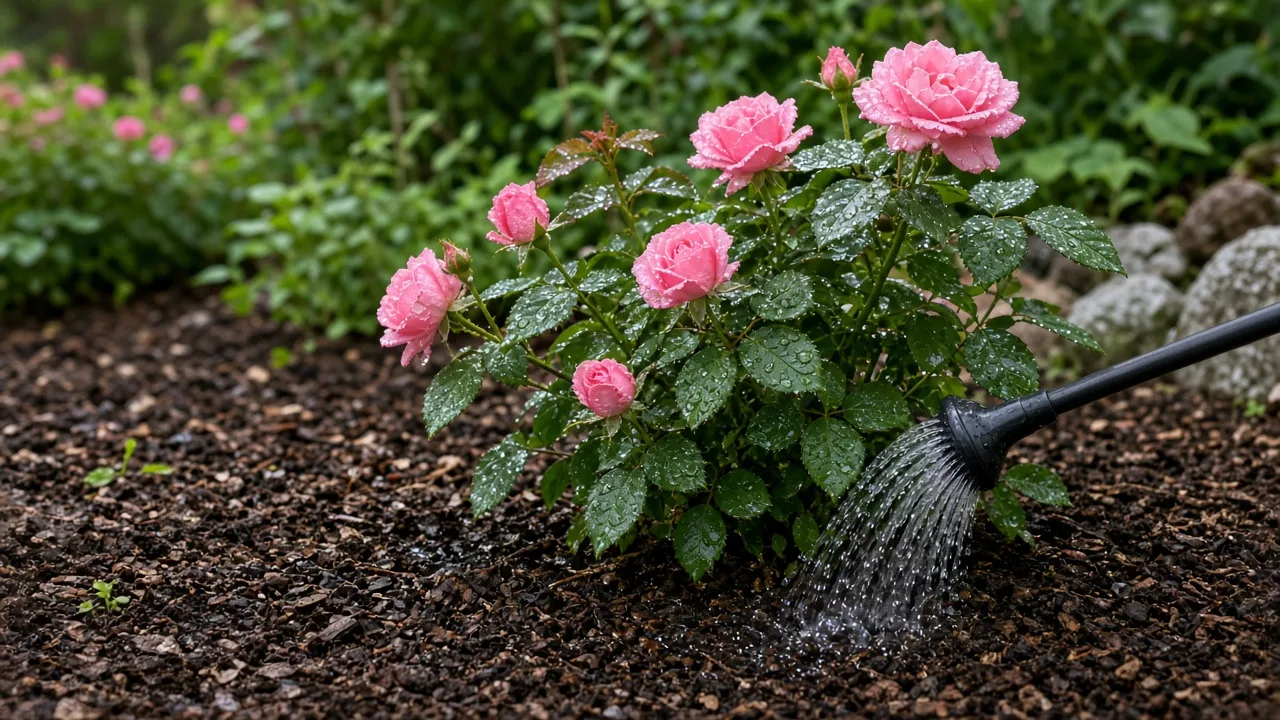
The short answer: feed by growth, not calendar dates
For most established garden roses, start with healthy soil and a light spring application as new growth begins. A second, modest feeding after the first flush can suit repeat-flowering roses, while containers often need more frequent label-directed feeding because each watering drains nutrients from a small volume of potting mix. Stop early enough that the rose is not pushed into soft growth just before cold weather.
There is no single dose or interval that fits every rose. A slow-release granular product, a liquid feed, a container rose in a small pot, and a mature shrub in compost-rich soil all behave differently. Use the fertilizer label as the rate and timing limit, and use a soil test when you are considering a specific nutrient or soil amendment.
| Rose situation | A practical starting point | What changes the plan |
|---|---|---|
| Established rose in a garden bed | Feed once as active spring growth begins; consider a second feed after the first bloom flush if it repeats | Soil test, vigor, mulch, fertilizer label, local frost |
| Newly planted rose | Prioritize establishment; begin gentle feeding after it is rooted and growing | Bare-root versus potted plant, planting season, label directions |
| Rose in a container | Start with the product label during active growth; check whether it is liquid or controlled-release | Pot size, watering frequency, fresh potting mix, heat |
| Once-flowering rose | Use a restrained spring plan; do not keep feeding for a second flush it will not produce | Flowering habit and local season |
The RHS rose-growing guide describes two feedings for roses in borders—before flowering and after the first summer flush—and more frequent feeding for containers. Garden Design describes a two-to-four-week interval during active growth for its product-based plan, while Homes & Gardens discusses roughly monthly feeding for repeat bloomers. These schedules reflect different products and growing contexts, not one universal interval; choose a single label-based program rather than stacking several calendars on top of each other.
First decide whether your rose needs fertilizer
Fertilizer supplies nutrients; it cannot compensate for a rose that lacks sun, has waterlogged roots, is drying out repeatedly, or is crowded by tree roots and lawn grass. Before adding a product, look at the whole growing situation. A rose in full sun with evenly moist, well-drained soil and steady new growth may need little beyond spring mulch, while a rose in a pot or poor soil is more likely to benefit from regular feeding.
Established shrubs do not automatically need a strong feeding schedule every time they flower. The RHS notes that improving soil can supply enough nutrients for many garden plants and recommends keeping fertilizer use to a minimum unless there is a reason to feed. Its guidance on feeding plants favors organic mulch as a way to improve soil and conserve moisture, while reserving concentrated fertilizer for a demonstrated need or a situation such as container growing.
Start with light, water, roots, and soil
Check that the rose receives several hours of direct sun, the root zone drains after rain, and the plant gets a deep drink during dry spells. A plant that wilts in hot weather or sits in saturated ground can show weak growth even when the soil contains enough nutrients. Correcting the growing conditions first prevents you from treating stress with fertilizer and making the root problem worse.
If a rose has repeatedly weak growth or unusual leaf color, test the soil before adding phosphorus, magnesium, lime, or another targeted amendment. Soil pH affects whether nutrients are available to roots, and leaf symptoms overlap across nutrient problems, drought, poor drainage, pests, and disease. A local cooperative extension soil test can show whether the bed actually needs a nutrient adjustment.
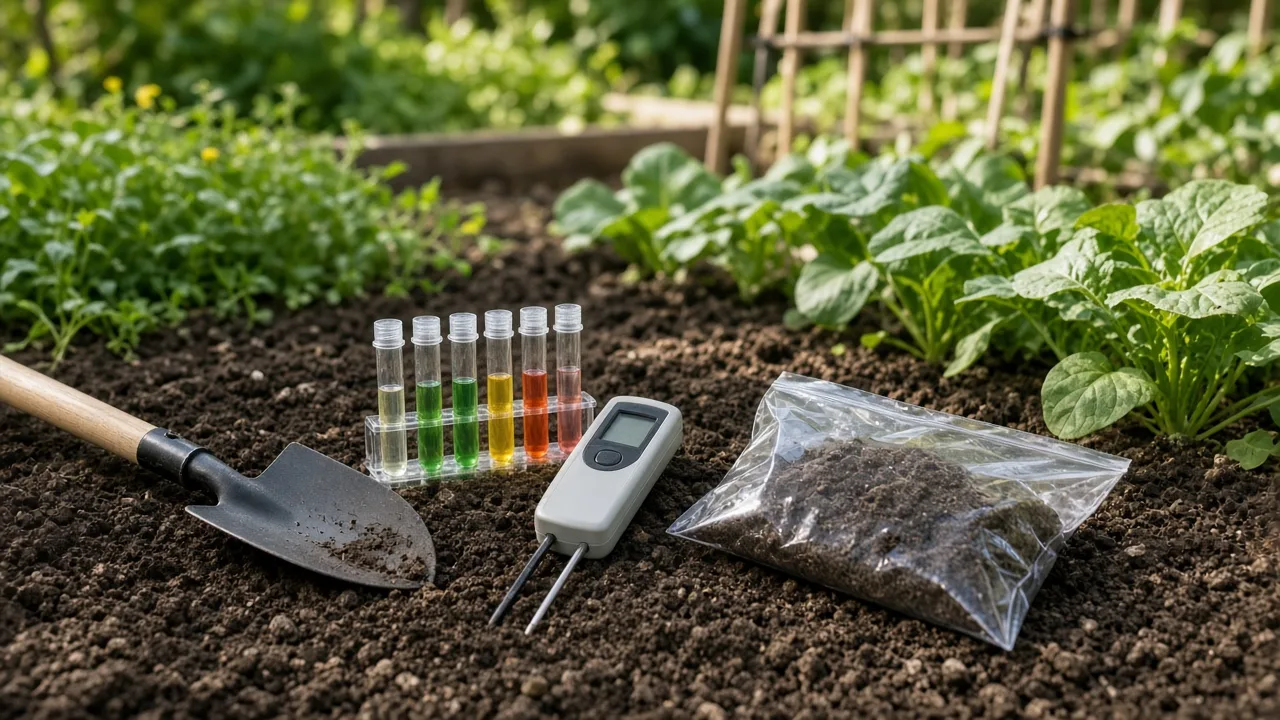
What roses need from a fertilizer
Roses use the same main nutrients as other plants. Nitrogen supports leafy and stem growth; phosphorus is involved in root development and energy transfer; and potassium supports water regulation and many plant processes. Fertilizer labels list these as N-P-K, but the plant does not need a bigger number simply because it is a rose.
The amount a rose needs depends on the soil, the plant’s size and growth, and how much nutrient is already available. A complete fertilizer formulated for roses or flowering shrubs can be convenient, but “rose” on the bag does not prove the bed needs extra phosphorus or micronutrients. The RHS fertilizer guide explains that products differ in nutrient concentration and release speed, and advises following the specific product instructions.
More fertilizer is not a shortcut to more flowers. Excess nitrogen can push soft leafy growth at the expense of flowering, while unused nutrients can build up in the root zone or wash away. If the plant is vigorous and blooming normally, a lighter approach is often the better choice.
When to fertilize established garden roses
In a cold-winter region, wait until the rose resumes growth in spring and severe frost is no longer a near-term threat. That may be early spring in a mild climate or later where winters are long; the opening of leaf buds is a more useful cue than a fixed month. Apply granular fertilizer to moist soil, then water it in as the label directs.
For repeat-flowering roses, a second feed after the first flush is a reasonable option if the plant is actively growing and the product allows it. The RHS schedule recommends a midsummer feeding after the first flush, especially for repeat-flowering varieties. The exact timing and dose still depend on the fertilizer; the RHS rate applies to the products and growing context it describes, not automatically to every formulation sold elsewhere.
Stop feeding while there is still enough growing season for the plant to harden off before winter. A University of Washington Elisabeth C. Miller Library answer on rose timing cautions against fertilizing after mid-summer in its regional context because tender growth is vulnerable as cold weather approaches. That principle matters more than copying a calendar date: avoid late nitrogen that triggers soft new shoots close to frost.
Repeat-flowering and once-flowering roses
Repeat-flowering roses can produce several flushes, so they may use nutrients for longer than a rose that flowers once. For a healthy shrub that is growing well, begin with the spring feed and decide on a second application only if the product label and the plant’s condition support it. Do not assume every new bloom requires another dose.
Once-flowering ramblers and old garden roses usually have a shorter flowering period. A restrained spring feeding supports the season without trying to force another bloom cycle that is not part of the variety’s normal habit. If you are unsure which type you have, identify the cultivar or ask a local rose society before changing the schedule.
How to feed a newly planted rose
A newly planted rose is establishing roots, so it is more vulnerable to concentrated fertilizer than a mature shrub. At planting, improve the wider bed with well-rotted compost if the soil needs organic matter, but do not pile strong fertilizer against the bare roots or assume a high-phosphorus product is necessary. Fresh compost can improve soil structure; it is not a reason to add several concentrated products at once.
After planting, water thoroughly and keep the root zone evenly moist while the rose settles in. Wait until it is established and pushing new growth before using a supplemental feed, unless the rose’s product label gives a different planting instruction. A mild, label-directed product is safer than full-strength liquid feed on a plant whose roots have just been disturbed.
The first season is not the time to chase a large flush of flowers. A rose that is building roots may bloom lightly, and that does not automatically signal a deficiency. Focus on planting depth, drainage, sun, and consistent watering; increase feeding only when the plant is growing and the soil or label supports it.
Container roses follow a different schedule
Potting mix holds a limited reserve of nutrients, and water runs through a container more often than it does through a garden bed. That is why container roses generally need more deliberate feeding than established in-ground shrubs. The RHS recommends a spring top-dressing for potted roses and additional feeding according to the product manufacturer. Its rose guide suggests liquid feeding every two weeks from mid-spring through late summer, shifting to a higher-potash liquid feed once flowering starts; treat that as one regional, product-specific example, not a direction to combine liquid feed with a full-rate granular product.
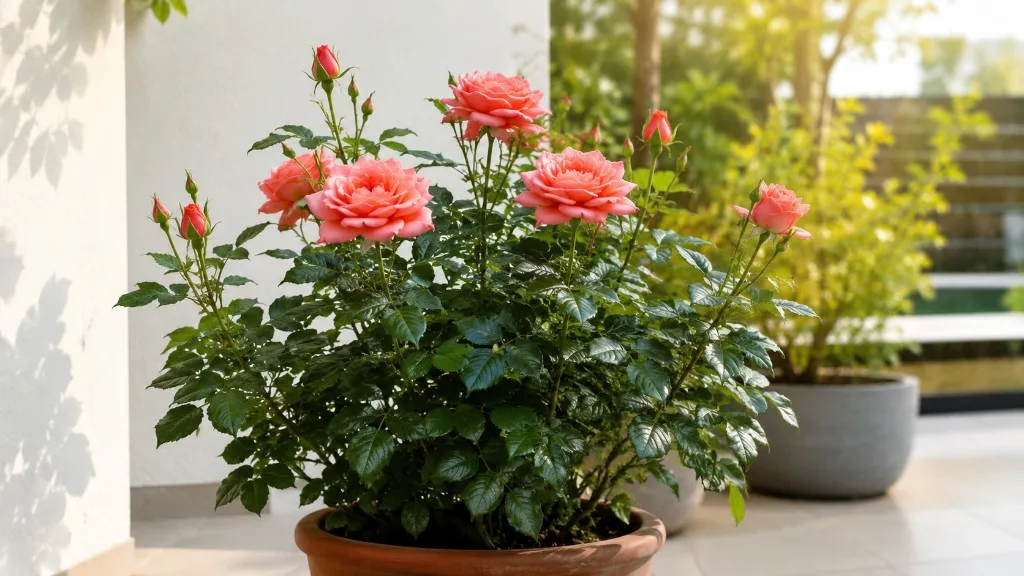
Choose one method that matches the mix and pot. A controlled-release granular fertilizer may supply nutrients for a longer period, while a liquid product gives a quicker feed but usually needs repeat applications. Do not combine a full-rate slow-release product with frequent full-strength liquid fertilizer unless both labels specifically allow it.
Feed only while the rose is actively growing, and reduce or pause when growth slows in cold weather or during severe heat and drought. Water the pot first if the mix is dry, apply the fertilizer at the label dilution, and let excess water drain freely. If the pot is small, the rose is root-bound, or the mix has broken down, repotting may solve poor growth better than adding more fertilizer.
How to choose a rose fertilizer
Start with a complete, clearly labeled fertilizer that lists its analysis, application rate, frequency, and whether it is intended for garden beds or containers. A rose-specific product is a convenient starting point, not a guarantee that its formulation is ideal for every soil. If a soil test shows adequate phosphorus or another nutrient, avoid choosing a product that adds more of it just because it advertises bigger blooms.
Granular products are easy to spread around the root zone and may release nutrients gradually, depending on the formulation. Water-soluble liquids act more quickly and can suit containers, but they require careful measuring and repeat feeding according to the label. Organic products can also vary in concentration and release; they are not automatically harmless when overapplied.
Avoid products that combine fertilizer with an herbicide or pesticide unless you have separately identified a problem and the label specifically permits use around roses. Routine feeding is not pest or disease control. When choosing between two products, the clearest label and a dose that matches your plant’s situation are more valuable than an impressive N-P-K number.
Read the N-P-K label without chasing a magic ratio
The first number is nitrogen, the second is phosphate, and the third is potash on common fertilizer labels. These numbers describe the product’s nutrient analysis; they do not prescribe the exact nutrient balance your rose bed needs. A higher middle number is not a universal bloom booster, and using more phosphorus than the soil requires can create an excess rather than better flowers.
Choose a balanced or rose-labeled product only if its contents fit your soil and the product’s directions fit your feeding plan. If a soil test identifies a particular shortage, use that result to choose an appropriate amendment rather than diagnosing from a single leaf or buying several supplements. The RHS explains how fertilizer types and strengths differ; its labels are useful for understanding the categories even though products and rates vary by country.

How to apply fertilizer without damaging roots
For granular fertilizer, use the label rate for the area or plant size; do not estimate a handful if the label gives a measured quantity. If the soil is dry, water the rose before feeding. Spread granules evenly over the root zone, generally under the outer canopy rather than against the canes, and keep them away from the crown and graft union.
Roses have shallow feeder roots, so work gently. If the product says to incorporate it, scratch only the soil surface; deep digging or hoeing can damage the roots that absorb water and nutrients. Water after application if required by the label, and avoid washing granules onto pavement, storm drains, or neighboring beds.
For liquid fertilizer, measure the concentrate and water exactly as directed. Apply it to already-moist soil rather than dry roots, and do not increase concentration to compensate for a missed feeding. If the label says not to apply during heat, drought, or dormancy, wait for suitable conditions instead of adjusting the dose yourself.
Keep a brief record of the product, date, and amount. This helps prevent accidental double feeding when several people care for the garden and makes it easier to connect a later problem with a recent application. Store fertilizer in its original container and follow its handling and storage directions.
Compost and mulch are part of the feeding plan
Well-rotted compost or manure can improve soil structure and add organic matter while releasing nutrients gradually. As a top-dressing, spread a modest layer over the root zone without burying the canes, crown, or graft union. Keep the material a few inches away from the stems so moisture does not stay trapped against them.
Mulch also moderates soil temperature, slows moisture loss, and reduces weeds competing with rose roots. The RHS rose guidance recommends well-rotted organic mulch as part of rose care, and the RHS feeding guide notes that organic mulch can improve soil and reduce the need for concentrated fertilizer. Mulch is useful, but it does not replace a targeted nutrient correction when a soil test identifies one.
Use finished compost or well-rotted manure, not fresh manure directly around the roots. Fresh material can be too strong and may damage plants; its nutrient content is also less predictable than a measured, labeled fertilizer. In a rich bed that receives regular compost mulch, cut back on routine fertilizer rather than adding both at full strength.
Popular rose fertilizer claims to treat cautiously
Coffee grounds are not a complete fertilizer. They may be composted with other organic material, but a pile of grounds around a rose does not provide a predictable, balanced dose of N-P-K. Do not use them as a disease treatment or as a substitute for a soil test and labeled fertilizer.
Epsom salt is not a general rose tonic. It supplies magnesium and sulfur, but it does not provide nitrogen, phosphorus, or potassium. Use it only when a soil test or qualified local advice indicates magnesium is lacking; otherwise, adding it may increase salts without solving the plant’s problem.
Bone meal is not required at every planting. It is a phosphorus source, so add it only when the soil test and product instructions justify it. More phosphorus will not force a rose to bloom if the real limitation is shade, poor roots, drought, or unsuitable pruning.
Kitchen scraps are not measured fertilizer. Banana peels, eggshells, and similar scraps break down at different rates and do not deliver a reliable nutrient balance at the root zone. Compost them first if appropriate, then use finished compost as a soil amendment rather than burying scraps against a rose bush.
How to recognize underfeeding and overfeeding
Poor growth, small leaves, or few flowers can occur when nutrients are limited, but each can also come from low light, root competition, drought, waterlogging, pests, disease, or pruning at the wrong time. Look for a pattern across the plant and compare it with the soil, watering history, and growth habit before feeding. A soil test is especially useful when symptoms persist or when you are considering phosphorus, iron, magnesium, or a pH adjustment.
Overfeeding can produce lush soft shoots with fewer flowers, leaf-edge scorch, root injury, or salt buildup around the soil surface. If you suspect a recent overapplication, stop feeding and remove visible granules you can safely reach. For a container with clear drainage, water the mix thoroughly to carry excess soluble salts through; do not flood a poorly drained garden bed or send fertilizer runoff into a drain.
If a rose declines after feeding, do not apply another nutrient product to “balance” the first one. Keep the plant watered appropriately, check drainage and root condition, and seek a soil test or local extension advice before adding amendments. Recovery can take time, especially if roots were burned or the plant was already stressed.
Yellow leaves are not a diagnosis
Yellowing can result from nutrient deficiency, but it can also follow overwatering, drought, compacted or poorly drained soil, high soil pH, normal aging, or disease. Yellowing between green veins on newer leaves can suggest a nutrient-availability issue, while older leaves yellowing evenly may have a different cause. These patterns are clues, not a diagnosis by themselves.
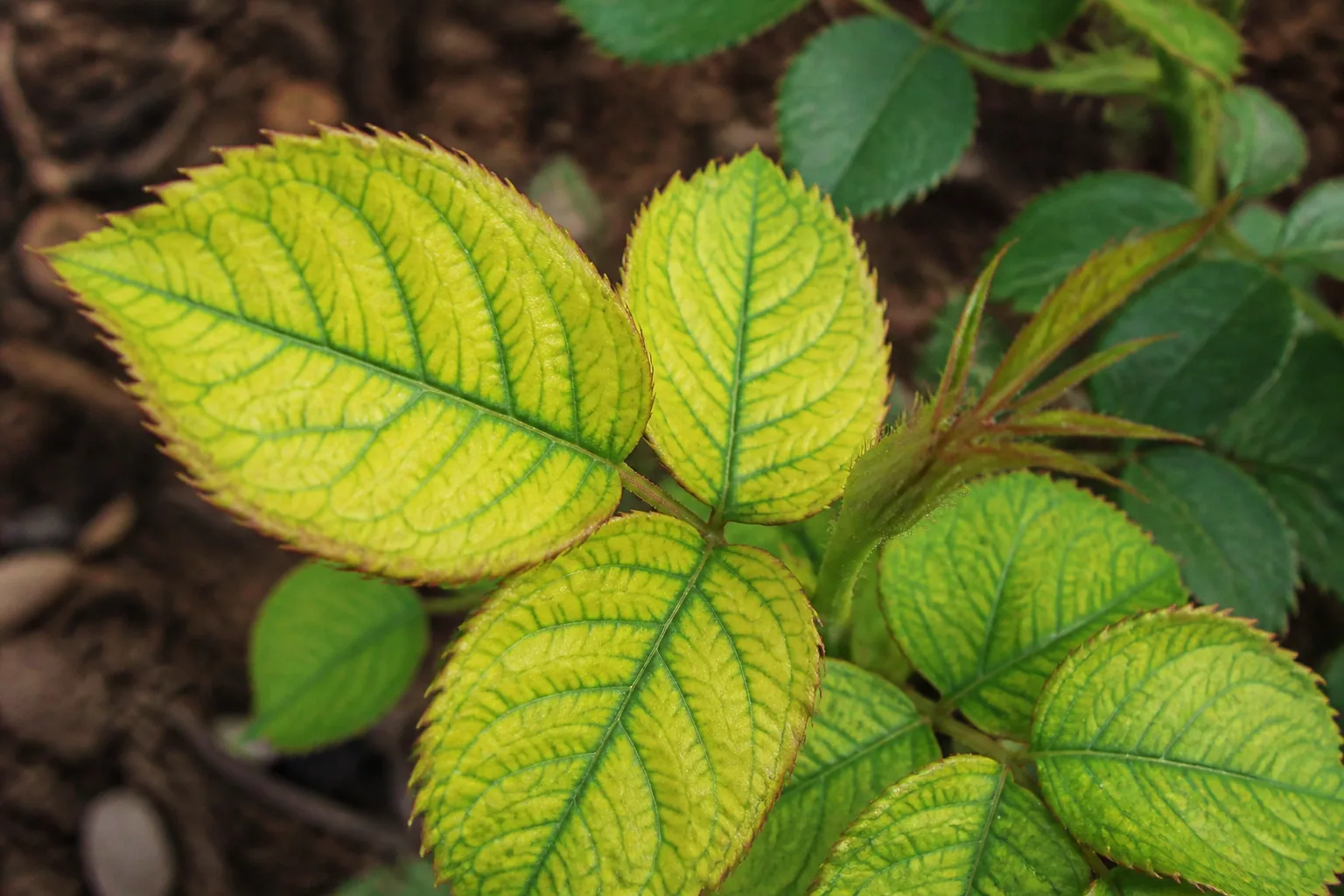
Before feeding a yellowing rose, check whether the soil is soggy or dry, whether the plant gets enough sun, and whether the problem is limited to older or newer leaves. Look underneath leaves for pests and inspect stems for disease symptoms. If the rose is planted in alkaline or compacted soil, fertilizer may be present but unavailable to roots; a soil test can help separate that from a true shortage.
Adjust feeding for climate and season
Calendar dates shift with latitude, elevation, and the weather in a given year. In a region with cold winters, wait for active spring growth and stop well before the first hard frost so new shoots can mature. The University of Washington horticulture reference warns against late-summer feeding in its regional guidance; in other climates, use the same principle—do not push tender growth as the plant should be slowing down.
In hot, dry weather, a rose may pause growth even though it is technically summer. Fertilizer will not make a heat-stressed plant take up nutrients safely, so maintain moisture and wait until the plant resumes active growth. In a warm climate with a long season and no regular frost, follow the product’s seasonal directions and local rose guidance rather than applying a northern winter cutoff.
Rainfall and soil type also affect the plan. Sandy soils and pots can lose soluble nutrients more quickly than a moisture-retentive garden bed, while a heavy soil that stays wet can prevent roots from using nutrients well. Match the feeding method to the growing medium, and use a soil test to avoid repeated additions that accumulate over time.
Build a simple repeatable rose-feeding routine
Use this routine each growing season and adjust it to your rose rather than treating it as a fixed calendar:
- At spring growth: Check the plant, soil moisture, drainage, sun, and last year’s feeding history. Add a spring feed only if the product and growing conditions call for one.
- After the first flush: For a repeat-flowering rose that is actively growing, decide whether a second application fits the product label and local timing. Skip it if the plant is already vigorous, the soil test shows excess nutrients, or the season is turning toward frost.
- During summer: Feed a container rose only on the schedule for its chosen product. Watch moisture and growth, and pause during severe heat, drought, or dormancy.
- As fall approaches: Stop nitrogen-rich feeding early enough for new shoots to mature before cold weather. Do not try to make up missed spring applications late in the year.
- When symptoms appear: Diagnose the growing conditions and test the soil before adding a targeted nutrient or amendment.
Keep the routine simple: one product, one measured rate, and a short note after each application. That makes it easier to notice whether the rose is responding and prevents repeated feeding from becoming a reflex. If the plant is flowering and growing well, maintain the soil and water instead of escalating the dose.
Conclusion
The best rose fertilizer schedule starts with the plant and the soil. Feed established roses as active spring growth begins, consider a second feeding for repeat bloomers when the label and local season support it, and give container roses a product-specific plan because their potting mix loses nutrients faster. New plants need careful establishment, not a heavy dose at the roots.
Measure every application, water it in as directed, and stop before late-season feeding can trigger vulnerable new growth. If a rose looks weak or yellow, check light, water, roots, pests, and soil before adding fertilizer. A measured, need-based routine is more reliable than chasing a high-phosphorus formula or a calendar that ignores your garden.