How to Get Rid of Stink Bugs With 7 Effective Tips
Learn which stink bugs enter homes, what to do with indoor visitors, when to seal gaps, and why sprays, powders, and scent tricks often disappoint at home.
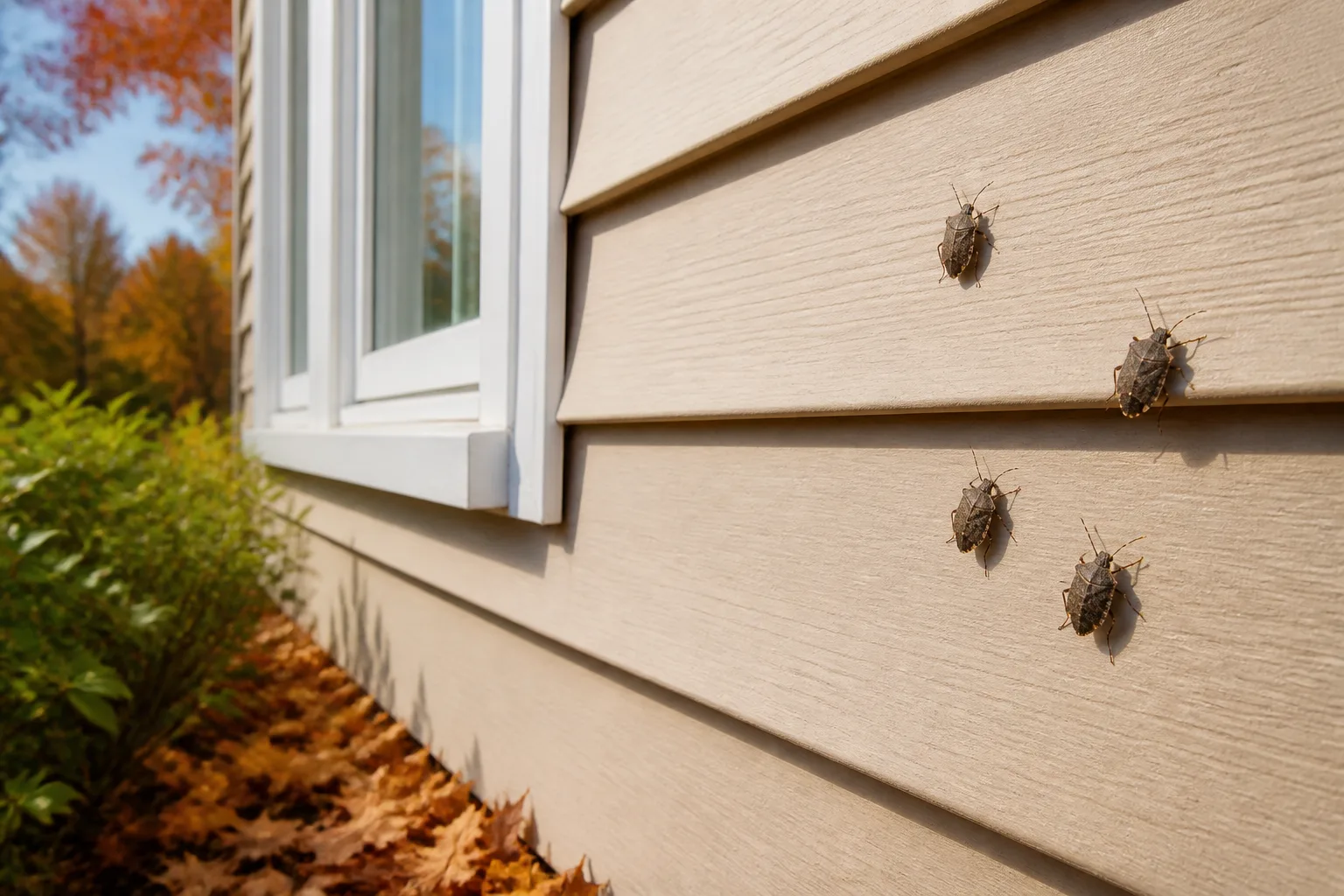
If you see one stink bug indoors, cover it with a jar, slide stiff paper underneath, and transfer it into soapy water—or use a small vacuum you can empty immediately. Then look for the route it used. Stink bugs in a house are usually outdoor adults that slipped into a wall, attic, or other sheltered space for winter; removing the visible bug helps today, while sealing the right openings before the next seasonal movement prevents repeat visits.
That distinction is why one spray or scented remedy rarely solves the problem. A useful plan handles the bug in front of you, checks the building envelope, and puts exclusion work on the right part of the calendar. The seven tips below focus on the measures most likely to reduce indoor sightings, with separate guidance for a stink bug problem in a vegetable garden.
What to do first if stink bugs are already inside
Do not swat or crush the insect. A disturbed stink bug releases a defensive odor that can linger on a surface, and squashing it can leave a mark; the goal is to move it intact, not to make it release its chemical defense. Keep children or pets from batting at it, and avoid handling it with bare fingers if you are sensitive to insect odors.
For a single bug, the cup-and-card method is quick and controlled: lower a clear cup or jar over it, slide a postcard or stiff piece of paper between the rim and the wall, then carry the covered container to a bowl of soapy water. For several bugs or an unreachable corner, use a dedicated handheld or shop vacuum; empty it outdoors into a sealed bag right away, or follow the device’s instructions for disposal. Extension guidance also describes freezing captured bugs in a sealed container or drowning them in soapy water as practical options. NC State Extension’s brown marmorated stink bug guidance recommends capture and cautions against live release because the bugs may return.
If a few adults appear near a ceiling light in January, that does not necessarily mean they are breeding in a room. Many entered months earlier and stayed in a protected void until a warm day activated them. Capture each exposed bug and note where it appeared; a steady stream emerging around the same trim or fixture is a clue to investigate the route, not a reason to fog the whole room.
Identify the visitor before treating it
“Stink bug” is a broad common name for many shield-shaped true bugs. The brown marmorated stink bug, or BMSB (Halyomorpha halys), is the species especially associated with fall home invasions in much of the United States, but a green or brown shield-shaped insect is not automatically that species. Identification matters because other bugs may be native predators or garden insects, and a treatment aimed at the wrong insect can do more harm than good.
Brown marmorated stink bug field marks
An adult BMSB has a broad, shield-like body, mottled brown coloring, and alternating pale and dark bands along the edges of the abdomen. Pale bands on the antennae are a useful clue when you can see them clearly. Adults are about two-thirds of an inch long, though perspective and the insect’s posture can make them look smaller. PestWorld’s stink bug guide describes the shield shape, mottled color, and banded antennae and notes that stink bugs commonly gather on homes in late summer and fall.
Most stink bugs do not bite or sting people, and the common household invader does not chew the house or reproduce in the living space. That does not mean every contact is consequence-free: Penn State Extension reports that some sensitive people can react to the defensive chemicals, and crushing an insect against bare skin can cause localized irritation in rare cases. If you cannot confidently identify an unusual insect, take a clear photo from above and ask a local Cooperative Extension office before using an insecticide.
Seven effective ways to get rid of stink bugs
The strongest sequence starts inside and works outward. Do not wait until every gap is sealed to remove bugs already visible, but do use each sighting to learn which part of the home needs attention.
1. Catch indoor adults without crushing them
Choose capture over contact spray. A jar and stiff paper are ideal for one or two bugs on a flat surface; a dedicated vacuum is easier for a cluster, a high ceiling, or a bug that keeps moving. Keep a small capture kit near the room where they appear: a clear container with a lid, a piece of card stock, and a small dish of soapy water makes an awkward moment less likely to end with a swat.
If you use a vacuum, avoid turning your everyday household vacuum into a stink-bug canister. A vacuum bag or filter can hold odor, and bugs left alive in a bin may escape when it is opened indoors. Empty the collection container outside into a tied bag, or use a sealed bag that you can discard promptly; wipe reusable parts according to the manufacturer’s instructions. Do not pour cleaning chemicals into a vacuum, and do not use a device on wet bugs unless it is designed for liquids.
For direct disposal, drop captured bugs into soapy water or seal them in a container before freezing. Avoid releasing live adults outside during fall; they may simply find their way back to the same warm structure. The point is not to kill every insect in the neighborhood—it is to remove the indoor visitor cleanly and then address how it entered.
2. Map the route instead of chasing every bug
The place where a bug is seen is not always the place where it entered. Brown marmorated stink bugs can move through a wall or attic space and emerge indoors around window trim, baseboards, ceiling fixtures, exhaust fans, or other openings. If sightings cluster in one room, inspect that room’s exterior wall and the nearest upstairs or attic area, then compare what you find with where the bugs gather outside.
Check the sunny sides of the house on a warm afternoon in late summer or fall. South- and west-facing walls often become warm gathering spots, and a concentration outside a window or roofline can help you prioritize repairs. Look for torn mesh, gaps at frame corners, worn door seals, holes around cable or pipe penetrations, loose siding joints, and unscreened vents. NC State Extension notes that adult BMSB can pass through an opening around 3 by 7 millimeters—small enough that a gap can be easy to overlook.
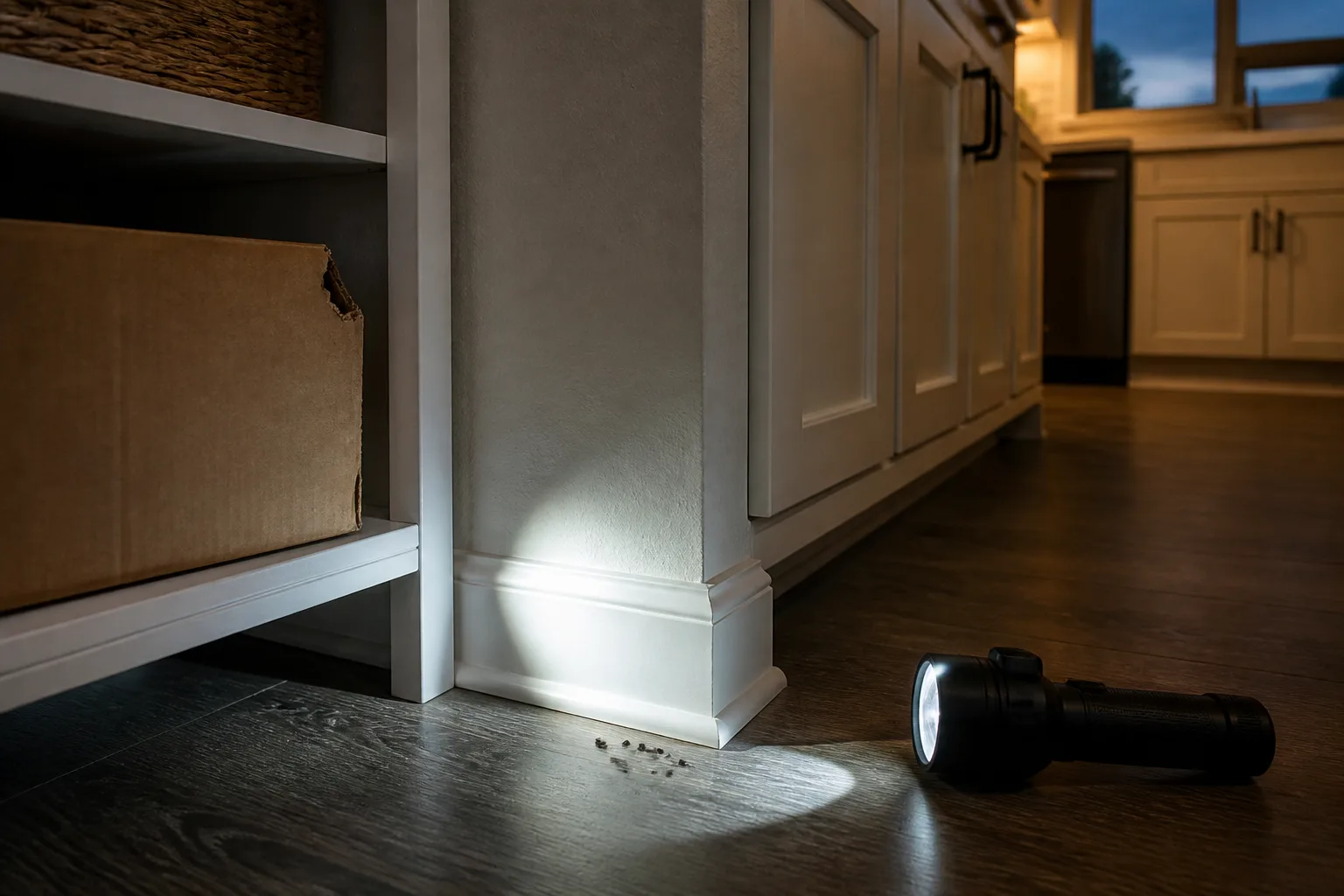
Make a short list or take photos of the gaps you find rather than caulking randomly. A ten-minute perimeter walk with a flashlight, especially near the areas where bugs congregate, is more useful than spreading dust along every sill. Keep essential vents and drainage openings clear; if you are unsure whether a gap is an insect entry or a required building opening, ask a qualified contractor before closing it.
3. Seal structural gaps at the right time
Mechanical exclusion is the most dependable way to prevent stink bugs from entering a building. Penn State Extension recommends sealing cracks around windows, doors, siding, utility pipes, chimneys, and fascia with a durable material such as silicone or silicone-latex caulk. Use caulk for a narrow stationary seam, weather-rated foam or a properly fitted patch for a larger opening where appropriate, and a repair method suited to the building surface rather than covering everything with tape.
Schedule a full exterior inspection after overwintering adults have moved out in spring and before the next late-summer search for shelter. The exact weeks depend on local weather, but finishing while outdoor activity is low gives you time to patch and test the repairs before the first warm fall congregation. NC State Extension specifically cautions that extensive sealing in fall, winter, or early spring can trap bugs inside a structure; if insects are emerging from a void now, capture exposed ones and plan a careful repair rather than blindly sealing every interior crack.
Prioritize the openings that connect directly to indoor spaces: gaps at window and door frames, utility penetrations, roofline joints, and damaged screening over attic louvers. For wall assemblies, masonry, chimney flashing, or roof repairs, use an appropriate building professional; a bead of caulk should not block moisture drainage, attic ventilation, or a code-required opening. A good repair is durable, keeps water out, and leaves the building’s ventilation system working as intended.
4. Repair screens, doors, vents, and daily openings
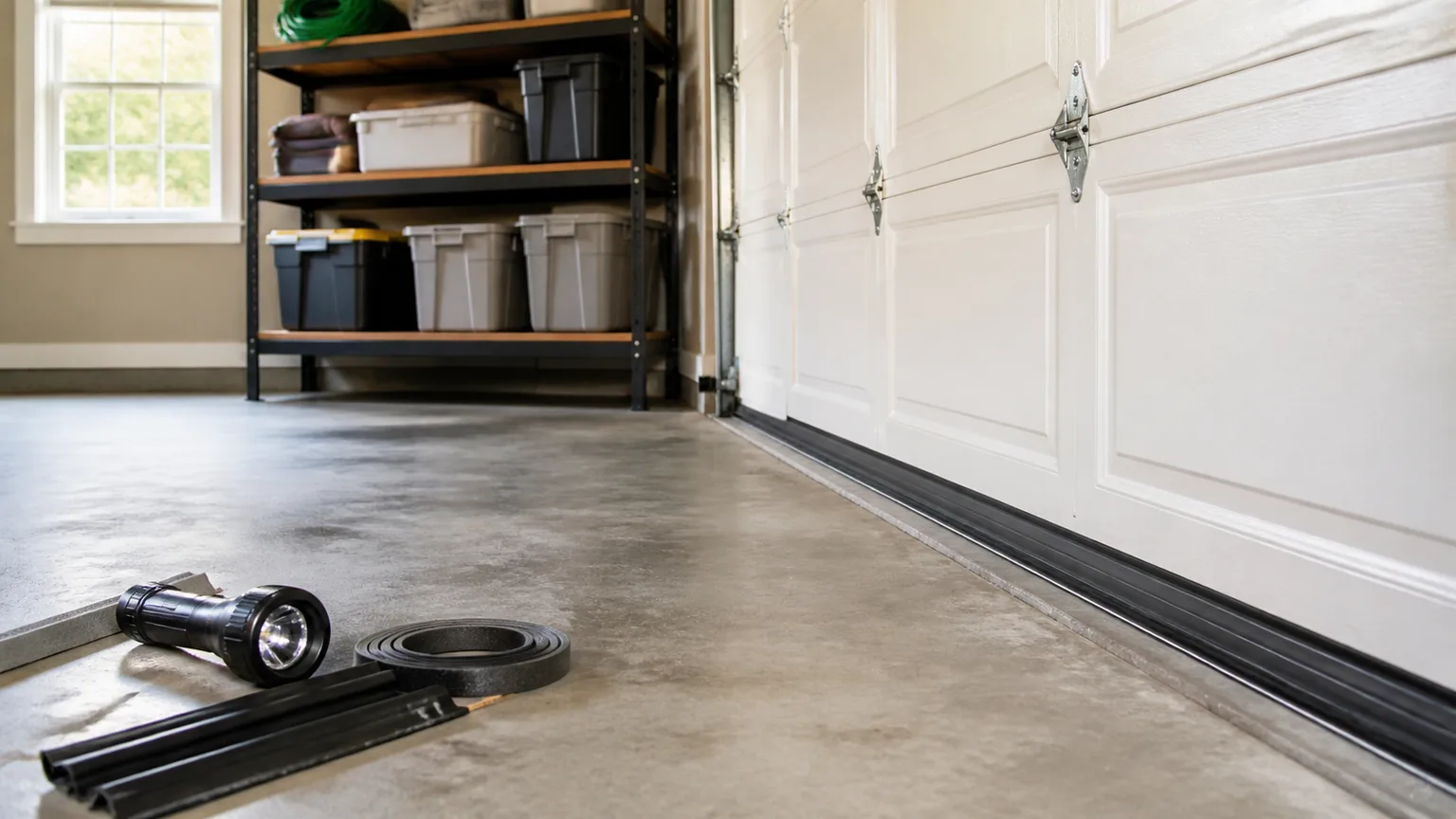
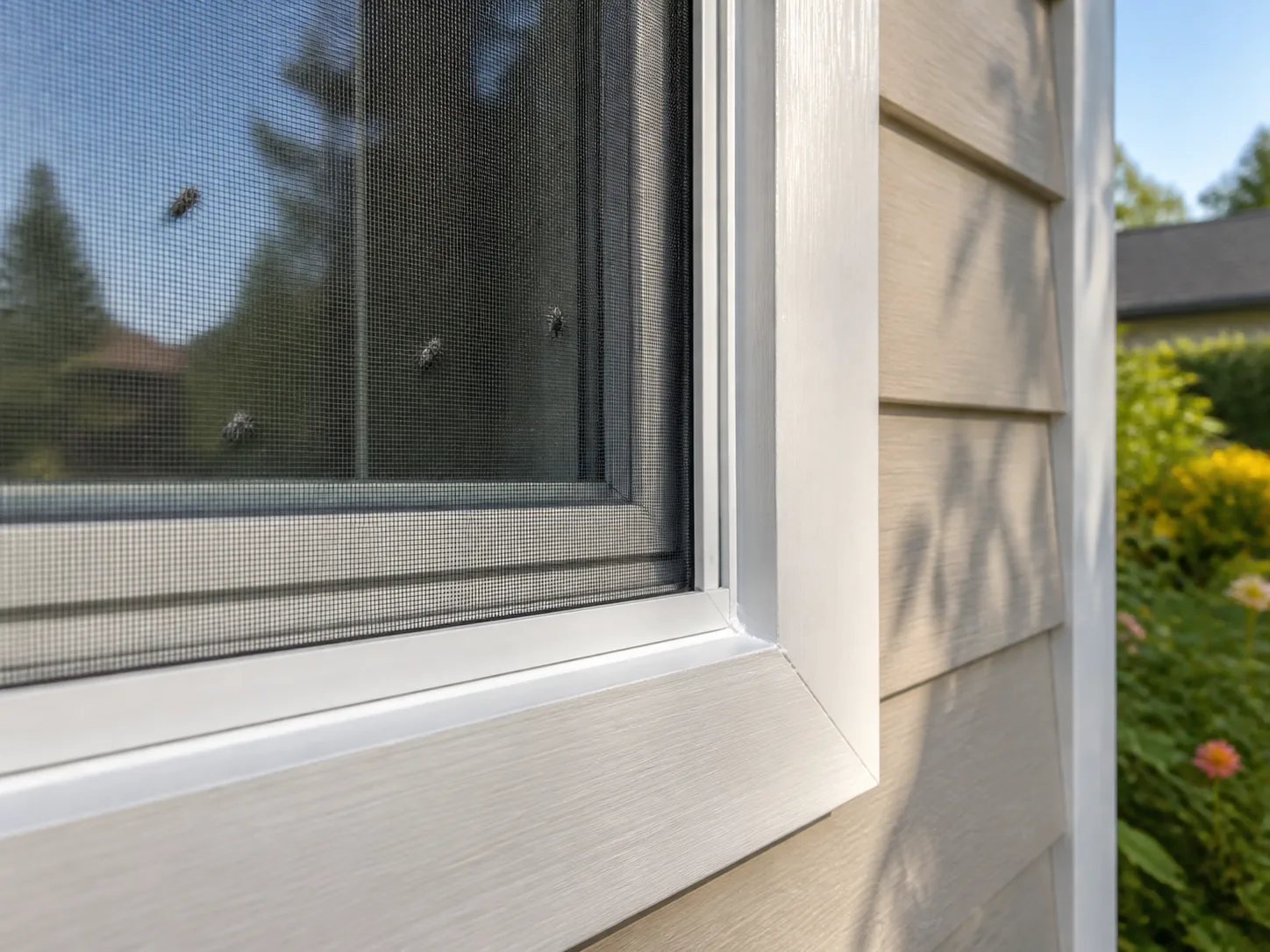
Some entry routes are not fixed cracks. A screen door that does not latch, a window with a torn corner, a loose storm-window frame, or a garage door that leaves daylight along the bottom can admit insects even when the rest of the house is well caulked. Replace badly damaged mesh, patch small holes with a screen-repair kit, install a snug door sweep, and check the weatherstripping where a door meets its frame.
Treat attic and foundation vents with care. Replace a damaged screen or fit a suitable insect screen where the vent design allows it, but do not block airflow with plastic, foam, or a dense layer of dust. Vents serve the building, and covering them can create moisture or combustion problems. If a soffit or gable vent has a loose cover, repair or replace the cover with one designed for that opening.
Daily habits can reduce the window of opportunity while repairs are pending. Close doors promptly, avoid leaving a bright open doorway during a fall evening, and check window screens before opening them on a warm day when bugs are congregating on the exterior. These steps are small, but they help in the weeks between spotting a weak seal and completing the permanent repair.
5. Reduce outdoor cues around the house
Stink bugs commonly gather on warm exterior walls and are attracted to light, so modest changes to the immediate house zone can reduce the number resting near openings. Switch decorative porch bulbs to a warmer amber or yellow option that attracts fewer flying insects than a bright white light, turn off nonessential exterior lights during peak movement, and close blinds on windows that are brightly lit at night. PestWorld lists less-attractive yellow exterior lighting among prevention steps; lighting changes lower one cue but do not seal a gap.
Keep the narrow strip beside the foundation easy to inspect. Move stacked boards, unused boxes, dense leaf piles, and firewood away from exterior doors and walls; trim shrubs or branches that touch siding or hide the sill line. This is targeted housekeeping, not a demand to strip a garden bare. A few feet of clear access lets you see new gaps and keeps outdoor clutter from hiding the route an insect is using.
The aim is to make the building perimeter less convenient, not to eliminate every plant that could host stink bugs. Adults can fly in from nearby trees or gardens, so a bright new bulb or a tidier mulch bed will never provide the same protection as an intact screen and sealed opening. Combine these lower-impact changes with capture and exclusion, and judge them by whether the number of bugs at doors and windows declines over time.

6. Handle garden feeding as a separate problem
The stink bugs on your tomatoes or fruit tree are a garden pest; the adults on a window in October are usually looking for shelter. A kitchen fruit bowl is not what caused a fall invasion. Brown marmorated stink bugs feed on many crops, including tomatoes, peppers, beans, apples, and peaches, and feeding may leave pale or discolored spots, dimpling, or corky tissue rather than a ragged chewing hole. Gardening Know How’s stink bug guide describes this crop-feeding distinction, while Birds & Blooms’ expert-backed overview discusses scouting and physical protection in home gardens.
In a small garden, inspect the undersides of leaves for egg clusters and check developing fruit for fresh injury. Handpick visible nymphs or adults into soapy water, remove heavily egg-bearing leaves when doing so will not compromise the plant, and harvest ripe produce promptly. A floating row cover can protect a vulnerable crop while it is not flowering, but remove or open it when pollination is needed; the cover only works if pests are not already trapped beneath it.
Do not respond to garden damage by spraying every plant or the outside wall with a homemade detergent mixture. A product appropriate for one crop may harm beneficial insects, leave residue, or have a harvest interval, and a pesticide’s label controls where and how it can be used. If a vegetable or orchard infestation is substantial, ask a local extension educator about the pest, crop stage, and regional management options. Garden controls may reduce feeding near the house, but they cannot stop adults arriving from surrounding properties.

7. Use a pest professional for persistent entry
Call a licensed pest-management professional when large numbers appear repeatedly despite intact screens and completed repairs, when bugs seem to emerge from an inaccessible wall or attic void, or when exterior gaps are too high or difficult to inspect safely. An experienced operator can distinguish an active entry problem from a few adults that entered earlier and are now emerging from winter shelter. That diagnosis should come before anyone proposes a broad treatment.
Ask what the inspection found, which openings will be repaired, whether the proposed treatment is exterior or interior, and how it fits the seasonal movement of stink bugs. Penn State Extension says a licensed exterior application may offer limited relief when complete sealing is difficult, but sun can break residues down within days or a week. A professional should explain those limits and why a product is appropriate for the location rather than promising permanent control from a single spray.
Avoid indoor foggers or attempts to inject insecticide into a wall void yourself. Bugs can continue emerging after a room treatment, while a large number of dead stink bugs in voids may attract carpet beetles and other secondary pests. If you hire help, favor a plan built around inspection, exclusion, and a clearly described label-compliant treatment when needed—not just a strong-smelling product or a guarantee that no insect will ever appear again.
Why popular stink bug remedies often disappoint
Many quick fixes are not useless in every situation; the problem is expecting them to solve the source of a home invasion. A bowl or bottle trap may catch a few insects in a particular room, but it cannot close the gap behind a window frame. If you try a light-and-water trap, use it as a supplementary capture method in a place where it will not spill or be reached by children or pets, and keep it away from an exterior door where it could draw insects toward the entry. Direct capture plus exclusion is the more reliable plan for a house.
Essential oils, neem, garlic, dryer sheets, and vinegar are often described as repellents. A scent may briefly deter an exposed bug, but it does not repair screens, seal siding joints, or remove insects already sheltering inside a wall. Do not spray essential oils or neem around a home as if they were a labeled structural pest treatment; they may irritate people or pets, damage surfaces, or affect nearby plants, and their use must match the actual product label.
Diatomaceous earth deserves particular caution because “food grade” is not a promise that any dusting pattern is safe or effective for every room. It is a contact dust, not an entry barrier, and it cannot reach insects that remain inside an insulated wall void. The National Pesticide Information Center’s diatomaceous earth fact sheet notes that dust exposure can irritate the nose and eyes and advises following the label to limit exposure. If a pesticide product is being considered, verify that its label permits the pest and exact location; do not scatter dust across counters, floors, vents, or pet areas as a substitute for repairing an opening.
Homemade dish-soap spray has a narrower role too. A shallow dish of soapy water can dispose of a bug you have captured, but spraying detergent on walls or plant leaves is not the same as using a product tested and labeled for that job. Stronger chemicals do not automatically mean better control: a room spray may kill the insects it hits while leaving the access route open for the next group.
Time the work to the stink bug calendar
The calendar is a planning guide, not a fixed date for every region. In much of the U.S., adults leave outdoor overwintering sites in spring, feed and reproduce through warm weather, then seek protected locations in late summer and fall. Warmer climates, unusual cold snaps, local host plants, and the species present can shift the timing. A recent sighting on a sunny wall is often a better cue to inspect than an exact week printed on a general schedule.
If bugs are indoors right now
Capture exposed insects and record where they appeared. Keep doors and windows screened, reduce avoidable exterior lighting near the affected side of the home, and inspect the closest openings without blocking ventilation or drainage. If they are emerging from one identifiable interior crack, use a removable cover or capture plan while you arrange a repair; do not fill a large void without knowing whether bugs are still sheltering inside.
When numbers are small and scattered, seeing a few indoors does not automatically mean a severe infestation or a need for a pesticide. If fresh adults continue to arrive every day, check doors, window frames, attic vents, utility entries, and roofline seams again. A professional inspection is sensible if you cannot tell whether they are entering now or slowly waking from an earlier entry.
In spring and summer
Use the quieter period to make durable repairs. Replace weatherstripping, patch screens, fit door sweeps, repair gaps at utilities and trim, and clear access to the foundation so you can inspect the work. Adults that overwintered in a wall or attic may become active and leave in spring; give that movement time to taper before sealing every possible exit.
If you grow vegetables or fruit, begin garden scouting separately. Look for egg masses on leaf undersides and fresh pinprick or cloudy feeding marks on fruit. This is when a crop cover, careful hand removal, prompt harvest, or region-specific extension advice can protect plants; those actions target feeding insects rather than the bugs already hidden in house cavities.
Before the fall migration
Once outdoor temperatures begin to cool and adults gather on sun-warmed siding, confirm that the major exclusion work is already done. Walk the perimeter after a warm afternoon, repair overlooked screen tears, check garage and exterior doors at the bottom corners, and make sure vents still have intact screens. Move loose debris away from the wall and switch off decorative lights that attract flying insects when they are not needed.
If the main fall movement has begun, focus on safe capture and obvious, low-risk fixes while avoiding hasty work that could trap an existing group indoors. Then schedule a full envelope check for the next spring or summer. The most useful preparation is a little early maintenance, not a more elaborate indoor trap once the bugs have already found their way into the structure.
Conclusion
To get rid of stink bugs at home, remove visible adults without crushing them, find the likely entry route, and make repairs before the next seasonal movement. Screens, weatherstripping, durable caulk, and correctly timed exclusion do more for recurring indoor sightings than a fogger, scent spray, or dust scattered around the room. Treat garden feeding separately, and bring in a licensed professional when the insects keep emerging from inaccessible spaces or the building needs a difficult exterior repair.