Is Growing Your Own Herbs Cheaper Than Buying?
Is a windowsill herb garden worth the money? See seed vs plant costs, waste savings, and when grocery-store herbs still win.
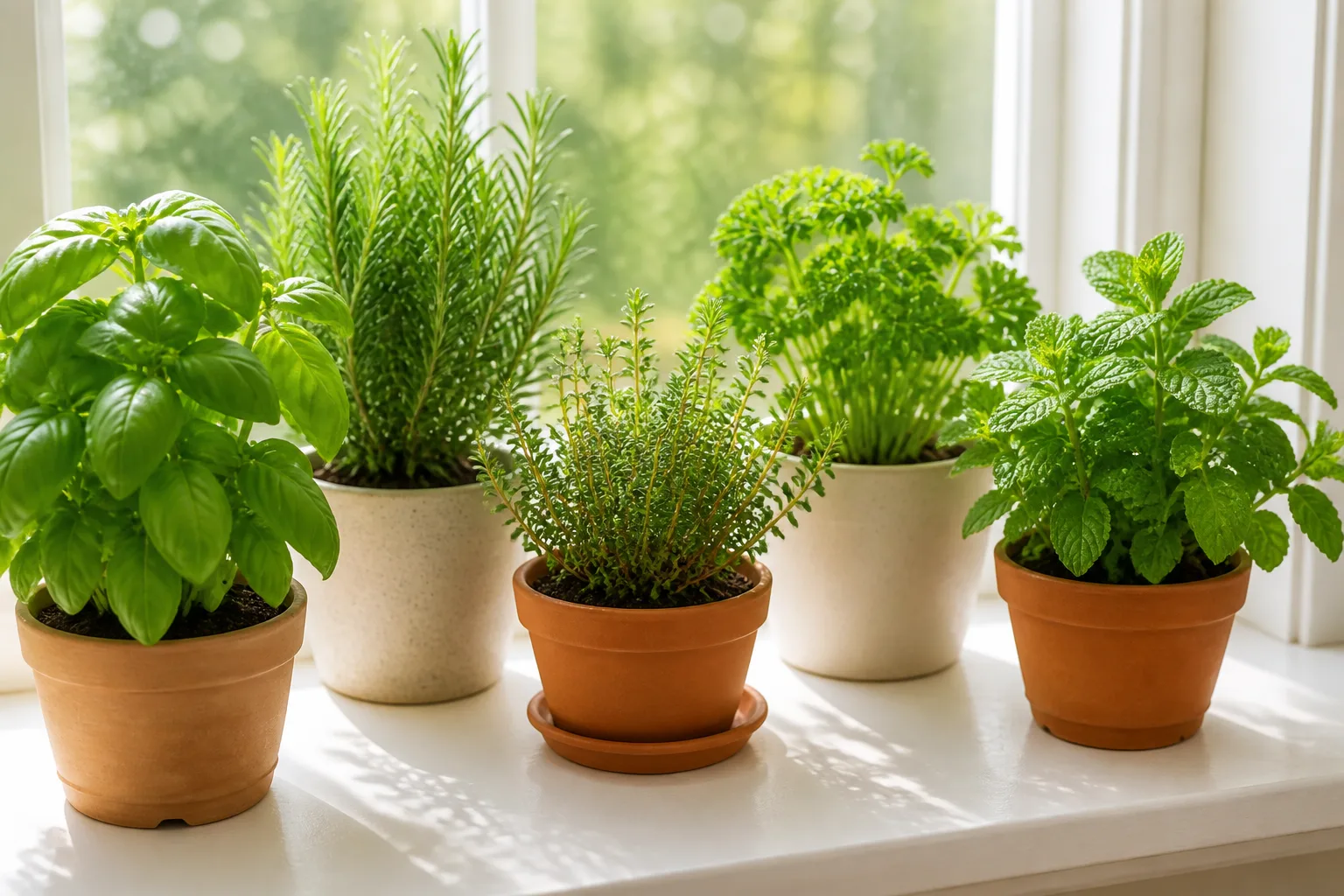
Growing your own herbs is usually cheaper than buying fresh bundles—but only if you cook with them often enough to cover the startup cost. A $2.50 clamshell of basil feels cheap until you buy it every week, toss half when it wilts, and still need thyme for tomorrow’s soup. One healthy plant on a sunny sill can replace dozens of those purchases over a season.
The math is not mysterious. It is shopping frequency, waste, and which herbs you reach for most. This guide walks through real-world price ranges, a simple break-even framework, and the herbs that pay you back fastest.
The short answer: it depends on how often you cook with them
If you use fresh herbs at least two or three times a week, home growing almost always wins on price within one growing season. You are trading repeated small grocery purchases for a one-time setup plus a little water and occasional repotting.
If you need herbs once a month for a single recipe, store-bought bundles are often the better deal. A seed packet, pot, and bag of potting mix can cost more than a year of occasional bunches, especially after you count a failed seedling or a dim windowsill that needs a grow light.
Weekly herb users usually come out ahead within a few months
Picture a cook who buys fresh basil, parsley, and cilantro most weeks. At roughly $2 to $4 per bundle—a common U.S. range for cut herbs in clamshells or twist-tied bunches—that is $8 to $16 per month, or $50 to $100 over a six-month warm season, not counting what gets thrown away.
A basic outdoor or windowsill setup—three nursery starts at $3 to $5 each, one $8 to $12 bag of potting mix, and three $5 to $15 containers—might run $35 to $70 upfront. Harvest regularly and those three plants can cover much of that grocery spend before summer ends. Perennial herbs like rosemary, thyme, and mint push savings into year two and beyond because you are not rebuying plants each spring.
Occasional cooks may never break even on pots and soil
There is no shame in buying a bunch of dill for pickled carrots and calling it done. Low-frequency use favors the produce aisle because herbs are sold in small quantities with zero equipment risk. You also avoid the most common hidden cost: a plant that limps along indoors until you replace it.
What store-bought herbs actually cost
Sticker price is only part of the story. Grocery herbs are priced for convenience—washed, packed, and ready tonight—not for maximum harvest per dollar.
Fresh bundles vs live plants at the grocery store
Cut herb bundles typically land between $2 and $4 for a small pack of basil, cilantro, or parsley, and can run higher for organic or specialty varieties. You get one cooking session, maybe two, before quality drops.
Live herb pots sold in the produce section often cost $3 to $6 for a small basil or mint plant in a peat pot. That is nearly the same as a nursery start, but you can sometimes root grocery stems in water or soil and turn one purchase into a long-term plant—a trick home cooks have used for years with basil and mint.
Dried herbs in jars look cheaper per ounce, but they are a different product. This comparison focuses on fresh leaves, which is what most “should I grow herbs?” searches are really about.
The hidden cost of food waste
Cut herbs have a short shelf life. Moisture loss, bruising, and ethylene from nearby fruit can turn a perky bunch slimy within days. Every bundle you compost is money you already spent.
Growing at home lets you harvest a few sprigs at a time. The plant keeps producing instead of rotting in a produce drawer. For heavy users of basil, cilantro, and parsley, waste reduction alone can make home growing feel cheaper even before you count flavor.
If you do buy cut herbs, treat stems like cut flowers: trim ends, strip lower leaves, and stand them in water on the counter. That extends life but does not eliminate the repeat purchase problem.
What a home herb setup costs upfront
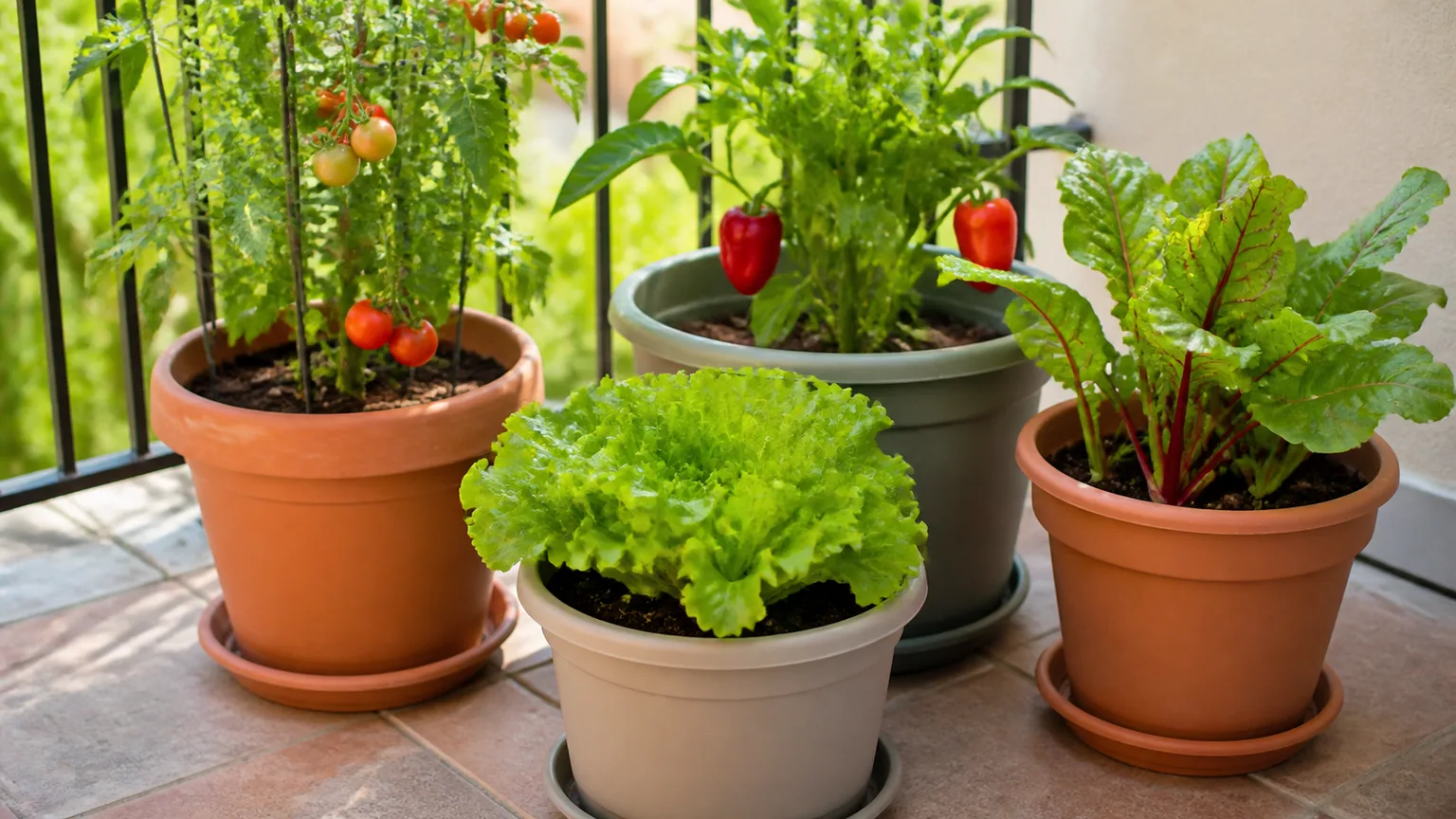
Startup costs vary more than herb prices at the store. A deck with sun and reused buckets is not the same as a kitchen that needs lights.
Seeds, starter plants, and grocery-store cuttings
| Method | Typical cost | Best for | Trade-off |
|---|---|---|---|
| Seed packet | $2–$5 for hundreds of seeds | Basil, dill, cilantro, parsley | Cheapest per plant; needs time and bright light |
| Nursery start | $3–$7 each | Instant harvest, beginners | Higher unit cost; still beats weekly bundles fast |
| Grocery live pot / cutting | $3–$6 or reuse a bundle | Basil, mint, sometimes cilantro | Unpredictable quality; great when it works |
The RHS herb growing guide notes that annuals like basil, coriander, and dill are easy from seed, while many perennial herbs can be started from cuttings or divisions. Seeds win on cost per plant; starts win on time to first harvest.
Grocery propagation is underrated for budget growers. As Diana Bauman described on My Humble Kitchen, fresh basil and mint cuttings can root in water in about two weeks, then move to soil. You are effectively cloning a plant you were going to eat anyway.
Pots, soil, and the extras people forget
Budget a $5 to $15 container per herb—larger for mint and rosemary. One $8 to $15 bag of well-draining potting mix often fills several small pots. UF/IFAS Gardening Solutions recommends container culture for herbs because you only need a few leaves at a time and can control soil moisture.
Easy to forget:
- Saucers or drainage trays — a few dollars each; prevents countertop damage indoors.
- Grow lights — $25 to $80+ for a decent LED if your window is dim; can erase first-year savings.
- Replacement plants — cilantro bolts, basil slows in short days; plan for one or two do-overs per year.
- Hydroponic or countertop gardens — convenient, but hardware often costs $80 to $300+ before herbs. Faster growth does not always mean faster financial payback.
Run the break-even math for your kitchen
You do not need a spreadsheet. You need your monthly herb spend and a honest guess at setup cost.
A realistic example for a weekly cook
Assumptions: You buy three fresh herb bundles a week at $3 each ($9/week, ~$39/month). You spend $55 upfront on three nursery starts, pots, and soil. You waste about one bundle worth of store herbs monthly ($3), which home growing largely eliminates.
| Line item | Store-bought (6 months) | Homegrown (6 months) |
|---|---|---|
| Herb purchases | $234 | $0 (after setup) |
| Upfront setup | $0 | $55 |
| Estimated waste | ~$18 tossed | minimal |
| Approx. total | ~$252 | ~$55 |
Under these assumptions, you break even in under two months and save roughly $200 over six months of active cooking. Change the inputs and the timeline moves: $5 organic bundles break even faster; one bundle a month may never justify pots.
Your formula: (weekly herb spend × weeks you cook) + estimated waste vs setup cost + ~$10 yearly maintenance. If the left side is larger within one season, growing is likely cheaper for you.
When store-bought herbs stay cheaper
Buying still makes sense when:
- You use fresh herbs a few times a year for holidays or one-off recipes.
- You lack four to six hours of direct sun indoors and do not want to buy grow lights.
- You travel often and plants dry out repeatedly—each replacement erases savings.
- You only need a tablespoon of a rare herb (tarragon, chervil) that one bundle satisfies.
- Farmers market or discount bundles in your area are unusually cheap.
Convenience has value. A $3 bundle on the way home from work is not a financial failure if the alternative is a neglected pot and guilt.
Which herbs give you the best return
Not all herbs repay your effort equally. Match the plant to your cooking and your climate.
Perennials and woody herbs that keep paying off
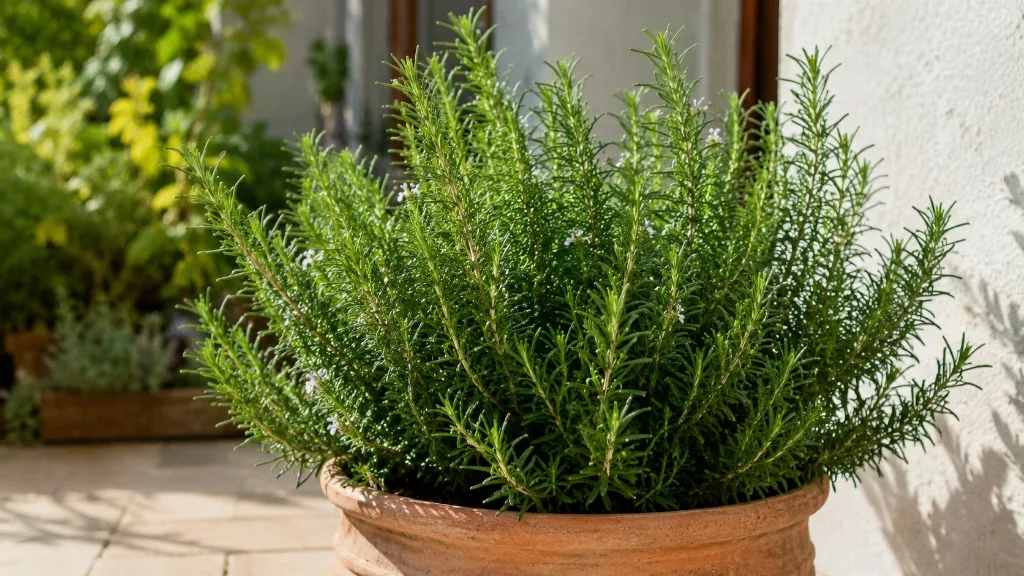
Mint, thyme, oregano, chives, rosemary, and sage are the long-game winners in many regions. Once established, they produce for years with basic pruning and decent sun. UF/IFAS notes that rosemary can fragrance your kitchen for years, while mint spreads aggressively—keep it in its own pot unless you want a yard full of it.
Rosemary and thyme are especially strong buys because store bundles are small and woody stems are awkward to store. One pot by the door supplies winter stews and roasted vegetables for seasons.
Mint is almost comically productive in a container. If you drink tea or make cocktails, a single plant can replace dozens of bundles.
Fast annuals that need succession planting
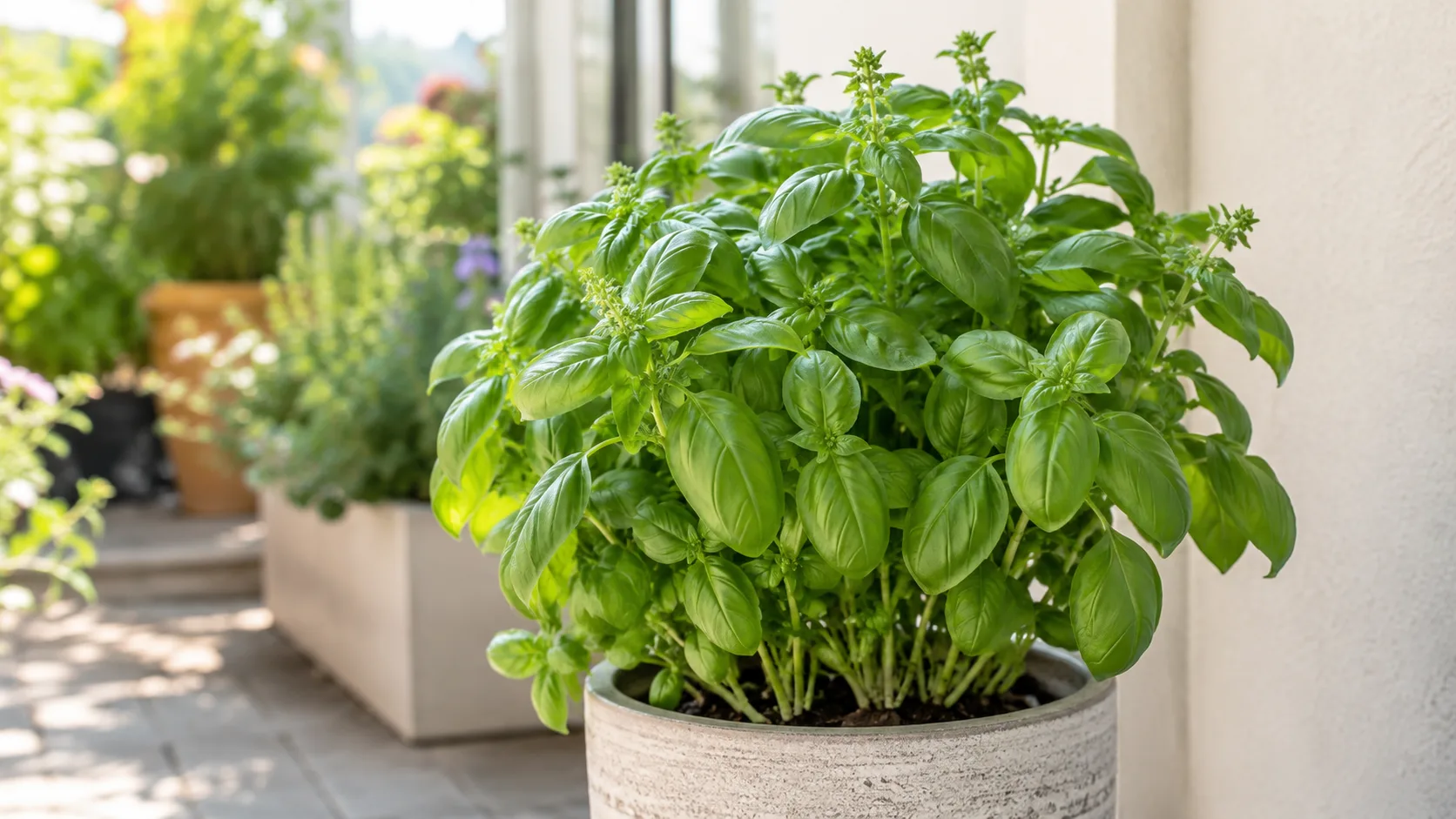
Basil, cilantro, dill, and parsley are kitchen workhorses but behave differently. Basil wants warm sun and regular pinching; the Almanac basil profile stresses full sun and steady moisture for best leaf production. Cilantro and dill bolt quickly in heat—plan succession sowings every two to three weeks if you want a continuous supply, as the RHS advises for coriander and dill.
Annuals are still cheap to grow from seed—a $3 packet can fill multiple pots—but they need more attention than a set-and-forget rosemary. Financial ROI stays high if you cook Italian and Mexican food weekly; it drops if you only wanted basil for one pizza night in July.
Indoor vs outdoor: which saves more money
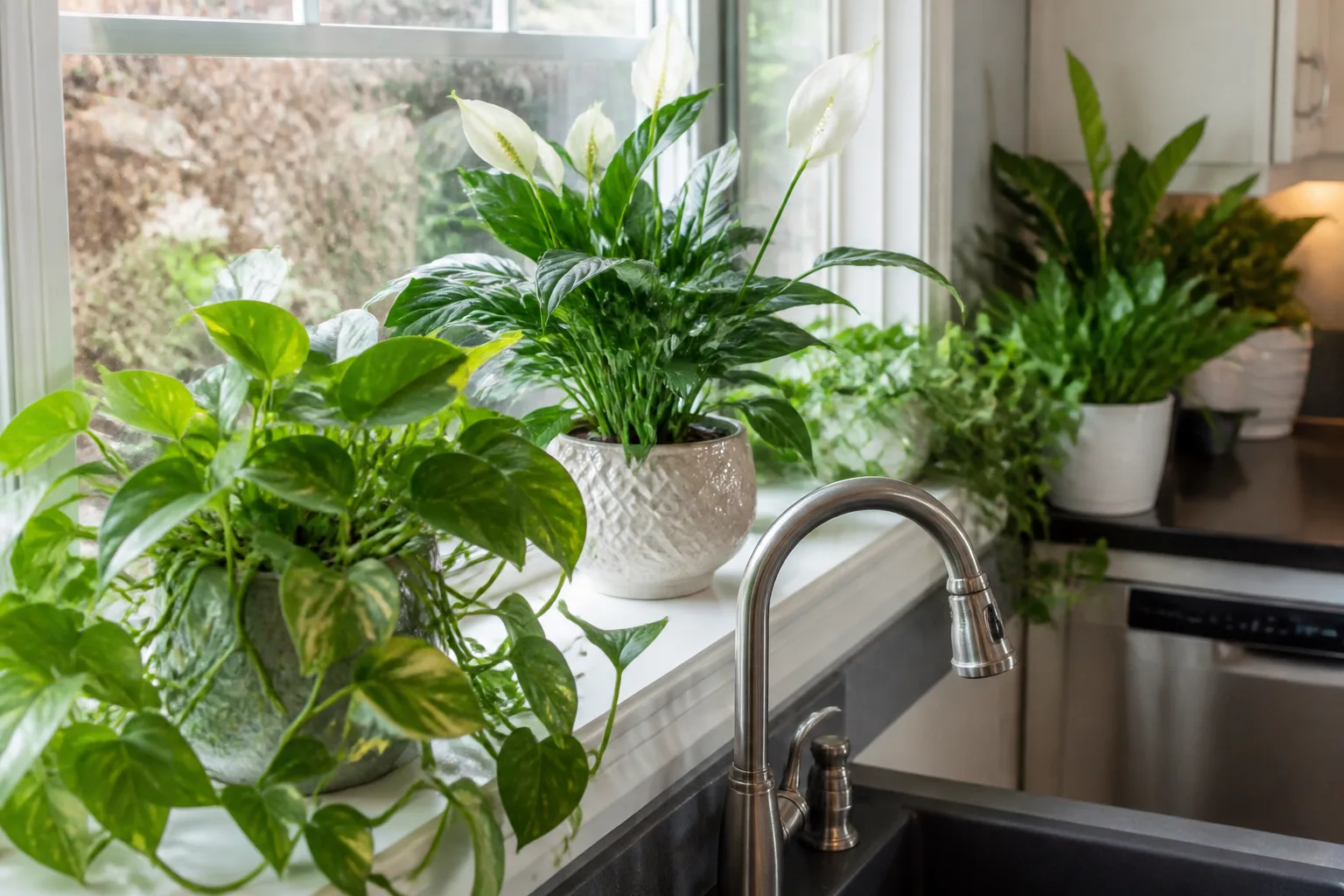
Outdoor growing (or a sunny balcony) is usually the lowest-cost path because sun is free and plants grow faster in fresh air. A $40 setup on a deck can outperform a $120 indoor rig if your site gets six or more hours of direct light.
Indoor growing saves money only when the window is bright enough—or when you already own a grow light. UF/IFAS suggests oregano, thyme, sage, and rosemary for window gardens when sun is adequate. Without light, seedlings stretch, leaves thin, and you rebuy plants.
Countertop hydroponic units grow fast but rarely beat a simple pot on a south-facing sill on purchase price alone. Treat them as a convenience appliance, not a default budget choice.
How to stretch one plant into months of harvests
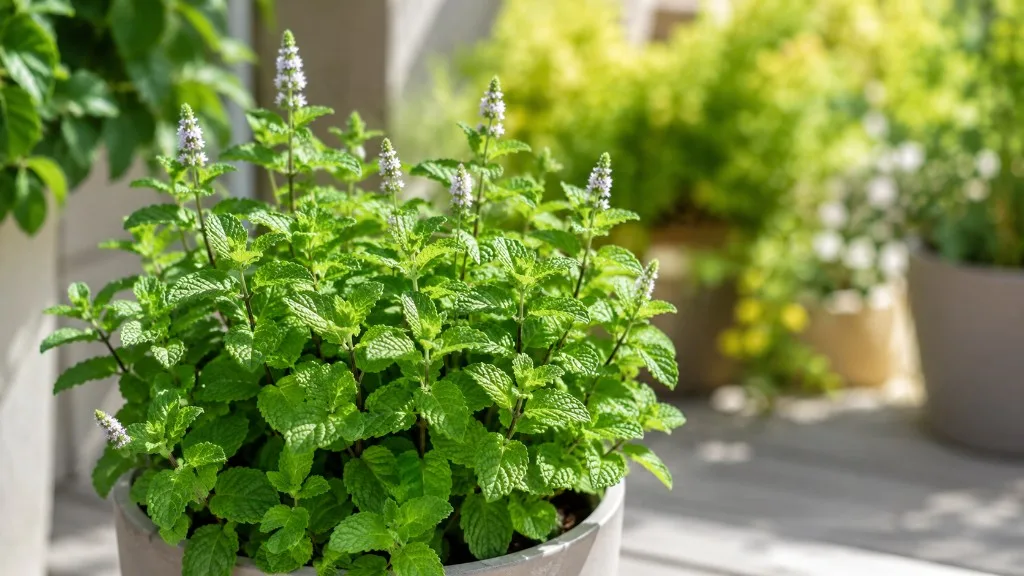
Harvest little and often. Pinch basil above a leaf pair to delay flowering and encourage bushiness—the same pinching advice the RHS gives for a summer-long supply. Cut outer parsley and cilantro stems, not the whole rosette, so the plant keeps replacing leaves.
Propagate instead of repurchasing. Root mint or basil in water, then pot up. Divide overcrowded chives in spring. Take rosemary cuttings in late summer if you want a backup plant for winter indoors.
Preserve surpluses when production outpaces cooking: freeze herb paste in ice cube trays, dry thyme and oregano bundles, or infuse vinegar. Preservation does not replace growing, but it prevents end-of-season waste from wiping out your savings.
Pair herbs with the right container. Shallow-rooted annuals fit smaller pots; rosemary needs room and excellent drainage. One oversized pot shared by water-compatible herbs (thyme + oregano) can shave container costs.
The non-money wins that still matter
Flavor and timing are real kitchen upgrades. Home leaves are picked at peak oil content, not after trucking and cold storage. You may save less than you hoped but still prefer the taste—worth counting honestly.
Teaching kids, building routine, and having backup garnish when snow is on the ground all have value that does not show up in a receipt. They are also not reasons to ignore the math if you are on a tight budget.
Conclusion
Growing herbs is cheaper than buying for most regular cooks who can offer plants sun, drainage, and a weekly harvest habit. Seeds and grocery cuttings lower the entry price; rosemary, mint, and thyme lower the long-term price. Occasional users, dark kitchens, and gadget-heavy setups can flip the equation back toward the produce aisle—and that is a rational choice, not a gardening failure.
Run your own break-even: multiply what you spend on fresh herbs each month, add what you throw away, and compare that to a modest $40 to $70 starter setup. If the grocery side wins over six months, buy bundles guilt-free. If the home side wins, start with one pot of what you cook most—usually basil, parsley, or mint—and expand only after the first plant earns its keep.



