Lipstick Plant Care: Light, Water, Soil & Blooms
Lipstick plant not blooming? This guide covers light, humidity, fertilizer, propagation, cultivars, pests, and the fixes that work when leaves drop or stems wilt.
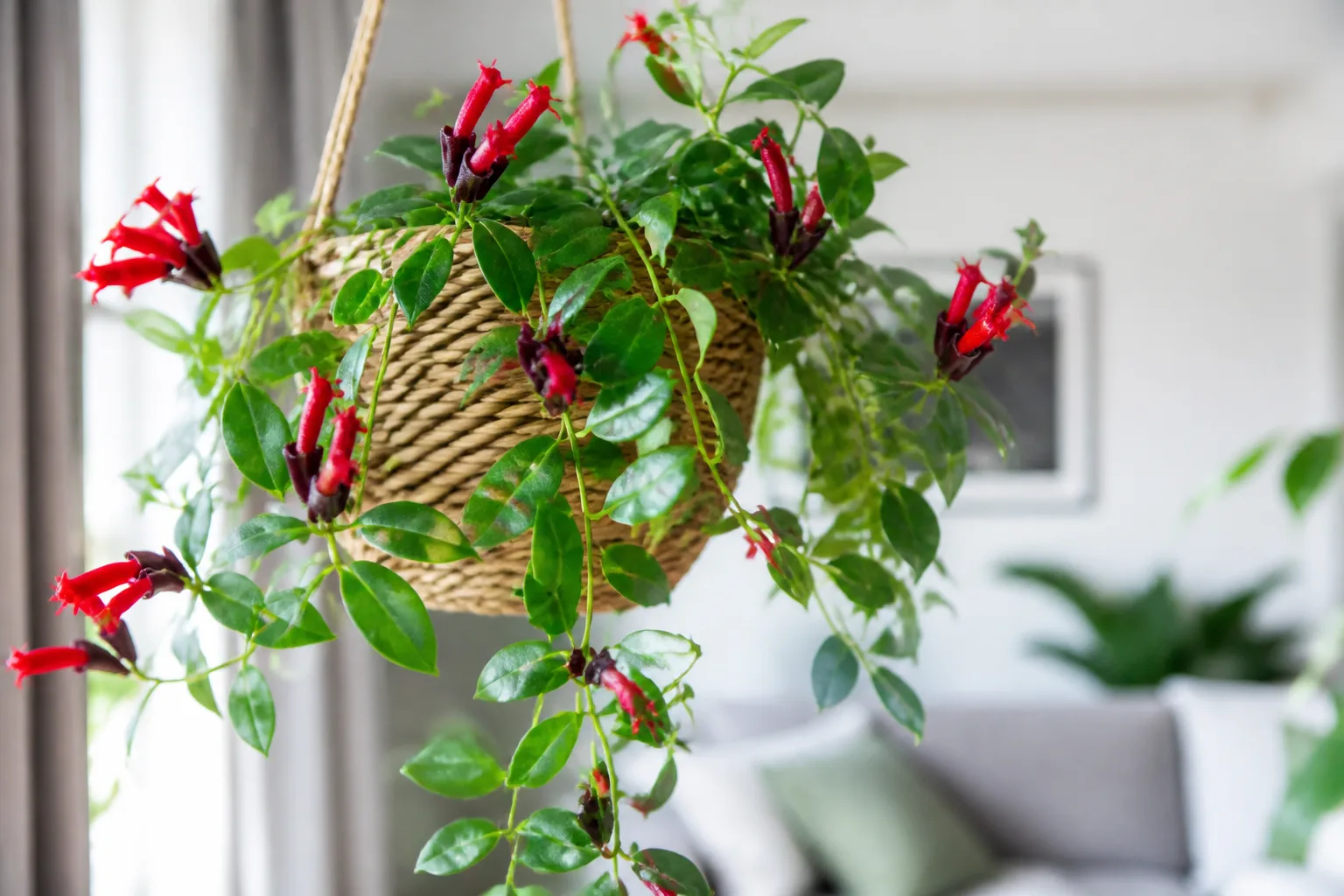
Lipstick plant (Aeschynanthus radicans) is the cascading gesneriad with waxy green leaves and tubular red flowers that push out of burgundy buds like lipstick from a tube. Grown well, it is one of the more rewarding flowering houseplants: long bloom seasons, forgiving stems you can trim and share, and a trailing habit that looks natural in a hanging basket. Grown poorly, it becomes a leaf-drop mess — usually from cold drafts, soggy epiphytic roots, or dim corners where it survives but refuses to flower.
This guide is built around how the plant actually lives. In the wild it is an epiphyte on tree branches and rock crevices across Thailand, the Malaysian peninsula, Sumatra, and Borneo (NC State Extension). Your job indoors is not to drown it in heavy potting soil. It is to recreate bright filtered light, fast-draining airy mix, steady warmth, and humidity with airflow — then give it a slightly cooler, drier winter if you want the strongest spring bloom flush.
What Is a Lipstick Plant?
Lipstick plant — also called lipstick vine or basket vine — is a tropical evergreen perennial in the gesneriad family (Gesneriaceae), the same broad group as African violets. Mature plants typically reach 2–3 feet long with a trailing, arching habit and opposite, leathery leaves that store water during brief dry spells.
Flowers appear in terminal clusters. Buds look like dark lipstick tubes; open blooms are scarlet-red tubes with yellow throats and five lobes, often with a leaf-like bract at the base (NC State Extension). Bloom time runs spring through fall indoors, with the heaviest show in warm months. Individual flowers last a few days to about a week; a happy plant can carry waves of color for weeks.
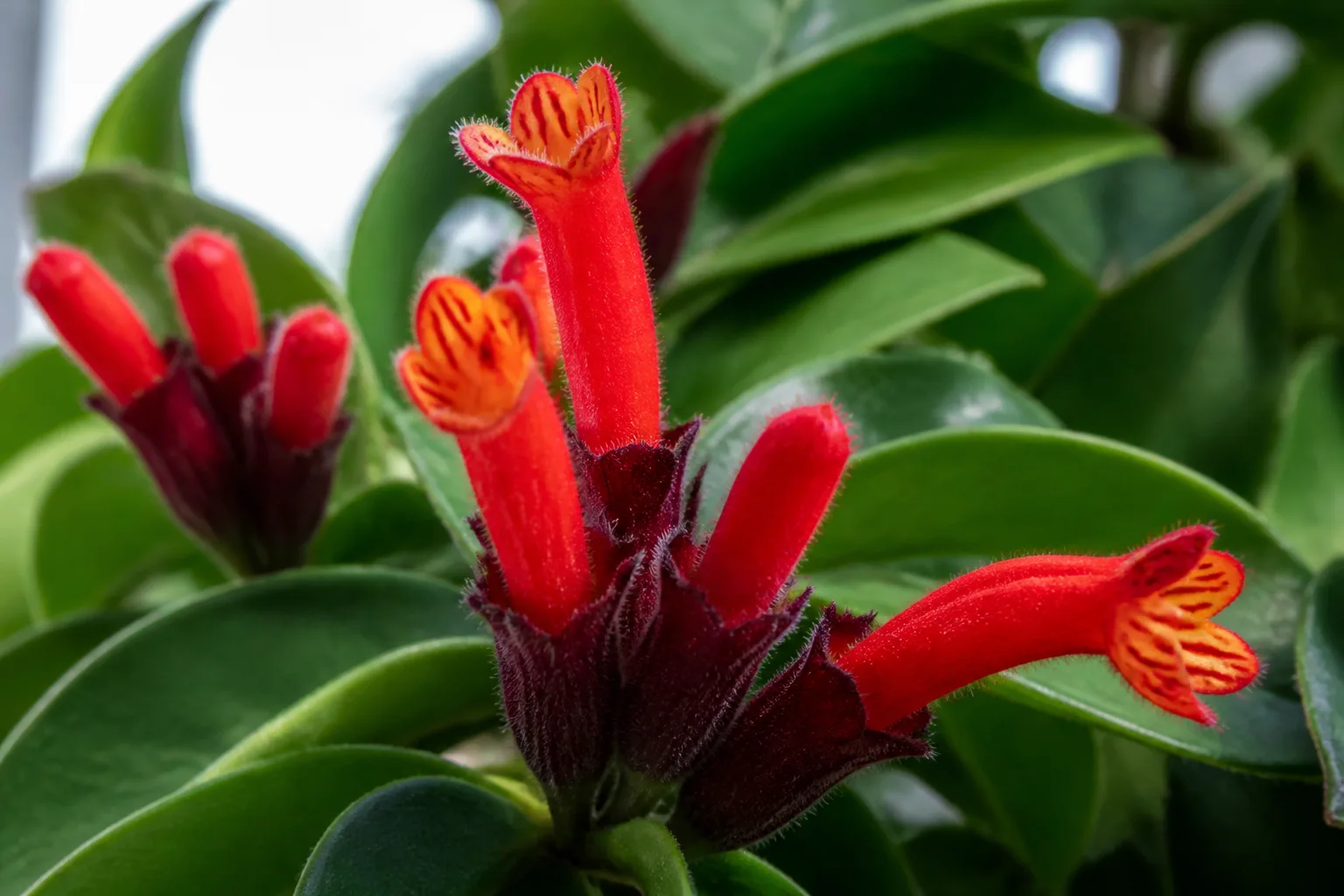
One honest detail extension sources note: the flowers are tagged malodorous — a subtle, not-pleasant scent meant for pollinators, not perfume collectors (NC State Extension). Choose this plant for cascading red color, not fragrance.
| Trait | Lipstick Plant (A. radicans) |
|---|---|
| Common names | Lipstick plant, lipstick vine, basket vine |
| Plant type | Epiphytic trailing perennial / houseplant |
| Mature size | 2–3 ft long trails; 1–3 ft spread in baskets |
| Light | Bright indirect; partial shade (2–6 hours equivalent) |
| USDA zones (outdoor) | 10a–11b frost-free |
| Native range | Thailand to western and central Malesia |
| Bloom colors | Red (cultivars: orange, yellow-orange) |
Several other Aeschynanthus species are sold under the lipstick name — including A. humilis and A. pulcher — with similar care. Aeschynanthus longicaulis ‘Black Pagoda’ is a popular related vine with mottled leaves and orange blooms, often grouped with lipstick plants at retail.
Ideal Light for Blooms and Healthy Foliage
Lipstick plants need bright, filtered light — not direct midday sun on the leaves, and not the dim back corner where only foliage plants survive. NC State Extension lists partial shade (roughly two to six hours of gentle sun) and deep shade tolerance, but indoors “deep shade” usually means weak bloom and leggy stems.
Best placements: an east window, or a south/west window with sheer curtain or a few feet of setback so leaves never heat up. A bathroom with frosted glass can work if the plant still receives several hours of bright ambient daylight — not just fluorescent gloom.
Too much light: bleached, scorched, or crisping leaves, especially in summer when outdoor-intensity sun hits glass. Too little light: dark green but sparse growth, long gaps between leaves, and few or no flower buds. If bloom is your goal, light is the first variable to fix before fertilizer or humidity gadgets.
Grow-light fallback: In north-facing rooms or winter-dim apartments, supplement with a full-spectrum LED grow light 12–14 hours daily, hung 12–18 inches above the foliage. Lipstick plants under lights still need a dark period overnight — constant 24-hour light stresses gesneriads and can reduce flowering. Watch new leaves: if they emerge smaller and farther apart, increase intensity or lower the fixture slightly; if leaf edges bleach, back the light off.
Outdoor summer note: If you hang the basket on a shaded patio in summer, acclimate gradually. An hour of direct morning sun on dewy leaves can scorch; dappled shade under a pergola or tree canopy matches the epiphyte niche better than a hot south-facing railing.
Epiphytic Soil and Pot Choice
Because lipstick plant roots evolved gripping bark — not sitting in wet garden loam — heavy all-purpose potting soil is the fastest route to root rot. The mix should be loose, high in organic matter, and drain fast while holding slight moisture between waterings (NC State Extension; RHS).
A reliable indoor blend:
- 40% peat-free houseplant or orchid bark mix
- 30% perlite or pumice
- 20% fine orchid bark or coco chips
- 10% horticultural charcoal (optional but helpful for epiphytes)
Commercial African violet mix or orchid potting mix amended with extra perlite also works if you do not want to batch your own. Avoid straight garden soil, dense moisture-control mixes, or pots without drainage holes “because the basket is cute.”
Pot type: terracotta or breathable plastic with drainage. Hanging baskets lined with coco coir or moss suit the trailing habit and evaporate moisture faster — which epiphytes often prefer. Size matters less than structure; a slightly snug root zone encourages bloom more than a swimming-pool pot.
Watering Without Rotting the Roots
Lipstick plants like consistent moisture during active growth but punish saturated roots quickly. The practical rule: water when the top 2 inches of mix feel dry and the pot feels noticeably lighter — then soak until water runs from the drainage holes and empty the saucer within 30 minutes.
During spring and summer, that might mean watering every 5–10 days in a warm, bright room; in winter, stretch to 10–14 days or longer if the plant is cooler and growth has slowed (RHS recommends sparing winter water). Never let the rootball bake rock-hard for weeks — drought stress browns leaf edges and triggers drop — but wet, cold soil is worse.
Red flags you are overwatering: musty smell, mushy stems at the soil line, blackened roots when you slip the plant out, and persistent fungus gnats. If those appear, stop watering, improve drainage, and inspect roots before the next soak.
Seasonal rhythm at a glance: In a warm, bright room (72°F+, south or east window), expect to water roughly every 5–7 days from late spring through early fall. In a cooler winter rest (60–65°F, shorter days), stretch to 10–14 days or until the top 2 inches are dry — the plant uses less water when growth slows. Hanging baskets in coco liners dry faster than plastic pots; check weight twice a week rather than assuming the calendar. When in doubt, wait one extra day; lipstick plants recover from brief dryness more easily than from chronic sogginess.
Temperature, Humidity, and Winter Rest
Active-season temperatures around 65–75°F (18–24°C) suit lipstick plants best. NC State Extension notes soil temperatures ideally stay 65–70°F during growth. Below 50°F, expect yellowing and leaf drop — so keep plants away from winter window glass, entry doors, and AC blasts.
Humidity should be moderately high, but stagnant wet air invites fungal leaf spot and botrytis. Aim for 50–60% if you can measure it, with a fan or open room air so leaves dry between mistings. Morning misting is safer than evening; better still, a pebble tray or small humidifier near the plant — not waterlogged leaves touching wet mix.
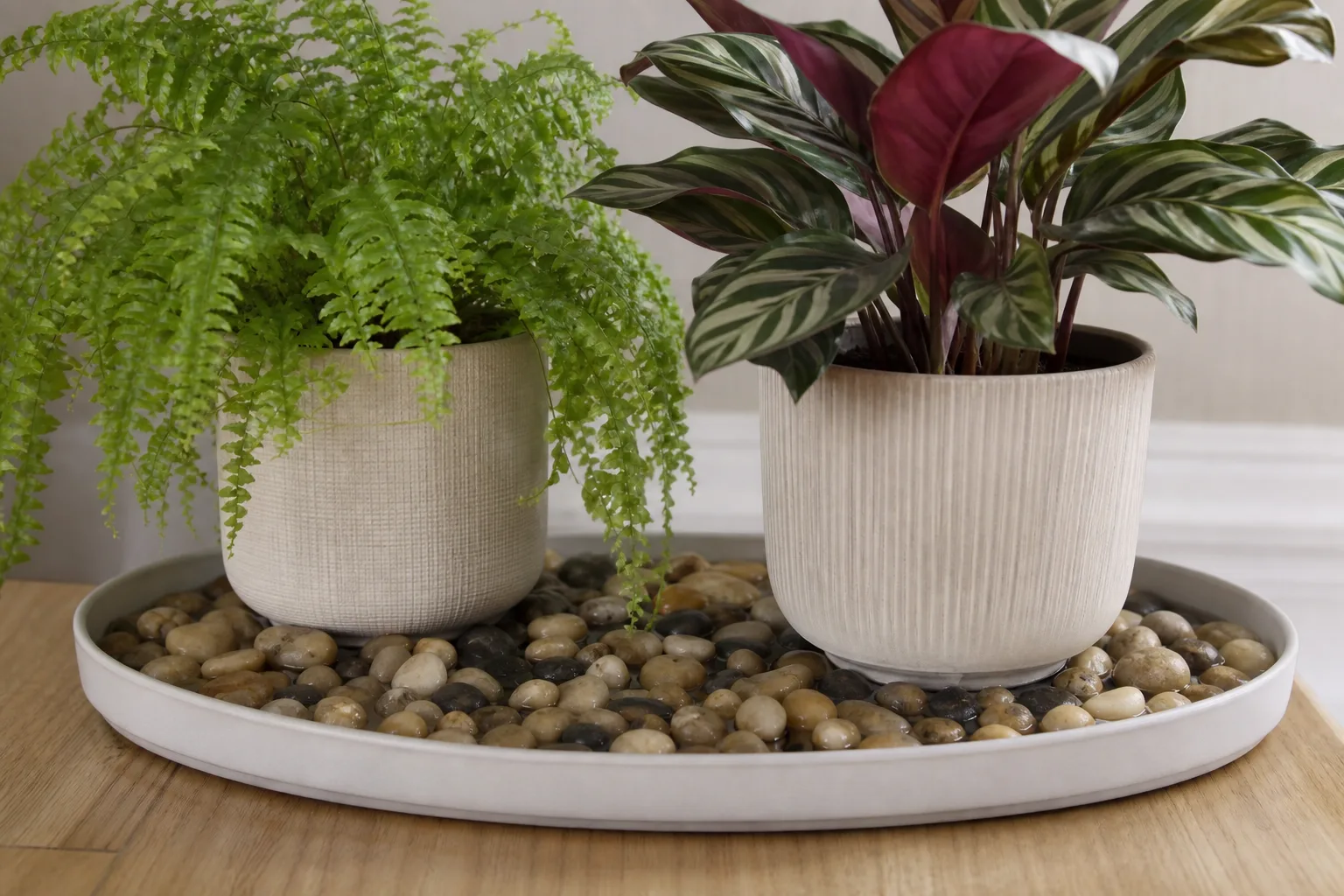
Winter rest for bloom: many growers get heavier spring flowers after a cooler, drier winter — think 60–65°F nights, reduced watering, and no fertilizer until new growth resumes. This mimics the subtle dry season in tropical habitats and helps set buds. Do not confuse “rest” with neglect: the plant still needs bright light and occasional water; it should not sit in a cold, dark room.
Fertilizer Through the Growing Season
Feed from mid-spring through late summer when stems are actively lengthening. RHS suggests a half-strength general liquid feed monthly during that window. NC State Extension recommends a dilute liquid fertilizer — orchid formulas work well because epiphytes share similar root needs.
Skip fertilizer in winter unless you are growing under strong supplemental lights in a warm room. Overfeeding in low light produces soft, leggy growth without more flowers. If bloom count is low despite good light, one monthly feed with a slightly higher potassium houseplant or African violet fertilizer through summer can help — always at half label strength on moist (not dry) soil to avoid root burn.
Cultivars and Related Aeschynanthus Species
Nurseries stock several A. radicans cultivars. Leaf shape and flower color are the main shopping differences; care stays similar.
| Cultivar | Distinctive trait | Flower notes |
|---|---|---|
| ’Curly’ | Wavy, twisted leaves | Classic red tubes |
| ’Mona Lisa’ | Compact darker foliage | Orange-red blooms |
| ’Rasta’ | Densely curled leaves | Bright red; heavy late-summer/fall flush |
| ’Tangerine’ | Standard green foliage | Yellow-orange flowers |
| ’Variegata’ | Cream/yellow variegation | Red; needs brighter light to keep color |
| A. longicaulis ‘Black Pagoda’ | Mottled leaves, different species | Orange blooms; winter–spring |
Variegated forms need more light than all-green clones to maintain pattern without bleaching. ‘Black Pagoda’ is often sold beside true lipstick plants — treat it as a close cousin with the same epiphytic watering instincts.
Hanging Baskets and Where to Put It Indoors
Lipstick plant’s natural look is cascading from above — hanging basket, wall-mounted planter, or a tall shelf where vines can spill 2–3 feet. NC State Extension tags hanging baskets as a primary use case.
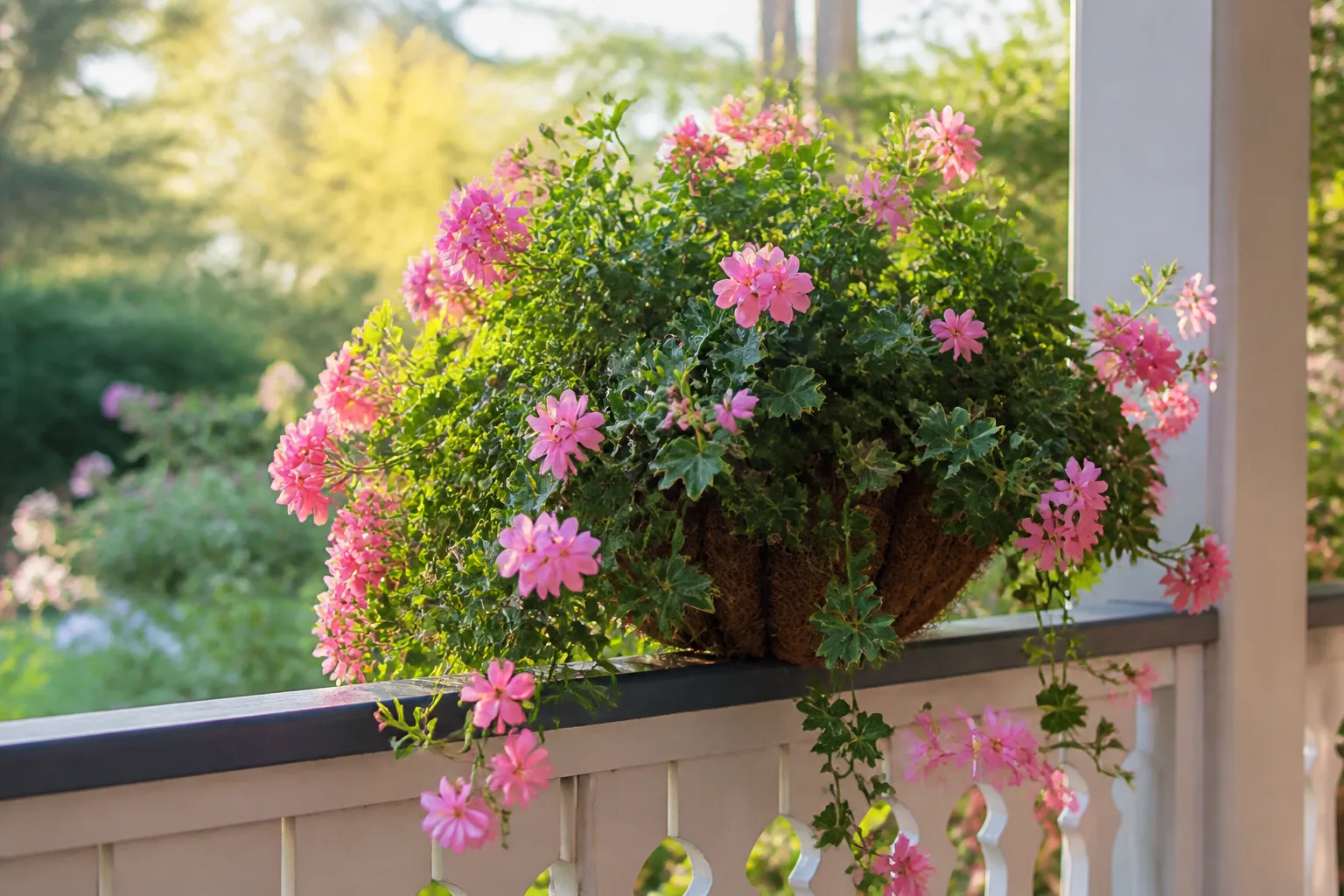
Good spots: bright living rooms, sunrooms, steamy bathrooms with daylight, or kitchens away from cold ovens. Bad spots: directly under a heating vent, touching winter window glass, or a north-facing nook with no grow light. Rotate the basket a quarter turn monthly so all sides get light and growth stays even.
If trails reach the floor, shorten them at a node (see pruning) rather than letting leaves rest on carpet where pests and moisture collect.
Pruning After Flowering
Pruning keeps the plant bushy and redirects energy into new bloom wood. After the main flush fades — or when stems look leggy — trim up to one-third of each vine with clean scissors, cutting just above a leaf node. New growth and flower buds form at stem tips, so a moderate haircut often improves the next bloom cycle.
You do not have to deadhead every spent tube, but removing dried flower clusters can tidy the plant and slightly speed rebloom on some clones. Avoid heavy pruning in late fall if your plant relies on winter rest; light shaping is fine, save the big chop for post-bloom in spring or summer.
Propagation from Stem Cuttings
Lipstick plants root easily from soft stem cuttings any time of year; spring and early summer give the fastest establishment (NC State Extension; RHS).
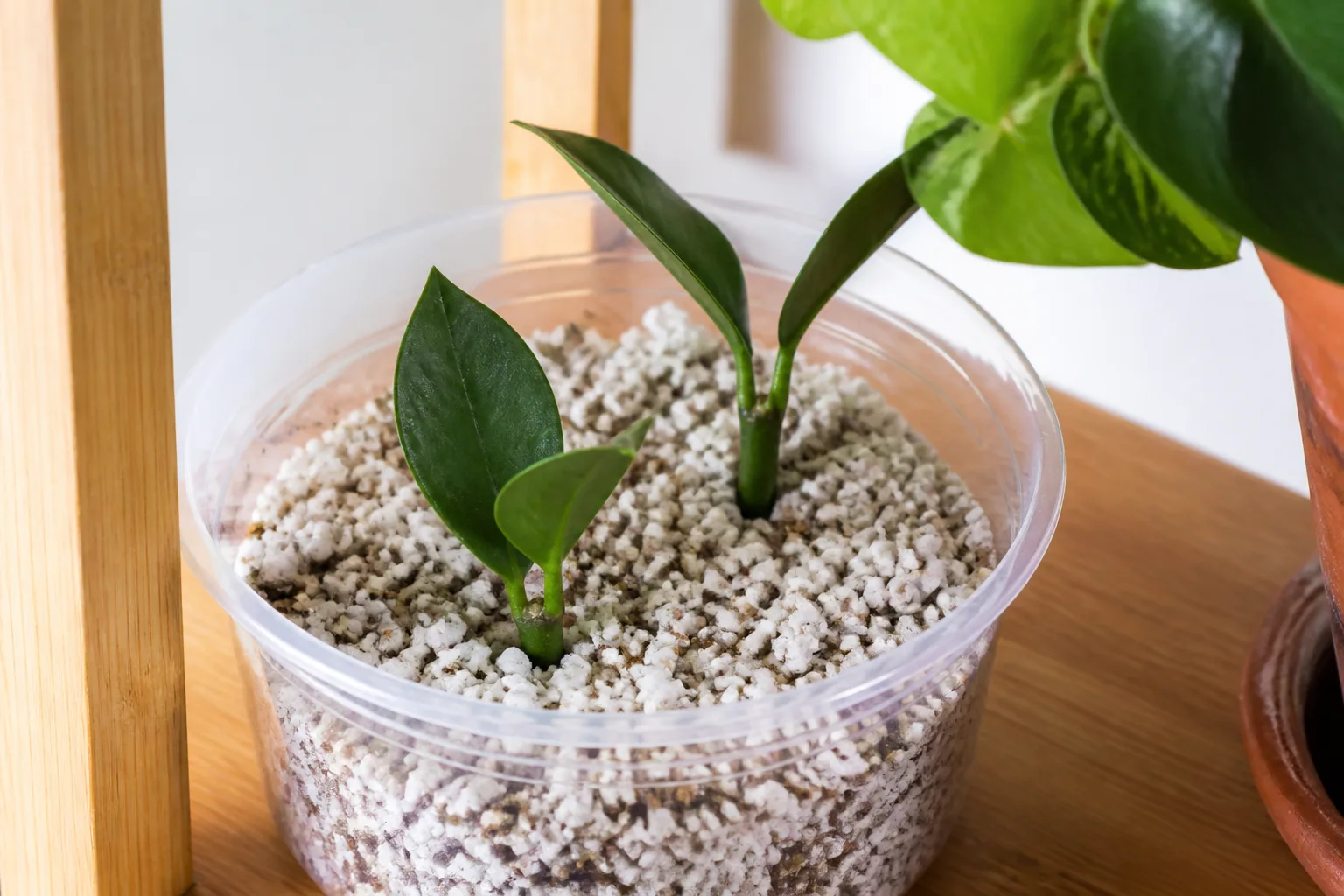
- Choose a healthy stem with at least three nodes and no open flowers.
- Cut 4–5 inches with sharp, clean pruners.
- Remove all but the top two to four leaves.
- Optional: dip the cut end in rooting hormone.
- Plant in equal parts vermiculite and perlite, or a loose orchid mix; keep lightly moist and warm (70–75°F).
- Roots typically appear in about two weeks (NC State Extension). Transplant into your standard epiphytic blend once roots hold the medium when you tug gently.
Keep cuttings in bright indirect light and a clear bag or dome only if air is very dry — vent daily to prevent mold. New plants may take a season to bloom; patience is normal.
Repotting Rootbound Plants
Repot when roots circle the pot bottom, peek from drainage holes, or growth stalls in peak season despite good care. Early spring — or just after the spring bloom wave — is the safest window.
Move up only one pot size (1–2 inches wider). Gently tease the root ball, shake off old compacted mix, trim black mushy roots with sterile tools, and replant in fresh airy medium. Water once, then return to your normal dry-top rhythm. Avoid repotting during heavy bud formation; disturbed roots often drop flowers.
Getting Lipstick Plant to Bloom Again
If your plant is leafy but flowerless, work through this sequence before buying another cultivar:
- Light first. Increase to true bright indirect — closer to the window with filtration, or add a grow light 12–14 hours daily in dark rooms.
- Check temperature. Nighttime dips below 55°F or hot/dry heater air both abort buds. Stable 65–75°F days support bloom.
- Winter rest. A slightly cooler, drier winter often improves spring clusters. Resume normal water and feed as days lengthen.
- Fertilizer in summer. Half-strength monthly feed while vines grow; potassium supports flowering.
- Prune after bloom. Shorten long bare stems to force branching and new tip buds.
- Do not move budded plants. Drafts and relocation shock drop buds quickly.
Individual blooms last days; the season can run weeks when conditions align. Cooler, drier winter + bright spring light is the combo most growers report for the heaviest show.
First-year expectations: Nursery plants often bloom on arrival because they were grown under greenhouse light. After the move home, a bloom pause of several months is normal while the plant adjusts to your humidity and light. Resist repotting and heavy feeding during that settling period — stabilize placement first. Once new stems lengthen with tight internodes (short gaps between leaves), buds usually follow on the next warm cycle.
Pests, Diseases, and Troubleshooting
Healthy lipstick plants resist most issues. Stress — especially wet leaves, poor airflow, and overwatering — opens the door to problems NC State Extension lists: aphids, mealybugs, mites, plus botrytis blight and leaf spot.
Inspect leaf axils and undersides monthly. Mealybugs look like cotton tufts; aphids cluster on new growth; spider mites leave fine webbing and stippled leaves. Treat promptly with insecticidal soap or horticultural oil, repeating per label until clear — and fix the cultural issue (usually airflow or overwatering) that weakened the plant.
Keep leaves dry when possible; water the soil, not the foliage. If fungal spots appear, remove affected leaves, improve air circulation, and reduce misting.
Leaf Drop and Yellowing
Cold is the classic cause. Temperatures below 50°F yellow leaves that then fall (NC State Extension). Check window glass, winter porches, and delivery shock from a cold truck.
Sudden drafts from doors or HVAC mimic cold stress. Move the plant inward and stabilize temperature before assuming disease.
If leaves yellow but temperatures are fine, test moisture: chronic overwatering yellows from the base up with soft stems; underwatering browns tips first, then drop. Adjust dry-top timing rather than guessing.
Overwatering and Wilt
A wilted lipstick plant with wet soil is often root rot, not thirst. Confirm by slipping the root ball out: healthy roots are firm and pale; rotted roots are brown, black, or mushy.
Trim damage, repot into fresh airy mix, and water sparingly until new growth appears. Wilt with dry, light soil means genuine drought — soak thoroughly once, then reset your schedule.
Slow growth in summer may simply mean rootbound conditions; check the drainage holes before fertilizing harder.
Mealybug and mite protocol: Isolate affected baskets at the first cottony cluster or fine webbing. Wipe visible mealybugs with a cotton swab dipped in rubbing alcohol, then follow with two applications of insecticidal soap seven days apart, covering leaf undersides and stem joints. For spider mites, increase humidity and airflow together — mites thrive in hot, dry, still air. Repeat treatment weekly until three clean inspections pass; epiphytes with fine roots tolerate soap better than oil drenches on soggy soil, but always test one stem first if the plant is already stressed.
Pets, Patios, and USDA Zones
The ASPCA lists lipstick plant as non-toxic to dogs, cats, and horses (their entry uses Aeschynanthus humilis, a related species sold under the same common name). That makes lipstick vine a solid pick for pet-aware homes — though any plant material can cause mild stomach upset if chewed in quantity.
Outdoors, lipstick plant suits USDA Zones 10a–11b as a shaded patio or basket plant (NC State Extension). It is not a in-ground landscape vine in ordinary garden soil; treat outdoor culture like an epiphyte in a basket, moving pots indoors before nights drop toward 50°F.
In frost-free climates, partial shade patios and porches work well. Tubular red flowers may attract hummingbirds — their native pollinators in Southeast Asia (NC State Extension).
Conclusion
Lipstick plant rewards growers who respect its epiphyte roots: bright filtered light, fast-draining mix, water when the top dries, and warmth without cold drafts. Add a modest winter rest, summer half-strength feed, and post-bloom pruning, and the red tubular flowers usually return in waves from spring through fall.
When something fails, diagnose in order — temperature, then water, then light — before repotting or fertilizing harder. Leaf drop below 50°F and wilt on wet soil are opposite problems with opposite fixes. Get those three pillars right and Aeschynanthus radicans becomes one of the easier flowering trailers to keep in a hanging basket for years.



