Home Compost vs. Fertilizer Cost Comparison
Is home compost cheaper than fertilizer? Use a simple cost model, real gardening trade-offs, and budget composting tips to decide.
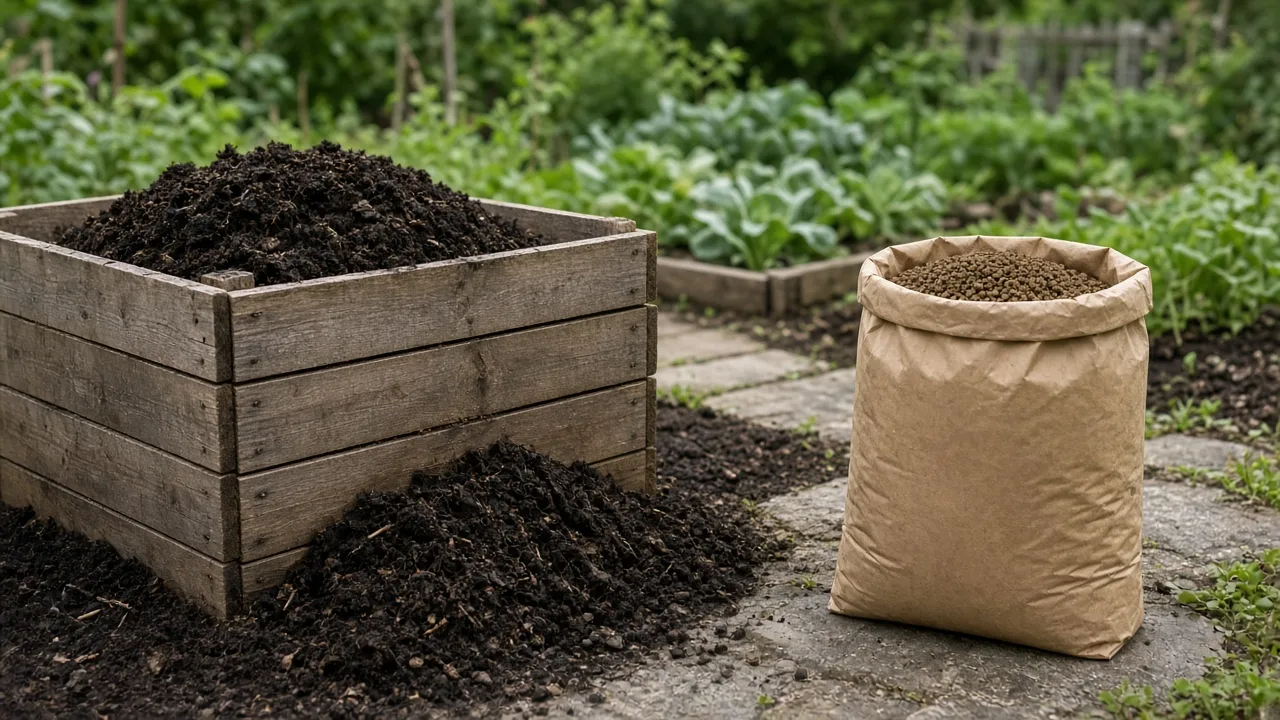
If your goal is to spend less in the garden, home compost is usually the better long-term investment—but only if you have enough organic material, somewhere to keep a bin, and patience to wait for finished compost. Store-bought fertilizer is often cheaper for a small container collection or a plant that needs a precise nutrient boost because fertilizer is concentrated and ready immediately.
The important distinction is that compost and fertilizer are not interchangeable products. Compost is a soil amendment: it adds organic matter, improves structure, and releases a modest, variable amount of nutrients. Fertilizer is a measured nutrient product, usually labeled with an N-P-K analysis such as 10-10-10. Comparing one bag of each as though they perform the same job produces a misleading answer.
The short answer: compost usually wins on soil improvement, not every feeding job
For a garden that produces regular kitchen scraps, leaves, weeds, and prunings, a homemade bin can pay for itself after the initial setup. The biggest savings come from avoiding repeated purchases of soil conditioner, mulch, and bulk compost—not necessarily from replacing every application of fertilizer. The Royal Horticultural Society describes garden compost as a soil improver and mulch that can improve structure, aeration, water-holding capacity, and garden biodiversity (RHS composting guide).
For a balcony gardener with three pots, the arithmetic can reverse. A $20 bag of fertilizer may last several seasons, while a purchased tumbler, worm bin, bedding, and the time needed to manage a tiny volume of scraps can cost more than the nutrients being replaced. In that situation, a small worm bin or community composting program may make more financial sense than a full-size backyard system.
The cost question has two different meanings
Ask whether you mean cash cost or total value. Cash cost includes the bin, tools, water, purchased browns, starter materials, and fertilizer. Total value also includes the amount of finished material produced, waste disposal avoided, soil improvement, labor, and the cost of correcting mistakes.
A compost bin that costs $50 and produces 15 cubic feet of usable compost over several years can be excellent value. The same bin is poor value if it sits dry and empty because your household produces little waste. Conversely, a fertilizer bag that costs $25 may be a bargain for a greenhouse bench, but it will not replace the organic matter a compacted raised bed needs.
What you are actually buying
Compost buys volume and soil function
Finished compost is decomposed organic material. Its nutrient content varies with the ingredients and how completely they decomposed, so it is not a reliable substitute for a labeled, concentrated fertilizer when a plant has a diagnosed deficiency. Its value is broader: organic matter can help sandy soil hold water and can improve the workability and drainage of heavy soil when used appropriately.
Compost also turns material you already have into something useful. Leaves, chopped stems, vegetable peelings, clean cardboard, and spent annuals can become a soil amendment instead of a disposal problem. That “free input” is real only when the materials are already available; buying bags of leaves, hauling manure, or paying for a shredder changes the calculation.
Fertilizer buys concentrated nutrients. Fertilizer is economical when the job is to supply a known nutrient in a small amount. A 10-pound bag of 10-10-10 contains 1 pound each of nitrogen, phosphate, and potash by weight; most of the remaining material is carrier. The analysis on the label matters more than the bag size, and fertilizer should be selected for the crop and soil need rather than applied as a reflex.
University extension fertility guidance consistently treats soil testing and matching nutrients to crop demand as better practice than blanket application. Cornell’s composting guidance is useful for separating the soil-building role of compost from the nutrient-supply role of fertilizer. A concentrated product can therefore save money by delivering the right nutrient without moving dozens of bags of low-analysis material.
A fair cost comparison for your garden
The simplest comparison is not “one bin versus one bag.” Calculate the cost per season for the area you actually manage, then compare the result with what the compost replaces.
Calculate the first-year compost cost
Add the bin, any required base or lid, a fork or aerator if you do not already own one, and optional items such as a thermometer or screen. Then subtract things you already own and materials you would otherwise pay to dispose of. Do not count the price of kitchen food you were going to buy anyway.
Use this rough formula:
First-year compost cost = setup purchases + purchased inputs + disposal or hauling avoided.
For example, a DIY wire-and-stakes bin might cost $25, while a reused pallet bay could cost nothing. A $120 tumbler is convenient but does not automatically produce more compost; it mainly changes handling and access. The RHS notes that bins can be small or large and that homemade options can be built from recycled planks or pallets (RHS setup guidance).
Calculate recurring fertilizer cost
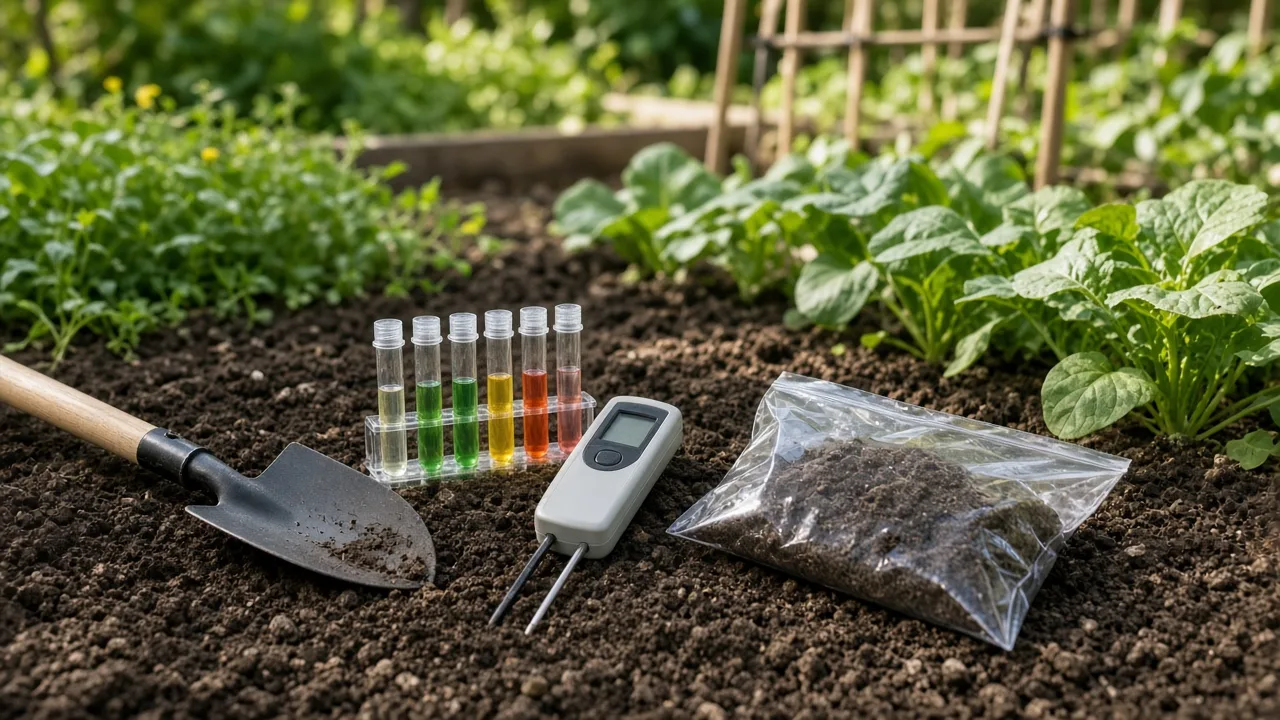
List the product, price, application rate, number of applications, and the area or number of pots covered. Include delivery charges and the fact that a product with a low nutrient analysis may require more material. If you fertilize because plants are pale, first check light, watering, roots, and pH; paying for fertilizer that cannot solve the real problem is a hidden cost.
Annual fertilizer cost = price per bag × bags used per year + delivery or application costs.
The break-even point is the compost setup cost divided by the annual purchase you genuinely avoid. A $60 bin divided by $30 of avoided compost and fertilizer purchases per year breaks even in two years. If you avoid only $10 annually, it takes six years—and if the bin does not produce usable compost, it never breaks even.
Three break-even scenarios
Small container gardener
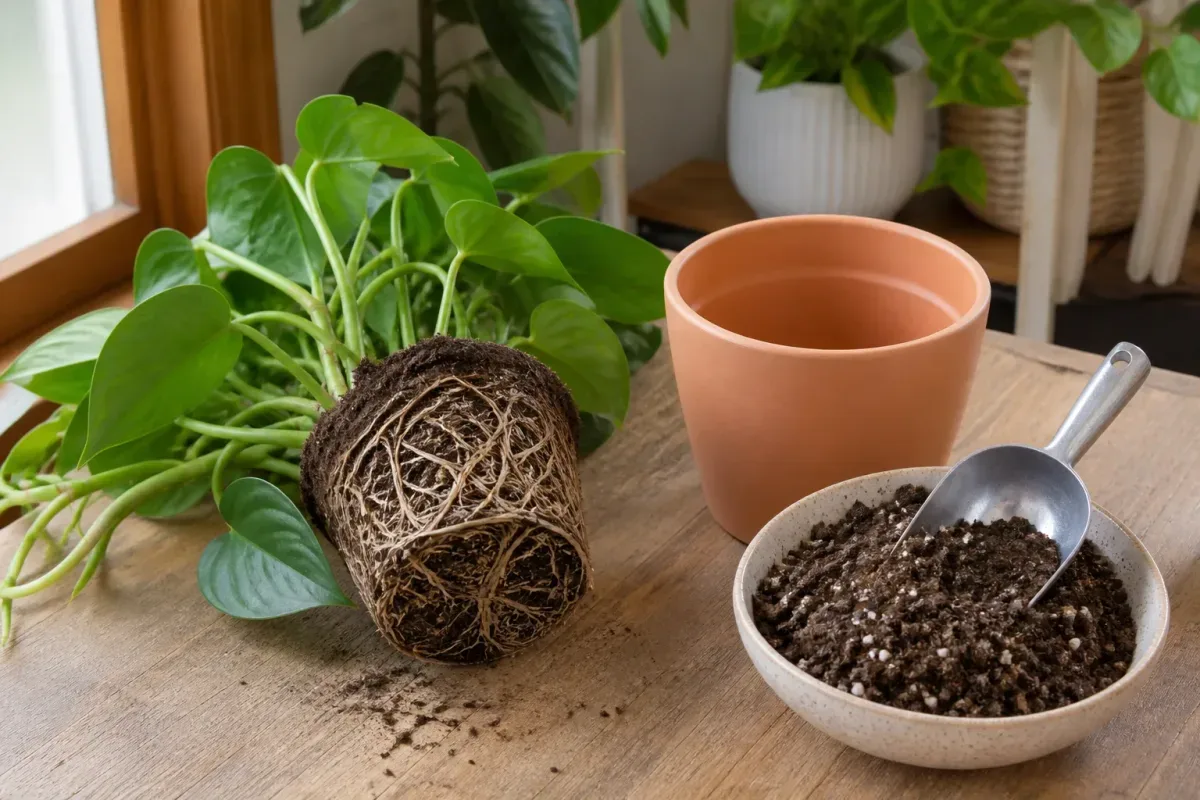
Suppose you maintain six 10-inch pots and use one small bottle of balanced fertilizer each year. Composting can still help, but buying a full bin is unlikely to save money. Containers need a stable, airy potting mix, and homemade compost can be too variable, too fine, or too salty for use as the main medium.
The low-cost choice is usually to keep the fertilizer, refresh pots with a small amount of reliable finished compost when appropriate, and compost through a worm bin or municipal service if you value waste reduction. For containers, the question is not “Can compost feed this plant?” but “Can this compost improve the mix without reducing drainage?”
Productive vegetable bed
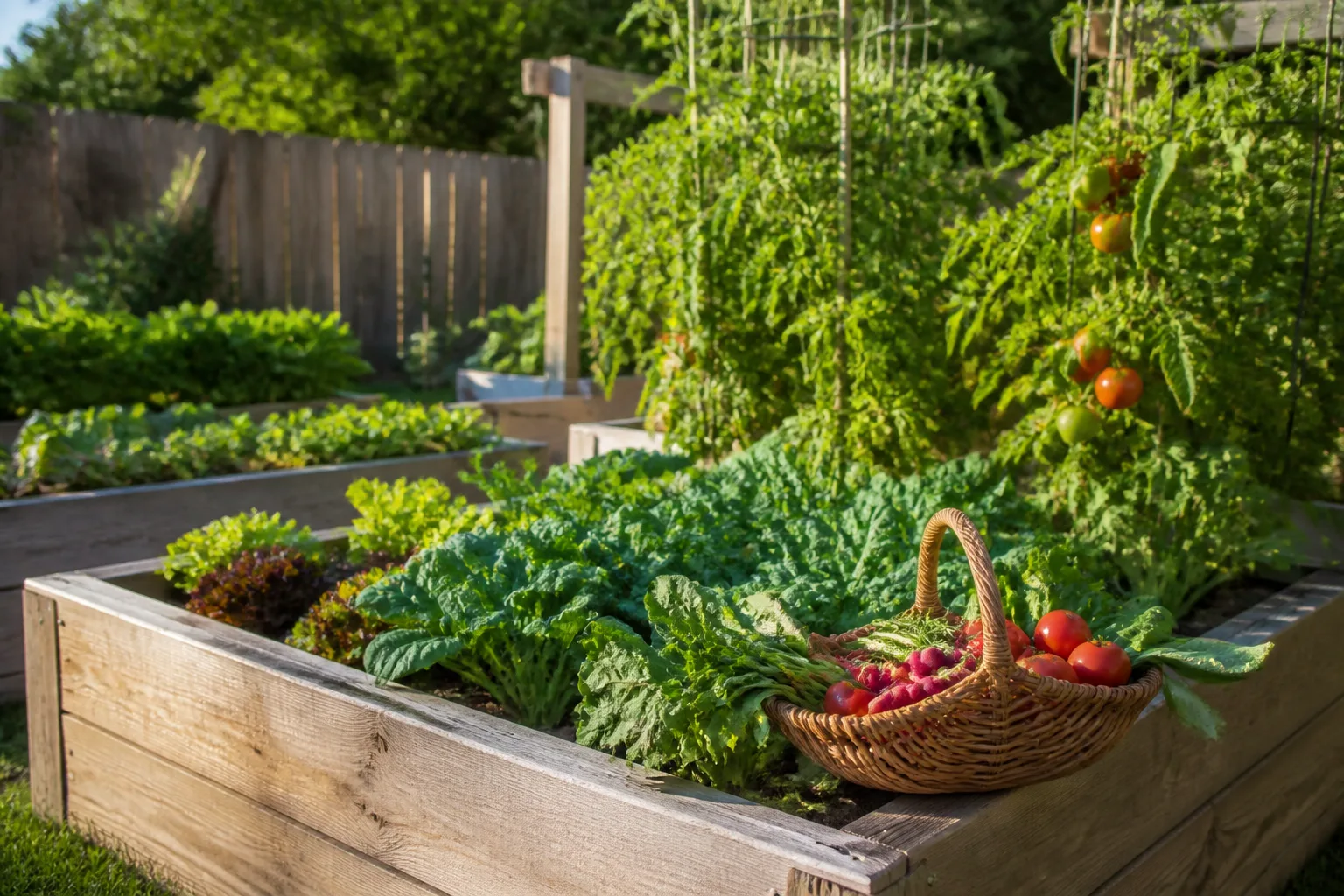
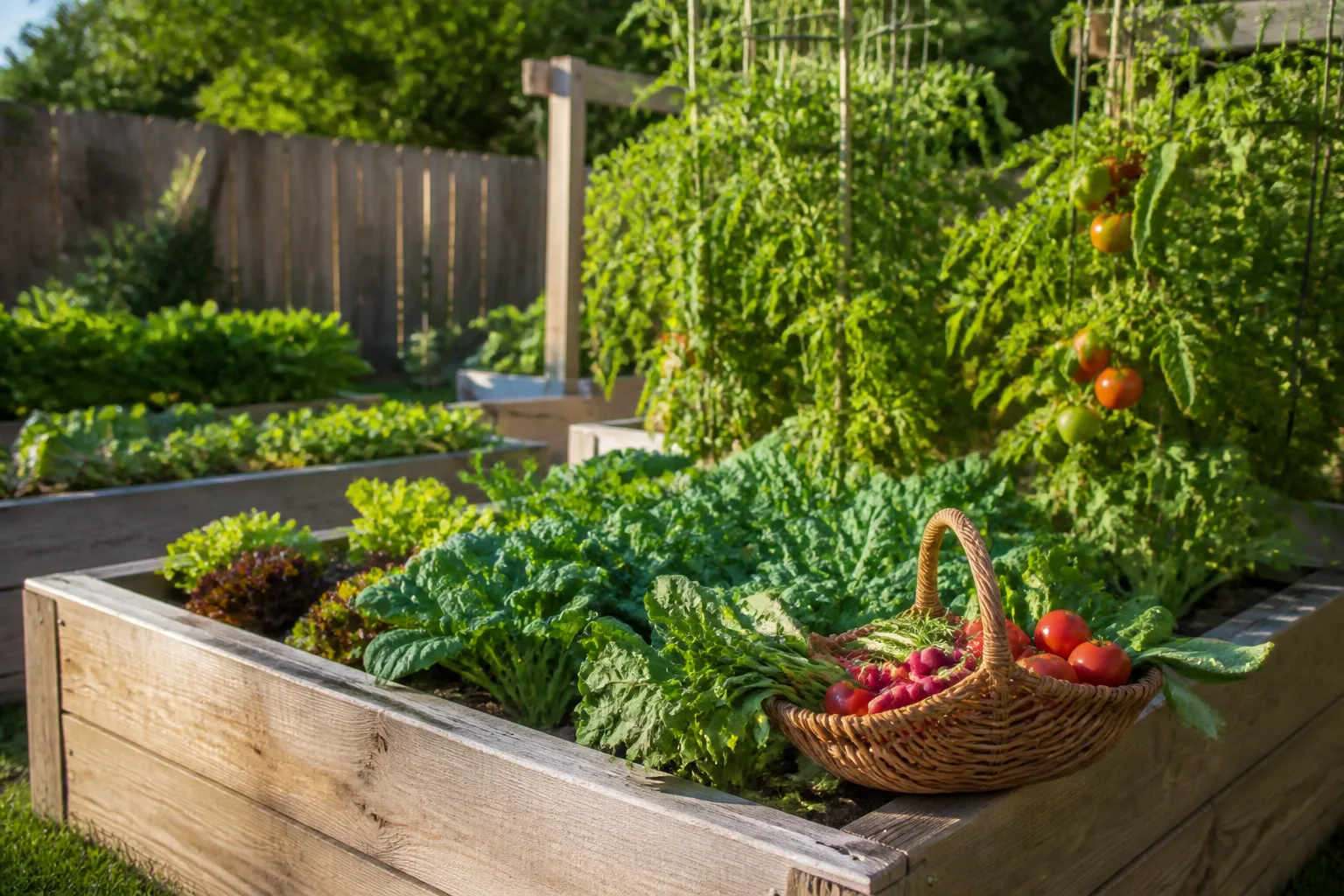
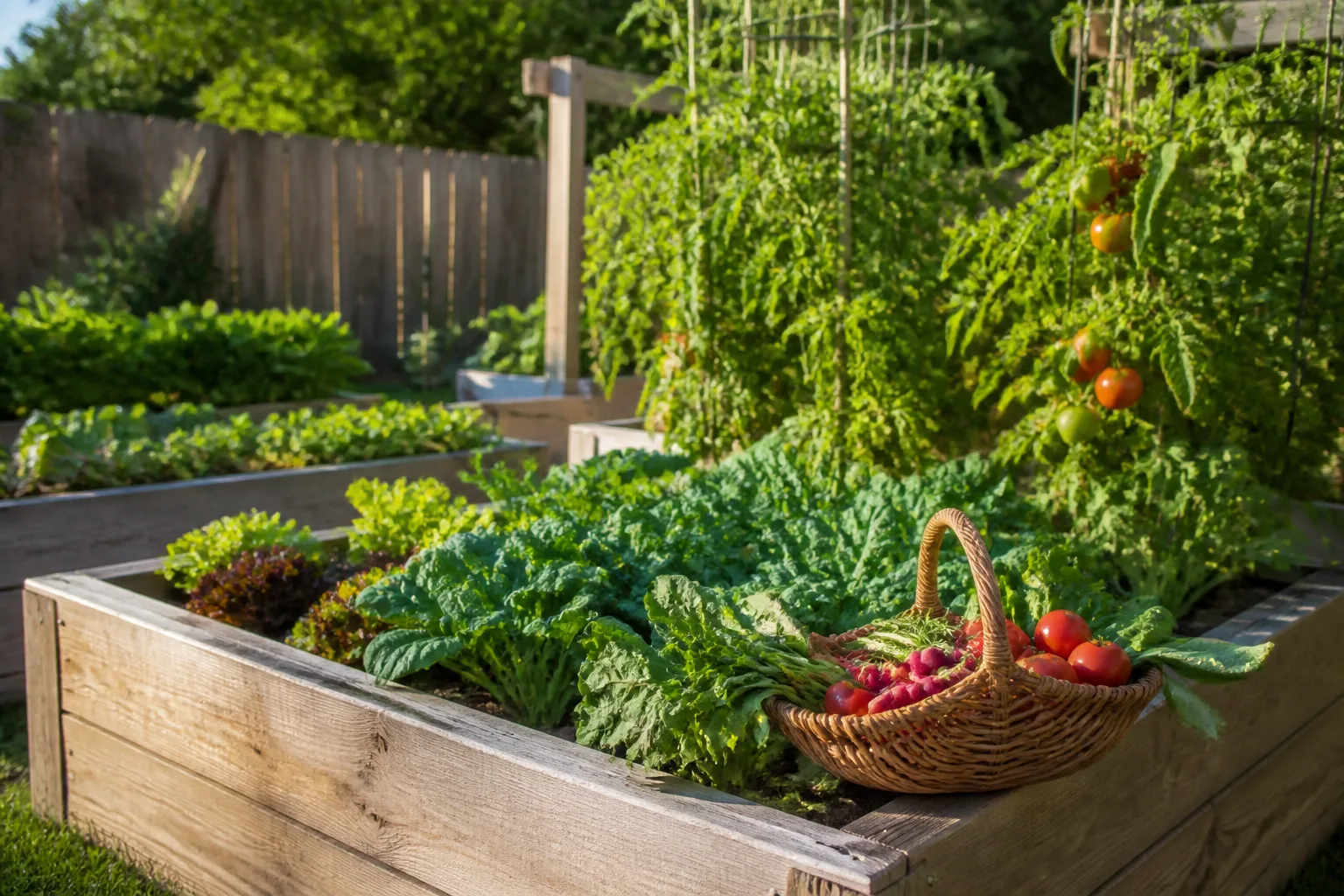
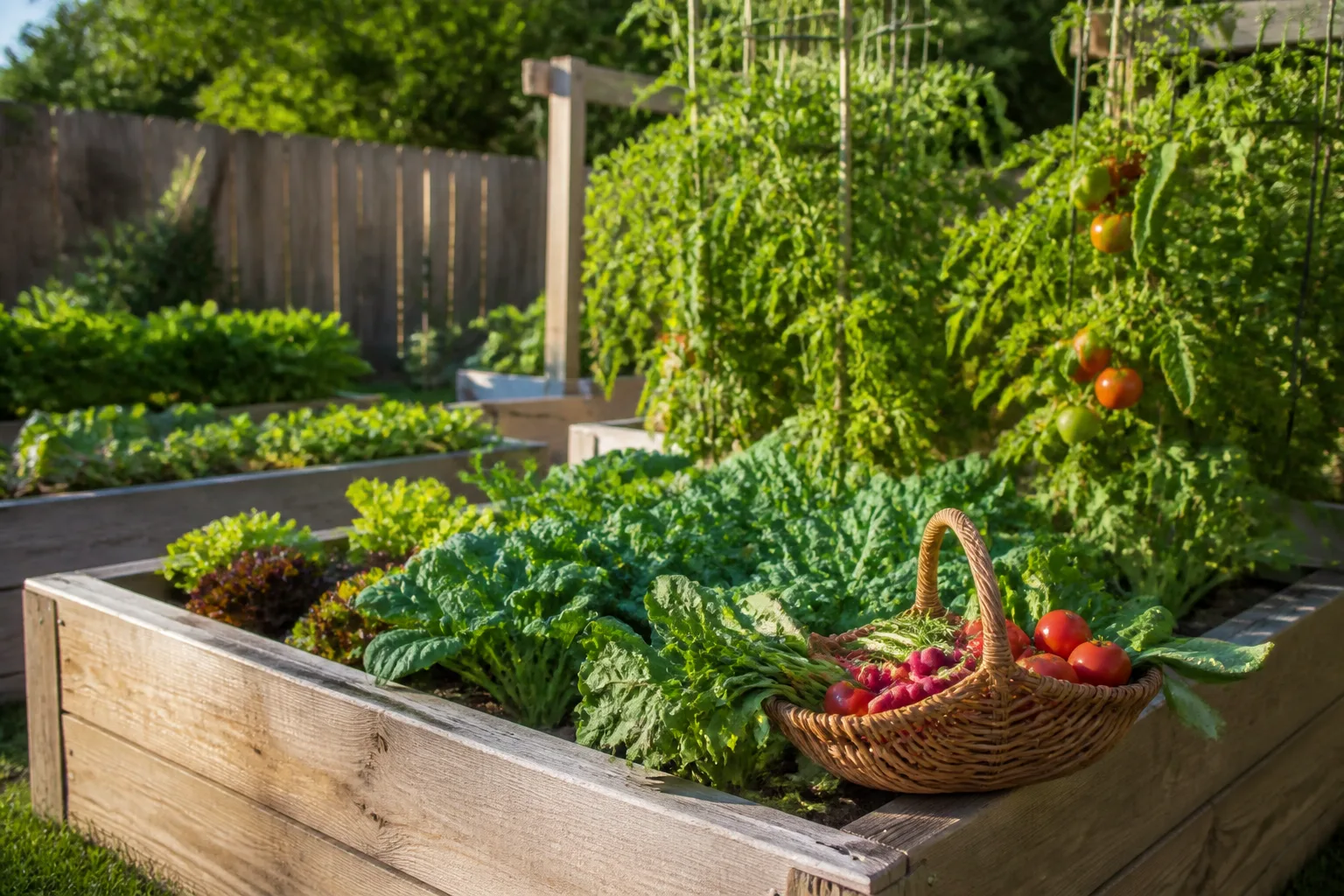
This is where homemade compost often shines. A vegetable bed consumes organic matter for bed preparation and surface mulch, and a household with leaves and food scraps can produce a useful supply over time. You may still need targeted nitrogen or another nutrient after a soil test, but compost can reduce purchases of bulk soil amendments and mulch.
The first season may not be the cheapest because the bin is new and the compost is not ready. If you start with a free pallet bay and have a steady stream of balanced green and brown materials, the payback can be quick. If you buy a $200 tumbler and also buy bagged browns, the financial advantage is much smaller.
Large lawn or landscape
Volume changes the answer. A few buckets of homemade compost cannot economically replace the cubic yards needed for a large lawn or new bed. Transporting and spreading homemade material may also take more time than the material is worth.
Fertilizer is often more practical for a lawn because it delivers nutrients evenly across a large area. Compost can still be valuable as a topdressing or soil-building amendment, but compare the cost of home production with local bulk compost, leaf mold, municipal compost, and delivered materials rather than assuming the backyard bin is automatically cheapest.
Why homemade compost can be the better value
The strongest financial case for compost comes from multiple benefits stacking together. One batch can reduce food-waste hauling, create mulch, improve soil condition, and reduce the need to buy organic matter. Fertilizer primarily solves the nutrient-supply part of the problem.
Compost also reduces exposure to retail price changes once the system is established. That does not make it free: you pay with space, handling, moisture, and time. Still, a basic pile or bay has no recurring subscription and can use materials that would otherwise leave your property.
There is a practical resilience benefit as well. If a garden’s soil is light, compacted, or low in organic matter, improving it can make watering and planting easier over many seasons. The RHS recommends using mature compost as a mulch or soil improver and notes that it can take six months to two years to mature depending on conditions (RHS maturity guidance). That waiting period is why compost is a long-game purchase, not an instant fertilizer replacement.
Where fertilizer is cheaper or more practical
Fertilizer wins when precision, speed, or concentration matters. Seedlings, heavy-feeding vegetables in a small bed, container plants, and a diagnosed nitrogen deficiency may all benefit from a measured product. You can apply a few tablespoons of fertilizer where several wheelbarrows of compost would be needed to supply a similar nutrient amount.
Fertilizer is also easier to store and quantify. A dry, sealed bag has a known analysis, while a batch of compost made from grass clippings and leaves may differ from one made with food scraps and woody material. That variability is a reason to avoid promising that homemade compost will meet every crop’s nutrient demand.
Do not use fertilizer as an insurance policy. Excess nutrients can damage roots, create salt stress, encourage weak growth, and move into waterways. Read the label, use the lowest effective rate, and follow local guidance; Gardening Know How’s composting overview is a useful practical reminder that ingredient balance and moisture management matter more than paid additives.
Build a compost system for less
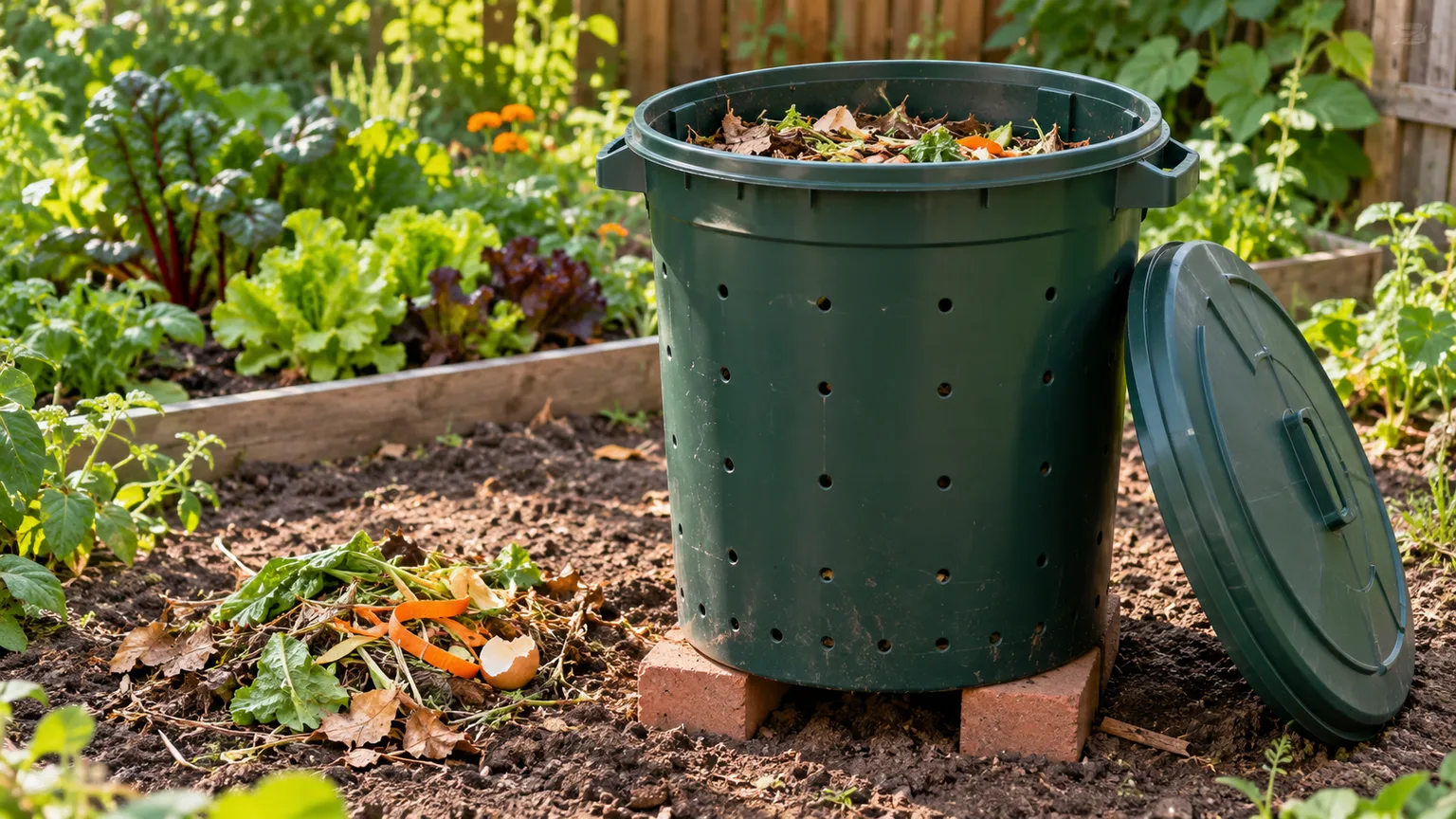
Start with the system that matches your material stream. A simple open heap or wire cylinder is often enough for a garden with lots of leaves. A lidded bin is more suitable where appearance, rodents, or neighborhood rules matter. A worm bin fits apartments and small households but produces less bulky compost.
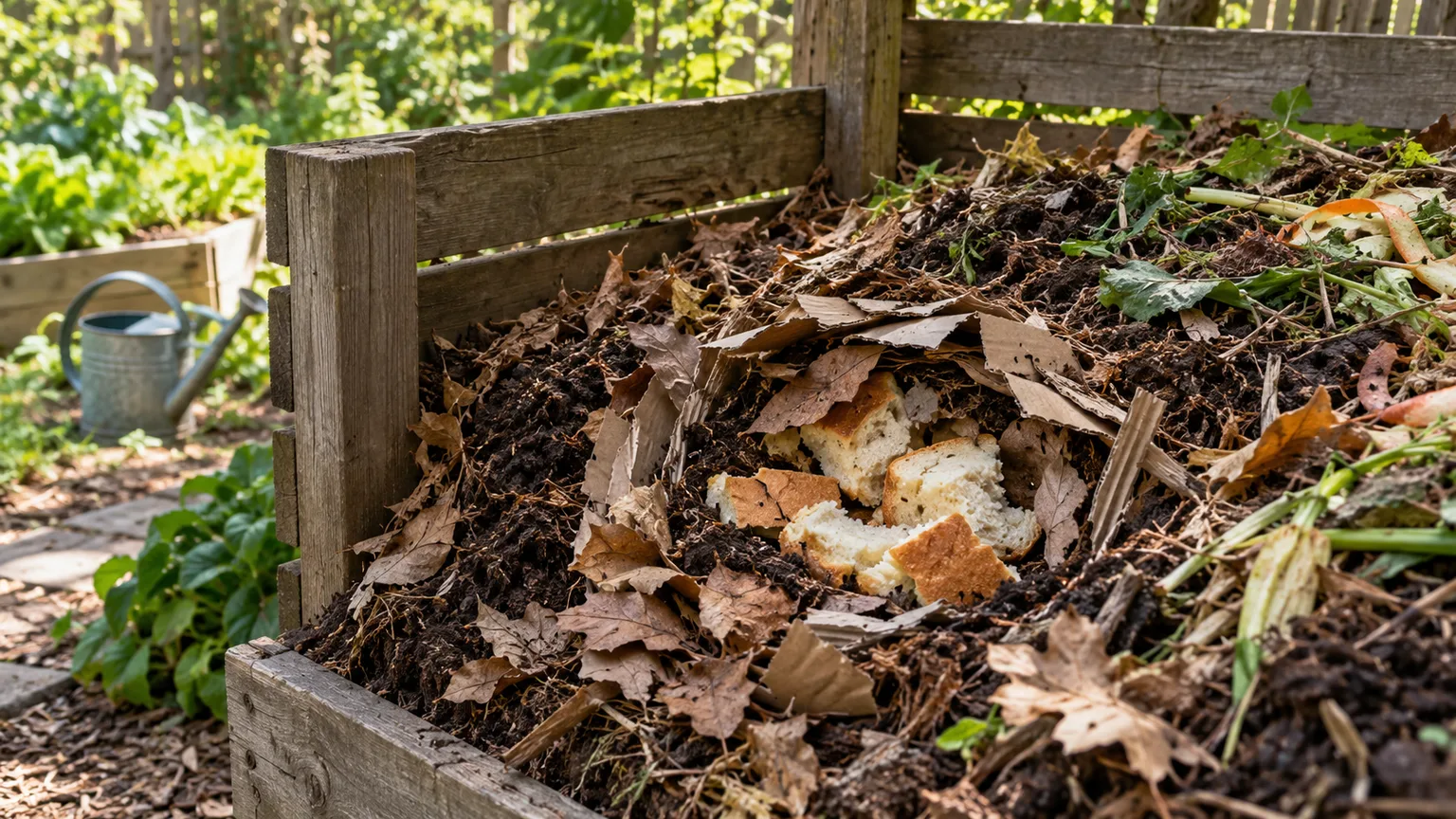
Use free brown materials first: dry leaves, torn plain cardboard, untreated paper, small twigs, and dried stems. Balance them with green materials such as vegetable scraps, fresh weeds without seed heads, and grass clippings. The RHS gives a rough mix of 25–50 percent green material and 50–75 percent brown material, with chopping and shredding improving breakdown.
Skip compost accelerators, lime, and specialty additives unless a specific local program recommends one. A balanced mix, adequate moisture, and air are the fundamentals. Turning is useful but not mandatory; if labor is your limiting factor, a slower pile can still be the cheaper system.
Use the finished compost correctly
Finished compost should be dark, crumbly, and earthy-smelling, with few recognizable original materials. If it is hot, sour-smelling, slimy, or full of fresh food, let it mature longer. Immature compost can tie up nitrogen near roots, generate heat, or keep breaking down inside a pot.
For garden beds, spread a modest layer over the surface and mix it into the upper soil only when appropriate. As mulch, keep it off plant crowns and woody stems. For containers, use compost as a limited component of a well-draining potting mix rather than replacing all the air space with dense homemade material.
Compost quality depends on inputs. Avoid persistent herbicide residues in questionable grass clippings, pet waste in edible beds, glossy or heavily inked paper, diseased plant material, and weed seeds that have not been managed safely. The cost of a contaminated batch includes lost plants and the work of removing it.
Avoid the hidden costs of bad compost
The cheapest bin is not the cheapest system if it attracts pests or fails to break down. Excess wet kitchen waste without enough browns can become anaerobic and smelly. A dry pile full of woody material can sit unchanged for months. Both problems cost time and may tempt you to buy an accelerator that you did not need.
Another hidden cost is yield. Compost shrinks dramatically as water and carbon dioxide leave the pile. If you need 10 cubic feet of finished compost, starting with 10 cubic feet of scraps will not be enough. Large, well-balanced piles generally process more efficiently, while very small bins may take longer; plan your expected output conservatively.
Finally, value your own labor honestly. Turning, shredding, screening, and moving compost are worthwhile hobbies for some gardeners and an unacceptable cost for others. A purchased bag can be the economical choice when it lets you finish the job in an hour instead of spending a season managing a system you do not enjoy.
The lowest-cost plan is often compost plus targeted fertilizer
The most efficient approach is usually hybrid. Use homemade compost for organic matter, moisture management, and low-level background fertility; use fertilizer only when a soil test, crop demand, or visible diagnosis supports it. This avoids asking either product to do a job it is poorly suited to do.
For example, add mature compost before planting a vegetable bed, mulch with leaves or compost during the season, then side-dress a heavy-feeding crop with a measured fertilizer if growth and soil information indicate a need. In a container, keep the airy potting mix intact and use dilute, labeled fertilizer rather than filling the pot with compost.
This plan also makes the break-even calculation more honest. You are not claiming that one bucket of compost replaces a bag of fertilizer. You are counting the separate purchases it prevents: some mulch, some soil conditioner, a portion of fertilizer, and perhaps a waste-hauling fee.
How to decide in five minutes
Choose home compost first if you have a place for a bin, a regular supply of both greens and browns, a garden bed that needs organic matter, and a willingness to wait. Choose purchased fertilizer first if you need an immediate, measurable nutrient input, grow mostly in containers, lack space, or produce too little material to fill a bin.
Before spending, answer four questions: What do I need—nutrients, structure, or both? How much volume do I need? What materials do I already have? When do I need the result? Those answers matter more than whether a product is labeled organic, natural, or homemade.
If you are undecided, start with a free or nearly free bin for one season and track inputs, usable output, purchases avoided, and hours spent. That small ledger will tell you more than a generic claim that compost is always cheaper. It turns the decision into your garden’s actual numbers.
Conclusion
Home compost is usually the better long-term value for gardeners with steady organic waste and soil that needs improvement. It is not automatically the cheapest way to feed every plant: fertilizer is more concentrated, more predictable, and often more economical for containers, lawns, and targeted deficiencies.
The winning calculation is total job cost, not the price of a bin versus a bag. Build a low-cost compost system, wait for mature material, use it as a soil improver and mulch, and reserve fertilizer for measured needs. When you match each input to the job it actually performs, you spend less and make fewer costly mistakes.