Charcoal Ash for Plants: What’s Safe and What Isn’t
Is charcoal ash good for plants? Learn the difference between lump charcoal, briquettes, and wood ash, plus soil-test, dose, and compost safety rules.
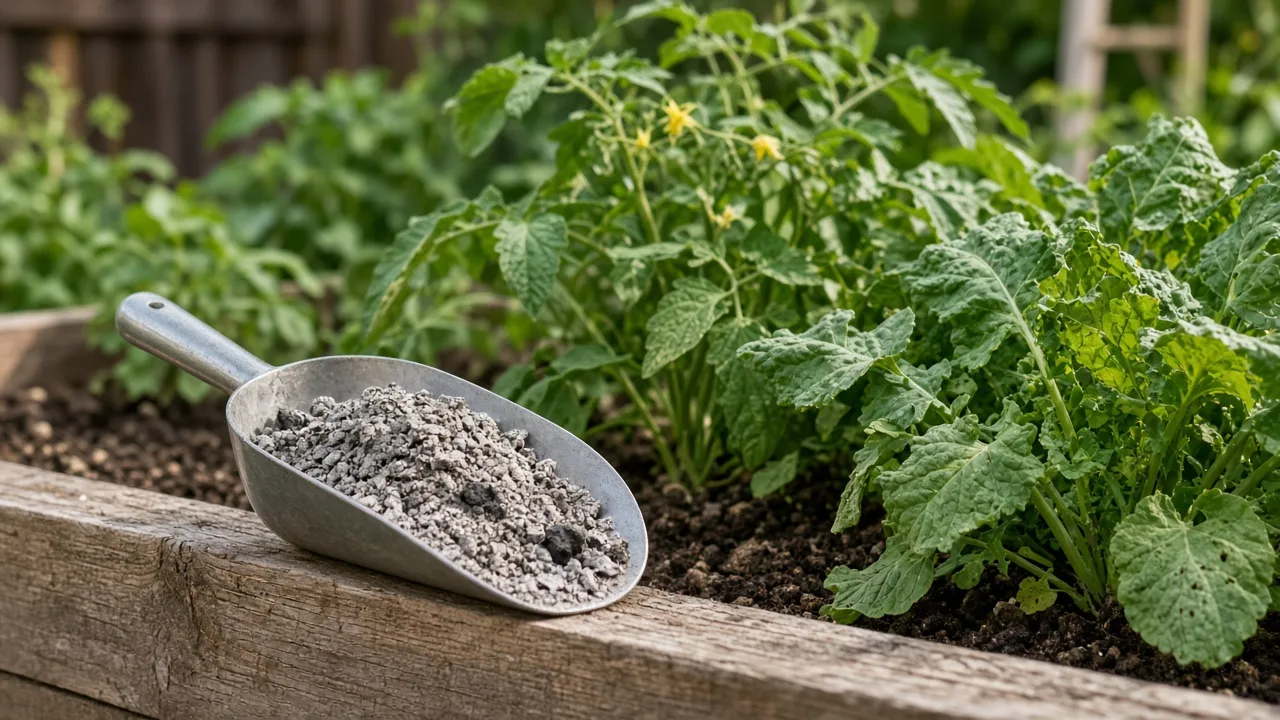
If you are holding a scoop of gray barbecue ash, the safest answer is not a blanket yes or no. Charcoal ash can be useful in a garden only when you know what burned, the ash is clean, and the bed actually needs a modest pH increase. The same-looking powder can be a reasonable alkaline amendment, an unnecessary dose of salts, or waste that should never enter food-growing soil.
The decision becomes much easier if you ask four questions in order: Was it lump charcoal or briquettes? Did the fuel or fire contain additives or treated material? What does a soil test say? Which crop will receive it? This guide walks through that sequence, including what to do when the answer to the first two questions is “I’m not sure.”
The short answer: sometimes, but only after you identify the ash
Ash from plain lump charcoal made from untreated wood is the only barbecue ash I would consider for a garden, and even then I would treat it like a small, fast-acting liming amendment rather than a general fertilizer. Ash is alkaline, so it can move acidic soil toward a more plant-friendly pH. It can also supply some potassium and calcium, but it contributes little or no nitrogen and does not replace compost or a balanced fertilizer.
Ash from ordinary charcoal briquettes belongs in the trash once fully cooled. Briquettes can contain binders, fillers, coal-derived material, ignition aids, or other ingredients that are not appropriate to add around vegetables. If the label does not clearly establish the product as additive-free lump charcoal, or if lighter fluid, painted wood, plastic, trash, or unknown material was involved, do not use the ash in soil or compost. A free garden amendment is not worth an uncertain contamination risk.
What kind of charcoal produced the ash?
The word “charcoal” describes a fuel category, not one uniform substance. Manufacturing method and the ingredients added after carbonization affect what remains in the ash. Before you think about pH or nutrients, separate the ash by source and keep each batch distinct.
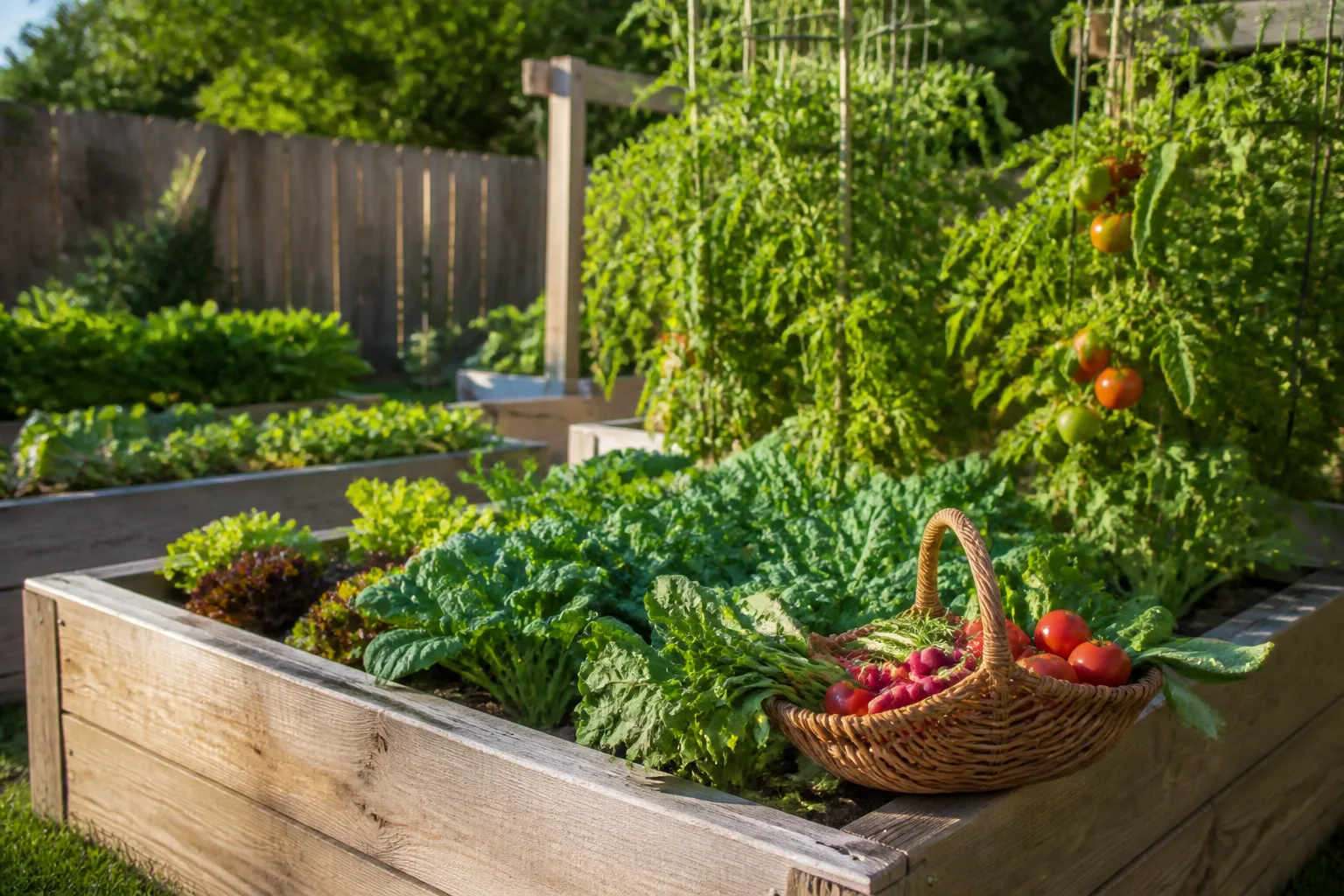
Lump charcoal is not the same as briquettes
Lump charcoal is sold as irregular black pieces and is generally made by heating wood in low oxygen. A product marketed as natural or additive-free is the best candidate for limited garden reuse. That does not mean every lump-charcoal bag is automatically clean: check the packaging, and rule out wood that was painted, stained, pressure-treated, or otherwise chemically finished.
Briquettes are uniform pillows or blocks made from finely processed material and compressed with binders and fillers. Some products also contain ingredients intended to help them light or burn consistently. Once those materials have been heated, you cannot identify every residue by looking at the ash. For a food garden, the practical rule is simple: do not spread charcoal-briquette ash in beds, around edible plants, or in compost destined for those beds.
This is also why coal ash is a different category from clean wood ash. Do not blend ash from a fireplace, a grill, and a fire pit into one bucket just because all three are gray. Source traceability is part of safe reuse.
Contamination changes the decision
Ash records the history of the fire. A small amount of clean, untreated wood produces a very different waste stream from a fire that included painted scrap, construction offcuts, glossy paper, plastic packaging, or treated lumber. Ash from trees growing in polluted locations may also contain unwanted metals. You do not need to diagnose the chemistry at home to make the right call: unknown source equals no garden use.
Lighter fluid deserves a specific caution. It may burn away during ignition, but a gardener should not assume that all residues have disappeared or that the ash is suitable for edible soil. Let the batch cool and dispose of it instead. Wear gloves when moving ash, and protect your eyes and lungs from the fine alkaline dust; do not sift it on a windy day.
What charcoal or wood ash actually does in soil
Ash is often described as plant food, but that shorthand hides its main behavior. Purdue University Extension explains that wood ash contains less than 10 percent potash, about 1 percent phosphate, trace micronutrients, and no nitrogen, while roughly a quarter of its composition can be calcium carbonate. Its most important garden effect is therefore liming, not feeding.
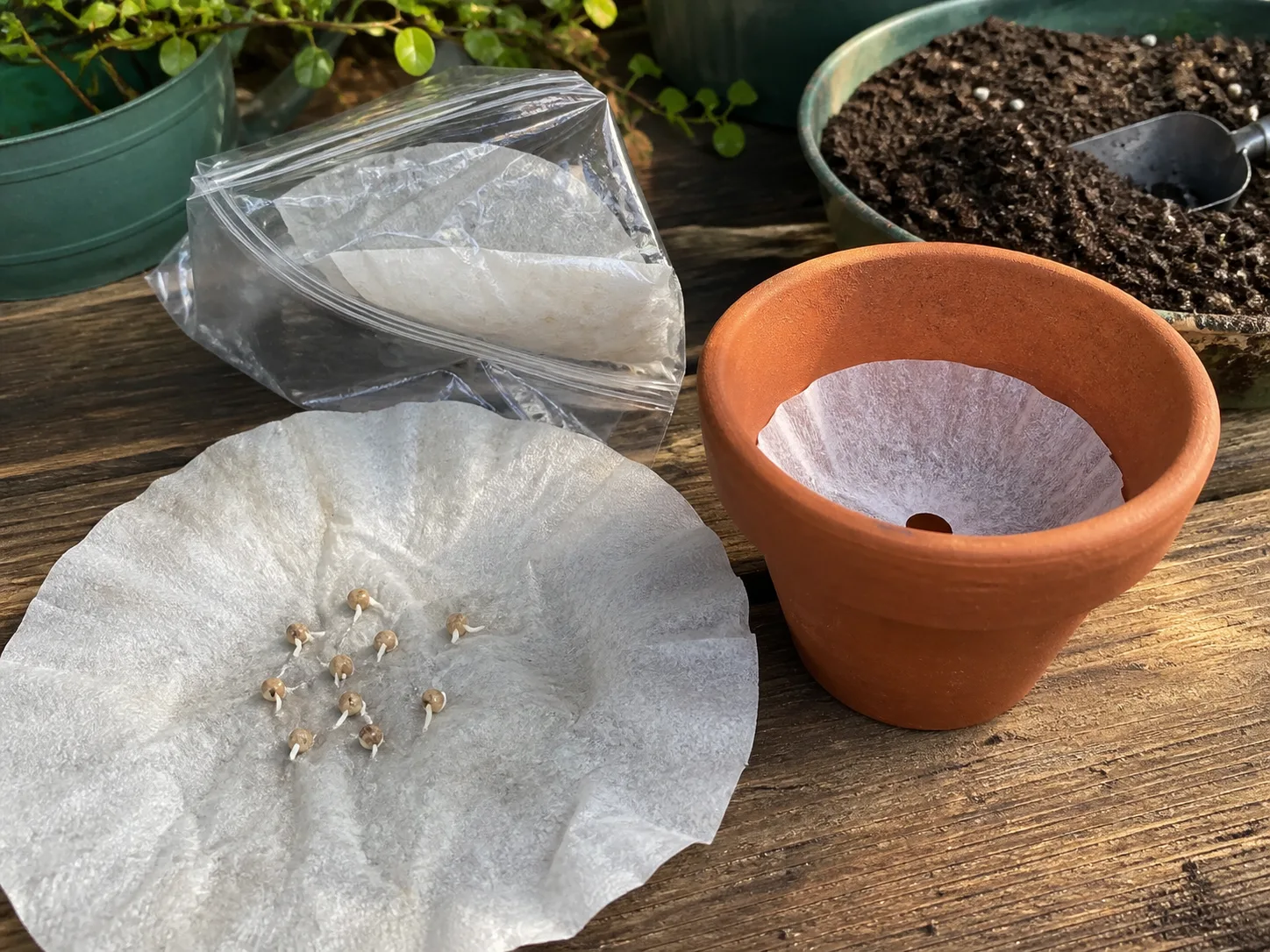
Its biggest effect is raising pH
Soil pH measures acidity and alkalinity. Ash pushes pH upward, and its fine particles can react quickly once they are mixed into moist soil. That is useful when a soil test shows excessive acidity and the crop prefers a mildly acidic to neutral range. It is harmful when the bed is already neutral or alkaline, or when the crop depends on acidic conditions.
The pH scale is logarithmic, so a small numerical change is not meaningless. As pH rises above roughly 7, several nutrients—including phosphorus, iron, manganese, boron, copper, zinc, and potassium—can become less available to plants. A plant may then show deficiency-like symptoms even though the soil contains the nutrient. This is the central paradox of ash: adding a little to the right soil can help, while adding more to the wrong soil can create the problem you were trying to solve.
Do not use ash as a substitute for a soil test because the color, texture, or source of the soil cannot tell you its pH reliably. If your goal is to correct a strongly acidic bed, agricultural lime is usually easier to specify and measure. Ash is best reserved for a modest, targeted adjustment when the test and crop make that adjustment sensible.
Clean ash can contribute potassium, calcium, magnesium, phosphorus, and small amounts of micronutrients. Potassium supports water regulation and flowering or fruiting functions; calcium is involved in cell structure. Those facts do not make ash a complete fertilizer. Because ash contains essentially no nitrogen, it cannot replace nitrogen-rich compost inputs, cover-crop residues, or a labeled fertilizer where nitrogen is actually deficient.
Ash also does not add organic matter. It will not improve the crumb structure of compact clay, increase the water-holding capacity of sandy soil, or feed the soil food web the way finished compost does. Think of it as a chemical adjustment with a small nutrient side benefit—not as a shortcut for building healthy soil.
Use soil and crop needs to make the call
The safest application is the one you can justify before you open the bucket. Your soil report, crop plan, and ash source should point in the same direction. If any one of those three is unknown, pause.
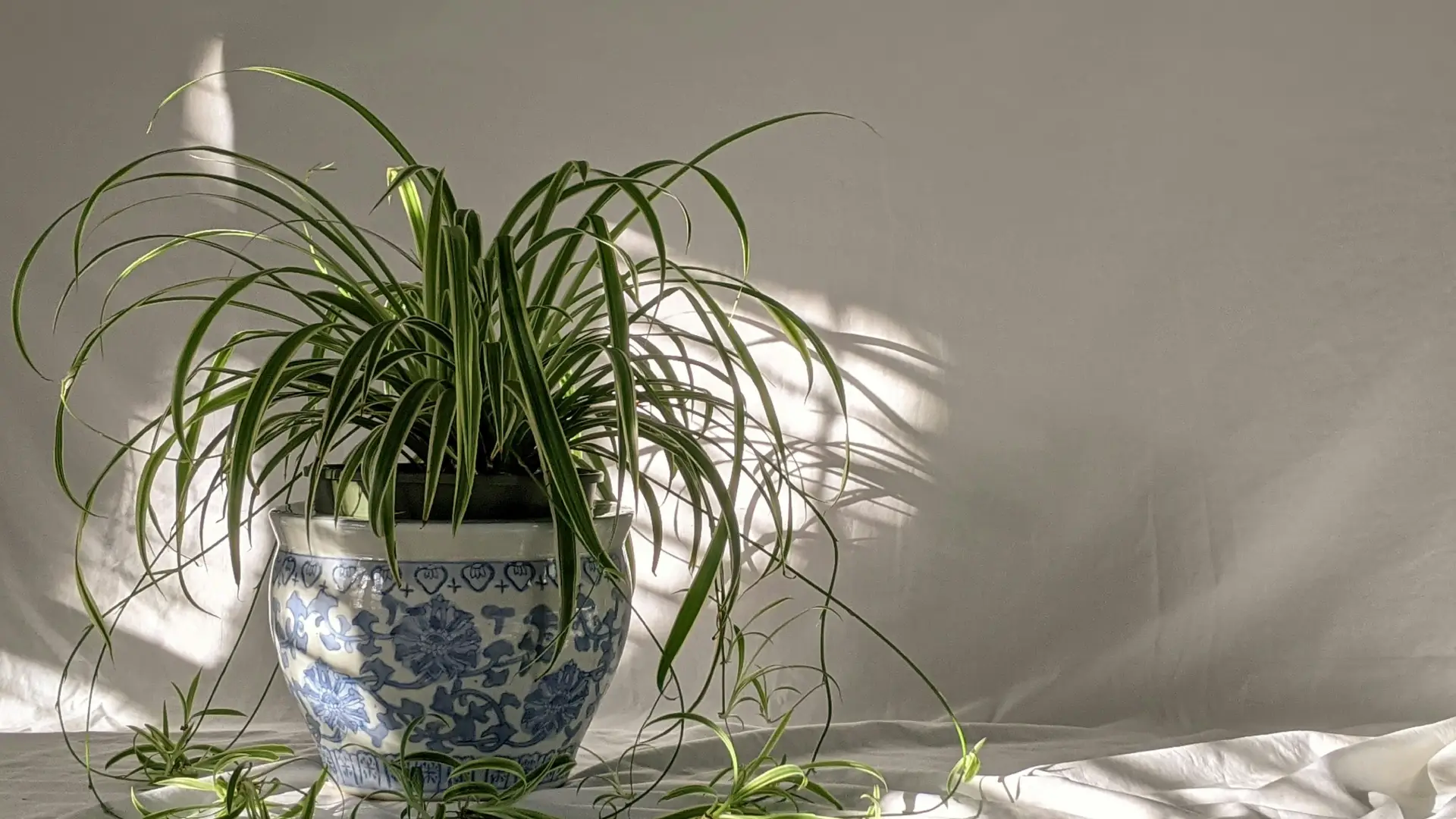
Test before you amend
Use a home pH kit for a quick screening, or submit a representative sample to your local cooperative extension office for a more complete test. A professional report can show pH, phosphorus, potassium, and other factors that change whether ash is appropriate. Take soil from several spots in the bed, mix the sample as directed, and test the area you will actually amend rather than relying on a sample from a different part of the yard.
As a conservative interpretation, ash is most defensible in a clearly acidic bed where the crop does not require low pH and the report does not already show excessive phosphorus or potassium. Purdue notes that soils below pH 5.5 are more likely to improve with wood ash, while slightly acidic soils around pH 6.0 to 6.5 may tolerate an annual application if it is worked into the soil. That is guidance for clean wood ash and local soil conditions, not a universal charcoal-ash prescription.
If the soil is pH 7 or higher, skip ash. If the report recommends a particular lime or nutrient rate, follow that recommendation instead of converting it into an improvised scoop of grill ash. Retest the bed before repeating an application; ash should never be added every grilling season by habit.
Crops that may tolerate a careful application
Many common vegetables prefer soil that is slightly acidic to near neutral. Tomatoes, peppers, beans, peas, onions, garlic, asparagus, and several brassicas may tolerate clean ash when the soil test indicates a need. “Tolerate” is deliberately cautious: the ash is not a performance enhancer for a healthy bed, and no crop needs a gray layer around its stem.
Apply before planting to bare soil whenever possible. This lets you spread evenly and keeps dust off tender leaves. If you are working around established plants, leave a clear ring around stems and crowns, use a very light hand, and keep the material off foliage. Never make a planting hole full of ash or place a concentrated pinch directly against roots.
When ash should stay out of the bed
Some garden situations make the decision a clear no even when the ash came from clean lump charcoal. Crop tolerance and environmental risk matter as much as the ash’s potential nutrient value.
Protect acid-loving plants
Keep ash away from blueberries, azaleas, rhododendrons, camellias, and other plants that depend on acidic soil. Raising their root-zone pH can reduce nutrient availability and gradually produce pale foliage, weak growth, or poor flowering. Hydrangeas grown for blue flowers can also lose the acidic conditions that support blue coloration.
Potatoes deserve a second caution. They can tolerate a range of soils, but liming a potato bed can increase the risk of common scab in conditions where scab is already a problem. If you grow potatoes, follow a crop-specific soil recommendation rather than adding ash because it is available.
Do not assume that placing ash “beside” an acid-loving plant solves the issue. Rain, irrigation, digging, and root growth move soluble material through the bed. Keep the ash and any ash-containing compost in a separate area.
Watch for salts, runoff, and nutrient lockout
Ash is concentrated. A pile or thick stripe can create a sharply alkaline patch, stress roots, disrupt soil organisms, and add soluble salts. Salt buildup is especially concerning in containers, raised beds with limited drainage, dry climates, or places where repeated amendments are not washed through by rainfall.
Runoff is another reason not to scatter ash near ponds, storm drains, streams, or slopes. A heavy dump can wash alkaline particles and dissolved salts into water or neighboring beds. Never use a garden corner as an ash landfill. If you have more ash than your tested beds can responsibly use, disposal is safer than finding a place to dump it.
A safer way to handle and apply clean ash
The workflow below is intentionally slower than emptying a grill into a bed. That is a feature. A few minutes of sorting and measuring prevents hot-ember fires, dusty exposure, and an over-limed garden.
Cool it, sift it, and store it safely
Leave ash in the grill until the coals are fully extinguished, then transfer it to a lidded metal container—not a plastic bucket, paper bag, compost bin, or dry mulch pile. Buried embers can remain hot for days. Keep the container outside, away from the house, deck, porch, and combustible materials, and do not assume a cold surface means the center is safe.
Once fully cool, sift out unburned chunks, metal fragments, foil, and suspicious debris. If the material smells of fuel, contains mixed fire waste, or you cannot establish what burned, stop there and dispose of it according to local waste guidance. Store a clean batch dry and covered; rain can leach nutrients and leave you with an uneven, clumpy material that is harder to measure.
Spread lightly and mix before planting
Start with the soil report’s amendment recommendation. If you have verified clean lump-charcoal ash but no rate, use a deliberately conservative amount rather than a full bucket. A practical small-bed ceiling is no more than about 1/2 cup per 10 square feet in a single application, and less is sensible when the soil history is unknown. This is a cautious starting point, not a guarantee; ash density and chemistry vary.
Spread on calm, dry, bare soil. Wear gloves, eye protection, and a dust mask or respirator suitable for fine particulates. Keep people and pets away while dusty material is being handled. Rake it evenly into the top few inches of soil, then water gently to settle it without creating runoff. For a spring bed, give the amendment time to blend before planting rather than dusting it over seedlings on planting day.
Do not mix ash directly with fresh manure, ammonium fertilizers, or other concentrated nitrogen sources. Alkaline materials can increase nitrogen loss as ammonia. Keep records of the date, amount, bed, and pH so you do not accidentally treat the same soil twice under two different names.
Add only a dusting to active compost
Clean wood or verified additive-free lump ash can be added to an active compost pile in small, dispersed amounts. Gardeners’ Path’s compost guidance similarly emphasizes testing, moderation, and keeping ash out of mature compost in large amounts. It should look like a light seasoning between layers, never a visible gray blanket. Cover the dusting with nitrogen-rich material and brown carbon material, then turn the pile so the ash does not form a concentrated pocket.
Use a conservative limit of about 5 percent of the compost volume, and stop if the pile becomes powdery, clumpy, unusually dry, or strongly alkaline. Do not add ash late to finished compost just because the pile is ready to use; a pH spike and increased availability of some metals are harder to correct once the compost is mature. If the compost will feed blueberries or another acid-loving planting, leave ash out altogether.
Mistakes that turn a useful amendment into a soil problem
The most common mistake is treating “ash” as a single product. Briquette ash, coal ash, clean lump ash, fireplace wood ash, and mixed fire-pit ash should not be poured into the same decision. The second is applying material without testing because a neighbor’s soil responded well; soil texture, starting pH, rainfall, crop, and application history can all differ.
Other failures are more physical than chemical: dumping a pile in one place, spreading on a windy day, breathing the dust, leaving hot embers in a plastic bin, or placing ash against a stem. Applying ash and lime together is also an easy way to overshoot. If you already over-applied, do not try to “neutralize” the bed with a second household ingredient. Pause amendments, test the soil, and ask an extension office for a correction plan.
Better options when the ash is unknown or unsuitable
When the source is uncertain, the best use is disposal after complete cooling. That is not wasteful; it keeps an unknown mixture out of food soil, compost, groundwater, and the root zones of plants you may care for years from now. Follow your municipality’s guidance for cooled fireplace or grill ash, especially if it includes briquettes, lighter fluid, or mixed trash.
If your soil is acidic and genuinely needs liming, use a labeled garden lime product whose analysis and application instructions are clear. If the soil is hungry for organic matter, use finished compost. If potassium is low, choose a fertilizer or amendment that states its analysis and rate. These options are easier to match to a test than a changing stream of barbecue ash.
For a garden that simply needs a recycling outlet, keep clean ash in a separate covered container through the season and use only what a tested bed can accept. The rest can be discarded. A small, traceable input is more sustainable than a large “free” amendment that damages soil and forces years of correction.
Conclusion: treat ash as a targeted amendment, not garden confetti
So, is charcoal ash good for plants? Only sometimes. Verified ash from additive-free lump charcoal may be used sparingly in an acidic, non-acid-loving bed after a soil test. Charcoal-briquette ash, coal ash, ash from treated or painted material, and any batch with an unknown history should stay out of garden soil and compost.
The useful habit is to make ash earn its place: identify the fuel, cool and sift the material, test the soil, apply a light and recorded amount, and retest before repeating. If the soil does not need a pH increase, the plant prefers acidity, or the source is uncertain, disposal is the responsible garden choice.



