Jonquil vs. Daffodil: What's the Difference?
Learn the real difference between jonquils and daffodils by leaves, flowers, fragrance, and botanical classification, plus shared bulb-care rules.
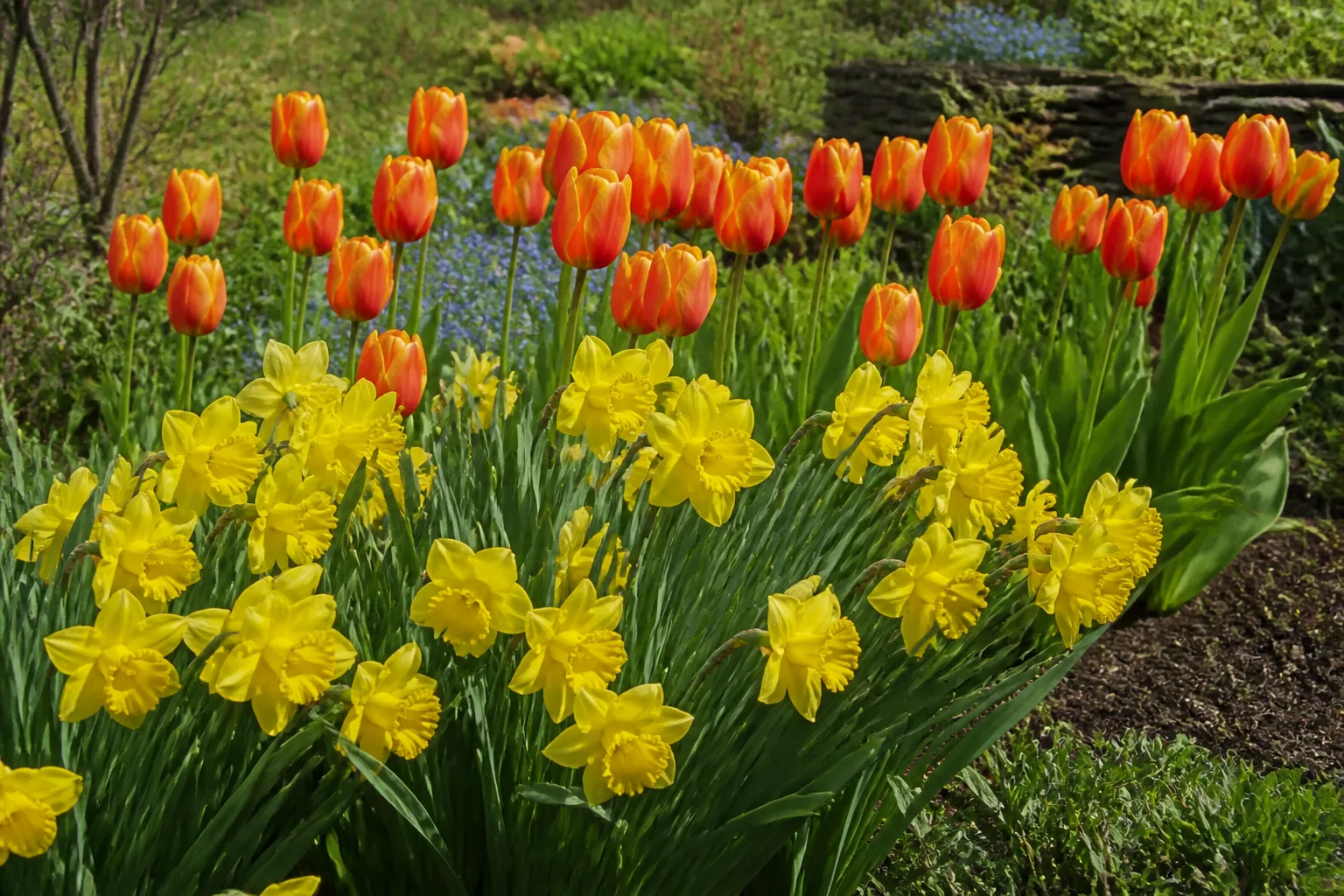
Yes—there is a real difference, but it is not the difference many gardeners expect. Jonquils are a specific group within the genus Narcissus, while daffodil is the everyday English name used for a much wider range of spring bulbs in that same genus. In plain terms: every jonquil is a Narcissus, and in casual conversation a jonquil can be called a daffodil, but not every daffodil is a jonquil.
The confusion starts at the nursery label. One bag says Narcissus, another says daffodil, and a third says jonquil in large letters above a photo of yellow flowers. Color alone will not save you. The useful clues are leaf shape, how many flowers each stem carries, corona size, fragrance, and—when the tag is honest—the cultivar’s division number.
The short answer: all jonquils are Narcissus, but not all daffodils are jonquils
Think of the relationship the way you would with apples. All Granny Smiths are apples, but not every apple is a Granny Smith. Narcissus is the genus. Daffodil is the broad common name for garden Narcissus with the classic cup-and-petal flower form. Jonquil refers most precisely to Narcissus jonquilla and the hybrids classed in Division 7 (Jonquilla) under the Royal Horticultural Society and American Daffodil Society systems.
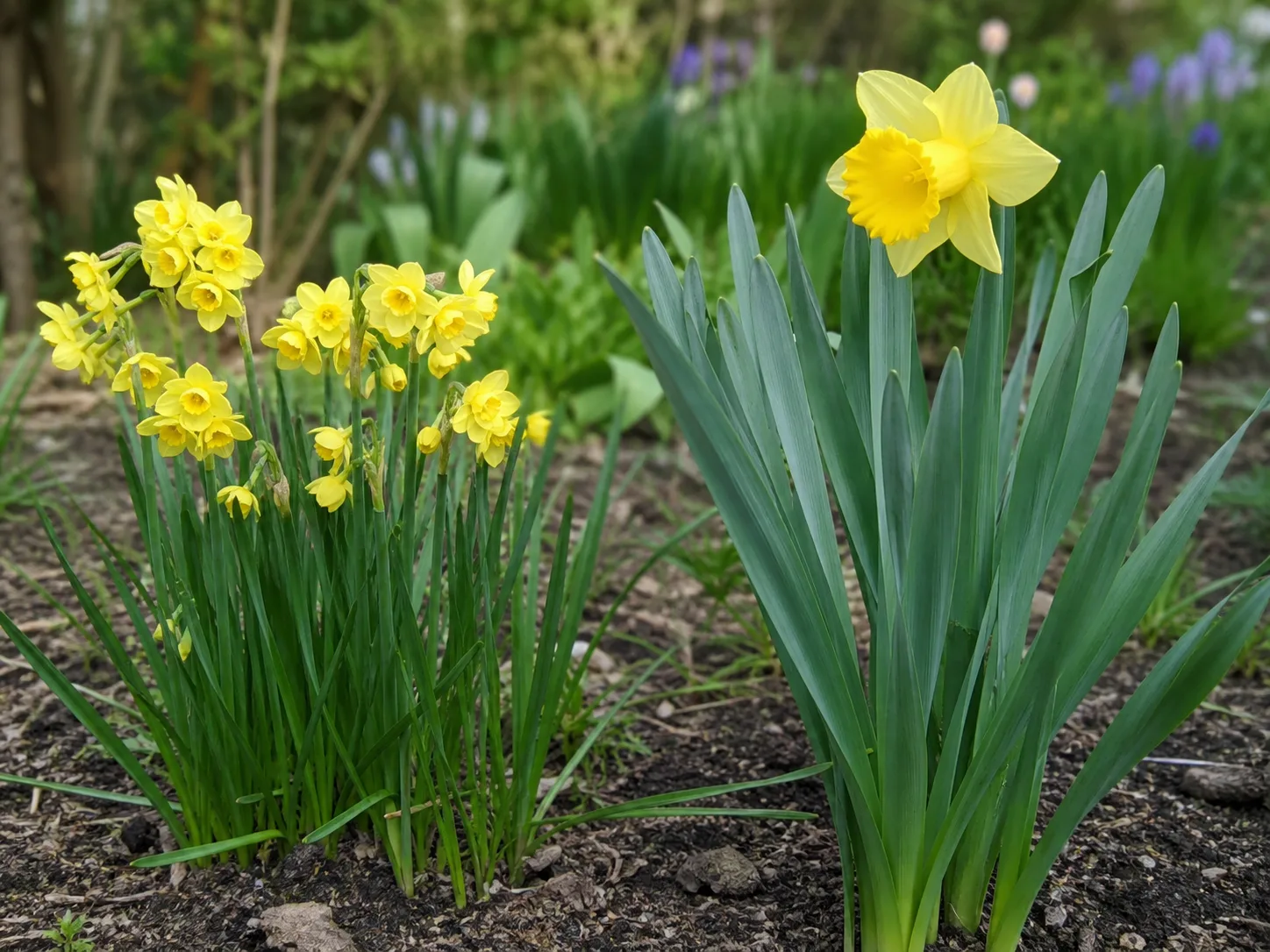
True jonquils usually show narrow, rush-like leaves, two to six smaller flowers per stem, and strong, sweet fragrance. Many familiar trumpet daffodils—the big yellow cups most people picture first—have broader strap-shaped leaves, one large flower per stem, and little or no scent. Those are general patterns, not a courtroom test, because breeders have blurred the lines. Still, the hierarchy matters when you are buying bulbs for fragrance, heat tolerance, or naturalizing.
Why gardeners use three different names for the same spring bulbs
Narcissus is the botanical genus name and the Latin label on many bulb packages. Horticulturists and catalogs use it because one genus contains thousands of named hybrids plus wild species. Daffodil is the common English garden name and the word most North American and British gardeners reach for first. Jonquil is narrower. Botanically it points to a species and division; culturally it sometimes gets stretched to mean any small, fragrant, yellow spring bulb, especially in the U.S. South.
Regional habit makes this harder. In parts of the South, people call spring yellow Narcissus jonquils whether or not the plant is a true Division 7 jonquil Gardening Know How. That is friendly local language, not a field guide. If you are identifying a plant for a record, a show, or a replacement order, rely on the tag, the division, and the visible traits—not on what your neighbor calls the clump.
Paperwhites, poet’s narcissus, and tazetta types add a third layer of naming noise. They are all Narcissus, yet they are not trumpet daffodils and they are not jonquils. Treating every fragrant yellow flower as the same plant is how gardeners end up with the wrong cold requirement or the wrong expected height.
How Narcissus, daffodil, and jonquil fit together botanically
All of these spring bulbs belong to the family Amaryllidaceae. They grow from true bulbs, send up leafless flowering stems called scapes, and carry a central trumpet or cup—the corona—inside a ring of petal-like segments called the perianth. NC State Extension describes Narcissus as a genus of spring-flowering bulbs with strap-shaped to cylindrical leaves and showy flowers, noting both ornamental garden use and the need to handle bulbs with care because plant parts can be irritating or toxic if ingested NC State Extension.
That toxicity note is worth keeping in proportion. Daffodils and jonquils are popular precisely because deer, rabbits, and many rodents tend to avoid them. They are not a good choice around curious pets that dig or chew bulbs. If animals are a concern in your yard, treat the bulbs like any other potentially harmful garden plant: plant deeply, store bags out of reach, and wash hands after handling.
The 13 daffodil divisions that matter at the garden center
Show societies and major reference growers organize garden Narcissus into 13 divisions based on flower form and parentage American Daffodil Society. You do not need to memorize all thirteen to shop well, but three numbers solve most real-world confusion:
- Division 1 (Trumpet): one flower per stem; corona as long as or longer than the perianth; the classic “big daffodil” look.
- Division 7 (Jonquilla): usually one to five flowers per stem; often fragrant; foliage tends to be narrower and more reed-like; includes N. jonquilla hybrids.
- Division 8 (Tazetta): clusters of small flowers, often very fragrant; includes paperwhites and many forcing bulbs.
- Division 13 (Species and wild forms): botanical species, including some jonquil relatives and older garden forms.
When a catalog lists Division 7, you are in jonquil territory even if the word jonquil is not in the cultivar name. When it lists Division 1, you are buying a trumpet daffodil even if the photo looks yellow and cheerful. That division line is more reliable than arguing about common names at the checkout counter.
Popular cultivar names can help once you know the division. ‘Tête-à-Tête’ is a widely sold miniature multi-flowering daffodil often used in pots and front borders. ‘Jetfire’ and ‘Quail’ are fragrant jonquilla types gardeners choose for scent and cluster form. ‘Ice Follies’ and ‘Dutch Master’ represent the large trumpet look. None of those names replaces checking the division on the tag, but they show how different the finished plant can look even within one genus.
Jonquil versus daffodil at a glance
| Trait | True jonquils (Division 7 tendency) | Broader daffodil groups (Divisions 1–6, 8–12) |
|---|---|---|
| Botanical placement | Narcissus genus; Jonquilla division | Narcissus genus; many divisions |
| Leaves | Often narrow, rounded in cross-section, reed-like | Often flat, strap-shaped, sword-tipped |
| Flowers per stem | Frequently 2–6 smaller blooms | Often 1 large bloom; tazettas excepted |
| Corona | Usually shorter relative to petals | Often long trumpet in Division 1 |
| Fragrance | Commonly strong and sweet | Ranges from none to strong by cultivar |
| Typical colors | Mostly yellow and gold tones | Yellow, white, orange, pink, bicolor, doubles |
| Climate note | Often favored in warmer regions | Many trumpets need strong winter chill; cultivar matters |
| Best for | Scent, clusters, Southern naturalizing | Bold displays, cold climates, mixed borders |
The table describes tendencies. A fragrant yellow cluster does not automatically mean Division 7, and a single yellow trumpet is not automatically “not a jonquil” in casual speech. Use the table to narrow your guess, then confirm with foliage and the label.
Compare leaves, stems, and growth habit
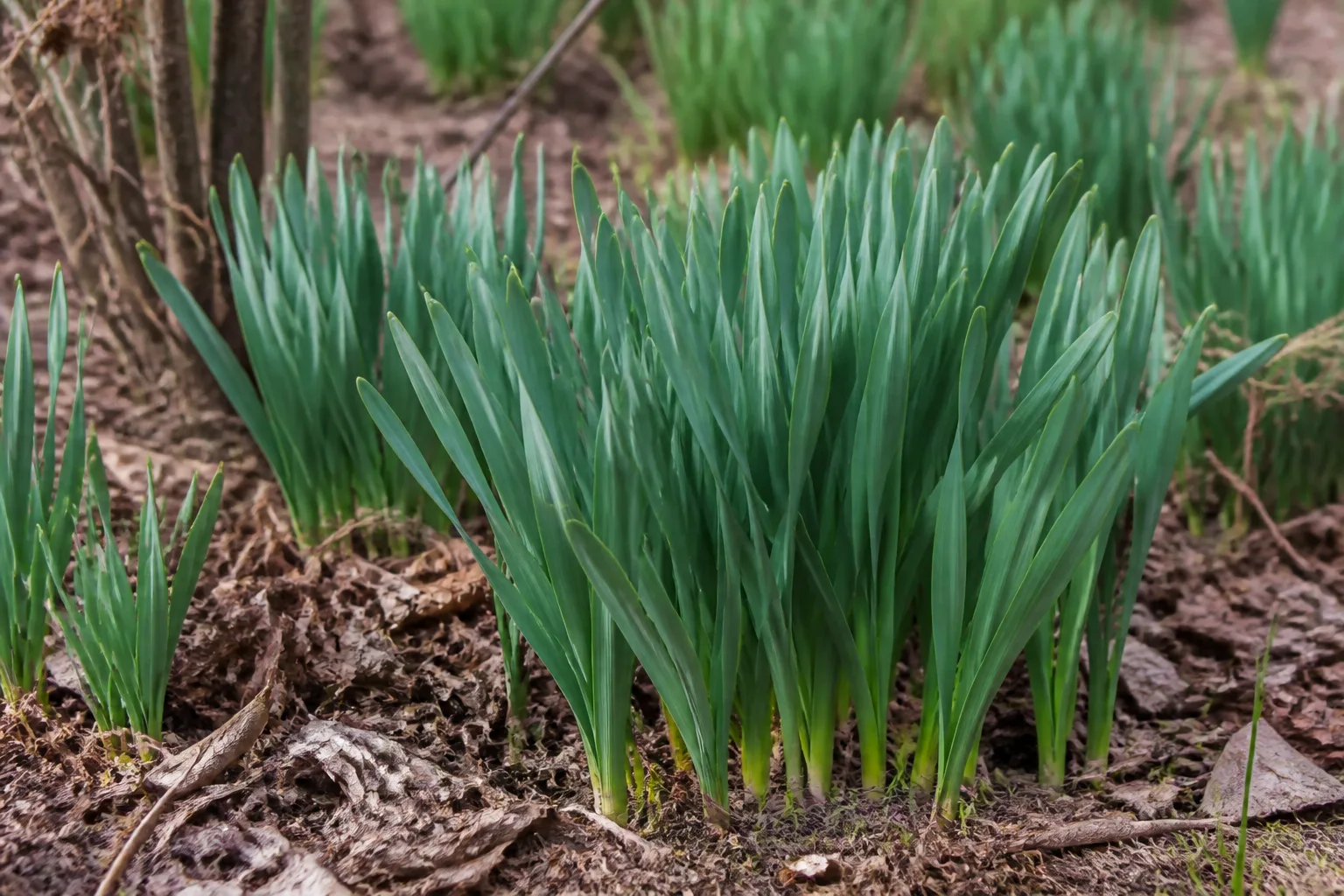
If you inherit an unnamed clump, look at the leaves before the flowers open. Many jonquils carry foliage that is dark green, narrow, and almost cylindrical, like a stiff rush or chive leaf. Classic trumpet daffodils more often show flat, bladelike leaves with a distinct midrib and a sharper tip Gardening Know How.
Stem habit adds another clue. Jonquil scapes are often slender and somewhat shorter than those of large modern trumpet cultivars, and the stems may appear slightly hollow compared with thicker daffodil scapes in some lines. Height alone is weak evidence because breeding has produced compact trumpets and tall jonquil hybrids alike. Leaf shape plus flower count still beats measuring inches on a ruler.
Growth timing can help in established plantings. In many gardens, jonquil foliage appears early and the clumps look denser because several blooms share one stem. Trumpet daffodils may produce fewer stems per square foot but each stem presents a bigger visual punch. Neither habit is better; they solve different design problems.
Compare flowers, coronas, and bloom count
The flower is what sells the bulb, but the flower is also where marketing photos mislead you. Count blooms per stem first. A stem with three to six small yellow flowers nodding together strongly suggests jonquilla breeding. A stem with one large flower and a long central trumpet fits the trumpet daffodil image most people carry in memory American Daffodil Society.
Next, compare corona length to the perianth. In Division 1 trumpets, the corona is typically as long as or longer than the surrounding segments. Jonquils often show a shorter cup relative to the petals, which gives the cluster a lighter, more starry look. Doubles, split coronas, and pink cups break those rules on purpose, which is why division numbers exist.
Color is the weakest field mark. Jonquils are famous for yellow and gold, yet yellow also dominates many trumpet fields. White jonquil hybrids exist, and pink or orange cups appear across divisions. If someone tells you “jonquils are the yellow ones,” politely ignore that rule. Fragrance plus leaf form plus bloom count beats paint color every time.
Fragrance is a clue, not proof
Jonquils built their reputation on scent—honeyed, sweet, sometimes almost perfumed on a warm afternoon. That makes fragrance a practical shopping tool. If you want a scented spring border, start with Division 7 or a catalog description that explicitly says fragrant rather than buying a mixed bag and hoping Gardening Know How.
Fragrance is not proof of identity. Division 8 tazettas such as paperwhites can be intensely fragrant without being jonquils. Some modern trumpet and large-cup cultivars also carry surprising scent. Temperature changes perception: cool mornings may mute aroma, while a sunny afternoon releases more volatile compounds. For a dependable scented garden, buy named fragrant cultivars instead of trying to sniff your way through a generic mix at bloom time.
Climate, hardiness, and where each type shines
Hardiness is where naming errors cost money. Many large trumpet daffodils evolved for cold winters and a long chilling period. They can thrive in USDA zones 3–7 and often struggle in mild coastal or Southern winters where soil never cools enough to reset bloom RHSNC State Extension. Jonquils and several jonquilla hybrids are frequently chosen for warmer zones, where they may naturalize and return more reliably than chill-hungry trumpets Gardening Know How.
That does not mean jonquils are “tropical.” They still need winter rest and well-drained soil. It means the best-performing division for your yard may differ from the best-performing division for a northern lawn. In zone 8 and warmer, prioritize heat-tolerant jonquilla and tazetta types labeled for the South. In zones 3–6, prioritize proven trumpet and large-cup cultivars with documented cold hardiness.
Microclimate still overrides a zone map. A cold pocket in zone 8 can grow trumpets; a warm south wall in zone 6 may tempt you to experiment with jonquils. Start with one labeled cultivar, observe return bloom for two seasons, then expand. Bulbs are patient teachers if you read the results honestly.
Choose bulbs by garden goal, not just flower color
Shop backward from the job you want the bulb to do. For maximum visual impact in a cold-climate border, choose Division 1 or 2 trumpets and large-cupped cultivars with photos that show stem length and flower size, not just face color. For fragrance along a path or patio, choose Division 7 jonquils or named fragrant tazettas with descriptions that mention scent in the first line RHS.
For naturalizing in grass or under deciduous trees, look for cultivars described as perennializing or good for naturalizing in your region. A trumpet that persists for decades in Ohio may disappear in Louisiana, while a jonquil that spreads gently in Georgia may never bloom reliably in Minnesota. Mixes are fine for casual color, but mixes hide division information. If performance matters, buy named singles first.
For cut flowers, trumpets and large cups often give longer stems and bigger faces. Jonquils give charming clusters and stronger perfume in a vase. For either use, cut stems when buds are colored and still slightly closed; they will open indoors and last longer than fully open flowers picked in hot sun.
Plant and care for jonquils and daffodils
The good news is that jonquils and daffodils share most cultural basics. Both need sun to light shade, excellent drainage, and a fall planting window so roots establish before winter. Both benefit from post-bloom photosynthesis through intact leaves. Where they differ is mainly cultivar selection for climate, not a separate fertilizer religion.
Timing, depth, and spacing
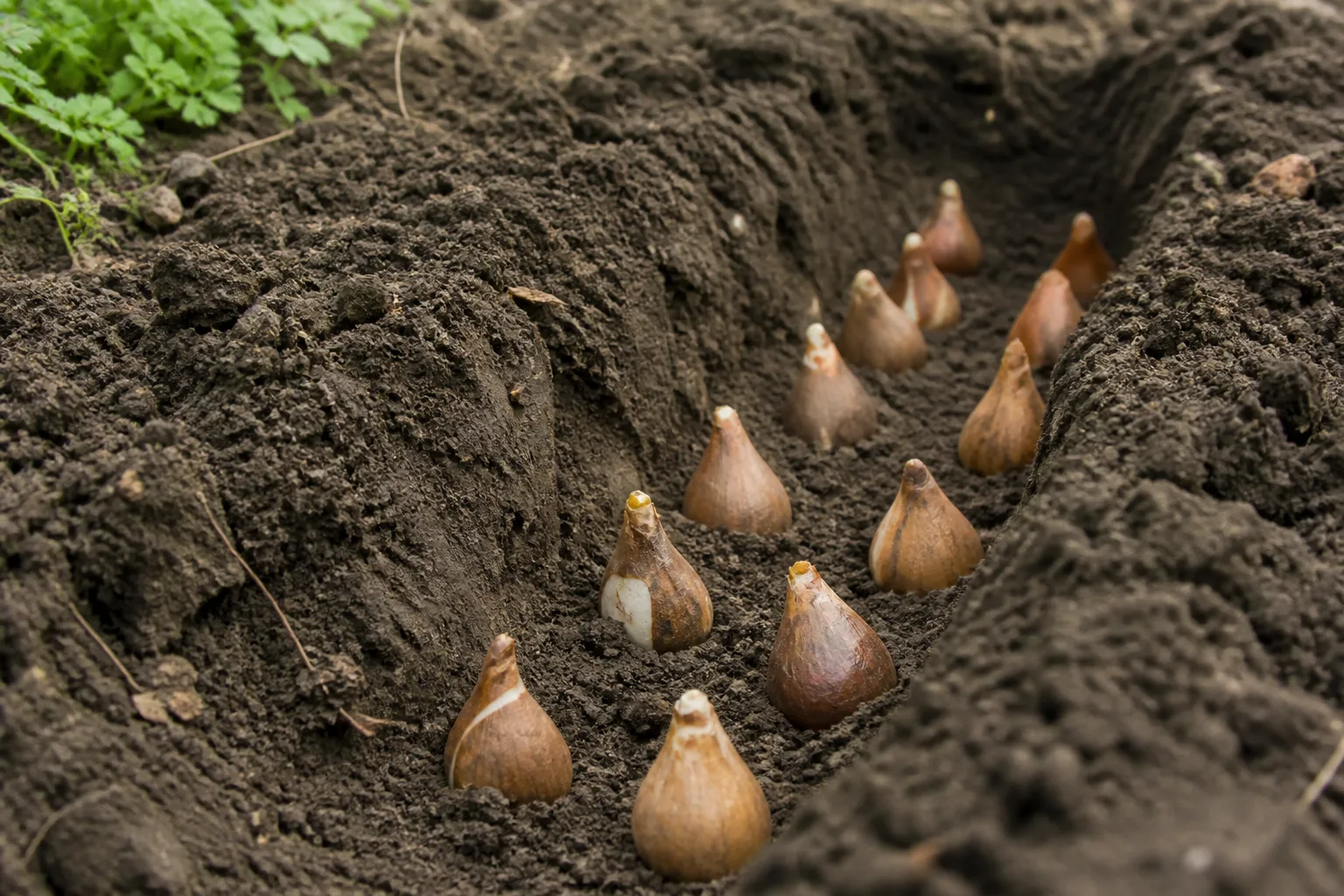
Plant spring-flowering Narcissus bulbs in fall, after summer heat eases and before the ground freezes in cold regions RHS. In mild climates, earlier fall planting gives roots more time to grow before cool wet weather. A practical rule is to set bulbs at a depth of about two to three times the bulb’s height, with the pointed end up, then water once if the soil is dry.
Heavy clay is the enemy of both types. If your bed holds puddles after rain, amend with compost, raise the planting area, or choose another site. Rot destroys more bulbs than cold does. Space bulbs so clumps can expand for several years; tight planting looks full the first spring and crowded the fifth.
In containers, use a free-draining bulb or general-purpose mix and make sure the pot has a drainage hole. A single layer of jonquils or dwarf daffodils can brighten a porch in spring, but the pot must not sit in a saucer of water through winter. Lift and store only if your climate or cultivar requires it; many garden types are meant to stay in the ground year-round.
What to do after flowering
Remove spent flower heads if you want the bulb to put energy into next year’s bloom instead of seed production. Do not cut, braid, or tie the leaves while they are still green. Those leaves are charging the bulb for the following season. Wait until foliage yellows naturally, then tidy if you wish.
If bloom count drops while leaves look healthy, the clump may be overcrowded or shading itself. Mark the spot while you still see leaves, then dig and divide after foliage fades or during the recommended dormant window for your climate. Replant firm offsets promptly and discard soft or moldy bulbs.
Naturalizing, dividing, and mystery bulbs in old gardens
Old homesteads and churchyards often carry unnamed Narcissus that have outlived every map label. To learn what you have, photograph the clump at three moments: early leaf emergence, peak bloom, and seed-head removal time. Measure leaf width with your fingers—rush-like versus strap-like—and count flowers per stem across several scapes, not just one.
If the clump returns for years, spreads modestly, and matches jonquil tendencies, treat it like a treasured jonquilla type even if you never find the cultivar name. If it sends up single huge trumpets on wide leaves, it behaves like a trumpet daffodil. Mystery bulbs are common; perfectionist labeling is not required to enjoy them. You only need precision when you are ordering replacements or troubleshooting failure.
When naturalizing under turf, choose cultivars known to tolerate grass competition and avoid early mowing while leaves are still green. Bulbs planted under evergreens often decline because summer shade arrives just when the bulb needs light. Match the site to the plant’s post-bloom needs, not only to the spring flower photo.
Paperwhites and other Narcissus that are neither trumpet daffodils nor true jonquils
Paperwhites are Narcissus in Division 8 (Tazetta). They are famous for indoor winter forcing and for clusters of small white flowers with powerful scent. They are not jonquils, even though both types can smell sweet and carry multiple blooms per stem. Tazettas differ in bulb habit, chilling requirement, and garden hardiness depending on cultivar and climate RHS.
Poet’s narcissus and other white-flowered forms belong to additional divisions with their own look and performance. The lesson is simple: Narcissus is the umbrella. Daffodil is the everyday word under that umbrella. Jonquil is a specific spoke—not the whole wheel.
If you force bulbs indoors, follow a forcing guide for that division. Paperwhites often need no precooling; many garden daffodils do. Mixing those instructions is a common way to get foliage and no flowers.
Common identification and shopping mistakes
The first mistake is calling every yellow Narcissus a jonquil because of regional habit or fragrance guesswork. The second is assuming a single large trumpet must be “just a daffodil” while a small cluster must be a jonquil—tazettas and multi-flowering large-cup cultivars break that shortcut. The third is trusting color alone on a catalog thumbnail.
A fourth mistake is ignoring division numbers when mail-ordering for a warm climate. A bag of generic mixed daffodils may be beautiful once and disappointing later because half the mix wanted a colder winter than your yard provides. A fifth is planting in wet soil because “bulbs are easy.” Easy is true only where drainage is honest.
A sixth mistake is treating jonquils and daffodils as interchangeable in pet-safe planting plans. Both contain compounds that can irritate the mouth and digestive tract if chewed NC State Extension. Dogs that dig bulbs and cats that nibble leaves are better kept away from newly planted beds than reassured by a common name.
Finally, remember that daffodils do not turn into jonquils or vice versa. They are genetically distinct selections. A mislabeled clump stays mislabeled in name only; the plant does not morph species because you call it something new.
Conclusion: read the division, then match the site
Jonquils and daffodils are not the same word for the same plant. Jonquil names a fragrant, often multi-flowered branch of the Narcissus family, most closely tied to Division 7. Daffodil names the wider spring-bulb world most gardeners mean when they say “those yellow cups in March.” Narcissus is the genus that holds trumpets, jonquils, paperwhites, species forms, and thousands of hybrids.
When you shop, read the division, hardiness notes, and fragrance description, then match the bulb to drainage, winter chill, and post-bloom light. When you identify an existing clump, trust leaves and flower count more than folk rules about color. Get those two steps right and the naming debate stops being trivia and starts being useful garden sense.



