How to Grow and Care for Lady Slipper Orchids
Cypripedium care depends on species. Get guidance on light, soil pH, watering, containers, dormancy, blooming, propagation, and responsible sourcing.
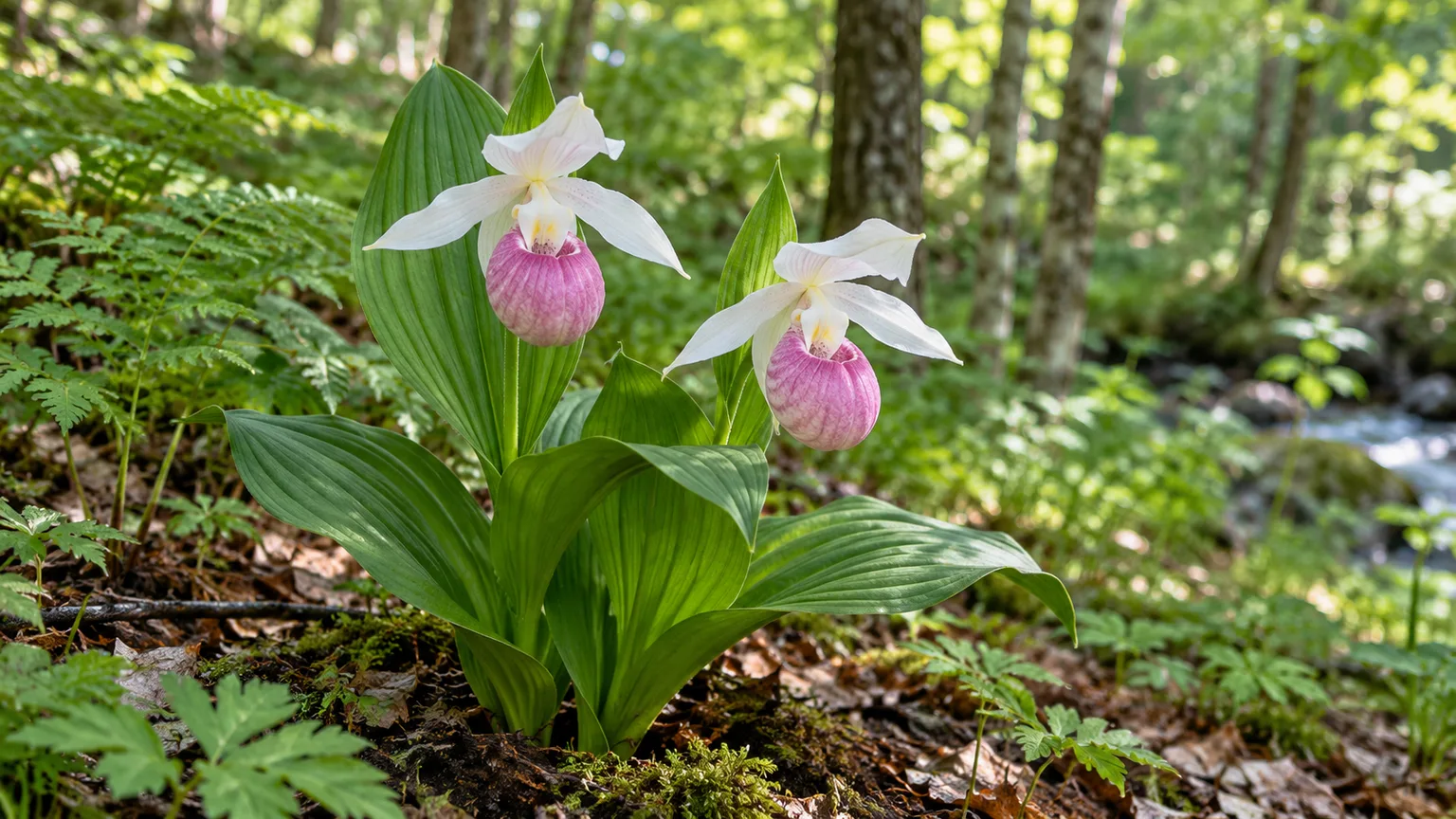
A lady slipper orchid is not a single plant with one reliable care recipe. Cypripedium is a genus of mostly terrestrial orchids whose species and hybrids differ in preferred soil chemistry, moisture, summer heat tolerance, and difficulty; the right first step is to identify what you have before changing its soil or watering routine.
Most garden-grown Cypripedium do best outdoors in bright shade, in a root zone that stays cool and evenly moist without becoming waterlogged, followed by a normal cold season. They are rewarding plants, but often slow to settle in. If you want an orchid that can live year-round on a warm indoor windowsill, a hardy lady slipper is usually the wrong choice.
Identify Cypripedium before planning its care
The pouch-shaped flower gives lady slippers their common name, but that feature appears in several orchid genera. This guide is about Cypripedium, the hardy terrestrial lady slippers sold for woodland and shade gardens. The florist orchid with a similar slipper-like flower is often a tropical Paphiopedilum; it has different temperature, light, and growing-medium needs. Check the botanical name on the label rather than relying on “lady slipper” alone.
Most Cypripedium are deciduous perennials: leaves and stems grow in spring, flowers appear on mature growth, and the foliage eventually dies back for winter. They grow from short underground stems or rhizomes and have fleshy roots that are easily damaged. NC State Extension notes that the genus includes many species whose size, bloom season, habitat, and growing conditions differ; the American Orchid Society describes temperate species as outdoor garden candidates but cautions that some are far more difficult than others. See NC State Extension’s Cypripedium profile and the American Orchid Society’s genus overview.
That distinction changes the care plan. A pink lady slipper from acidic pine woods should not automatically receive the same lime-rich soil as a garden hybrid selected for neutral or alkaline conditions. Before planting, find the species or cultivar name, ask whether it is nursery-propagated, and request the grower’s guidance on pH, hardiness, and winter moisture.
Choose a species that fits your climate and garden
A named plant is more useful than a generic label. “Lady slipper orchid” by itself does not tell you whether the plant tolerates your summer heat, needs acidic soil, or expects a damp meadow rather than a well-drained woodland bed. Buy from an orchid or native-plant specialist who can identify the plant and describe its origin; if the seller cannot answer those questions, wait until you find a better-documented specimen.
Consider the whole year, not just the bloom photo. A species may be hardy enough for your winter but still struggle with hot, humid summers, dry shade, or warm nights. Conversely, a plant from a warmer region can fail in a cold, wet winter. A local botanical garden, orchid society, or specialist nursery can help you compare a particular cultivar with your climate and soil before you invest in a slow-growing plant.
Compare familiar lady slipper species
These examples are starting points, not interchangeable recipes. The American Orchid Society notes that some species favor alkaline, limestone-influenced mixes while others need acidic conditions. Grower observations from Plant Delights Nursery likewise describe contrasting habitats within the genus.
| Example | Useful growing clue | What to confirm before planting |
|---|---|---|
| Cypripedium acaule, pink lady slipper | Associated with acidic woodland soils; particularly challenging to establish | Exact acidity, drainage, provenance, and whether the plant was propagated |
| C. parviflorum and its varieties | Some forms are more adaptable in gardens than the most demanding species | The variety or hybrid, its preferred moisture, and local heat tolerance |
| C. reginae, showy lady slipper | A larger species often associated with moist, open habitats | How to maintain moisture without waterlogging and how much sun it tolerates |
| Named garden hybrids | Breeding can improve vigor or expand garden suitability | The parentage, mature size, hardiness, and written care notes for that hybrid |
Hardiness-zone ratings are helpful only when attached to an identified plant and based on a credible grower’s experience. A label that says “zones 2–9” for the whole genus is not a usable planting instruction. Use the cultivar’s verified range as a starting point, then account for winter wetness, summer heat, exposure, and the difference between in-ground roots and a container that freezes faster.
Choose bright shade and protect spring growth
Aim for the filtered light of a deciduous woodland edge: enough brightness for a healthy clump, but no long stretch of hot afternoon sun on the leaves or root zone. A site beneath tall deciduous trees or beside open-canopy shrubs can work if the soil is suitable and tree roots do not leave the orchid dry. Morning sun is often easier to manage than intense afternoon exposure, especially in warmer regions.
Use the plant’s leaves as feedback. Healthy foliage should hold its color and shape through the growing season; bleached, dry patches on the side facing sun suggest excess exposure. Very dark, floppy growth in deep shade may signal too little light, but check root moisture and drainage before moving the plant. Sudden relocation can stress a slow-establishing orchid, so make one measured adjustment at a time.
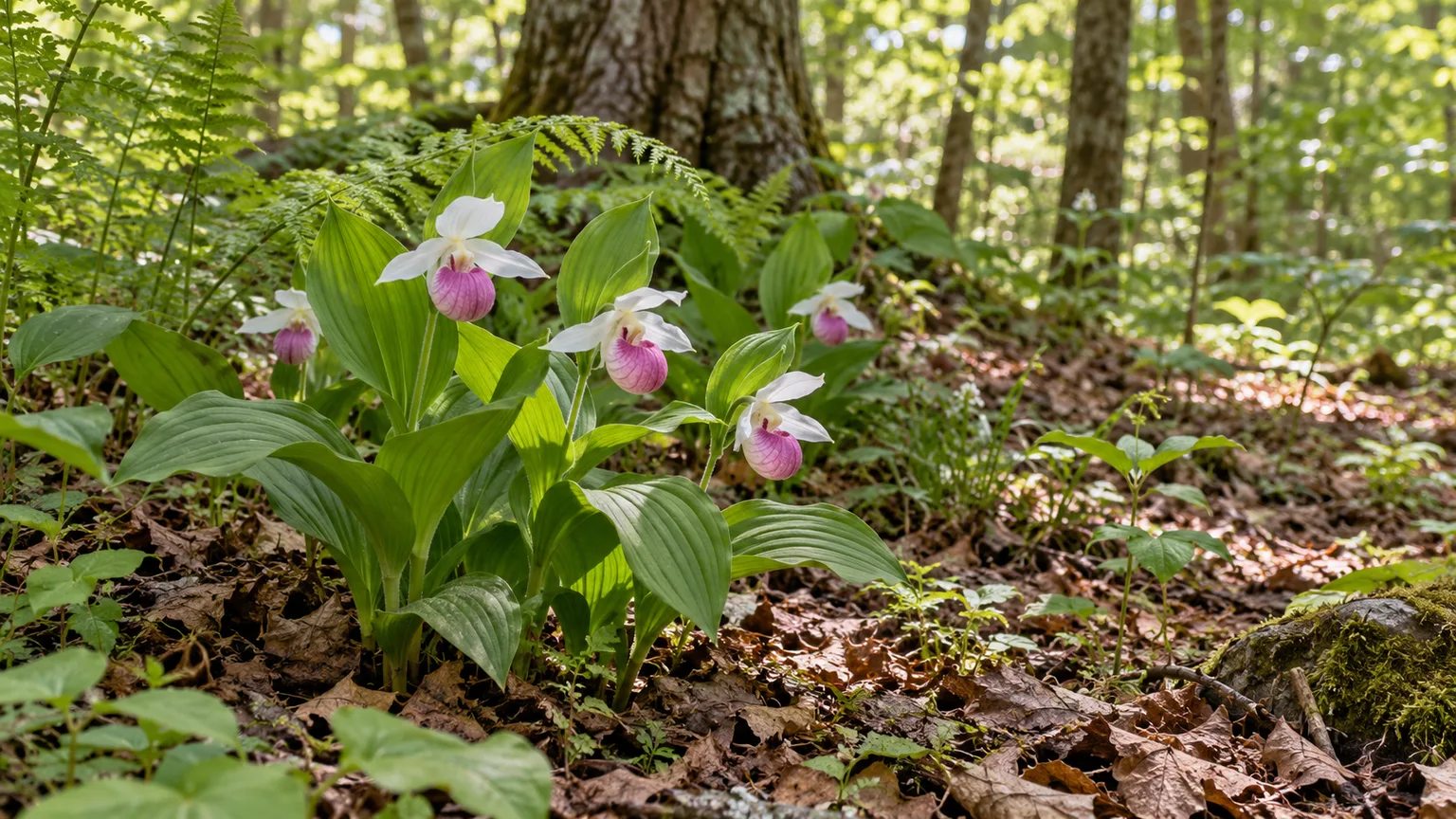
Spring shoots can be damaged by late freezes, trampling, and nearby digging. Mark the planting spot so you do not disturb it while dormant, and keep aggressive groundcovers from crowding the crown. If a tree canopy changes after pruning or a storm, reassess the light: the best permanent site is one that remains bright but protected as conditions change through the season.
Build soil around moisture, drainage, and pH
“Moist but well-drained” means the root zone holds usable water while air can still reach the roots. It should feel like a wrung-out sponge, not dry dust and not saturated mud. That balance matters more than copying a generic orchid mix: Cypripedium are terrestrial plants, and the chunky bark blend used for many tropical epiphytes is not automatically appropriate.
Soil pH is where genus-wide advice breaks down. Some lady slippers are adapted to acidic conditions, while other species and hybrids grow in neutral or alkaline soils; applying lime or acidifying amendments without identifying the plant can make the bed less suitable. Have the soil tested before amending it, and ask the nursery what pH the named species or hybrid prefers. If the plant label gives no species or pH information, do not guess with a bag of lime or sulfur.
Prepare a garden bed
Choose a site where water drains after rain but the upper root zone does not bake dry. Incorporating mature leaf mold or well-rotted organic matter can help a coarse soil retain moisture and can improve the structure of some heavier soils, but do not bury the plant in a deep pocket of rich compost. A sharp boundary between amended soil and native soil can also hold water like a basin, so prepare a wider area rather than filling a small hole with a different mix.
Set the rhizome and roots at the planting depth recommended for that plant. Specialist grower guidance describes Cypripedium roots spreading horizontally close to the soil surface, where they encounter natural organic matter; planting them deeply like a shrub risks rot or poor establishment. Spread fragile roots gently, cover them without compacting the soil, water the bed in, and add a light leaf-litter mulch that cools the soil but does not smother the crown. In a wet site, improve drainage or choose a raised planting area rather than trying to fix persistent saturation with more organic material.
Grow in a container when you need more control
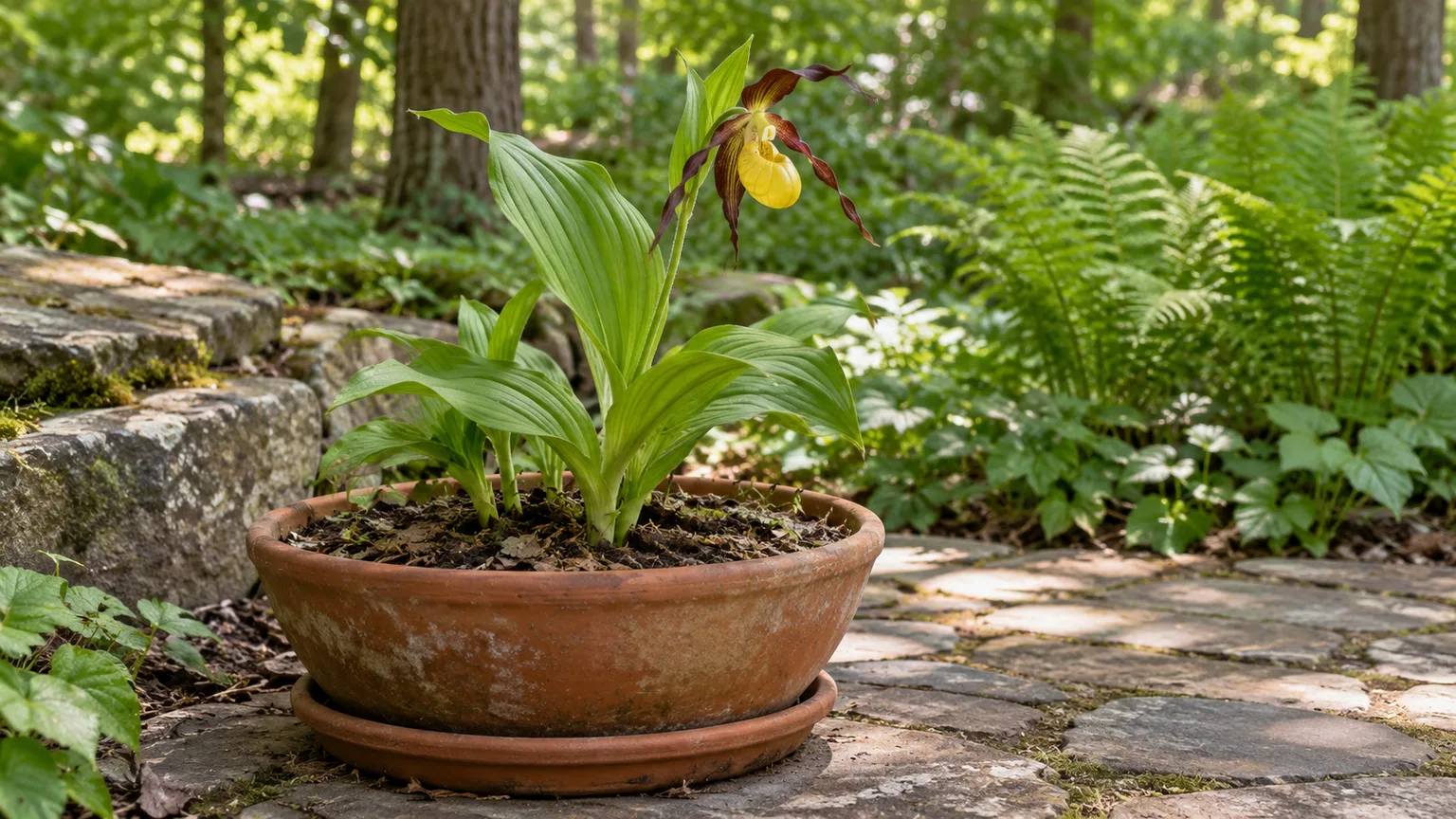
A container can make soil pH, drainage, and placement easier to manage, but it does not turn a temperate orchid into an indoor plant. Use a wide pot with generous drainage and a stable, species-appropriate loam-based mix. Avoid a tall, narrow vessel that keeps the lower medium wet while shallow roots sit near the surface. Keep the pot outdoors in bright shade during active growth, where the plant receives natural seasonal temperatures.
The trade-off is winter exposure: a pot’s roots can freeze and thaw more sharply than roots in the ground. The American Orchid Society advises overwintering potted temperate Cypripedium in a cold frame or alpine house, or plunging the pot into a garden bed. Whichever method matches your climate, protect it from desiccating wind and repeated freeze-thaw cycles without moving it into a heated room. A container is most useful when it solves a real soil or drainage problem and you have a dependable outdoor wintering place.
Water according to growth and weather
Do not water by a fixed weekly schedule. During active spring growth, check the soil near the shallow root zone and water when it is beginning to dry; then let excess drain away. Rainfall, soil texture, shade, wind, container size, and the plant’s maturity all change how quickly the root zone loses water. A young division generally uses less water than a large established clump, so the same interval will not suit both.
White Flower Farm’s Cypripedium growing guide recommends even moisture during growth while warning against soggy soil. That is a useful practical rule: keep the roots from drying out, but never leave them sitting in stagnant water. A finger check in the top inch of a container mix, paired with a quick look at drainage and weather, is more informative than watering “twice a week.”
As leaves yellow naturally and the plant enters dormancy, reduce supplemental water. Do not keep an inactive pot saturated through a cool winter; wet, oxygen-poor soil can rot the crown or shoots. Do not let the dormant root zone turn bone dry for a long period either. Aim for cool soil with only enough moisture to prevent desiccation, and adjust for the species and the way you are overwintering its pot.
Let the plant experience a real winter rest
Many temperate Cypripedium need a seasonal cold period to follow their normal growth cycle. A warm living room or heated greenhouse may keep the plant from experiencing that rest, while an exposed pot on a windy balcony can dry or freeze too severely. For most hardy garden selections, the simplest place to spend winter is a suitable outdoor bed with stable soil moisture and natural seasonal temperatures.
Mulch can moderate temperature swings, particularly for container-grown or newly planted specimens, but the crown should not be buried under a wet, dense blanket. A few inches of loose leaf mulch after the ground cools can insulate the soil; pull it back enough in spring for shoots to emerge. In colder regions, sink the nursery pot into the earth or use an unheated cold frame if that method matches the supplier’s instructions. Do not improvise an indoor “dormancy” by putting the plant in a refrigerator or a dark closet.
Winter care is also species-specific. A plant adapted to a cold mountain habitat may need more winter protection from wet than from cold, while a locally hardy cultivar can handle exposed conditions better. Follow verified guidance for the named plant and watch the medium, not just the air temperature: an appropriately cold root zone that drains is safer than a mild but waterlogged one.
Fertilize lightly, if the plant needs it
Start with the soil and the plant’s growth, not a high-phosphorus bloom formula. A well-prepared bed with suitable organic matter may need little or no added fertilizer, and excess salts can injure fleshy roots. Plant Delights Nursery recommends balanced soil and using added fertilizer only when a soil test indicates a need; White Flower Farm recommends a diluted balanced feed during active growth for its offerings. These approaches differ because growing medium, local soil, and plant stock differ.
For a newly planted specimen, let it establish before feeding unless the supplier gives a specific planting-year schedule. For an established plant, use a balanced product at a conservative dilution during active spring growth, following both the product label and the grower’s advice. Stop when foliage is dying back or the plant is dormant; fertilizing then will not force healthy growth and may leave salts in a cool, wet root zone.
If foliage grows well but flowers do not appear, do not assume the answer is more phosphorus. The plant may be immature, recently divided, too shaded, stressed by heat, or simply settling in. Check the species, light, and growing history first, and change one factor at a time so you can see whether the plant responds.
Plant and repot without damaging shallow roots
For a nursery-grown bare-root plant, prepare the site before opening the roots so they spend little time exposed to drying air. Handle the rhizome gently, spread the fleshy roots outward rather than bending them into a deep hole, and cover them at the depth specified by the grower. Water in once to settle the soil, then maintain even moisture while the plant establishes. Avoid fertilizer at planting unless the supplier directs otherwise.
A plant sold in a pot can remain there until it is clearly crowded, the medium has broken down, or drainage has become unreliable. Cypripedium do not benefit from annual disturbance. When repotting is needed, work during the plant’s natural transition into growth or dormancy as advised by the nursery, and lift the root ball with as much surrounding medium intact as possible. Do not rinse or comb fragile roots clean just to satisfy a routine repotting calendar.
After repotting, use the same light and seasonal temperature pattern as before, but monitor water more carefully while damaged roots recover. Keep the mix lightly and consistently moist rather than wet, and hold fertilizer until you can see the plant resume active growth. A new plant that does not emerge immediately may still be establishing below ground; digging it up to check can create the very root damage you are trying to prevent.
Set realistic expectations for flowers
Cypripedium flowers are usually a seasonal reward, not an instant result. Depending on the species and local climate, blooms appear from spring into early summer. An established clump may carry one or several flowers on a stem, but a young division or recently planted orchid can spend a season building roots before it flowers. A healthy plant may also skip top growth in an occasional year and return the next season; specialist growers describe this as a behavior that can occur even when the plant is not necessarily dead.
Use the whole plant to judge progress. A sturdy shoot and leaves that persist through their normal growing season are better signals than bloom count alone. If the plant has been in place only one or two seasons, keep conditions stable rather than feeding harder, moving it, or dividing it in the hope of triggering flowers. For an older plant that has stopped flowering repeatedly, assess light, competition from nearby roots, soil moisture, and whether the named cultivar is suited to your climate.
Once a flower fades, remove the spent bloom stalk if it looks untidy, but leave healthy leaves in place until they yellow naturally. The foliage replenishes the underground plant for the next cycle. Cutting it down early because the flowers have finished can weaken a plant that is already slow to establish.
Divide established clumps carefully
Division is the practical way to multiply a healthy, established clump, but it should be occasional rather than routine. Wait until the plant has several vigorous growth points and enough size to spare a portion without leaving a tiny fragment. If a plant is rare, protected, newly planted, or still struggling, do not divide it. Ask a specialist grower to identify the best season for the species and to explain how much rhizome and root each division needs.
When division is appropriate, lift the clump with a broad fork or hand tool well away from its crown, keeping the root mass intact. Tease apart natural rhizome sections or make a clean cut with a sterile blade, ensuring each piece has a viable bud and healthy roots. Replant promptly at the correct shallow depth; do not leave the fleshy roots drying in sun or wind. The exact timing recommendations in grower guides vary by species and climate, so do the work during the locally appropriate dormant or early-growth window rather than following a universal month.
Seed propagation is much slower and more technical. Orchid seeds are dust-fine and lack the food reserves of ordinary garden seeds; in nature, compatible mycorrhizal fungi help them germinate and develop. Specialist growers may use sterile laboratory culture, but a home sowing tray is unlikely to reproduce those conditions. If you want more plants, choose nursery-propagated divisions or seedlings rather than harvesting seed from a wild plant.
Prevent slug damage and crown or root rot
Slugs and snails are among the pests most likely to chew tender shoots and leaves. Check under pots, boards, mulch, and nearby groundcover in the evening or after rain, and reduce hiding places around the crown. A physical barrier or hand removal may be enough in a small planting. If you use a pesticide or bait, follow its label and local rules, and choose an option that is appropriate around pets and wildlife.
Rot is more often a growing-condition problem than a reason to reach immediately for fungicide. Persistent saturation, poor drainage, planting too deeply, or keeping a dormant pot wet can lead to damaged roots and shoots. Remove only clearly dead or mushy tissue with a clean tool, correct the drainage or watering issue, and improve airflow around the foliage. Do not spray fungicide preventively without identifying the disease and checking that the product is labeled for the plant and site.
Leaf spots can have several causes, including prolonged leaf wetness, mechanical damage, or disease. Keep water directed toward the soil rather than splashing the foliage late in the day, avoid crowding, and remove fallen diseased leaves from the bed. A few minor marks on an otherwise vigorous leaf are not a reason to disrupt the plant’s roots.
Troubleshoot missing growth and stressed leaves
Start with the plant’s calendar, then check moisture and exposure before changing care. Cypripedium disappear above ground after their growing season, so a leafless winter pot is not automatically dead. Keep its location marked and resist digging around the crown to inspect it; shallow roots and dormant shoots are easy to damage.
The plant does not emerge in spring
If the plant has not appeared when nearby perennials begin growing, check the tag and local bloom timing. Species and cultivars emerge at different times, and a cool spring can delay growth. Some plants also skip emergence for a season and return later. Maintain modest moisture, protect the marked spot from cultivation, and wait through the normal local emergence window before disturbing the soil.
If a plant misses more than one full growing season, review what changed: winter saturation, severe drought, frost after early emergence, animal digging, or a damaged crown are possible clues. Contact the nursery with the cultivar name and planting history before lifting the roots. If inspection is necessary, wait until the appropriate dormant period and work carefully; a blind spring excavation may destroy live growth.
Leaves yellow, spot, or collapse early
A gradual yellowing after flowering and toward the end of the growing season can be normal dormancy. Yellow leaves early in spring or summer deserve a root-zone check: if soil is persistently wet or smells sour, drainage and root health need attention; if it is dry and pulling away from the plant, supply water slowly and recheck the surrounding soil. Do not compensate for either symptom with fertilizer before you know which condition is present.
Pale, scorched patches on the sun-facing side point toward too much direct light or heat, while soft, collapsing tissue at the crown is more concerning for excess moisture or rot. Isolate a potted specimen from standing water, improve airflow, and remove only tissue that is clearly dead. If symptoms continue after the site and moisture are corrected, photograph the whole plant and close-up symptoms, then consult an orchid society or extension office for diagnosis.
Buy propagated plants and leave wild orchids in place
Never dig a lady slipper orchid from a forest, roadside, or bog, even if it appears to be growing on your property. Wild plants are notoriously difficult to transplant, and collecting has reduced some populations; NC State Extension notes that many Cypripedium species are protected by law. The American Orchid Society also warns that protection applies under local, state, or federal rules and that some species face habitat loss. Regulations differ by place, so check local protections rather than assuming that a plant is legal to remove.
Buy from a specialist nursery that can name the species or hybrid and explain whether it was nursery-propagated. Ask for written details on soil pH, hardiness, moisture, and winter treatment; these are more useful than a generic “easy orchid” label. Price by itself does not prove how a plant was produced, so look for transparent propagation information and a seller willing to answer questions.
If you find a wild colony, enjoy it where it grows and avoid trampling the surrounding habitat. Its presence depends on a combination of soil, fungi, pollinators, moisture, and years of undisturbed growth that a garden bed may not reproduce. Choosing propagated stock lets you garden with these extraordinary orchids without sacrificing the plants that belong in the wild.
Conclusion
Cypripedium care begins with the exact species or hybrid, then follows from its habitat: bright shade, a cool root zone, dependable moisture with good drainage, and the right soil chemistry. Keep temperate plants outdoors through their normal winter rest, handle their shallow roots gently, and give young clumps time to establish before expecting flowers.
Before buying, confirm the botanical name, propagation source, pH preference, and winter requirements with a knowledgeable nursery. That short conversation can prevent the most common failures—wrong soil, summer heat stress, winter rot, and avoidable root disturbance—and gives a hardy lady slipper a realistic chance to return each spring.