Leafcutter Bees in Your Garden: Attract and Support Them
Attract native leafcutter bees with the right flowers, soft leaves, and cavity nests. ID tips, life cycle, damage limits, and parasite-safe habitat.
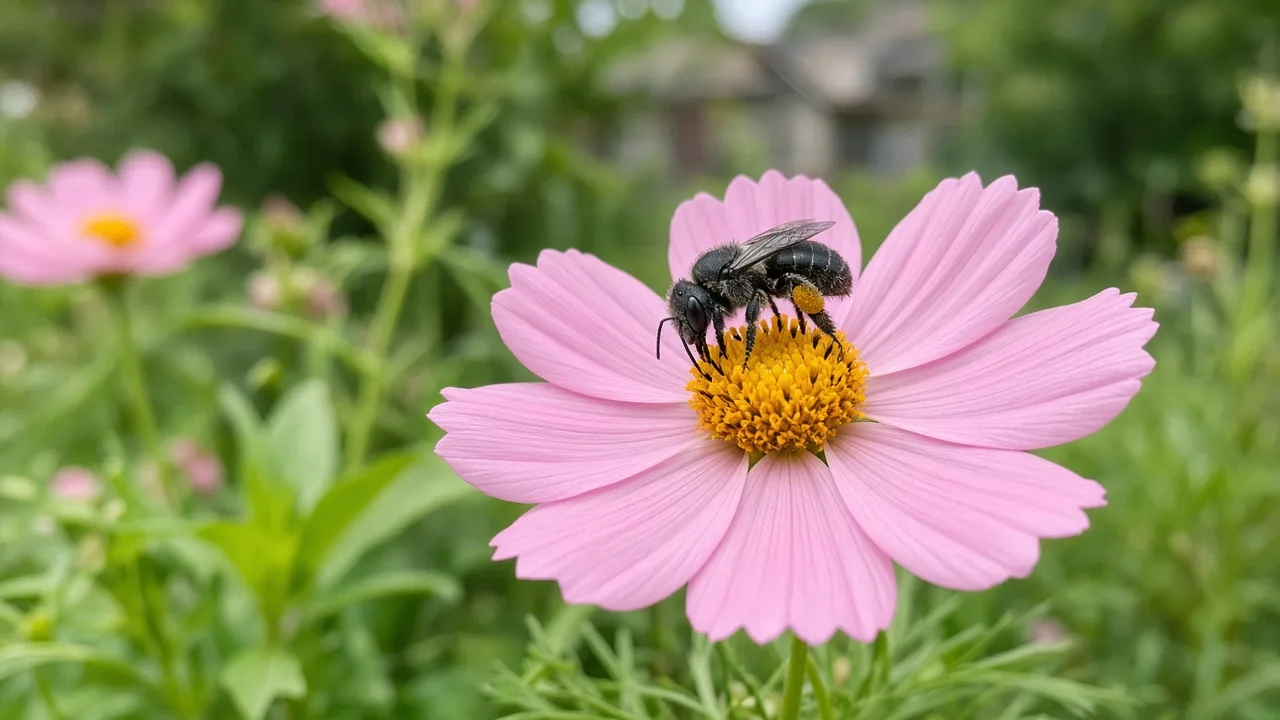
If you have ever found neat, quarter-inch circles punched from rose, redbud, or hosta leaves, you have likely already met a leafcutter bee. These solitary native pollinators in the genus Megachile cut leaf and petal discs to build brood cells, not to eat your plants. That distinction matters: the holes look dramatic, but the bee is gathering construction material while also moving pollen between your flowers, squash, legumes, and fruit blossoms.
Inviting leafcutter bees is less about buying a gadget and more about supplying three things at once: open flowers for pollen and nectar, soft foliage or petals for nest building, and narrow cavities where females can lay eggs. When those pieces line up, many gardeners see better pollination on crops that honey bees visit inconsistently, plus a fascinating seasonal show you can watch from a few feet away without protective gear.
What Leafcutter Bees Actually Do in Your Yard
Leafcutter bees are beneficial pollinators, not leaf-eating pests. Adults feed on nectar and collect pollen for their offspring; they do not chew leaves for food. Females transport most pollen on a dense brush of hairs called a scopa on the underside of the abdomen, which often looks golden or yellow when she is loaded. While foraging, she also scouts nesting cavities and harvests round or oval leaf pieces to line and partition brood cells.
In a typical residential garden, one female may complete eight or nine cells in a single cavity, each provisioned with a pollen–nectar loaf and capped with cut leaf fragments (NC State Extension leafcutter bee factsheet). Because each cell holds one egg and one bee, populations build slowly compared with social honey bee colonies—but steady presence year after year is exactly what fruiting vegetables and orchard trees benefit from.
Leafcutter bees work alongside other native bees. They are members of the family Megachilidae, which also includes mason bees (Osmia), resin bees, and wool carder bees. Not every Megachilid cuts leaves—the giant resin bee (Megachile sculpturalis) uses plant resins instead—but the round leaf holes gardeners notice usually point to a Megachile leafcutter.
How Leafcutter Bees Differ From Honey Bees and Mason Bees
Gardeners often spot a dark, fuzzy bee near honey bee size and assume it is “just another bee.” Leafcutters behave differently enough that recognizing those differences saves you from unnecessary sprays or from setting up the wrong kind of nest box.
Scopa Pollen Carriers, Not Leg Baskets
Honey bees and bumble bees carry pollen in corbiculae, the flattened baskets on their hind legs. Leafcutter bees carry pollen primarily on abdominal scopae. Watch the rear of the bee: if the underside looks fuzzy and pollen-laden while the legs stay relatively clean, you are likely looking at a Megachilid leafcutter or a close relative. UC IPM notes that this trait is shared across Megachilidae in California, where at least 75 Megachile species occur (UC IPM leafcutting bees page).
Leafcutters also forage with a distinctive posture—abdomen arched, wings sometimes held out to the sides—which bee observers on Honey Bee Suite compare to a gymnast carrying pollen high. Once you recognize that silhouette, identification clicks even when you cannot see mandibles cutting a disc.
Solitary Nesting Without Colony Defense
Honey bees live in colonies with thousands of workers and a defensive nest-guarding instinct. Leafcutter bees are solitary: each female builds and provisions her own nest. There is no hive to defend, no swarm, and no queen tended by workers. NC State Extension emphasizes that leafcutters rarely sting except when handled carelessly, and they do not become aggressive when you approach nesting sites (NC State Extension).
Mason bees (Osmia) share the solitary cavity-nesting habit but line cells with mud or chewed leaf pulp, not cut leaf discs. Both are excellent pollinators; leafcutters simply need a different “building supply” aisle in your garden.
Why the Pollination Payoff Outweighs a Few Cut Leaves
The trade is straightforward: you tolerate small, cosmetic leaf cuts and gain efficient, targeted pollination on flowers that require precise pollen placement. Alfalfa growers commercialized this relationship by managing the introduced alfalfa leafcutting bee (Megachile rotundata), now widely established beyond alfalfa fields. UC IPM describes it as the most efficient alfalfa pollinator and notes its economic importance (UC IPM).
Crops and Flowers They Excel At Pollinating
In home gardens and small farms, leafcutters consistently visit legumes (peas, beans), squash and melons, blueberries, carrots, onions, and many ornamental flowers with accessible pollen. NC State lists apples and legumes among crops where leafcutters outperform many generalist pollinators on difficult flowers. They also work wildflowers and native shrubs, linking ornamental beds to vegetable productivity.
Damage from nesting cuts is aesthetic, not physiological. UC IPM states that circular holes mar appearance but are harmless on otherwise healthy plants, and recommends against killing bees (UC IPM). On a vigorous rose or redbud, losing a few leaf pieces is closer to minor hail damage than to defoliation by a chewing insect pest.
How to Identify a Leafcutter Bee on Sight
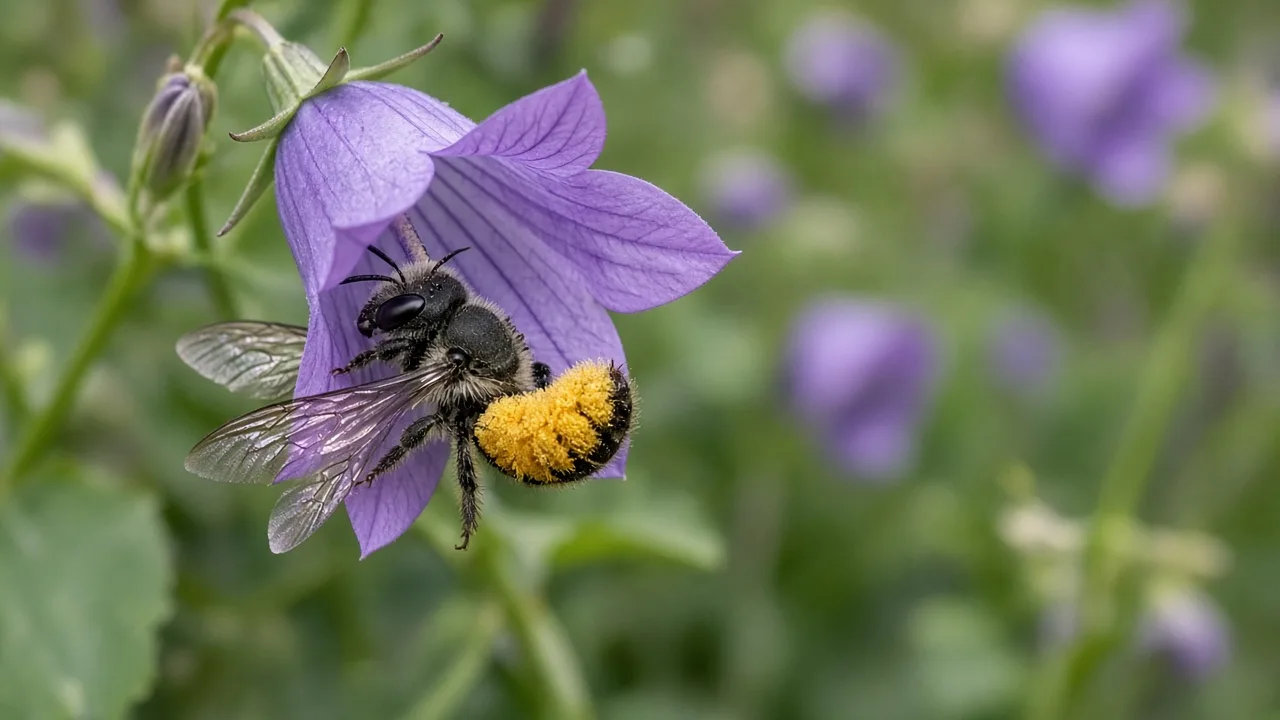
Use a short field checklist before you change garden practices:
Size and color: About honey bee size—roughly 0.4 to 0.8 inches long per WSU Hortsense—with a mostly black or dark gray body and pale hair bands on the abdomen (WSU Hortsense Megachilidae fact sheet). They lack the amber-and-black striping of a honey bee.
Mandibles: Large jaws for slicing leaves—visible in close views when a female cuts a disc.
Pollen carry: Yellow or golden underside of abdomen on foraging females.
Flight behavior: Direct flights between flowers and a repeated nesting cavity; females may carry a green leaf fragment curled under the body.
Leaf evidence: Clean, nearly circular cuts about ¼ to ½ inch across on thin, smooth leaves or petals—sometimes semicircular if the bee could not finish a full circle before flying off.
Female vs Male Field Marks
Females have a pointed abdomen, well-developed scopae, and a stinger they almost never use. Males are smaller, with very hairy faces, blunter abdomens, no scopa, and no stinger (NC State Extension). Males emerge first and spend their short adult lives patrolling nesting sites for mates. If you see bees sleeping on stems or flowers at dusk, they may be males resting outside while females finish cells inside cavities.
Life Cycle From Spring Emergence Through Winter Dormancy
Timing varies by species and latitude, but the arc is consistent: prepupa overwintering inside a cocoon, spring adult emergence, mating, nest building through summer, then dormancy again.
In spring, warming temperatures trigger prepupae—mature larvae from the previous season—to pupate and emerge as adults. Males appear first. Females locate cavities, cut nest materials, and begin provisioning cells. NC State documents at least three generations per year in North Carolina; in much of California many leafcutting species have one generation annually, with most of the lifespan spent inside the cell (NC State Extension; UC IPM).
Adult females live long enough to complete a nest. Males die shortly after mating. By late summer or fall, the last eggs hatch into grubs that eat stored pollen, spin dark brown silk cocoons, and overwinter as prepupae until the next warm season.
Nesting Sequence and Cell Construction
Nest building is precise. A female selects a narrow cavity—often 1/8 to 7/8 inch diameter per UC IPM—in rotten wood, stem pith, hollow stems, old beetle tunnels, or artificial tubes. She cuts round pieces for cell bases and oval pieces for walls, sometimes lining interiors with petal fragments when suitable flowers grow nearby (NC State Extension).
Each cell receives a pollen–nectar mass, a single egg, and a cap of cut leaves. Cells are about half an inch long and stacked end to end. Females control offspring sex: fertilized eggs become females placed deeper in the tunnel; unfertilized eggs become males nearer the entrance so males can emerge first without chewing through sisters—a remarkable behavioral detail NC State highlights.
New adults chew through caps to exit but wait for younger siblings rather than destroying intervening cells. At night, active females rest inside completed nest sections while males roost on vegetation.
Where Leafcutter Bees Nest in Residential Gardens
Leafcutters are cavity nesters, not ground diggers like many sweat bees. Look for activity in:
- Dead wood or rotting stumps with beetle tunnels
- Hollow plant stems (bee balm, raspberry canes, dock, elder) left standing over winter
- Gaps in stone walls, fence posts, or hose reels
- Open ends of pruned rose canes—a common surprise in rose-heavy yards
- Commercial or DIY bee hotels with removable paper tubes or drilled blocks
WSU notes nests in rotting wood, stems, and soil cavities (WSU Hortsense). Leaving a decaying stump in a back corner, bundling bamboo or reed tubes, or mounting a hotel on a warm east- or southeast-facing wall all increase odds of occupancy.
If you want fewer leafcutters in one spot, UC IPM suggests filling unused holes in the 1/8- to 7/8-inch range and sealing pruned rose cane ends with wax or a drop of white glue—humane redirection rather than insecticides (UC IPM).
Plants That Attract Leafcutter Bees for Food and Nest Material
Think in two lists. Forage plants feed adults; nest-material plants supply cuttable leaves and petals. They overlap sometimes—cosmos is a favorite for both in many gardens—but often they do not.
Flowers for Pollen and Nectar
Leafcutters visit a wide palette of open or accessible flowers, including:
- Legumes: peas, beans, vetches
- Vegetables: squash, melons, carrots, onions
- Fruit: blueberries and other bush fruits
- Ornamentals: cosmos, sunflowers, dahlias (open-centered types), mints, phacelia, campanula, catmint, liatris, redbud, bougainvillea, lilac blossoms
Provide succession blooms from late spring through summer so females have pollen while actively nesting. A pollen desert in July can limit brood success even if nest tubes are perfect.
Soft Leaves and Petals for Nest Building
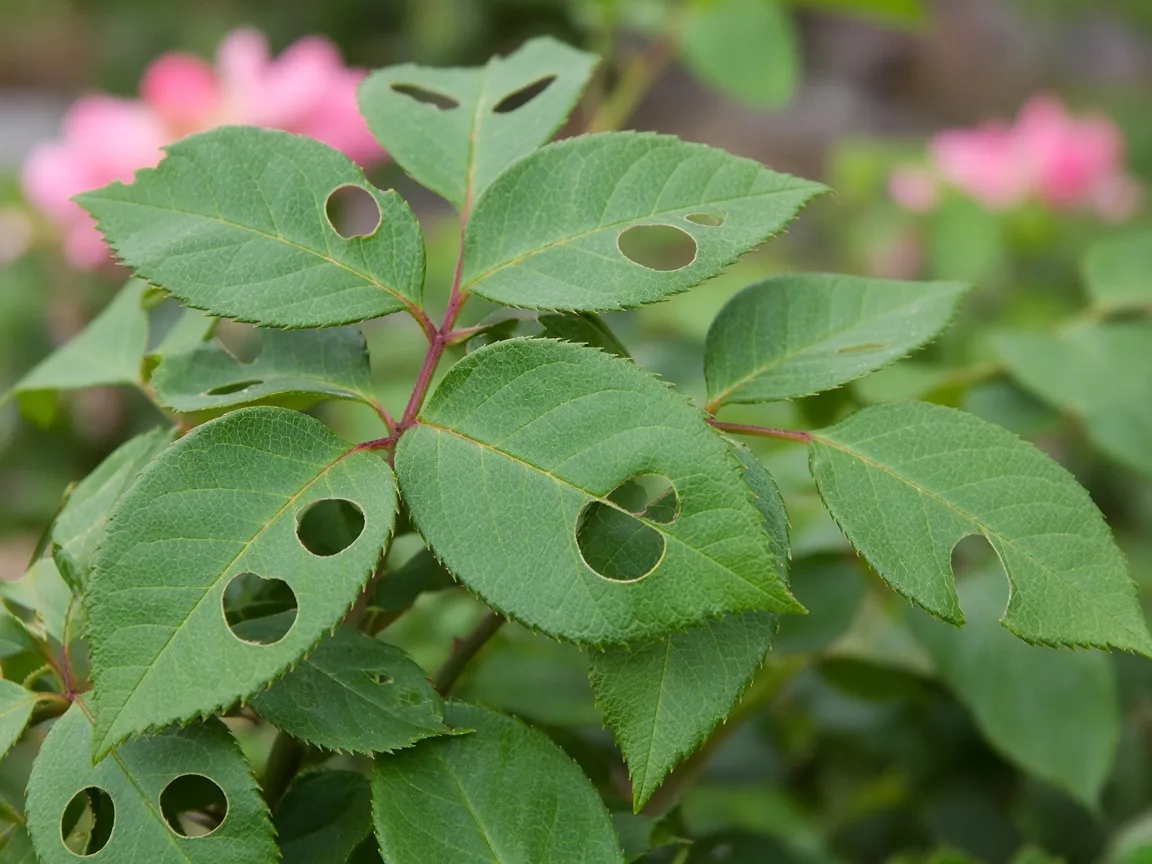
Nest-material plants need thin, smooth, flexible foliage or petals—not thick, waxy, or heavily textured leaves. Commonly used species include:
- Roses (often the first plant gardeners blame—also a top nest source)
- Redbud and other thin-leaved trees
- Hostas, azaleas, lilacs, bougainvillea
- Cosmos, clarkia, dahlia petals
- Clematis leaves (forage and material may differ on the same plant)
- Peas and other soft legume foliage
Honey Bee Suite field notes illustrate the split: leafcutters may forage heavily on campanula and dahlias while cutting clematis leaves exclusively, or build from clarkia petals while ignoring nearby thick-leaved plants (Honey Bee Suite planting for leafcutting bees). Plant extras of favored cut plants—or situate bee hotels near a sacrificial shrub—so damage spreads across many leaves instead of one prize specimen.
Build Habitat That Invites Leafcutter Bees to Stay
Attracting leafcutters is a habitat design problem. Pesticide-free flowers plus one rotting stump may be enough. If you want to watch nesting up close, add structured cavities.
Bee Hotels, Tube Sizes, and Natural Cavities
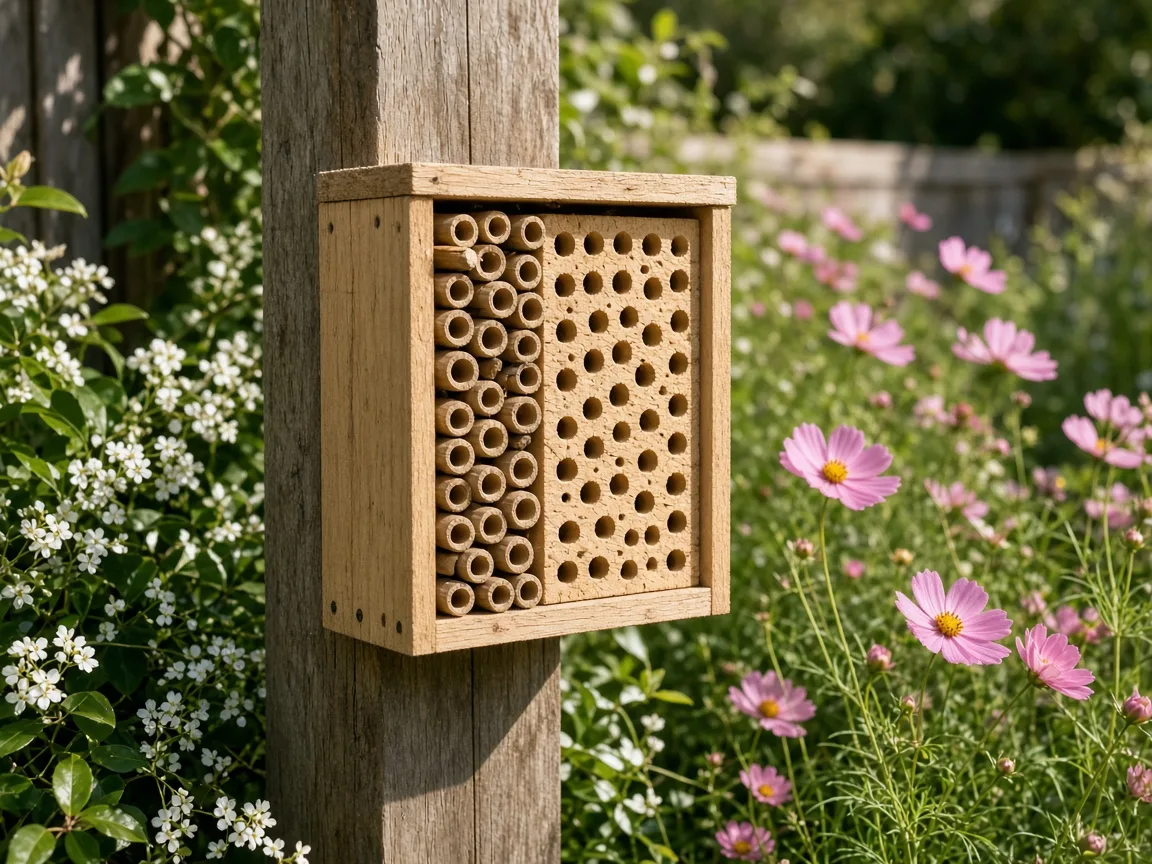
Effective hotels share traits:
- Tube depth: roughly 4 to 8 inches; shallow holes attract fewer successful brood cells
- Diameter ladder: offer multiple sizes from about 4 mm up to 8 mm; different species prefer different openings—Honey Bee Suite reports success from 1.5 mm (tiny Ceratina) through 8 mm for larger Megachilids
- Material: cardboard tubes, reed bundles, or drilled untreated wood blocks; avoid plastic straws that trap moisture
- Orientation: fixed horizontally or slightly angled down so rain does not pool inside
- Location: sunny morning exposure, near nest-material shrubs and forage, 3 to 6 feet off the ground to reduce ant access
Natural habitat still matters. Hotels supplement—not replace—stem snags, rotting wood, and undisturbed corners. WSU’s pollinator guidance applies broadly: native plants, overwintering sites, and avoidance of routine broad-spectrum sprays (WSU Hortsense).
Hotel Maintenance and Parasite Prevention
Unmaintained bee blocks become parasite hotels. NC State lists leucospid wasps, flies, beetles, and cuckoo leafcutter bees (Coelioxys) that lay eggs in existing cells; cuckoo larvae kill the host grub and consume stored pollen (NC State Extension). Acrobat ants may raid weakly protected nests.
Reduce losses by:
- Replacing or rotating tubes each season; do not reuse old nests without cleaning
- Bringing removable tubes into an unheated shed after nesting finishes in late summer, then releasing bees in spring—similar to mason bee management
- Keeping hotels small and dispersed rather than one massive wall of holes that concentrates parasites
- Watching for repeated cuckoo activity; if Coelioxys dominate a block, relocate fresh tubes away from last year’s site
Done well, a hotel becomes a teaching tool—children can watch a female trim a disc, fly it home, and tamp it into a tube without disturbing the bee.
When Leaf Damage Is Cosmetic—and When to Intervene
Default stance: tolerate leaf cuts on healthy plants. The bee is not spreading disease or consuming tissue; insecticides are ineffective and discouraged for this insect (NC State Extension; UC IPM).
Intervene selectively when:
- A single high-value specimen—exhibition rose, newly planted shrub—shows concentrated cutting
- You are photographing or selling perfect foliage for a short window
- Cuts occur on small seedlings that lack leaf area to spare
UC IPM’s practical fix: install cheesecloth, fine mesh, or floating row cover when cutting first appears, then remove covers by midsummer when adult activity drops (UC IPM). Combine covers with moving bee tubes toward sacrificial plants so the bee still has legal nest material nearby.
Never spray blooming plants while bees are active. If you must treat an unrelated pest, choose bee-safe timing and products, apply after dusk, and keep drift off nest-material shrubs.
Leafcutter Bees vs Common Garden Misconceptions
“They are eating my plants.” They are not. Chewing pests remove tissue progressively and may skeletonize leaves; leafcutters leave crisp holes and intact veins.
“They will sting like yellowjackets.” They are solitary and docile. Stings are mild and rare—usually only if you grab one.
“They make honey I can harvest.” No. There is no colony and no honey store—only pollen loaves for larvae.
“Mason bees and leafcutter bees need the same hotel with mud.” Mason bees need mud; leafcutters need leaf or petal discs. Provide both materials if you want both species.
“Bee hotels alone guarantee bees.” Hotels increase visibility of nesting but cannot import species absent from your landscape. Flowers, clean nesting stems, and pesticide restraint come first.
“All leaf holes mean leafcutter bees.” Some weevils, caterpillars, or mechanical damage mimic partial circles. Look for the bee, the scopa, and repeated cuts from smooth leaf margins.
Conclusion
Leafcutter bees earn their place in a thoughtful garden: they pollinate fruits, vegetables, and flowers while asking for little more than cavity nesting space, soft leaves to cut, and freedom from unnecessary sprays. The perfect circles on your roses are proof of a female provisioning the next generation—not a plant health crisis.
Start by protecting existing habitat: leave hollow stems over winter, keep a rotting stump if safe, plant cosmos and legumes for pollen, and mount a small tube hotel near a sacrificial shrub with thin leaves. Watch for abdominal pollen and leaf discs in flight. If one plant suffers too much cosmetic damage, temporarily cover it while keeping nest material available elsewhere. Maintain hotels to limit parasites, and you can support native Megachile bees year after year without turning your yard into a beekeeping operation—or reaching for a spray bottle.



