How to Grow Lotus Plants: Care and Planting Tips
Grow lotus plants in a pond or container with practical advice on sun, water depth, rhizomes, soil, fertilizer, flowering, spread control, pests, and winter care.
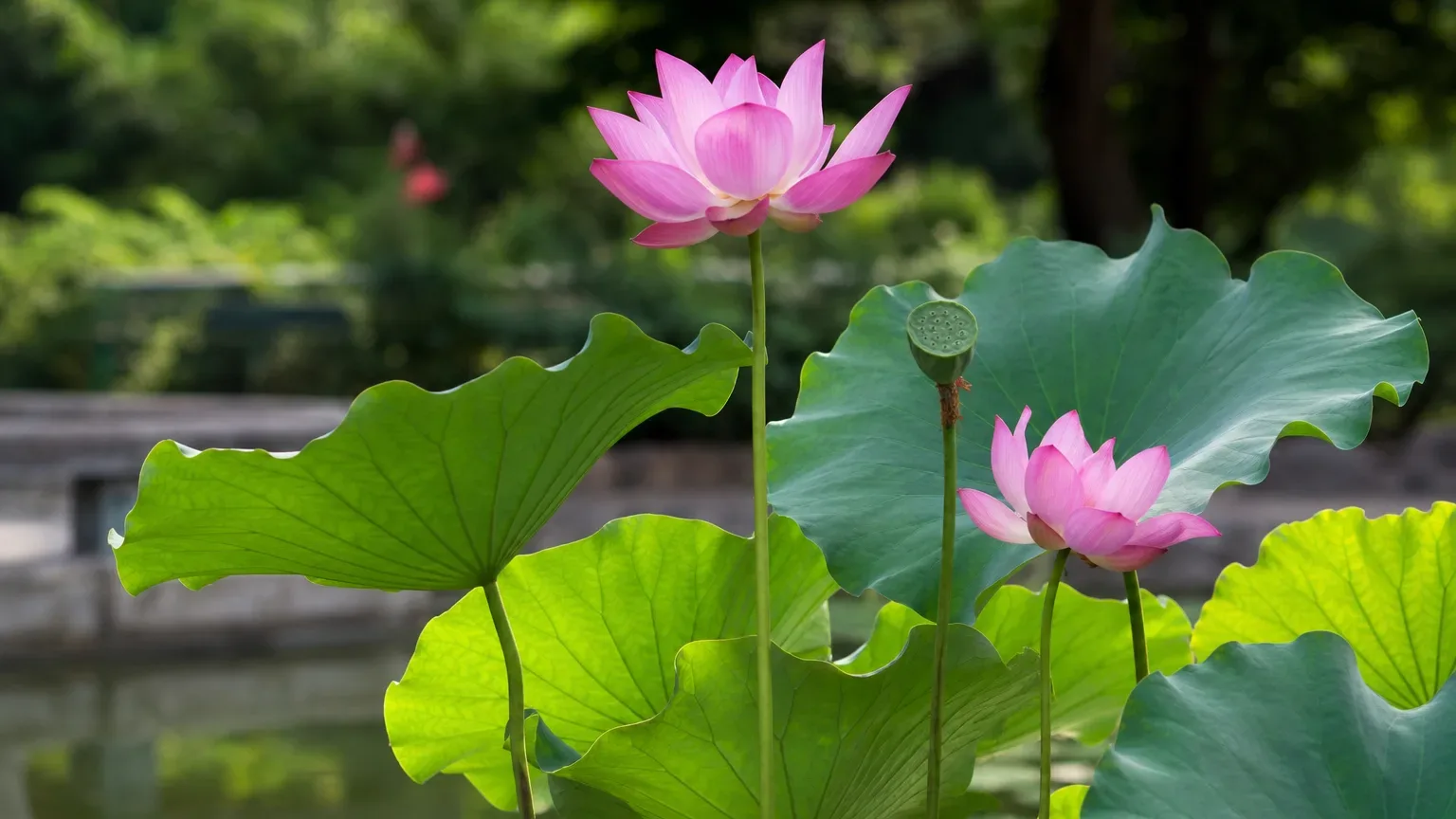
Lotus is a spectacular pond plant, but it is not a plant you casually drop into any body of water. A single vigorous Nelumbo can turn a quiet patio tub into a crowded mass of leaves, while a poorly planted rhizome can rot before it ever reaches the surface. The reliable approach is to match the lotus to the size of the water feature, plant the rhizome at the right depth, and treat sunlight and crowd control as part of basic care—not as afterthoughts.
The practical plan is simple: buy a healthy rhizome or an established plant, use a wide heavy container without drainage holes, anchor the rhizome in rich clay-loam media, start it in shallow water, and increase the water depth as leaves rise. Give the plant full sun, feed only after active growth begins, and decide how you will manage winter before the first cold night. That sequence works for a small above-ground tub as well as a larger pond, with adjustments for cultivar size and climate.
What a lotus plant is—and what it is not
Lotus plants are emergent aquatic perennials in the genus Nelumbo. Their round leaves are held above the water on stiff stalks, and their flowers stand above the surface rather than floating on it. American lotus (Nelumbo lutea) is native across much of eastern North America, while sacred lotus (Nelumbo nucifera) is the species most often associated with Asian water gardens; hybrids and cultivars span a wide range of flower colors and mature sizes.
The easiest way to separate a lotus from a water lily is to watch where the leaf and flower sit. A water lily usually spreads floating leaves across the surface, often with a notch in the leaf; lotus leaves are more bowl-shaped, often repel water, and rise on stalks. Lotus flowers also leave a distinctive showerhead-like seed receptacle after blooming. The distinction matters because the plants do not share the same space, depth, or containment needs.
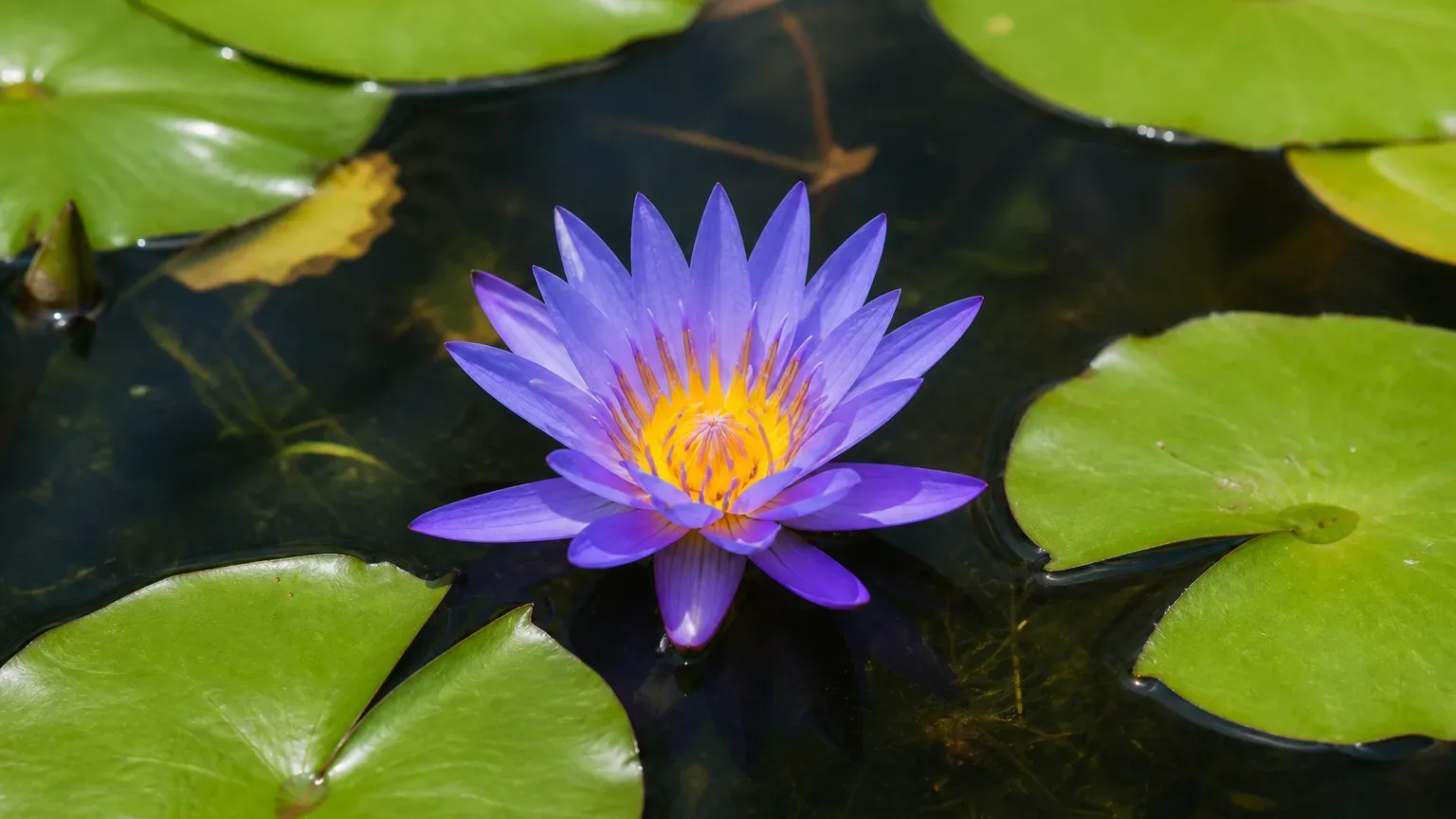
| Feature | Lotus | Water lily |
|---|---|---|
| Leaf position | Usually held above the water | Usually floats on the water |
| Flower position | Rises above the surface | Usually rests on or near the surface |
| Growth habit | Upright, vigorous, rhizomatous | Spreading from a crown or rhizome, depending on type |
| Best use | Statement plant in a contained pond zone | Surface cover and shade in a pond |
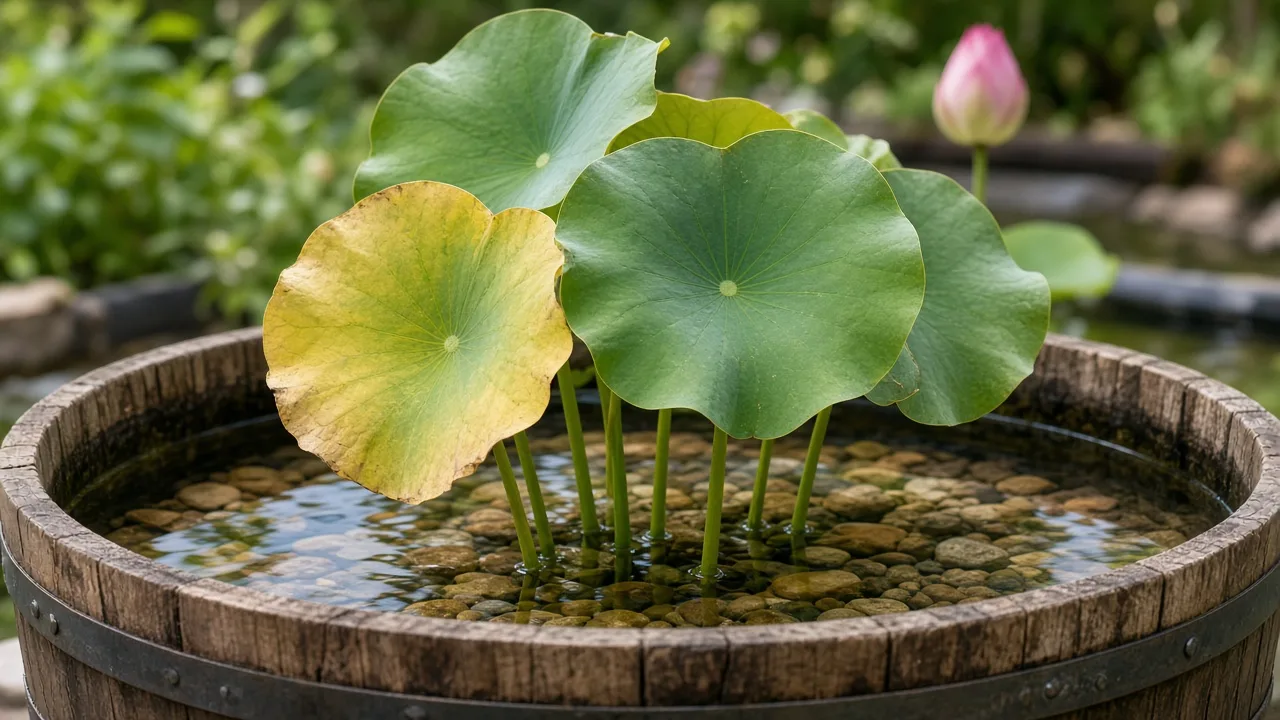
Before buying, check the cultivar’s mature height and spread rather than relying on the word “dwarf.” A small lotus may suit a half-barrel, but a full-size American lotus can carry leaves several feet above the water and expand quickly. NC State Extension describes American lotus as a rapid, sometimes aggressive spreader, while University of Florida IFAS recommends space, full sun, and containment for reliable culture. (NC State Extension, University of Florida IFAS)
Choose a site before you buy a rhizome
Lotus needs a site with enough sun, warmth, and water volume to support fast summer growth. The best location receives at least six hours of direct sun, has little surface turbulence, and leaves room around the plant for leaves and flower stems to spread without being shaded by a wall, tree, or tall marginal plant. In a pond, choose the sunny end; in a container water garden, choose the sunniest safe position on a patio or deck.
Think about maintenance access at the same time. You will eventually need to lift a container, remove fading foliage, add water, divide a crowded plant, or retrieve seed pods. A pot placed at the back of a deep ornamental pond may look good for one season and become a lifting hazard later. A manageable location is part of good lotus care.
Sunlight, water depth, and shelter
Full sun is the strongest predictor of flowering. Six hours is a useful minimum, but a cultivar that receives early shade and only weak afternoon light may still make leaves while failing to build enough energy for buds. If the pond is shaded, removing one source of shade—such as a low branch or a nearby tall pot—can be more effective than adding fertilizer.
Water depth is measured from the top of the growing medium or crown to the water surface, not from the bottom of the pond. Start a newly planted rhizome close to the surface so the growing tip has warmth and light; once several leaves are standing, lower or raise the supporting pot in stages. Established American lotus can tolerate much deeper water, but a small cultivar in a small tub may perform best with a shallower final depth.
Keep the planting zone sheltered from strong jets, waterfalls, and persistent wind. Moving water can tilt flower stems, erode the medium around the rhizome, and make a container unstable. Gentle circulation elsewhere in the pond is useful, particularly where freezing is a concern, but the lotus pot itself should not sit in a forceful current.
Pick a container that contains the plant
For most home water gardens, a container is the safest default. Use a wide, sturdy aquatic pot or tub with no drainage holes so the rhizomes cannot escape into the pond. A broad, round pot is easier to balance and gives the rhizome room to run horizontally; a tall narrow pot is more likely to tip as leaves and stems rise. University of Florida IFAS recommends shallow, wide containers in the 15- to 25-gallon range for American lotus, although a smaller lotus cultivar may need much less volume.
Do not use a flimsy mesh basket as the primary container for a lotus rhizome. The growing tips can work through the openings and become difficult to remove without breaking them. If your pond already uses a planting shelf, set the solid lotus container on that shelf and use a layer of gravel over the medium to discourage fish from digging.
Size the pot for the plant you actually bought. A large lotus in a small pot may become rootbound and flower poorly; a tiny cultivar in an enormous pot can be harder to position and easier to overfertilize. The goal is not maximum volume. The goal is enough horizontal room for a season or two of growth, enough weight to stay upright, and a container that can be lifted when division is due.
Soil, waterline, and planting depth
Use heavy loam, clay loam, or an aquatic planting medium designed to stay in place underwater. Ordinary lightweight potting mix is a poor choice because it floats, clouds the water, and can release too much organic material. Avoid fresh compost, manure-heavy mixes, and loose garden debris in a small pond; rich media should be stable and modestly amended, not a source of a sudden nutrient bloom.
Place a few inches of saturated medium in the bottom of the pot. Lay the rhizome horizontally or at a slight angle with the growing tip pointing upward, then cover only part of the rhizome—roughly 2 inches of medium over the growing portion is a practical starting point. Leave the tip exposed or just barely covered according to the cultivar and nursery instructions. Burying the tip deeply is one of the quickest ways to stop a good rhizome.
Add a 1- to 2-inch layer of pea gravel or rounded stones after planting. The stones hold the medium down, reduce disturbance when the pot is submerged, and make it harder for fish to root through the soil. They should not crush the growing tip or form a thick cap that prevents new shoots from emerging.
Plant a lotus rhizome step by step
Rhizomes are usually the best starting material when the goal is flowers in the first good growing season. Choose a plump, firm rhizome with an intact growing tip and at least one healthy section behind it. Do not buy a soft, cracked, dried, or badly bruised piece; lotus rhizomes are easy to damage and do not reliably recover from rough handling.
- Fill a solid, no-drainage pot with 2 to 5 inches of wet, heavy aquatic medium, using less for a small cultivar and more for a larger one.
- Lay the rhizome on the surface or at a slight angle, with the growing tip facing upward and toward open space rather than into the pot wall.
- Cover the rhizome with enough medium to anchor it, leaving the tip close to the surface. A growing tip buried about 2 inches under saturated medium is a useful reference for many lotus rhizomes.
- Add a thin layer of gravel, keeping it away from the most delicate tip if the nursery supplied a specific planting instruction.
- Fill the pot slowly so the medium does not wash away. Place the pot in shallow water with only a small amount of water above the medium.
- As leaves rise and the plant steadies, move the pot lower or raise the surrounding water in small increments. Sudden deep submersion can exhaust a young plant.
- Once the plant is actively growing, position it in full sun and begin a restrained aquatic-fertilizer program.
The first leaves may be small or sit close to the water. That is not a reason to keep moving the pot every day. Give the rhizome stable warmth, check that the tip has not been exposed or buried by fish, and change the depth gradually as the plant tells you it is ready.
Starting lotus from seed
Seed is inexpensive and fascinating, but it is slower and less predictable than a rhizome. The hard seed coat must be nicked or filed at one small point until the lighter inner layer is visible; do not sand through the seed. Soak the scarified seed in warm, clean water, changing the water daily, and discard seeds that remain floating or show no sign of life.
When a root and shoot appear, move the seedling into a small container of saturated medium and keep it warm and sunny. Do not rush a tender seedling into deep pond water. University of Florida IFAS reports that viable scarified seed can germinate in as little as four to five days when temperatures stay above about 80°F (27°C), but seed-grown plants commonly spend their first season building underground storage and may not flower until the following year. (University of Florida IFAS) A practical water-garden guide also recommends changing the soak water daily and treating seed as a slower route to a flowering plant. (Water Garden Advice)
Seed-grown lotus also may not come true to the parent plant, particularly when the seed came from an unnamed hybrid. Choose seed when you want the growing experiment or a larger number of plants; choose a named rhizome when flower color, size, and first-season performance matter.
Build the spring-to-fall care routine
During active growth, lotus care is mostly observation. Keep the crown and medium continuously wet, maintain the waterline as the plant develops, and top up a container before evaporation exposes the soil. In a small tub, warm weather can lower the water level quickly, so check it several times a week rather than waiting for the next watering day.
Keep fallen leaves and spent flowers from accumulating in the water. Removing decaying material improves appearance and reduces the amount of organic matter feeding algae and opportunistic fungi. Cut a dead stalk several inches above the water or close to the base without stabbing into the crown; never pull hard on a stalk attached to an active rhizome.
Fertilize only after active growth begins
Wait until the lotus has several aerial leaves before feeding. A newly planted rhizome has limited roots and can be damaged by a heavy fertilizer dose, while a mature, actively growing plant can use a controlled aquatic fertilizer tablet pushed deep into the medium. Follow the product label and use a fertilizer specifically permitted for aquatic plants, especially if fish or wildlife share the water.
University of Florida IFAS gives a reference rate for mature American lotus in a 15-gallon container: 1 to 2 teaspoons of a complete 20-10-20 water-soluble fertilizer every 20 days. Treat that as a source-specific production guideline, not a universal prescription for every cultivar or pond. In a small container, start below the label maximum and watch the plant and water; excessive fertility can produce lush leaves, algae, or water-quality trouble without solving a light or crowding problem. (University of Florida IFAS)
Do not diagnose every yellow leaf as hunger. Older leaves naturally age, and a plant entering dormancy will lose foliage. Yellowing across new leaves, weak stems, poor flowering, and pale tissue between veins can point to several different problems, so inspect light, roots, water depth, season, and the fertilizer history together.
How to get lotus to bloom reliably
Flowering depends on stored energy as much as on the day you add fertilizer. Give the plant a long, warm, bright growing season, keep the rhizome stable, and do not ask a newly divided or seed-grown plant to perform like an established specimen. Lotus flowers often arrive later than the first leaves, and each flower may last only a few days even when the plant continues to produce buds.
The most common flowering mistake is responding to leaves without flowers by adding more food. If the leaves are healthy but buds never form, check the light and the age of the plant first. If there is plenty of sun, inspect the pot for crowding and confirm that the cultivar is not planted too deep. A mature lotus can be vigorous and still need division because the rhizome has filled its container.
A no-flower troubleshooting sequence
Use this order so each change teaches you something:
- Check direct sun. Measure the actual bright hours at the leaves, not the hours the pond is merely outdoors. Move a container or reduce shade if the plant is getting less than six hours.
- Check the plant’s age. Seedlings and freshly divided pieces may spend a season rebuilding. Give them time instead of forcing fertilizer.
- Check starting depth. A small lotus kept too deep may make weak, stretched leaves; a young rhizome may never establish if it was submerged abruptly.
- Check the feeding history. If foliage is dense and green but there are no buds, stop increasing fertilizer. Follow an aquatic label at a restrained rate after active growth is clear.
- Check the container. A tight mass of rhizomes, a leaning pot, or roots pushing over the rim signals that division or a larger container is due during dormancy.
- Check temperature and timing. A late cold spring or a short growing season can delay flowers. Compare the plant’s calendar with the cultivar’s expected bloom period before calling it a failure.
If buds form and then disappear, look for physical damage, snails, aphids, or a sudden water-level change. Do not move an actively budding pot unless it is in danger of tipping; disturbance at the wrong time can cost more flowers than it saves.
Control spread before it becomes a pond problem
Containment is not optional for a small pond. Lotus spreads through thick rhizomes and can shade out other water plants, block sight lines, and make water access difficult. University of Florida IFAS notes that American lotus can be a strong competitor under favorable conditions, so a naturalized planting should be treated as a deliberate land-management choice, not as a casual ornamental experiment.
Use a solid pot, keep it separate from the pond bottom, and inspect the edges each season for rhizomes that have escaped over the rim. Remove unwanted pieces while the plant is dormant, when you can see the structure and are less likely to snap fresh growing tips. Never dump lotus trimmings, seed pods, or unwanted plants into a natural waterway. Check your county or state invasive-plant guidance before planting, especially for N. nucifera and unnamed hybrids.
A large natural pond may justify an open planting when the species is appropriate, the site is managed, and local rules allow it. A decorative tub almost never does. The container gives you a clean exit if the cultivar outgrows the feature or if you decide the pond needs more open water for fish, circulation, or maintenance.
Pests, diseases, and damaged leaves
Lotus is generally robust, but its soft new growth can attract aphids, and hot, dry conditions can favor spider mites on leaves above the water. Snails and slugs may chew tender tissue around the waterline. Begin with inspection: turn over leaves, look along petioles and buds, and remove badly damaged or dying material so you can see whether fresh growth is being affected.
For a light infestation, a firm water spray aimed at the undersides of leaves can dislodge soft-bodied pests. Keep any treatment out of the pond unless the product label specifically allows aquatic use; many common garden pesticides can harm fish, aquatic invertebrates, or beneficial insects. If you need a pesticide, identify the pest first, follow the label for the crop and site, and avoid improvising a stronger mixture.
Leaf spots and soft, collapsing tissue are more concerning when they spread quickly or occur with foul-smelling water and a soft crown. Remove affected debris, improve airflow around the foliage, and inspect the rhizome when the plant is dormant. Fungicides are not a substitute for correcting damaged tissue, poor circulation, excessive fertility, or a rotting planting medium.
Yellow leaves, wilting, and root trouble
One old yellow leaf is usually a maintenance job, not a diagnosis. Several leaves yellowing at once during active summer growth deserves a closer look: the pot may be too crowded, the waterline may be unstable, the plant may be nutrient-deficient, or the roots may be damaged. Compare the newest leaves with the oldest, check how long the water has been warm and stagnant, and note whether the season is already turning toward dormancy.
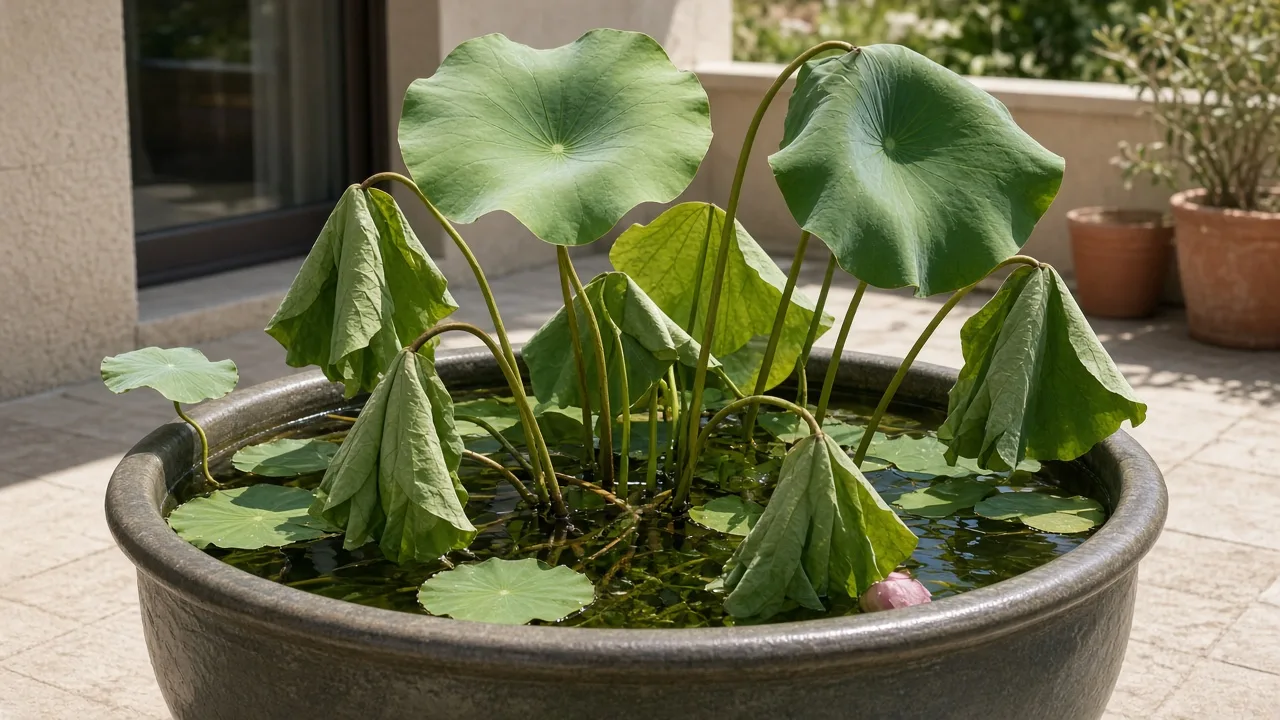
Wilting is especially easy to misread because lotus leaves can droop after heat, wind, physical injury, or a damaged rhizome. Confirm that the crown and medium are submerged, then inspect the pot for a loose rhizome or a container that has tipped. If the rhizome is soft, hollow, or foul-smelling, remove the damaged tissue only if a firm growing section remains; otherwise, replacing the plant is safer than repeatedly dosing the water.
Prepare lotus for winter
Hardiness labels are useful but incomplete because the rhizome’s survival depends on the water and soil actually staying above damaging freeze conditions. In a deep pond, lower the potted lotus into a deeper, more stable zone before the pond freezes. Keep the crown submerged, remove collapsing foliage, and maintain enough water that the container does not become exposed during winter evaporation.
If the pond is shallow and likely to freeze solid, do not assume a hardy cultivar will survive in place. A pond heater or safe circulation system may protect the water surface, but it must be appropriate for the pond and its animals. Another option is to lift the container after dormancy and store it in a cool, dark, frost-free place with the medium continuously wet. Check it periodically; dormant does not mean dry.
Tropical lotus and tender hybrids need a warmer winter plan than a hardy N. lutea in a deep pond. Ask the nursery for the cultivar’s temperature guidance, and use your local winter pattern rather than a zone label alone. A small exposed tub loses heat faster than a pond, and a container sitting above ground has less thermal buffering around its roots.
Do not fertilize a dormant lotus, divide it during a hard freeze, or carry a heavy water-filled pot without help. Finish major handling in the dormant window when the foliage has died back but the rhizome is still firm, and return the plant to active light and shallow water gradually in spring.
Divide and repot an established lotus
Division is the reset button for a lotus that has filled its container, stopped flowering, or pushed a dense tangle of rhizomes against the sides. Work in early spring while the plant is dormant or just beginning to break dormancy. Lift the pot carefully, rinse enough medium away to see the rhizomes, and use a clean sharp knife to separate firm sections.
Each division needs a viable growing tip and enough attached rhizome to support it. Do not cut into every piece you can find; small fragments without a healthy node are more likely to rot than establish. Replant the best sections in fresh saturated medium, anchor them with gravel, and keep the new pots shallow until fresh aerial leaves show that the divisions are growing.
This is also the best time to correct a container mistake. Move a vigorous full-size lotus into a wider solid pot, choose a smaller cultivar for a small tub, or retire an escaped planting before its rhizomes reach open water. Discard diseased, soft, or badly damaged material away from the pond, and clean tools and containers before using them on another plant.
Conclusion
Growing lotus plants successfully is less about constant attention than about getting the first decisions right. Choose a sunny site, select a cultivar that fits the water feature, contain the rhizomes in a wide solid pot, use heavy stable medium, and begin with the growing tip near the surface. Then raise the water gradually, feed only once the plant is actively growing, and let the rhizome build strength before judging its flowering.
The same discipline prevents most serious problems. Keep spread under control, remove decaying foliage, investigate yellowing in context, and choose a winter plan before the pond freezes. With those safeguards in place, lotus can become the focal point of a water garden: tall flowers above the surface, round leaves that catch the light, and seed pods that keep the display interesting after each bloom fades.