9 Long-Living Houseplants for Generations
Find a houseplant worth passing down. These 9 long-living choices include practical care, lifespan caveats, propagation tips, and safety notes.
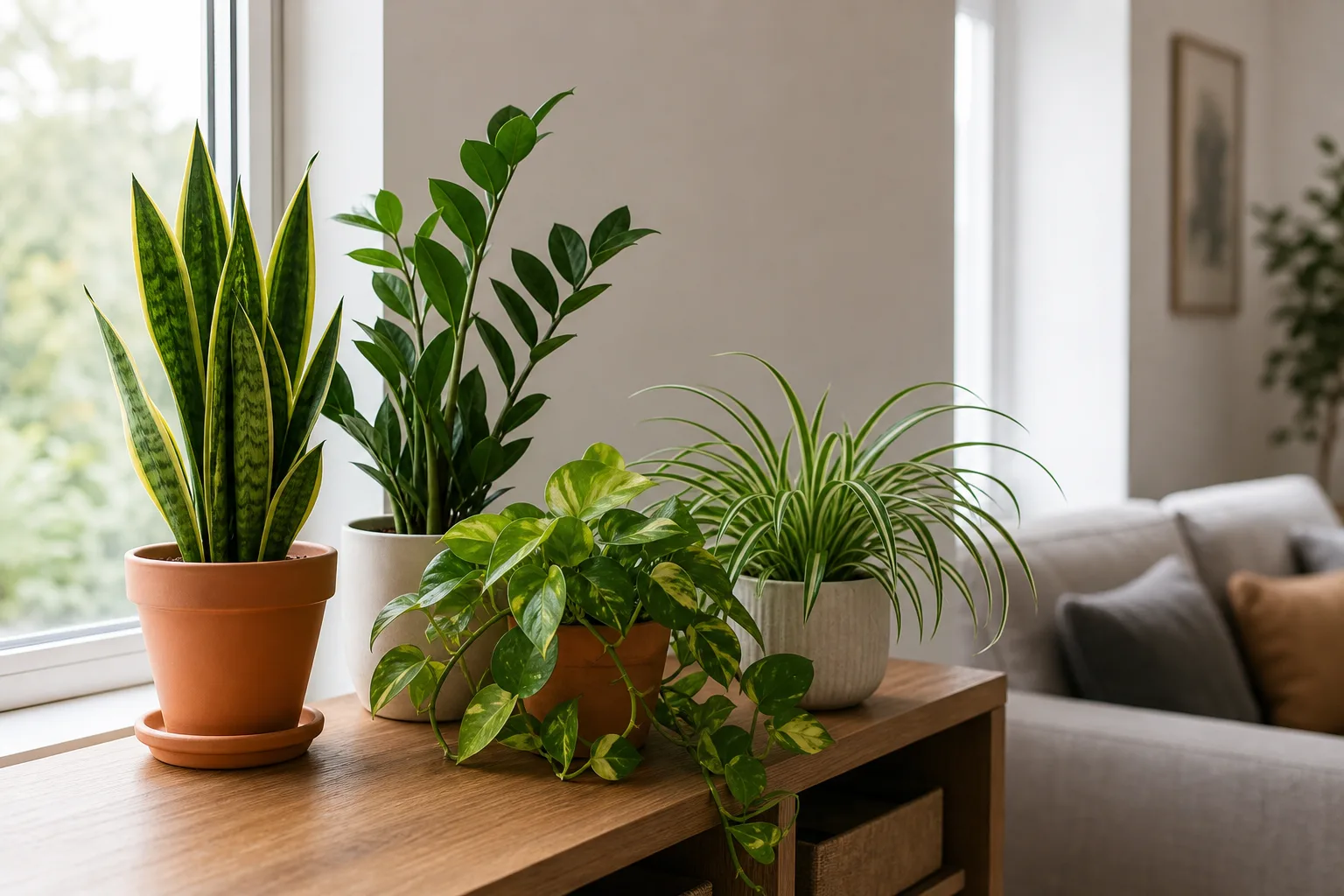
A houseplant becomes a family heirloom through continuity, not a magic lifespan number. The original specimen may stay in one pot for decades, or its divisions, cuttings, and air-layered pieces may carry the same plant line into a new home when the parent gets too large.
That distinction matters. A plant advertised as capable of living 100 years still needs the right light, drainage, temperature, and owner. The best heirloom candidates are the ones that fit the home so naturally that several different people can care for them successfully—not the plant with the most dramatic age claim.
Kew’s Eastern Cape giant cycad is a useful reminder of what is possible: its potted specimen arrived in 1775 and has remained in cultivation for more than 240 years (Kew Gardens). Your living room will not reproduce a botanical garden’s staff, glasshouse, or equipment, but the principle is transferable. Choose a durable plant, learn its actual failure points, and preserve a healthy backup before a crisis.
What Makes a Houseplant Heirloom-Worthy?
Longevity is only the first test. A meaningful family plant should also recover from ordinary mistakes, remain attractive as it matures, and be easy enough to divide or propagate that its story does not end when one pot becomes unmanageable.
The Three Longevity Tests: Fit, Resilience, and Transferability
Fit means the plant matches the room you can provide. A Boston fern is a poor “easy heirloom” for a dry, air-conditioned apartment, while a ponytail palm may struggle in a dim bathroom but thrive beside a bright window. The right plant in the wrong location is not durable; it is simply waiting for a slow decline.
Resilience means the plant has a recoverable failure mode. Cast iron plants can rebound from missed watering better than most, and holiday cacti can be renewed from stem segments. That does not make them indestructible—waterlogged roots, freezing temperatures, and repeated pest infestations can still end a specimen—but it gives you room to learn.
Transferability is the family-heirloom advantage. A clumping plant can be divided, a hoya can be rooted from a cutting, and a Monstera can be restarted from a node. If you can make a healthy second plant before moving house or handing the original to someone else, the tradition becomes much less fragile.
Quick Chooser: Match the Plant to Your Home
| Plant | Best match | What preserves its long run | Main reason it fails |
|---|---|---|---|
| Cast iron plant | Low to medium light, inconsistent watering | Shade, drainage, infrequent disturbance | Scorch, chronically wet soil, neglect of pests |
| Boston fern | Bright filtered light and humid air | Even moisture, humidity, occasional division | Dry root ball or dry indoor air |
| Christmas cactus | Bright indirect light, seasonal attention | Drainage, filtered light, cool/dark bloom cues | Waterlogged mix, abrupt moves during budding |
| Jade plant | Bright window and dry indoor air | Sun, fast drainage, pruning | Overwatering and low light |
| Sago palm | Bright light and a roomy long-term spot | Slow growth, drainage, pest checks | Wet soil, cold, or pet access |
| Rubber plant | Bright indirect light and floor space | Stable light, moderate moisture, pruning | Root stress, low light, sudden environmental changes |
| Ponytail palm | Bright light and forgetful watering | Dry-down between waterings, gradual acclimation | Wet roots or too little light |
| Hoya | Bright filtered light and patience | Small pot, airy mix, stable placement | Winter overwatering or moving flower buds |
| Monstera deliciosa | Bright indirect light and climbing space | Support, node propagation, root-zone checks | Cold wet soil, low light, no support |
The table is a starting point, not a care calendar. A plant beside a bright window in summer may use water twice as fast as the same plant in a darker winter room. Judge the root zone and new growth rather than watering or fertilizing by the date on your phone.
1. Cast Iron Plant for Low Light and Irregular Care
Cast iron plant (Aspidistra elatior) is the most forgiving choice here when the room is dim or the caretaker is not naturally consistent. University of Florida Extension describes it as tolerant of shade, drought, nutrient-poor soil, and even herbivore pressure; Iowa State Extension also notes that it tolerates dust, heat, low light, and missed watering (UF/IFAS, Iowa State Extension).
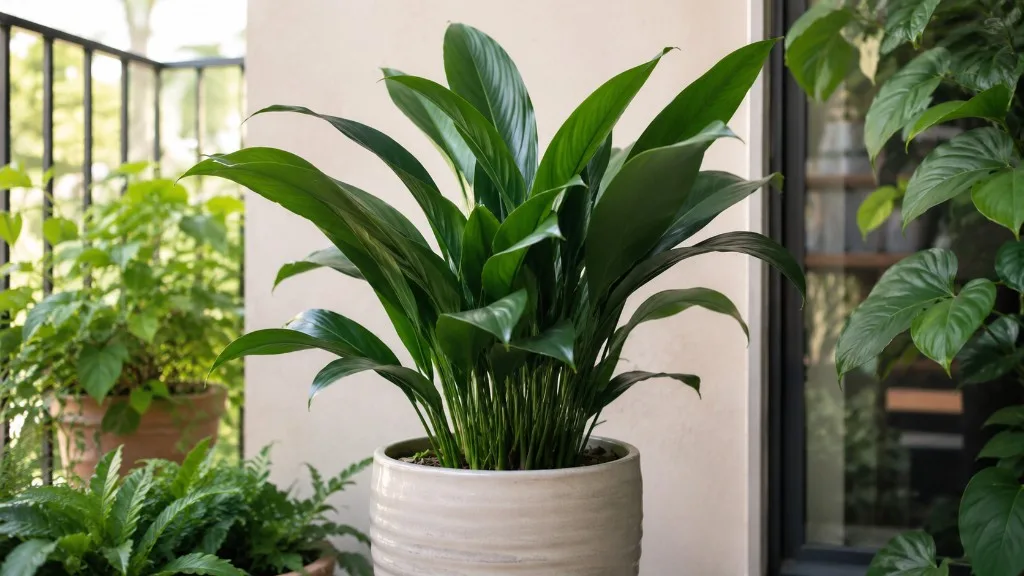
Its long-term advantage is the underground clump. The plant slowly makes more shoots from rhizomes, so a mature specimen can be divided into several rooted pieces instead of being treated as one irreplaceable pot. Solid-green forms are generally the most forgiving; variegated cultivars need better light and may grow more slowly.
Place it in partial shade or filtered light, keep it out of hard direct sun, and use a draining pot. Allow the mix to dry somewhat between thorough waterings, but do not confuse drought tolerance with a permanently dry root ball. The biggest heirloom mistake is often over-care: frequent repotting and constant wetness create more trouble than a missed watering.
2. Boston Fern for a Humid, Attentive Household
Boston fern (Nephrolepis exaltata) can reward a careful grower for many years, but it is the least forgiving plant on this list when indoor air is dry. North Carolina Extension recommends bright indirect light, high humidity, and soil that never fully dries during active growth; Wisconsin Extension adds that dry winter air can brown the frond tips and that even watering is essential (NC State Extension, Wisconsin Horticulture).
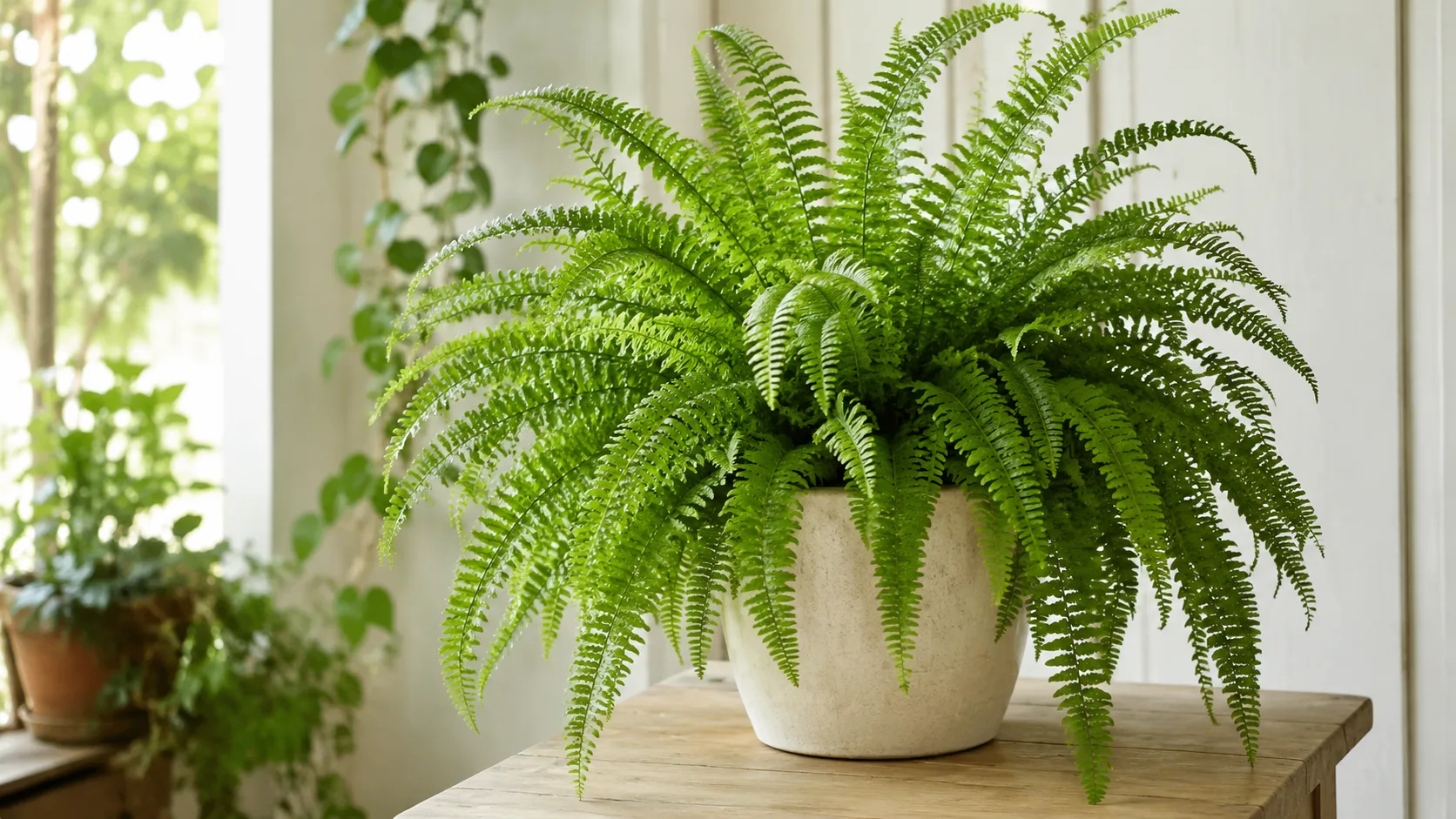
This is an heirloom for the person who enjoys a routine. Keep the potting medium evenly moist but not saturated, place the fern in medium-bright filtered light, and avoid a hot radiator or cold draft. A bathroom can work only if it also has enough daylight; humidity cannot compensate for a dark corner.
Boston fern has a useful reset button: division. When a healthy plant fills its container, separate the clump in spring and pot the divisions into small containers. Brown fronds can be cut away, but repeated crispy growth means the location or watering rhythm needs to change. A fern that regularly dries to the point of collapse is not becoming more resilient with age; it is losing roots and stored energy.
3. Christmas Cactus for a Flowering Family Tradition
Christmas cactus (Schlumbergera × buckleyi) is one of the strongest true heirloom candidates because it combines exceptional longevity with easy stem-segment propagation. Penn State Extension says some holiday cacti can exceed 100 years with proper care, while University of Minnesota Extension describes holiday cacti as plants that are often passed from generation to generation (Penn State Extension, University of Minnesota Extension).
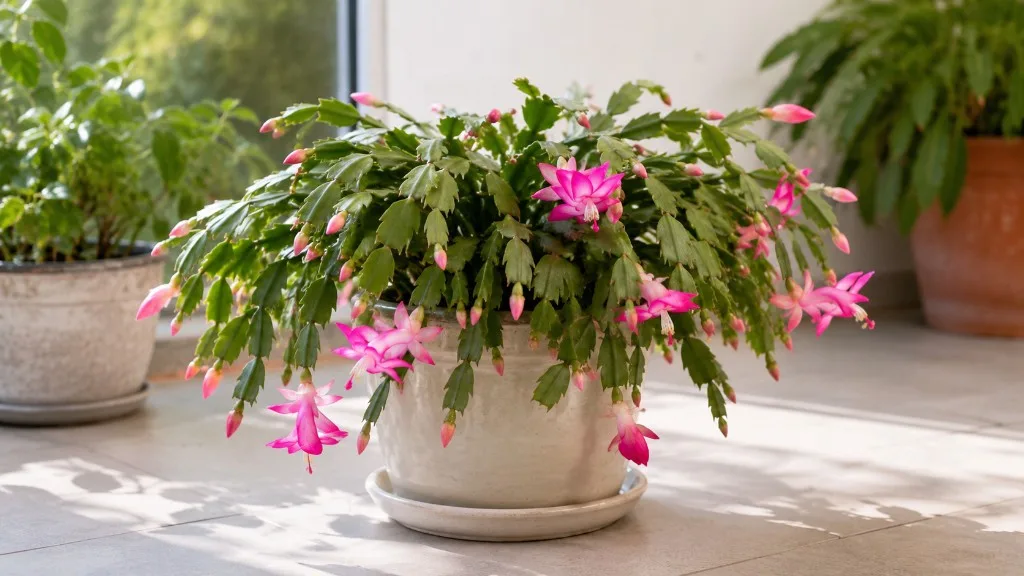
Do not treat it like a desert cactus. It is an epiphytic rainforest cactus that prefers bright filtered light, a fast-draining mix, and more regular moisture than a jade or ponytail palm. Water thoroughly, let excess drain, and allow the mix to become partly dry rather than bone-dry for long stretches.
Its seasonal flowers are part of the family story, but bloom timing depends on conditions. Short days and cool nights help initiate buds, and a plant moved repeatedly while budding may drop them. Once the plant finishes flowering, take a few healthy segments as insurance. Let the cut ends dry briefly, then root them in a lightly moist, airy medium; a small pot of descendants can preserve the original color and form even if the old basket eventually declines.
4. Jade Plant for Bright Windows and Dry Rooms
Jade plant (Crassula ovata) suits a sunny household that tends to forget watering. University of Wisconsin–Madison Extension recommends at least four hours of direct sun when possible, a porous succulent mix, and a thorough dry-down between waterings. It also notes that established jades can remain root-bound for years, although repotting becomes useful when the plant turns top-heavy or the mix breaks down (Wisconsin Horticulture).
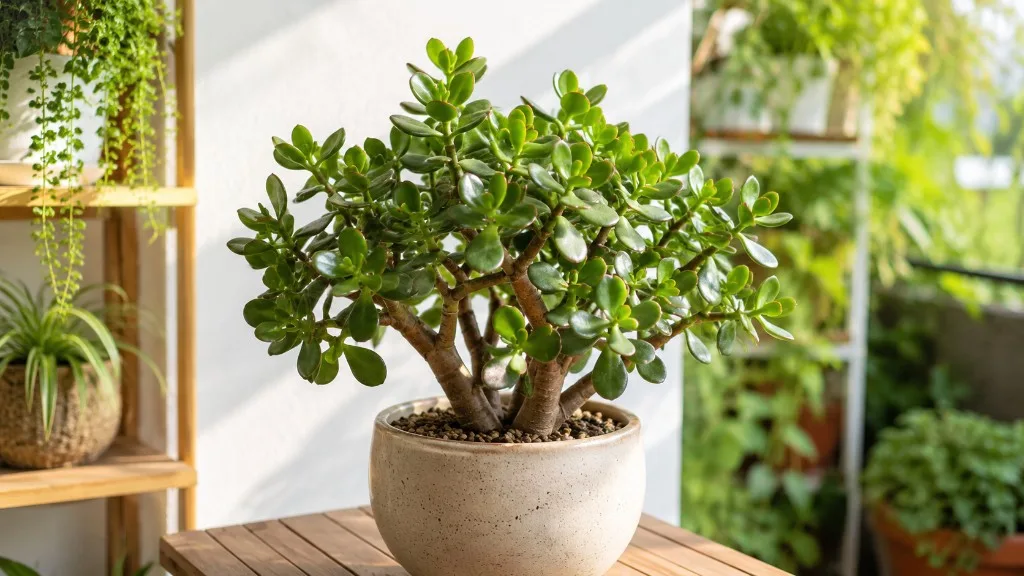
Bright light keeps the stems compact and helps an old plant develop a convincing miniature-tree shape. Rotate the pot occasionally, prune in spring to maintain balance, and use a heavy container if the canopy begins to tip. Water deeply during active growth, then wait until the mix is dry through much of the pot; reduce watering in winter when growth slows.
Jade’s main enemy is not neglect but kindness applied too often. A little water every few days can keep the root zone wet while the surface looks dry, eventually causing leaf drop and stem rot. If a jade is soft at the base, do not keep watering in the hope that it will firm up. Take healthy cuttings first, then investigate the roots.
One important household note: the ASPCA lists jade plant as toxic to dogs, cats, and horses, with vomiting, depression, and incoordination among reported signs (ASPCA). Place a treasured jade where pets cannot chew it.
5. Sago Palm for Slow, Sculptural Growth—with a Safety Warning
Sago palm (Cycas revoluta) is not a true palm; it is a slow-growing cycad. North Carolina Extension notes that it can take 50 years or more to reach 10 feet and that it prefers bright filtered light, well-drained soil, and careful watering. It is visually suited to an heirloom role because the trunk and crown change slowly, making a mature specimen feel like a piece of living furniture (NC State Extension).
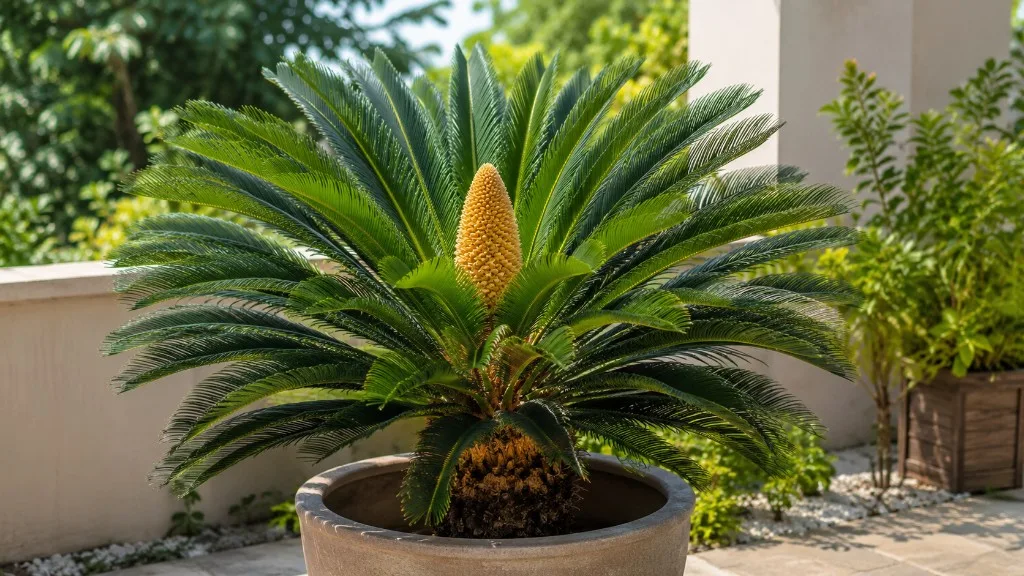
Give it strong light, a gritty draining mix, and time to dry between waterings. It may produce a flush of new fronds and then appear unchanged for months; that slow pace is normal. Remove only dead fronds and leave the growing crown intact. Indoors, plan for eventual weight and width rather than choosing a tiny corner that cannot accommodate the mature plant.
The safety issue is decisive for many households. Cycads are poisonous, and Pet Poison Helpline identifies sago palm as a source of cycasin that can cause severe illness, liver failure, and death in pets after ingestion (Pet Poison Helpline). It is a poor choice where a dog, cat, or curious child can reach it. A plant is not a family heirloom if keeping it requires accepting a preventable poisoning risk.
6. Rubber Plant for a Leafy Indoor Statement
Rubber plant (Ficus elastica) offers a faster visual payoff than the slow palms and cycads. It can become a tall floor plant with a woody-looking stem and broad, glossy leaves, and UF/IFAS lists it as a plant that tolerates sun or partial shade, dry-down between waterings, and propagation by layering or cuttings (UF/IFAS).
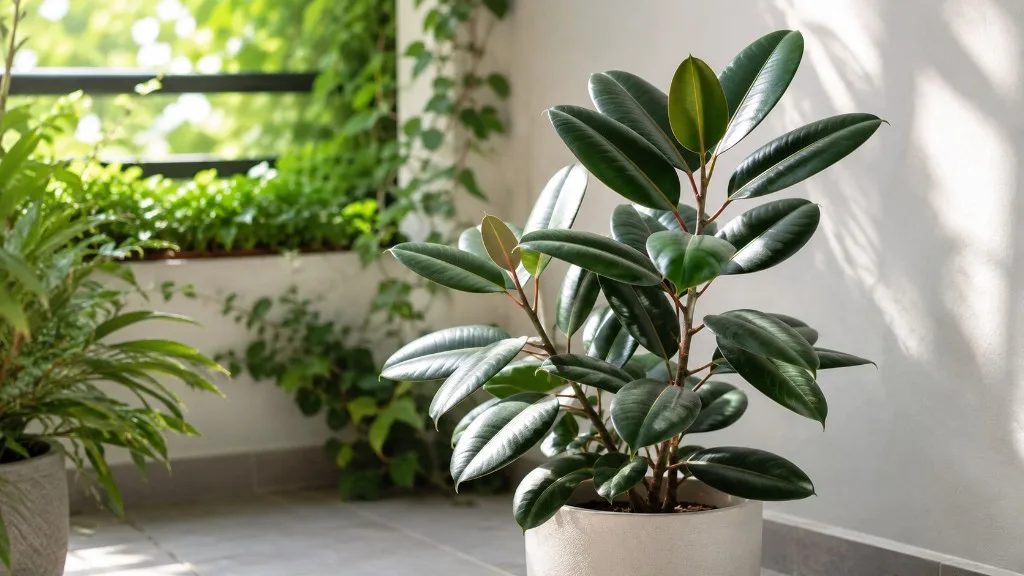
Give it bright indirect light, enough room to branch, and a pot that drains freely. Let the mix become fairly dry between waterings, especially in a cool or dim season, but do not leave it dry for so long that the root ball pulls away from the container. Turn the plant periodically so new growth does not lean toward one window.
Pruning is part of its heirloom value. If the top becomes too tall for the room, a clean cut can encourage branching below and the removed top can become a new plant through a suitable cutting or air-layering method. Wear gloves if the milky sap bothers your skin, and keep the plant away from pets that chew foliage. The best time to solve size is before the plant is wedged against a ceiling or window.
7. Ponytail Palm for Drought-Tolerant Longevity
Ponytail palm (Beaucarnea recurvata) is another plant whose common name is misleading: it is a succulent-like member of the asparagus family, not a palm. Iowa State Extension recommends bright light, infrequent watering, and a dry-down between waterings; North Carolina Extension describes it as slow-growing, drought tolerant, and well suited to a sunny window (Iowa State Extension, NC State Extension).
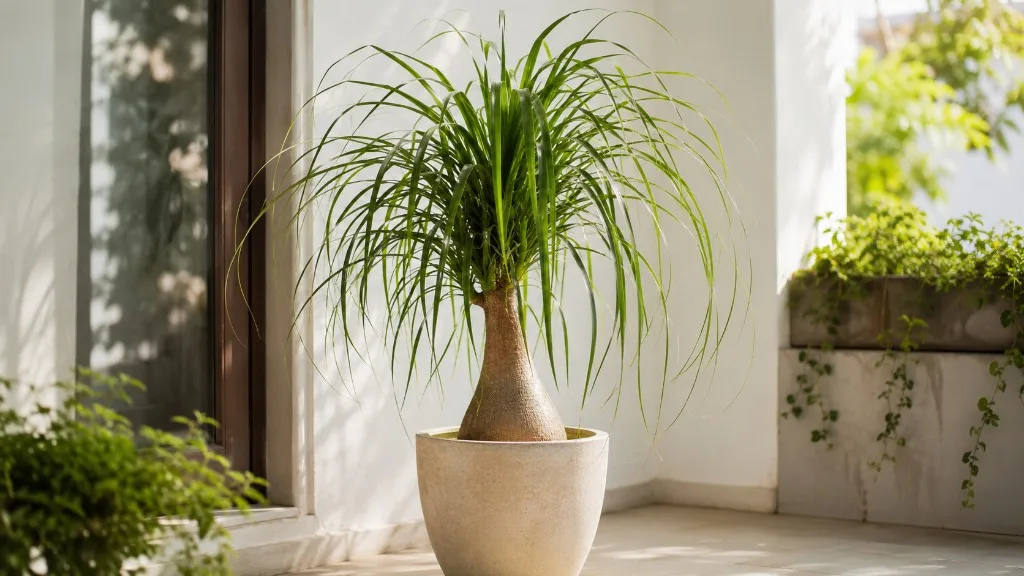
The swollen caudex stores water, so a ponytail palm would rather be forgotten for a while than watered on a rigid weekly schedule. Use a fast-draining cactus or succulent mix, a pot with a drainage hole, and bright light. Water deeply when the mix has dried, then let the excess leave the pot completely; wet roots are a bigger threat than a missed drink.
Its slow growth makes it easy to keep for decades, but slow also means a mistake can take a long time to reveal itself. New growth should emerge from the crown, while a soft or darkening base signals urgent root or stem trouble. Move it outdoors only gradually, because a plant adapted to indoor light can scorch when taken straight into full sun.
8. Hoya for a Climbing Plant You Can Keep Propagating
Hoya, especially wax plant (Hoya carnosa), makes an excellent heirloom when you want a plant with a clear visual lineage. It can climb a hoop, trail from a shelf, and produce fragrant star-shaped flower clusters. Iowa State Extension recommends bright light, 40–60 percent humidity when possible, and conservative repotting; the RHS likewise advises an airy mix, a small step up in pot size, and protection from waterlogged winter compost (Iowa State Extension, Royal Horticultural Society).
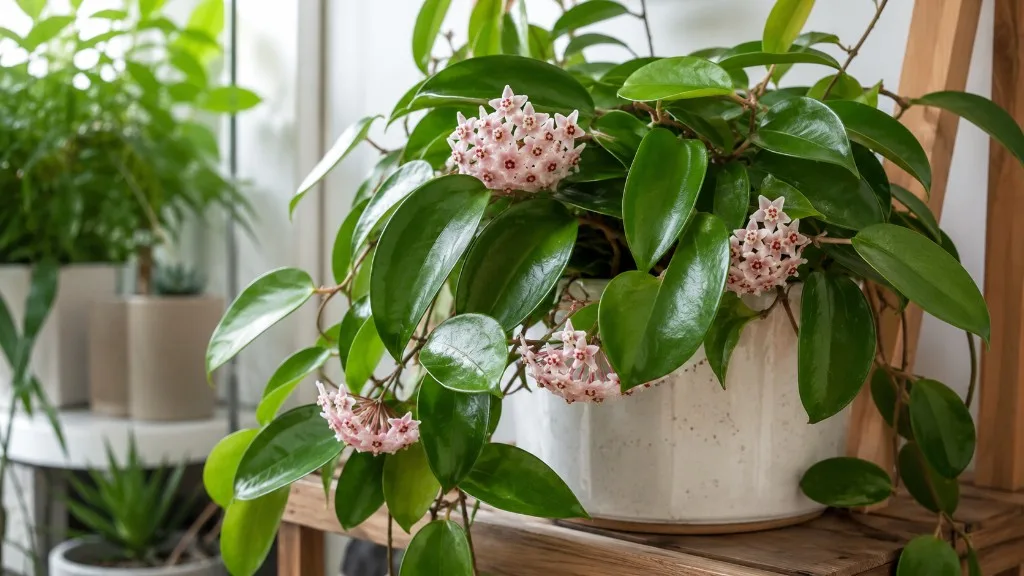
Hoyas often flower better when slightly pot-bound, so a bigger container is not a reward for age. Give the plant bright filtered light, water when the mix has partly dried, and keep it away from cold drafts and hot radiators. Leave old flower spurs in place after blooming; future clusters can emerge from them.
The long-term trick is to train and propagate before the vine becomes difficult to handle. A short stem cutting with a node can root into a new pot, preserving the plant for a friend or the next generation. Do not move a hoya after it has formed buds unless necessary; sudden changes in light or moisture can cause the flowers to drop.
9. Monstera Deliciosa for a Large, Shareable Family Plant
Monstera deliciosa is the most dramatic choice here. It can become a large climbing plant, and its aerial roots and nodes make it unusually easy to share once you understand what a viable cutting contains. University of Minnesota Extension emphasizes that a Monstera cutting needs a node, not just a leaf or petiole, to produce new growth; it also recommends repotting a mature plant when roots, drying speed, or top-heaviness show that the container has become limiting (University of Minnesota Extension).
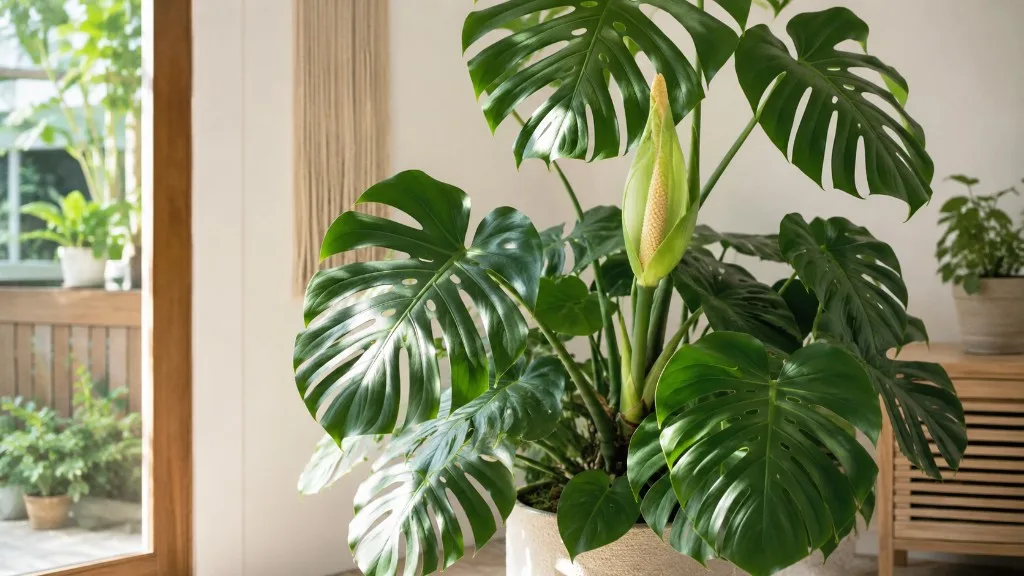
Provide bright indirect light, a sturdy support, and an airy mix. Let the upper few inches dry before watering, then drain thoroughly. A moss pole, trellis, or other support is not decoration: it lets the plant climb, keeps the stem organized, and helps future cuttings retain useful nodes.
Monstera is a good family plant when everyone understands its eventual size. Prune or air-layer before a vine becomes too long, and label every cutting with the date and parent plant. Penn State Extension notes that Monstera contains toxic calcium oxalate crystals; keep it away from pets and children who chew leaves (Penn State Extension).
How to Keep an Heirloom Plant Alive Across Decades
Long-lived plants rarely need exotic care. They need the same few decisions made correctly for years: enough light to support growth, a pot that can drain, watering that matches the drying speed, and a plan for pests, moves, and ownership changes.
Propagation Creates a Backup, Not a Failure
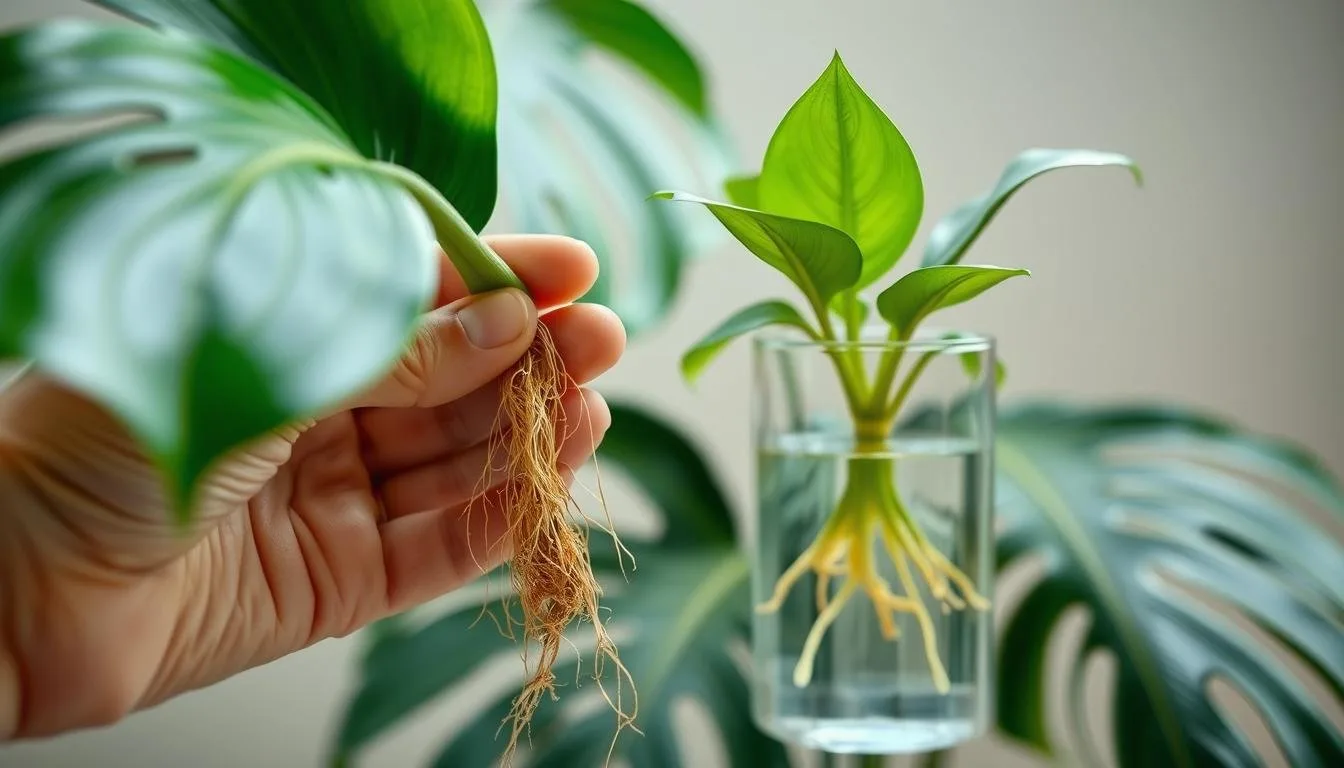
Take a backup when the plant is actively growing and healthy, not after the crown has collapsed. For clumping plants, division is usually the cleanest method. For hoyas, holiday cacti, rubber plants, and Monstera, use a stem segment or node that can produce new growth. Label the cutting with the plant name, date, and any unusual flower color or variegation.
Keep new material separate from the main collection until it has rooted and shown fresh growth. This makes propagation a resilience system: the old plant can stay undisturbed while the new one becomes a second record of the family line. If the parent later suffers a pest outbreak or root rot, you have a chance to preserve the story without preserving the problem.
The Household Handoff: Write Down What Works
Put a small care card in the pot or keep a shared note with four practical details: where the plant sits, how dry the mix gets before watering, when it was last repotted, and how it was propagated. Add a photo every year or two so the next caretaker can see whether the plant is growing normally or slowly losing mass.
When moving the plant, protect it from cold, sun shock, and sudden changes in watering. After arrival, quarantine it from other houseplants for a short observation period and inspect leaf joints, undersides, and the pot rim. A family heirloom is easier to keep when the handoff includes its history instead of just a pot and a vague instruction to “keep it happy.”
Pet Safety and Mature-Size Reality
Longevity should never outrank household safety. Sago palm is a high-risk poisonous plant for pets, jade is listed as toxic by the ASPCA, and Monstera contains irritating calcium oxalate crystals. Keep these plants physically inaccessible, choose a different species for a reachable shelf, and contact a veterinarian or animal poison service promptly after a suspected ingestion.
Mature size deserves equal honesty. A rubber plant or Monstera that fits a narrow side table today may need a floor position, pruning, or a regular propagation cycle later. A ponytail palm may not outgrow its corner quickly, but its container can become heavy. Before buying for a future heirloom, ask where the plant will go at five times its nursery size and who will be able to move it.
Conclusion
The best family-heirloom houseplant is the one your household can keep in the right place for a long time. Choose cast iron plant for shade and forgiveness, Boston fern for a humid routine, Christmas cactus for a flowering tradition, jade or ponytail palm for bright dry rooms, and hoya or Monstera when propagation and sharing are part of the appeal.
Start with one healthy plant, write down what works, and make a backup before you need one. That combination—good fit, steady care, and a living handoff plan—is what turns an ordinary houseplant into something a family can recognize, remember, and keep growing.



