5 Clever Ways to Repurpose Your Mums Once They've Stopped Blooming
Blooms gone on your porch mums? Learn five smart ways to deadhead, plant, overwinter, compost, or recycle them—plus how to tell garden mums from florist types.
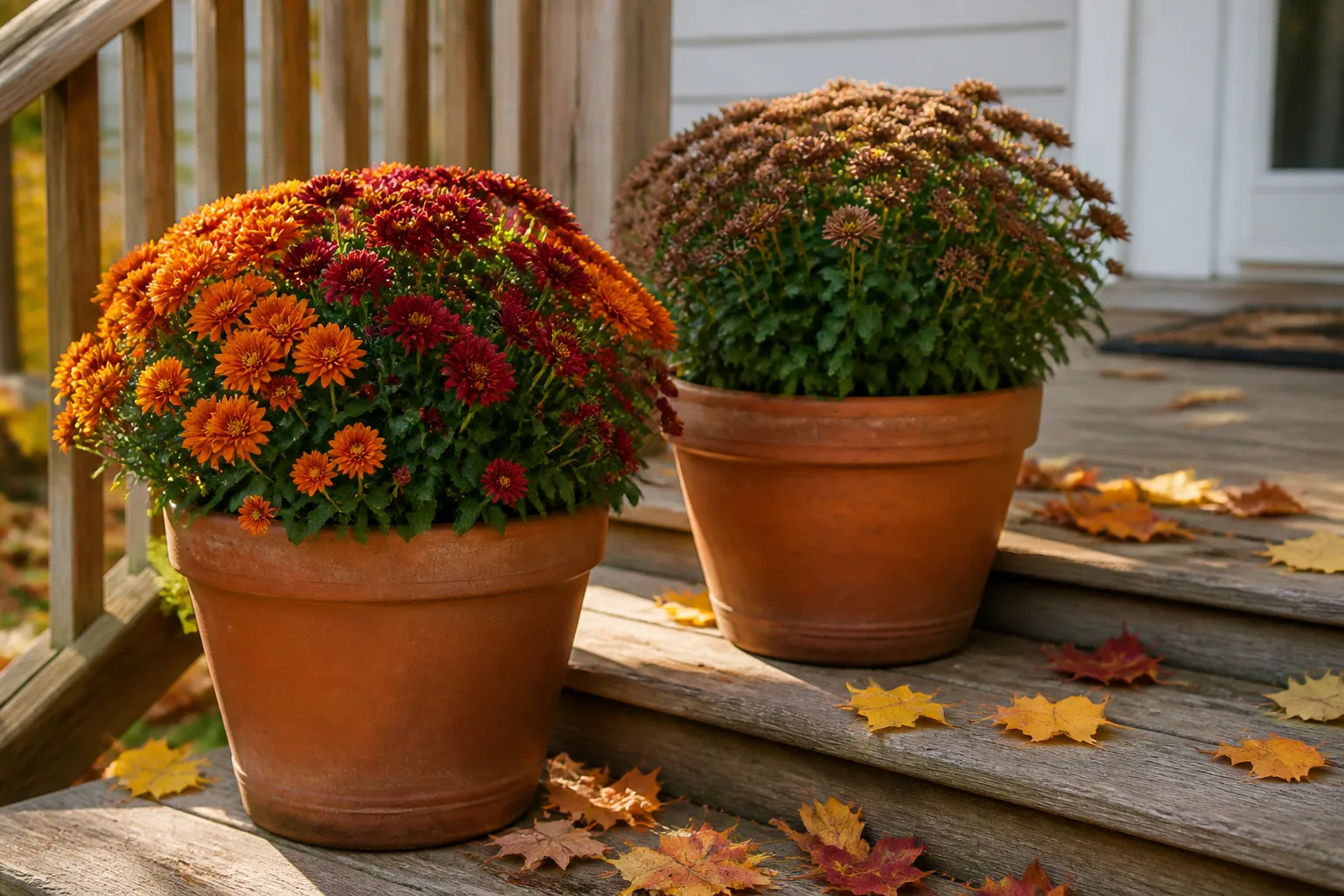
That pot of chrysanthemums on your steps looked perfect for two weeks. Now the center is brown, the edges are crispy, and you are staring at a mound of green foliage asking a fair question: is this worth saving, or is it compost?
The answer depends on what kind of mum you bought, how many weeks you have before hard frost, and how much winter effort you actually want to spend. None of the five paths below require a master gardener badge. All of them beat leaving a dried-out pot on the porch until the first freeze turns it into a guilt trip.
Why Your Porch Mums Fade So Fast (and What That Means for Your Next Move)
Most porch mums are forced into bloom under greenhouse conditions, then shipped to stores already opening. They peak fast because the plant spent its energy budget before you ever brought it home. Heat from a south-facing door, dry potting mix, and nightly cold snaps accelerate the fade once flowers open.
That does not mean the plant is dead. It means the show is over—or nearly over—and you are choosing what happens to the living plant underneath.
How Long Blooms Actually Last on a Pot
A mum bought mostly in tight bud can color your porch for three to six weeks if you water at the soil line and deadhead as flowers pass. A mum bought fully open from a grocery display may look tired in ten to fourteen days. Track when you purchased it; that timeline tells you whether deadheading still has buds to work with or whether you should skip straight to planting, overwintering, or compost.
If nights drop below 40°F (4°C) while buds are still swelling, move the pot to a sheltered spot against the house or bring it in overnight. Cold alone rarely kills a mum in bud, but freeze-thaw cycles on wet flowers brown petals overnight and make the whole pot look finished when the plant still has life left.
Before Anything Else: Garden Mums vs Florist Mums
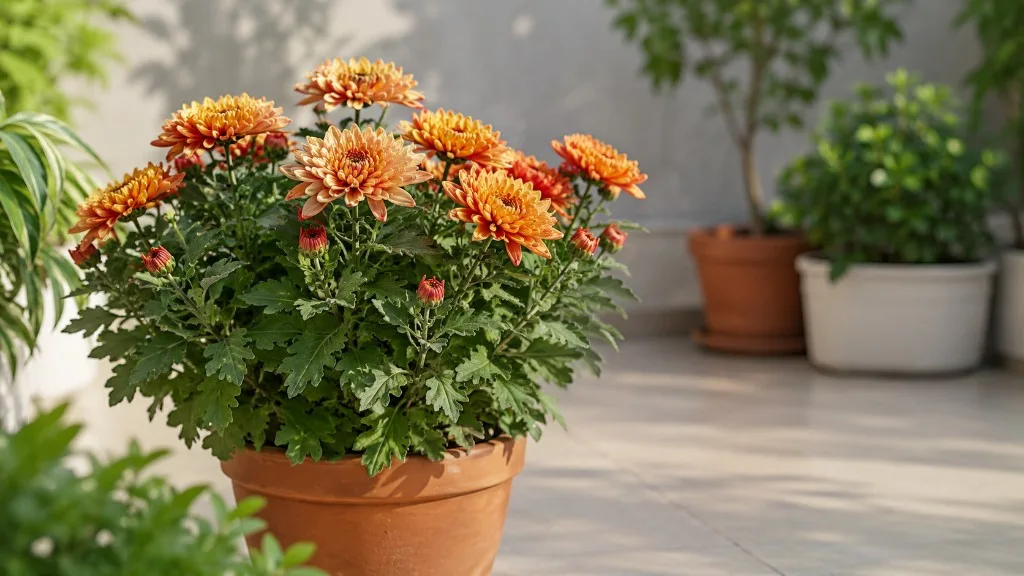
Every option below gets easier once you know which camp your pot falls into. Garden mums (hardy chrysanthemums) are bred for outdoor life, develop stolons—ground-level runners that can root—and often survive winters in USDA zones 5 through 9 with mulch. Florist mums are bred for big, perfect blooms and vase life. They are usually grown as short-lived display plants and rarely survive a hard winter outdoors because they lack the root system and cold tolerance garden types carry.
NC State Extension notes that autumn mums are complex hybrids with hundreds of cultivars; not every pot labeled “mum” behaves the same in your yard. Treat tags as hints, not guarantees.
Five Clues You Can Check in Two Minutes
Lift the pot and look at the base of the stems. Garden mums often show a rosette of healthy leaves at soil level and may have visible stolons creeping over the pot rim. Florist mums frequently arrive in foil-wrapped pots, carry oversized blooms on sparse foliage, and show no basal rosette once flowers finish. If the plant was sold indoors near the floral counter—not the outdoor nursery bench—assume florist type until proven otherwise.
Sniff-test the roots: pull gently on a stem. If the whole plant lifts as one tight plug with little branching, it was grown for a quick season, not permanence. Ask the seller “Was this grown locally?” Mums raised in your climate harden off better than freight shipped from warm growing regions.
What Hardiness Zones and Tags Really Tell You
A tag reading “hardy to Zone 5” only helps if the plant is truly a garden cultivar with time to root before frost. The RHS chrysanthemum growing guide classifies early hardy garden types as perennials that go dormant in winter and resprout in spring—but still benefit from frost protection. Florist types may survive a mild winter in zone 8 or 9 with mulch and luck; in zone 5 they are annual decorations, and that is normal.
When in doubt, run this quick test: if you are in zone 6 or colder and the pot came from a grocery store in October, plan on compost or garage storage, not permanent planting. If you are in zone 7 or warmer and the plant has basal rosette growth, planting or mulched outdoor pots are realistic experiments worth the twenty minutes.
Option 1 — Deadhead for a Late-Fall Encore
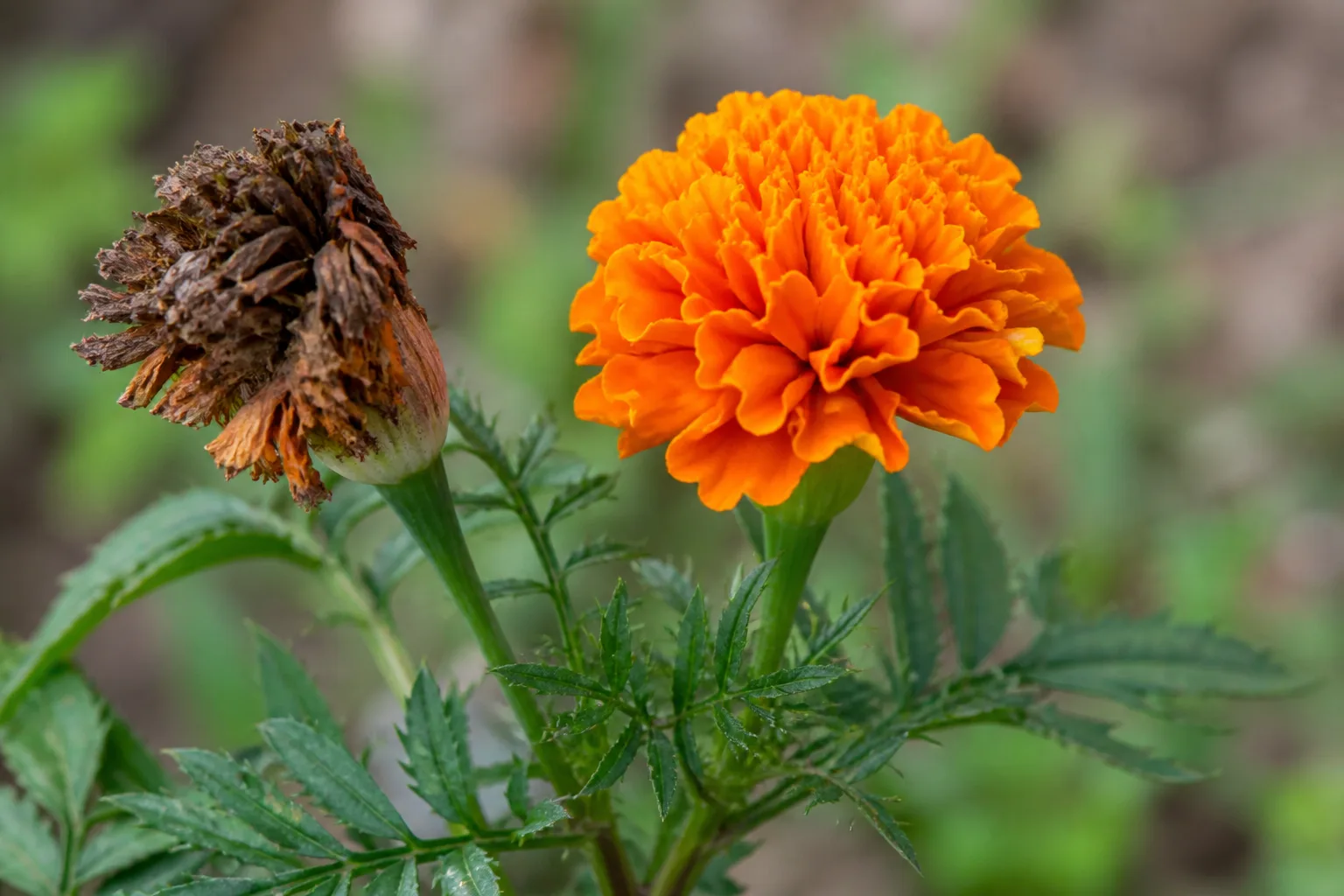
Before you repurpose the whole plant, check whether secondary buds hide under the spent blooms. Deadheading redirects energy from seed formation into those buds and keeps the pot looking intentional on the porch.
Where to Cut and When It Is Worth Trying
Use sharp scissors or pruners. Snip each faded flower head just above the first set of healthy leaves or visible side bud—never flush with the crown. Remove brown petals only if green buds sit below them. If every bloom is spent and no buds remain, deadheading will not conjure new color; move to planting, overwintering, or compost.
Water at the soil surface, not through the flowers, once a day while new buds swell. A water-soluble feed at half label strength once weekly can help, though container mums do not need heavy feeding this late. Stop deadheading when nightly lows stay below 28°F (-2°C); frozen wet petals rot and invite disease.
Option 2 — Plant Them in the Ground for Next Year
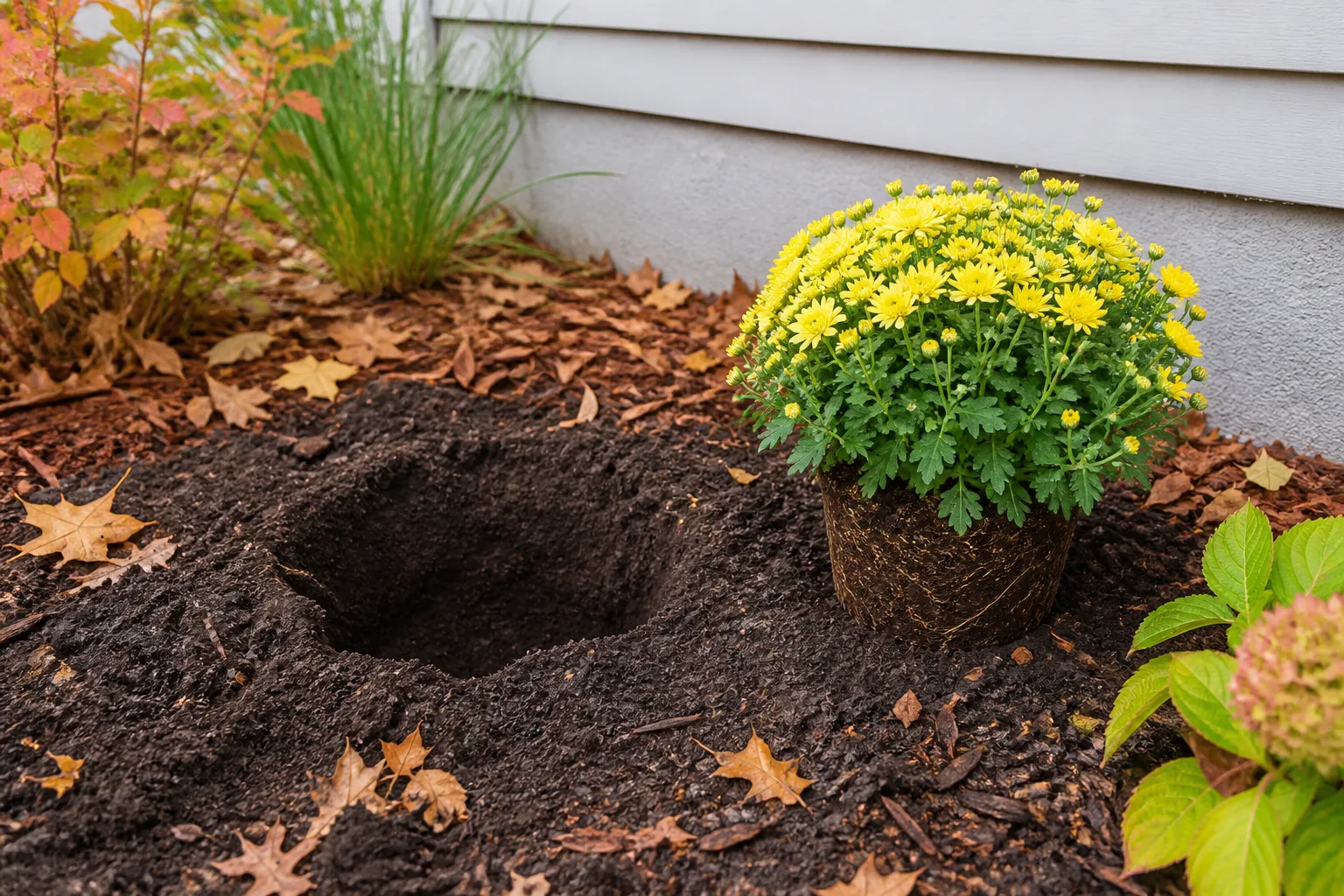
Planting is the best long-term repurpose for hardy garden mums you bought early enough in fall. You are not “rescuing garbage”—you are giving a perennial a permanent address.
The Six-Week Frost Rule
Roots need roughly six weeks of frost-free soil to anchor before the ground freezes hard. Look up your average first frost date and count backward. If you are inside that window in late October or November, planting is a gamble; overwinter the pot in a garage or compost the plant instead. If you still have six or more weeks and the mum shows a basal rosette, planting is reasonable.
Example: if your first frost averages November 10, you want mums in the ground by September 29 at the latest. A September 15 purchase still leaves a comfortable margin; an October 25 purchase does not—unless you are in a warm microclimate or plan to overwinter the pot instead.
Farmers’ Almanac mum guidance recommends at least six hours of sun, well-drained soil, and holes about 1.5 times wider than the root ball. Morning sun with afternoon shade works in hot southern climates.
Planting Steps That Protect the Crown
Choose a spot with full sun and drainage—mums hate wet winter feet. Dig a hole the same depth as the root ball and wider on the sides. Mix 2 inches of compost into the backfill if your soil is heavy clay. Remove foil, decorative wrap, and the nursery pot unless you are using the temporary pot-in-pot trick: bury the nursery container itself in the soil for one season, then lift and plant properly in spring.
Set the plant so the crown sits level with the soil surface—never buried deep. Water thoroughly. Apply 2 to 3 inches of shredded bark or leaf mulch around the plant, keeping mulch an inch away from stems. Deadhead remaining blooms but leave 6 inches of stem above the crown going into winter in cold climates; some growers leave dead foliage on for insulation until spring cleanup.
In spring, when new shoots appear at the base, cut old stems to the ground. Pinch growing tips two or three times before mid-August next year to build a compact, bloom-heavy plant—standard garden mum culture per extension recommendations. The first pinch happens when new stems reach 6 inches; repeat every two to three weeks until early August so flower buds form on a bushy frame instead of leggy sticks.
Option 3 — Overwinter Pots Indoors or Mulch Them Outside
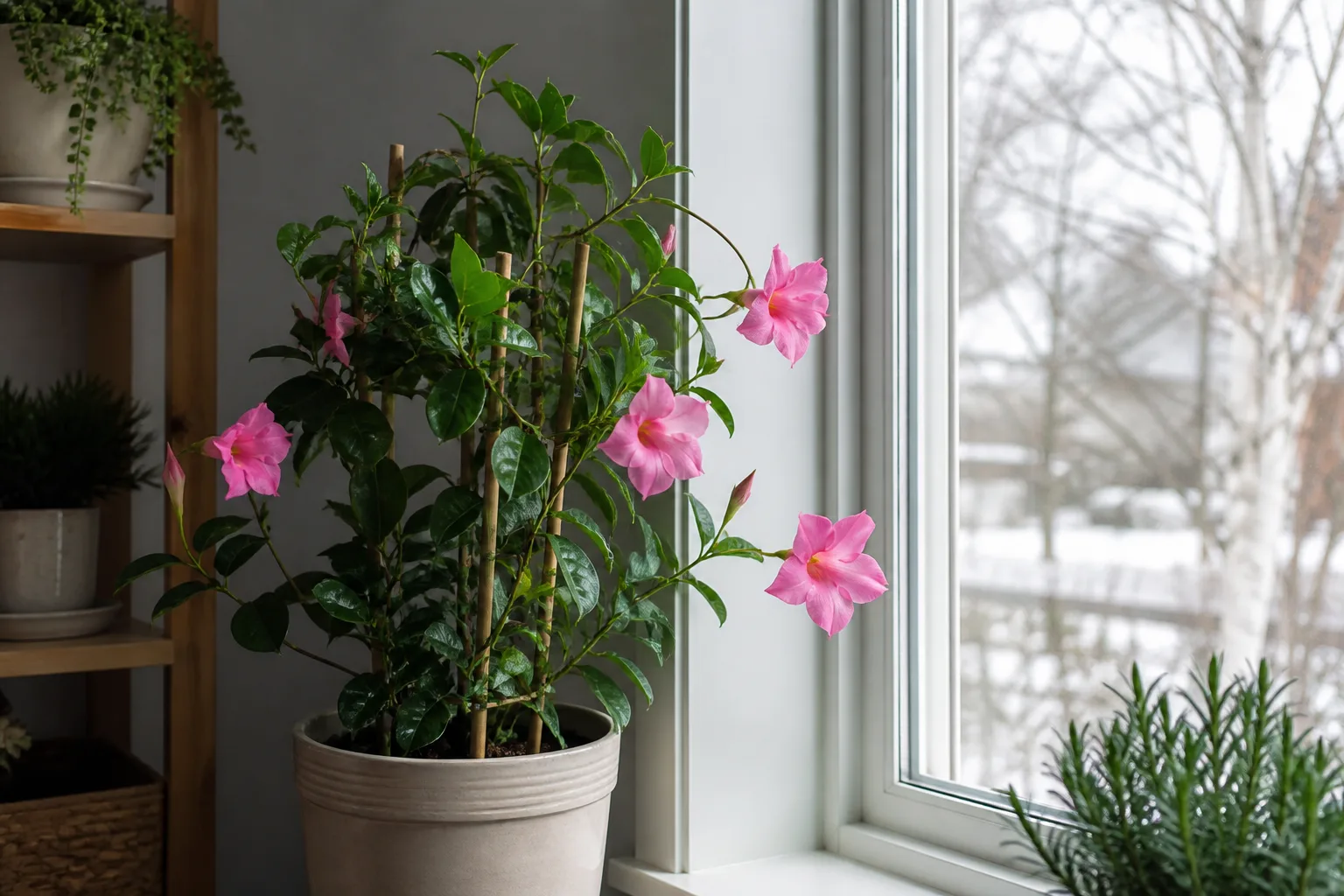
No planting space? You can still repurpose the living root system by storing pots through winter—especially for borderline-hardy garden mums in colder zones.
Garage and Cool-Basement Storage
This works best for garden types you could not get into the ground in time. After blooms finish, cut stems back to about 3 inches. Move the pot to a cool, dark place that stays 32–45°F (0–7°C)—an unheated garage, shed, or basement window well. The goal is dormancy, not active growth.
Keep the root ball barely moist: check weekly with your finger. Slightly dry beats soggy. Wrap the pot in burlap or bubble wrap for insulation if temperatures dip near freezing inside the storage space. In spring, after last frost, move the pot outdoors gradually—harden off over a week—and resume watering as new growth appears.
Label each pot with color and purchase date before storage. Come March, you will not remember which garage mum was orange and which was burgundy—and labels save you from guessing sun exposure for the next porch display.
Florist mums may survive this protocol in zones 7 and warmer; treat success as a bonus, not an expectation.
In-Ground Mulch for Hardy Types Left in Pots
Large terracotta, concrete, or resin pots can stay outdoors in zones 6–9 if the mum is hardy and drainage is excellent. Cluster pots against a south wall or evergreen windbreak. Mulch the pot surface and sides with straw or shredded leaves. On freeze nights, cover plants with frost cloth. RHS winter protection guidance emphasizes that evergreen leaves and potted plants dry out in cold wind—check moisture on thaw days.
Never leave a mum in a foil-wrapped grocery pot outdoors all winter; the wrap holds water against stems and roots rot.
Option 4 — Compost Spent Mums the Right Way
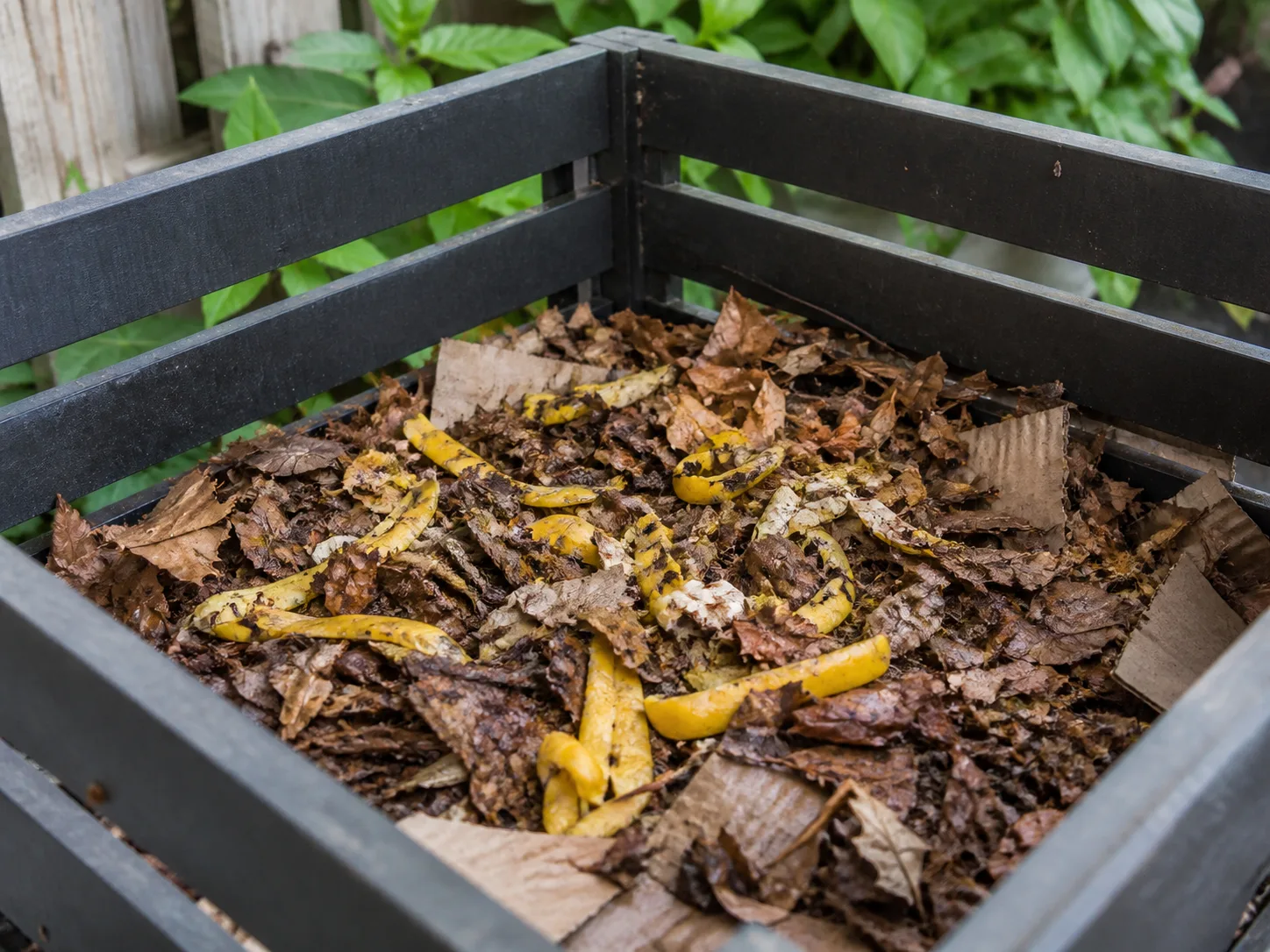
Composting is a legitimate repurpose—not a failure. Organic matter from spent mums feeds next year’s soil. Most gardeners who buy florist mums compost or discard them yearly; that is an efficient choice when winter survival is unlikely.
Strip Foil, Tags, and Diseased Material First
Pull off foil sleeves, wire baskets, plastic tags, and rubber bands before the pile. Shred or chop woody stems so they break down faster—whole mum clumps can take two to three months in an active heap. Skip plants with white powdery mildew, gray mold, or obvious rot; bag those for municipal green waste instead of infecting your compost.
Balanced compost needs browns and greens; mum foliage counts as green material. Turn the pile monthly if you want finished compost by early spring for mulching beds. A 3:1 brown-to-green ratio by volume keeps the heap from going slimy when you add several porch pots at once after Thanksgiving cleanup.
Option 5 — Toss Them Without Guilt (and Shop Smarter Next Fall)
If you bought fully bloomed florist mums in late October, lack garden space, and do not compost, throwing them out is fine. Enjoy the porch while they lasted, then add them to yard waste collection after the first hard freeze—or compost if you have a bin.
Buying smarter next year is the real upgrade: choose mostly closed buds, lift the pot to check heavy, moist root mass, favor local nursery stock if you plan to plant out, and buy early in September when six-week planting windows still exist. A $12 annual mum that brightens October is a valid purchase—you do not owe it a perennial career.
Bonus Repurposes: Cut Flowers, Fillers, and Stem Cuttings
While blooms still have color, cut stems for vases: sear stem ends in hot water for 10 seconds to improve uptake. Use green foliage in autumn arrangements when flowers are gone but leaves stay fresh.
Garden mums with healthy basal growth can yield stem cuttings in spring: take 3-inch tip cuttings, strip lower leaves, root in moist perlite on a bright windowsill. This is optional labor—but it turns one porch pot into free plants for next fall’s border.
If you saved a garden mum in the ground or garage, check for new shoots at the crown in April. No shoots by mid-May usually means the winter experiment failed—note the cultivar and zone combo so you do not repeat the same rescue attempt with a florist type next year.
Conclusion
Repurposing spent mums starts with identification, not guilt. Deadhead if buds remain. Plant in the ground if you have a hardy type and six frost-free weeks. Overwinter pots in cool storage or mulched outdoor clusters when planting is impossible. Compost cleanly after stripping non-organic wrap. Toss florist types without apology when time and space say no.
Match the effort to the plant you actually bought, and your fall porch can be both beautiful and honest about what happens after the blooms go brown.



