Longwood Gardens Guide: Martha Stewart's Favorite Botanic Garden
Longwood Gardens in Kennett Square, PA—Martha Stewart's favorite botanic garden—explained with conservatory highlights, orchids, outdoor districts, tickets, and a half- or full-day itinerary.
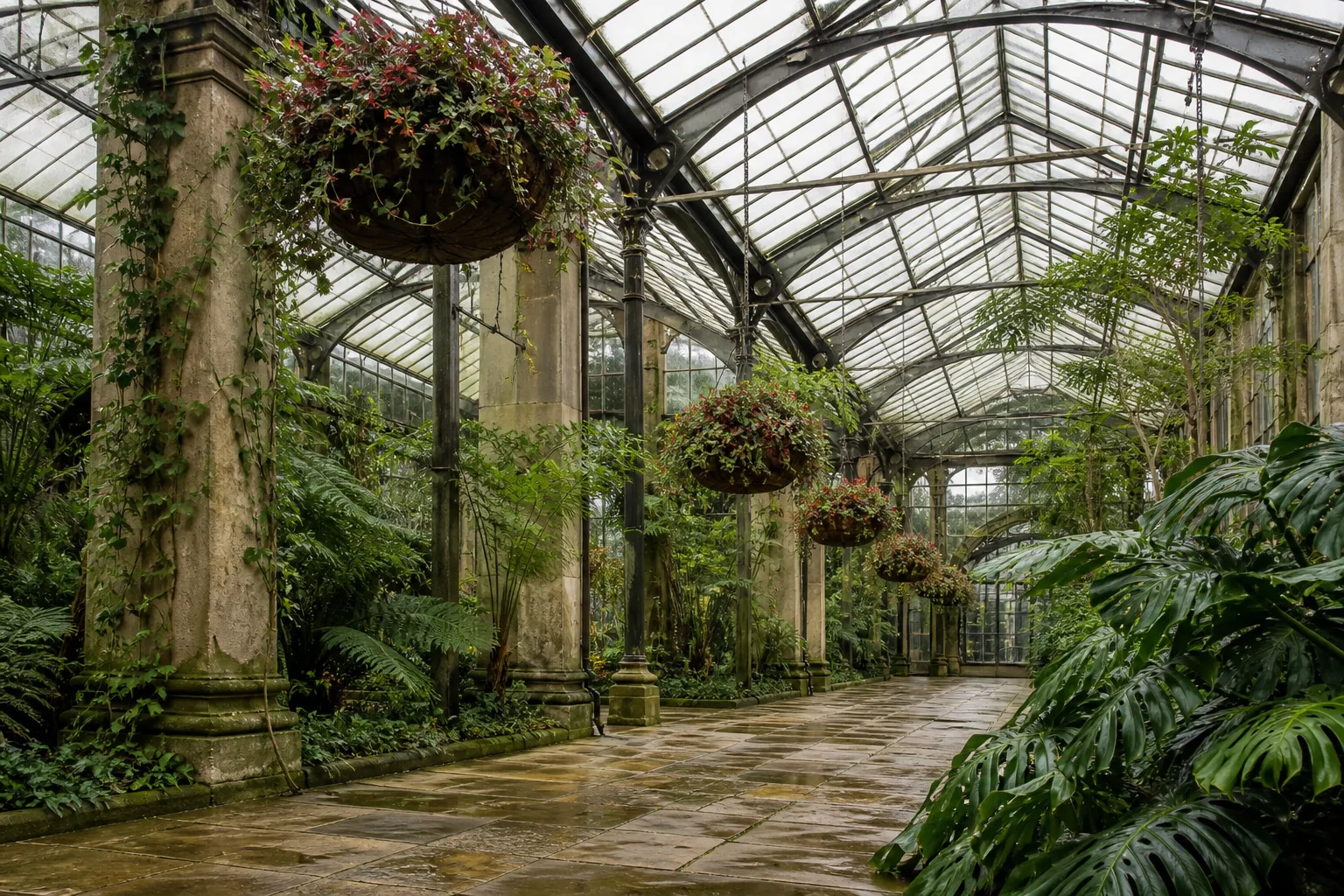
A year after walking through the glass doors at Longwood Gardens in Kennett Square, Pennsylvania, I still think about the scale of the hanging baskets—not the Instagram version, but the real ones suspended from a ceiling so high you have to tilt your head back and accept that your pothos at home is living in a shoebox. That is the kind of place Longwood is. It is not a polite municipal garden with a rose circle and a brochure. It is a 1,100-acre living museum where more than 9,000 species and varieties are maintained by a small army of horticulturists, students, and volunteers, and where the indoor conservatory alone holds roughly 5,500 plant varieties across about four acres of heated glass.
Martha Stewart visited in spring 2025 during a QVC appearance trip to West Chester and called the gardens “magical” on her blog—not a throwaway compliment from a celebrity passing through, but a detailed plant-by-plant tour from someone who keeps greenhouses of her own. Travel rankings consistently place Longwood among the top botanic gardens in the United States. The gap between reading that and standing inside the Exhibition Hall while water mirrors the palms overhead is enormous. This guide explains why the visit lingers, what to see first, how to plan around weather and crowds, and what home gardeners can actually learn from displays built at a scale most of us will never replicate.
What makes Longwood Gardens one of the best botanic gardens in the country
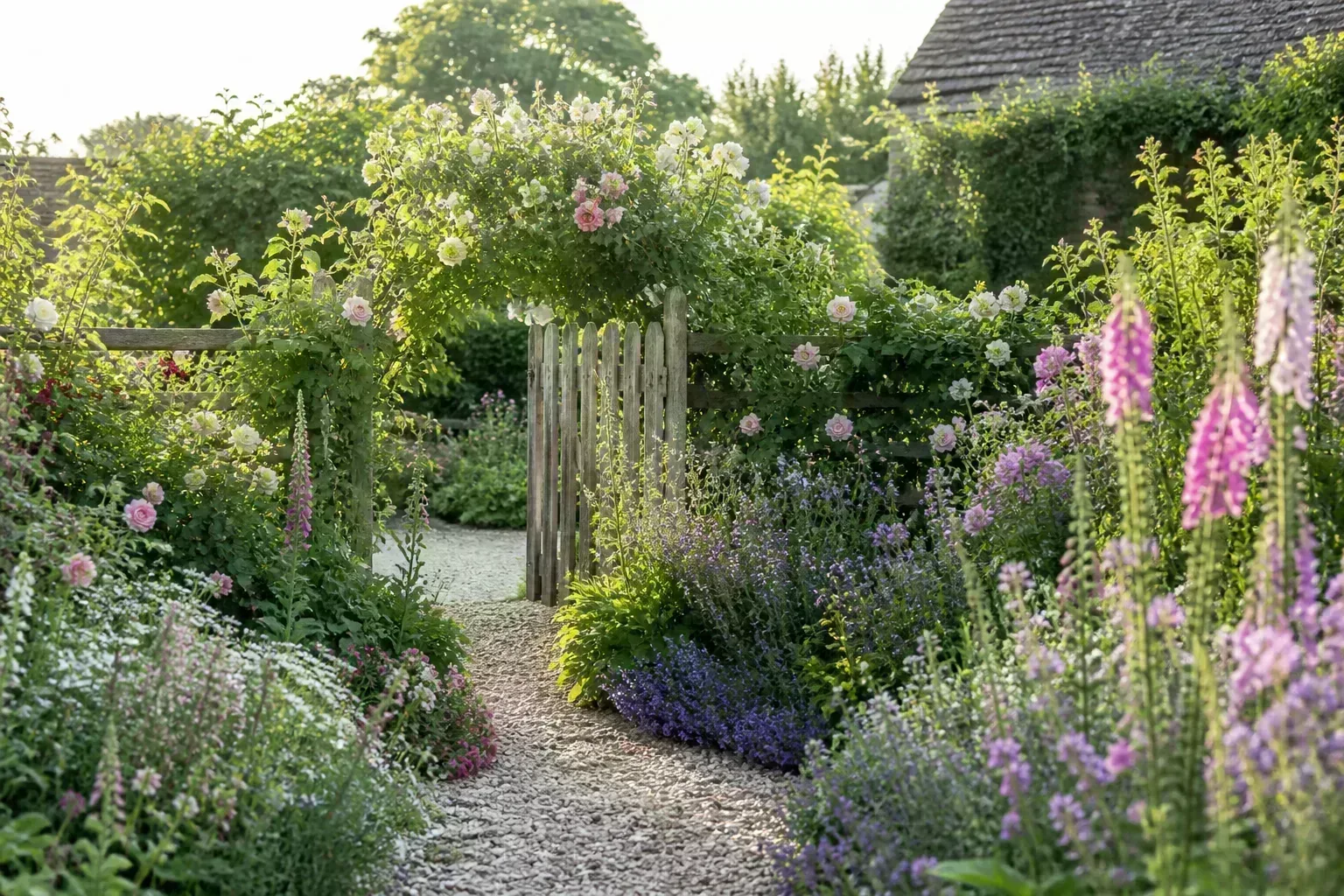
Longwood succeeds because it treats display design as seriously as plant science. Every walkway has border plantings. Side rooms off the main conservatory galleries become playful pocket gardens with fountains, climbing structures, and hidden benches. Outdoors, the property is carved into districts—formal fountains, meadow walks, lake views, bell towers—so you never feel like you are circling the same lawn twice.
The numbers help set expectations. The conservatory’s 20 garden rooms rotate seasonal shows: chrysanthemum “Thousand Bloom” domes trained for 15 to 18 months, winter orchid extravaganzas with nearly 5,000 blooming orchids, and forced blue poppies (Meconopsis ‘Lingholm’) coaxed into March bloom even though they naturally grow in Himalayan high elevations. Longwood’s orchid program dates to 1922, one of the institution’s earliest collections, and the garden’s research team has been recognized by the American Orchid Society for conservation work. That depth matters. You are not looking at a temporary florist installation. You are seeing living collections curated across decades.
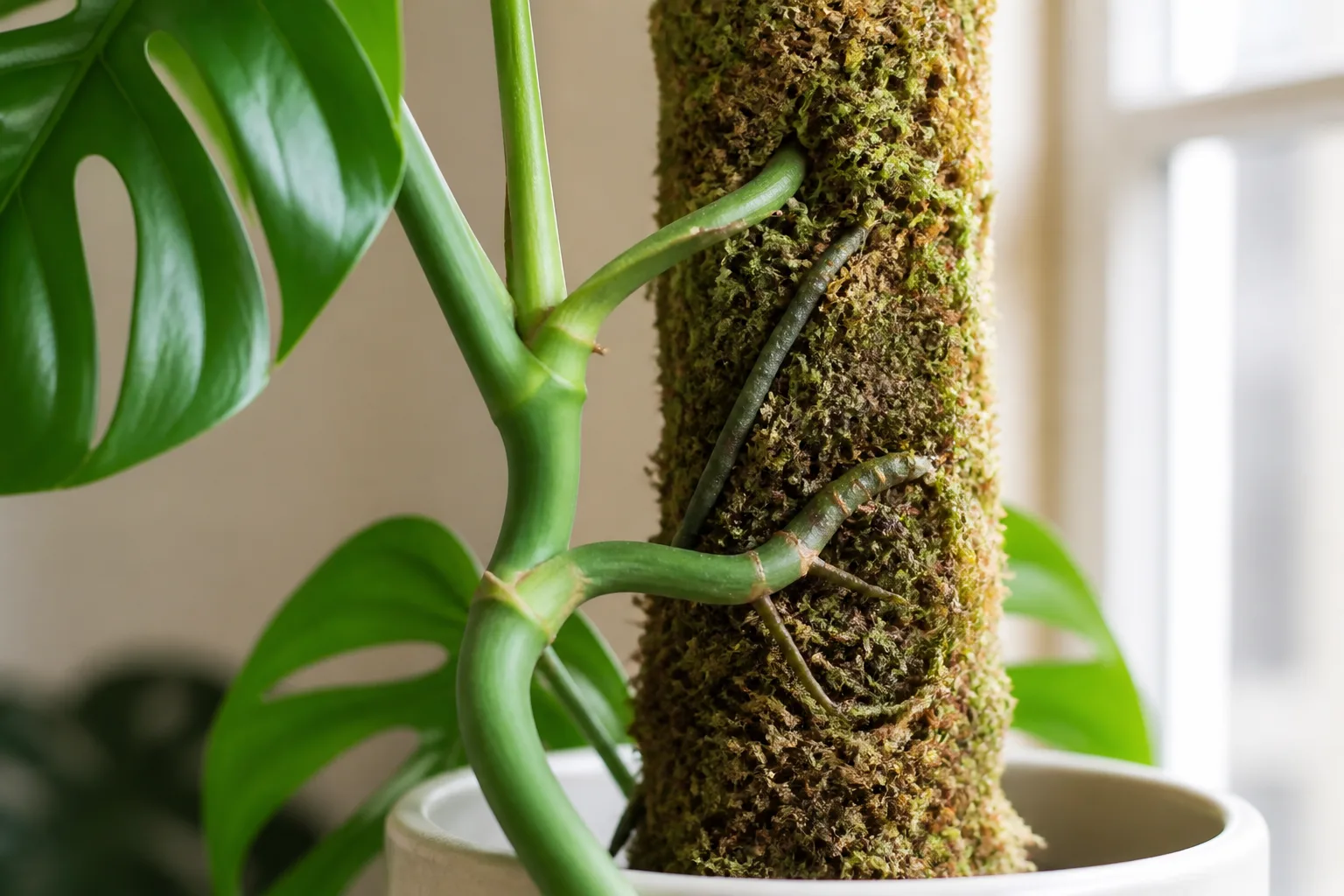
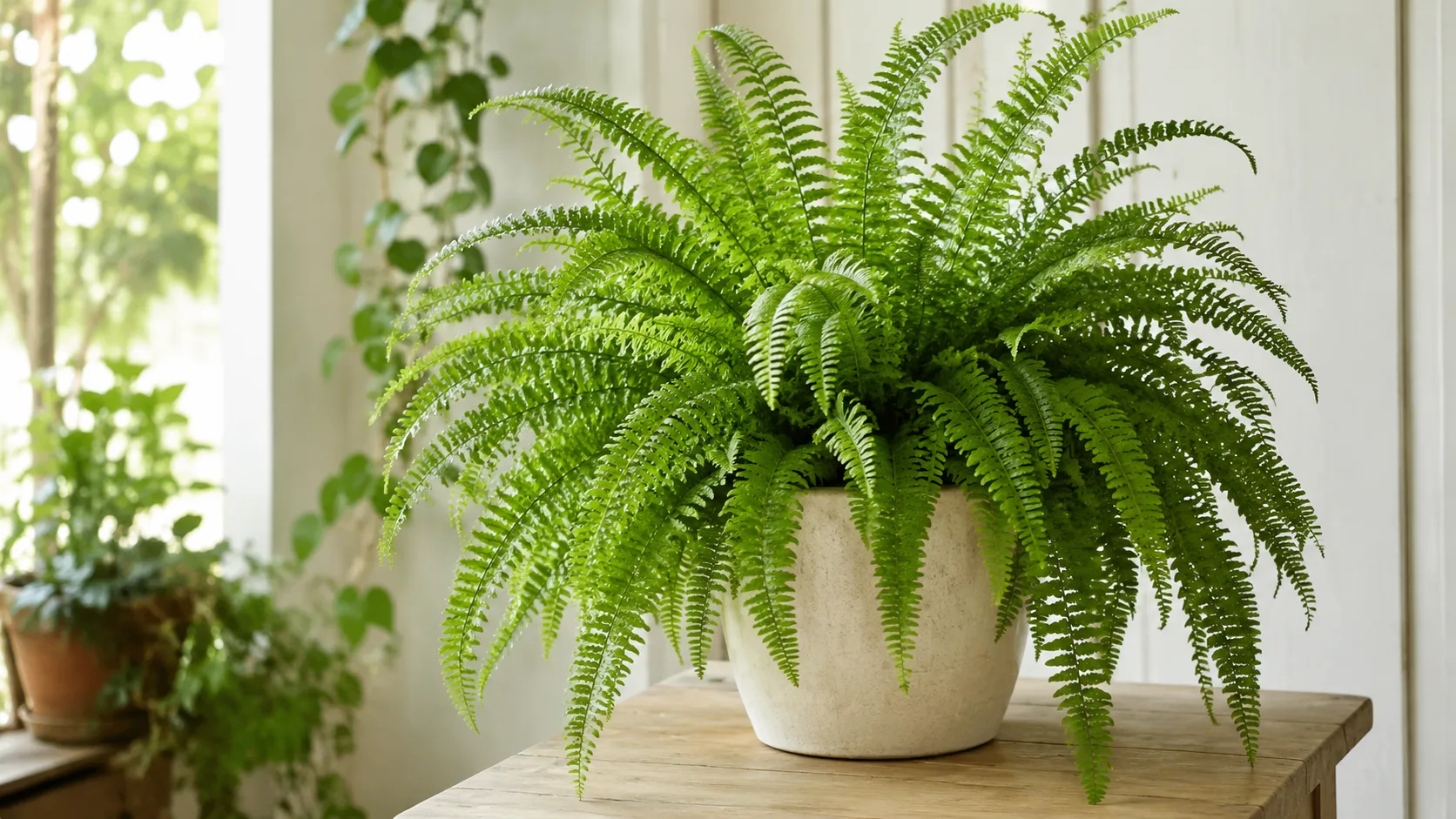
For plant-obsessed visitors, the emotional punch is seeing familiar houseplants at full size. Cape primrose (Streptocarpus), creeping fig (Ficus pumila) shrouding concrete columns, guzmania bromeliads, and Australian tree ferns (Cyathea cooperi) appear in combinations that reframe what “mature” means. If you have ever wondered whether your philodendron could be bigger, Longwood answers with a quiet, devastating yes.
From Peirce farm to Pierre du Pont’s 1906 vision
Context makes the visit richer. According to Martha Stewart’s account and regional historical sources, the Lenape people used this Brandywine Valley land for fishing, hunting, and farming long before European settlement. In 1700, Quaker farmer George Peirce bought 400 acres of English-claimed land and began developing it. Later generations of the Peirce family built an arboretum noted for exceptional trees—one of the finest in the young nation.
How neglect became a world-class collection
By the late nineteenth century, heirs had lost interest and the property declined. In 1906, Pierre S. du Pont—industrialist, philanthropist, and member of the prominent du Pont family—purchased the grounds to preserve the trees. What began as rescue became obsession. Pierre expanded fountains, built the conservatory complex, and laid out formal gardens inspired by European estates he admired. The du Pont family timeline places this purchase in the same era as other family investments in Delaware Valley industry and civic life; at Longwood, Pierre’s personal passion became public legacy.
Knowing that backstory explains why the Main Fountain Garden feels theatrical rather than municipal. du Pont was not filling a zoning requirement. He was building a private pleasure ground he later opened for public enjoyment—a pattern you still feel in the craftsmanship of paths, water features, and conservatory architecture.
Planning your visit: location, tickets, and timing
Longwood Gardens sits at 1001 Longwood Road, Kennett Square, PA 19348, roughly 30–45 minutes west of Philadelphia depending on traffic and your starting neighborhood. It is an easy add-on to Brandywine Valley trips, Wilmington, Delaware stops, or Lancaster County routes. GPS is reliable; parking is on-site and included with admission.
Confirm hours, ticket prices, and any timed-entry requirements on longwoodgardens.org before you drive. Prices and policies change with seasons and special exhibitions. As a planning baseline, recent Orchid Extravaganza announcements listed adult admission around $25, with discounts for seniors and students—treat that as a floor, not a guarantee. Peak holiday light shows and concerts often require separate tickets or advance reservations.
Arrive early on weekends and holiday weeks. The conservatory is popular for good reason, and midday crowds narrow walkways. Wear comfortable shoes; even a “conservatory-only” visit involves miles of stone paths if you wander outdoors. Bring a light layer—the indoor ranges are humid and warm, but outdoor districts can be windy and chilly from fall through early spring.
Best seasons and events on the calendar
| Season | Highlights | Trade-offs |
|---|---|---|
| Late Jan–Mar | Orchid Extravaganza, blue poppies in early March | Cold outdoors; conservatory busiest on weekends |
| Spring | Bulb displays, outdoor awakening, Martha’s recommended window | Rain possible; book 1906 early |
| Summer | Fountain shows, outdoor borders, evening light programs | Heat, full parking lots |
| Fall | Chrysanthemum festival, foliage, Thousand Bloom displays | Shorter daylight |
| Winter holidays | Indoor displays, lighted outdoor installations | Highest crowds; reserve ahead |
If you only have one trip, late March offers orchids transitioning to blue poppies plus the first outdoor color. If you love indoor tropical depth, January through February is orchid peak.
Inside the Conservatory: 5,500 varieties under four acres of glass
The conservatory is why many visitors—including Martha Stewart—leave still thinking about glass and green. Living x Design’s long-form visit notes describe 20 garden rooms and 5,500 plants under glass across a property that sprawls over 1,050 acres outdoors. Martha’s 2025 photos highlight the Main Conservatory’s hanging baskets: cape primrose Streptocarpus ‘Concord Blue’, creeping fig wrapping columns, triangle palm (Dypsis decaryi), and hybrid cineraria (Pericallis × hybrida) in pink bicolor—combinations that read like floral jewelry from below.
Walk slowly. The design hides structure. Concrete pillars disappear under living vines. A hallway beside the restrooms becomes a living wall you would put in a design magazine. The Acacia Passage pairs river wattle (Acacia cognata) with container guzmania and anthurium. Each room shifts climate and mood: arid succulent drama, tropical humidity, formal parterre precision.
Conservatory vs greenhouse — know what you are walking through
Visitors mix these terms constantly. A greenhouse is a transparent structure built primarily to grow plants—production, propagation, overwintering. A conservatory is a glass-enclosed garden room built for people and plants together—comfort, display, education, and spectacle. Longwood’s conservatory is absolutely the second. You are meant to stroll, sit, and study combinations, not peek at back-of-house benches (though Longwood has those too—nearly 200 bonsai maintained in a dedicated workshop).
That distinction matters at home. If you dream of “a conservatory,” you are dreaming of living space with plants, which means ventilation, seating, paths, and humidity management—not just shelves and grow lights. Longwood is the graduate seminar.
Exhibition Hall, living walls, and the flooded reflecting pool
Do not rush the Exhibition Hall in the Main Conservatory. When the space is staged with a thin layer of water across the floor, it becomes a reflecting pool beneath potted palms and hanging baskets of cape primrose. Martha Stewart’s photos show Australian tree ferns flanking the flooded floor—an effect that is part installation art, part horticulture, and entirely memorable.
The hall also hosts rotating exhibitions: perfume history displays, chrysanthemum sculptures, and seasonal tableaux that justify repeat visits. If you visit during a transition week, ask staff what is opening next. Longwood’s display team plans years ahead; the partially empty hall one week becomes a water mirror the next.
The orchid rooms and Orchid Extravaganza
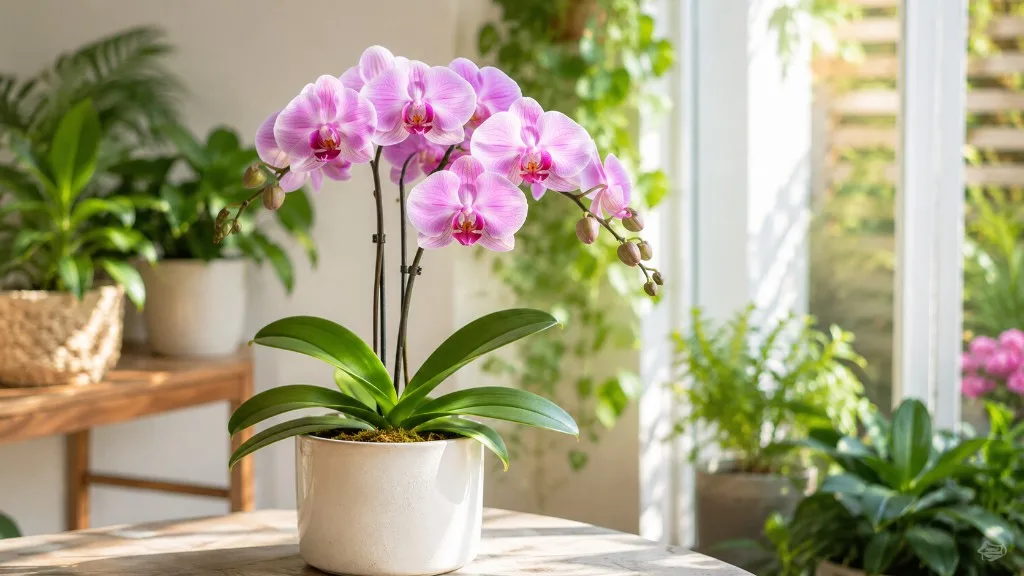
Longwood’s orchid credentials are not marketing fluff. The collection has been central since 1922, and modern displays combine wall-mounted Phalaenopsis and Cattleya, urns of Cymbidium, and hundreds of Vanda orchids in the Silver Garden. Martha Stewart counted at least 250 phalaenopsis and cattleya orchids arranged along walls you can approach closely enough to study lip shape and fragrance, plus hundreds of vandas overhead.
Each winter, Orchid Extravaganza fills the heated conservatory with nearly 5,000 blooming orchids from late January through March, according to regional event coverage in The Unionville Times. Swirls of salmon phalaenopsis weave around columns. East Conservatory urns overflow with pink moth orchids above bronze vessels with cascading water. It is the opposite of a big-box orchid aisle: labeled hybrids, intentional color stories, and heights you cannot replicate on a windowsill without a greenhouse ceiling.
Home takeaway: Longwood proves orchids read best in mass at eye level, not as a single stressed grocery-store pot. Group three to five phalaenopsis with similar light needs on a humidity tray, vary spike heights, and keep one variety per color block. You will not match Longwood, but you will understand why their displays work.
Outdoor grounds: fountains, lakes, and garden districts
It is tempting to treat Longwood as an indoor-only rainy-day escape. That would waste half the property. Outdoors, Longwood divides into districts with distinct personalities. The Chimes district features a bell tower and award-winning specimen trees over broad lawns. The Lakes district feels European: an Italian Water Garden with stepped pools and clipped geometry, plus two lakes framed by woody plantings. The Meadow and Hillside gardens offer quieter winter texture—copper grasses, seed heads, and native plantings that reward slow walking.
Rain does not cancel a visit; it reorders it. Start indoors, eat during the heaviest shower, then venture out if paths are open. Pack a compact umbrella and accept that fountain photography improves when skies soften.
Main Fountain Garden and the Italian Water Garden
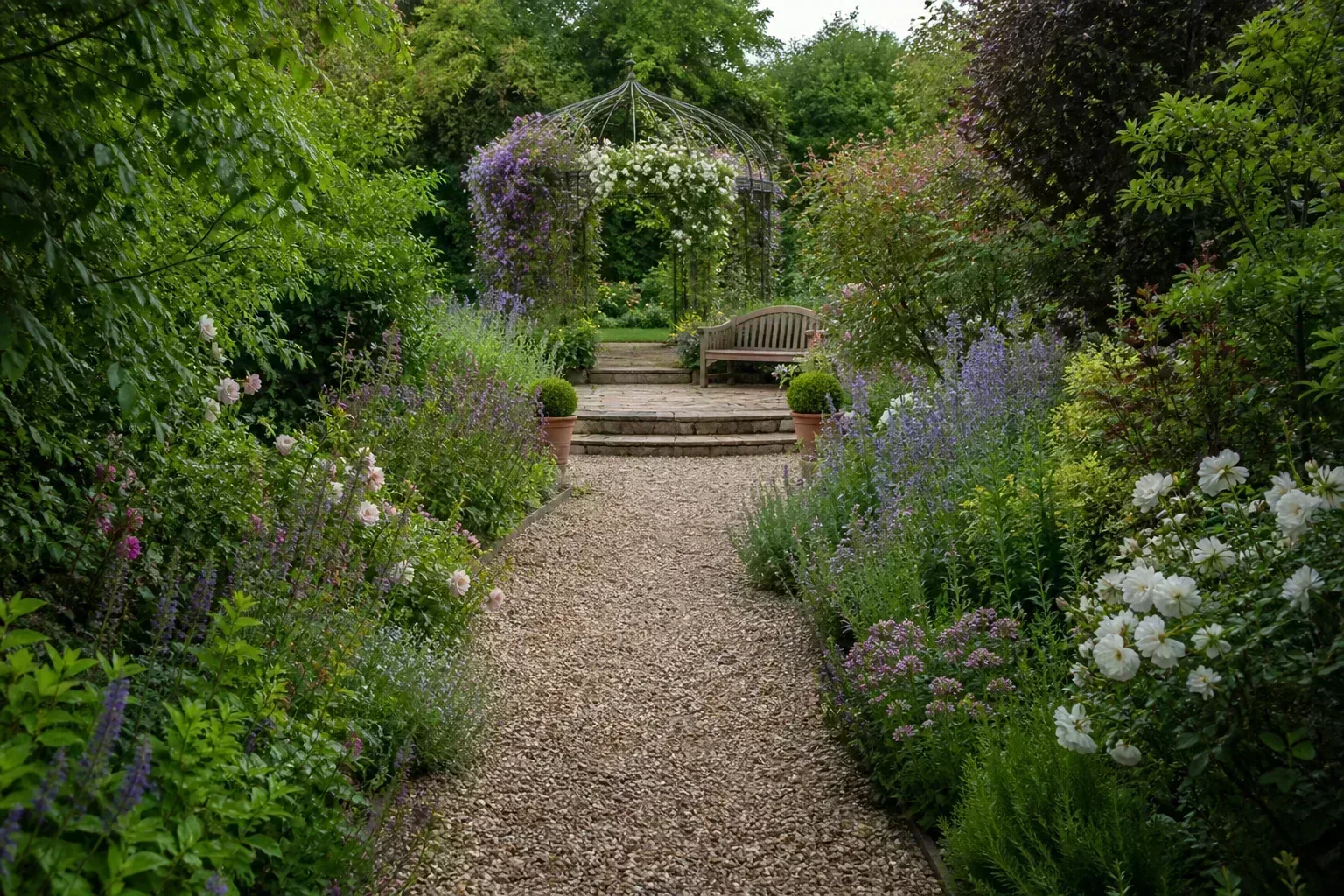
The Main Fountain Garden is Longwood’s baroque showpiece—a massive European-style formal garden with fountain and light shows in warmer months. du Pont’s fountain engineering is legendary; popular articles note thousands of pipes behind the walls feeding displays that feel effortless from the lawn. Arrive before showtime to stake a viewing spot on the terraces. The Italian Water Garden, separate but spiritually related, trades scale for intimacy: symmetrical pools, restrained planting, and the kind of controlled water music that makes you understand why Renaissance estates obsessed over hydraulics.
If formal water gardens inspire you, our English garden designs guide covers how European layout principles—axes, hedges, focal points—translate to American yards at a fraction of Longwood’s acreage.
Longwood Reimagined and the new West Conservatory
Recent visitors report that Longwood Reimagined—a major campus renewal—has added and refreshed significant indoor space, including a West Conservatory alongside updated Exhibition Hall experiences. Travel bloggers visiting in early 2025 noted the construction nearing completion and the new glasshouse rooms open with contemporary planting palettes. Even if you visited a decade ago, the campus may feel new.
Treat Reimagined as a reason to revisit, not a separate ticket. Flow from Main Conservatory galleries into the West Conservatory the same morning so you compare classic du Pont staging with modern interpretive design.
Bonsai, blue poppies, and other show-stopping collections
Longwood hides specialist collections behind generalist wonder. The bonsai program maintains nearly 200 trees and more than 500 artisanal planters, with training on specimens ranging from camellia and bay laurel to long-term projects started in the 2000s. Martha Stewart photographed copper wire guiding branches—a reminder that bonsai is horticulture plus sculpture, not a tabletop novelty.
In early March, seek the blue poppy (Meconopsis ‘Lingholm’). Longwood forces these Himalayan natives into bloom using techniques described in orchid-season press: cool rooting, precise timing, and climate control most home gardeners cannot mimic—but the sky-blue petals are worth building a trip around. Martha’s April visit also highlighted tower of jewels (Echium wildpretii), clivia ‘Longwood Debutante’, and silver-foliage vanda orchids—examples of how Longwood pairs species storytelling with color theory.
What Martha Stewart saw — and how to prioritize your own route
Martha’s 2025 route is a useful template for plant lovers with limited time. She spent meaningful minutes in the Main Conservatory studying hanging basket recipes, walked the orchid walls, visited the bonsai workshop, met display staff including associates in conservatory leadership and display design, and ate at 1906 rather than skipping meals. She did not treat the garden as a backdrop; she read labels.
Your optimized first-time loop (about 3–4 hours before lunch):
- Enter Main Conservatory → Exhibition Hall reflecting pool
- Orchid rooms and Silver Garden vandas
- Acacia Passage and specialty seasonal gallery
- Bonsai courtyard if open
- Lunch at 1906 or café
- Main Fountain Garden terraces → Italian Water Garden → one meadow walk if energy allows
Photographers should revisit Exhibition Hall late afternoon when light softens through glass. Parents with kids should budget 30 unstructured minutes in conservatory children’s nooks—fountains, short climbs, and hidden benches prevent meltdowns better than rushing orchid counts.
Dining at 1906 and the gift shop plant finds
1906, named for the year Pierre du Pont bought the property, serves seasonal menus built from local and sustainable ingredients to garden visitors. Martha Stewart dined with executive chef George Murkowicz and praised dishes from pull-apart brioche with honey butter to hazelnut profiterole and a lemon-lavender dessert plate. Reservations are wise on spring weekends. Even a pastry and coffee stop buys rest before outdoor walking.
The gift shop surprises people who expect tourist markup only. Martha and other visitors have noted reasonably priced plants—unique philodendrons and specialty houseplants that feel like curated finds, not afterthoughts. Set a budget anyway. Books, tools, and seeds are high quality, and “just browsing” rarely survives a room full of healthy specimens.
Garden lessons you can steal for home
Longwood is not a realistic template for a backyard, but the design principles travel:
- Scale repetition: One enormous hanging basket works because Longwood repeats the same genera at different heights. At home, repeat one easy plant (coleus, tradescantia, fern) in three pots instead of buying twelve unrelated singles.
- Hide the architecture: Creeping fig on columns is maintenance-heavy outdoors in cold climates, but indoor totems wrapped in small-leaf vines achieve a similar “structure disappears” effect.
- Water as mirror: A shallow tray beneath elevated pots mimics Exhibition Hall’s reflecting pool at tabletop scale—useful for Instagram, but also for humidity.
- Orchid grouping: Mass orchids by color and light requirement; keep tags.
- Living walls: Start with pocket planters on a fenced vertical surface before attempting conservatory-scale green walls.
- Seasonal forcing: You may not force blue poppies, but forcing bulbs indoors uses the same mindset—control temperature and light, accept that some plants are project plants.
If Longwood sends you home wanting better indoor humidity practice, pair a grouped orchid display with the discipline you would use for phalaenopsis care at home: bright indirect light, no ice cubes, and honest repotting schedules.
Half-day and full-day itineraries that actually work
Half-day (4–5 hours): Conservatory deep dive, 1906 lunch, Main Fountain Garden. Skip meadow loops unless you are a brisk walker.
Full day (7–9 hours): Arrive at opening → conservatory → bonsai → lunch → Italian Water Garden → Chimes district → gift shop → fountain show if seasonally available. Add evening illumination events in winter when offered.
Philadelphia day trip: Leave city by 8:30 a.m., arrive for 10 a.m. entry, lunch on campus, depart mid-afternoon to beat westbound traffic. Combine with Winterthur or Brandywine River Museum only if you accept a rushed second stop.
Rain plan: Conservatory (2–3 hours) → bonsai → café → orchid re-loop → short outdoor Italian Water Garden if drizzle lightens → greenhouse gift shop therapy.
Conclusion
Longwood Gardens stays in your memory because it attacks every sense at once: the cool humidity of the orchid room, the echo of fountains through formal hedges, the improbable blue of a poppy you were told could not bloom in Pennsylvania in March, and the humbling sight of a cape primrose hanging above your head like a chandelier. Martha Stewart’s visit mattered not because a celebrity walked the paths, but because she read the plants like a fellow grower and still called the experience magical.
You do not need her greenhouse budget to benefit. You need a plan: pick your season, start in the conservatory, eat before your legs give out, and let one outdoor district surprise you. Confirm tickets on the official site, pack good shoes, and give yourself permission to linger at a single bench surrounded by orchids. A year later, you will still be thinking about the scale of what is possible when someone treats a garden as art, science, and public joy at once.