10 Ornamental Grasses for Containers
Ornamental grasses in pots need the right soil mix, pot size, and winter plan. See 10 proven varieties and how to keep them healthy year after year.
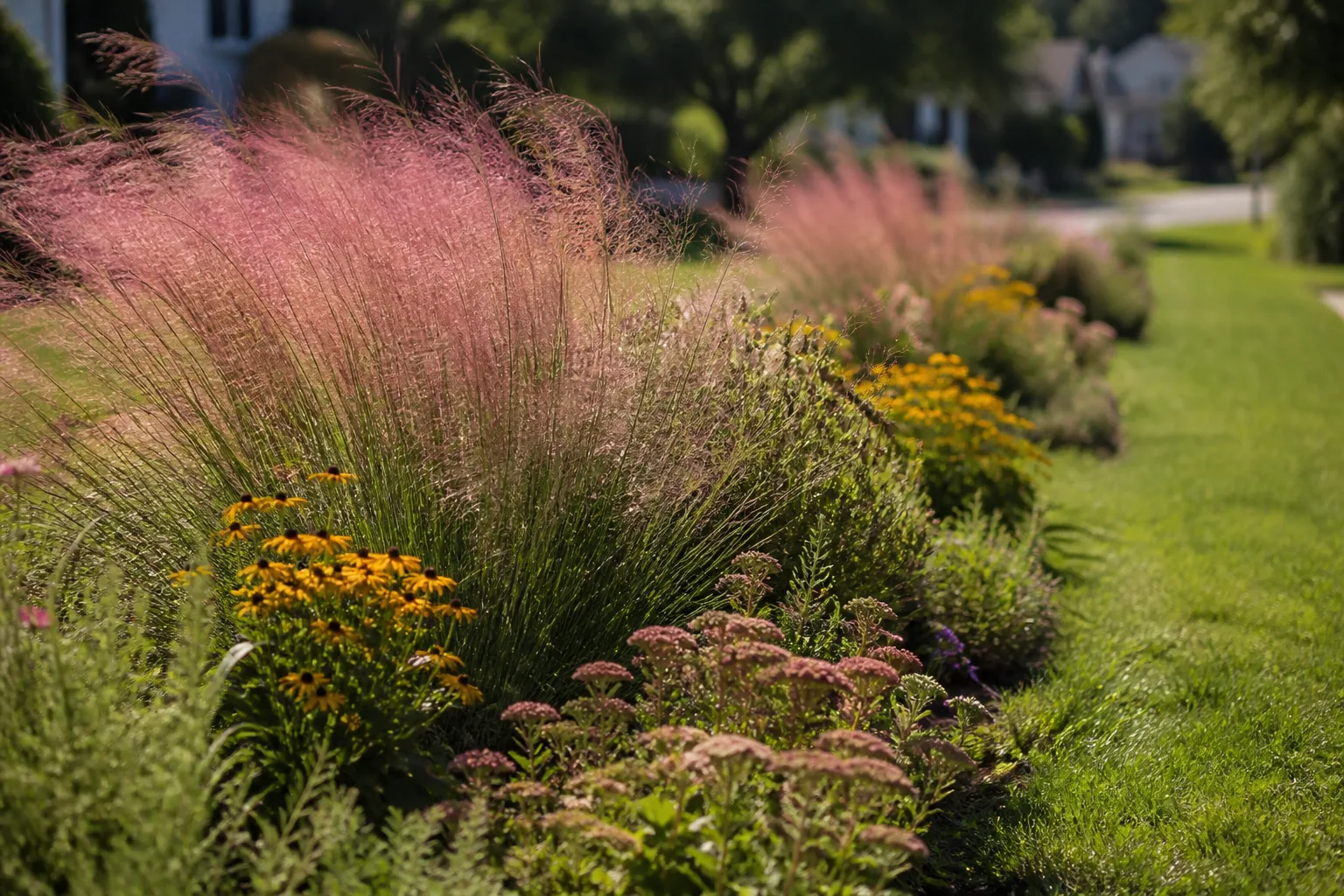
Ornamental grasses solve a problem that shows up in almost every mature garden: the plant you love is also the plant that spreads, flops, or needs more space than the bed allows. Growing ornamental grasses in containers lets you keep the movement, texture, and vertical drama without surrendering a border to a runner or discovering, three years later, that a single miscanthus clump has swallowed the walkway.
Pots also make division easier, let you reposition the display through the seasons, and turn a bare patio or deck into something that looks intentional rather than temporary. The trade-off is real, though. Container grasses are less cold-hardy than the same plant in the ground, dry out faster in summer, and can rot if they sit in wet soil all winter. This guide covers the setup rules that keep pots healthy, then walks through 10 ornamental grasses (and close grass-like partners) that earn their place on a patio, porch, or driveway planting.
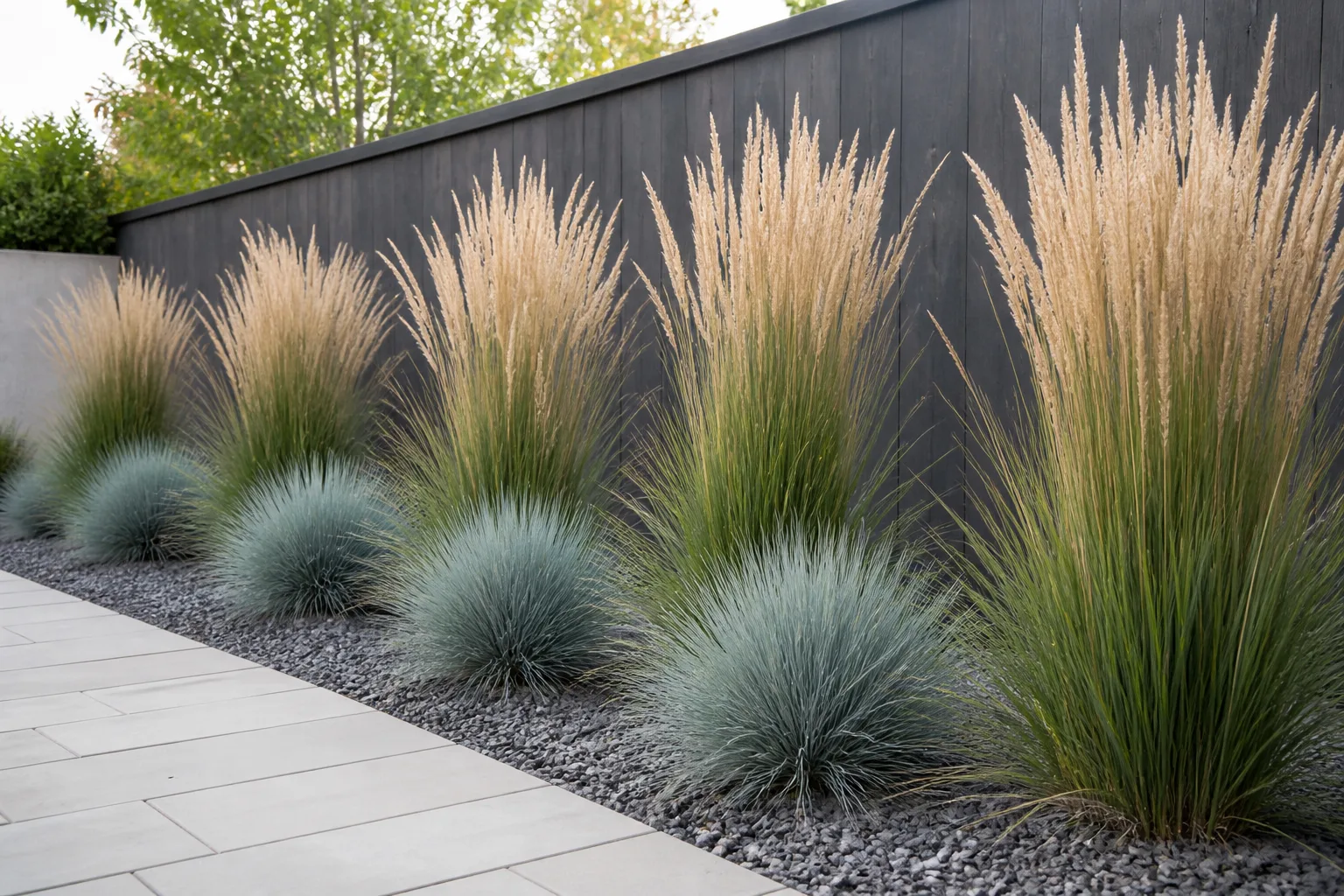
Why ornamental grasses belong in pots
In the ground, many ornamental grasses behave like landscape workhorses. In a pot, they become movable sculpture. A single tall feather reed grass can frame a doorway. A low sweep of golden Japanese forest grass can soften the edge of a shaded porch. Three matching pots of purple fountain grass can carry a summer color theme across a deck without any in-ground commitment.
Containers are especially useful when you want to contain vigor. Blue lyme grass and some miscanthus selections spread aggressively in open beds. Confined to a pot with a rim that blocks rhizome escape, you get the look without the cleanup. Pots are also the right tool when your soil is wrong for the grass you want: hakone grass wants moisture and shade your sunny clay bed cannot provide, but a shaded patio pot with the right mix can make it thrive.
Container hardiness is colder than you think
The most common container failure is not summer drought. It is winter root death. Soil in a pot freezes faster, thaws faster, and experiences wider temperature swings than soil in the ground. A grass rated hardy to USDA zone 5 in a border may behave like a zone 7 plant in an exposed pot on a patio.
Plan on roughly two USDA zones less hardiness in an unprotected container, though wind exposure, pot material, and whether the pot sits on pavement all shift that number. A fiberglass or thick glazed pot grouped against a south wall fares better than a thin plastic pot on an open deck. In zones where a grass is borderline, assume you will either overwinter the pot in a protected spot or treat the plant as a seasonal display and replant next year.
How to choose the right container and soil mix
Ornamental grasses are not typical container annuals. They build dense root systems, reach for depth, and resent the soggy, peat-heavy mixes sold for flowering baskets. Get the container and soil right first; the plant list below is much easier to keep alive when the foundation is solid.
Pot size and material matter in winter
Depth matters more than decorative width. Most clumping grasses want a pot at least 12 to 16 inches deep for the first few years. Tall selections such as Karl Foerster feather reed grass or large miscanthus cultivars often need 18- to 24-inch pots within two seasons if you do not divide. A pot that is too shallow produces top-heavy plants that blow over the first windy week.
Drainage holes are non-negotiable. If you fall in love with a cachepot without holes, double-pot with the grass in a nursery container elevated on pot feet inside the decorative shell. Penn State Extension stresses that poor drainage is a primary cause of container plant failure, and grasses are less forgiving of wet crowns than many flowering plants (Penn State Extension).
For winter survival, thick walls help. Terra cotta breathes and can crack in freeze-thaw cycles unless stored dry. Glazed ceramic, concrete, and wood boxes insulate better. Dark plastic pots heat up on south-facing patios, which speeds soil drying in summer and can warm roots during brief winter thaws, then refreeze hard at night.
The soil mix that keeps grasses upright
Skip straight bagged potting mix. It is too light for large grasses and often holds more moisture than their roots prefer. The Royal Horticultural Society recommends a peat-free loam-based compost such as John Innes No. 2 blended with peat-free multipurpose compost at about four parts loam to one part lighter mix for container grasses (RHS).
A practical homemade blend that works on most patios:
- 40% compost or quality topsoil for structure and slow nutrients
- 40% peat-free multipurpose or coir-based mix to lighten the blend
- 20% coarse material — horticultural grit, perlite, or fine gravel — for drainage
Moisture-loving types such as hakone grass and sweet flag can tolerate slightly richer, less gritty mixes, but still need drainage. Do not change the fundamental soil chemistry to “fix” a grass that wants dry conditions; choose a different plant instead.
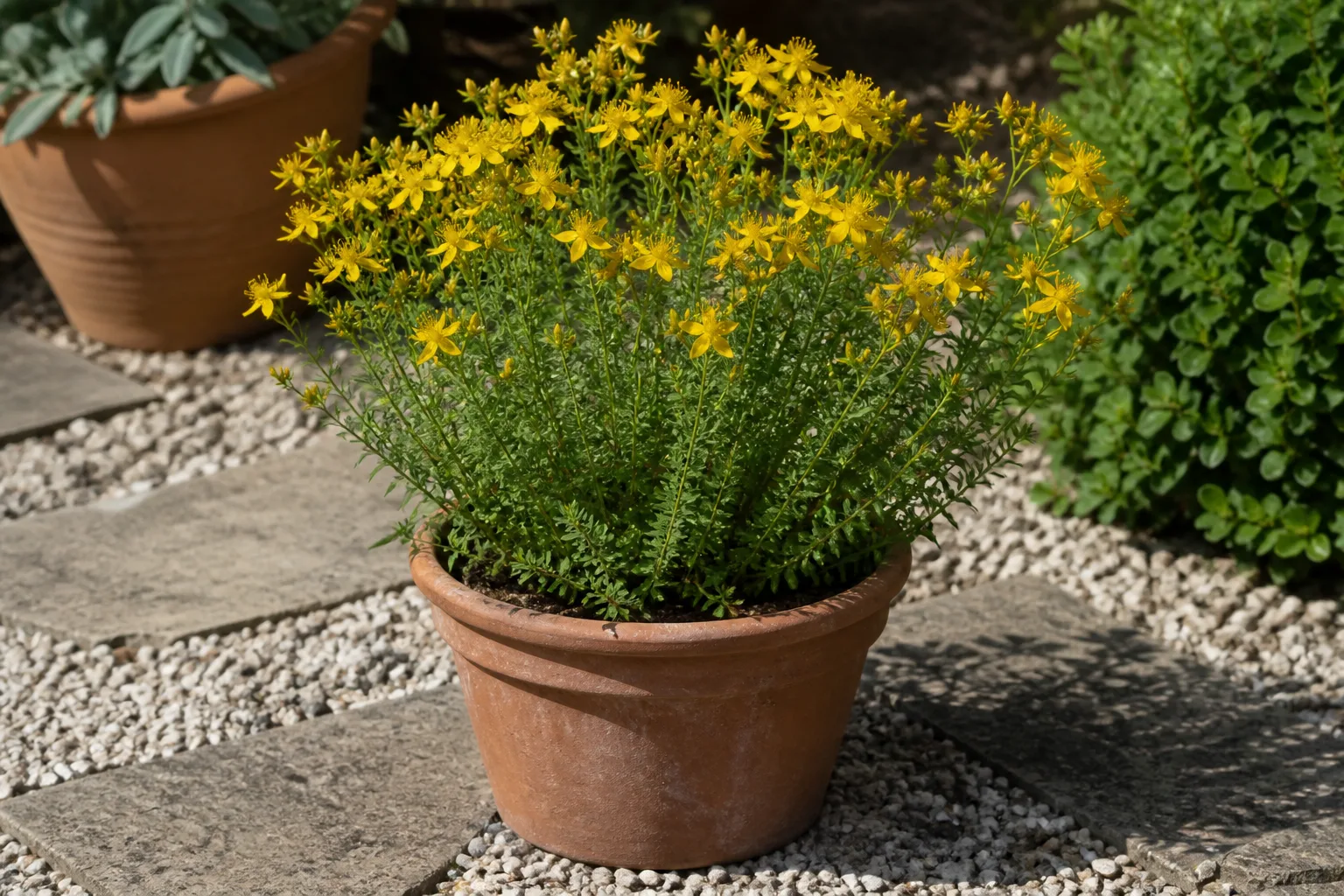
Year-round care in containers
Container grasses follow the same seasonal rhythm as border grasses, with more frequent watering and lighter feeding. The goal is steady growth without the lush, floppy foliage that heavy nitrogen causes.
Watering, feeding, and when to cut back
Watering: New plantings need consistent moisture through their first growing season. After establishment, most grasses in pots still need a deep soak two to three times per week in hot summer weather, not a daily sprinkle that wets only the top inch. Check weight: a light pot means water; a heavy pot means wait. Grasses that prefer dry soil — blue oat grass, bamboo muhly — tolerate more drought but still need attention in the first year.
Feeding: Grasses in lean soil rarely need heavy fertilizer. In containers, a dilute balanced liquid feed once a month from late spring through midsummer is enough. Avoid high-nitrogen lawn fertilizers, which push soft foliage at the expense of flowers and encourage blow-over in tall species. The RHS notes that generous feeding in the ground often reduces flowering; the same rule applies in pots (RHS).
Cutback: Deciduous grasses look good through winter, then get messy in late winter. Cut them to 4 to 6 inches above the crown in late winter or early spring before new shoots emerge. Evergreen sedges and sweet flag are different: comb out dead leaves and trim damaged tips rather than shearing to the ground unless the clump is truly spent.
Dividing before the pot splits
Ornamental grasses are low maintenance until they are not. A mature clump outgrows its pot silently until you see roots at the drainage holes, water runs straight through, or the pot cracks. Divide warm-season grasses in late spring as growth starts. Divide cool-season grasses in early spring or early fall.
To divide, knock the plant out, saw or split the root ball with a sharp spade, keep the vigorous outer sections, and replant one piece in fresh mix. This is not optional maintenance on a long timeline. Left alone, a large miscanthus or feather reed grass can split a ceramic pot from the inside.
10 ornamental grasses that thrive in containers
The plants below are grouped by the job they do in a container, not by botanical family. Several are sedges or grass-like perennials, included because they solve the same design problems on a patio. Match sun, moisture, and hardiness before you match leaf color.
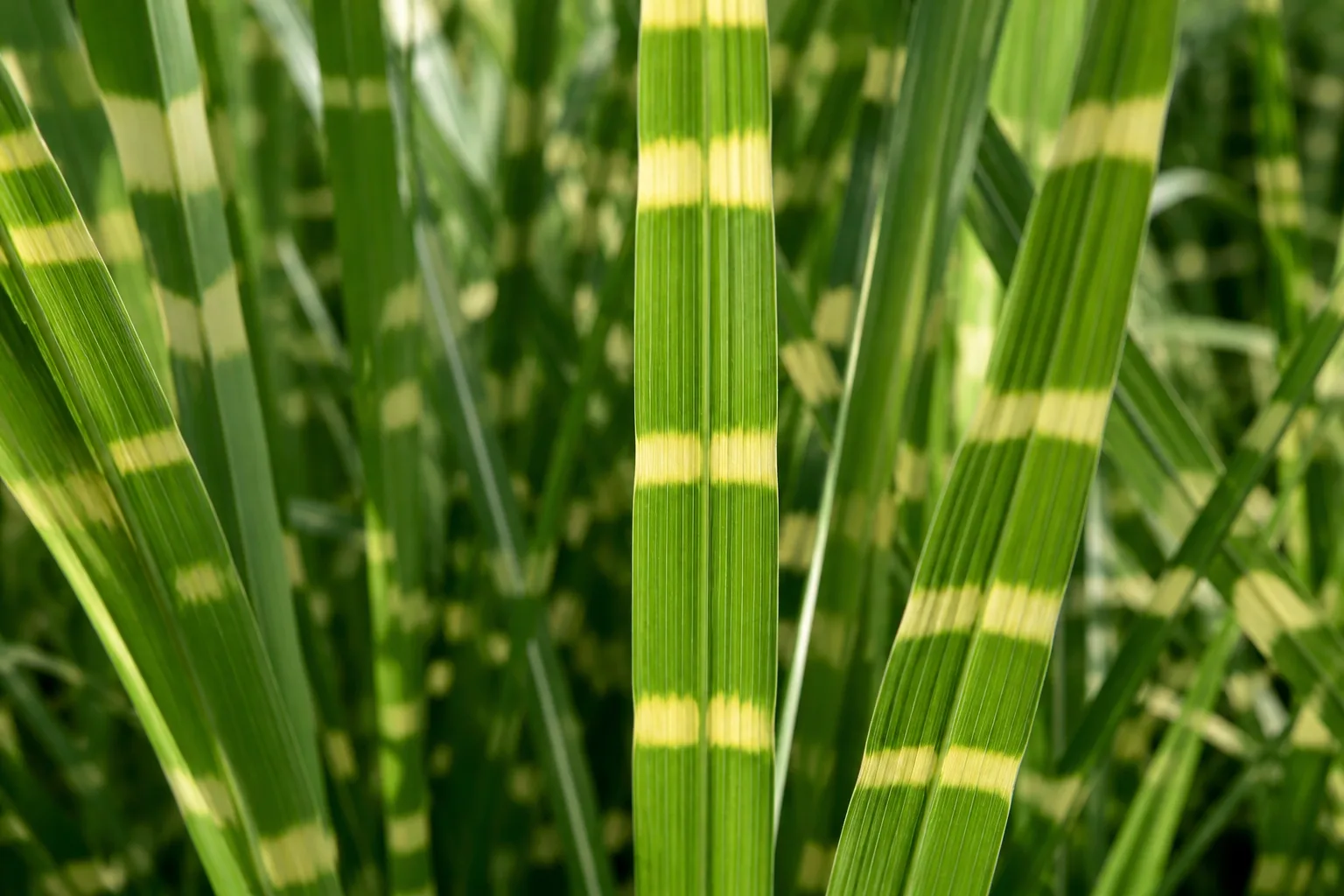
Blue Lyme Grass (Leymus arenarius)
Blue lyme grass is the plant you grow in a pot so it never reaches your garden soil. In the ground it spreads aggressively by rhizomes, especially in sandy sites. In a container, you get steel-blue, sword-shaped leaves and airy flower heads that attract pollinators, without the endless digging.
Expect 2 to 3 feet of foliage height in a pot, with flower stems slightly taller. It tolerates drought once established and resists deer and rabbit browsing. Missouri Botanical Garden lists hardiness at USDA zones 4 to 9 in the ground (Missouri Botanical Garden). In a pot above zone 6, plan on winter protection or renewal every few years.
Container fit: Full sun to light shade. Use a 14-inch-deep pot minimum. Keep seedheads off the plant if you garden near open sand or dunes where seedlings could escape.
Blue Oat Grass (Helictotrichon sempervirens)
If you want a cool blue-gray mound that looks crisp all season, blue oat grass is the cleanest choice. Thin spiky leaves form a dense clump about 2 feet tall and wide, with oat-like flower stems rising slightly above in late spring. It brings sound and texture to a patio without the invasive baggage of blue lyme grass.
This is a full-sun, well-drained plant. It sulks in heavy, wet mix. Pair it with gravel mulch on the soil surface if your climate is rainy. Hardy in zones 4 to 8 in the ground; protect pots in zone 6 and colder.
Container fit: Excellent thriller in a mixed container with drought-tolerant perennials. Avoid pairing with thirsty annuals that need daily watering.
Purple Fountain Grass (Pennisetum setaceum ‘Rubrum’)
Purple fountain grass is the drama plant on this list. Burgundy foliage and arching plumes to 4 or 5 feet fill a large pot fast. In zones 9 to 11 it can survive outdoors year-round. Everywhere else, treat it as a warm-season annual or overwinter the pot in a cool bright room.
It wants full sun and evenly moist, well-drained soil during the growing season. Because it grows quickly, either use a large pot from day one or plan to upgrade midseason. Related fountain grasses such as Pennisetum orientale offer softer plumes in mild climates.
Container fit: Ideal centerpiece for summer decks. Do not expect winter survival on an exposed zone 7 patio without protection.
Japanese Forest Grass (Hakonechloa macra ‘Aureola’)
Everyone wants hakone grass once they see the cascading golden stripes turning copper in fall. It is a shade-loving grass that struggles in dry root competition under trees but shines in a moist, shaded container on a porch or north-facing patio.
‘Aureola’ stays 12 to 18 inches tall with a graceful arching habit. It needs consistent moisture and protection from hot afternoon sun in warm climates. Hardy in zones 5 to 9 in the ground; pots in zone 7 and colder need insulation or a sheltered spot.
Container fit: Best in a wide, shallow bowl-style pot where the foliage can spill over the edge. Pair with ferns or hostas in a shade combo.
Bamboo Muhly (Muhlenbergia dumosa)
Bamboo muhly brings fine, bamboo-like foliage and a soft green cloud to hot patios. Native to the Southwest, it tolerates heat and occasional neglect better than many temperate grasses. Expect 3 to 5 feet in a large container in full sun.
Hardy in zones 8 to 11; northern gardeners grow it as an annual or move pots indoors before frost. It prefers dry to medium moisture and sharp drainage.
Container fit: Strong choice for desert and Mediterranean-style container gardens. Not the plant for a shady, damp porch.
Karl Foerster Feather Reed Grass (Calamagrostis x acutiflora)
Karl Foerster is the upright, narrow screen grass for containers. Vertical flower plumes appear in early summer and stay structured through winter, making it useful flanking an entryway or hiding a utility box on a rental patio.
It reaches about 4 to 5 feet in a generous pot, tolerates clay-heavy mixes better than many grasses, and accepts moist soil. In the ground it is hardy to zone 4; Colorado State University Extension notes that tall switchgrass relatives can topple when used as screens, whereas feather reed grass stays more columnar (CSU Extension). In pots, stake or upsize the container if plumes lean in wind.
Container fit: Use an 18- to 24-inch-deep pot for long-term planting. One of the better hardy grasses for wintered containers in zone 6 and up when grouped against a wall.
Leatherleaf Sedge (Carex buchananii)
Sedges are not true grasses, but they belong on this list because they solve problems grasses cannot. Leatherleaf sedge offers bronze-brown, wire-thin leaves that catch light and breeze. At 1 to 2 feet tall, it is a filler or edge plant that looks metallic in sun.
It prefers rich, moist, well-drained soil and tolerates full sun to part shade. Hardy in zones 6 to 9; protect pots near zone 6. Unlike deciduous grasses, trim lightly rather than cutting to the ground.
Container fit: Stunning in glazed pots where the foliage contrasts with cool ceramic colors. Keep evenly moist; bronze tips often mean drought stress.
Japanese Silver Grass ‘Morning Light’ (Miscanthus sinensis)
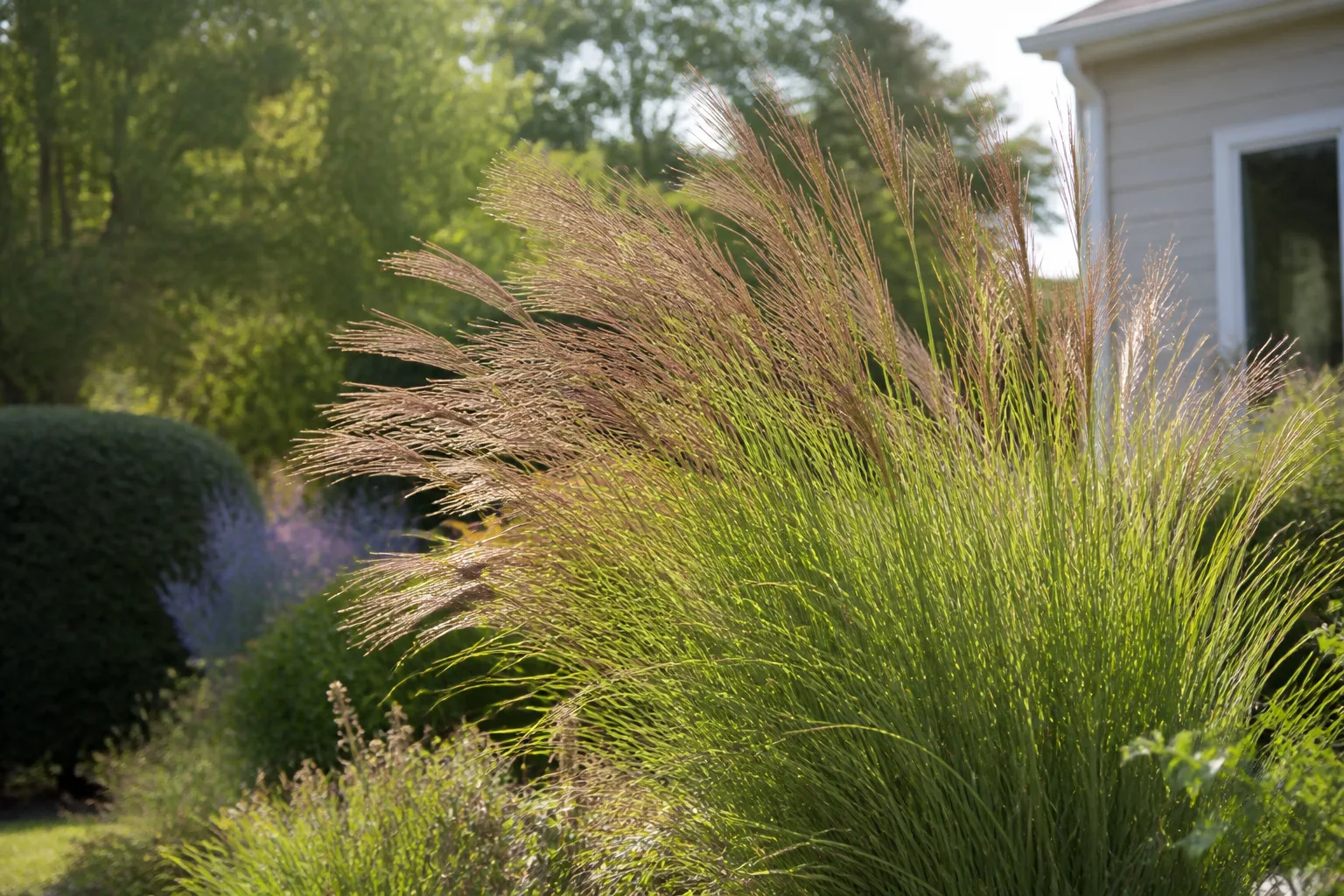
‘Morning Light’ is the variegated miscanthus with thin green leaves edged in white, airy plumes, and a softening effect in tight spaces. In a pot it gives height — often 4 to 6 feet with plumes — without letting the clump roam.
Before you buy, check regional invasive guidance. Miscanthus sinensis self-seeds and spreads in parts of the eastern United States. Growing it in a container reduces but does not eliminate risk if seedheads are left on the plant above open ground. In restricted areas, choose a sterile cultivar or a native substitute such as switchgrass.
Container fit: Full sun and medium moisture. Divide every two to three years to prevent pot failure. Cut back in late winter.
Japanese Sweet Flag (Acorus gramineus ‘Ogon’)
Sweet flag is another grass impostor: grass-like gold foliage with a pleasant scent when leaves are bruised, but botanically closer to iris than to true grasses. At 6 to 12 inches, it is the low accent for table-height pots and water-garden edges.
It wants steady moisture and tolerates full sun only where summers are mild; part shade is safer in hot climates. Listed hardy in zones 6 to 9 for A. gramineus; pots need protection at the cold end.
Container fit: Excellent in self-watering or reservoir pots where soil stays evenly damp. Pair with creeping jenny or coral bells in part shade.
New Zealand Flax (Phormium tenax)
New Zealand flax is the structural spiker for modern container schemes. Sword-like leaves in green, bronze, or striped cultivars range from 1 to 6 feet or more, depending on variety. It is wind-tolerant, deer-resistant, and indifferent to poor soil once established.
Hardy in zones 9 to 11; colder climates treat it as a conservatory plant or annual focal point. Choose named cultivars for predictable size — the species can overwhelm a small balcony.
Container fit: Full sun to part shade. Use weighty pots; mature flax catches wind like a sail. Excellent alongside sedums and trailing rosemary in dry-summer climates.
Winter protection strategies for potted grasses
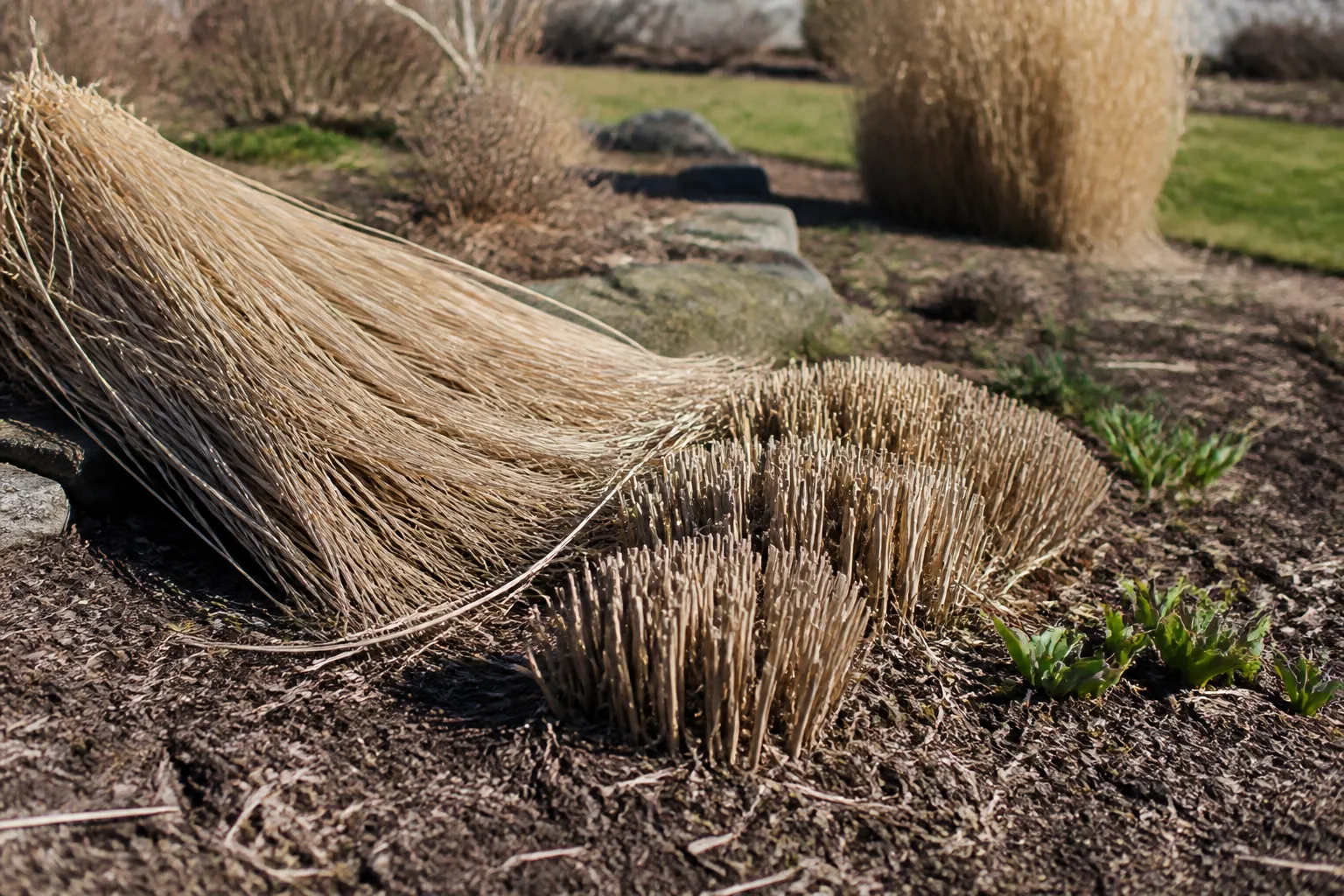
When frost arrives, you have four realistic paths. Move pots to an unheated garage, shed, or against a south-facing wall after the soil goes dormant. Cluster pots together and wrap the group in burlap or bubble wrap, with mulch over the soil surface but not packed against the crown. Lay pots on their side in a trench and cover with leaves in zone-push experiments — only for grasses you are willing to lose. Treat the plant as an annual and compost it, which is often the right call for purple fountain grass and bamboo muhly north of zone 8.
Never let a dormant grass sit in a saucer of ice water all winter. Elevate pots on feet and tilt slightly if your patio puddles. Come late winter, cut back deciduous types before new growth starts so you do not shear fresh shoots.
Conclusion
Ornamental grasses in containers reward gardeners who respect two facts: pots are harsher than borders, and not every grass belongs in every pot. Match the plant to sun and moisture first, size the container for year-three growth, and mix a soil blend with real weight and drainage instead of basket-grade potting soil.
From the contained spread of blue lyme grass to the shade cascade of hakone grass and the vertical screen of Karl Foerster, the ten plants above cover the main roles grasses play on a patio. Pick one grass for a single bold pot, or build a trio with different heights and leaf colors. Divide on schedule, protect roots in winter, and you get years of movement and texture without giving up a single square foot of garden bed.



