13 Best Plants for Strawberry Pots (Besides Strawberries)
Choose plants for strawberry pots by sun, moisture, and growth habit, then learn how to fill, plant, and water every pocket evenly.
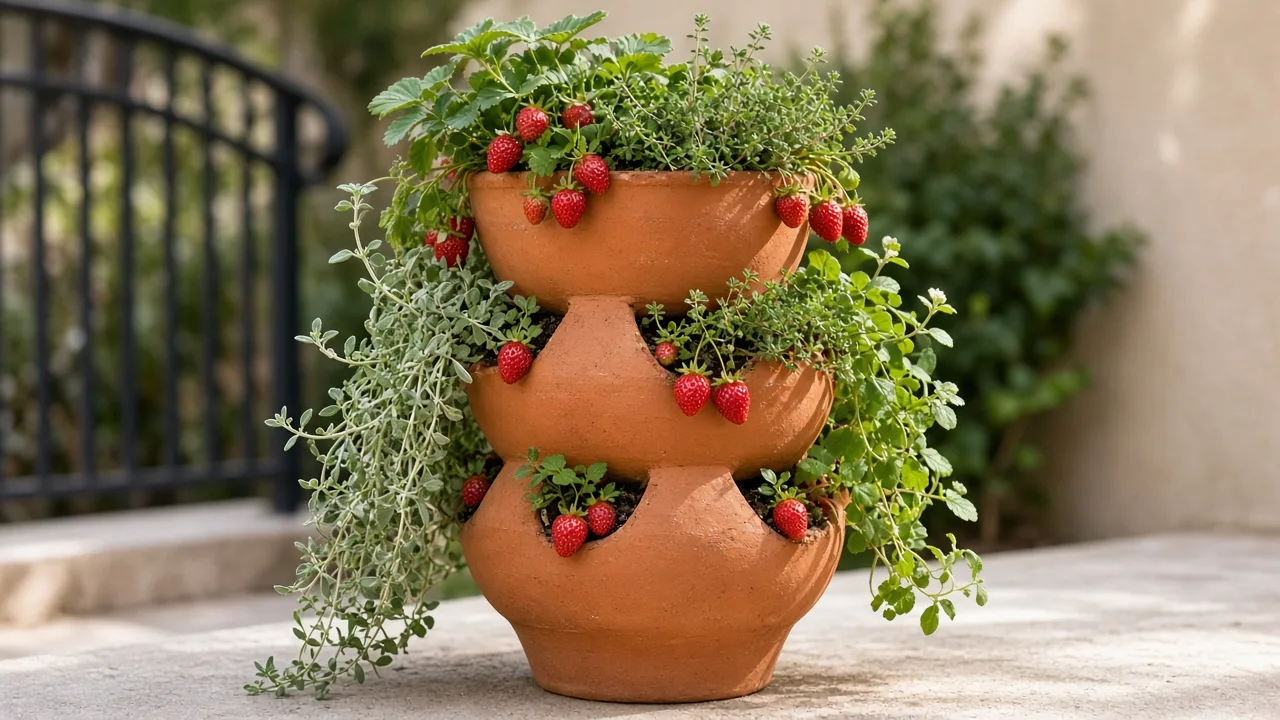
A strawberry pot is a tall container with a large opening at the top and smaller planting pockets around its sides. Those pockets turn one footprint into several growing spaces, but they also create a practical constraint: the plants near the top usually dry first, while lower pockets receive runoff and less direct sun.
The best plants for strawberry pots are therefore not simply the prettiest list of spillers. They share a compatible light and watering routine, stay reasonably compact, and tolerate the limited root volume in each pocket. Use the choices below as a menu, then build one pot around a single care style—sunny and dry, sunny and productive, or bright and consistently moist.
Choose plants by light, moisture, and growth habit
Start with the site. A pot on an exposed south- or west-facing patio can become hot and dry, while one under an eave may receive less rain than you expect. Terracotta is porous, so it loses moisture through the container wall; RHS container guidance likewise emphasizes choosing suitable plants, preparing the growing medium, providing drainage, and monitoring plant health rather than watering by a universal schedule. See the RHS container-gardening guide and its strawberry-growing guidance for the broader container principles.
For a simple match, group plants this way:
| Pot condition | Good choices | Watch for |
|---|---|---|
| Full sun, fast drainage | thyme, oregano, sedum, sempervivum, aeonium | shade-loving flowers and thirsty herbs will struggle |
| Sun to part shade, regular moisture | petunia, lobelia, sweet alyssum, begonia | small pockets can dry rapidly in hot wind |
| Edible, sunny arrangement | micro-dwarf tomato, oregano, thyme, sage | large tomatoes and aggressive mint can dominate |
| Bright shade or morning sun | ivy, begonias, mint, some lobelia | succulents may stretch or rot in damp shade |
Trailing ivy for a leafy spill
English ivy and Swedish ivy give a strawberry pot the cascading silhouette people usually want from its side openings. Swedish ivy is generally easier to manage as a seasonal container accent; English ivy can become vigorous and should not be planted where it can escape into nearby trees or natural areas. Choose a compact plant, pinch long stems, and keep the pot where you can monitor it.
Ivy prefers evenly moist but not waterlogged mix while it is actively growing. It is a better partner for begonias or lobelia than for desert succulents. If the lowest pocket stays wet after the upper pockets have dried, move the pot into brighter airflow and reduce the amount of water applied to the whole container.
Mint for a dedicated herb pocket
Mint is forgiving, fragrant, and productive in a container, which makes it tempting for a beginner. Its drawback is vigor: stems can root where they touch moist mix, and roots can fill a small pocket quickly. Give mint one pot pocket—or, better, use a small nursery pot inside the top opening—and harvest often to keep it compact.
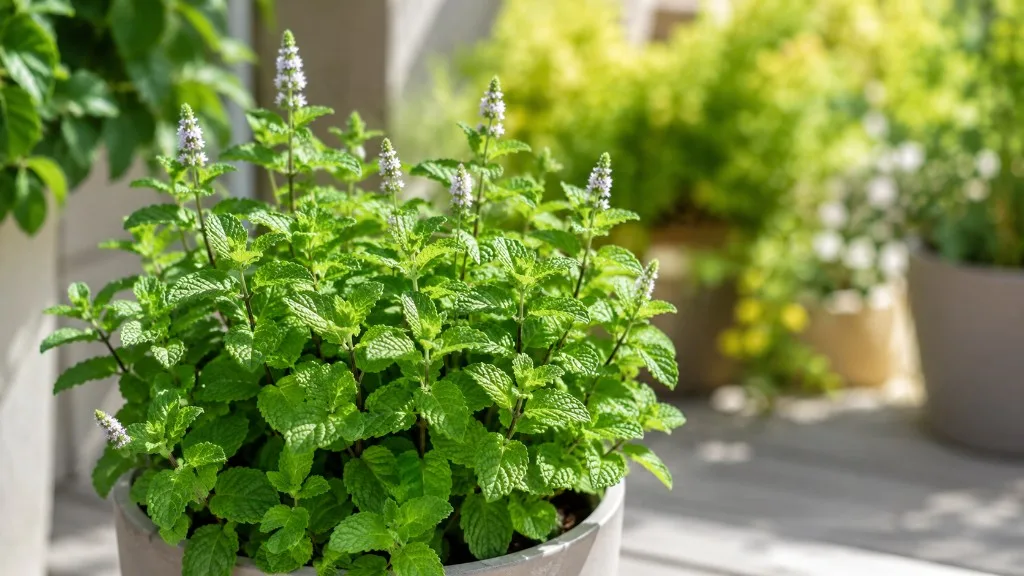
Do not pair mint with thyme, sage, or succulents just because all are edible or attractive. Mint likes more consistent moisture than Mediterranean herbs. A mint-only strawberry pot can work if you are willing to check the upper pockets frequently and trim before stems shade the plants below.
Aeonium for a sunny succulent display
Aeoniums form architectural rosettes that look excellent in a tiered container. They need strong light and a sharply draining mix, but they are not identical to every drought-adapted succulent: many aeoniums grow most actively in cooler seasons and may slow during intense summer heat.
Use a potting mix made for succulents, keep the drainage hole open, and let the mix dry substantially between waterings. The small pockets are useful only if the container can shed excess water quickly. In humid climates or prolonged rain, place the pot under cover while keeping it bright.
Micro-dwarf tomatoes for edible color
A true micro-dwarf tomato can produce a compact plant with colorful fruit in a container. Look for named micro-dwarf or patio types rather than a standard indeterminate tomato; the latter needs more root room, support, and sustained water than a side pocket can provide.
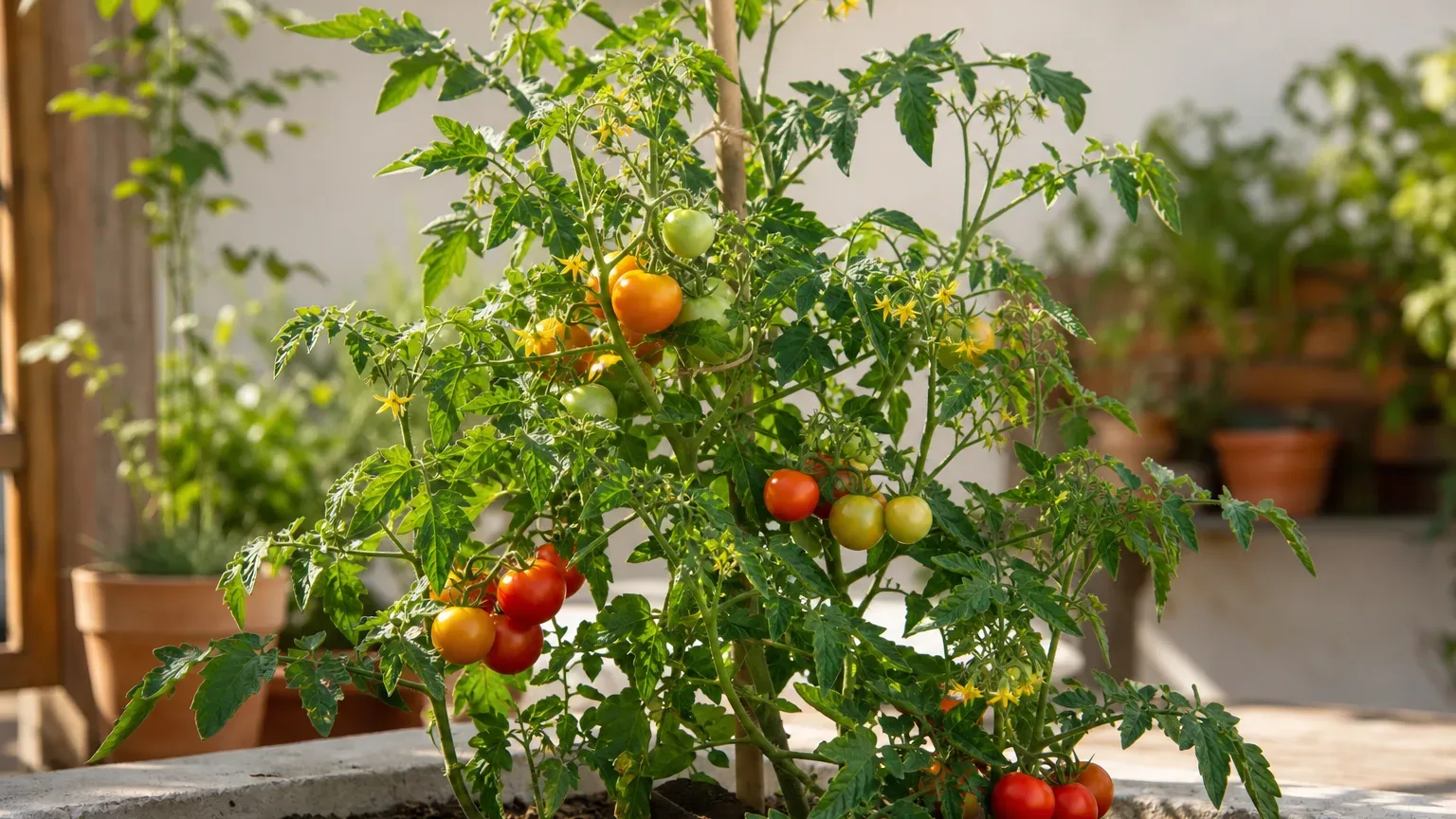
Put the tomato in the top opening or the roomiest pocket, where it gets the most sun and air movement. Use a stake if the plant leans under fruit. Tomatoes are heavy feeders and can dry quickly, so an all-tomato arrangement is easier to manage than mixing one tomato with drought-loving succulents. Water the root zone deeply when the surface is dry, and expect to feed according to the label of a fertilizer intended for container vegetables.
Trailing petunias for a long-flowering cascade
Trailing petunias are among the most visually reliable choices for the side pockets. Modern spreading types cover the pot quickly, while smaller varieties are easier to keep in proportion. They prefer sun, regular moisture, and good drainage; “regular” does not mean constantly wet.
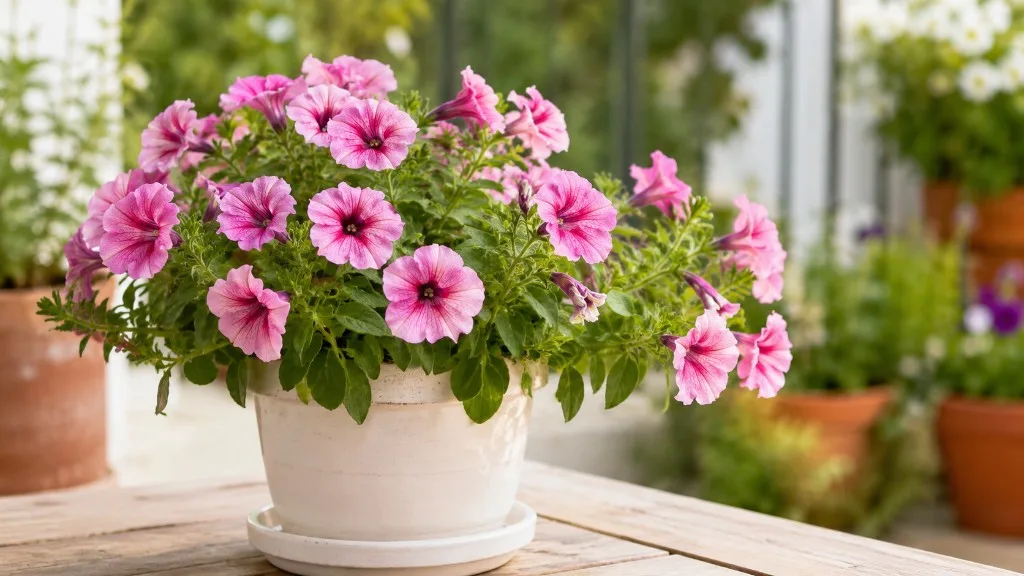
Plant petunias where their stems can fall freely instead of resting on a walkway. Remove spent flowers or trim a leggy stem when the plant gets sparse. A petunia-only pot, or a mix with sweet alyssum, is more predictable than combining petunias with plants that demand a gritty, dry mix.
Oregano for a Mediterranean herb mix
Oregano handles sun and drainage well and can spill gently over a pocket edge. It is a stronger candidate for a dry-side herb collection with thyme and sage than for a mixed pot containing mint or moisture-loving flowers.
Let the top portion of the mix dry between thorough waterings, then harvest sprigs regularly. Oregano becomes woody and unruly if left untouched, so trim just above a leaf pair. The small root zone also means the plant may need more frequent checks than oregano planted in an open garden bed.
Begonias for bright shade
Begonias are useful when the strawberry pot sits in bright shade or receives gentle morning sun. Their fleshy stems and leaves dislike a constantly saturated root zone, but they generally need more dependable moisture than sedums and sempervivums.
Choose a compact bedding or rhizomatous type suited to your climate, and do not assume every begonia has the same light tolerance. Begonias can soften the hard outline of terracotta with foliage as well as flowers. Pair them with ivy or lobelia if the site stays evenly moist, and avoid the same pocket as a full-sun herb if you cannot move the pot seasonally.
Thyme for a compact, fragrant edge
Thyme is one of the best small herbs for the side openings because it stays relatively low and tolerates fast drainage. Creeping or lemon thyme can trail over the rim, while common thyme gives a more upright accent.
Give thyme the sunniest side of the arrangement and use a loose mix that does not stay wet. It is a good visual bridge between a productive top pocket and a dry succulent section, although it still needs more regular watering while newly planted. Harvest lightly at first; let the plant establish before cutting it back hard.
Cascading sedums for heat and texture
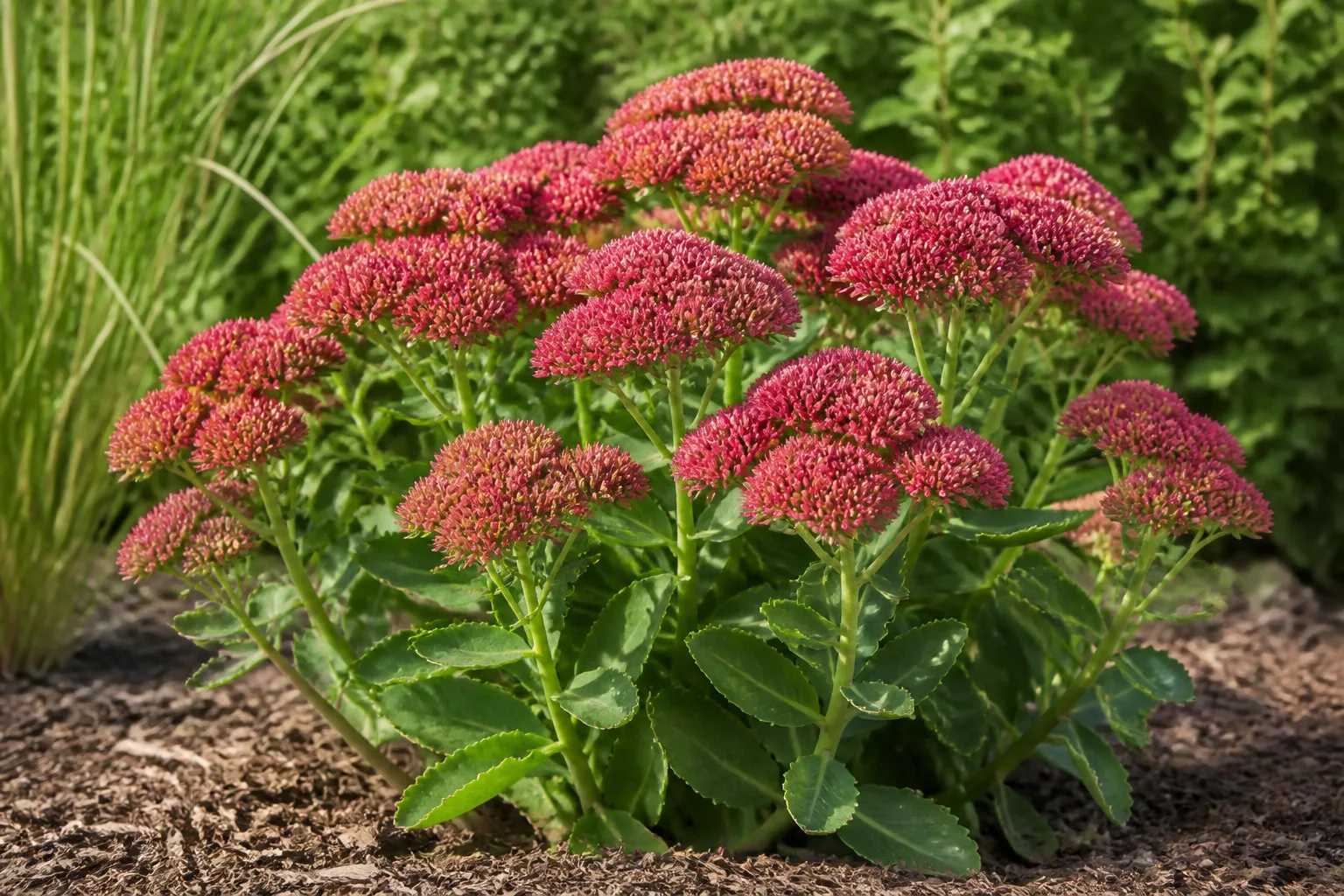
Sedums offer texture, small flowers, and a natural trailing habit. “Sedum” covers many species with different growth patterns, so select a low-growing, container-suitable type rather than assuming a tall border sedum will fit a pocket.
Sedum is a poor choice for a pot that is watered every day for petunias. Put it in a dedicated dry arrangement with thyme, sempervivum, or aeonium, and use enough gritty material to keep roots from sitting in water. Light levels matter as much as drainage: insufficient sun produces stretched stems and a less stable plant.
Trailing blue lobelia for cool-season color
Trailing lobelia creates a fine, blue-violet curtain from the side pockets. It is especially useful for a cottage-style display where a coarse-leaved plant would look too heavy. Lobelia prefers a bright position and consistent moisture, but stagnant, waterlogged mix is still a problem.
In hot climates, afternoon shade can extend flowering. Treat lobelia as a seasonal accent if summer heat causes it to fade, and replace it rather than keeping a struggling plant that blocks airflow. It pairs naturally with sweet alyssum, begonias, or petunias that share a similar watering rhythm.
Sweet alyssum for fragrance and filler
Sweet alyssum has small flowers, a low mound, and a honey-like fragrance that helps fill gaps without overwhelming neighboring plants. It is a good choice for the lower or middle pockets, where a soft edge can balance a taller centerpiece.
Keep the mix lightly and consistently moist while it is flowering, especially in a porous pot. Shear the plant lightly when it becomes straggly; this often produces a neater second flush in suitable weather. Alyssum can share a pot with lobelia or petunias, but not with plants that need the mix to dry completely.
Sage for bold foliage
Sage contributes gray-green leaves, scent, and a sturdy form that contrasts with fine thyme or trailing flowers. It wants sun and drainage, and it becomes less attractive when crowded or kept too wet.
Use a compact culinary sage for a container rather than a large ornamental cultivar. Place it near the top or on a sunny side pocket, prune lightly after flowering, and avoid planting it beside mint. If your arrangement is watered for flowers, sage may be the first plant to show soft growth or root trouble.
Sempervivums for a hardy succulent pocket
Sempervivums, sometimes called hens and chicks, stay close to the surface and naturally form offsets. Their rosettes suit the small openings of a strawberry pot, especially when the container is exposed to bright sun and rain can drain freely.
Fill pockets with a gritty, porous mix and plant the rosette at the same depth it was growing before. Keep water out of the center of the rosette when possible and remove dead offsets so air can move through the cluster. Sempervivums are a better long-term choice for a dry pot than a fast-growing annual flower that needs daily irrigation.
Prepare the pot before choosing a planting pattern
Inspect every drainage opening before adding mix. A pot with blocked holes cannot be rescued by adding stones to the bottom; the reliable fix is to clear the opening or choose another container. Set the pot on feet or a stable saucer where runoff will not stain a surface or pool against the base.
Use a quality container mix rather than garden soil, which can compact in a small vessel. A practical starting mix for foliage and flowering plants is a commercial potting mix amended only as its label allows. For succulents, use a cactus-and-succulent mix or a potting mix with additional mineral material, but keep enough organic matter for roots to anchor.
Before planting, make a quick map: put the tallest or most demanding plant in the top opening, reserve the driest pockets for thyme and succulents, and place spillers where they will not shade a plant that needs sun. If you want an edible pot, keep culinary herbs and vegetables together so fertilizer and harvest timing are straightforward.
For practical strawberry-pot layouts, Empress of Dirt’s container ideas are useful for seeing how flowers, herbs, and trailing plants occupy the different levels; adapt any visual combination to the plants’ actual water needs.
Plant from the bottom up and water deeply
Fill the bottom of the pot first, then work upward. Add enough mix to bring each side pocket to the correct planting height, gently settle the root ball through the opening, and continue adding mix until the next pocket is ready. Do not force a large root ball through a small hole; choose a smaller transplant or use cuttings.
After planting, water slowly from the top until water exits the base, then water each side pocket directly. This first soak settles air gaps. In the following weeks, check the mix at several levels with a finger or wooden label and lift the pot when possible; the upper pocket may need water while the bottom remains damp.
Avoid a rigid “every two days” rule. Wind, pot material, plant size, season, and rainfall can change the schedule dramatically. A watering can with a narrow spout makes it easier to target each pocket, and a mulch layer kept away from stems can slow evaporation in a flower or herb pot.
Maintain the pot through heat, rain, and winter
In hot weather, inspect terracotta daily. If flowers wilt only at midday but recover by evening, check the root zone before adding more water. If the mix is dry several inches down and the pot feels light, soak thoroughly; if it is wet and the plant is limp, improve drainage and airflow instead.
Fertilize more cautiously than you would in a garden bed because salts can accumulate in a small volume of mix. Use a product suited to the plant group and follow its label. Flush the container occasionally with plain water if the pot drains freely, but do not use this as a substitute for correcting overfeeding or poor drainage.
Terracotta can crack in freezing weather when saturated. Move the pot under cover before a hard freeze if your plants are not winter-hardy, and remember that a container’s roots experience colder conditions than roots in the ground. Seasonal annuals such as petunias, lobelia, and alyssum may simply be replanted, while succulents need a dry, protected winter position in cold climates.
Avoid these combinations and common mistakes
The most common mistake is combining plants by appearance instead of care. Petunias, lobelia, and mint may look good together, but a pot watered for mint can be too wet for sage; a pot kept dry for sempervivums can quickly collapse a petunia.
Other avoidable problems include:
- planting a full-size tomato in a narrow side pocket;
- putting English ivy where it can escape into trees or wild habitat;
- using garden soil that compacts around small roots;
- blocking the central or base drainage openings;
- crowding every pocket on day one, leaving no room for growth;
- placing a heavy, top-loaded pot where wind can tip it;
- letting trailing stems cover lower pockets before checking for pests or rot.
If a mixed arrangement keeps failing, do not immediately replace every plant. Separate the pot by care style: move succulents into a dry container, give mint its own vessel, and group moisture-loving annuals together. The container is telling you which plants disagree.
Conclusion: match the pot to one care style
For a sunny, low-water strawberry pot, choose thyme, oregano, sage, sedum, sempervivum, or aeonium. For a brighter, more consistently watered flower pot, combine petunias, lobelia, sweet alyssum, begonias, and a manageable ivy. For food, give a micro-dwarf tomato the top opening and keep mint separate from the Mediterranean herbs.
The best result comes from treating the strawberry pot as several small root zones connected by one container—not as a single bed where every plant receives the same conditions. Start with an open drainage hole, a suitable mix, and a site you can reach easily. Then choose fewer plants than the pot can technically hold, because room for airflow and roots is what keeps the display attractive after the first flush of growth.