26 Best Plants for a Windowsill: Light-Matched Picks
Find 26 plants for a windowsill by light level, with picks for sunny, east-facing, north-facing, and hot west-facing windows plus care and pet-safety notes.
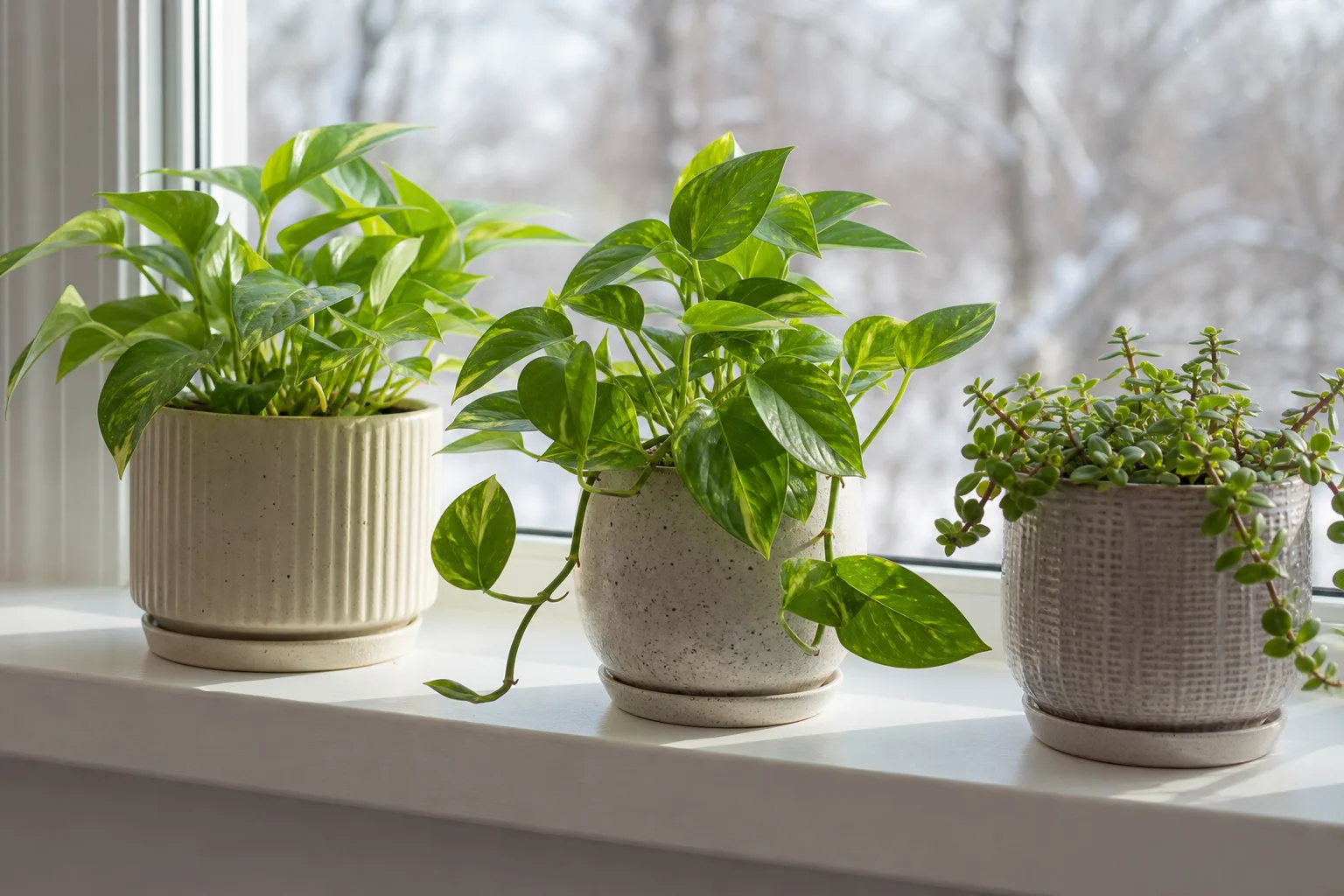
A windowsill can be the brightest spot in a room—or an oddly cold, dim ledge where even a “low-light” plant stops growing. The best plants for a windowsill match its light, temperature, depth, and your watering habits. A succulent may stretch in a shaded north window; a fern can scorch above a hot radiator.
Use the direction guide first, then choose from the 26 plants below. Check light at leaf level, leave space between leaves and glass, and remember that a windowsill is a changing microclimate.
Choose the window before the plant
Window direction is a shortcut, not a light measurement. In the Northern Hemisphere, south usually gets the strongest direct sun, east gets morning sun, west gets warmer late-day light, and north gets the least. Reverse north and south in the Southern Hemisphere. Trees, buildings, eaves, screens, curtains, glass, and season all change the result.
The Royal Horticultural Society explains that light powers growth and flowering, and that insufficient light can produce pale, weak, stretched growth and fewer blooms. Its guidance also cautions that a south-facing sill may be too intense for many plants in summer while a north-facing sill may be too dim in winter. Watch the actual leaves and the sun’s path, not just the compass. The RHS guide to how plants use light and its houseplant placement guide are useful references when conditions shift.
| Window | Typical conditions in the Northern Hemisphere | Good starting choices |
|---|---|---|
| North | Lower, cooler light; little direct sun | Snake plant, peace lily, maidenhair fern, nerve plant, African violet near a bright north or east window |
| East | Gentle morning sun, then bright indirect light | Hoya, pilea, spider plant, moth orchid, African violet, Christmas cactus |
| South | Longest, strongest direct sun; sill can heat up | Aloe, jade, echeveria, burro’s tail, geranium, rosemary, cactus |
| West | Stronger, warmer afternoon sun; can be harsh in summer | Jade, geranium, hoya, and gradually acclimated succulents; pull foliage plants back or filter the light |
North: steady shade, but not darkness
A north-facing window is not a no-light window. It can suit plants that tolerate lower light, such as snake plant, peace lily, maidenhair fern, and nerve plant. Keep them close to the glass; a dim room several feet back is a different condition.
Low light often means slow growth, not no care. Flowering plants may produce fewer blooms, and variegated foliage can turn greener as it adapts. If a plant develops long spaces between leaves, leans hard toward the pane, or stops producing new growth for months, move it nearer to a brighter window or add a grow light rather than increasing fertilizer.
East: gentle morning sun
East-facing windows offer morning sun followed by indirect light, a useful balance for foliage plants. Hoya, pilea, spider plant, African violet, and moth orchid can fit, though curtains, trees, latitude, and season change the exposure.
An east sill is also a practical place to trial a new plant that has not been acclimated to your home. Start it a little back from the pane, then move closer over several days if leaves remain firm and evenly colored. This gives you time to catch a pale, bleached patch before direct sun damages a full leaf.
South: strongest light and the biggest heat swings
A bright, unobstructed south window is usually best for compact succulents, cacti, geraniums, and rosemary. It can also become the most demanding windowsill: sunlight through glass warms the pot and dries the mix faster, while the glass itself can become cold overnight in winter. In summer, move plants that show bleaching or dry scorch marks several inches back or use a sheer curtain.
Acclimate a plant from a shaded shelf gradually: begin with brief morning sun or a spot back from the glass, then increase exposure over about a week. Even succulents can burn after an abrupt light change.
West: bright afternoon sun
A west-facing window can behave like a hot south window during summer afternoons, especially in a small room with closed curtains. Use it for sun-tolerant plants such as jade, geranium, and some hoyas, but observe the sill during the hottest part of the day before placing a tender plant there. A thin sheer curtain or a spot a foot or two back can soften the hottest rays without making the room dark.
Do not confuse “bright” with “direct.” A sheer curtain, nearby tree, or building may turn a west window into bright indirect light, while an unobstructed pane can deliver harsh sun and heat. Move a plant according to the exposure it actually receives, not a generic rule that every west window is either safe or too sunny.
26 plants that fit a windowsill
These plants are grouped by their likely best fit, not by a guarantee. Most can adapt within a range if you transition them gradually; the plant’s growth, the seasonal light, and the temperature beside the pane matter more than the category name.
For the sunniest, hottest sills
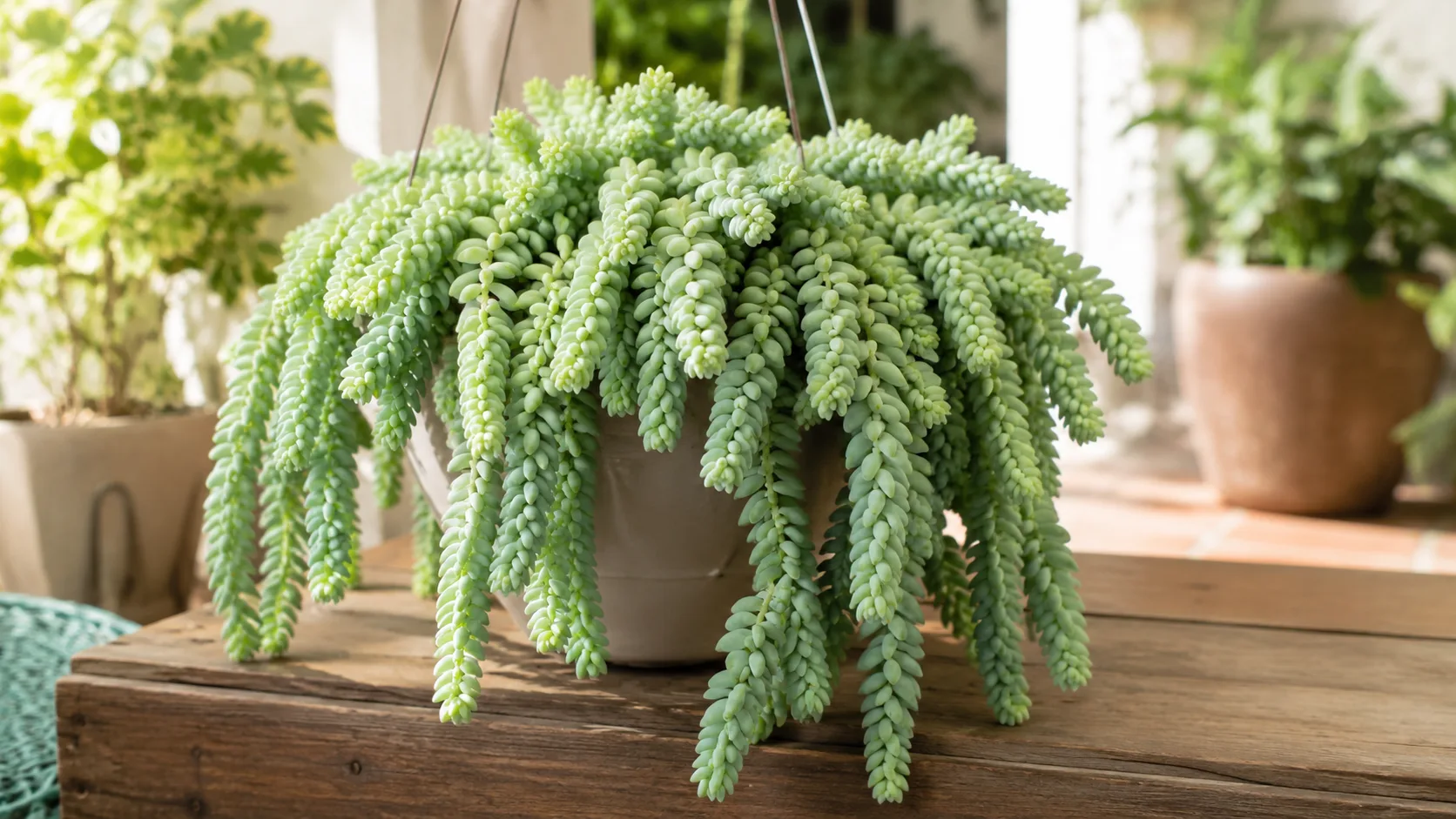
Burro’s tail (Sedum morganianum). Plump leaves store water, while trailing stems suit a ledge where they can hang undisturbed. Give it bright light and some gentle direct sun; a dim north window will leave it sparse. Let the mix dry well before watering, and use a stable pot as the stems lengthen. Leaves detach easily, so keep it clear of curtains and passing hands.
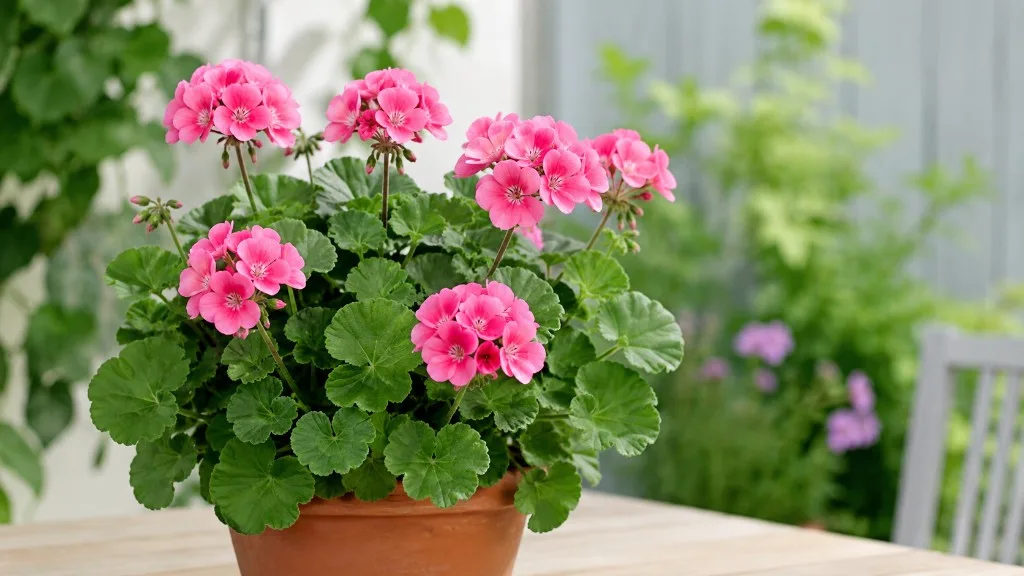
Geranium (Pelargonium hybrids). The familiar potted geranium is usually a pelargonium, not a hardy garden geranium. It needs several hours of bright sun to flower, so choose a sunny south or west window. Let the top of the mix dry before watering and remove faded flowers. In a dim winter window, stems become leggy and flowering slows; do not expect greenhouse bloom without enough light.
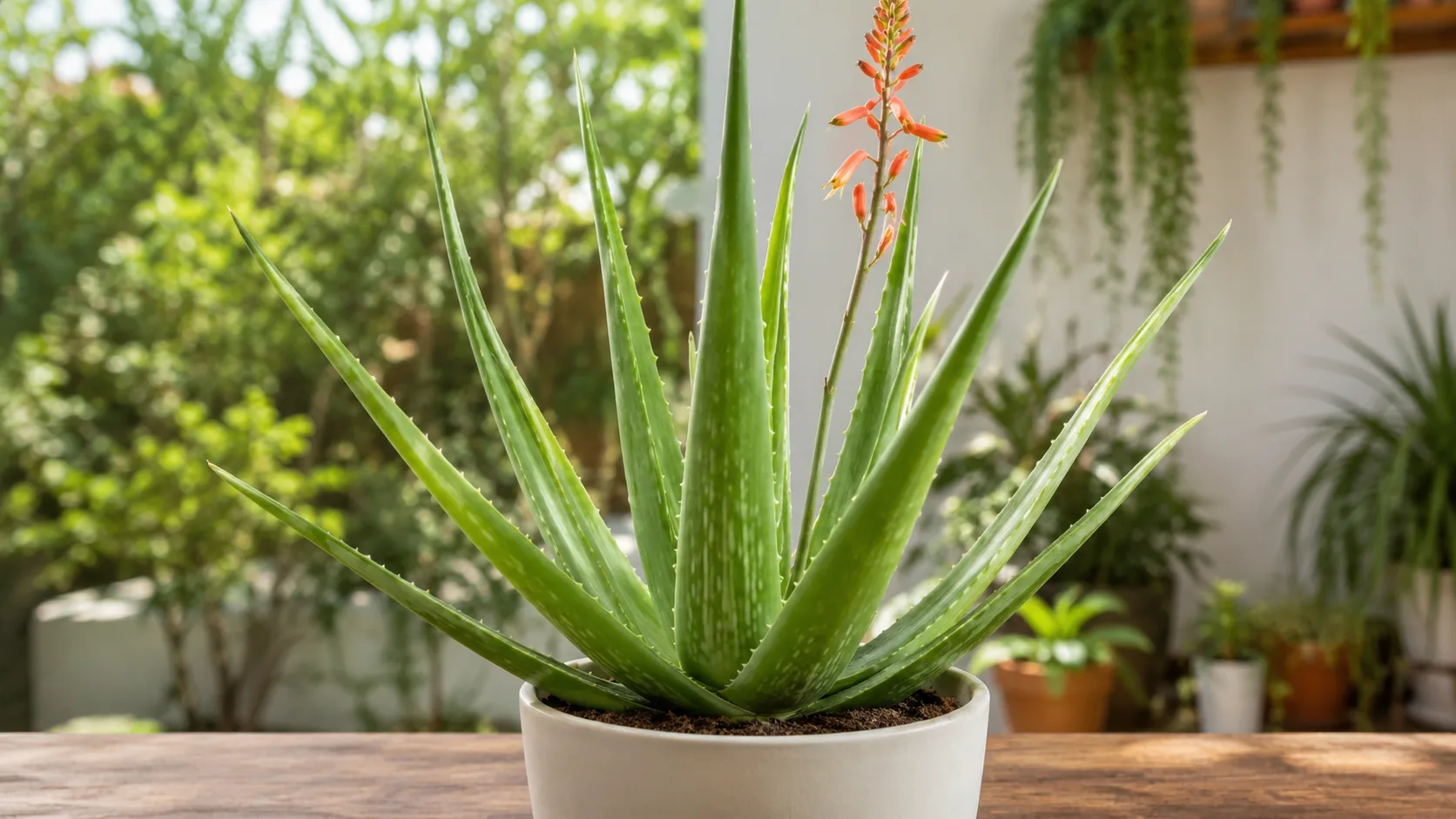
Aloe vera. Give aloe a bright south or west window, acclimating it gradually if it came from softer light. Use a draining pot and let the mix dry substantially before watering; a wet cachepot can rot the base. A mature rosette grows wider and heavier than a starter plant, so leave room for its full leaf span. The ASPCA lists aloe as toxic to cats and dogs.
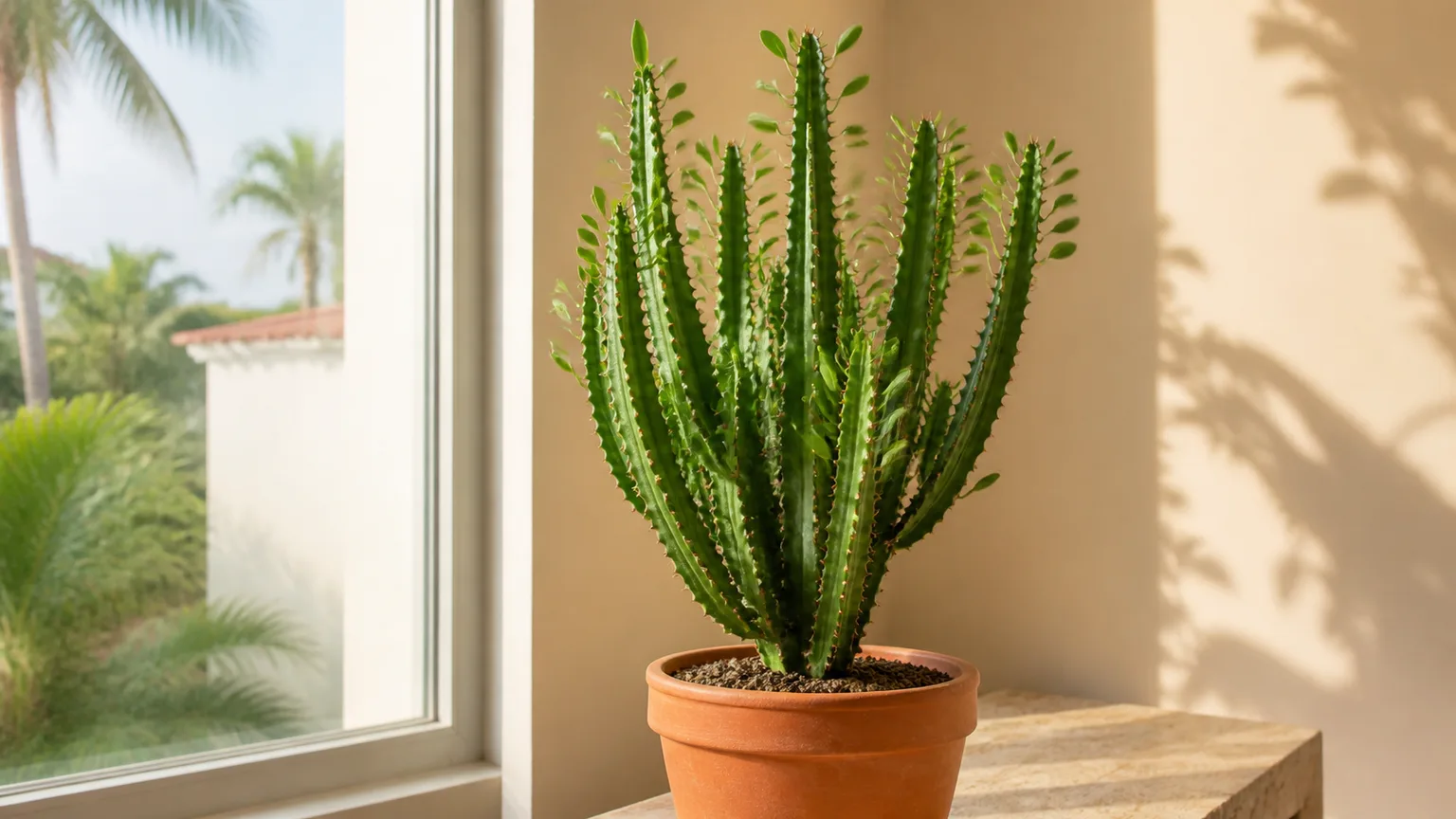
African milk tree (Euphorbia trigona). This upright succulent needs a very bright window and can take direct sun after acclimation. It soon becomes too tall for a narrow sill, and its ridged stems carry small spines, so use a broad, stable stand. Let the mix dry between waterings. Wear gloves when pruning and place the plant where children and pets will not brush against or chew it.
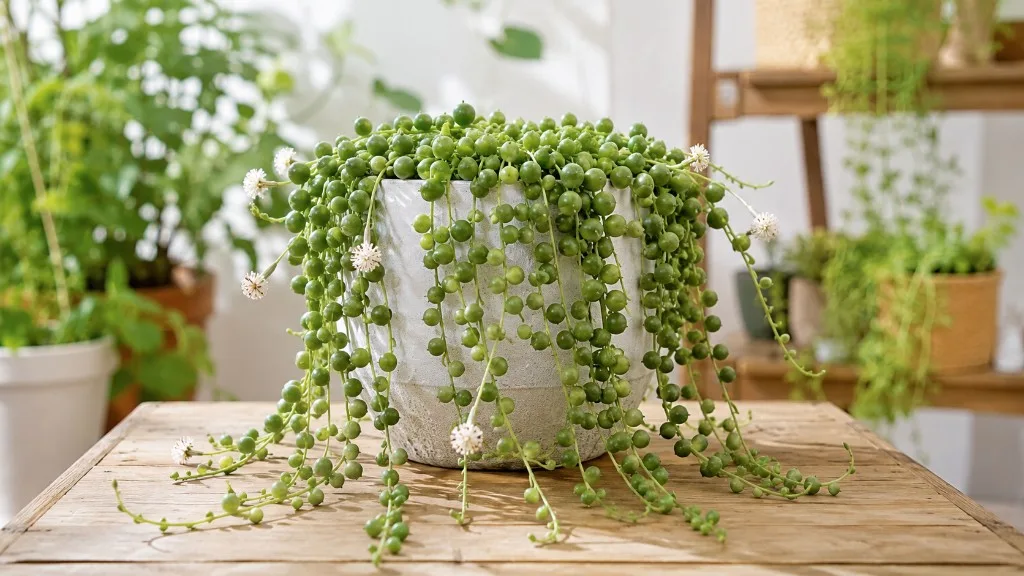
String of pearls (Curio rowleyanus, formerly Senecio rowleyanus). The bead-like leaves need bright light and a few hours of gentle sun, but the compact root ball is easy to keep too wet. Use a fast-draining mix, let it dry before watering, and keep stems away from hot glass. This is a better choice for a careful succulent grower than for a dim sill, where the strings stretch and thin.
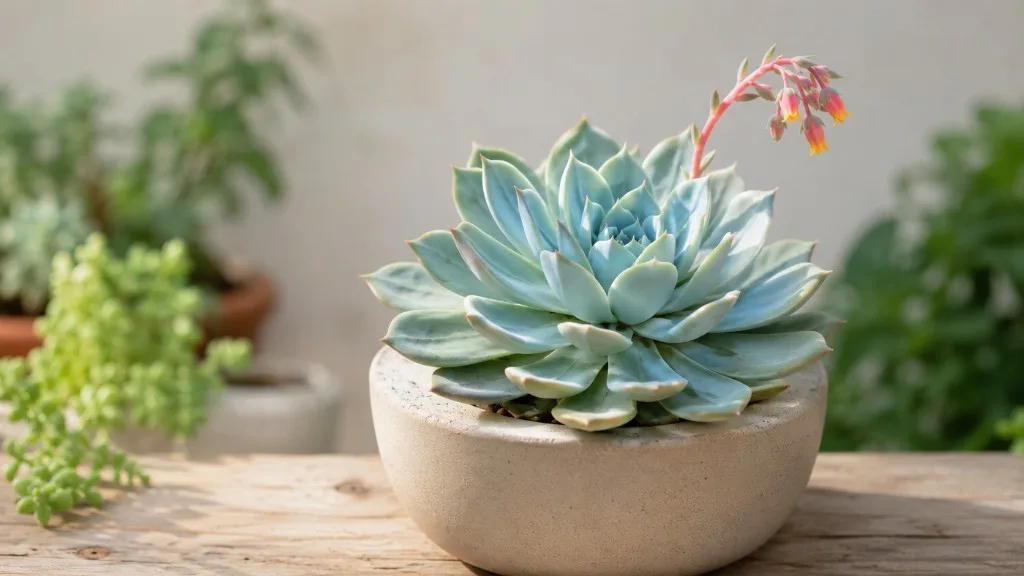
Echeveria. These compact rosettes need much brighter light than a dim sill provides. Choose an unobstructed south or west window and acclimate the plant gradually; a stretched center or open rosette means it needs more light. Water the soil, not the leaves, after the mix dries. The foliage bruises easily, so leave room to lift and turn the pot without touching the rosette.
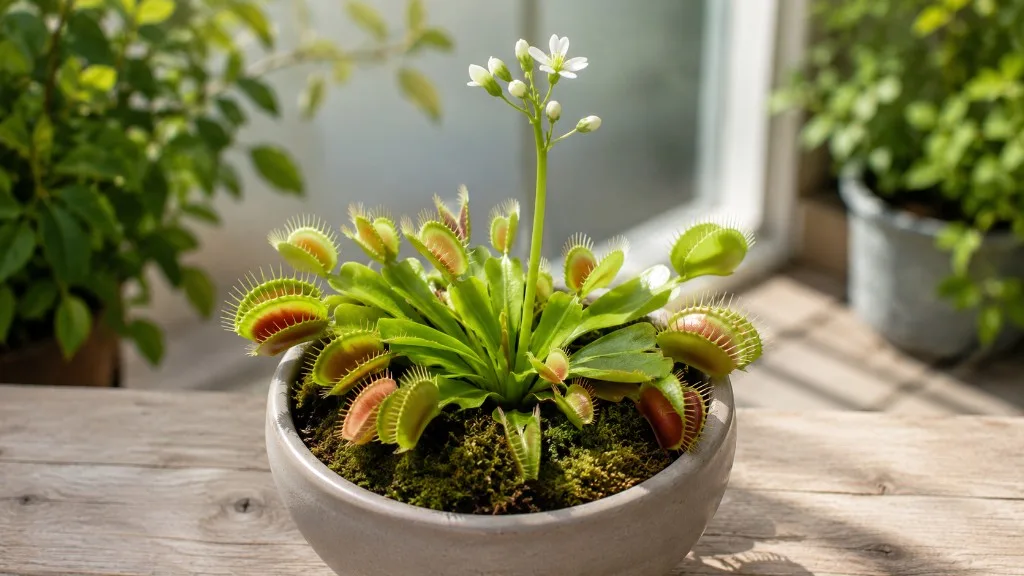
Venus flytrap (Dionaea muscipula). This is a specialist for a very bright window, not an ordinary houseplant. Use nutrient-poor carnivorous-plant medium, keep it wet during active growth, and irrigate only with rainwater or distilled water; NC State Extension warns that hard or treated water can kill it. It does not need fertilizer. Give it species-specific seasonal care, including a winter rest where appropriate.
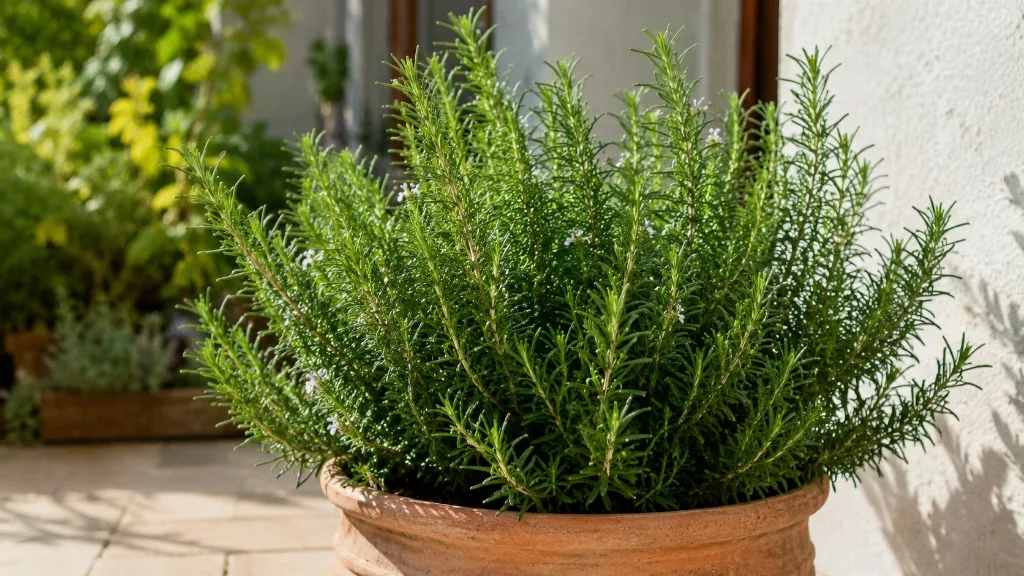
Rosemary (Salvia rosmarinus). This culinary herb needs strong sun to stay compact and aromatic. Choose the brightest south-facing window; Penn State Extension says most indoor herbs need about six hours of direct light, and rosemary is among those that prefer it. Let the mix dry slightly between waterings, provide drainage and airflow, and keep foliage from cold glass. Thin stems often mean the window is too dim.
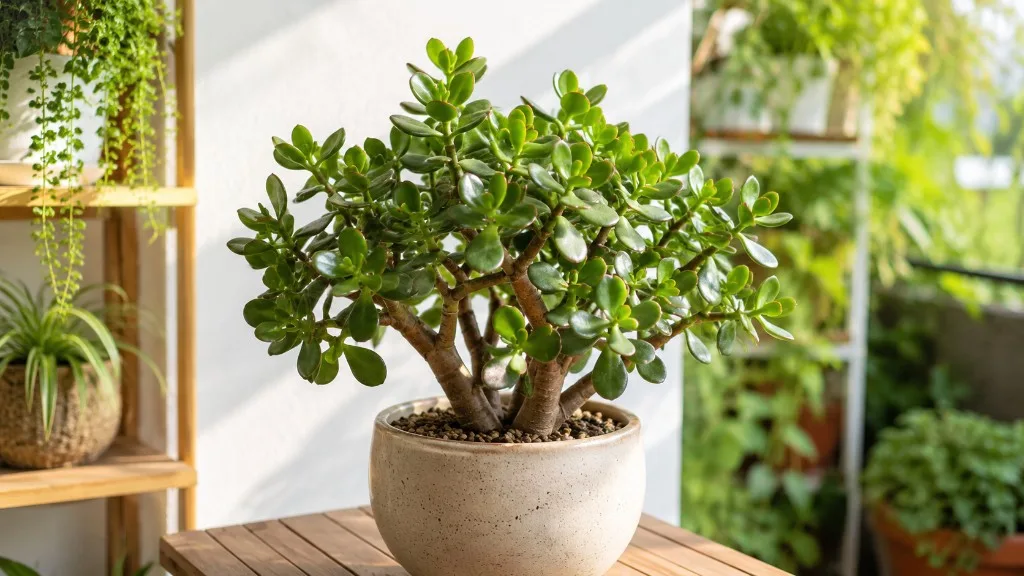
Jade plant (Crassula ovata). A bright window and several hours of direct sun can keep jade sturdy after gradual acclimation; weak light encourages leaning, sparse growth. Let the mix dry before watering and use a draining pot, since fleshy leaves do not protect roots from standing water. Young plants suit a sill, but mature jades grow heavy and woody. The RHS includes jade among easy-care succulents.
Spiny pincushion cactus (Mammillaria species). The common name covers many small, round cacti, so check the label rather than assuming every species has identical needs. Most need a bright, sunny window and fast-draining cactus mix; let the mix dry fully between waterings. Its compact shape fits a sill, but the spines make a ledge with passing sleeves, children, or pets a poor location.
Aeonium. Aeoniums need bright light and often grow most actively in cooler seasons; many slow down in summer heat. A bright east or south window can work, but protect the plant from overheating against summer glass and do not force extra water when growth pauses. Let the mix dry between drinks. Choose a compact cultivar for a sill because some varieties branch into small shrubs.
For bright filtered or morning light
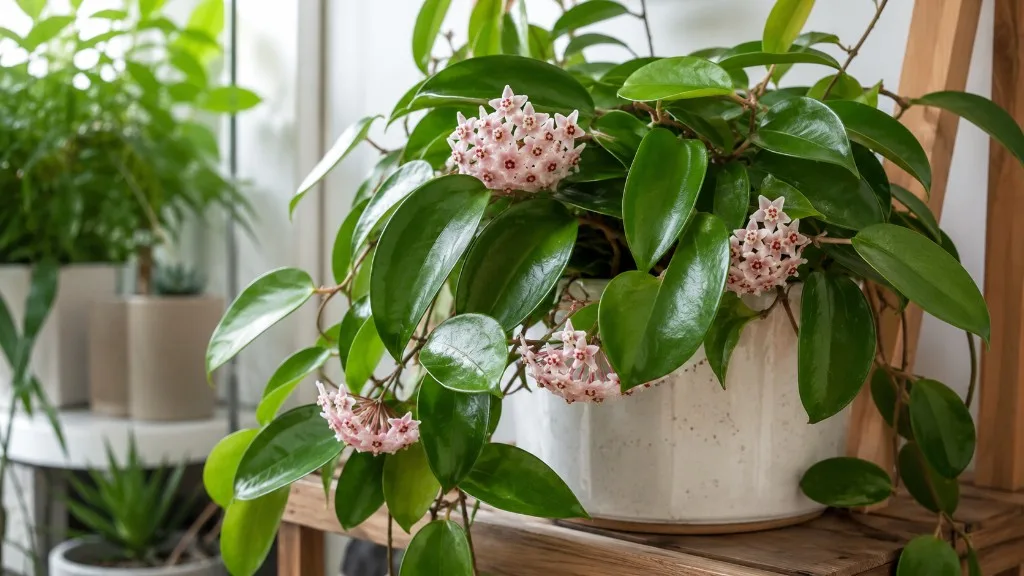
Hoya ‘Tricolor’ (Hoya carnosa cultivar). Bright east light or filtered south or west sun can color its new leaves pink. Give it strong light, but keep leaves from touching hot glass. Water after much of the mix has dried and drain the pot well. Its stems trail slowly, which makes it easier to fit on a sill than a fast-growing vine.
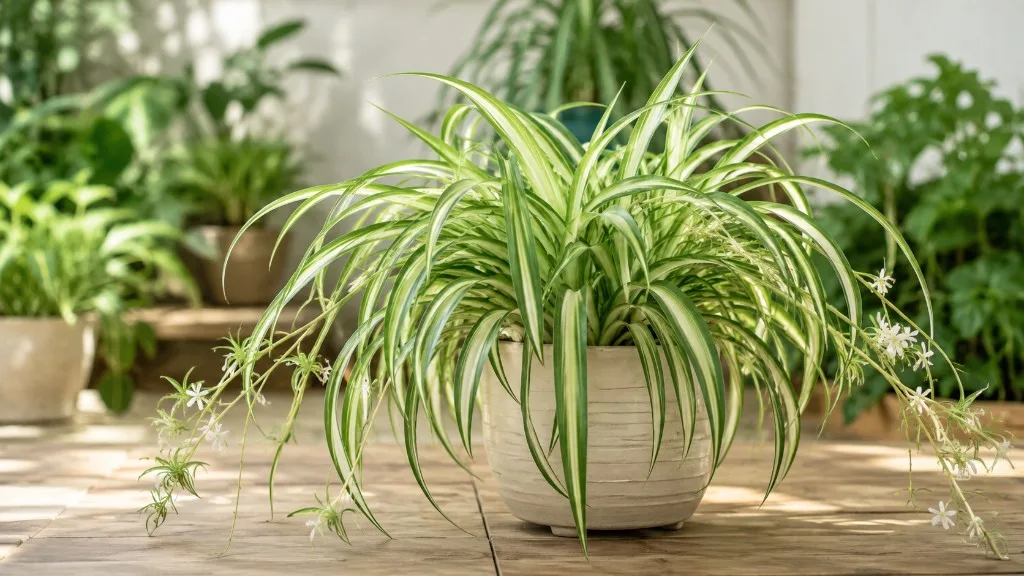
Spider plant (Chlorophytum comosum). Bright indirect light or mild morning sun suits this adaptable plant better than a dark corner. A mature plant can spread beyond a narrow sill and send baby plantlets down long runners, so start with a small specimen. Water when the upper mix starts to dry, and turn the pot to balance growth. The ASPCA lists spider plant as non-toxic to cats and dogs.
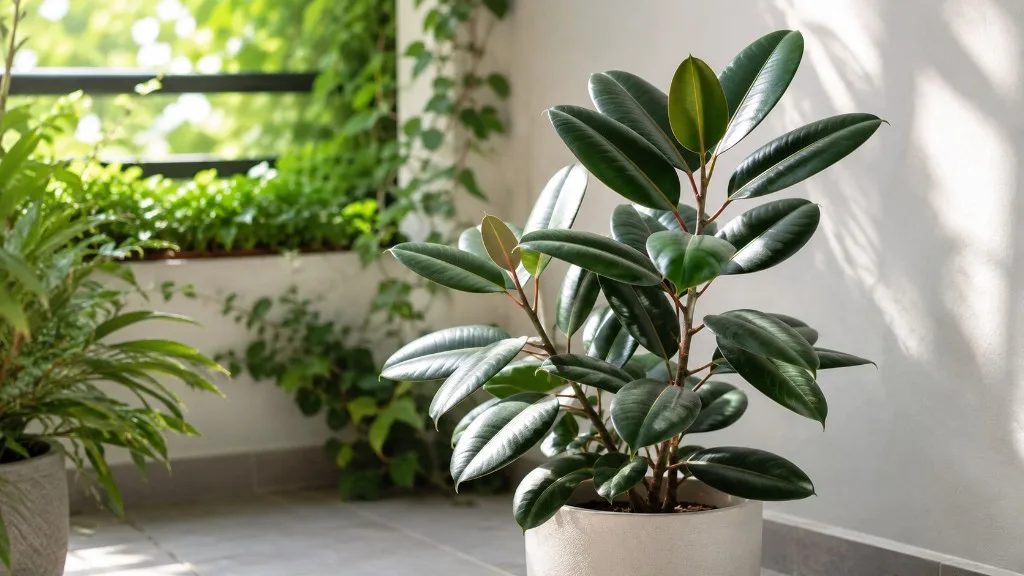
Rubber plant (Ficus elastica). Give it bright indirect light and a little morning sun after acclimation; intense afternoon rays can scorch leaves grown in softer conditions. A young plant may fit, but its broad foliage and eventual height make it a poor long-term choice for a shallow sill. Turn the pot periodically and water when the upper soil dries.
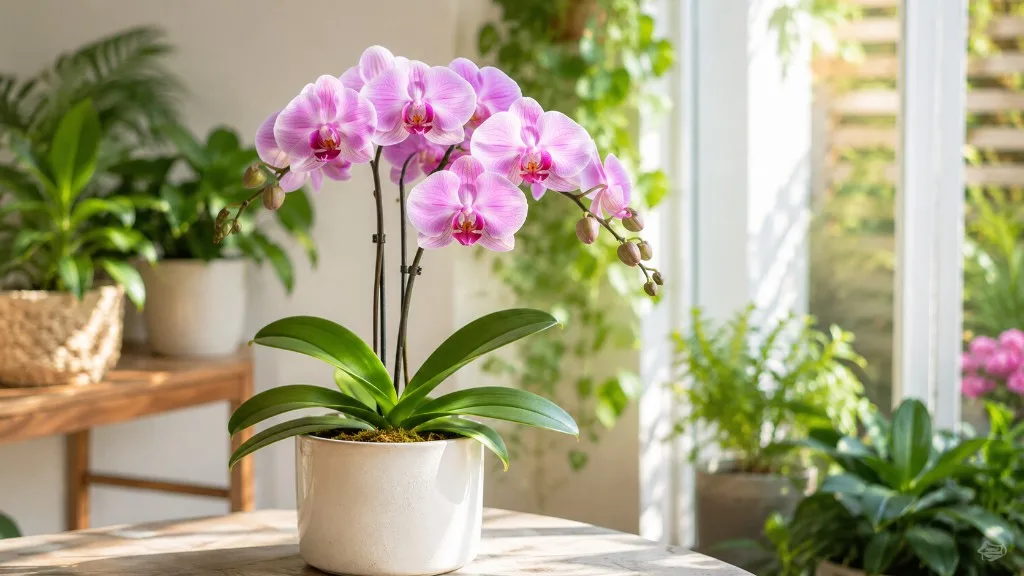
Moth orchid (Phalaenopsis). Bright indirect light suits it best: try an east window, or filter south and west sun. Use airy orchid bark rather than ordinary potting soil, and choose a liner pot that drains freely. Water as the medium nears dry and roots look silvery, then drain before returning the liner to its cover pot. Fine Gardening’s windowsill notes also stress bright, non-burning light and free drainage.
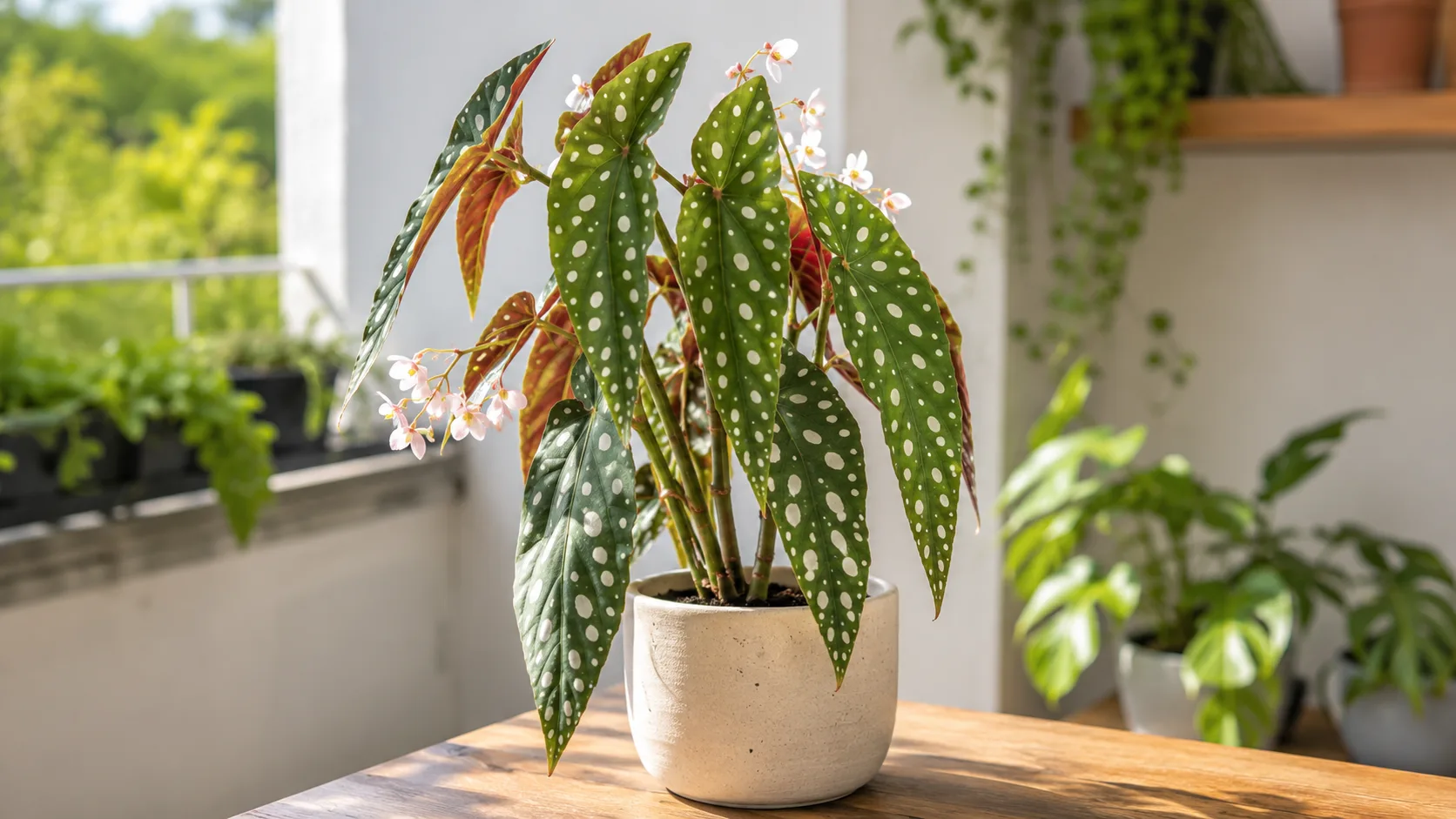
Polka dot begonia (Begonia maculata). Give it bright indirect light or mild morning sun; strong direct rays can fade or scorch the spotted leaves. Keep the mix lightly moist but never soggy, and let runoff drain. It grows upright and can outsize a narrow ledge, so plan for a nearby stand as it matures. Correct a dim location before pruning leggy stems, or new growth will stretch again.
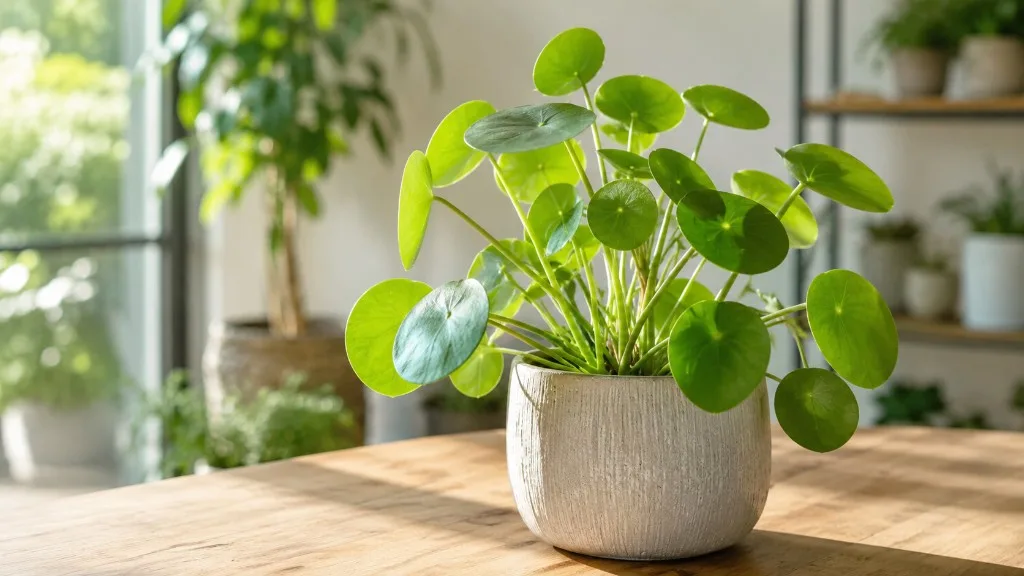
Chinese money plant (Pilea peperomioides). Give it bright indirect light or gentle morning sun, then turn the pot every week or two to balance its coin-shaped leaves. Let the upper mix dry before watering. It produces small offsets at the base, but pups need room and a mature plant can spread wider than its nursery pot. A bright east window is easier to manage than harsh afternoon sun.
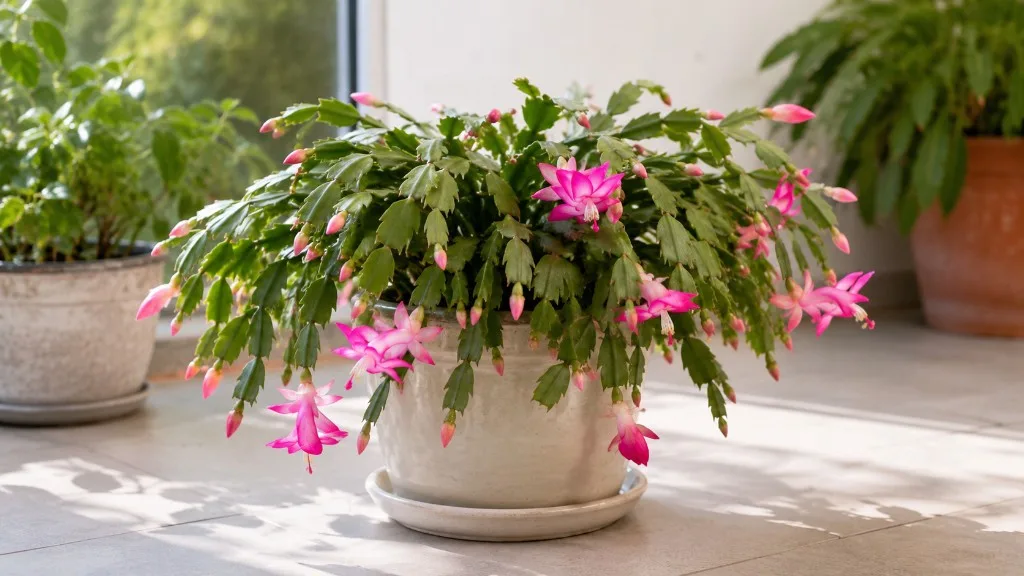
Christmas cactus (Schlumbergera hybrids). This tropical forest cactus prefers bright indirect light and a little morning sun, not a hot south-facing pane. Water when the top layer dries, then drain the pot completely. Seasonal cues help it bloom: a sill kept warm and bright through the night may delay buds. Move it away from late-night lamps and avoid shifting it once buds form.
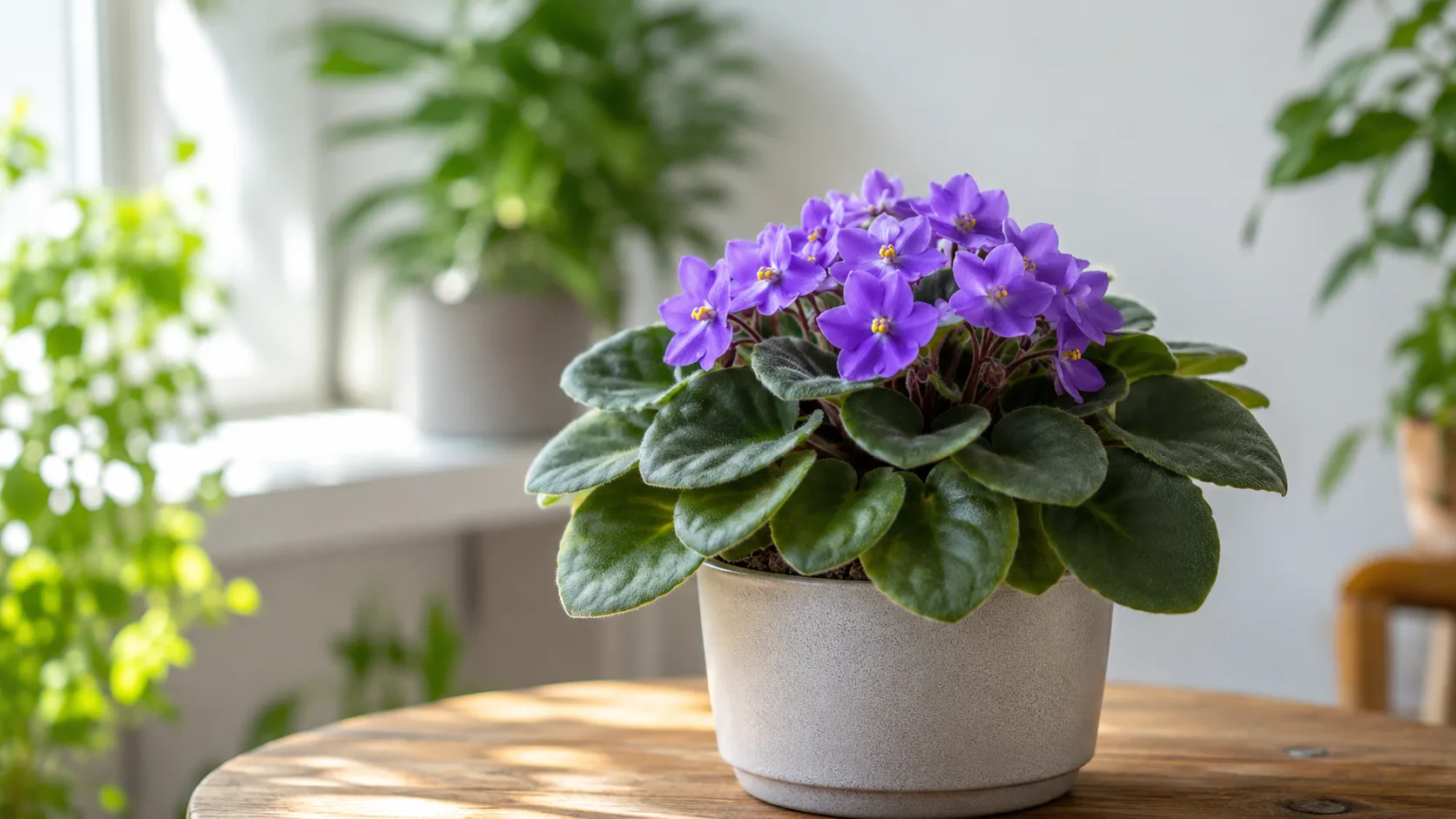
African violet (Streptocarpus ionanthus, formerly Saintpaulia ionantha). Bright indirect light or a gentle east window helps it bloom without scorching its fuzzy leaves. Keep the crown above the soil and water the mix rather than soaking the center; cold water can mark leaves. Let the surface begin to dry, but do not parch the root ball. The ASPCA lists African violet as non-toxic to cats and dogs.
For cooler, gentler windows
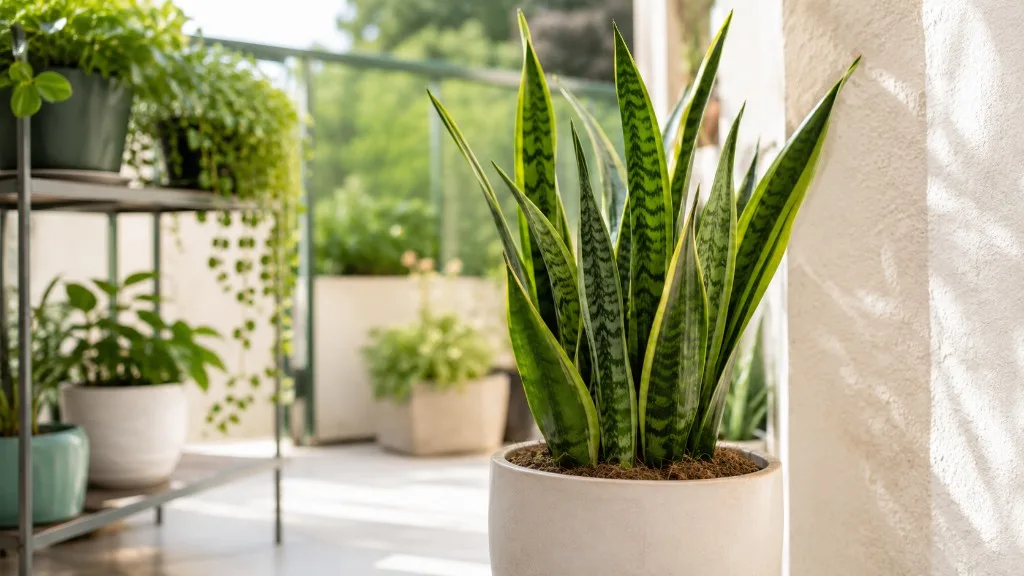
Snake plant (Dracaena trifasciata, often sold as Sansevieria). It tolerates lower light, making it a useful north-window option, but growth will be slower there. Brighter indirect light keeps new leaves more compact. Let the mix dry almost completely between waterings and use a draining pot. The ASPCA lists snake plant as toxic to cats and dogs.
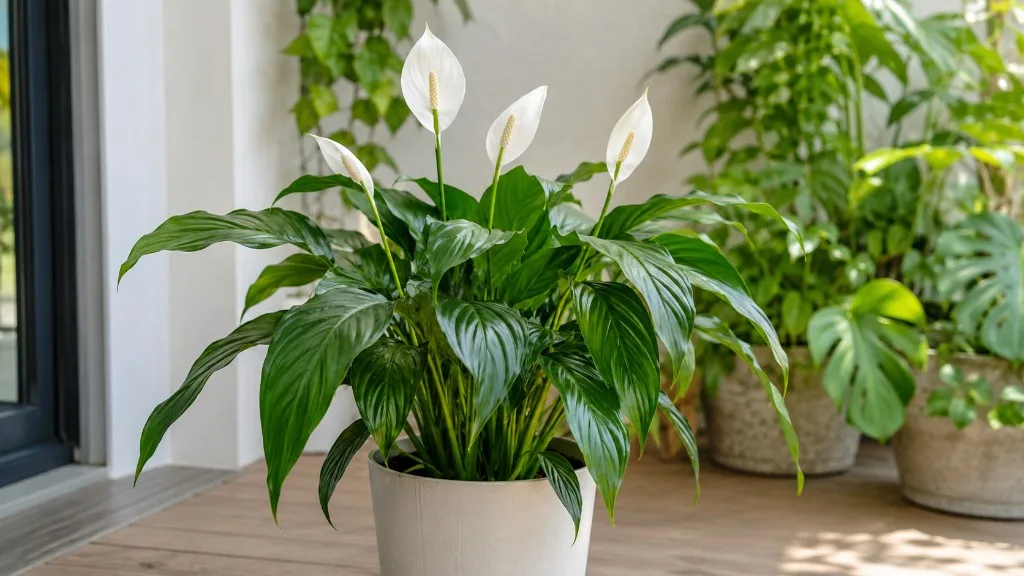
Peace lily (Spathiphyllum). Bright north or east light can support its foliage, but a dark corner cannot provide steady growth. More light may encourage flowers; hot direct sun can scorch leaves. Water as the upper mix starts to dry instead of waiting for a full collapse, which is a late thirst signal. Peace lilies are toxic to cats and dogs according to the ASPCA.
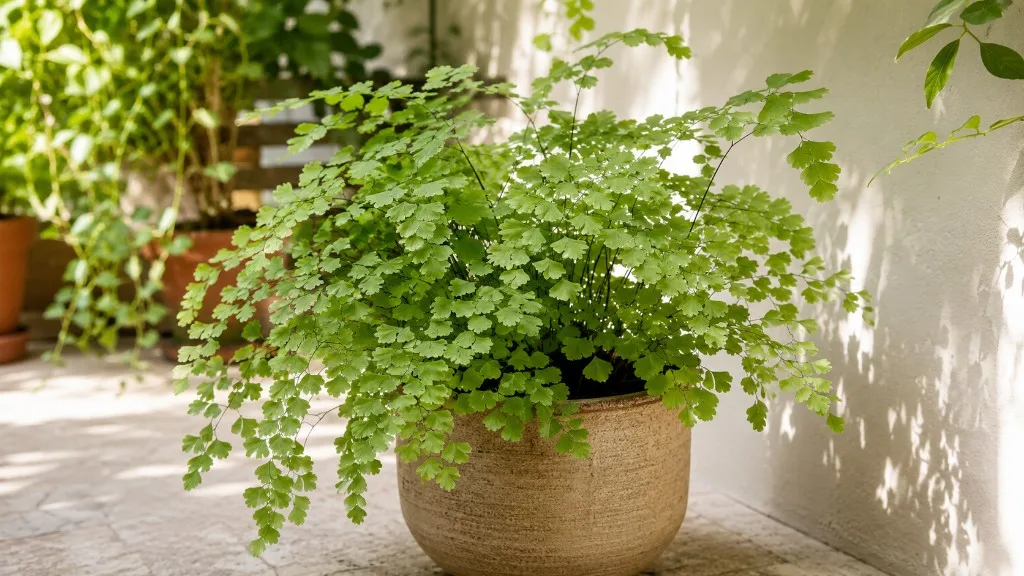
Maidenhair fern (Adiantum species). Choose a bright, shaded east or north window away from sun, heaters, and drafts. Keep the mix evenly moist, not waterlogged, and do not let the root ball dry completely. Fine fronds crisp quickly in warm, dry air, so this is a demanding sill plant unless you can monitor moisture or offer a naturally humid, bright room.
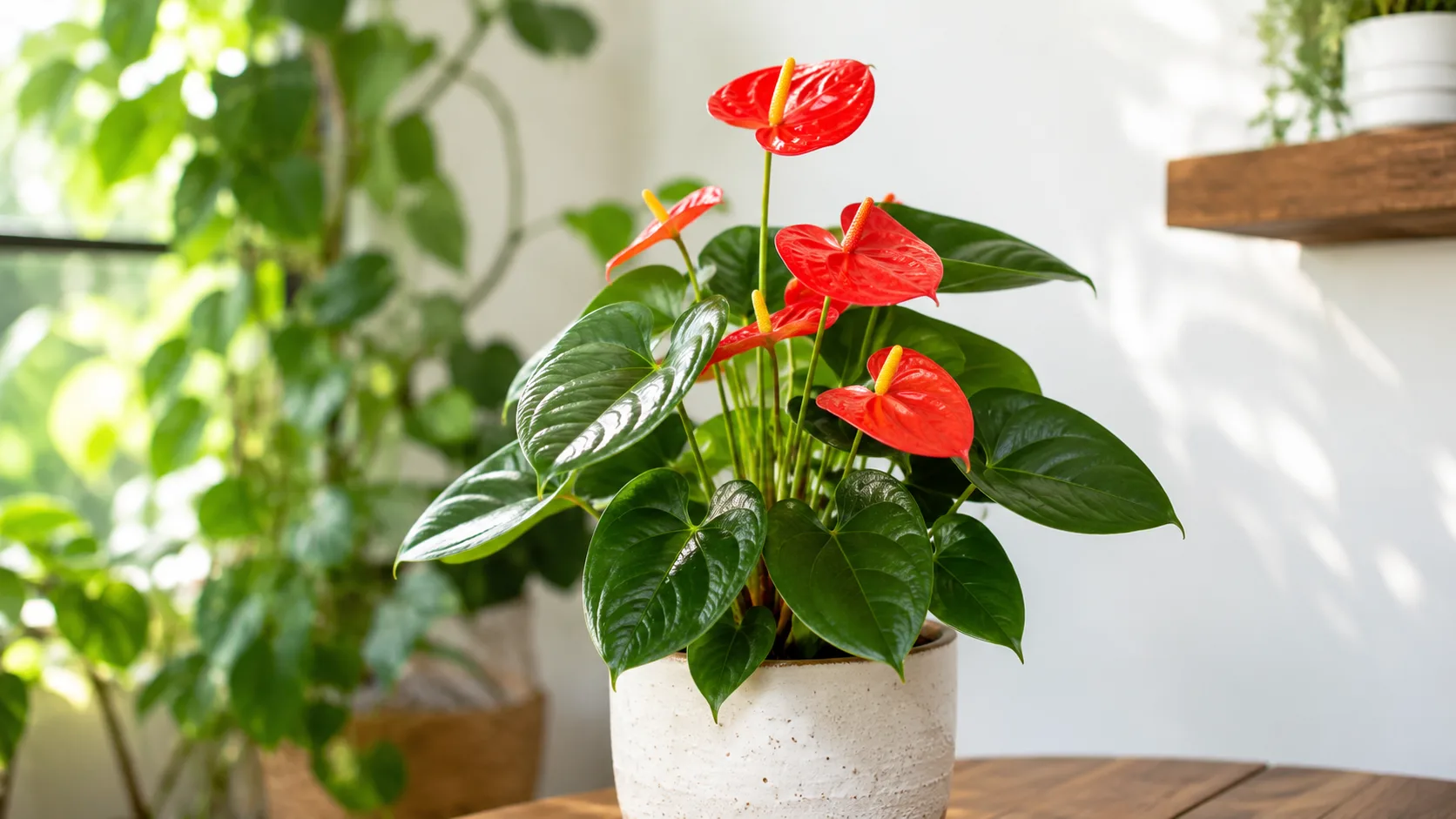
Flamingo lily (Anthurium andraeanum and hybrids). Its colorful spathe is a modified leaf, not a true flower. Bright indirect light supports growth and bloom; direct hot sun can scorch it, while very low light may limit flowering. Let the top of the mix begin to dry and drain the pot well. Keep it warm and out of reach of pets: ASPCA notes anthuriums can irritate the mouth when chewed.
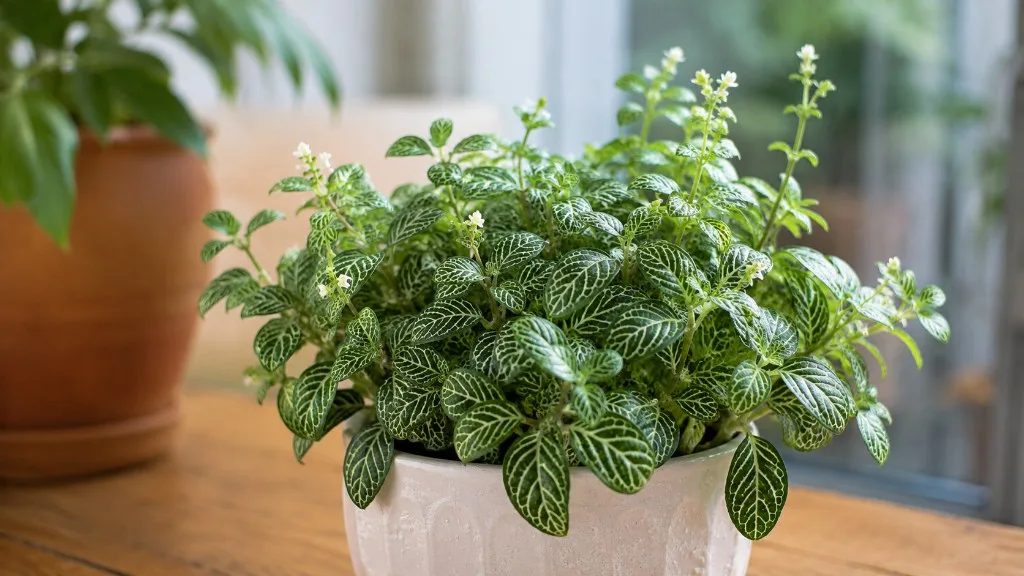
Nerve plant (Fittonia albivenis). This compact plant suits a narrow ledge with bright indirect light, not a hot sunny window. Keep its mix slightly moist and protect it from drying drafts. Fittonia may droop when its root ball dries; a drink can revive it, but repeated wilting stresses the plant. A ventilated terrarium can stabilize moisture, provided it stays out of direct sun.
Florist cyclamen (Cyclamen persicum). Choose a cool, bright east or north-facing sill rather than a hot south window. Water at the pot’s edge or from below, and do not leave water pooled around the tuber and stems. After flowering, the plant may slow down or go dormant as the weather warms; reduce watering instead of keeping it wet. It is a seasonal choice for winter color, not evergreen foliage.
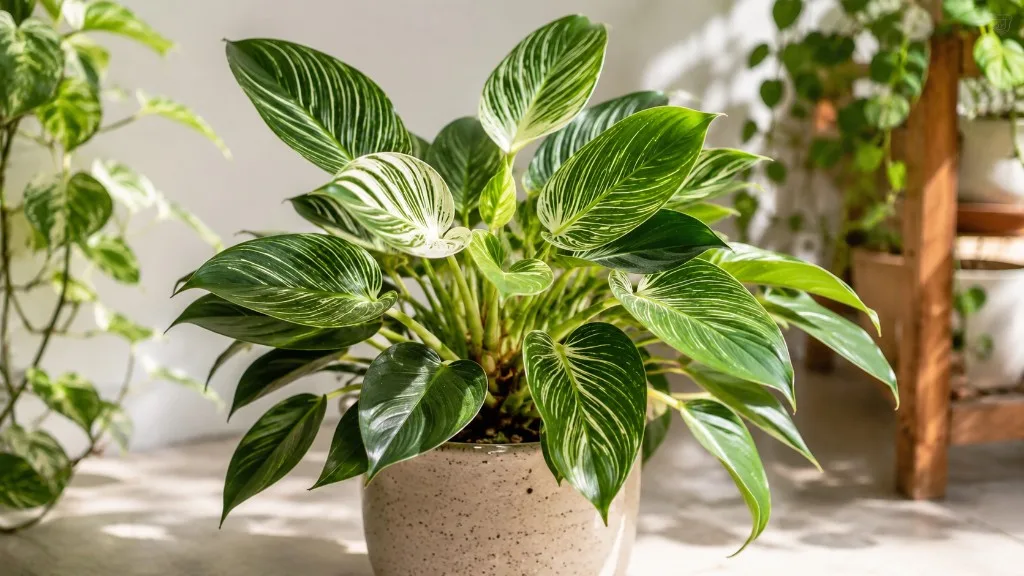
Philodendron ‘Birkin’. Bright indirect light helps preserve its cream pinstripes; lower light slows growth and can produce greener leaves. Let the top of the mix dry before watering, and pull it back if strong sun creates pale patches. A young plant may fit a sill but grows broader over time. Keep it away from pets and children because philodendrons contain mouth-irritating calcium oxalates, as ASPCA explains.
Set the sill up so plants stay healthy
The best plant can still fail if its pot does not drain, the leaf canopy touches cold glass, or a small root ball swings between hot and chilled. A few setup choices make the narrow space easier to maintain and safer for the plant.
Keep roots safe from drainage, heat, and cold
Use a pot with a drainage hole and a saucer or cachepot that can be emptied. Decorative pots without drainage hold excess water against the roots, while a pot left in runoff can stay wet far longer than the soil surface suggests. Set a plastic nursery pot inside a decorative cover if you want the look without sacrificing drainage, and remove the inner pot to water when needed.
Measure more than the pot’s width. A trailing succulent needs room for stems to hang without being crushed by blinds; an upright rosemary or anthurium needs clearance from window locks and curtains; a mature rubber plant may be better on a nearby stand. Place a heavy pot where it cannot slide or tip, and keep plant leaves from pressing against either hot summer glass or a cold winter pane. The Fine Gardening windowsill guide describes why sill depth and mature plant size matter as much as light when choosing compact windowsill plants.
A windowsill over a radiator, baseboard heater, or kitchen appliance can be warmer and drier than the room itself. Move plants out of direct blasts of hot air, which can dry leaves and soil unevenly. In winter, pull tender tropicals several inches back from glass on very cold nights or use an interior shelf nearby; in summer, inspect the sill during peak afternoon sun and move sensitive plants back before leaves bleach.
Water by the root ball, not by the calendar
Sun warms a pot and speeds evaporation, but that does not mean every plant on the same sill needs water on the same day. Check moisture below the surface with a finger or wooden stick, then water according to the plant’s growth habit: succulents, jade, aloe, and cacti should dry substantially between drinks; ferns and fittonia should not be allowed to dry out; moth orchids need an airy medium and free drainage; a Venus flytrap is a bog plant whose medium should stay wet.
When you water a standard houseplant, soak the mix until excess drains from the bottom, then empty the saucer. Do not rely on a small splash that wets only the top few centimeters; that can leave lower roots dry while the surface looks damp. Reduce watering when growth slows in winter, but keep checking the pot—sunny south sills can still dry a small container quickly.
Rosemary is a special case among edible plants often sold for kitchen windows. Penn State Extension says most herbs need around six hours of direct light indoors, with rosemary among the herbs that do best in direct sun; if your sill does not provide that, a grow light may be more realistic than moving the plant to a dim counter. Their guide to growing herbs indoors also recommends containers with drainage and notes that windowsill pots benefit from rotation for even growth.
Use leaves as feedback, not a diagnosis
One symptom can have more than one cause, so read the pattern before changing care. Long gaps between leaves, a strong lean toward the glass, faded variegation, or weak flowering often point to insufficient light. Pale, bleached patches or crispy areas on the sun-facing side can indicate too much direct sun or a move that happened too quickly. The University of Minnesota Extension’s indoor lighting guide describes these light-related growth clues and recommends matching the plant to the light available.
Change one thing at a time. If a plant stretches, improve light or rotate the pot; fertilizer cannot replace light. If leaves scorch, filter the sun or pull the plant back. If soil stays wet and foliage turns yellow or soft, check drainage and roots before adding water.
Rotate pots a quarter turn every week or two when a plant receives light from one side. That helps keep growth balanced without repeatedly relocating the plant. Seasonal changes matter: the sun sits lower in winter, days are shorter, and the light through a south or west window can become more intense as spring returns. Acclimate plants in either direction instead of leaving a shade-grown plant suddenly in full afternoon sun.
Check pet safety before choosing
Do not assume a high windowsill is out of reach: cats climb, leaves can trail down, and pots can be knocked over. Aloe, snake plant, peace lily, anthurium, and philodendrons are examples here that should be kept away from pets that chew plants. The ASPCA’s animal poison-control database lets you search by a plant’s common or scientific name; check the exact species before buying because common names can cover unrelated plants.
A non-toxic listing does not mean a plant is edible or harmless in unlimited quantities. Check its botanical name, and contact a veterinarian or animal poison-control service if a pet chews a plant and develops symptoms.
Conclusion
A windowsill succeeds when the plant matches the light and the small temperature swings beside the glass. Start by watching the sill for a day, choose a plant whose light needs fit what you observed, and use a draining pot that suits its adult size. If leaves stretch, scorch, or stay wet too long, adjust the spot or watering before adding more care tasks.
A sunny window can support rosemary, jade, aloe, or a cactus; a bright east sill can make room for an orchid, hoya, or African violet; a cooler north window is a better home for foliage that tolerates lower light. Keep plants away from cold panes and heat vents, make gradual changes as seasons shift, and verify pet safety by species. That match matters more than putting the most popular plant on the most visible ledge.



