What to Plant in July for a Fall Vegetable Harvest
Find what to plant in July by counting back from your first frost. Compare quick crops, fall greens, roots, herbs, and ways to keep seedlings cool.
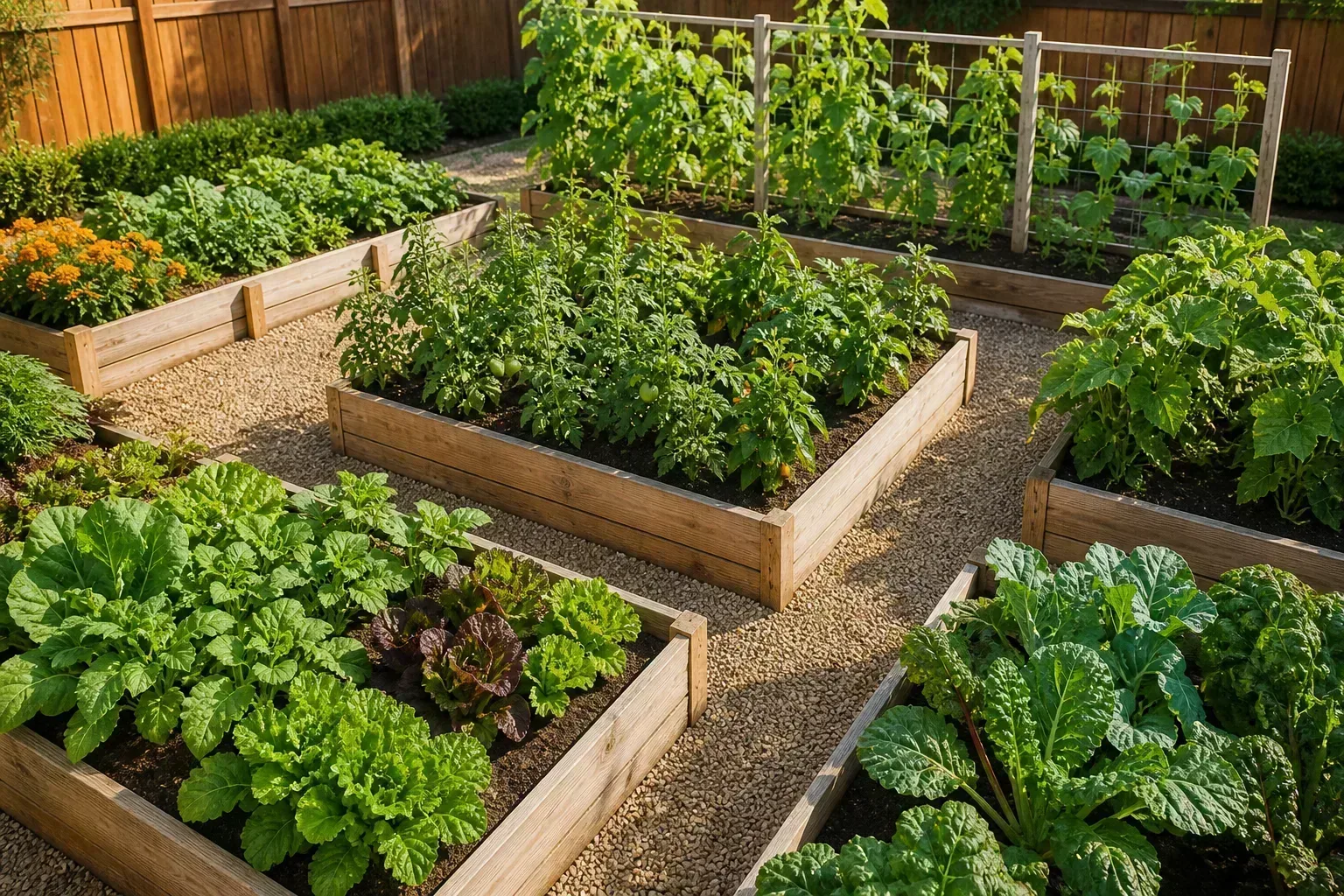
A July garden can still produce an excellent late-summer or fall harvest, but the right planting depends less on the month than on how much growing time remains. Start with your local first-frost estimate and the days to maturity on the seed packet; then factor in heat, the crop’s frost tolerance, and whether you are sowing seed or setting out a transplant. That simple check separates realistic choices—like radishes, beans, greens, and beets—from long-season crops that may never finish before cold weather.
The lists below are starting points, not a promise that every crop belongs in every July garden. In a cool northern climate, you may be sowing fall greens and roots.
In a long, hot summer, the same greens may scorch or bolt outdoors, while warm-season crops keep producing and cool-season seeds do better in a shaded nursery bed or indoors. The goal is to match each crop to the weather it will actually experience.
Decide whether a July planting can finish
Count back from your first frost
Look up the average first fall frost date for your specific location through a local extension office or a regional freeze-date map. USDA hardiness zones describe average annual extreme winter lows; they are useful for perennial survival but do not tell you when your first autumn frost will arrive. Two gardens in the same zone can have different fall planting windows because of elevation, distance from water, urban heat, and local topography.
Use the seed packet as your next reference. A practical starting calculation is: target harvest or first frost date minus the crop’s stated days to maturity minus a cushion. A cushion of about 10 to 14 days is a reasonable planning allowance for ordinary home-garden variation; allow more if seedlings will face severe heat, shade, drought, or a short day-length slowdown.
This is a planning tool, not a guarantee. Seed companies may count days from sowing or from transplanting, so check the wording before doing the math.
For example, if your average first frost is October 15 and a beet variety lists 55 days to maturity, sowing around mid-August leaves very little room for slow germination or a cool, cloudy stretch. A July sowing gives the crop more time to size up.
A frost-tolerant crop such as spinach may keep producing through light frosts, but it still needs enough warm-season growth to become harvestable before winter days bring growth nearly to a stop. University of Minnesota Extension similarly advises choosing fall crops by frost timing and their ability to tolerate cool weather, rather than treating every vegetable alike (University of Minnesota Extension).
Do not use a packet’s maturity number as a promise that all plants will be ready on that exact day. Soil that dries between waterings, temperatures above a crop’s comfort range, crowded seedlings, and reduced autumn light can all slow development. If a crop is close to the edge, choose a faster variety, buy a healthy transplant, or switch to baby-leaf harvest instead of waiting for a full-size head or root.
Choose seeds or transplants by the crop
Direct-sow crops that dislike root disturbance or grow quickly from seed. Radishes, carrots, beets, beans, turnips, arugula, and many lettuces are easiest to plant where they will finish. Keep the surface consistently damp until germination; a seedbed that crusts or dries in July heat can fail even when the crop itself would have fit the calendar.
Transplants can buy time for crops that take longer to mature, especially broccoli, cabbage, cauliflower, and kale. Set out sturdy, compact starts rather than leggy or root-bound plants, water them before planting, and shade them for a few days while they recover.
Starting brassicas in small pots in a cool spot can also spare their seeds from baking in an exposed bed. Penn State Extension’s spinach guide shows why the environment matters: spinach seed germinates best in cool soil, and fall sowing is timed weeks before frost rather than simply by the calendar month (Penn State Extension).
Best vegetables to plant in July
The most reliable July crops fall into three groups: quick crops that can finish before frost, cool-season crops that tolerate fall weather, and warm-season crops that still have enough heat left. Use variety-specific packet dates and local extension calendars to narrow the choices. Typical ranges below are approximate and can shift with variety, soil, temperature, and whether the packet counts from seed or transplant.
| Crop | Typical planning range | July strategy |
|---|---|---|
| Radishes | About 25–40 days | Sow small rows every 1–2 weeks; keep soil moist and harvest on time. |
| Bush beans | About 50–60 days | Sow only when frost-free time remains; pick pods often. |
| Beets | About 50–70 days | Sow directly; eat thinned greens and let remaining roots size up. |
| Carrots | About 60–80 days | Choose a faster variety and loose soil; avoid transplanting. |
| Spinach | About 35–50 days for full leaves | Sow as evenings cool or use partial shade; soil heat can inhibit germination. |
| Lettuce | About 30–60 days, depending on type | Choose leaf or baby-leaf types and protect from afternoon heat. |
| Kale | Roughly 25 days for baby leaves; 55–70 for mature plants | Sow or transplant early; harvest outer leaves gradually. |
Quick summer crops for a short window
Radishes are among the best late-season bets because many varieties mature quickly. Sow a short row, then another a week or two later if the first succeeds. Thin seedlings so roots have room, water evenly to limit splitting and woody texture, and pull roots as soon as they reach the size you want; leaving them too long in hot weather can make them pithy.
Bush beans can still be worth planting in July where the frost-free window is long enough. They germinate well in warm soil and can provide a concentrated harvest, but they are frost tender, so do not count on them to keep going after cold nights.
Pick pods frequently to keep the plants producing. Summer squash and cucumbers may also work in warmer areas, especially if a healthy young plant is already available, but starting them late in a short-season garden is a gamble: their vines need time to flower, set fruit, and mature it.
Greens that can carry into fall
Leaf lettuce, arugula, spinach, Swiss chard, and kale are useful for extending harvests, but they do not all respond to July heat the same way. Chard and kale are generally more forgiving in warm spells, while lettuce, arugula, spinach, and cilantro are more likely to bolt—send up a flower stalk and turn bitter—when heat and long days persist. Choose bolt-resistant varieties where available, and provide afternoon shade while seedlings establish.
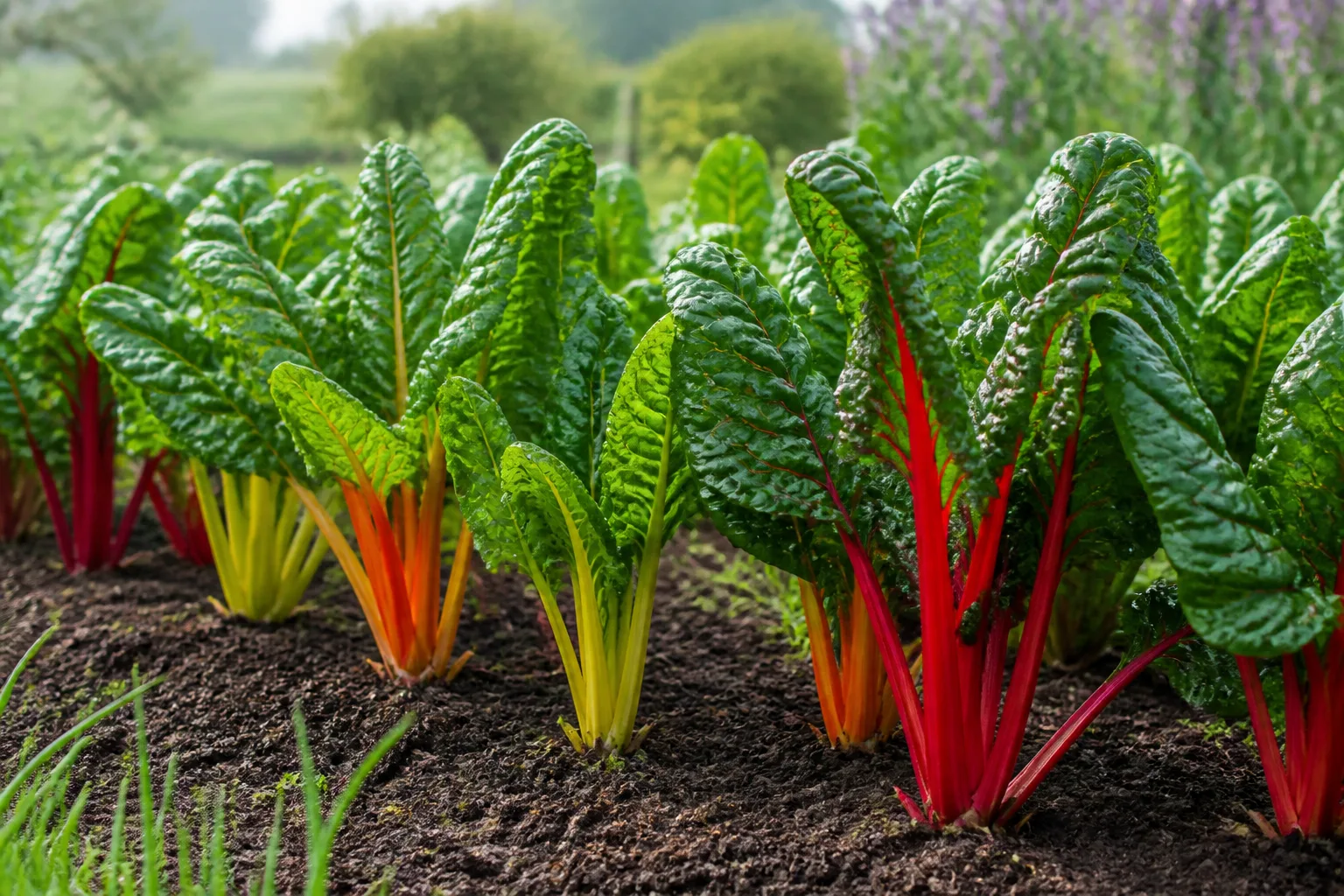
Spinach deserves special timing. Penn State Extension notes that its seeds germinate best at soil temperatures of about 45°F to 68°F; in warm soil, seeds may germinate poorly even though the air temperature seems suitable.
If your July soil is much hotter, pre-moisten a small nursery row in a cooler, partly shaded spot or start seeds in trays and transplant carefully once they have true leaves. The extension guide also recommends fall planting roughly six to eight weeks before the average first frost, though your variety and local conditions should guide the final date.
For lettuce, consider baby leaves rather than a full head if your window is tight. Sow densely but thin enough for airflow, harvest outer leaves while plants are young, and avoid letting the row dry out. If the first sowing bolts, pull it and replant with a heat-tolerant leaf type or wait for cooler nights; more water cannot reverse flowering triggered by heat and day length.
Roots that reward a second sowing
Beets and carrots are dependable choices when they have enough time to size up. Beet seedlings tolerate a light chill, and their tops can be harvested sparingly while roots continue growing.
Carrots should be direct-sown into loose, stone-free soil because their young taproots do not transplant well; keep the surface moist until germination, which can be uneven in hot, dry conditions. A thin layer of fine mulch can help hold moisture, but do not bury the row deeply enough to block emerging seedlings.
Turnips and fast-maturing radishes are useful where the remaining season is shorter. For carrots, select a variety with a shorter maturity range and plan to harvest smaller roots if the calendar runs tight.
Cool fall weather can improve the flavor of some root crops, but frost does not make an immature root mature overnight. University of Minnesota Extension’s July 2026 update lists beets and carrots among crops commonly planted for fall while noting that quick crops such as lettuce, spinach, and radishes can remain options later in the season (University of Minnesota Extension’s July 2026 vegetable update).
Brassicas need an early start
Broccoli, cabbage, cauliflower, and Brussels sprouts are not quick July crops. Their edible heads take time to develop, and they prefer cool conditions after establishment.
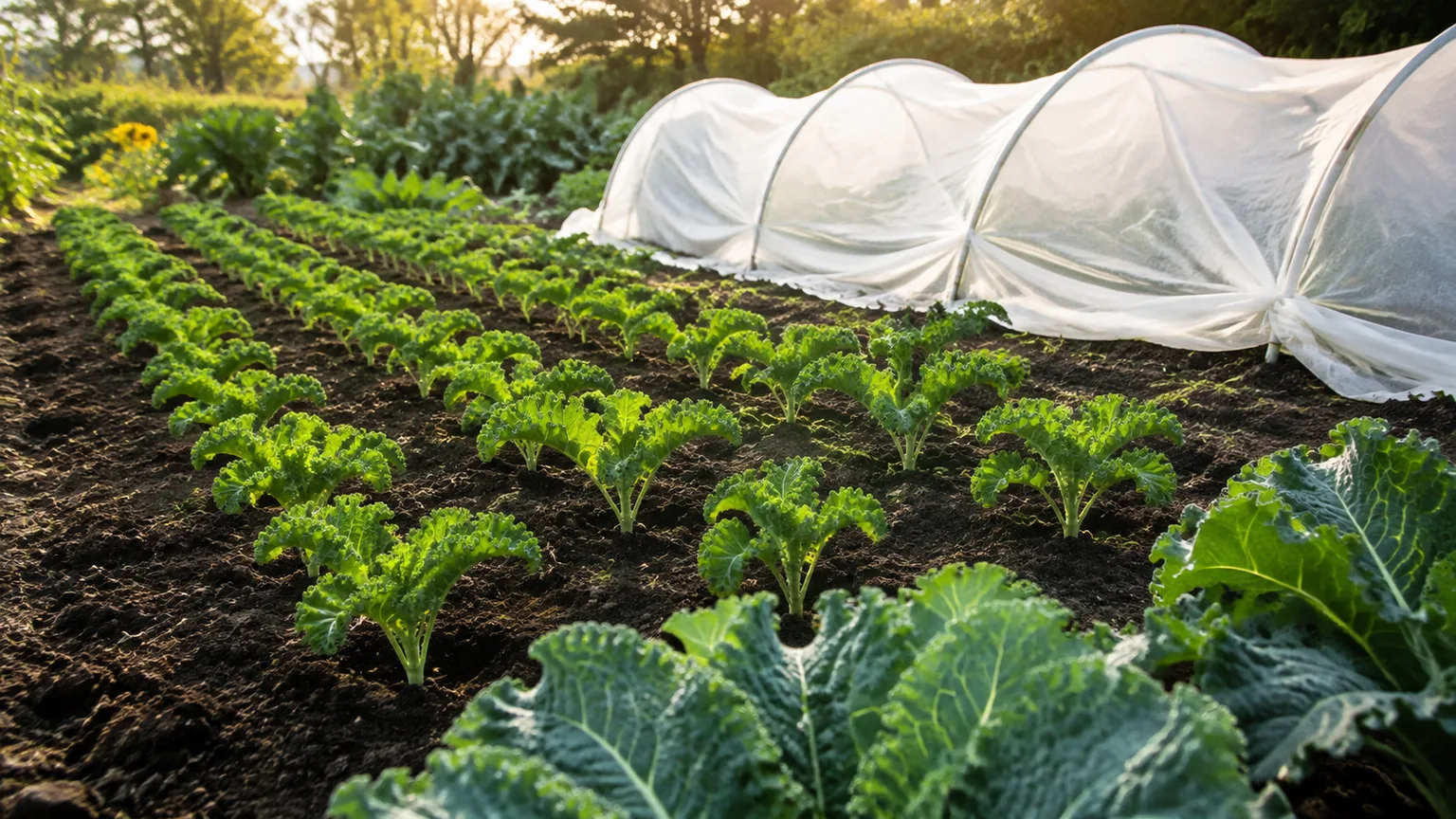
In a northern garden, start or buy transplants early enough that plants can build a sturdy root system before fall; direct sowing in July can work for some varieties, but may leave less margin than using a healthy transplant. In hot climates, raise transplants under shade and move them into the garden as temperatures begin to ease.
Do not count only the days listed for head formation if the packet’s figure starts at transplanting. Add the time needed to raise the seedling, and check whether the variety is intended for fall production.
If the date calculation is tight, choose kale or chard for leaves instead of expecting a full broccoli head or cabbage before frost. Those choices give you something useful to harvest without demanding the same long, cool finish.
Herbs to sow or transplant in July
Cilantro, dill, parsley, and basil are the most practical herb choices, but timing and heat matter. Cilantro and dill often bolt in hot, dry weather; in cooler regions, sow them in small batches in partial shade and keep the soil damp until they establish.
A later sowing, when nights cool, is often more dependable than pushing seed into a baking bed. Harvest leaves regularly, but do not remove so much foliage that seedlings cannot recover.
Parsley is slower to germinate than many garden herbs, so a young nursery transplant can save time if frost is approaching. It tolerates cool weather better than intense heat and can continue producing after a light frost in many gardens.
Basil is the opposite: it thrives in warm weather, so a July start can produce leaves before fall in areas with a long warm season. In a short season, choose a quick-growing plant or established transplant and pinch flower buds to keep the plant focused on leafy growth.
Other established herbs such as thyme, sage, chives, and oregano can be transplanted in July, but newly planted herbs need careful watering while roots settle. Avoid planting a tender perennial just before a heat wave or a hard freeze; the plant may survive in the right climate, yet still struggle to establish. For culinary harvest within the same season, prioritize fast annual herbs and healthy starts over slow-growing woody herbs.
Match crops to your region and summer heat
A hardiness zone is not a July planting calendar. It estimates the coldest winter temperature a perennial may face, while a fall vegetable decision depends on the length of the remaining growing season, the likely first frost, local heat, and crop-specific tolerance. Use local university extension planting charts where available, then adjust for your yard: a raised bed near a warm wall, a windy hilltop, and a low frost pocket do not behave alike.
Short-season and northern gardens
In cooler regions, July often opens a useful window for a second round of roots, greens, and brassicas. Sow beets, carrots, radishes, chard, kale, and fast leaf lettuce early in the month; move slower brassicas into the garden as transplants.
Beans and peas can still make sense if the estimated frost-free time covers the packet’s maturity range. As the month progresses, shift toward quick crops and baby-leaf harvests instead of crops that need months to mature.
A late sowing can still be worthwhile even when it will not yield a full-size head. Baby spinach, lettuce, and kale can provide repeated small harvests before temperatures drop, especially if you use row cover to protect them from insects and mild cold. Expect slower growth as days shorten, and avoid assuming a warm July week means September will stay warm.
Long, hot summers and mild-winter regions
In the South, Southwest, and other places with extended heat, cool-season seeds may fail outdoors in July even if fall remains long. The soil can stay too warm for spinach, lettuce, and cilantro to germinate well, and seedlings may bolt before making useful leaves. Keep warm-season plants such as beans, squash, cucumbers, peppers, or tomatoes going if they still have enough time and are suited to your local climate; start cool-season crops in a shaded seed tray or wait for the region’s recommended fall-sowing window.
Some mild-winter areas can plant fall and winter vegetables later than northern gardens, but local planting calendars matter more than a generalized zone list. A University of Minnesota farm update, for example, describes mid-July as a useful window for carrots, beets, broccoli, brassicas, chard, beans, peas, and herbs in Minnesota, while its late-July guidance narrows the remaining options toward quick, cold-tolerant crops. That illustrates how quickly the list changes with timing and location; use regional guidance as a model, not as a universal schedule.
Tomatoes, peppers, and eggplant are possible July transplants only when the local frost-free season and the variety’s maturity time leave enough room for fruit to set and ripen. A plant can stay green and look healthy while failing to produce ripe fruit before frost. For a short season, use a compact, early variety or skip the transplant and spend the space on a crop that fits your harvest date.
How to sow and care for a midsummer crop
Keep seeds cool and evenly moist
Prepare the bed before sowing, not after. Pull spent plants and weeds, loosen only the surface needed for the new crop, and water the soil deeply before planting.
The goal is to give tiny seeds steady moisture without leaving them in saturated, airless soil. In July, the top half-inch can dry within hours; check it morning and evening until seedlings emerge, and water gently so you do not wash seeds into clumps.
A light layer of clean mulch between rows reduces evaporation, but leave the seed line uncovered or use only a dusting of fine material until seedlings appear. For lettuce and spinach, shade cloth or a temporary board over the row can reduce direct afternoon sun during germination; remove or raise it as seedlings emerge so they receive light and air. Do not cover a seedbed with clear plastic in full sun, which can trap heat and cook seeds.
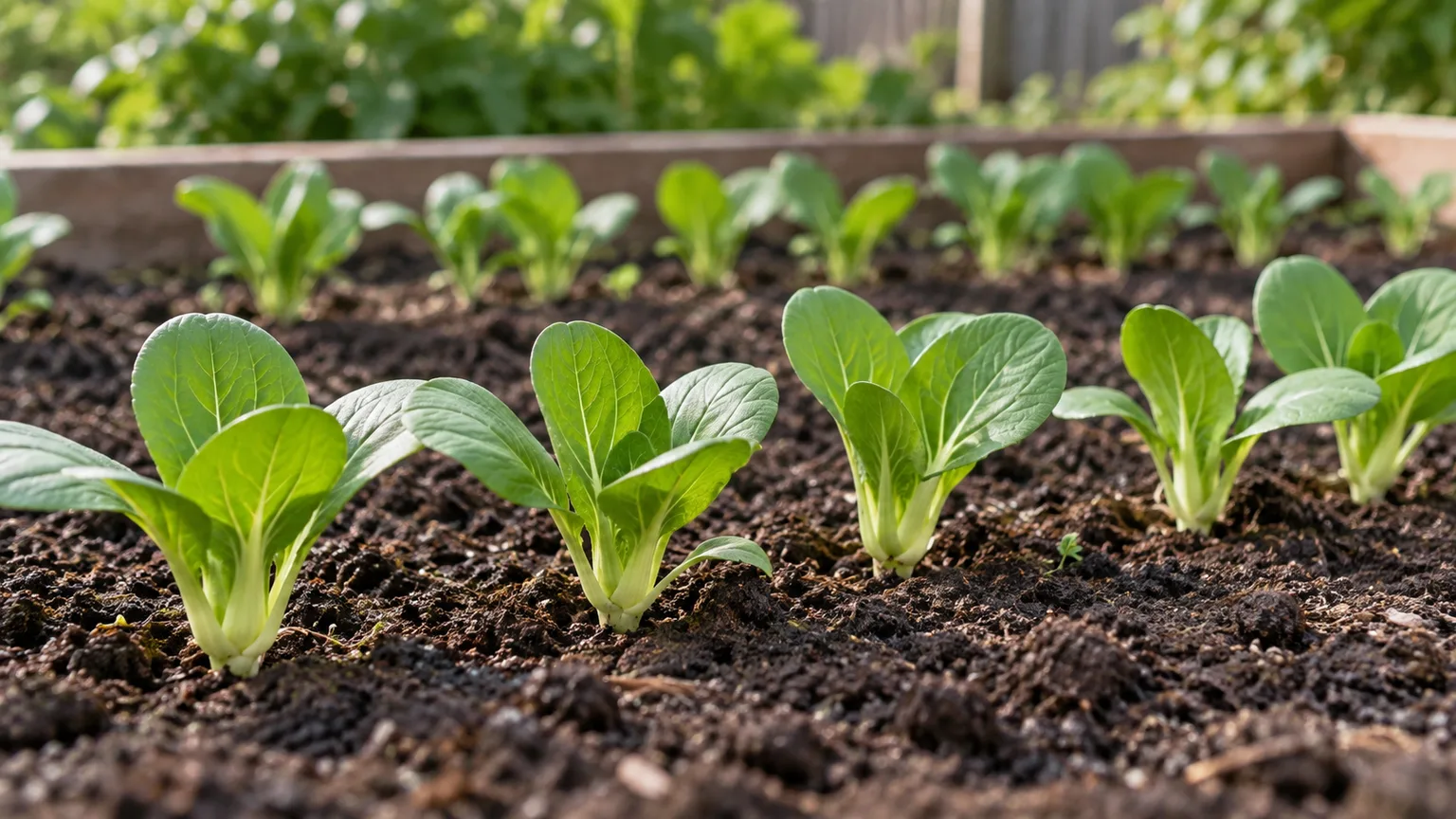
Water at the soil line, preferably in the morning, and aim for consistent moisture rather than repeated shallow sprinkling. If the garden is in containers, remember that small pots heat and dry much faster than garden beds; larger containers, light afternoon shade, and frequent checks help keep seeds from stalling. A brief wilt during peak afternoon heat can be temporary, but wilt that persists into morning usually signals a real moisture or root problem.
Use succession sowing and frost protection
For quick crops, sow smaller amounts every seven to fourteen days rather than planting a whole packet at once. This spreads the harvest and limits waste if a heat wave or heavy rain ruins one sowing.
The interval is a flexible starting point: use a shorter gap for radishes in a rapidly cooling region and a longer gap when heat keeps greens from germinating. Gardening Know How and Epic Gardening both emphasize succession sowing and heat-aware crop selection for July and fall plantings; treat their general schedules as a prompt to check your local packet and extension dates rather than a fixed calendar (Gardening Know How; Epic Gardening).
Keep lightweight row cover ready for flea beetles, cabbage moths, and an unexpected cool night, but secure it so wind cannot lift it. Use shade cloth to cool a young seedbed during hot afternoons; use frost cloth later when nights turn cold.
These materials solve different problems, and neither can compensate for a crop planted too late to mature. Remove or vent covers on sunny days so plants do not overheat, and uncover crops that need pollinators once they flower.
What not to plant late in the season
Avoid treating a long-season crop list as a universal July menu. In a short-season area, tomatoes, peppers, eggplant, winter squash, pumpkins, and large-heading brassicas may need more warm days than remain.
They are better bets in a long, mild climate, as vigorous transplants, or when the crop is grown for leaves or immature fruit rather than full maturity. Do not gamble the entire bed on them if you have a frost deadline and want dependable food.
Also avoid sowing cool-season greens into hot soil and assuming frequent watering will fix the problem. Heat and long days can trigger bolting, and spinach germination is especially sensitive to warm soil.
Wait for cooler evenings, use a shaded nursery row, or choose heat-tolerant crops for the moment. If the forecast calls for a heat wave, delay seed sowing a few days rather than losing a full row to dry surface soil.
Finally, do not rely on a zone number alone, plant by the calendar date printed for a different state, or assume every crop can be harvested before the first frost. Read the seed packet, check local frost information, and decide whether you want a full-size crop, baby leaves, or an overwintering plant. A small, well-timed row is usually more rewarding than a packed bed of crops that cannot finish.
Conclusion
July is not too late to plant a vegetable and herb garden, but it is late enough that the calendar deserves a quick calculation. Start with the local first-frost estimate, subtract the crop’s days to maturity, and add time for heat, germination, and slower fall growth. Then choose direct-sown quick crops, fall greens, roots, or transplants that fit the remaining window.
Keep summer seedbeds cool and moist, protect young plants from harsh afternoon sun, and sow quick crops in small successions. If the crop does not fit your local season, choose a faster variety or a smaller harvest goal rather than hoping frost waits. That approach turns a July planting into a realistic plan—and gives you a better chance of picking something useful before the season closes.