15 Plants Not to Plant Near Hydrangeas (and Why)
Fifteen common plants can clash with hydrangeas, but not for the same reason. Use this evidence-based guide to sort true risks from manageable pairings.
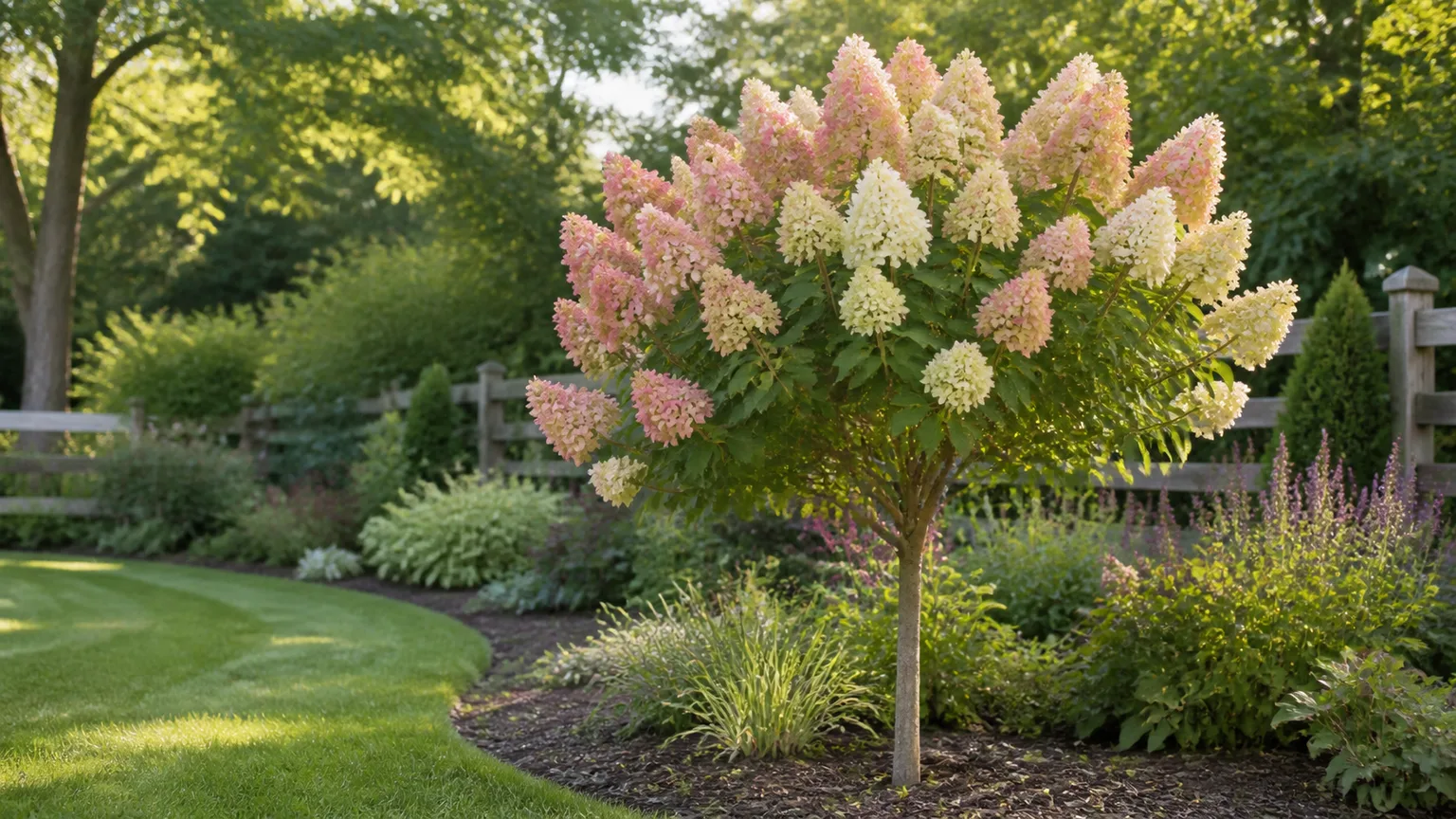
Some plants are poor neighbors for hydrangeas, but “poor neighbor” does not always mean poisonous, invasive, or chemically hostile. More often, the two plants are asking for different amounts of sun, water, root space, or seasonal maintenance. The right response may be a new location, a root barrier, a container, or simply more room—not automatically a shovel.
The list below covers 15 plants commonly flagged around hydrangeas and gives each one a more useful verdict. Start by identifying your hydrangea, then look at the bed’s actual light and moisture. Hydrangeas as a group prefer consistent moisture, and many grow best in a moist, humus-rich soil, but the species and cultivar determine how much sun they can use. Rutgers Cooperative Extension’s hydrangea guide and the University of Connecticut’s recent hydrangea guidance both emphasize that “hydrangea” is a group of plants, not one identical set of requirements.
| # | Plant | Main conflict | Practical verdict |
|---|---|---|---|
| 1 | Sunflower | Height, sun, root demand | Separate from shade-grown hydrangeas; do not rely on an allelopathy claim alone |
| 2 | Lavender | Dry, sunny soil versus even moisture | Keep in a separate sunny, sharply drained pocket |
| 3 | Marigold | Site mismatch or crowding | Manageable near sun-tolerant hydrangeas when spaced well |
| 4 | Dahlia | Sun, feeding, staking, and space | Use only in a spacious sunny border |
| 5 | Rose | Light, air, mature size, and access | Possible with spacing; poor as a pressed-together hedge |
| 6 | Goldenrod | Height, spread, and sunny exposure | Separate vigorous stands; do not treat every goldenrod as toxic |
| 7 | Daffodil | Post-bloom light, drainage, and watering rhythm | Plant in a sunnier, drier edge |
| 8 | Tulip | Full sun and seasonal dry-down | Keep in a separate bulb pocket or beside a sun-tolerant type |
| 9 | Garlic | Sunny bed, harvest disturbance, seasonal dry-down | Grow in a vegetable bed rather than blaming it for toxicity |
| 10 | Fennel | Height, self-seeding, and root space | Isolate or contain it |
| 11 | Mint | Spreading rhizomes | Grow in a pot or root-contained bed |
| 12 | Raspberry | Suckers, canes, trellis, and root spread | Give it a dedicated fruit row |
| 13 | Forsythia | Mature shrub size and shade | Separate or prune for access; chemical claims are not enough |
| 14 | Willow | Canopy and root competition | Keep hydrangeas outside the active tree root zone |
| 15 | Black walnut | Juglone, roots, and debris | Treat as the strongest separation case |
The real reason a neighbor can hurt a hydrangea
There are five useful ways a neighboring plant can create trouble:
- Light conflict: a sun-loving plant stretches, sulks, or shades the hydrangea, while a hydrangea in hot exposure loses water faster than it can replace it.
- Moisture conflict: one plant needs a dry-down between waterings while the other performs best with even moisture.
- Root competition: a large tree or vigorous shrub intercepts water and nutrients before the hydrangea can use them.
- Physical crowding: mature leaves and stems overlap, airflow falls, and routine watering, pruning, and inspection become difficult.
- Uncontrolled spread: rhizomes, suckers, or seedlings occupy the hydrangea’s root zone even when the original planting looked small.
Those mechanisms are more useful than a generic “companion plant” label. A panicle hydrangea in a sunny, well-drained border may coexist with a plant that would overwhelm a bigleaf hydrangea in afternoon heat. A mint plant in a pot is a different neighbor from mint loose in the same soil. A rose with an open gap around it is different from a rose hedge pressed against a hydrangea.
Identify your hydrangea before choosing a companion
The most common mistake in hydrangea companion lists is treating every hydrangea as if it wants the same border. Look at the flower shape, leaf size, mature height, and cultivar label if you have it. Then watch the planting spot for a full day, because “bright shade” and “full sun” can look similar in a nursery pot.
Bigleaf and mountain hydrangeas
Bigleaf hydrangeas, including mophead and lacecap forms, generally prefer morning sun or filtered light with protection from intense afternoon heat. Their flower buds are often carried on older stems, so a stressed plant can lose both vigor and next season’s bloom potential. Mountain hydrangeas have a similar preference for a cooler, evenly moist site.
If the bed faces west, reflects heat from a wall, or dries quickly under a thirsty tree, be cautious with any companion that increases sun or root pressure. The North Carolina Cooperative Extension discussion of hydrangeas and shade links high-light stress with poorer performance in bigleaf hydrangeas and recommends avoiding hot, full-sun sites.
Panicle hydrangeas
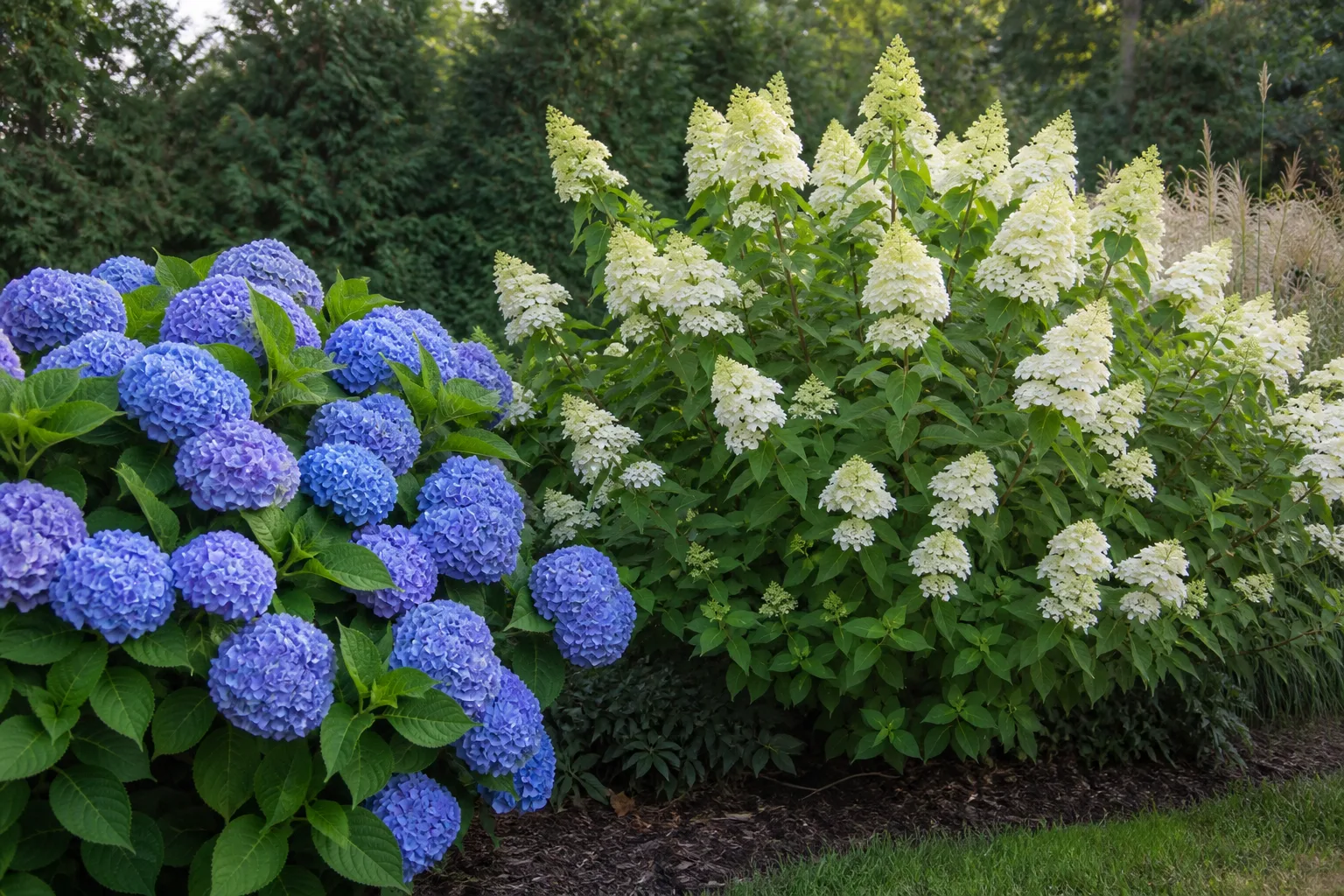
Panicle hydrangeas such as ‘Limelight’ and ‘Little Lime’ usually handle more sun than bigleaf types, especially when the soil stays evenly moist. They can be useful in a sunny mixed border, which means lavender, roses, dahlias, marigolds, or sedum are not automatically forbidden beside them.
The trade-off is scale. A panicle hydrangea can become a large shrub, and a sunny companion still needs enough space for air movement and roots. A practical nursery guide from Our Plant Farm’s hydrangea companion notes makes the same useful distinction: choose companions by hydrangea type, not by the word “hydrangea” alone.
Smooth and oakleaf hydrangeas
Smooth hydrangeas often tolerate full sun if moisture remains constant, while oakleaf hydrangeas are at home in light shade and humus-rich soil. Oakleaf types can also become broad and may sucker, so the shrub itself—not only the plants beside it—needs room.
The five-minute compatibility test
Before removing anything, answer five questions about the bed:
- How much direct sun reaches the hydrangea? Measure the hottest afternoon hours, not only the soft morning light.
- How deep does the soil stay moist? Push a finger or trowel 4 to 6 inches into the root zone a few hours after watering. Damp is useful; cold, saturated soil is not.
- Will either plant outgrow its current footprint? Use mature width, not the size of the nursery pot, and allow access for pruning and watering.
- Are roots crossing the same soil volume? A tree trunk, large shrub, caneberry row, or rhizomatous herb is a warning even if the canopies do not touch yet.
- Does the alleged chemical problem have strong garden evidence? A plant can produce a compound in a laboratory extract without proving that a healthy garden plant will harm a hydrangea at ordinary distance.
The first four questions usually find the real cause. If a hydrangea is wilted only on hot afternoons, inspect light and water before blaming allelopathy. If one side grows poorly while the other side looks normal, look for a tree root zone, compacted soil, or a sprinkler gap. If the entire bed declines after walnut leaves or wood chips were added, treat that clue more seriously.
Full-sun competitors: sunflowers, lavender, marigolds, dahlias, and roses
These five plants are often grouped together, but they do not pose the same problem. Sunflowers, lavender, dahlias, and roses commonly demand more direct sun or a different watering rhythm than a shade-grown bigleaf hydrangea. Marigolds are usually a site mismatch or crowding issue, not a proven hydrangea toxin.
1. Sunflowers can shade a small hydrangea with a tall canopy and pull heavily on the surface soil during hot weather. Sunflowers have also been studied for allelopathic effects, but that does not establish a universal rule that every sunflower will stunt every hydrangea in a home bed. Put them in the brightest part of the garden, away from the hydrangea’s main root zone, and remove volunteer seedlings before they form a dense stand.
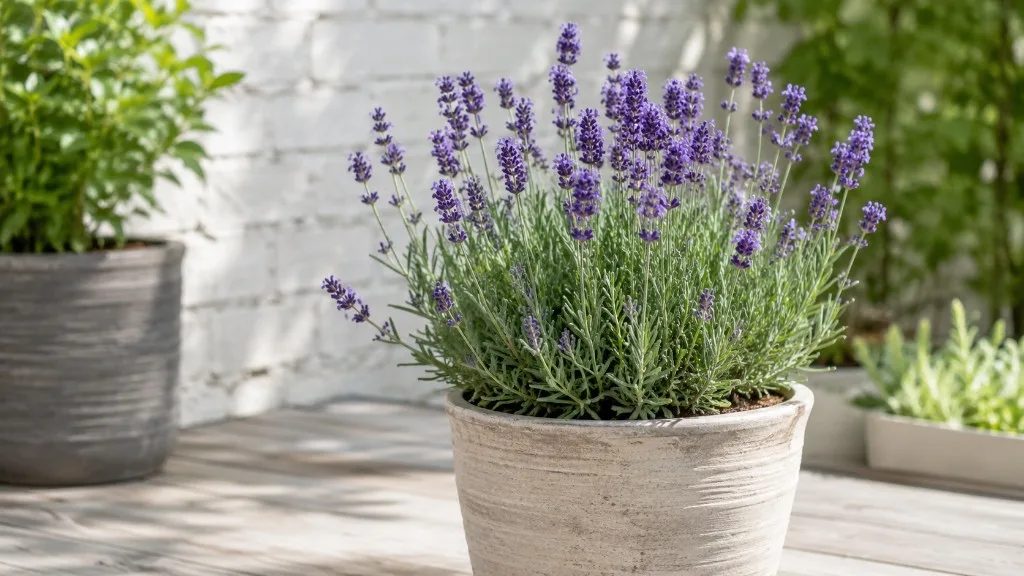
2. Lavender is the clearest light-and-moisture mismatch in this group. It wants strong sun, sharp drainage, and a root zone that dries more between waterings; many hydrangeas want more even moisture. The lavender may rot in the hydrangea’s irrigated soil, or the hydrangea may scorch if the bed is altered to suit the lavender. Grow lavender on the dry, sunny edge or in a separate raised or gravelly bed.
3. Marigolds are useful annuals, but the claim that they automatically poison hydrangeas is too broad for a garden recommendation. A marigold can live near a sun-tolerant panicle hydrangea if the soil drains and the plants are not packed together. If you have a bigleaf hydrangea in shade, a pot of marigolds in a brighter location is the safer arrangement.
4. Dahlias need sun, regular feeding, staking, and steady water while they are growing. Their care can work beside a panicle hydrangea in a spacious sunny border, but it is a poor pairing beside a heat-sensitive bigleaf hydrangea or in a bed so crowded that staking damages hydrangea roots. Keep the dahlia tubers in their own sunny pocket and leave a clear lane around the shrub.
5. Roses are not forbidden hydrangea companions. They can share a border when both receive enough light, air, and root space, but a rose hedge pressed against a hydrangea creates shade, spray drift, thorny access, and crowding. If the rose is healthy and the hydrangea is not, compare the two root zones and their irrigation coverage before moving either one.
6. Goldenrod varies by species and habit. A tall, vigorous goldenrod in full sun can shade a hydrangea, self-seed into the same bed, and make the border harder to maintain. That is a strong practical reason to give it its own meadow or sunny section, but it is not proof that every goldenrod plant releases enough chemicals in a home bed to harm a hydrangea. Keep a compact, well-behaved cultivar only if its mature size and light needs fit the site.
What to do with each full-sun plant
Use this quick decision rule: if the hydrangea is a bigleaf or mountain type, move the sun-loving plant first unless you can give it a clearly brighter, drier pocket. If the hydrangea is a panicle or a smooth type in full sun, keep the pairing only when the soil drains, irrigation is even, and the mature canopies will not overlap.
Bulbs and herbs that prefer a different seasonal rhythm
Spring bulbs and culinary herbs are not automatically bad for hydrangeas, but they often occupy the bed during different seasons and ask for different watering after flowering. The important question is what the soil does after the bulb blooms, not whether the two plants look good in a bouquet.
Daffodils, tulips, garlic, and fennel
7. Daffodils need their foliage to remain in place after flowering so the bulb can replenish its reserves. That foliage performs best with light and reasonable drainage. Do not braid or cut it early, and do not place the bulbs in a pocket that stays soggy from constant hydrangea irrigation. A sunny strip several feet in front of the hydrangea is usually easier to manage.
8. Tulips have a similar full-sun and drainage preference, especially if you want the bulbs to return rather than behave as one-season color. They can be planted near a panicle hydrangea if the tulip pocket is raised or at the bed’s drier edge. With a bigleaf hydrangea in heavy shade, separate them so neither plant receives a compromised site.
9. Garlic is often called allelopathic because sulfur-containing compounds and extracts can affect other organisms in controlled tests. That is not enough to conclude that a row of garlic will poison an established hydrangea. The practical conflict is better explained by light, harvest timing, bed disturbance, and garlic’s preference for a sunny, well-drained growing area. Keep the garlic in a vegetable bed, where digging and harvest will not disturb the shrub’s roots.
10. Fennel is a stronger separation recommendation because it can become tall, self-seed, and claim a sunny, open space. Its chemical reputation is real enough to justify caution, but the home-garden decision does not need a dramatic toxin claim: fennel is easier to control when isolated, and its large root system and height can crowd a hydrangea. A container or dedicated herb section prevents volunteers from appearing in the shrub bed.
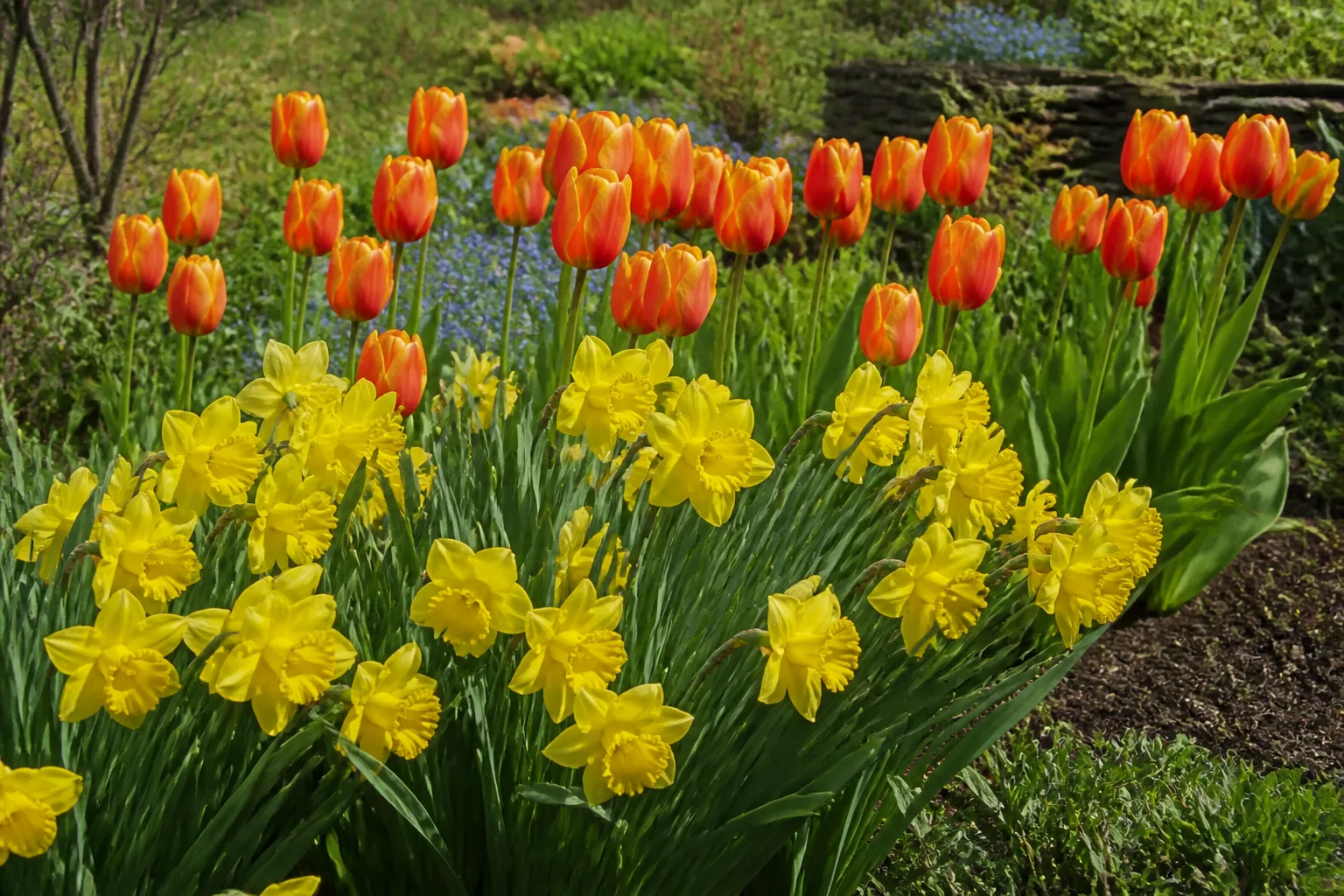
The practical editorial guidance on daffodil foliage and post-bloom care is a useful reminder: let the leaves finish their work before removing them. That seasonal requirement is a better reason to separate bulbs from hydrangeas than an unsupported claim that every bulb chemically harms the shrub.
Spreaders that turn a shared bed into a takeover
Vigorous plants can sabotage a hydrangea simply by changing the bed’s geometry. The hydrangea may still have healthy leaves, but its root zone becomes difficult to water, mulch, weed, or inspect. These are management problems, and they are often fixable without discarding the plant.
Mint and raspberry
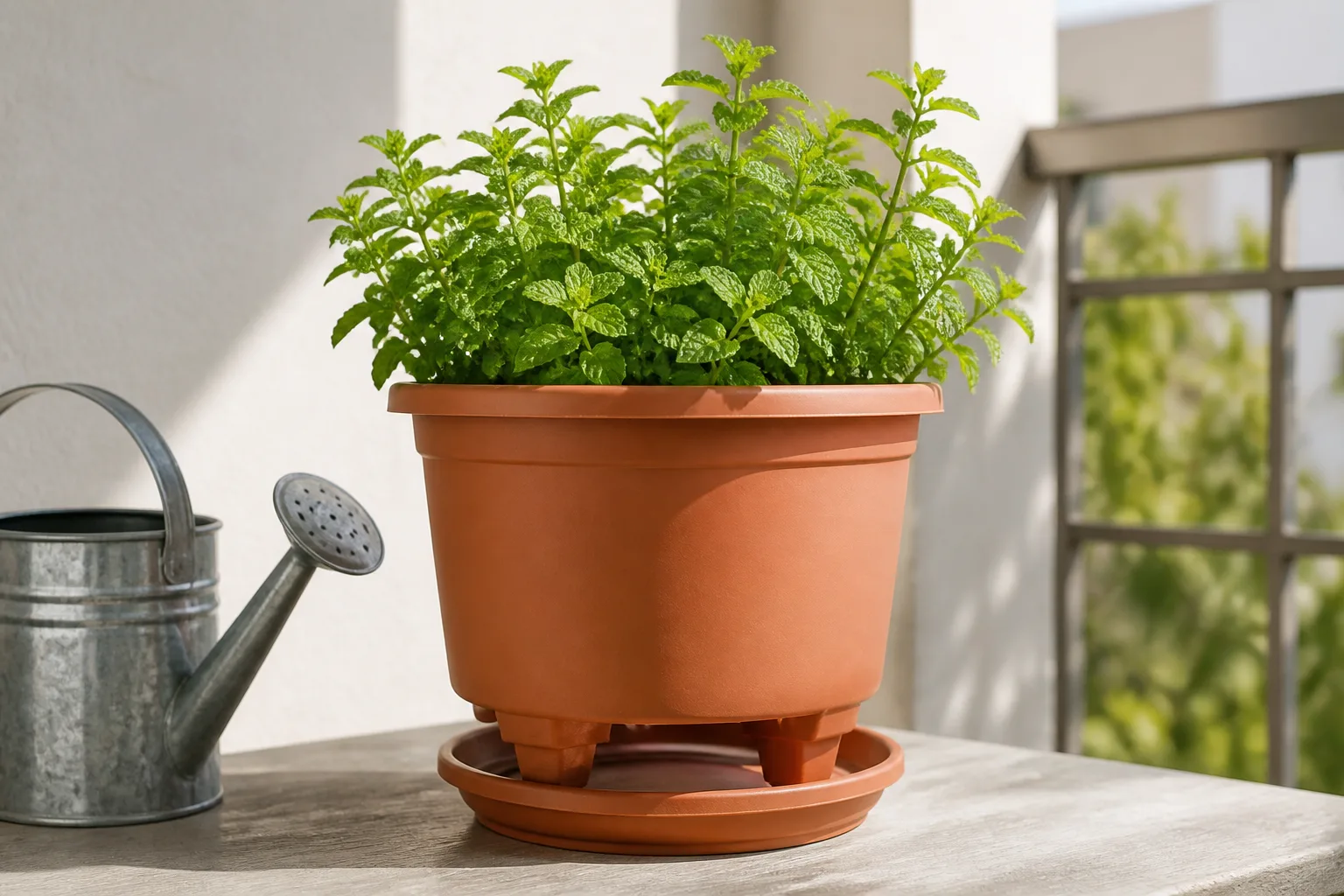
11. Mint is the clearest example. Most culinary mints spread by underground rhizomes, and a small division can cross the soil into the hydrangea’s root zone. The Royal Horticultural Society’s mint guide recommends containers or a bottomless container sunk into the soil, with the rim slightly above the surface to prevent shoots from escaping over the top. Use that containment method, or move mint to a patio pot where runners are visible.
12. Raspberry belongs in a dedicated caneberry row, not tucked into the front of a hydrangea bed. Its canes, suckers, trellis, harvest traffic, and root spread make the planting increasingly crowded. Remove young suckers outside the row while they are small, and give the canes their own irrigation and support so the hydrangea does not become the edge marker for an expanding fruit patch.
Large woody neighbors that change the whole root zone
Large shrubs and trees create a problem that annual flowers rarely do: they change light, soil moisture, root density, and access for years. A young companion may look harmless when planted, but the mature canopy and root system decide whether the pairing still works.
Forsythia, willow, and black walnut
13. Forsythia is a large, fast-growing shrub that is usually happier in full sun than a shade-grown hydrangea. It may also shade the hydrangea and compete for the same surface moisture as it matures. Do not remove a healthy forsythia because of a blanket allelopathy warning alone; instead, measure its mature spread, prune it after flowering, and move or redesign the planting if the canopies will overlap.
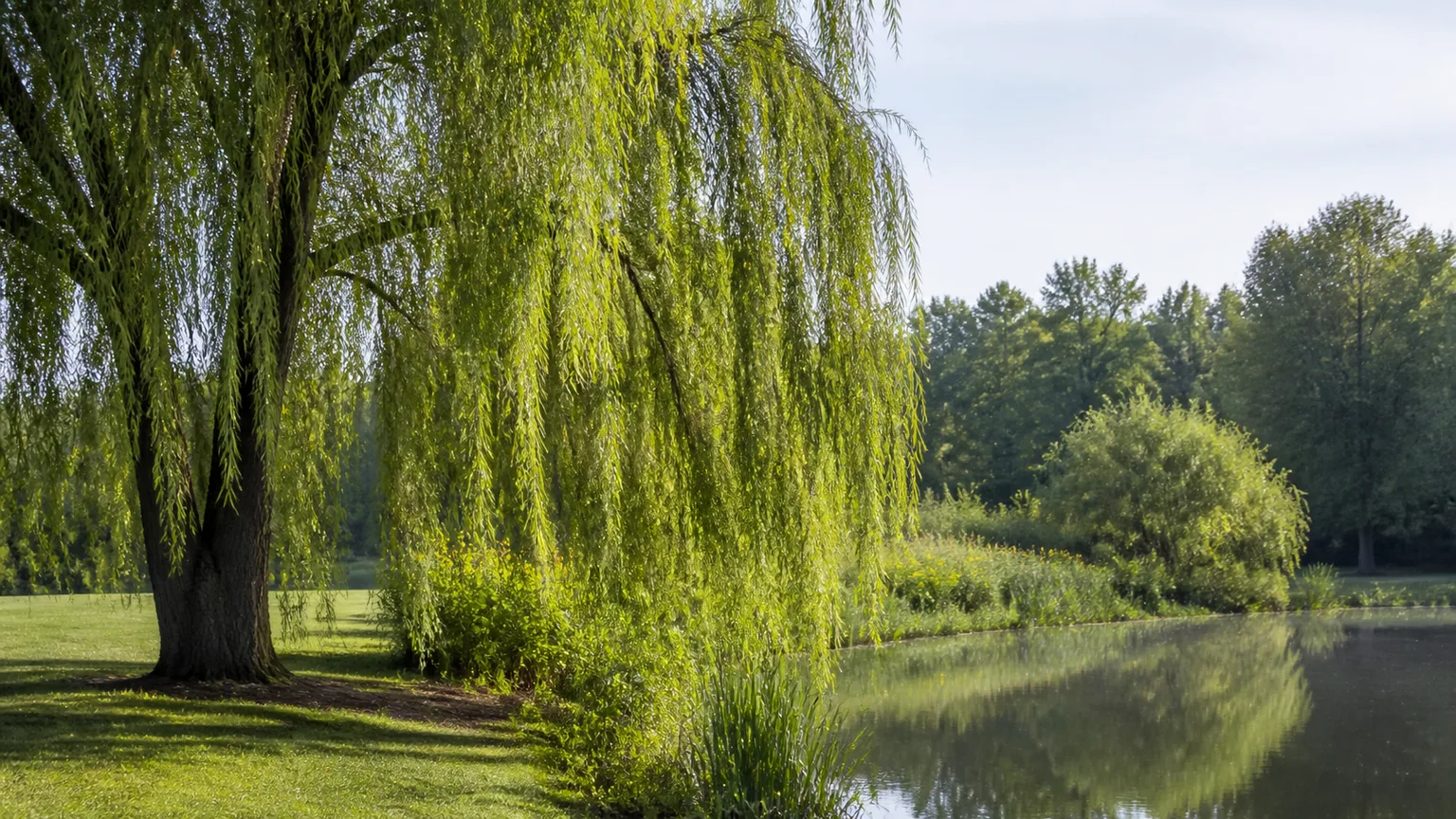
14. Willow is a poor close neighbor mainly because of size, shade, and root competition. Willows often occupy moist sites, but that does not make every plant beneath them well supplied: a large tree can intercept water, create dense shade, and fill the soil with fine roots. Plant the hydrangea beyond the willow’s active root zone when possible, and never try to solve a mature-tree competition problem by simply watering the hydrangea more.
15. Black walnut deserves the strongest warning in the list. Black walnut produces juglone, and susceptible plants can decline when their roots share the walnut’s root zone or when walnut leaves, nuts, bark, or wood chips are incorporated into the bed. An Ask Extension response about hydrangeas near black walnut describes hydrangeas as moderately susceptible and uses roughly 50 to 60 feet from a large trunk as an average root-zone caution; it also notes that even a planting farther away may not be automatically safe. A separate University of New Hampshire Extension explanation of black walnut effects explains why distance, root contact, and plant susceptibility all matter.
If a black walnut is nearby, remove walnut debris from the hydrangea bed, do not use walnut wood chips as mulch, and do not assume a generous planting hole filled with new soil permanently isolates the roots. A raised bed with a genuinely effective root barrier may help in some sites, but the most reliable solution is a hydrangea location outside the walnut’s active root zone or a different shrub chosen for walnut tolerance.
Allelopathy: what gardeners can and cannot conclude
Allelopathy is a real biological phenomenon in which chemicals from one organism affect another. The mistake is using the word as a universal explanation for every plant that struggles beside another plant. A peer-reviewed review in Frontiers in Plant Science explains that effects vary with species, variety, plant tissue, growth stage, moisture, pH, soil type, microbial community, concentration, and how long the compound persists.
That matters for sunflower, marigold, goldenrod, garlic, fennel, and forsythia. Extracts, laboratory assays, or observations in a dense naturalized stand can justify a cautious placement choice, but they do not prove that one ordinary plant in a mixed border will injure a hydrangea. A responsible recommendation should tell you what you can observe and control: separate the plant if it is also too sunny, too tall, too thirsty, invasive, or hard to maintain. Do not apply homemade plant extracts to the hydrangea as a “test,” because the dose and plant response are uncontrolled.
How far apart should plants be from hydrangeas?
There is no single companion-plant distance that works for every hydrangea cultivar. Use the hydrangea’s mature width, the companion’s mature width, and the direction of the strongest sun rather than measuring from the current stems.
- Keep small annuals and low perennials outside the hydrangea crown, usually at least 18 to 24 inches from the base so watering and airflow are possible.
- Give medium perennials and roses enough space that their mature foliage will not interlock with the hydrangea; 2 to 3 feet from the crown is a reasonable starting point, then adjust for cultivar size.
- Put large shrubs in a separate layer of the landscape, with enough room for both mature canopies plus a walkway or maintenance gap.
- Treat willows and black walnuts as tree-scale decisions, not ordinary companion plantings. For a large black walnut, use the 50–60-foot root-zone caution as a starting point, not a guarantee.
Spacing is doing three jobs: preserving light, reducing root overlap, and keeping the bed serviceable. If you cannot reach the hydrangea’s base, see the soil, or water without soaking the wrong plant, the plants are too close even if neither one is visibly declining yet.
If these plants are already together, fix the bed in this order
Do not start by fertilizing. Extra fertilizer can push soft growth while the root problem remains, and it cannot correct a site that is too hot or contaminated with walnut debris.
- Check the pattern. Note whether the hydrangea wilts only in afternoon heat, declines on the side facing a tree, or stays weak all season. Check leaves for pests and stems for damage before assigning blame to a companion.
- Measure soil moisture. Feel 4 to 6 inches down in several spots. If the surface is wet but the root zone is dry, irrigation is shallow or blocked; if it is saturated, improve drainage rather than adding more water.
- Remove the easy competitors first. Pull mint runners, raspberry suckers, fennel seedlings, and volunteer sunflowers while they are young. Move potted plants rather than digging through established hydrangea roots.
- Clear the soil surface. Remove walnut leaves, nuts, bark, or wood chips from the hydrangea bed and replace them with a clean mulch that is not mixed into the soil.
- Decide which plant is easier to move. A young annual, bulb clump, mint, or small shrub is usually the easier candidate. A mature hydrangea can suffer transplant shock, so move it during cool, dormant conditions when the root ball can be kept intact.
- Handle tree conflicts realistically. Do not sever large tree roots casually. If the site is a black walnut root zone or a willow has filled the bed with roots, moving the hydrangea or redesigning the border is more dependable than trying to out-water the tree.
- Reassess before treating. If the hydrangea does not improve after the light, moisture, and competition problem is corrected, use a soil test and seek a local plant diagnostic opinion. Yellow leaves and wilt have many causes.
Better companion plants for a hydrangea bed
For bigleaf, mountain, and many oakleaf hydrangeas, start with plants that accept filtered light and evenly moist, well-drained soil. Hostas, ferns, coral bells, astilbe, foamflower, and woodland sedges can fill the lower layer without demanding a hotter, drier site. Choose clumping forms where a groundcover could otherwise spread into the shrub’s crown.
For panicle or smooth hydrangeas in brighter sites, use sun-tolerant plants at the outer edge rather than pressing them against the base. Coneflower, black-eyed Susan, catmint, and sedum can work when the soil is not waterlogged; put the drier plants where the bed drains fastest and keep moisture-loving plants closer to the hydrangea’s irrigation zone. The design principle is simple: match the companion to the same microclimate, then leave enough room for both plants to mature.
Conclusion
The best answer to “which plants should not grow near hydrangeas?” is not a fear-based blacklist. Keep black walnut and large, root-competitive trees at a serious distance; contain mint and raspberry; separate dry, sun-loving plants from shade-grown hydrangeas; and give bulbs and herbs their own seasonal, well-drained pockets.
Treat marigolds, garlic, goldenrod, fennel, and forsythia with more nuance. They may be poor choices in a particular bed because of site, size, or spread, but a chemical warning alone is not enough to condemn a healthy plant. Identify the hydrangea, measure the light and moisture, plan for mature size, and make the smallest change that removes the actual conflict.