20 Flowering Plants With Large Blooms
Discover 20 flowering plants with oversized blooms—from dinner-plate dahlias to hardy hibiscus—with zones, sun needs, toxicity flags, and tips to grow bigger flowers.
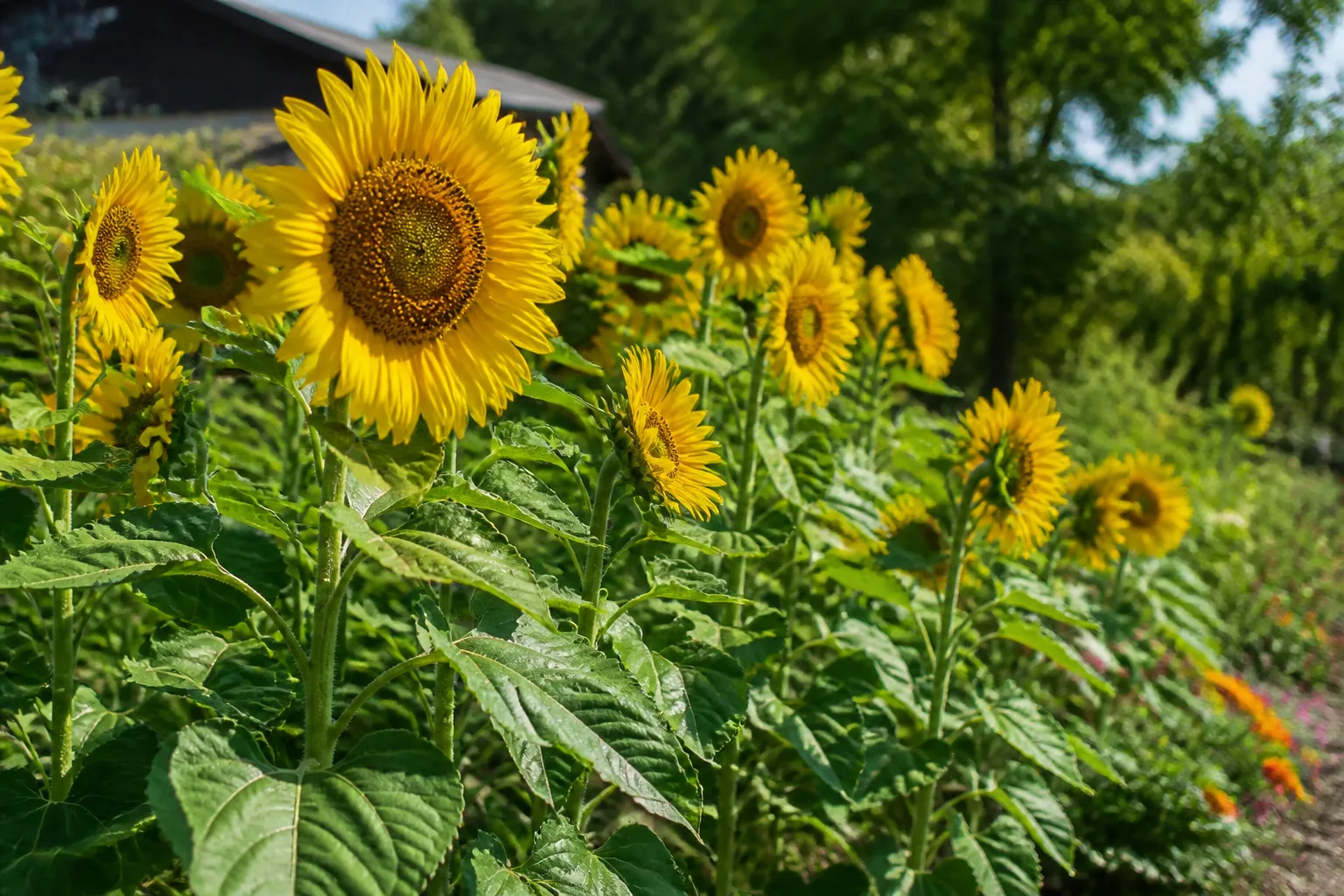
Walk through a summer border where dinner-plate dahlias sit beside 12-inch hydrangea heads and a hardy hibiscus the size of a salad plate, and you understand why gardeners chase large garden flowers. Big blooms photograph well, fill vases with one stem, and give small yards instant presence. The catch is that oversized flowers usually demand more sun, water, fertility, or staking than their smaller cousins—and several of the showiest species are toxic or restricted in parts of the country. This guide walks through 20 flowering plants with large blooms, grouped by how they behave in the garden so you can match drama to your climate, soil, and safety needs.
What Counts as a Large Garden Bloom?
In ornamental horticulture, “large” usually means individual flowers or flower heads 6 inches (15 cm) across or wider, though gardeners often stretch the label to impressive inflorescences—the rounded hydrangea panicles or allium spheres that read as one giant flower from across the yard. Annual sunflowers and zinnias hit peak size in a single season; woody plants like camellia and magnolia invest years in structure before their biggest displays. Knowing which category you are shopping for prevents the classic mistake of buying a tropical lotus for a Minnesota deck or a delphinium for a humid Gulf Coast border where it will melt by July.
The largest single flower in the world belongs to Rafflesia arnoldii, a rainforest parasite with blooms up to 3 feet (1 m) wide—not something you will tuck beside the mailbox. Among commonly cultivated garden plants, sacred lotus, king protea, and mammoth sunflowers approach the upper end of what home growers can realistically achieve without a greenhouse crew.
How to Choose Big-Blooming Plants for Your Yard
Before you fall for a catalog photo, run a three-part site check: USDA hardiness zone, daily sun hours, and water you are willing to supply. Large flowers transpire heavily; a dinner-plate dahlia in full July sun can wilt by noon if soil dries out. Second, decide whether you need one-season color (annuals, tender bulbs) or returning structure (shrubs, hardy perennials). Third, scan the toxicity list if pets or toddlers share the space—many of the most dramatic blooms in this list are also the most dangerous when chewed.
Match Zone, Sun, and Water Before Flower Size
Full-sun giants—sunflower, zinnia, hardy hibiscus, globemaster allium—want 6+ hours of direct light and consistent moisture during bloom. Part-shade performers—hydrangea, camellia, tree peony, clematis—tolerate or prefer afternoon protection in hot climates. Warm-zone specialties—king protea, angel’s trumpet, sacred lotus—need frost-free winters or indoor overwintering. If your soil is heavy clay, prioritize raised beds for dahlias and delphiniums; if you garden on sand, plan extra irrigation for hibiscus and lilies. Matching the plant to the site matters more than any bloom booster you can buy.
Annuals With Show-Stopping Summer Flowers
Annuals and tender annuals deliver the fastest path to oversized flowers because the plant pours all its energy into one season of reproduction. They are ideal for renters, new beds, and cutting gardens where you want maximum impact without a five-year wait.
Sunflower, Zinnia, and Cockscomb
Common sunflower (Helianthus annuus) sets the benchmark for giant annual flowers. Heirloom ‘Mammoth’ regularly produces 12-inch (30 cm) seed heads on sturdy stalks; hybrid ‘Sunzilla’ has been bred for 16-foot (5 m) stems that support enormous disks. Sunflowers are drought-tolerant once established, but Almanac and field trials agree: steady moisture and rich soil during bud formation yield the largest heads. Direct-sow after soil warms; overcrowding produces smaller flowers.
California Giant zinnia (Zinnia elegans), introduced in 1926 and still promoted by the National Garden Bureau, bears 4- to 6-inch (10-15 cm) semi-double to double blooms on 2- to 3-foot (60-90 cm) plants. Zinnias want full sun, average well-drained soil, and good air circulation—powdery mildew shrinks both foliage and flowers. Deadhead spent blooms to keep new buds forming through heat.
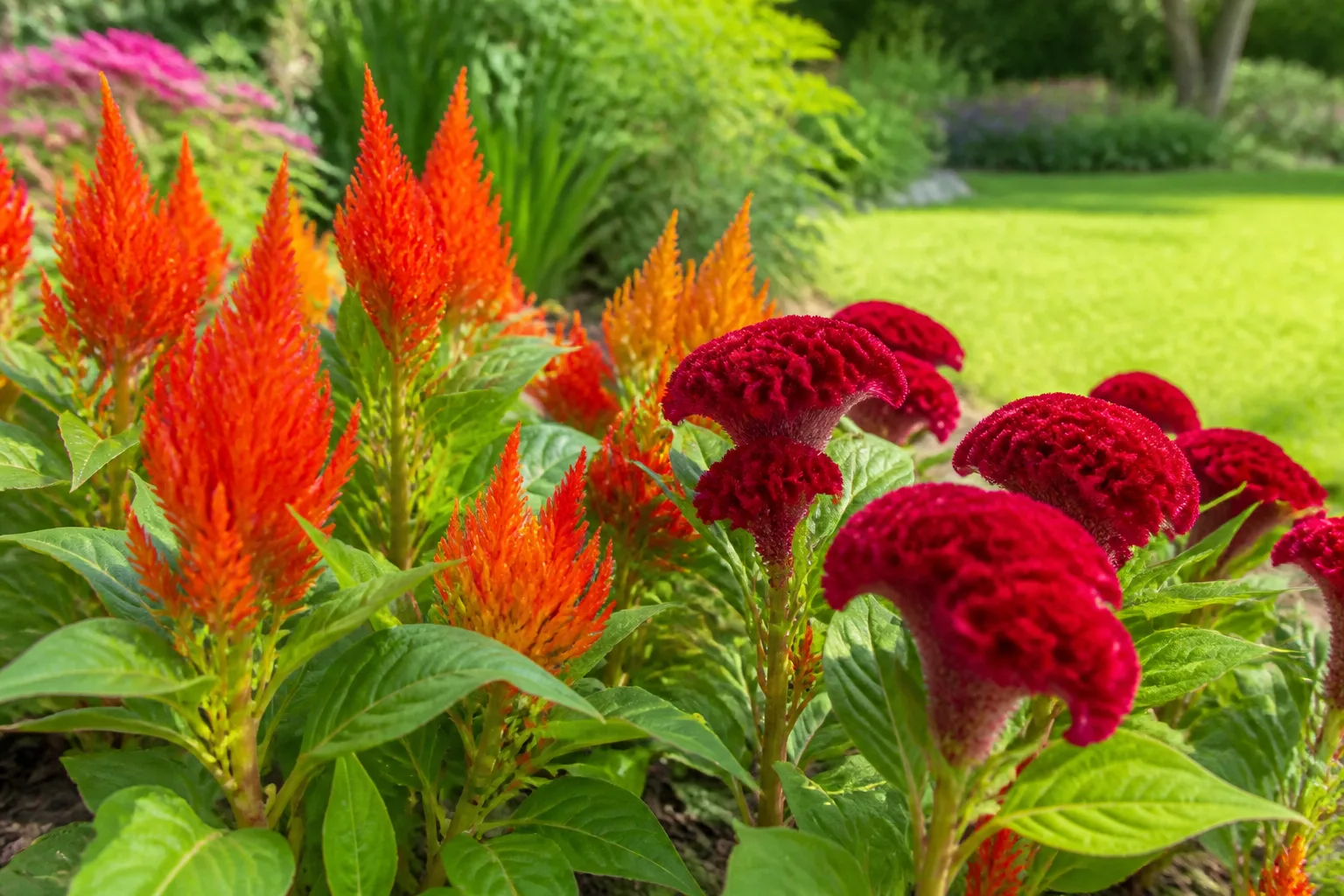
Cockscomb (Celosia argentea var. cristata) trades round petals for velvety, brain-like crests that can exceed 12 inches (30 cm) on vigorous plants. Celosia tolerates humidity and lean soil better than most large annuals, self-seeds freely, and works equally in beds and cut-flower rows. Rich soil and regular water push crest size; allow spacing of 12-18 inches (30-45 cm) so air reaches the dense folds.
Moonflower for Night Gardens
Moonflower (Datura spp., often D. inoxia or D. metel) opens 6-inch (15 cm) white trumpets at dusk, releasing honeysuckle-like perfume that pulls in sphinx moths. Wisconsin Horticulture Extension notes plants can reach 3-5 feet (90-150 cm) in one warm season, with coarse foliage best sited as a background specimen. Nick or soak seeds for faster germination; combine with morning glory on a trellis for day-and-night coverage.
Treat moonflower as a serious poison hazard: all parts contain tropane alkaloids toxic to humans, pets, and livestock, and cultivation is restricted in some states. It also reseeds aggressively—remove seed capsules before they split if you do not want volunteers next year. Check with your county extension office before planting near natural areas.
Perennials and Shrubs That Flower Oversized
Hardy perennials and woody plants cost more upfront but return bigger displays once roots establish. Expect staking, pruning, and occasional division—trade-offs for flowers that improve year over year.
Hydrangea, Hardy Hibiscus, and Oriental Poppy
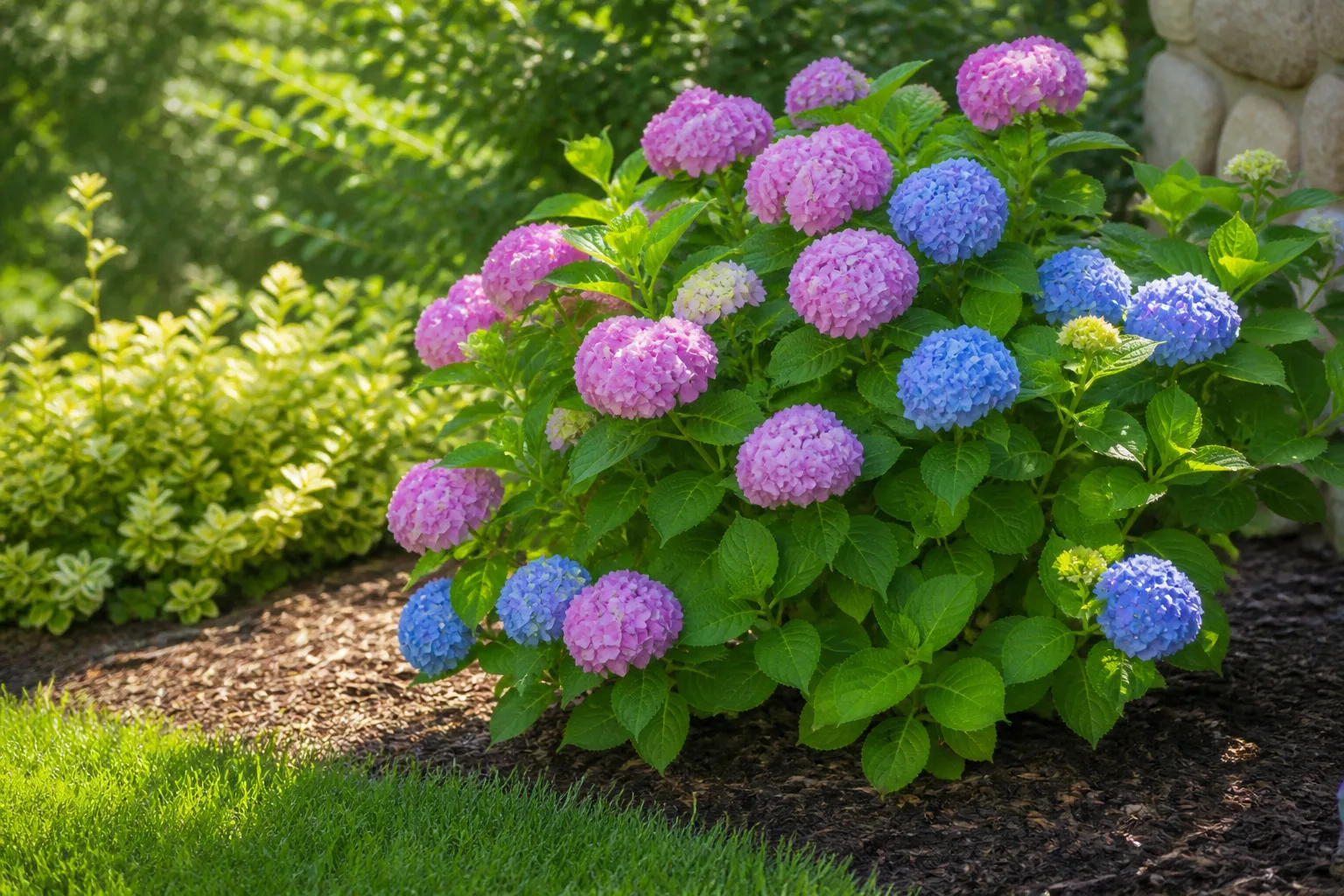
Hydrangeas anchor the large-bloom category in partly shaded yards. Smooth hydrangea cultivars like ‘Annabelle’ carry 12-inch (30 cm) white spheres on new wood; ‘Incrediball’ improves stem strength so rain-soaked heads do not flop. Bigleaf types (Hydrangea macrophylla) offer mopheads and lacecaps in blue, pink, and purple, with bloom color shifting on acid soils. Panicle and oakleaf species extend the season into late summer. The RHS hydrangea profile emphasizes moist, well-drained, humus-rich soil and shelter from scorching afternoon sun in warm zones.
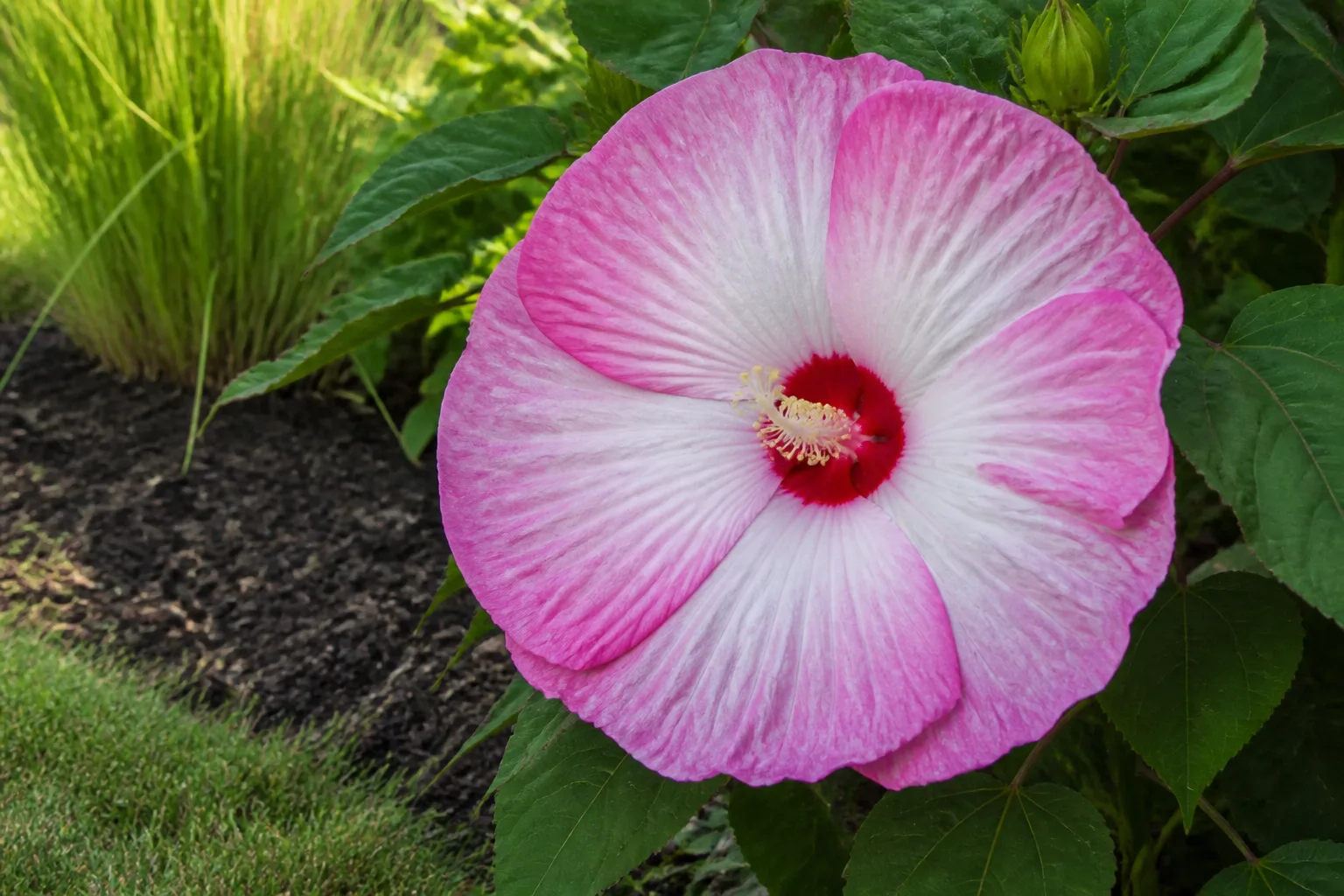
Hardy hibiscus (Hibiscus moscheutos), sometimes called rose mallow, produces 10- to 12-inch (25-30 cm) tropical-looking flowers on herbaceous stems that die back in winter yet survive to zone 4 with mulch. Plants emerge late in spring—do not assume they died. Full sun and ample water fuel the largest blooms; cultivars like ‘Summer Storm’ add dark foliage for contrast.
Oriental poppy (Papaver orientale) delivers 7-inch (18 cm) tissue-paper blooms with black centers in late spring. The Goliath group, including ‘Beauty of Livermere’, is bred specifically for scale. Poppies need excellent drainage and full sun; foliage yellows and disappears by midsummer, so interplant with late-emerging perennials like baby’s breath or ornamental grasses to hide the gap.
Tree Peony, English Rose, and Camellia
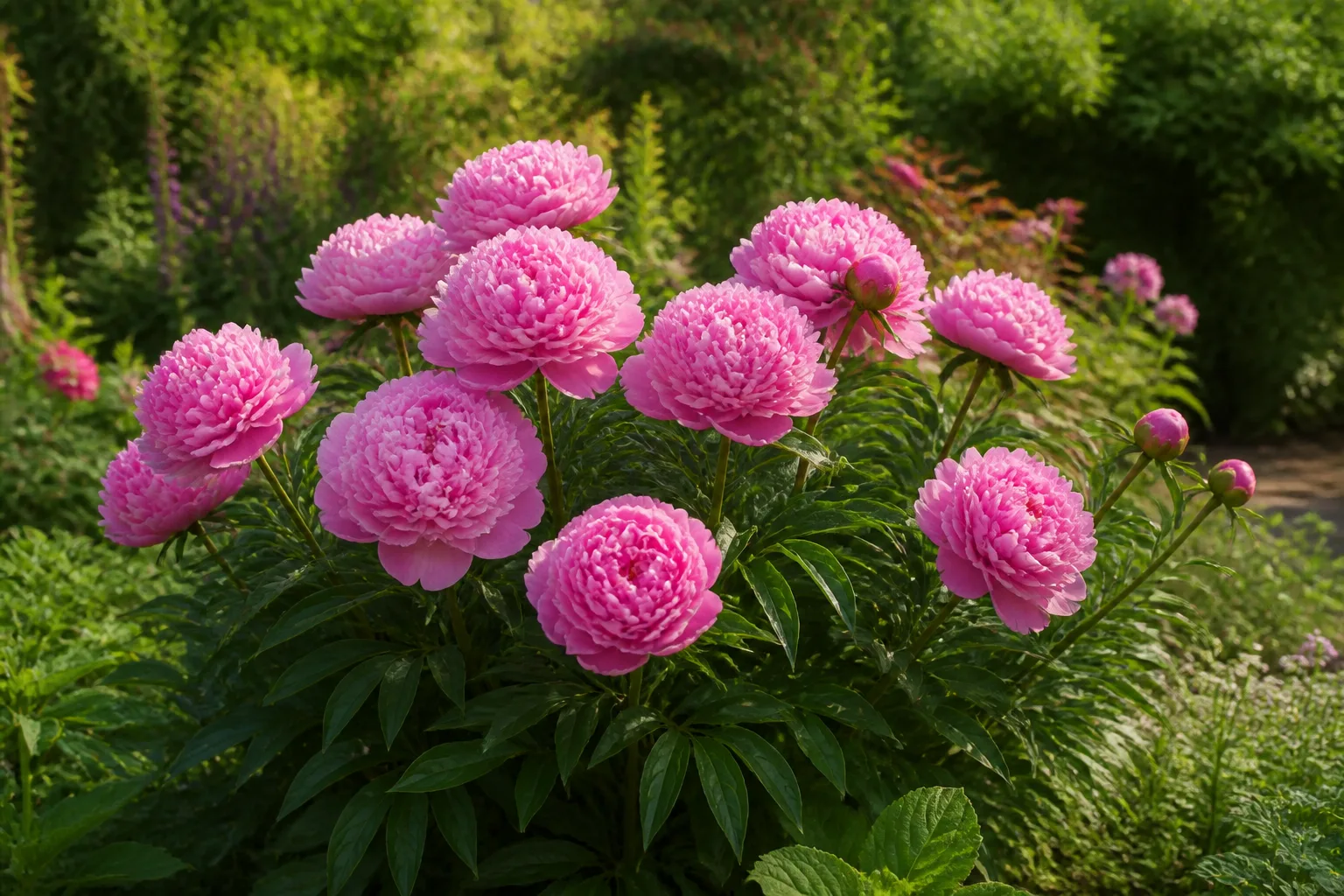
Tree peonies (Paeonia suffruticosa) are woody shrubs—not true trees—with 8- to 10-inch (20-25 cm) flowers on permanent stems. They are slow to mature but can carry 50 blooms on a 5-foot plant once settled. Plant shallowly in fertile, well-drained loam with morning sun and afternoon shade in hot climates. Avoid disturbing established roots; tree peonies resent transplanting.
English roses, David Austin’s breeding line, target old-fashioned form with modern repeat bloom. Cultivars like ‘Charles Darwin’ and ‘Spirit of Freedom’ pack 140-200 petals into 6-inch (15 cm) cups with strong fragrance. They need full sun, fertile loam, and air circulation to limit black spot and powdery mildew—water at the base, not overhead.
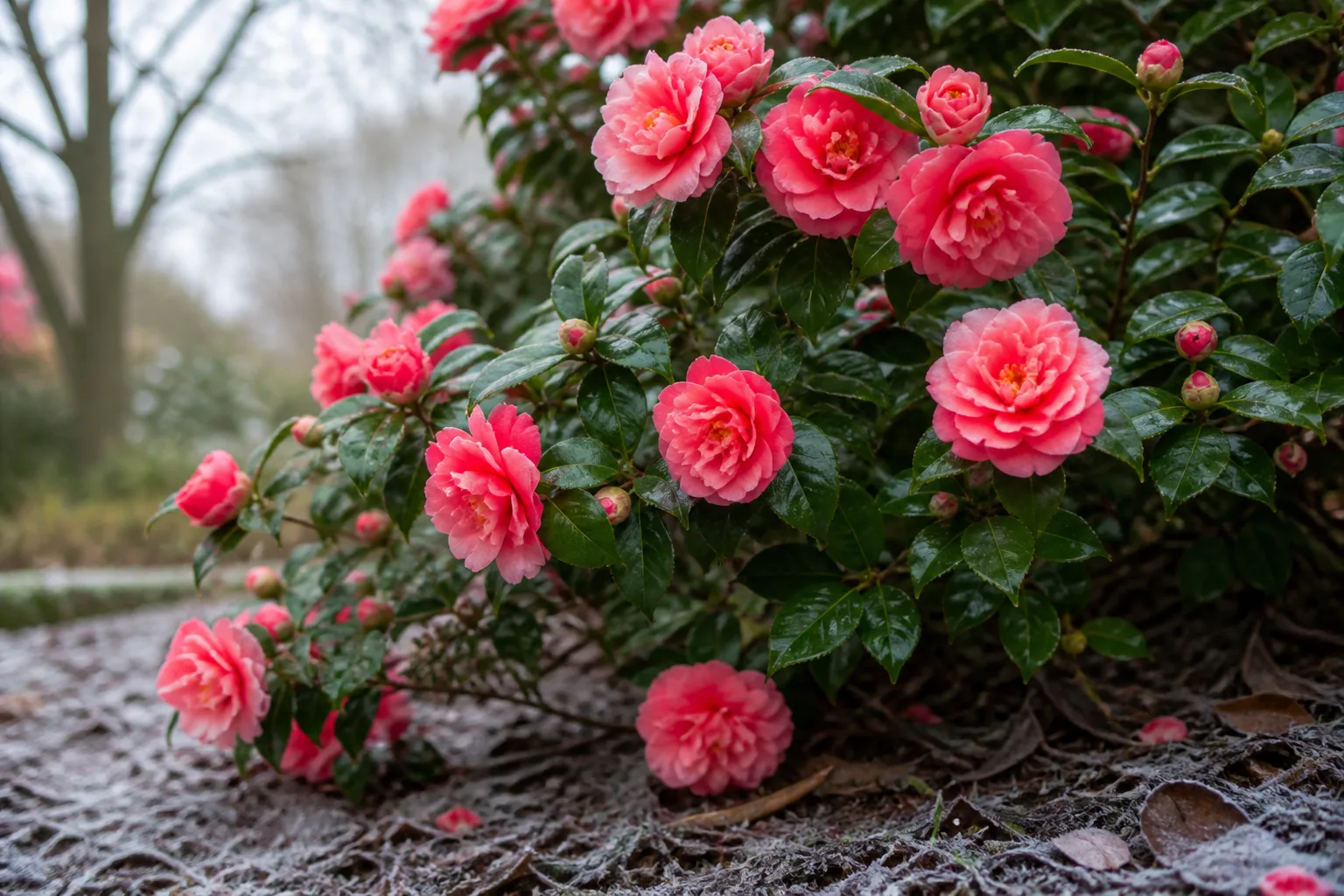
Camellia (Camellia japonica), the South’s winter-to-spring star, offers cultivars such as ‘Don Mac’ and ‘Debutante’ with flowers approaching 6 inches (15 cm) across. Plants prefer filtered sun, acidic soil, and consistent moisture. Growth is slow early on; camellias are long-lived once established. Disbudding—removing side buds—can concentrate energy into fewer, larger flowers on selected stems.
Bulbs, Vines, and Specialty Giants
Bulbs and climbers concentrate bloom size vertically, which makes them invaluable for fences, pergolas, and back-of-border height.
Dahlia, Allium, Lily, and Clematis
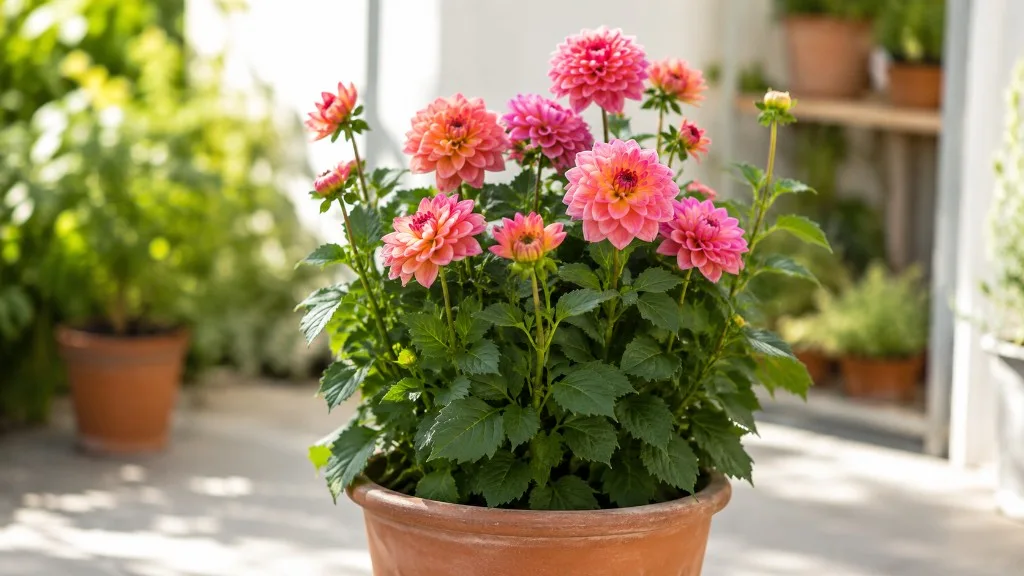
Dinner-plate dahlias (Dahlia hybrids) are any cultivar with flowers 8 inches (20 cm) or wider—labels like ‘Belle of Barmera’ and ‘Lady Darlene’ are popular starting points. The RHS dahlia guide recommends planting tubers after frost in fertile, moisture-retentive but well-drained soil. Dahlias are heavy feeders: more sun, water, and balanced fertilizer yield larger disks. Remove side buds on young plants if you want a few true giants rather than many medium blooms. Stake stems before August winds arrive. Lift tubers in zones colder than 8 for dry winter storage.
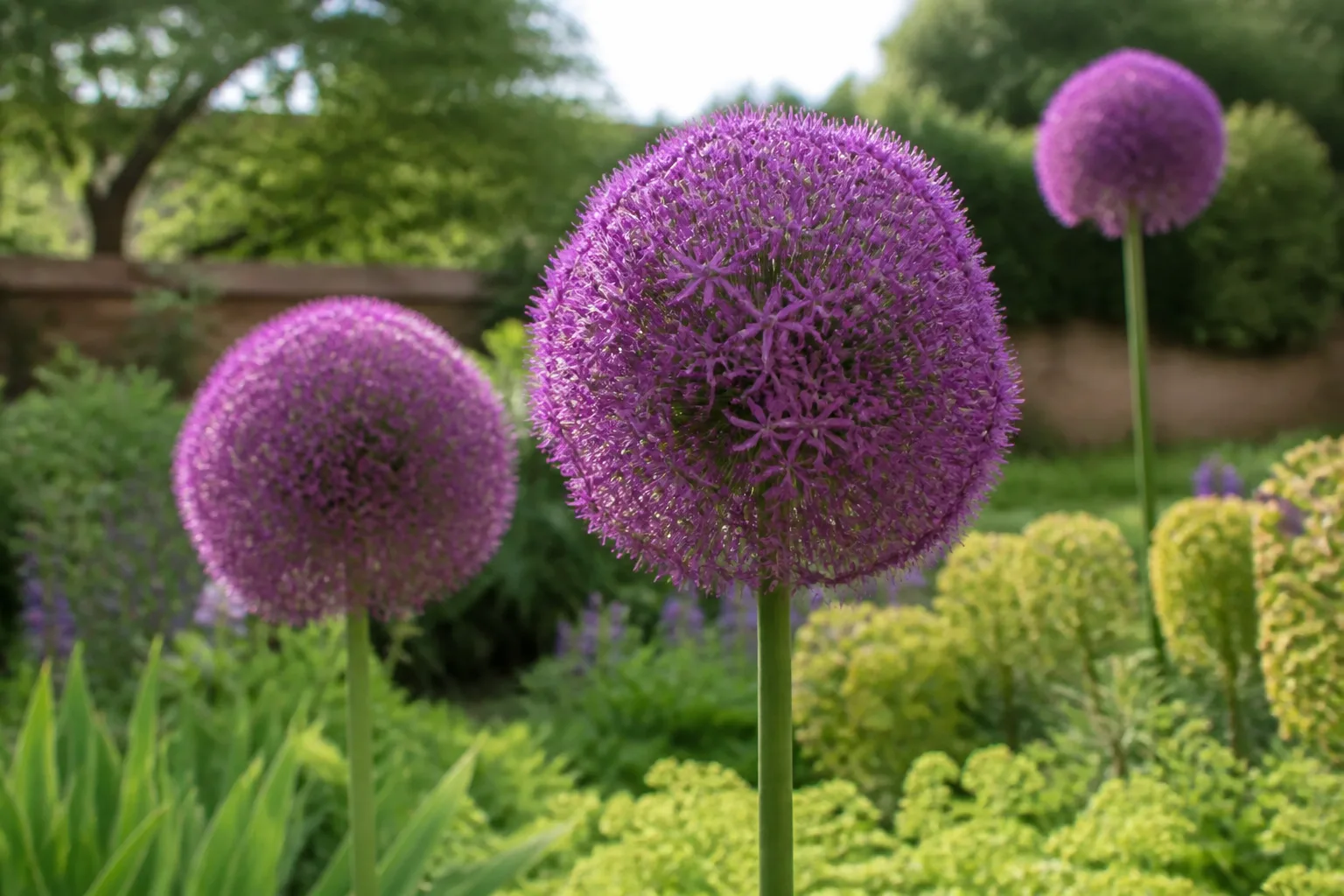
‘Globemaster’ allium builds 8- to 10-inch (20-25 cm) purple spheres atop 3-foot (90 cm) stems in late spring. Plant bulbs in fall in sunny, well-drained sites; overcrowding reduces head size. Stake in windy gardens. Foliage yellows as flowers peak—hide lower leaves behind bushy perennials.
Orienpet lilies (OT hybrids crossing Oriental and trumpet lilies) carry fragrant blooms up to 15 inches (38 cm) on 5-foot (150 cm) stems. ‘Big Brother’ is a pale-yellow benchmark. Plant in fall or early spring in slightly acidic, well-drained soil. Lilies are highly toxic to cats according to the ASPCA—avoid them in homes with feline companions.
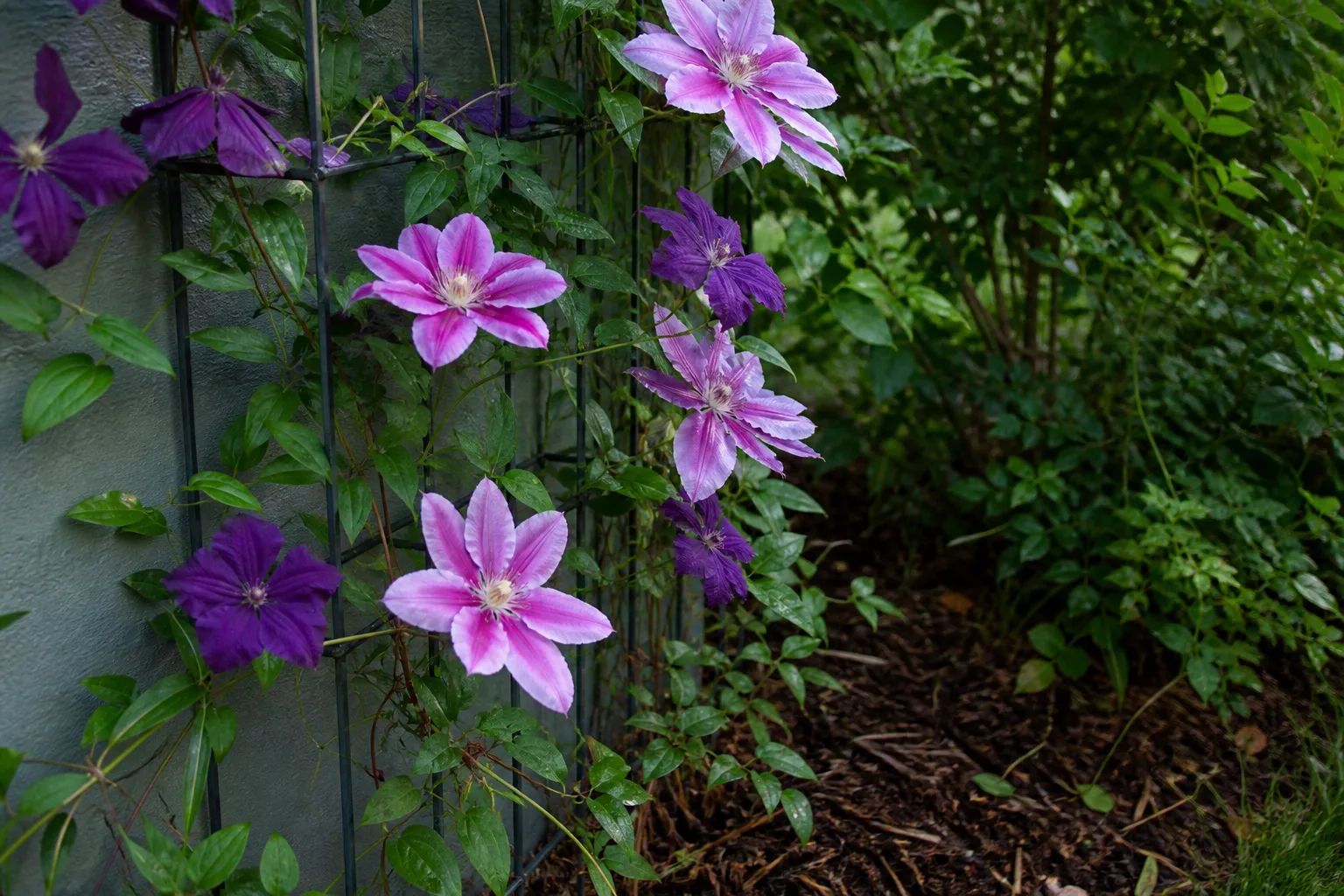
Clematis ‘Fireworks’ (Group 2) produces 8-inch (20 cm) purple flowers with a pink central bar, blooming in late spring and often repeating in late summer. Keep roots cool and shaded while stems reach into sun—a classic clematis rule. All clematis parts can irritate skin and upset stomachs if ingested.
Bigleaf Magnolia and King Protea
Bigleaf magnolia (Magnolia macrophylla), native to the southeastern U.S., bears 10-inch (25 cm) fragrant white flowers with rose-purple centers in late spring. The tree reaches 30-40 feet (9-12 m) and suits woodland edges in zones 6-9. It is not a lawn specimen for small lots, but unmatched for native drama.
King protea (Protea cynaroides), South Africa’s national flower, forms artichoke-like heads up to 12 inches (30 cm) on evergreen shrubs in zones 9-12. Plants need full sun, excellent drainage, and acidic soil; water deeply weekly the first two years, then back off. Proteas are toxic if ingested and demand dry summers—skip them if your climate is humid and wet year-round.
Water Garden and Indoor Large Blooms
Not every oversized flower belongs in a border row. Ponds and windowsills host some of the most memorable displays.
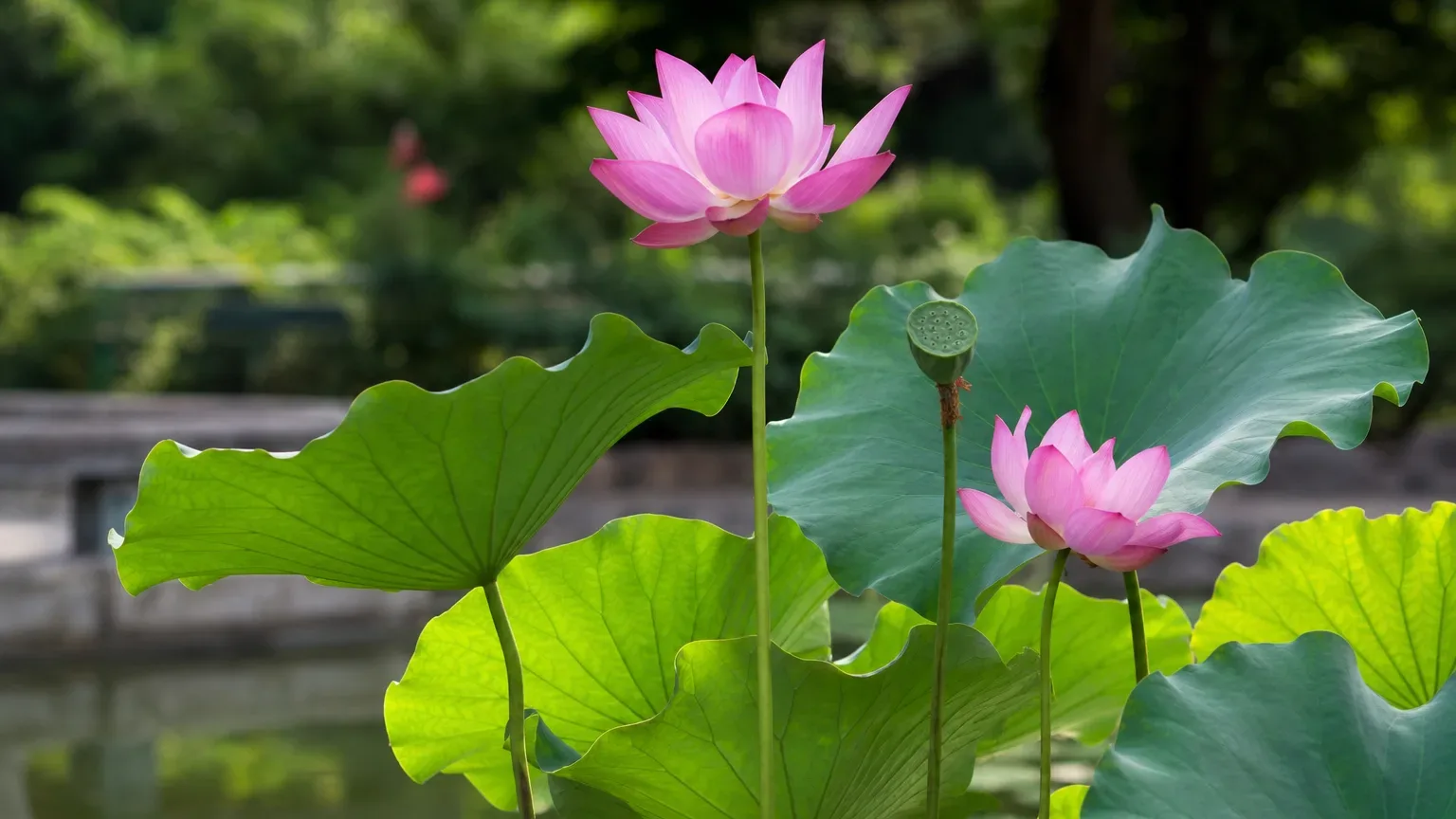
Sacred lotus (Nelumbo nucifera) floats flowers up to 12 inches (30 cm) above 3- to 6-foot (90-180 cm) stems in summer. Blooms open by day and drop petals by afternoon, but the plant blooms for two to three months in warm ponds (zones 4-10 with deep tuber protection). Lotus is invasive in parts of the Midwest; verify legality before planting in natural waterways. Containers at least 24 inches (60 cm) wide work for patio water gardens.
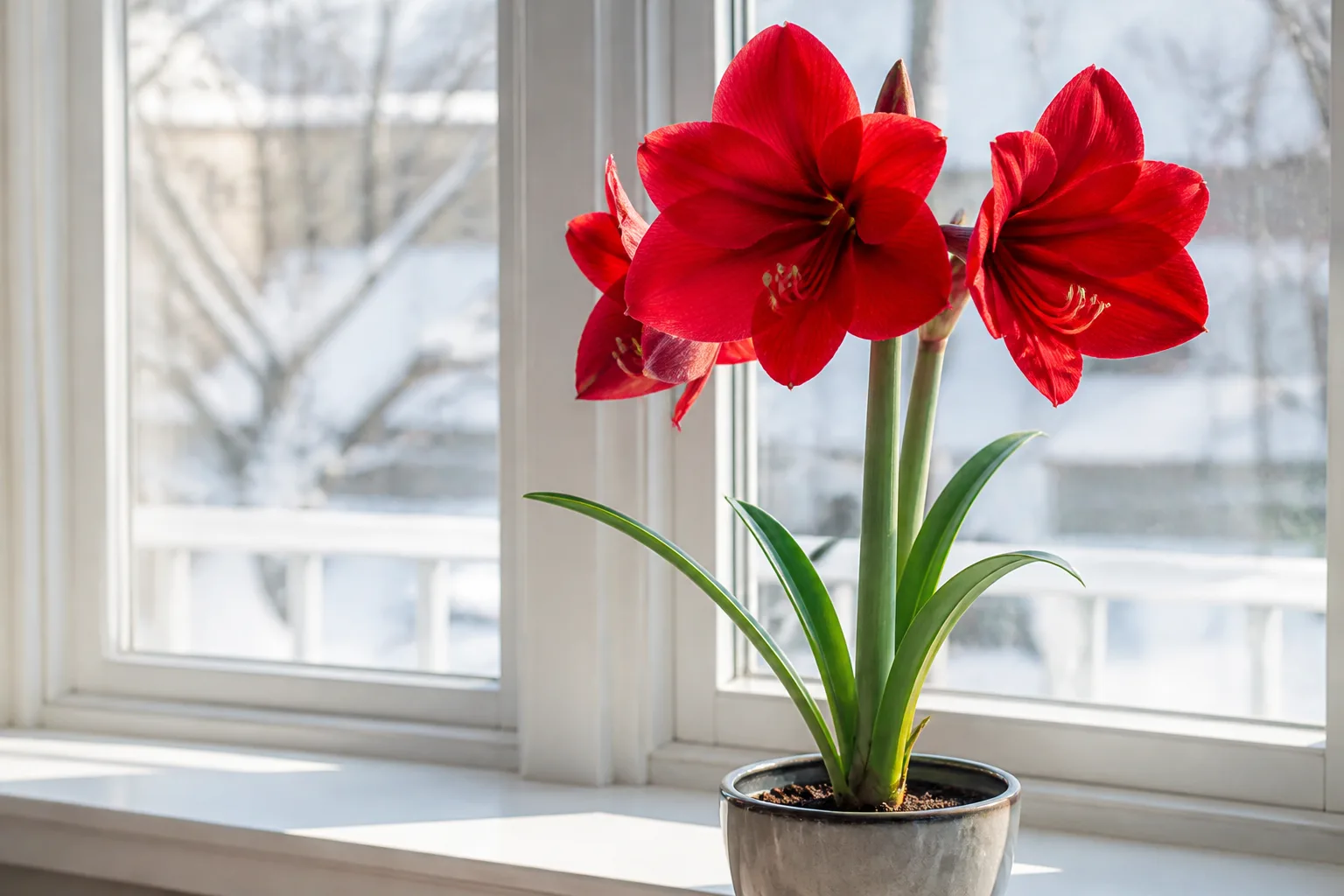
Amaryllis (Hippeastrum hybrids) is the go-to indoor large bloom, with cultivars like ‘Double Record’ reaching 8 inches (20 cm) across. Larger bulbs mean larger flowers—buy the biggest circumference you can afford. Grow in a 60-65°F (15-18°C) bright room; cooler nights extend bloom life. All parts are toxic to humans and pets.
Angel’s trumpet (Brugmansia spp.) hangs 10- to 12-inch (25-30 cm) pendulous trumpets from fast-growing woody stems in zones 9-11 (potted and overwintered indoors elsewhere). Fragrance peaks at night. Every part is extremely toxic—this is not a plant for yards where children or pets explore unsupervised.
Toxic, Invasive, and High-Maintenance Plants to Respect
Several entries on this list are gorgeous for a reason: they defend themselves with alkaloids. NC State Extension rates delphinium as high-severity poison for humans and pets. Moonflower, brugmansia, lilies (especially for cats), dahlias (mild), amaryllis, protea, and clematis all carry warnings worth reading before you plant.
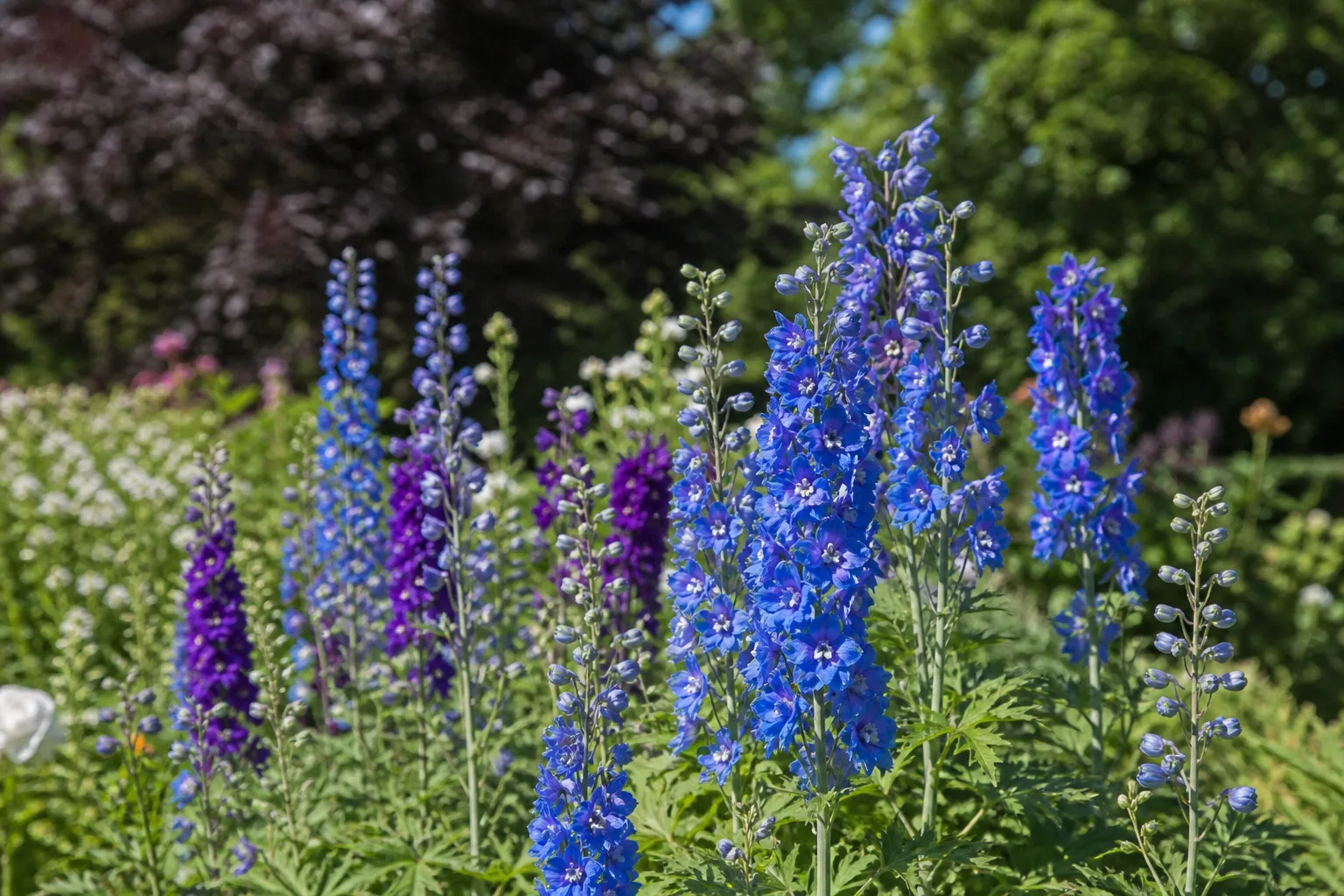
Pacific Giant delphinium (Delphinium elatum ‘Pacific Giant’) deserves its own maintenance note: 3-inch (8 cm) double florets line 4- to 7-foot (120-210 cm) spikes that require staking, rich loam, and cool nights. Delphiniums struggle in humid summers south of zone 7 and need vigilant slug control. Cut spent spikes to basal foliage for possible late-season rebloom.
Invasive risk matters too: sacred lotus can choke waterways; moonflower volunteers freely. Responsible gardeners contain water plants and deadhead before seed set.
How to Grow Bigger Flowers on Any Plant
Across species, the same principles enlarge blooms. Choose cultivars bred for size—generic seed mixes rarely match named giants. Supply steady moisture from bud set through open flower, especially for sunflowers, hibiscus, and dahlias. Feed moderately with balanced fertilizer; excess nitrogen grows leaves at the expense of flowers. Stake early so ties do not scar expanding stems on delphinium, dahlia, and allium. Disbud dahlias and camellias when you want fewer, larger show blooms. Improve drainage before planting poppies, delphiniums, and proteas—wet roots shrink flowers and rot crowns.
For cut flowers, harvest in the cool morning when petals are just opening. Place woody stems like hydrangea and hibiscus immediately into hot water (not boiling) for 30 seconds, then into deep cool water to extend vase life. Large heads are heavy—use sturdy vases and remove submerged foliage.
Conclusion
Large-blooming flowers turn ordinary yards into focal points, but the best choices depend on your zone, sun, water, and who shares the garden. Annual sunflowers, zinnias, and celosia deliver fast summer scale; hydrangeas, hardy hibiscus, and tree peonies build returning structure; dahlias, alliums, and lilies pack borders and vases with late-season weight. Water gardens gain lotus drama; windowsills gain amaryllis. Respect toxicity and invasive potential, stake what needs it, and pick cultivars bred for size rather than fighting genetics. Start with two or three plants that match your site, nail their basic needs, and expand once you see how big “big” can be in your soil.



