8 Flowers That Benefit From Regular Deadheading
Learn which 8 flowers benefit from deadheading, where to cut each one, how often to snip, and when to leave seed heads for birds or next year’s garden.
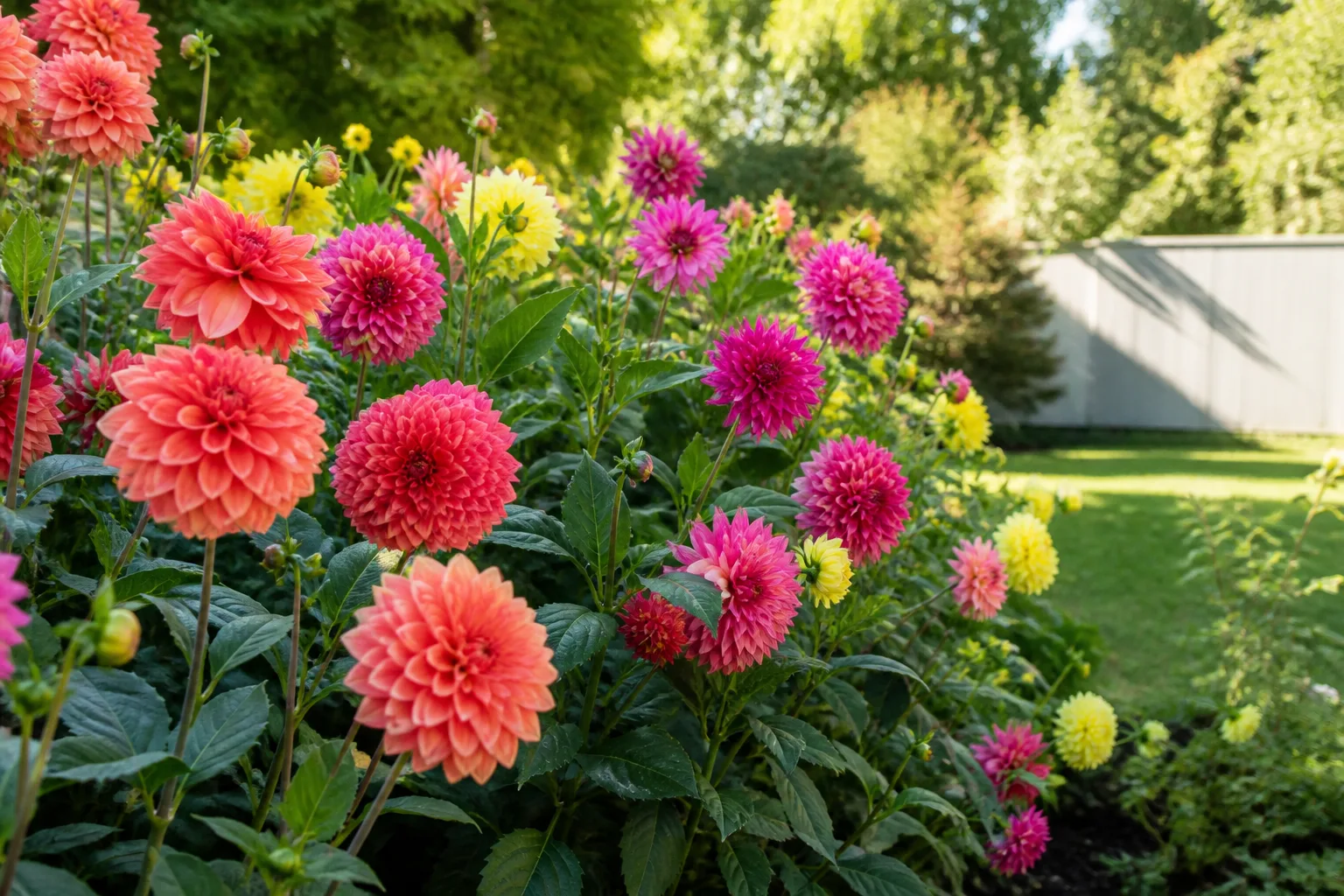
Deadheading can keep many flowering plants in bloom longer, but the result depends on what you cut and what the plant does next. Remove the fading flower—and the seed-forming parts behind it—before the plant finishes its reproductive job, and repeat-blooming annuals and perennials often have a reason to make another flower. The Royal Horticultural Society describes the practice as a way to keep plants attractive and encourage more blooms, while also noting that some plants are better left to produce seed or fruit. RHS guidance is a useful baseline because it treats deadheading as a choice, not a commandment.
The eight flowers below are good candidates, but they do not all want the same treatment. A dahlia needs a deep cut back to a leaf joint, a petunia may need a pinch or a midseason trim, and a coneflower may deserve its seed head once summer is ending. Match the cut to the plant, the season, and what you want the garden to provide.
What deadheading can—and cannot—do
Deadheading is the removal of a fading flower before or as it begins forming seeds. It improves the plant’s appearance and, for plants capable of another flush, shifts the plant’s next investment away from that developing seed crop and toward new shoots and flowers. Penn State Extension describes the same trade-off: old flowers and seed heads can be removed to promote new growth and re-flowering, but some plants should be allowed to reseed or hold winter seed for wildlife. Penn State’s deadheading guidance is especially helpful for keeping the promise realistic.
What deadheading does not do is create flowers from a plant that lacks the conditions or biology to make them. A once-blooming peony will not produce a second flush because you removed the petals; a shaded zinnia will not become floriferous because you cut harder; and a drought-stressed petunia may need water and root-zone recovery before another bud can open. Deadheading is bloom management, not a substitute for light, moisture, nutrition, or pest diagnosis.
Annuals vs. perennials: the payoff is different
Annuals are often the most responsive group because their short life cycle is built around flowering and setting seed in one season. Marigolds, zinnias, and many petunias keep producing when fading heads are removed and the plants still have adequate sun, water, and nutrients. Colorado State University Extension lists dahlias, geraniums, marigolds, and snapdragons among annuals that respond well, while noting that the goal can also be a better growth habit rather than a guaranteed second flush. PlantTalk Colorado offers that useful distinction.
Perennials are more varied. Salvia and echinacea can rebloom after spent flowers are cut, but other perennials only look cleaner or conserve resources for next year. Before you remove every head, decide whether you want another flush now, seeds for next year, or standing structure and food for birds later in the season.
The three cuts that keep you from removing new buds
The universal rule is to remove the whole spent flower, not only the loose petals. The seed-forming tissue sits behind or below the petals, so plucking the colorful parts while leaving a green ovary or seed capsule does little to interrupt the plant’s next step. Look below the bloom before cutting: a healthy leaf, a side branch, or a developing bud is your landmark.
Pinch soft stems
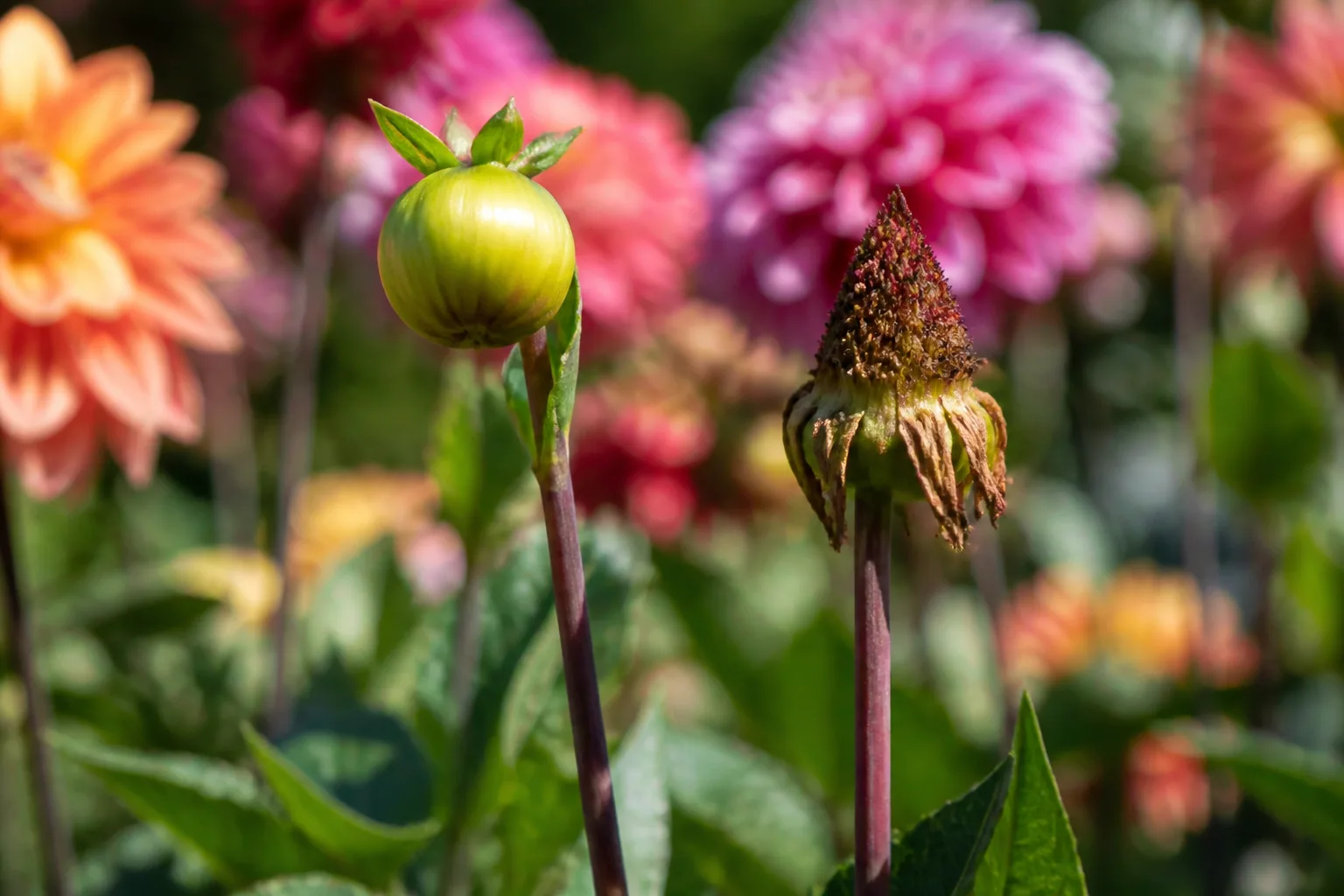
Use your thumb and forefinger on soft, fleshy flower stems such as many marigolds and petunias. Pinch or snap off the flower plus its short stalk just above the nearest healthy leaves; if the stem pulls instead of snapping cleanly, use small snips rather than tearing plant tissue. The RHS recommends this quick method for many bedding plants, and it is practical when you are checking a container every few days. RHS’s plant-by-plant instructions also warn you to avoid the new growth buds immediately below a spent head.
Snip back to a node or side branch
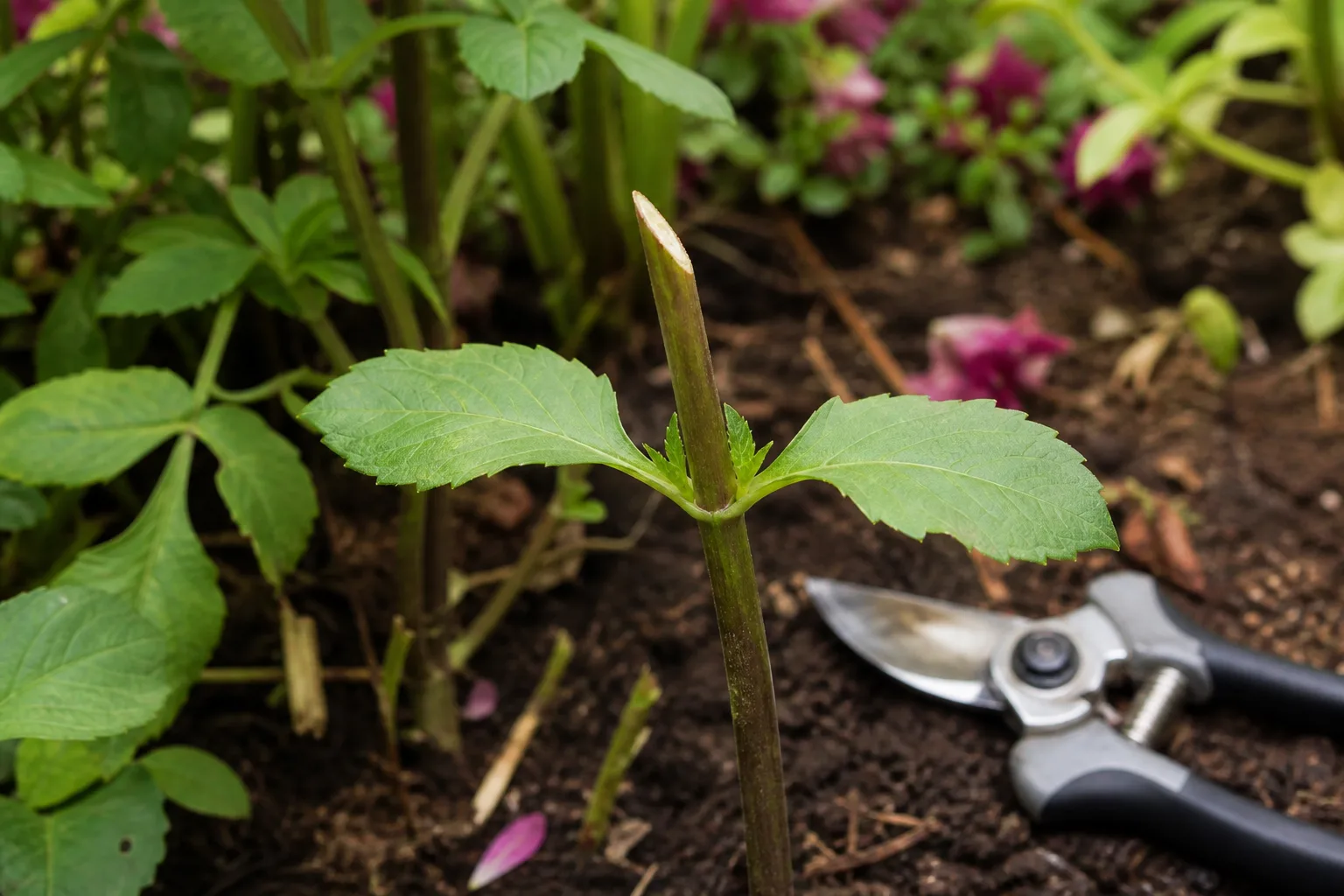
Use sharp, clean bypass pruners or garden scissors when stems are tough, hollow, or crowded with buds. Follow the spent flower’s stem down to a healthy leaf node or the first strong side branch, then cut just above it; leaving a long bare peg makes the plant look untidy and wastes the chance for new growth at the node. On a dahlia, this is the difference between removing one finished flower and leaving a stick that blocks two potential flowering shoots.
Shear sprawling plants
Some mounding or fine-flowered plants are too tedious to deadhead one flower at a time. Once most of a flush has faded, lightly shear the top of a sprawling plant rather than chasing every small head; the exact amount depends on the plant, but a modest cut that leaves plenty of green foliage is safer than stripping it to bare stems. Garden Design separates these three techniques—pinching, snipping, and shearing—because the shape of the plant determines whether a single cut or a whole-plant reset makes sense. Garden Design’s deadheading guide is a useful reference for that choice.
Do not shear through a plant when you can see many fresh buds that have not opened. Penn State Extension recommends checking for hidden buds before cutting across the top, and that pause saves more flowers than any perfectly timed schedule.
How often to walk the bed
Deadhead when a flower begins to look tired: petals are dropping, the head is brown or papery, the bloom is flopping, or the cluster has clearly finished. The RHS says the interval can range from daily checks for summer bedding to weekly or fortnightly attention for some border perennials, and a delay of several days will not ruin flowering performance. That means you can build the habit around your garden rather than treating “every day” as a rule you have failed.
For a small bed or container, take five minutes every two or three days. Hold the spent head in one hand, check for a nearby bud, make one clean cut, and drop the material into a bucket instead of leaving damp petals in the foliage. If a plant is disease-prone or you are moving between visibly unhealthy plants, wipe the blades with rubbing alcohol before the next cut; cleanliness is more important than speed.
If time is limited, prioritize plants that are actively making new buds and plants that become messy as soon as a flower fades. A basket of older petunias, a row of marigolds, and dahlias in peak production usually repay the effort faster than a once-blooming perennial. You can also combine deadheading with harvesting: cutting a fresh dahlia or zinnia for a vase removes a flowering stem before it sets seed and gives the plant a reason to branch.
8 flowering plants worth deadheading
These are not eight interchangeable entries. Use the “best cut” and “stop or continue” notes as the decision point for each plant.
1. Dahlias
Dahlias are among the most rewarding flowers to deadhead because they can keep producing from midsummer until frost when their light, water, and temperature needs are met. The hard part is not the cut; it is telling a new bud from a spent head after the petals have fallen. A new dahlia bud is usually round and firm, while a finished head becomes pointed or conical and feels softer. Longfield Gardens describes this shape-and-feel check in its dahlia deadheading guide.
Trace a spent flower stem down to the first leaf joint or intersecting branch and cut just above it. Do not remove the two side buds beside a central flower that is still opening; snip the finished center bloom alone, then make the deeper cut after the side blooms finish. If you cut dahlias for a vase, treat the harvest as deadheading with a purpose: take a long stem back to a leaf joint so the plant branches instead of leaving a bare peg.
The cut also gives you a quick health check. Hollow stems that are split by rain, soft at the base, or covered in suspicious spotting should be removed from the bed rather than tucked into the foliage. Deadheading cannot prevent every disease, but taking away damaged flowers and keeping the canopy open reduces the amount of wet, decaying material pressed against new growth.
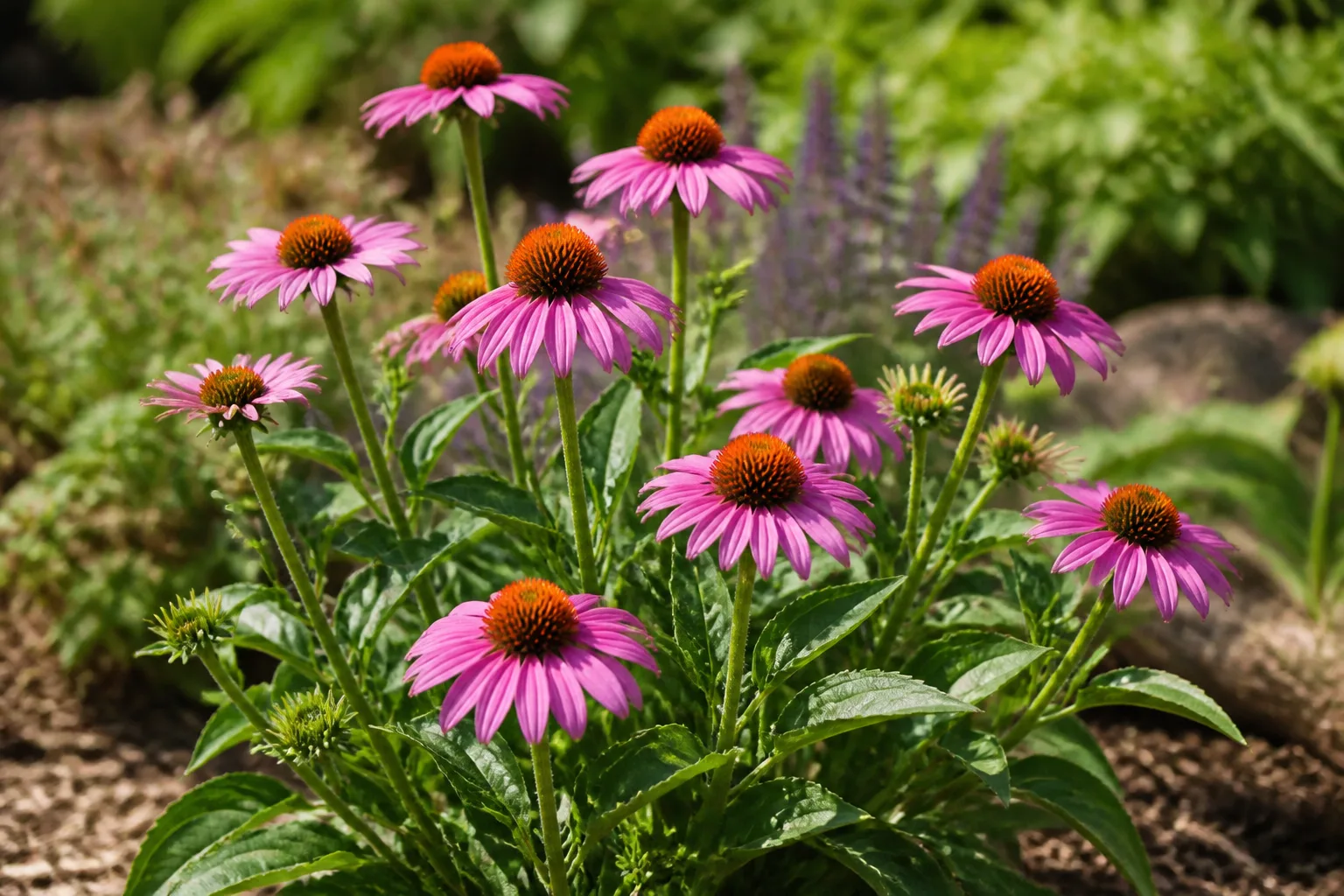
2. Echinacea
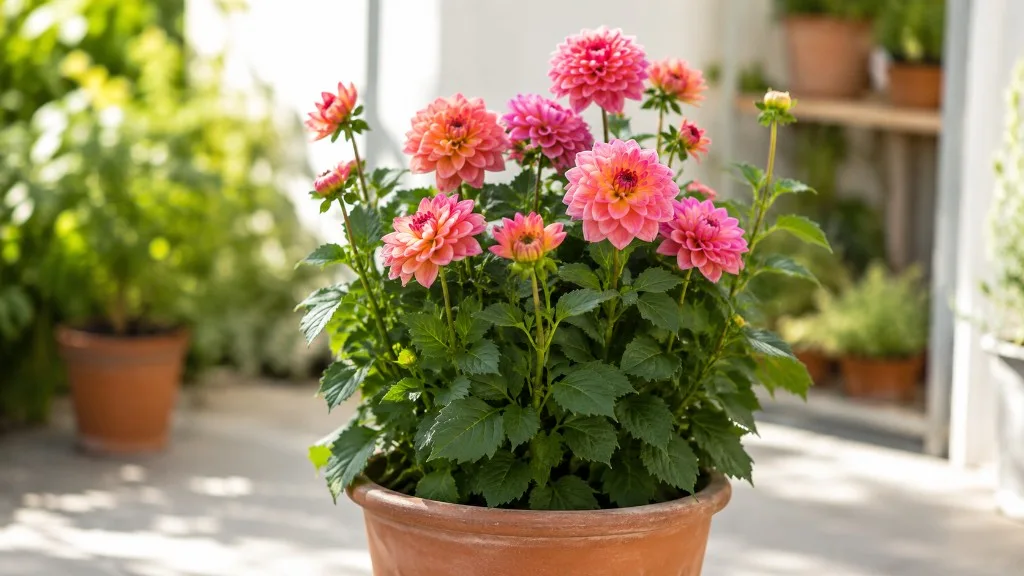
Purple coneflower, or echinacea, rewards midsummer deadheading when you want more flowers and a tidier display. Cut a fading flower stem just above the first healthy set of leaves, taking the whole flower head rather than shaving off the petals. That cut can encourage later flowers on established plants, but it is not obligatory for plant health.
The seasonal decision matters more than the first cut. Once late summer turns toward fall, stop deadheading at least some stems and leave the prickly cones standing. Penn State Extension notes that echinacea seed heads provide winter food and perches for birds, and Garden Design likewise recommends leaving late-season coneflower heads for wildlife. You can deadhead the front of a border for fresh color while leaving the back stems for seed and structure.
3. Zinnias
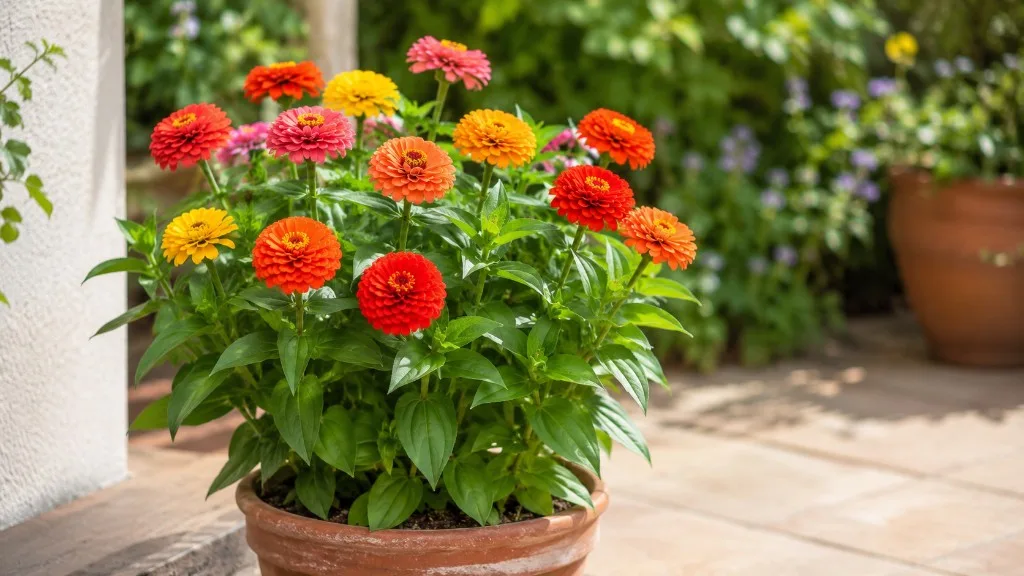
Zinnias are annual workhorses: once the plant is growing strongly, regular removal of brown or fading flowers helps keep the display moving into late summer. Cut the entire flower stem back to the next healthy leaf node or branching point, rather than pinching off only the petals. That deeper cut encourages a compact plant and removes the seed-forming center where the next crop would begin.
Check zinnias after rain and during hot spells because a bloom can look finished quickly even while nearby buds are still developing. If you return from a week away to a bed full of seed heads, do not cut the whole plant at once; remove the oldest heads first, preserve green foliage, and give the plant time to rebuild. Save a few heads at the end of the season if you want seed for next year.
4. Cosmos
Cosmos have airy stems and a long flowering window, but their open habit can make individual deadheading feel endless. Pinch or snip a finished flower back to the next leaf joint or side branch, especially on stems that are becoming tall and bare. Removing old heads as they fade can keep the plant producing more flowers, while a light cutback after a heavy flush can tidy a sprawling plant without destroying its foliage.
Cosmos are also excellent candidates for selective neglect. Leave a few mature heads if you want them to self-sow or if the dried forms suit the garden’s late-season look. If the plant has plenty of green growth but few new flowers, first check whether it is receiving enough direct sun and whether heat or dry soil has slowed bud formation; more snipping will not correct a site problem.
5. Lantana
Lantana produces clusters rather than single flowers, so remove the entire faded cluster when it turns brown or shrivels, cutting back to a pair of leaves or a side shoot. Handle it as a light, selective trim: look around the cluster for a new flower head before cutting, and do not shear across the whole plant just because one cluster has finished.
There is a cultivar caveat here. Many newer lantanas are selected to be low-seeding or self-cleaning, so individual deadheading may be unnecessary even though a midseason trim can restore a fuller shape. If the plant is flowering steadily and dropping its own old blooms, leave it alone; if it is forming visible berries or getting leggy, remove spent clusters and trim only the longest stems. Lantana still needs strong light and reasonable moisture, so a lack of sun cannot be solved with pruners.
In warm climates where lantana can persist for years, the berries also change the decision. Remove them if you are trying to limit volunteer seedlings or keep a container focused on flowers, but leave a few only when you have confirmed that the plant is appropriate for your area and you intentionally want seed. “More blooms” is not automatically the best garden outcome.
6. Marigolds
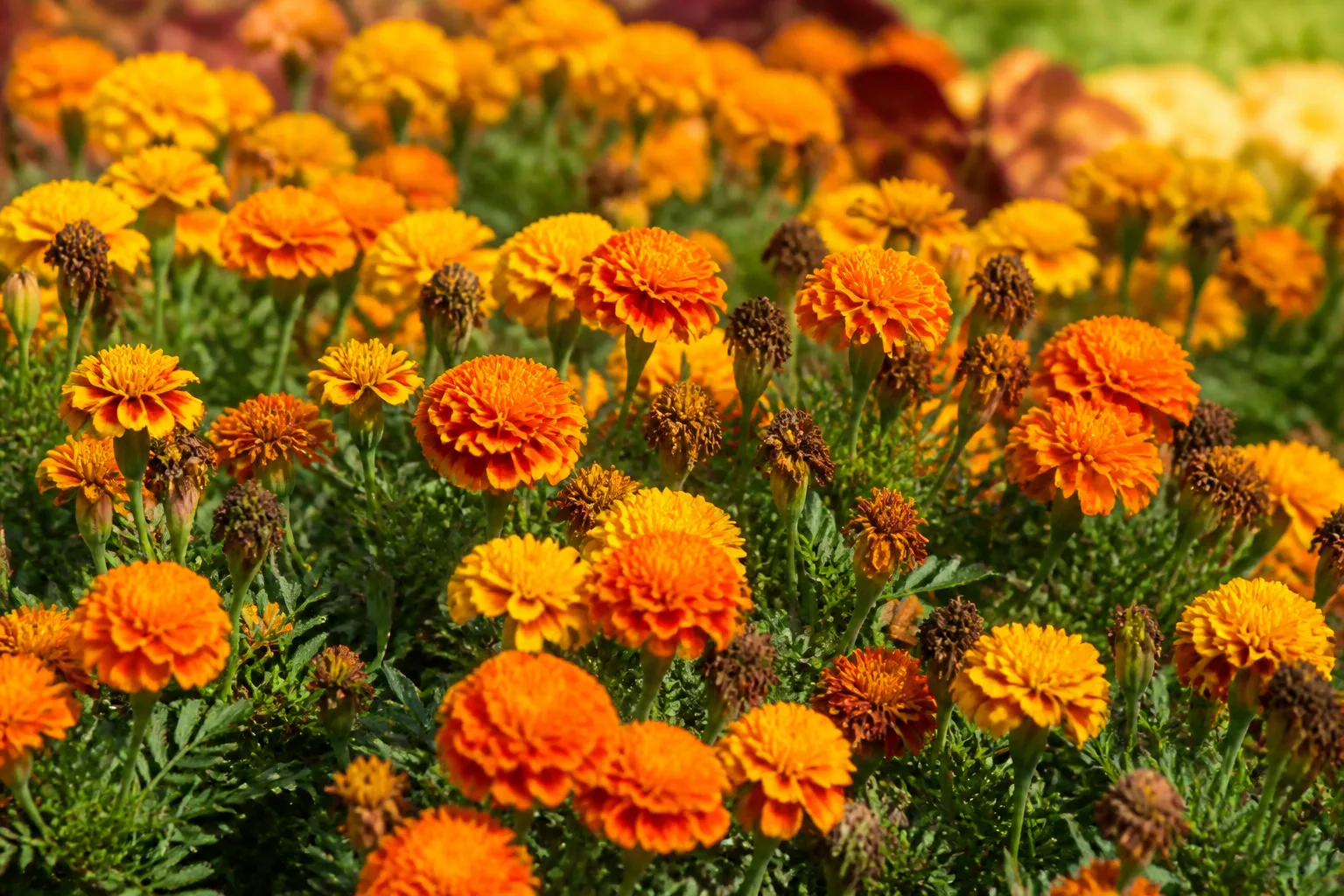
Marigolds are among the easiest annuals to keep in rotation. When a flower head turns brown or begins to collapse, pinch or snip the entire head and its short stem just above the next set of leaves. Removing only the frilly petals leaves the seed-making center in place and makes the plant look unfinished.
Check marigolds weekly in warm weather because one mature seed head can develop while new buds are forming beside it. If a plant becomes tall and sparse, cut back a few long stems to a leaf joint rather than removing every flower at once. The goal is a branching, leafy plant with enough open blooms to keep the garden useful to pollinators and you.
7. Petunias
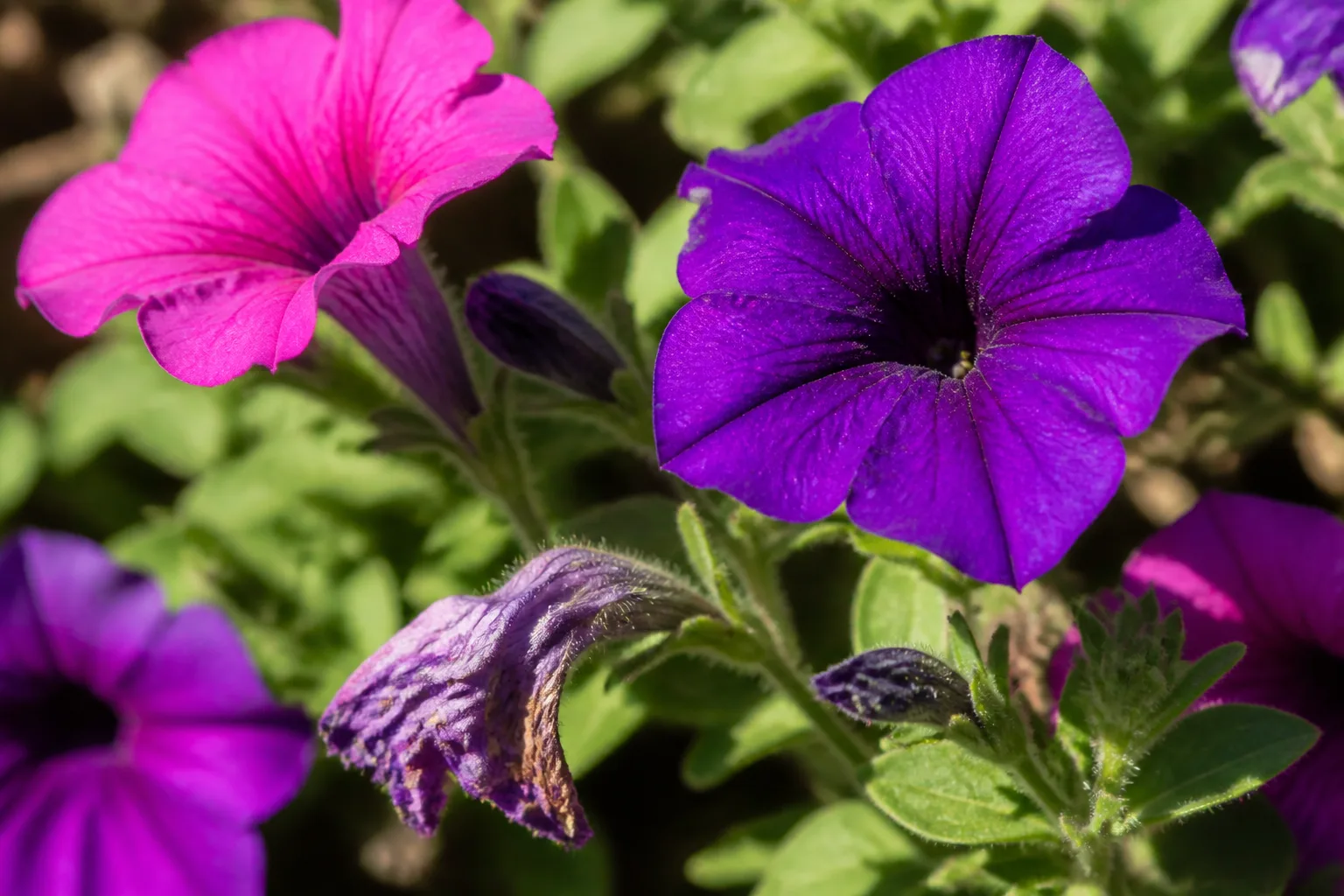
Petunias need the most cultivar-specific advice on this list. Older grandiflora and some multiflora types benefit from pinching off the spent trumpet and the small green calyx behind it, while many modern spreading or sterile cultivars are self-cleaning and drop their own flowers. Garden Design and Garden Therapy both make the same practical point: deadheading can improve the look and flower production of some petunias, but it is not mandatory for every type. See Garden Therapy’s petunia notes before you treat the whole container the same way.
When a petunia container is flowering but has become long, sticky, and thin, individual pinching may not be enough. Cut the longest stems back by about one-third, leaving plenty of leafy growth, then resume normal watering and feeding for that variety. Make the reset before a heat wave or vacation if possible, because a freshly trimmed plant needs time and moisture to replace the canopy.
8. Salvia
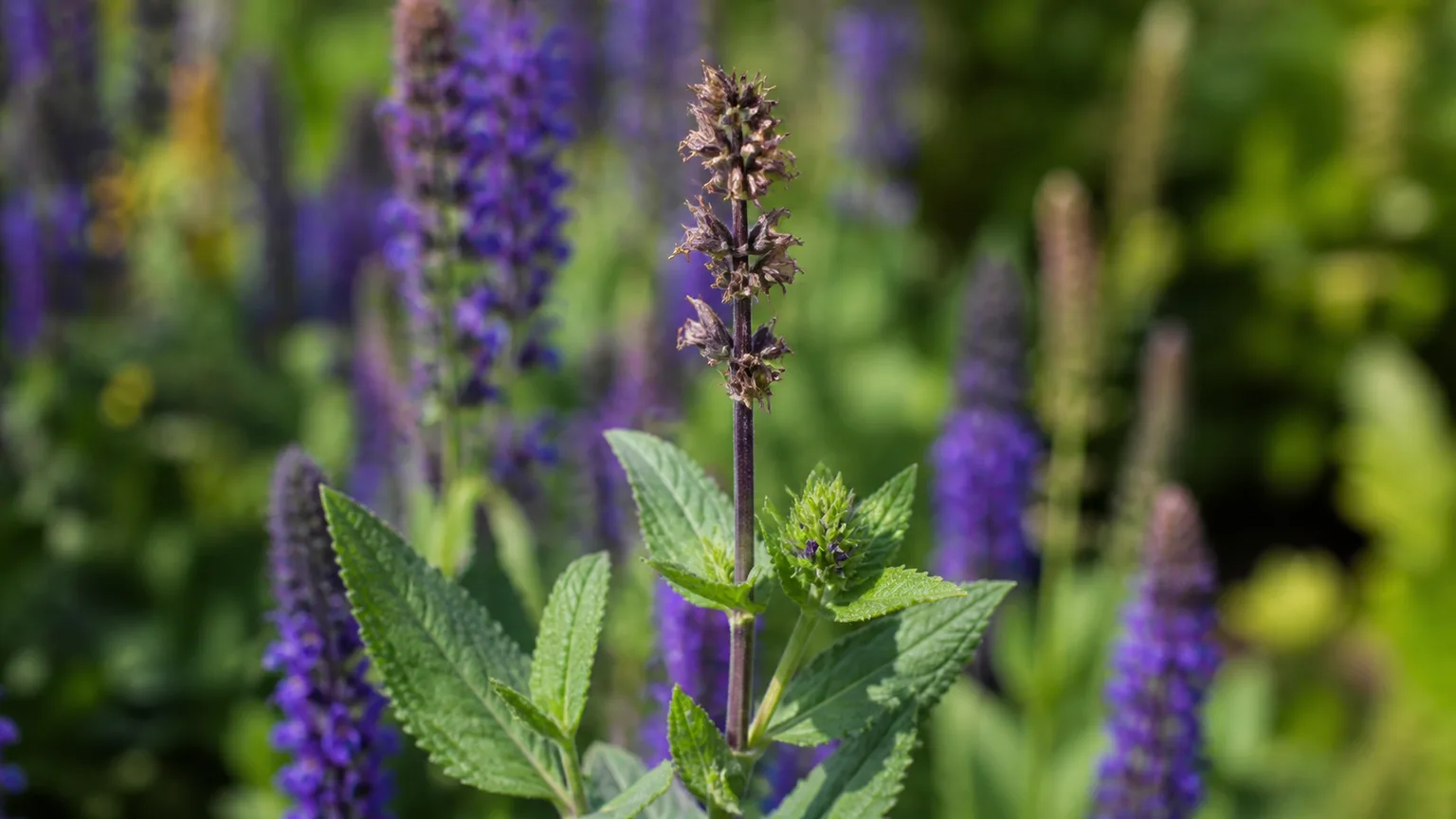
“Salvia” covers many plants, so read the label before choosing a cut. Annual bedding salvias may shed old flowers without much help, while repeat-blooming ornamental salvias often respond to having finished flower spikes removed. For a spike-forming plant, cut the spent stalk back to a side shoot or a healthy leaf cluster; when most of the spike has finished, remove the whole stalk rather than plucking every tiny floret.
Do not confuse ornamental salvia deadheading with hard pruning of woody culinary sage. The goal here is to remove finished flower spikes while preserving the leafy crown and any new shoots. If the plant is healthy but does not rebloom, check the species and cultivar, the amount of sun, and the local length of the growing season before cutting deeper.
When to leave seed heads in place
Deadheading is optional whenever the seed or fruit has a job you value. Leave some echinacea and other coneflowers for birds, allow selected cosmos or marigolds to self-sow, and keep ornamental seed heads that give the winter garden shape. Penn State Extension specifically calls out echinacea and rudbeckia as valuable winter food sources, while the RHS recommends leaving decorative or bird-friendly seeds and fruits and any plants you want to collect seed from.
The easiest compromise is to deadhead in stages. Keep the front edge tidy and flowering by removing old heads, but leave a few strong stems at the back of the border. Stop removing them when the weather cools or when the seed heads have reached the shape and maturity you want. A garden that contains both new flowers and useful seed is often more resilient—and more interesting—than one where every brown head disappears immediately.
What to do if flowers still stop
If a plant stalls after deadheading, do not respond by cutting more. Work through these checks in order:
- Light: Is the plant getting the sun its species and cultivar need, or has a tree, fence, or neighboring plant shaded it as summer progressed?
- Water: Is the root zone drying before buds open, or staying saturated after rain? Both stress flowering plants, and containers can swing from soaked to bone-dry in a day.
- Heat and weather: A heat wave, heavy rain, or cool nights can shorten flower life and slow the next flush even when the plant is otherwise healthy.
- Nutrition: A plant with pale leaves or weak new growth may need its normal, label-directed feeding routine, not extra fertilizer piled onto the crown.
- Pests or disease: Inspect leaf undersides, stems, and buds before treating. Distorted buds, spotting, chewing, or sticky residue point to a different problem than a spent bloom.
- Plant biology: Some cultivars are self-cleaning, some perennials bloom once, and some annuals are naturally short-lived. No pruning technique can change that schedule.
This sequence matters because deadheading is most effective when the plant still has the resources to replace a flower. If the site is wrong or the roots are stressed, fixing the condition is the bloom intervention; the snips are only cleanup.
Use the plant’s new growth as your feedback signal. Fresh leaves, firm stems, and swelling buds after a cut mean the plant is responding; yellowing foliage, limp stems, or buds that dry before opening mean you should pause and investigate. Do not pile on fertilizer as a reflex: excess growth can create soft, crowded foliage without solving low light, damaged roots, or a pest feeding inside the bud.
Conclusion
The best flowers to deadhead are not simply the ones with the most dramatic before-and-after photos. They are repeat-blooming plants that still have enough light, water, foliage, and growing season left to make another flower. Dahlias, zinnias, marigolds, and many petunias reward frequent attention; echinacea, cosmos, lantana, and salvia reward a more conditional approach.
Start with one clean cut: remove the whole spent bloom, follow the stem to a leaf node or side branch, and check that you are not taking a new bud with it. Then decide what you want from the season—another flush, seed for next year, bird food, or winter structure—and let that goal determine whether the next faded head stays or goes.