Cactus Turning Yellow: Causes and Fixes
Is your cactus turning yellow? Use the color pattern, stem firmness, soil, and light to find the cause, then fix watering, rot, pests, or sunburn.
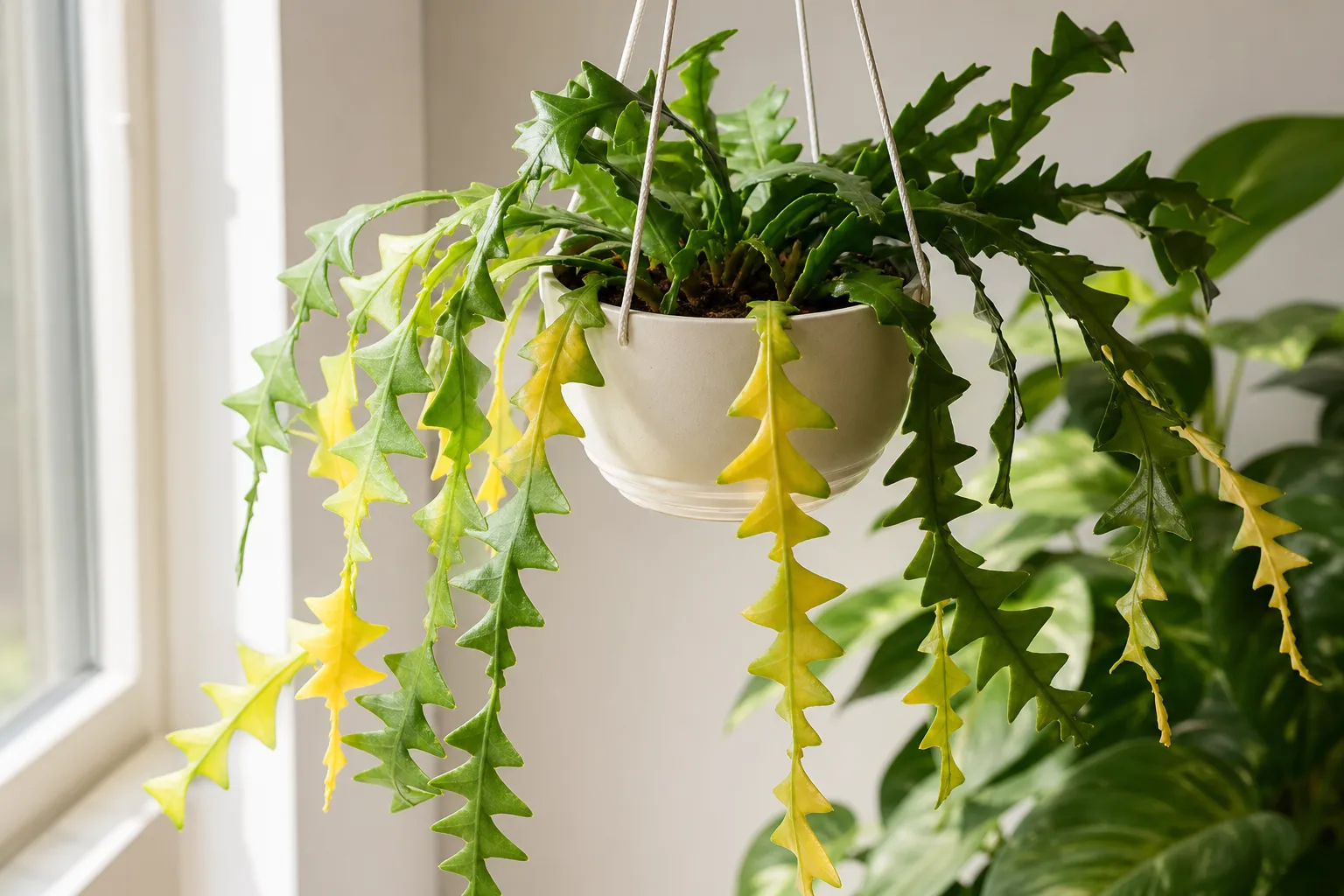
A cactus turning yellow is showing stress, but yellowing alone does not tell you which problem you have. The useful clues are where the color starts, whether the plant feels firm, how long the soil stays wet, and which side faces the light.
Start with the base. A soft yellow or brown base is an urgent rot warning; a wrinkled cactus with dry soil is asking for water; and a yellow patch on the sun-facing side after a move outdoors may be sunburn. Cacti vary widely, too: a desert cactus and a forest cactus such as a Christmas or fishbone cactus can turn yellow for opposite reasons.
Start With the Yellowing Pattern
Before changing the watering schedule or adding fertilizer, spend a minute inspecting the pot and plant. The UC Statewide Integrated Pest Management Program’s cactus guidance describes cacti as a broad group that includes desert, tropical, and high-elevation species, so “cactus care” is not one universal routine.
| What you see | Most likely direction | First action |
|---|---|---|
| Yellowing begins at the soil line; base is soft, dark, or smelly | Overwatering, root rot, or stem rot | Stop watering and inspect the roots and base |
| Plant is wrinkled, shrunken, and firm; soil is dry | Underwatering or dead roots after prolonged drought | Water thoroughly if the roots still look healthy |
| Yellow or tan patch is mostly on the window-facing or sun-facing side | Sunburn, cold injury, or a sudden light change | Move to bright filtered light and review recent temperature changes |
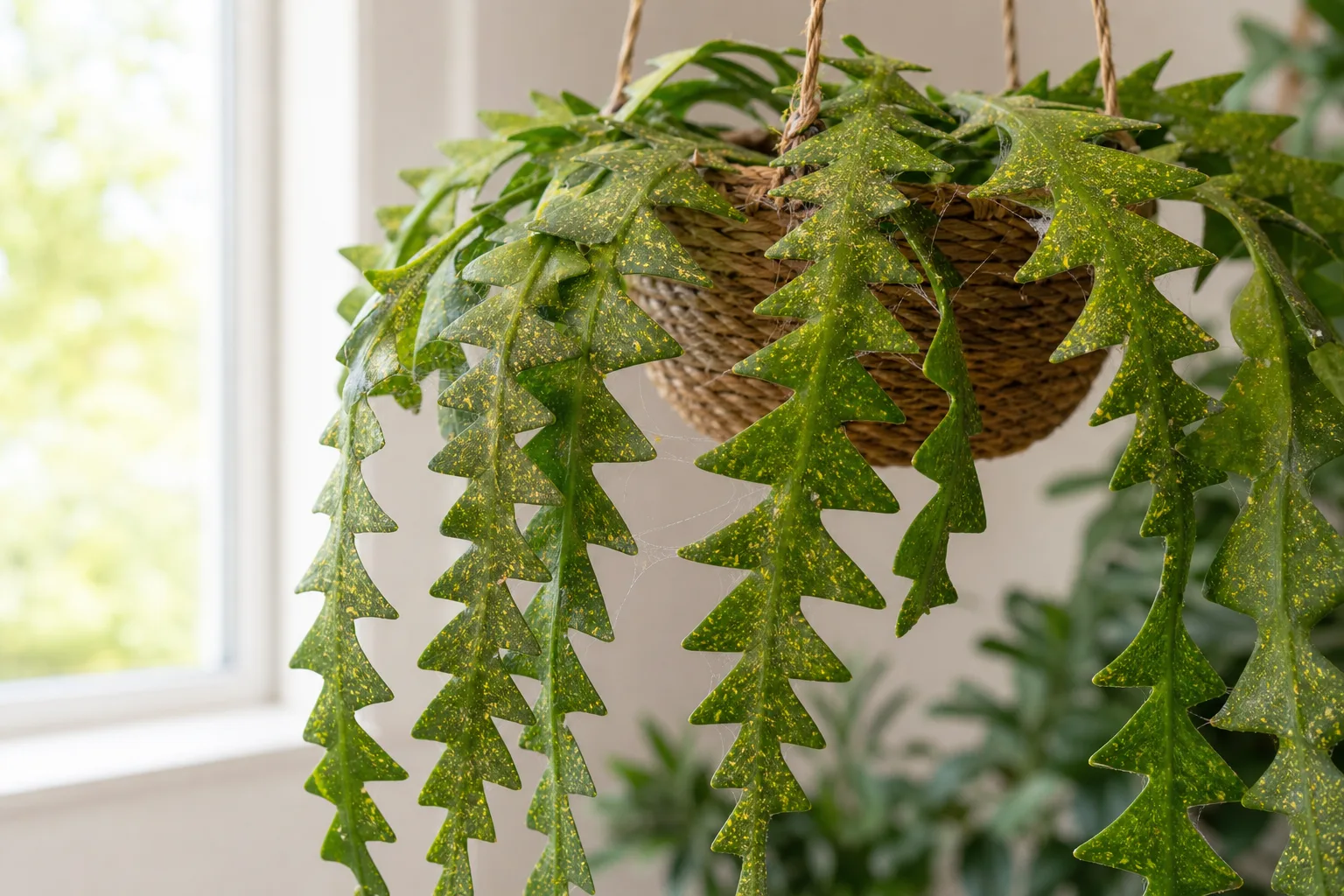
| Fine yellow speckles, webbing, cottony spots, or hard bumps | Spider mites, mealybugs, or scale | Isolate the plant and inspect undersides, joints, and the base |
| Whole plant is pale but firm and growth is weak | Too little light, depleted mix, or a species mismatch | Check light and potting mix before fertilizing |
A soft or yellow base points to rot
Press the stem or lowest pad gently with a gloved finger. A healthy cactus should feel firm for its type; a base that yields, looks water-soaked, or smells sour is more concerning than a few yellow segments higher up. Yellowing above a brown or soft base usually means the tissue below is no longer moving water and nutrients normally.
Do not try to correct this pattern by watering again. Water cannot revive roots that have lost oxygen in saturated mix, and a wet pot makes the problem harder to distinguish from simple thirst. Washington State University’s Hortsense guidance notes that overwatering can first look like drought stress, which is why firmness and soil moisture need to be checked together.
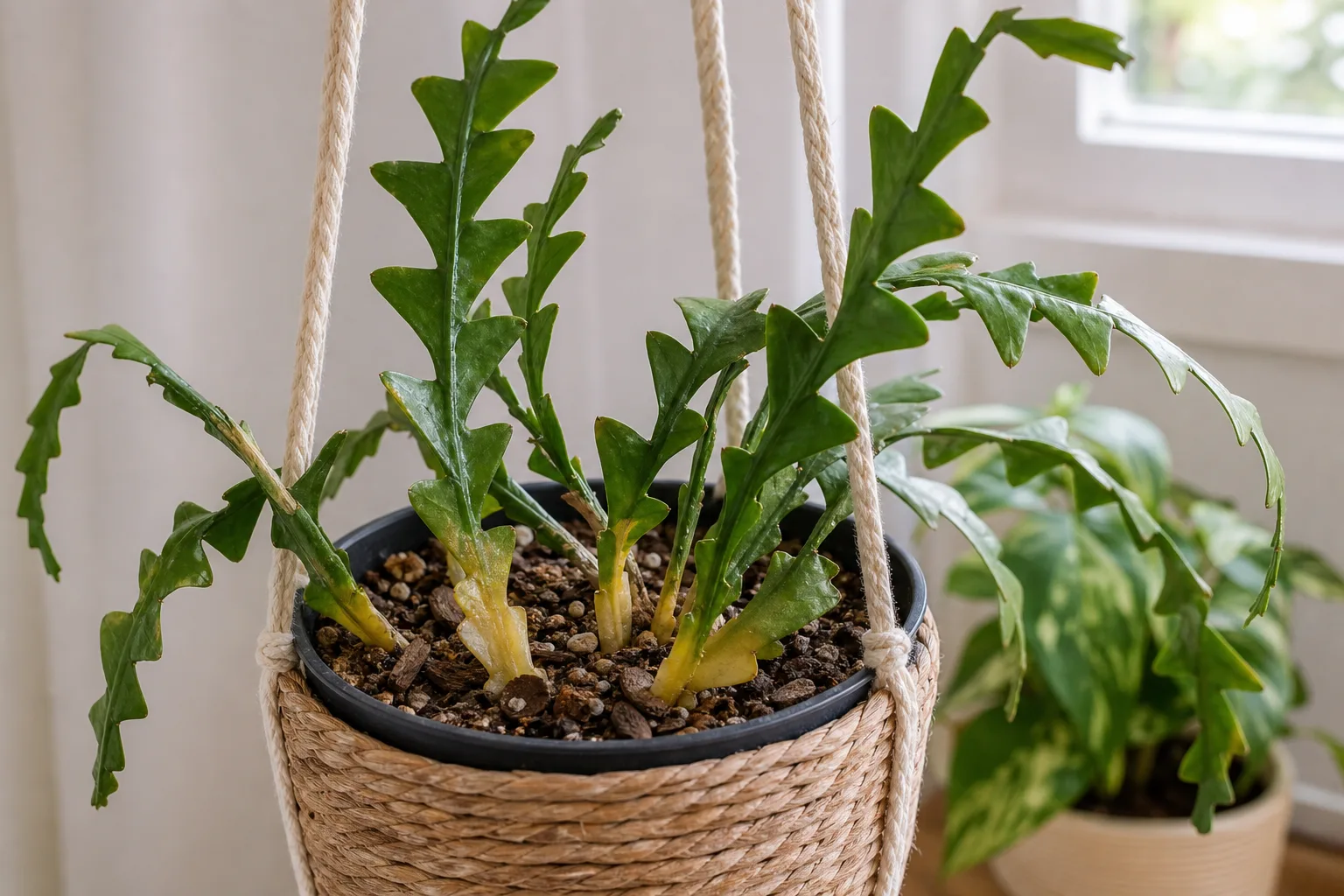
A wrinkled but firm cactus is usually thirsty
Desert cacti store water in their stems or pads. When the reserve is low, the plant may look thinner, develop wrinkles or folds, and feel lighter in its pot while the mix is dry all the way down. That is a different emergency from rot: the answer is a complete drink followed by a proper dry-down, not a series of small sips every day.
Check the roots before assuming prolonged drought is harmless. A cactus left dry for an extremely long time can lose fine roots, and then water may run around the root ball without being absorbed. If the plant stays wrinkled after the soil has been rehydrated and the base is soft, move to the rescue section rather than repeating the watering.
One-sided yellow or brown patches point to light injury
Color that follows the side closest to a hot window, grow light, or afternoon sun is a lighting clue. Sunburn often begins yellow, cream, or pale tan and can become dry, corky, or brown; the damaged skin will not turn green again even after the plant is moved.
The reverse pattern also matters. A cactus that is uniformly pale, stretched, leaning toward a window, or keeping wet soil for too long may not be getting enough light to use the water in its pot. Look at recent changes: a move from a nursery bench or dim room to intense outdoor sun is a common cause of sudden injury.
The Six Causes of Yellowing
Watering errors
Overwatering is usually not “one large drink.” It is a wet-root-zone problem caused by frequent watering, heavy mix, a pot without a drainage hole, a saucer that never empties, or low light that prevents the pot from drying. Desert cacti need a real dry period between thorough waterings; the UC IPM cactus page recommends letting soil dry completely before watering established plants again.
Early overwatering can be deceptive. A cactus may plump up or push soft new growth while roots are already declining below the mix; then the plant turns yellow, collapses, or develops a brown base. Gardening Know How’s guidance on overwatered cactus makes the same practical point: catch the problem while the plant is still firm, because advanced rot is much harder to reverse.
Underwatering creates a different set of clues: wrinkles, shrinkage, a light pot, dry mix, and sometimes segments or pads dropping. Desert species can usually recover from a dry spell if the roots remain alive. Forest cacti are the important exception; Christmas, Thanksgiving, and fishbone cacti grow in moister habitats and generally prefer the top layer to dry while the root ball remains lightly, evenly moist. Epic Gardening’s Christmas cactus guide explains why treating these segmented forest cacti like desert plants can create yellowing from both drought and excess sun.
Dense soil and poor drainage
Even careful watering fails when the mix holds water around the roots for days. Cactus roots need air as well as moisture, so a dense garden soil, compacted peat-heavy mix, or oversized pot can create the same yellowing pattern as “watering too often.” The RHS growing guide for cacti and succulents emphasizes sharply drained soil and lists both overwatering and underwatering as causes of stunting, scarring, and poor growth.
Use a container with an open drainage hole and a loose commercial cactus mix amended with pumice or perlite if it still feels dense. Do not rely on a layer of gravel at the bottom of a sealed pot to create drainage; water must be able to leave the container. Put a nursery pot inside a decorative cachepot if you like the look, but lift it out to water and empty the outer pot afterward.
Pot size changes the timing. A huge pot stays wet much longer than a snug one, while a root-bound cactus may dry unusually fast and show thirst even though you water regularly. When repotting is needed, move up only one pot size and keep the plant at the same depth; burying the stem or pad base invites rot.
Too little light or a sudden jump into strong sun
Desert cacti generally need the brightest position you can provide, but that does not mean a newly purchased plant can go straight from indoor shade to all-day summer sun. Gardening Know How’s sunburn guidance describes yellowing on the most exposed side as an early sign of sunburn and recommends gradual acclimation or temporary shade.
For an indoor desert cactus, place it near a bright south- or west-facing window if the glass does not become dangerously hot, or use a grow light on a consistent schedule. For a forest cactus, use bright indirect light or gentle morning sun instead of the hottest afternoon rays. A sheer curtain, a few feet of distance, or a shade cloth can prevent scorch while you adjust the plant.
If light is too low, increase it gradually rather than compensating with more water or fertilizer. Weak, elongated growth and persistently wet soil are clues that the plant is not using moisture quickly enough. Move it closer to the light over several days and watch the new growth; old pale tissue may remain pale.
Pests that drain sap
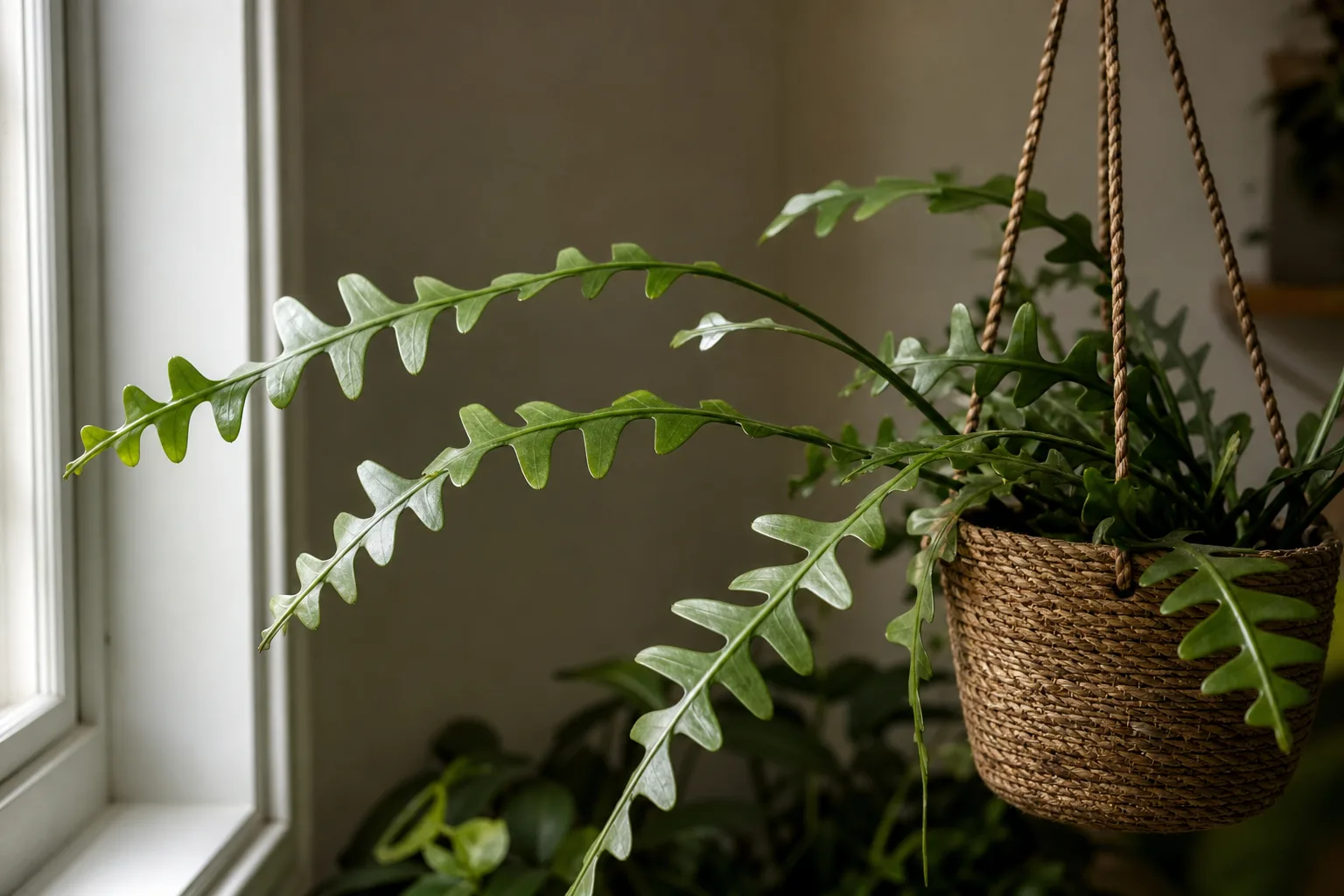
Sap-sucking pests can produce yellow stippling even when watering and light are correct. Spider mites leave fine pinpricks and sometimes webbing, mealybugs look like cottony flecks in joints and crevices, and scale appears as small fixed bumps that may blend into the stem. The RHS lists mealybug, red spider mite, and scale as common cactus and succulent problems, while UC IPM lists mealybugs and scale among cactus pests.
Isolate the plant before treating it. Rinse the stems or pads gently, use a cotton swab to remove visible mealybugs, and inspect nearby plants because pests spread more easily than the yellowing suggests. For a larger infestation, choose a product labeled for the plant and pest, test a small area first, and follow the label exactly; do not spray oils or soaps on a hot, sunlit cactus and assume the label does not matter.
Repeat inspection matters more than one dramatic treatment. Eggs or hidden insects can survive the first pass, and a stressed plant may keep showing damaged yellow tissue after the pests are gone. Look for clean new growth as the recovery signal.
Nutrient, cold, or transplant stress
Nutrient deficiency is possible, especially in an old, depleted potting mix, but it should not be your first diagnosis when the plant is wet or poorly lit. Feed only during active growth with a dilute cactus fertilizer or a balanced fertilizer at reduced strength; fertilizing a plant with rotted roots cannot repair those roots and may add salt stress. A pale plant with firm tissue, good drainage, adequate light, and no pests is the better candidate for a cautious feeding.
Cold injury can look like yellow, water-soaked, translucent, or later-brown patches after a cold night. Move container cacti indoors before a freeze, keep them away from cold glass and drafts, and let damaged tissue dry rather than repeatedly misting it. The RHS notes that many container-grown cacti need to be moved into a warm, well-lit place for winter; the National Park Service’s saguaro research also documents visible frost damage after severe freezes, so “cactus” does not mean immune to cold.
Transplant shock is more likely when yellowing appears soon after root disturbance, a change in location, or a new pot that stays wet. Give the plant stable light, warmth appropriate to its type, and time to settle; do not respond by repotting repeatedly, moving it between sun and shade, or adding several products at once. If the mix is sound and the base is firm, patience often reveals whether the problem is temporary stress or a deeper one.
A Rescue Plan for a Yellow Cactus
Use the least disruptive intervention that fits the evidence. If the plant is firm, the soil is dry, and there is no odor or pest evidence, do not unpot it just because one segment is yellow. If the pot is wet, the base is soft, or the plant is declining quickly, inspect the root zone now.
- Quarantine and document the pattern. Move the cactus away from other plants, note when you last watered it, and take a photo of the yellowing side. This prevents a series of guesses from changing several variables at once.
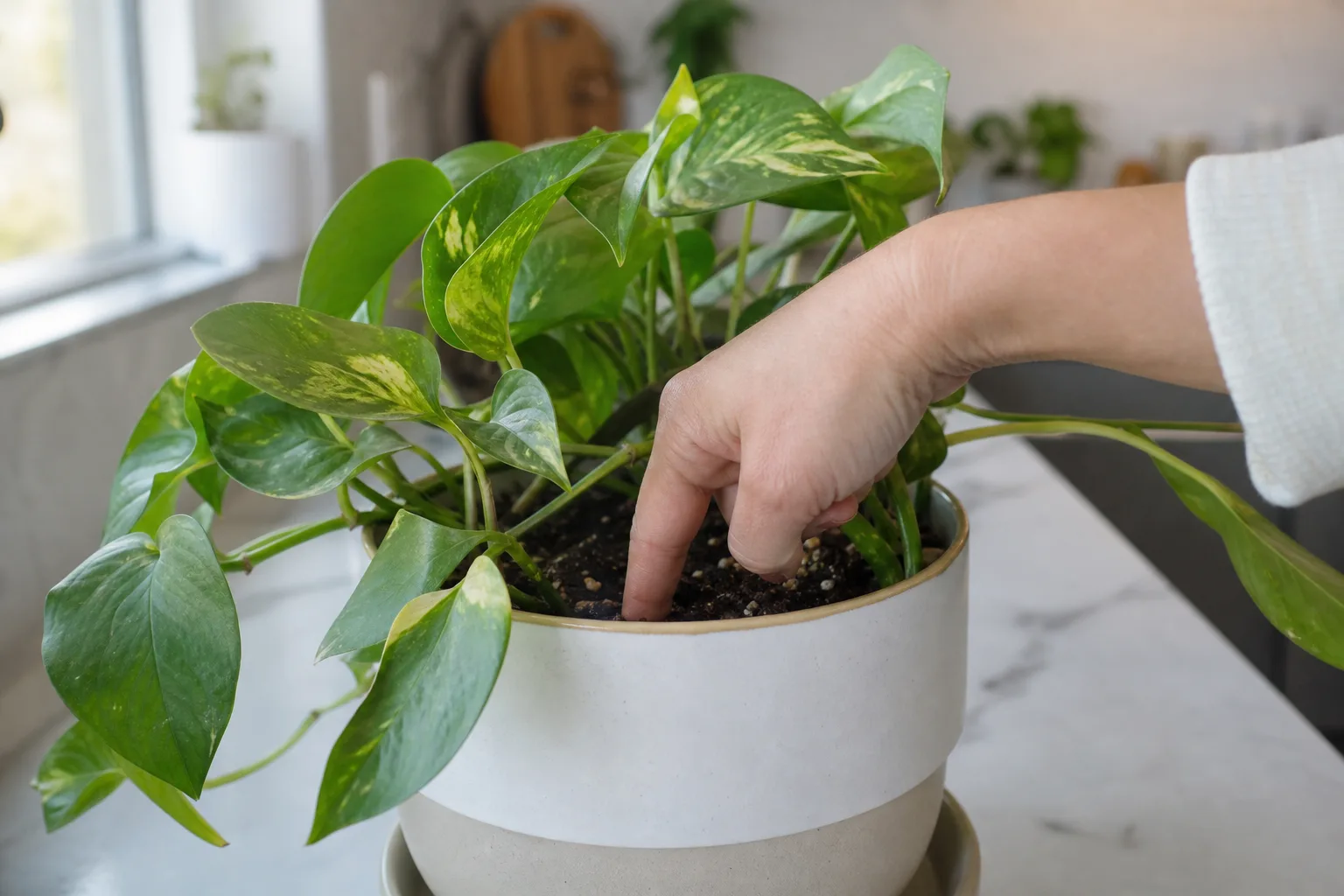
- Check moisture below the surface. Feel the mix several inches down or slide the root ball out enough to see whether it is damp and compacted. A dry surface over wet lower mix is a common trap.
- Match the first correction to the diagnosis. Stop watering a wet cactus; water a dry, firm cactus thoroughly and let excess drain; diffuse harsh light; or isolate and treat confirmed pests.
- Recheck new growth, not just old damage. Healthy new tissue is a better recovery signal than a yellow segment that was already injured.
If the roots and base are still firm
Leave a firm yellow scar or sunburn patch in place. Cutting into healthy tissue creates a wound without removing the cause, and a cactus cannot repaint damaged skin green. Correct the environment, keep the plant stable, and wait for new growth to show whether the roots are functioning.
If the mix is dry and the plant is wrinkled, water deeply enough to wet the whole root ball, then let it drain completely. If water runs straight down the sides or the root ball has pulled away from the pot, water slowly in two passes rather than leaving the container in a saucer. Do not follow drought recovery with daily watering; the plant still needs the dry-down appropriate for its type.
If the mix is healthy but the pot is clearly too small, repot during active growth into a barely larger container. Keep the plant at the old soil line, avoid fertilizer immediately after a stressful root disturbance, and give it filtered light for a short settling period before returning it to its normal position.
If you find root or stem rot
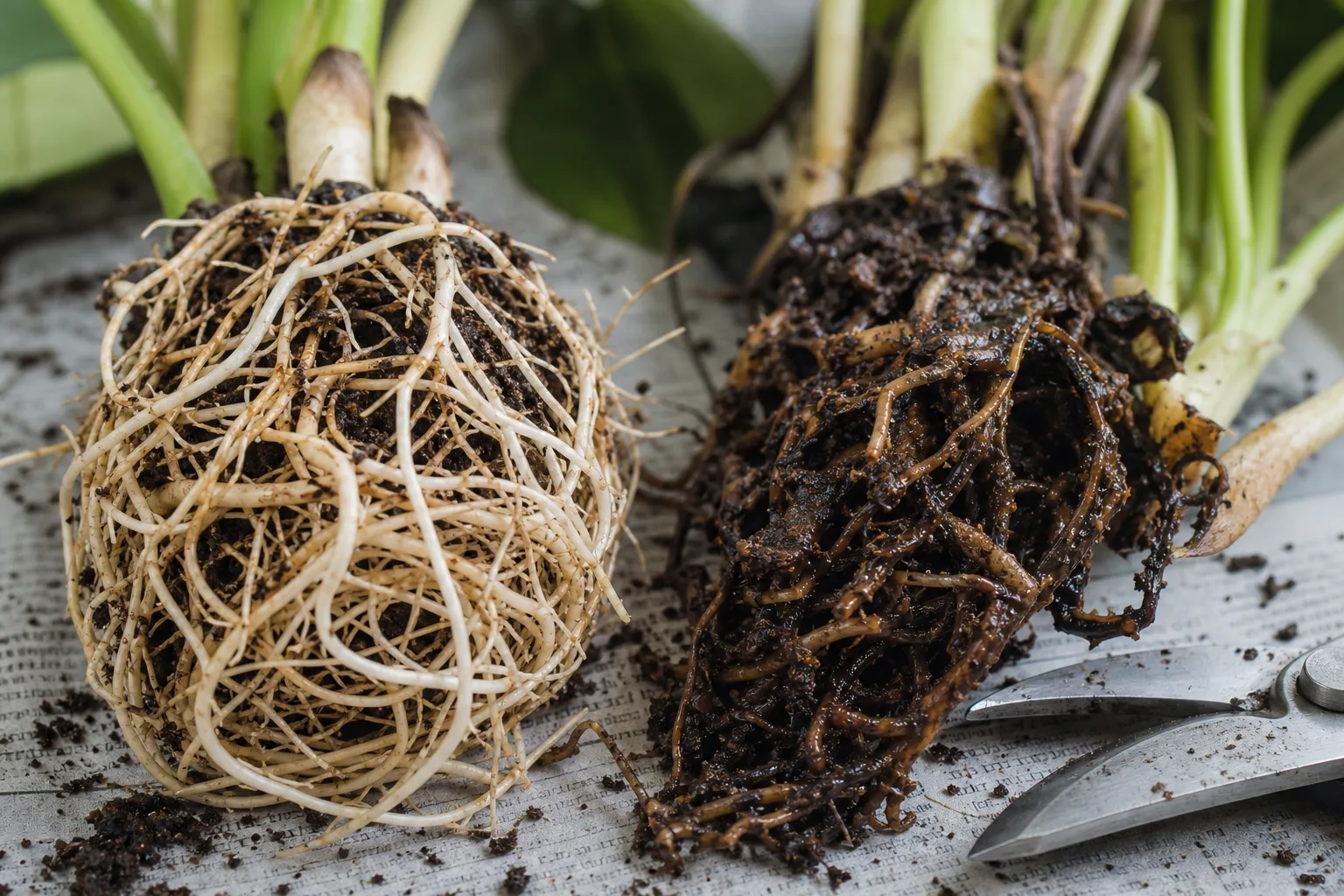
Unpot the plant over a washable surface and remove wet mix so you can see the roots. Healthy roots are firm; rotten roots are dark, mushy, hollow, or foul-smelling. Cut away only tissue that is clearly dead with a clean, sharp blade, disinfecting the tool between cuts, and stop when the remaining root or stem is firm and free of discoloration.
For stem or base rot, saving the original plant may not be possible. If there is firm, unblemished tissue above the rot, take a cutting from that section and let the cut surface callus in a dry, shaded place before placing it in fresh, barely moist or dry mix appropriate to the species. This is a last-resort propagation attempt, not a guarantee; if the entire base and crown are soft, discard the plant and contaminated mix rather than spreading the problem.
Clean the pot before reuse and make sure it has a drainage hole. UC IPM’s cactus references group water excess, root and crown rots, nutrient problems, freezing, and sunburn among cactus disorders, which is a useful reminder that sanitation and growing conditions matter even when the exact pathogen is unknown.
Prevent Yellowing With a Type-Specific Routine
Water by pot conditions, not the calendar
For a desert cactus, wait until the mix is dry throughout the pot, then water thoroughly until a little drains out. Empty the saucer and allow the pot to dry again; in cool, dim winter conditions, that interval may be much longer than it is in bright summer growth. Gardening Know How’s cactus watering guide also stresses that soil porosity, container drainage, light, temperature, and season all change the timing.
For a Christmas, Thanksgiving, or fishbone cactus, let the upper layer dry but do not force a long desert-style drought. These forest cacti prefer bright filtered light and more consistent moisture than a barrel or columnar cactus. If you are unsure which kind you own, identify the plant by its stem shape and natural habitat before copying a watering schedule from a different cactus.
Never use a self-watering reservoir for a desert cactus unless you have a very specific setup and a way to control dry-down. Do not mist a desert cactus as a substitute for root-zone watering; surface humidity does not replace the deep, periodic moisture its roots use. Forest cacti can tolerate more humidity, but their pots still need oxygen and drainage.
Match light and seasonal changes to the cactus
Give desert cacti the strongest light they can handle after acclimation, and give forest cacti bright indirect light with protection from the hottest sun. When moving a plant outdoors, start in bright shade, add a little direct morning sun over one to two weeks, and use shade cloth or a sheltered position during the adjustment. A plant that survived winter indoors may still burn if spring light arrives all at once.
Fertilize only when the plant is actively growing and the roots are healthy. Repot when the mix has broken down, drainage is failing, or roots have filled the container—not simply because a few segments are yellow. Keep the cactus clean, inspect joints and undersides monthly, and reduce watering as growth slows.
When Yellow Tissue Will Not Turn Green Again
Sunburn, freeze scars, severe nutrient damage, and old yellow segments are often permanent. A successful recovery does not mean the damaged area changes color; it means the softening stops, the plant stays firm, pests disappear, and new growth emerges in a healthy green color.
If the newest growth is green and the base is firm, leave the old yellow tissue until it is fully dead or easy to remove without tearing healthy tissue. If yellowing continues to spread from the base, the plant becomes soft, or the mix remains wet, reassess for rot even if you already changed the watering schedule. Cacti recover slowly, so give a sound correction time—but do not use patience as a reason to ignore a mushy stem.
Conclusion
The fastest way to save a cactus turning yellow is to diagnose the pattern before changing the care. Check firmness and soil first, then compare the plant’s type, recent light change, pest evidence, and temperature history. Stop treating a forest cactus like a desert cactus, never leave roots in standing water, and do not cut firm yellow tissue just to make the plant look tidy.
Most recoverable cases need one clear correction: a real dry-down after overwatering, a thorough drink after drought, gradual light acclimation, better drainage, or pest isolation. When rot has reached the base, move quickly to inspect the roots and save firm cuttings if any remain; when the plant is firm and producing healthy new growth, let old scars tell the story without letting them dictate the next mistake.



