How to Prevent Squirrels From Digging Up Bulbs
Learn how to stop squirrels from digging up bulbs with wire barriers, correct planting depth, cleanup, resistant choices, and realistic limits for repellents.
If you plant tulips or crocuses in fall and find fresh holes the next morning, cover the planting area with a secured wire barrier. A flat piece of galvanized hardware cloth or chicken wire is usually the most dependable first step because it physically blocks digging while leaving room for rain and, with the right timing, spring shoots. Correct depth, tidy planting, and less-attractive bulb choices help, but none is as reliable as closing the route to the bulbs.
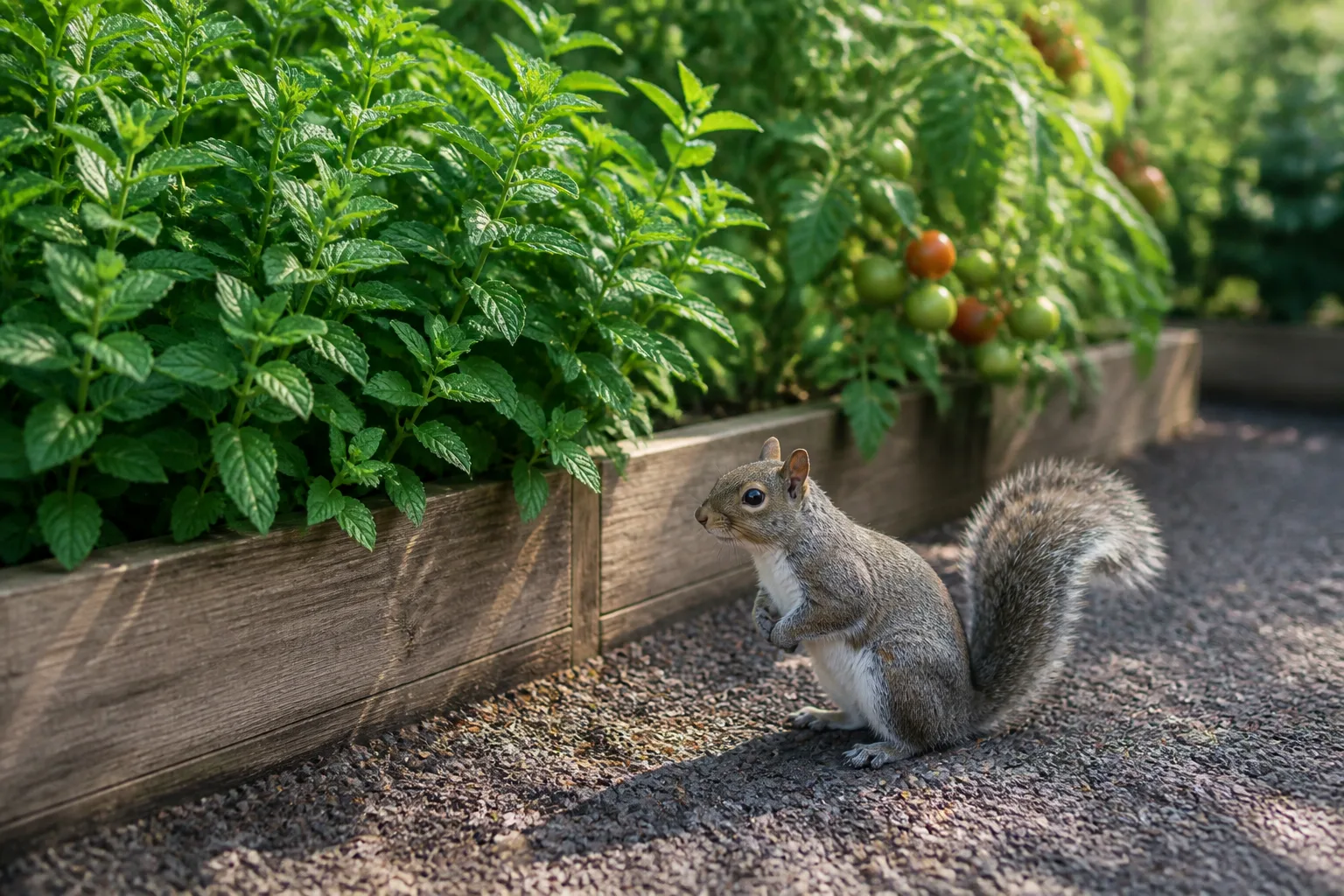
Squirrels do not always dig because they have identified a bulb as food. They also investigate freshly loosened soil while hiding nuts, so a bed can be disturbed even if the bulb is still below it. Illinois Extension describes both behaviors: squirrels eat some bulbs, especially tulips and crocuses, and also dig in loosened soil to cache food (University of Illinois Extension).
The short answer: cover newly planted bulbs with a secure barrier
The vulnerable window begins as soon as the ground is freshly dug. Before you plant, cut wire mesh to cover the whole disturbed patch, with a few inches of extra material around each edge. Set it over the backfilled soil and pin it down with landscape staples, U-shaped pins, or bricks placed along the perimeter; a loose corner is an invitation to dig underneath.
A surface barrier is easier to fit over a broad bed than a separate cage around every bulb. It also lets you protect tulips without redesigning the planting around only bulbs squirrels tend to ignore. Colorado State University Extension describes squirrels treating freshly worked ground as a clue that something may have been buried, which is why covering the site immediately after planting matters (Colorado State University Extension).
If you cannot install mesh the same day, cover the soil temporarily with a flat piece of hardware cloth, wire netting, or a securely anchored board that does not block drainage. Remove a solid cover as soon as practical, and replace it with breathable mesh if the bed needs protection for longer. A barrier only helps while it stays flush to the ground and covers the entire area where you disturbed soil.
First confirm what is digging
Before replacing bulbs or buying repellents, inspect a few of the newest holes. Look for the size and shape of the openings, whether bulbs were carried off or left nearby, and whether damage appears in a container, a whole bed, or isolated spots. If you can, check in early morning or use a motion-activated camera for a night or two; fresh soil is not a species identification.
Squirrels, chipmunks, and underground feeders leave different clues
Squirrels and chipmunks typically approach from above and leave shallow, open holes or loosened soil. A bulb with its papery tunic scattered nearby may have been sampled or moved, but an empty hole by itself does not prove the bulb was eaten. Tree squirrels also bury nuts, so repeated small holes among intact plantings may be caching rather than bulb feeding.
A bulb that never emerges is a different problem. Voles and mice can eat bulbs from below, sometimes leaving a tunnel or burrow with little surface disturbance; larger diggers such as skunks or raccoons can also turn over freshly planted ground. The University of Illinois notes that squirrels are often blamed for damage caused by other animals, so base your response on what you observe rather than treating every missing bulb as squirrel damage (University of Illinois Extension).
If the damage is underground, a surface mesh may not stop the animal already traveling through a tunnel. Check for shallow runways under mulch, small openings, or a pattern of bulbs missing in one line. A buried basket with sides and a bottom may help with tunneling animals, while a mesh lid or surface cover is still needed if squirrels are also digging from above.
Make a physical mesh cover your first line of defense
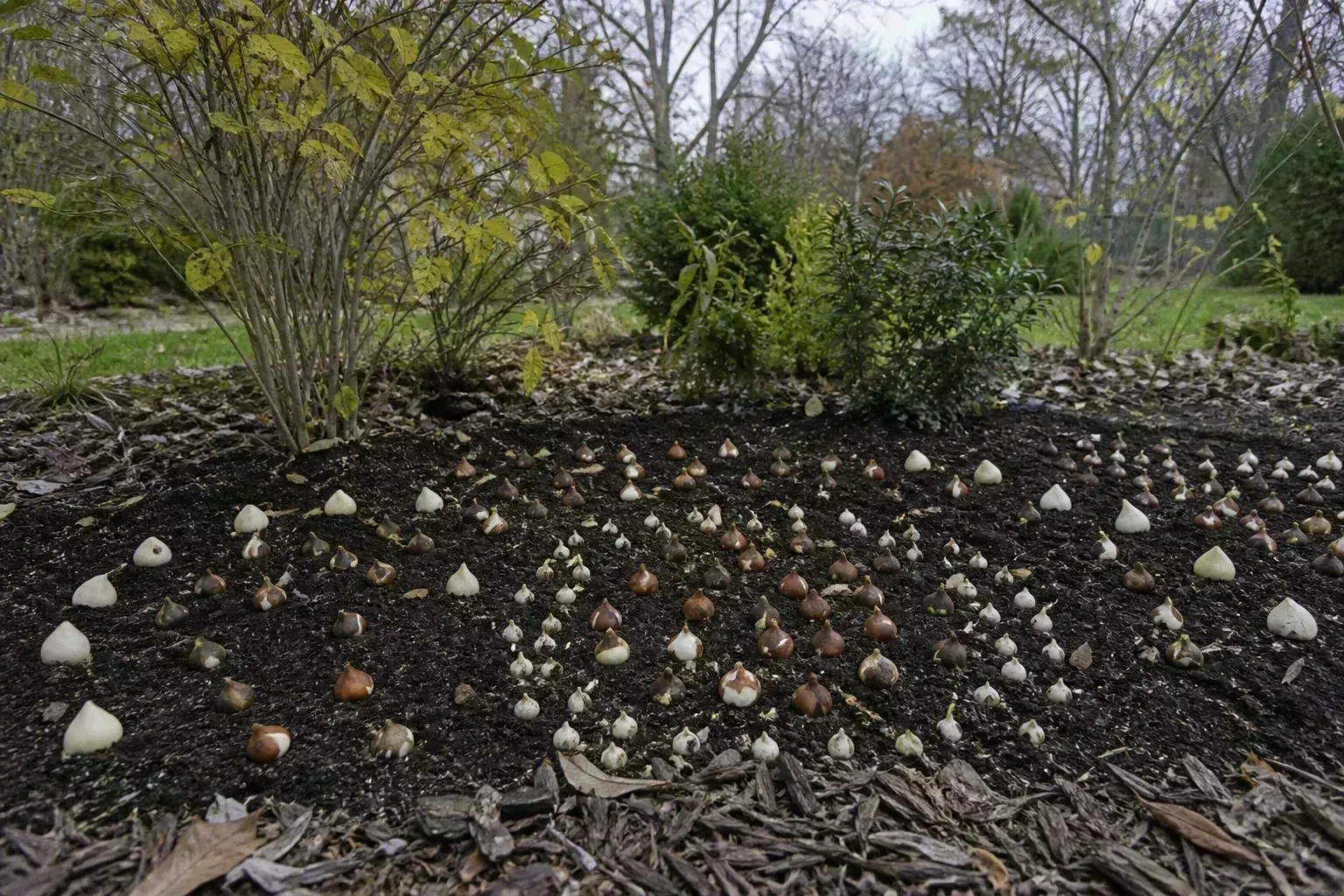
For an open bed, choose galvanized wire mesh sturdy enough to lie flat without collapsing when a squirrel paws at it. Hardware cloth with roughly half-inch openings is a useful starting point for small areas; chicken wire can also work when its openings are small enough to keep an animal from reaching through and its edges can be anchored securely. The exact product varies, so test the mesh over an empty patch of soil before burying bulbs beneath it.
Lay the wire directly over the soil after you backfill the planting holes. The barrier should extend several inches beyond the edge of the dug area, including the sides of a planting trench, and sit flat rather than tenting over the soil. If the bed has a rounded edge or raised frame, cut the wire into manageable panels and overlap seams so there is no easy gap between pieces.
Choose a mesh that blocks paws but lets shoots through
The openings must solve two different jobs: prevent claws from reaching the bulbs and avoid trapping emerging leaves. Mesh that is too wide may let a squirrel push a paw through; mesh that is too fine, sharp, or flimsy can snag shoots or deform under pressure. A rigid half-inch grid is commonly used for a flat cover, but the best size depends on the bulb, how tightly it is planted, and whether you plan to remove the cover before emergence.
You do not need to force every shoot through the mesh. In a small bed, it is often simpler to lift the barrier in late winter or early spring, before the first leaves press against it. If you cannot visit the bed regularly, use a mesh with openings large enough for the expected shoots and check the site often as temperatures rise. Bulbs differ in emergence time, so the calendar date is less useful than watching the soil.
Hardware cloth has smaller openings and more rigidity than many rolls of lightweight chicken wire, which makes it a better choice for persistent digging or beds near pets and paths. Chicken wire is easier to cut and may be sufficient where squirrel activity is light and the edges can be held down. K-State Extension describes lining a planting trough with chicken wire and placing a second layer over the backfilled bulbs before adding the final soil and mulch layer; that layered approach can protect a defined row without enclosing each bulb individually (Kansas State University Extension).
Secure the edges and plan for spring growth
Use landscape staples every several inches around the perimeter and at any overlap. Add a stone or brick at corners that lift, but do not leave loose wire ends sticking upward where a child, pet, or gardener could catch a hand or foot. Fold or blunt cut edges, wear gloves while handling mesh, and keep the cover clear of walkways.
You can disguise a flat barrier with a light layer of leaves or fine mulch, but do not bury the mesh so deeply that it becomes difficult to find or remove. Mark the covered bed with a garden label or note on your planting map, especially if the mesh is hidden under mulch. When spring shoots appear, lift the cover before foliage becomes caught in the openings; store clean, dry mesh for reuse.
Use bulb cages for small, high-value plantings
A bulb basket is useful when you are planting a handful of special tulips or want to lift a small group later. Set bulbs inside the basket at the depth specified for that species, then backfill with soil. Before choosing a basket, check its shape: many nursery baskets are open at the top, so they may protect bulbs from below but do little to stop a squirrel reaching down from the surface.
For squirrel protection, add a removable mesh lid that sits flat over the cage or cover the entire planting patch with surface wire. Keep any lid secure around its edges and large enough for the planting area, not just the basket rim. A cage with sides and a bottom makes more sense when you also suspect tunneling rodents; it is extra work if the only evidence is a squirrel digging from above.
Group baskets where possible. One cover over a compact cluster is easier to anchor and locate than a collection of small pieces, and it reduces the number of separate gaps that can open over winter. Leave room for roots and shoots, follow the bulb label for spacing, and avoid forcing a large bulb into a shallow basket that would make you plant it too close to the surface.
Plant at the correct depth and firm the soil
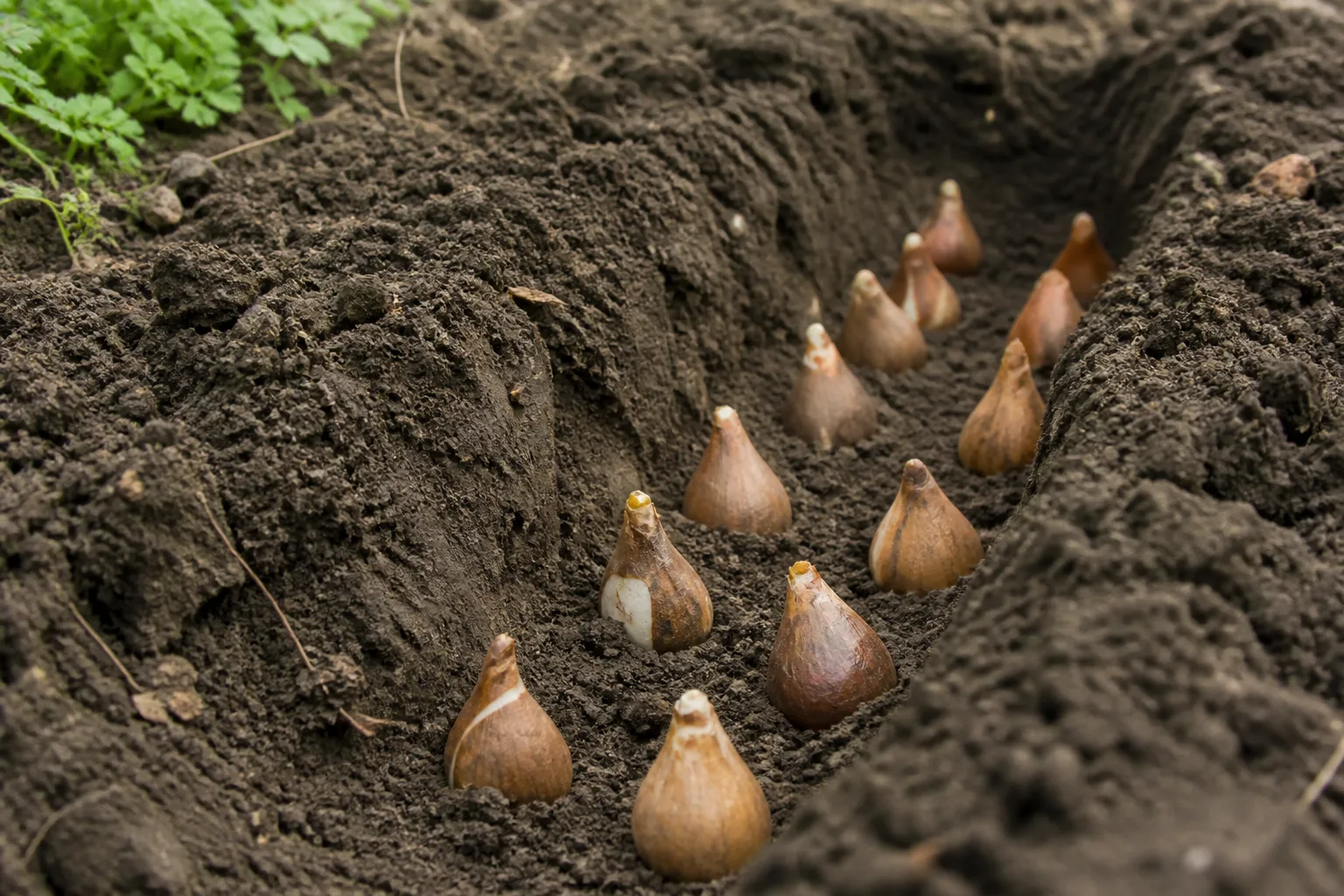
Planting at the recommended depth makes a squirrel work harder, but depth alone is not squirrel-proofing. Use the bulb packet or a local extension guide for the specific type, measuring from the soil surface to the bulb base as instructed. As a general rule, many spring bulbs go in at a depth of about two to three times the bulb’s height, but smaller bulbs, heavy soils, and different species can require exceptions.
For example, Wisconsin Extension gives a typical depth of about 6 to 8 inches for larger bulbs such as tulips and daffodils and about 3 to 4 inches for smaller bulbs such as crocuses. It also recommends firming the soil and watering after planting when the soil is dry (University of Wisconsin–Madison Division of Extension). Treat those figures as regional guidance rather than a universal rule: the package and your local climate take priority.
Firm the backfill gently with your hand or the flat side of a trowel. You want to remove large air pockets and restore contact around the bulb, not compact wet clay into a hard slab. Water lightly if the soil is dry enough to need it, then fit the mesh. Firm, settled soil is less inviting than loose soil and helps close the visual cue that a planting hole has just been opened.
Do not plant bulbs much deeper than their directions simply to defeat squirrels. Too-deep planting can delay emergence, reduce flowering, or place a bulb in poorly drained soil. Correct depth is one layer of prevention; the physical cover does the job when digging pressure is high.
Remove the cues that invite another dig
As you finish planting, collect papery skins, broken bulb pieces, packaging, and any bulbs you reject. Put scraps in a closed compost container or dispose of them away from the bed instead of leaving them beside fresh soil. This cleanup cannot conceal the disturbance completely, but it removes obvious scent and food scraps that encourage an animal to keep investigating.
If you used compost or fertilizer, avoid adding animal-derived meals directly into the bulb hole when digging wildlife is already a problem. University of New Hampshire Extension warns that bone meal may attract skunks, raccoons, and dogs that dig for it; that warning is about other diggers, not proof that bone meal is a squirrel attractant, but it is a good reason not to add a new digging cue to a freshly worked bed (University of New Hampshire Extension). Fertilize only when the bulb or soil guidance calls for it and follow the product label.
Also check what is happening nearby. A feeder spilling seed, open compost, fallen nuts, or pet food left outdoors can make the same area worth revisiting. You do not need to remove every bird feeder from the yard, but moving one away from the bulb bed and cleaning the ground beneath it reduces a nearby reward. Avoid putting out food specifically to distract squirrels; a feeder can train them to visit regularly and may draw more digging activity to the yard.
Planting later can reduce exposure, but timing has limits
If local weather gives you flexibility, plant spring bulbs toward the later part of the recommended fall window rather than on the first cool day. A delay can shorten the time freshly disturbed soil sits exposed during the busiest part of fall caching. It is a small advantage, not a guarantee: hungry animals can still dig, and the right planting window differs by region and species.
Do not wait until the ground is frozen, waterlogged, or impossible to work simply to avoid squirrels. Hardy spring bulbs need time to establish roots before winter; if your local extension recommends planting weeks before the ground freezes, use that window and protect the bed with mesh instead of gambling on a late date. Colorado State Extension’s practical method of covering newly planted bulbs with leaves and secured burlap also illustrates the value of covering the site right after planting, while leaving the planting season itself tied to local guidance (Colorado State University Extension).
A compact drift is easier to protect than bulbs scattered across a lawn. Planting in groups can reduce the number of holes and allow one broad panel to cover the entire disturbed patch. Keep the planting plan simple enough that you remember where the barrier is and can remove it before spring growth presses against the wire.
Choose bulbs squirrels are less likely to eat
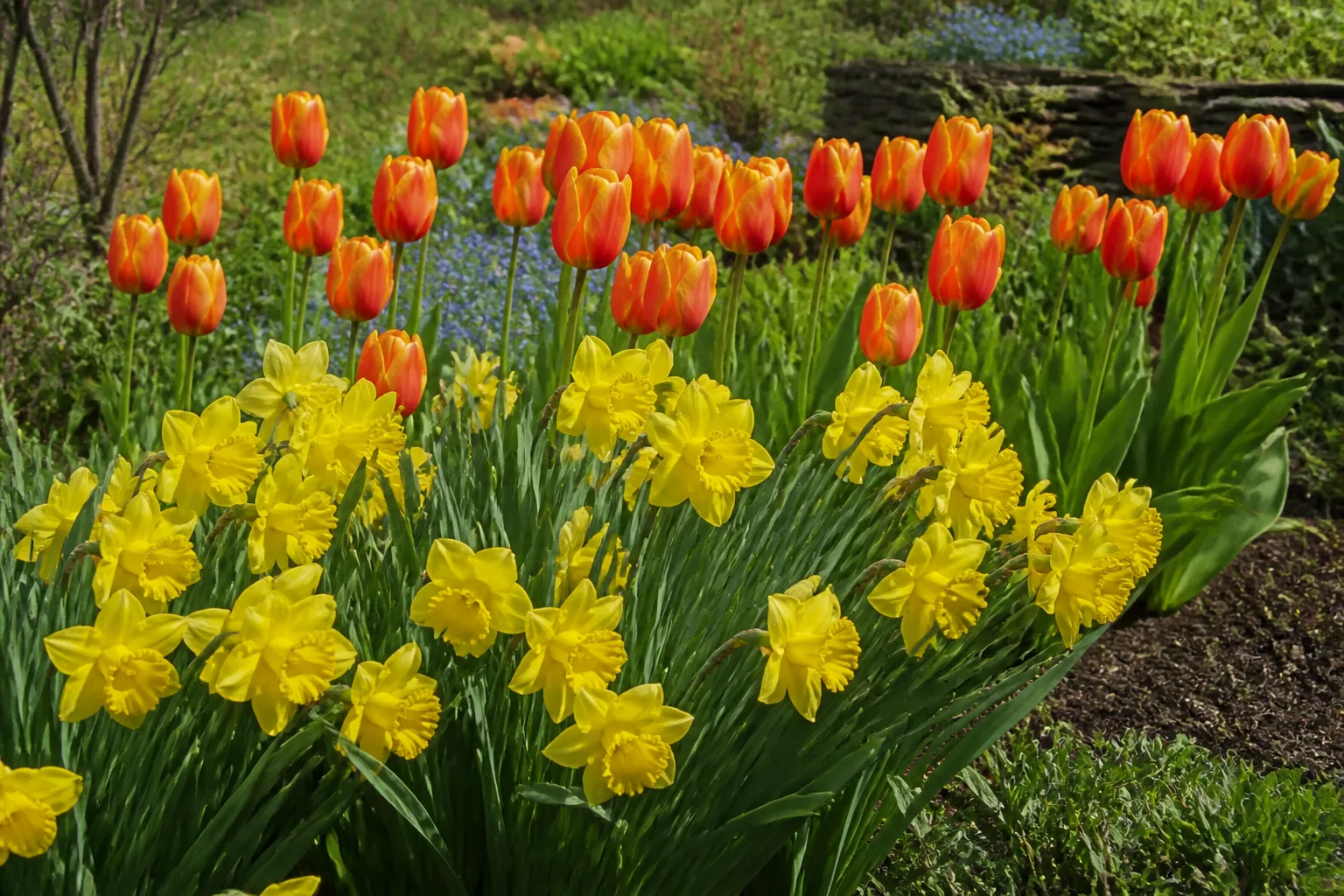
Bulb choice can lower the risk when you are planning a new bed. Tulips and crocuses are common targets; daffodils, alliums, and some other strong-smelling or bitter bulbs are often left alone. Wisconsin Extension specifically notes that squirrels and chipmunks may dig up tulips and crocuses but are less likely to disturb daffodils and hyacinths (University of Wisconsin–Madison Division of Extension).
| Bulb group | Relative squirrel interest | Practical use |
|---|---|---|
| Tulips and crocuses | Often targeted | Cover with mesh if they are a priority planting. |
| Daffodils and alliums | Often less attractive | Use in mixed beds to reduce the proportion of vulnerable bulbs. |
| Hyacinths, snowdrops, and grape hyacinths | Often less attractive, but variable | Treat as a lower-risk choice, not as a guaranteed barrier. |
The list is a preference guide, not a promise. An animal may dig through a less-attractive planting to cache a nut, and hungry wildlife may test bulbs it usually ignores. The University of Illinois reports that squirrels eat tulips and crocuses more readily than daffodils, while also noting they may dig up plants to store food (University of Illinois Extension).
If you want tulips, keep growing them and protect them rather than replacing every favorite with a supposedly squirrel-proof species. You can interplant tulips with daffodils or alliums to diversify a bed, but companion plants do not physically block access to a tulip bulb. For a high-value tulip display, combine your preferred varieties with a surface barrier and correct planting depth.
Treat repellents, grit, and mulch as optional layers
Pepper flakes, capsaicin products, garlic sprays, and commercial repellents may discourage some digging in a small area, but their performance varies with rain, irrigation, soil contact, and the animal’s motivation. Illinois Extension notes that capsaicin sprays or flakes need to be reapplied after rain or heavy irrigation (University of Illinois Extension). That makes them a maintenance layer, not a replacement for mesh.
A product label matters more than a homemade recipe. If you use a registered garden repellent, check that its label covers the intended site and animal, apply it only as directed, and keep it away from children, pets, edible crops, and flowers being visited by pollinators as the label advises. Do not scatter loose hot pepper powder where it can blow into eyes or be carried indoors, and do not assume an “all-natural” label means every use is harmless.
Coffee grounds and cinnamon are often suggested online, but a smell that seems strong to a person may not provide durable protection in a wet outdoor bed. A squirrel can dig past a scent, and rain can move or dilute surface treatments. If you want to test a repellent, do so on a small patch with mesh still in place and judge success by whether new holes stop appearing—not by how strong the bed smells.
Skip attractants and avoid feeding near the bed
Do not use a squirrel-feeding station next to newly planted bulbs as your main defense. It may redirect some individual visits, but it also establishes a regular food stop and cannot prevent squirrels from caching nuts in another part of the garden. Remove spilled seed and fallen nuts near the bed instead of adding more food to the same route.
Coarse mulch, a light layer of gravel, or short branches laid flat may make the soil surface less convenient to paw through. Illinois Extension mentions rocks, pieces of chicken wire, and horizontally placed sticks as ways to make digging harder; Wisconsin Extension notes that chicken grit may discourage digging in some situations but does not present it as a guarantee. Keep any coarse material shallow enough for shoots to emerge and do not rely on it where a physical wire cover is practical.
Protect bulbs in containers and raised beds
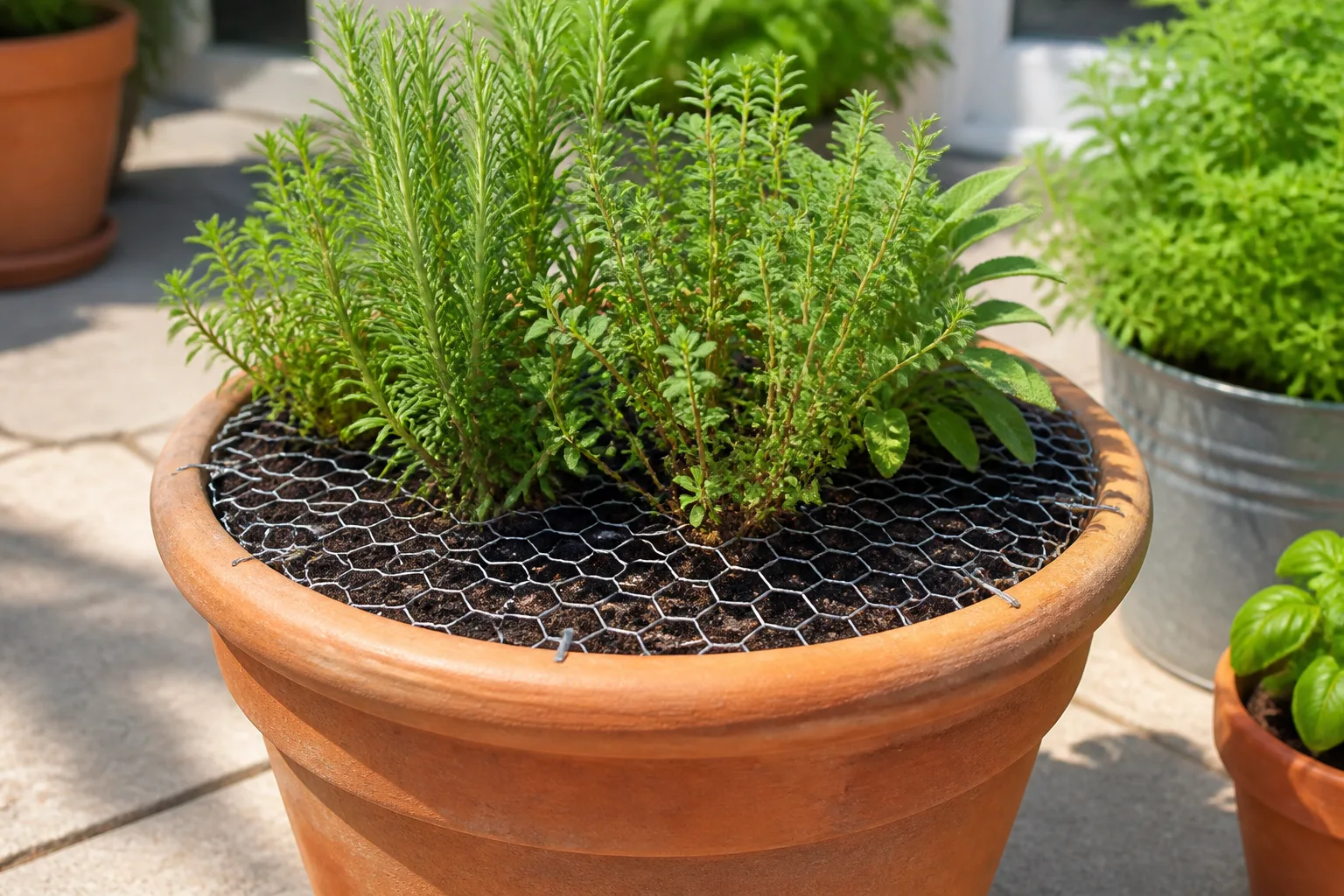
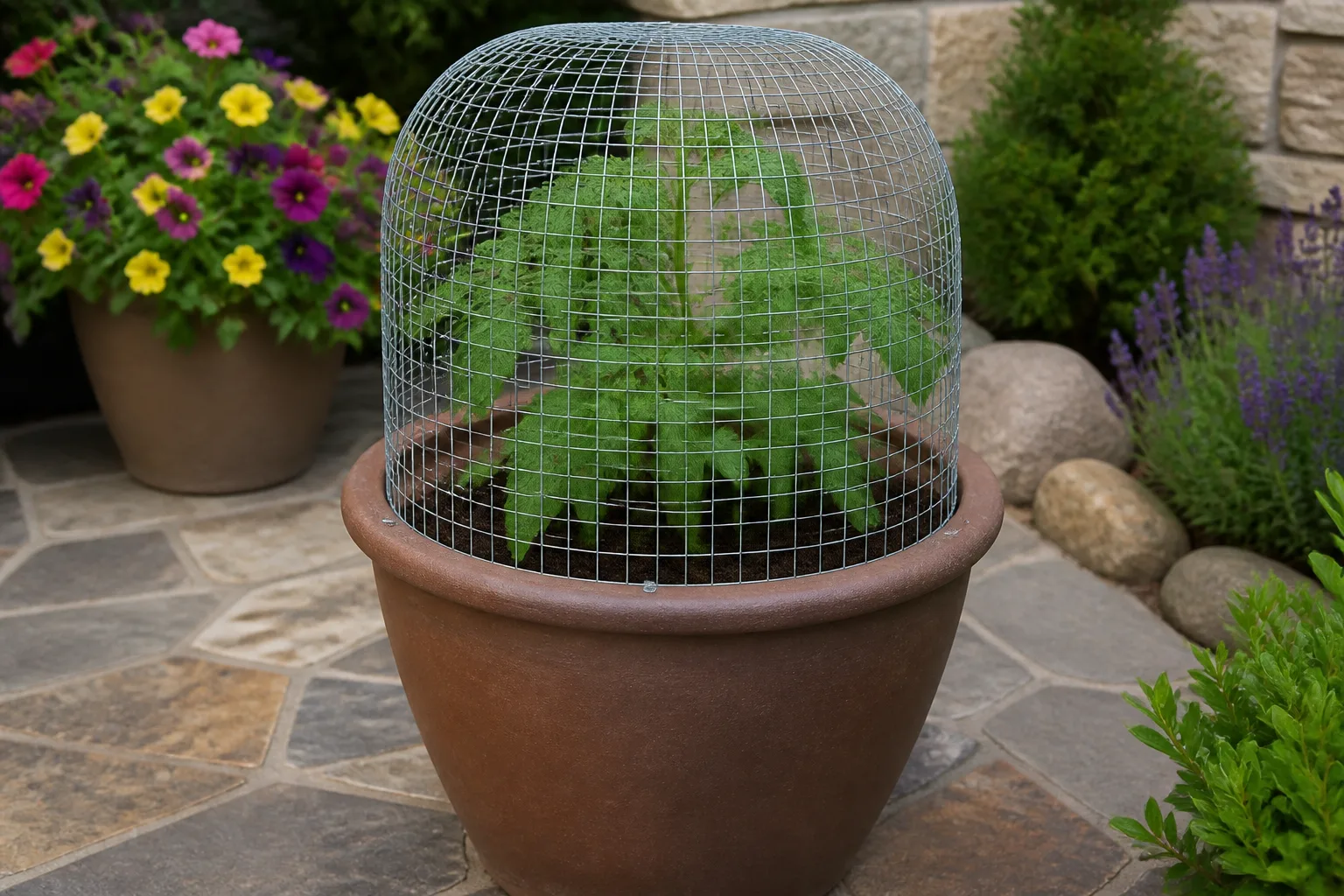
A pot is an easy target because its entire surface is a small patch of loose soil. After planting, lay a piece of mesh over the soil and secure it below the rim with pot clips, a cut-to-fit ring, or a firm layer of stones around the edge. Keep the drainage holes open, avoid covering the plant crown if anything is already growing, and lift the mesh when shoots need room.
For a larger raised bed, treat the soil surface as one continuous zone. Staple the edges to the wooden frame or overlap the mesh beyond the inside rim so squirrels cannot start from the side. If bulbs are planted beneath perennials, place the wire before the perennials fill in or cut it into removable panels that can be lifted without tearing established roots.
A mesh dome is another option for a pot or small cluster, especially where the container is on a patio and can be moved out of reach at night. The dome must sit firmly on the pot rim or ground, with no gap large enough for a squirrel to reach beneath it. For large containers, a flat screen usually takes less space and is easier to remove when spring bulbs emerge.
What to do if squirrels have already dug up bulbs
Replant bulbs that are still firm and intact as soon as possible. Brush away loose soil, check for deep bite marks or soft rot, and reset them at the correct depth with the pointed end up; if you cannot identify the top and bottom, plant the bulb on its side rather than leaving it exposed. Discard bulbs that are crushed, mushy, or mostly eaten, because they are unlikely to recover well.
Refill each hole and cover the entire disturbed zone, not only the obvious opening. A squirrel may dig several feet away from the first hole, especially if it has started caching nuts across the bed. Gather scraps, settle the soil, install mesh, and check the site the next morning for a new opening or a lifted edge.
If bulbs keep disappearing after the surface is covered, inspect the barrier for gaps and reconsider the culprit. A cleanly covered bed that still loses bulbs may have tunneling damage below, while exposed or scattered bulbs point back to a surface digger. Change the protection to match the evidence: add a properly enclosed cage for burrowing animals, secure the cover more firmly for squirrels, and avoid using poison or traps that can harm non-target wildlife.
A simple fall-to-spring protection plan
Before planting: confirm the bulb names and recommended depth, cut mesh to fit the bed, gather landscape staples, and decide where the panels will be stored. If squirrels already visit the yard, move a nearby feeder if practical and clear fallen nuts or seed from the planting area. Do not wait until the holes are dug to decide how you will cover them.
On planting day: plant at label depth, gently firm the soil, remove tunics and packaging, water only if the soil is dry, then cover the area immediately. Check that every edge is pinned and every panel overlap is closed. Take a quick photo or draw a note showing the mesh boundaries so you do not accidentally dig through the protected zone later.
During winter and early spring: check after storms, freeze-thaw cycles, or animal activity to make sure the wire has not lifted. As the soil warms, watch for the earliest shoots rather than waiting for a fixed date. Lift, roll back, or cut away the cover before foliage pushes into it, then store reusable wire for the next planting season.
This sequence combines the methods that solve different parts of the problem: proper depth makes the bulb less accessible, cleanup removes food cues, plant choice changes the target, and mesh blocks the dig. If you use a repellent, add it as a short-term extra layer and continue to rely on the barrier until the soil is no longer vulnerable.
Conclusion: match the barrier to the planting
To prevent squirrels from digging up bulbs, cover freshly planted beds with secured wire mesh and use a lid or screen for containers. Plant bulbs at the depth recommended for the species, clean up scraps, and choose less-attractive bulbs where they fit your design, but do not expect depth, mulch, or pepper to stop every animal.
If a squirrel has already dug, replant healthy bulbs, firm the soil, and cover the whole disturbed patch that same day. Watch the barrier through winter and remove it before shoots become trapped. A well-fitted, reusable cover is the simplest way to protect the tulips and crocuses you actually want to grow.