15 Natural Pest Control Prevention Tips to Try at Home
These natural pest control prevention tips target the food, water, shelter, and entry points that attract pests, plus when to monitor or call a professional.
Natural pest control works best when it starts with the conditions that let pests settle in: a source of food or water, a protected hiding place, or an opening they can use to enter. A prevention-first approach does not promise that a home will never have a bug or mouse. It reduces the reasons pests return and helps you respond only when there is a real problem. The EPA describes integrated pest management (IPM) as a sequence of monitoring, prevention, and control, with lower-risk options considered before broad pesticide applications (EPA’s IPM principles).
A useful first check is to look for food, water, shelter, and entry points as one connected system. A tidy pantry will not solve a leak behind the sink; sealing a gap will not remove a food source that keeps drawing pests to the same spot. Use these 15 habits as a practical home-and-garden routine, then adjust them to the pest you actually find.
1. Identify the pest before you choose a response
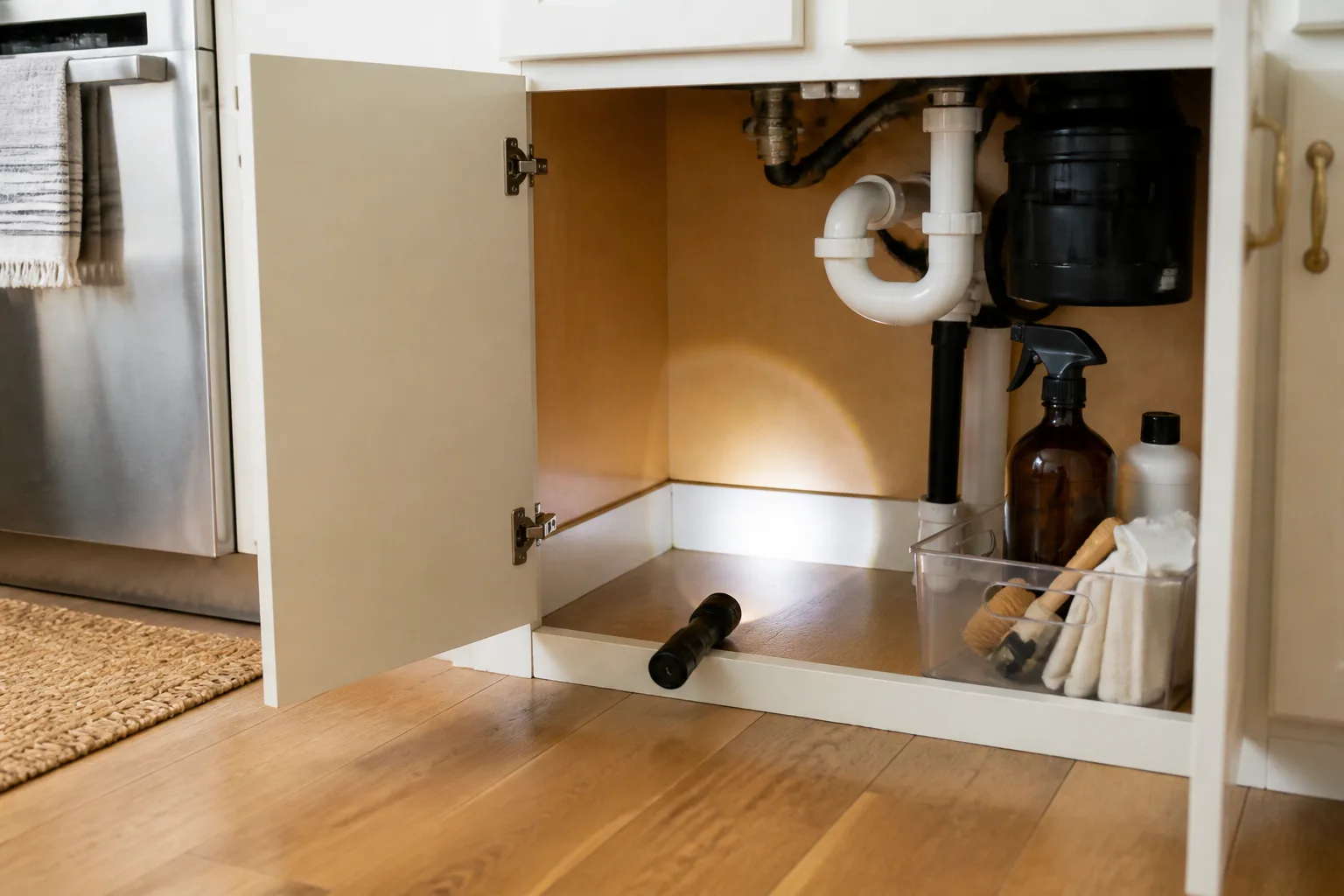
A small insect sighting is a clue, not a diagnosis. Note what you saw, where it appeared, whether it was alive or dead, and whether you see droppings, shed skins, webbing, gnaw marks, or plant damage nearby. A flashlight and a phone photo can help you record details without disturbing a nest or reaching into a dark space. If you cannot identify it, ask a local cooperative extension office or a qualified pest professional to confirm what it is before treating.
This pause matters because “bug” can mean a pantry moth, a harmless spider, a beneficial garden insect, or a pest that requires a specific response. The EPA notes that some organisms are harmless or beneficial and that accurate identification helps prevent unnecessary or mismatched treatment. A single outdoor ant or spider may not require action; recurring cockroaches in a kitchen, rodent droppings, bed bugs, or evidence of termites should prompt a more focused inspection. Set a simple threshold: act when the pest is damaging plants or property, contaminating food, creating a health concern, or repeatedly appearing indoors—not merely because an insect exists outside.
2. Inspect groceries, plants, and secondhand items
Pests can arrive in the things you bring inside. Check paper grocery bags, bulk grains, pet food, dried beans, flour, and produce for insects, webbing, holes, or damaged packaging before the items go into storage. Pantry pests may already be present in a package when it is purchased, so inspecting the contents is more useful than assuming a clean-looking pantry is protected. If an item is suspicious, keep it sealed in a bag while you decide whether to return or discard it; do not set it on the counter beside other food.
Inspect houseplants before buying them and again before placing them among your collection. Look under leaves, along stems, at the soil surface, and around the pot rim for moving specks, cottony clusters, webbing, or sticky residue. Keep a new or outdoor-overwintered plant separate from other plants for a short observation period, and do not apply a preventive spray just because it is new. For used furniture, luggage, or textiles, pay particular attention to seams and creases if bed bugs are a concern; pest-specific inspection guidance is safer than a general-purpose spray. This simple “pause at the threshold” catches hitchhikers before they spread.
3. Store pantry, pet, and bird food in sealed containers
Once a dry food package is open, transfer it to a rigid container with a tight-fitting lid. Glass, metal, or sturdy plastic can keep insects from entering or escaping; thin cardboard and loose bags are not reliable barriers. Prioritize flour, rice, cereal, nuts, dried fruit, seeds, birdseed, and pet kibble, especially if you buy them in large bags. Keep the original label or write the product and date on the container so rotation stays easy.
A sealed container does not sterilize food that was already infested, so check the food before decanting it and wipe the container rim before closing. If you find webbing or larvae in a pantry item, bag it before moving it through the kitchen, then inspect adjacent foods and vacuum shelf corners and peg holes. Keep bulk bags inside a lidded bin rather than on a garage floor, where rodents and moisture are more likely. The goal is not to decant every condiment; use rigid storage where a pest could actually reach a vulnerable food supply.
4. Clean the kitchen’s hidden food sources
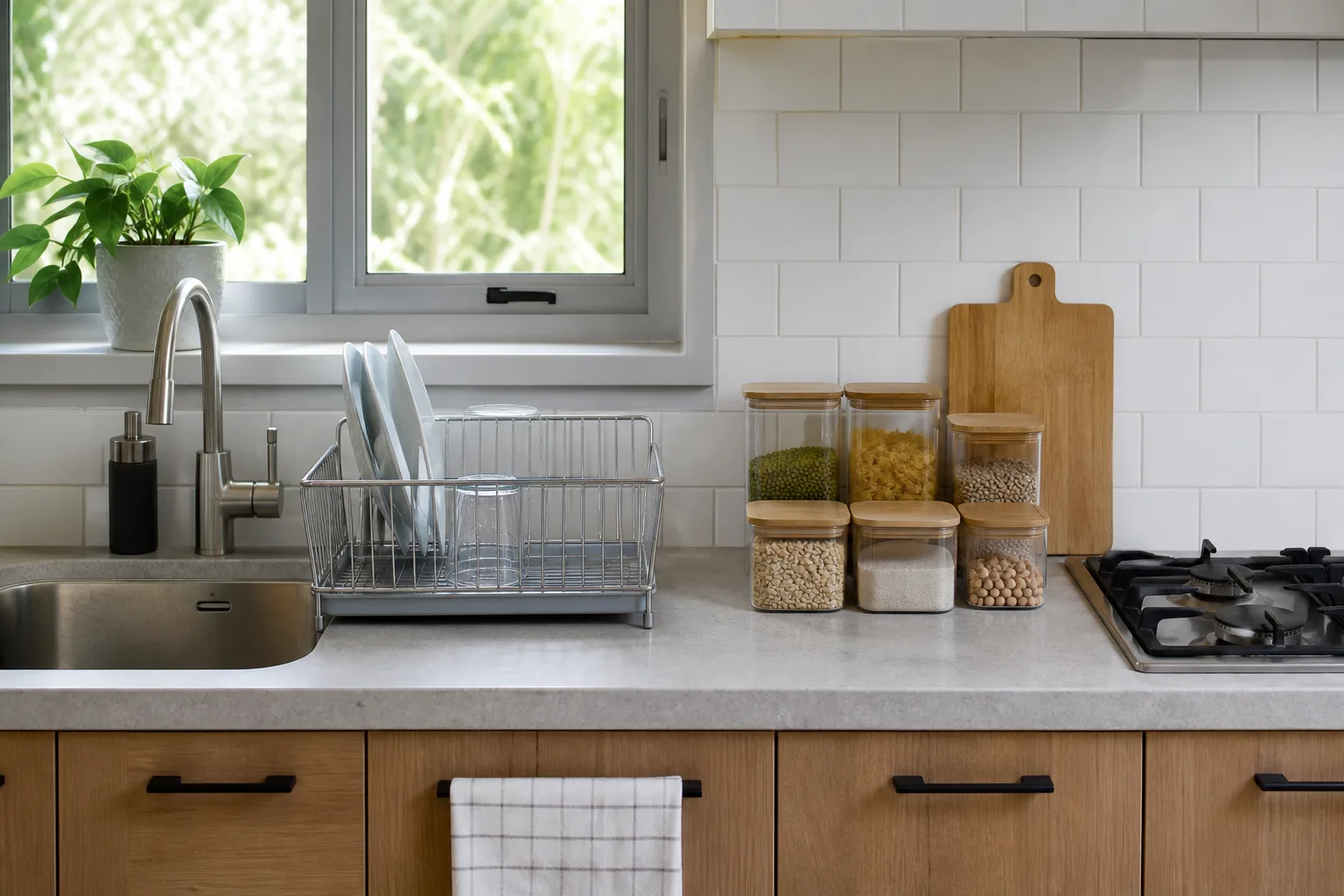
Crumbs under appliances and sticky spills around a trash can can feed pests even when countertops look spotless. Sweep or vacuum along cabinet toe-kicks, under the table, around the stove, beside the refrigerator, and inside the pantry corners. Clean food residue from toaster trays, pet feeding areas, and recycling containers. Wash dishes and wipe counters after meals; if a bowl of pet food is left out, remove it when the animal is done rather than leaving it overnight.
You do not need to deep-clean the entire kitchen every day. A short daily reset—wipe food prep surfaces, sweep visible crumbs, dry the sink, and close food containers—paired with a periodic pass under appliances is more sustainable than one exhausting cleanup after pests appear. Vacuuming is useful for removing crumbs, shed skins, and some insects, but it is not a complete treatment for an established cockroach or bed bug infestation. The Purdue Extension cockroach guide recommends checking likely hiding places and combining inspection with sanitation and exclusion. If droppings or nests are present, follow public-health cleanup instructions rather than vacuuming contaminated material dry.
5. Keep trash, recycling, and compost contained
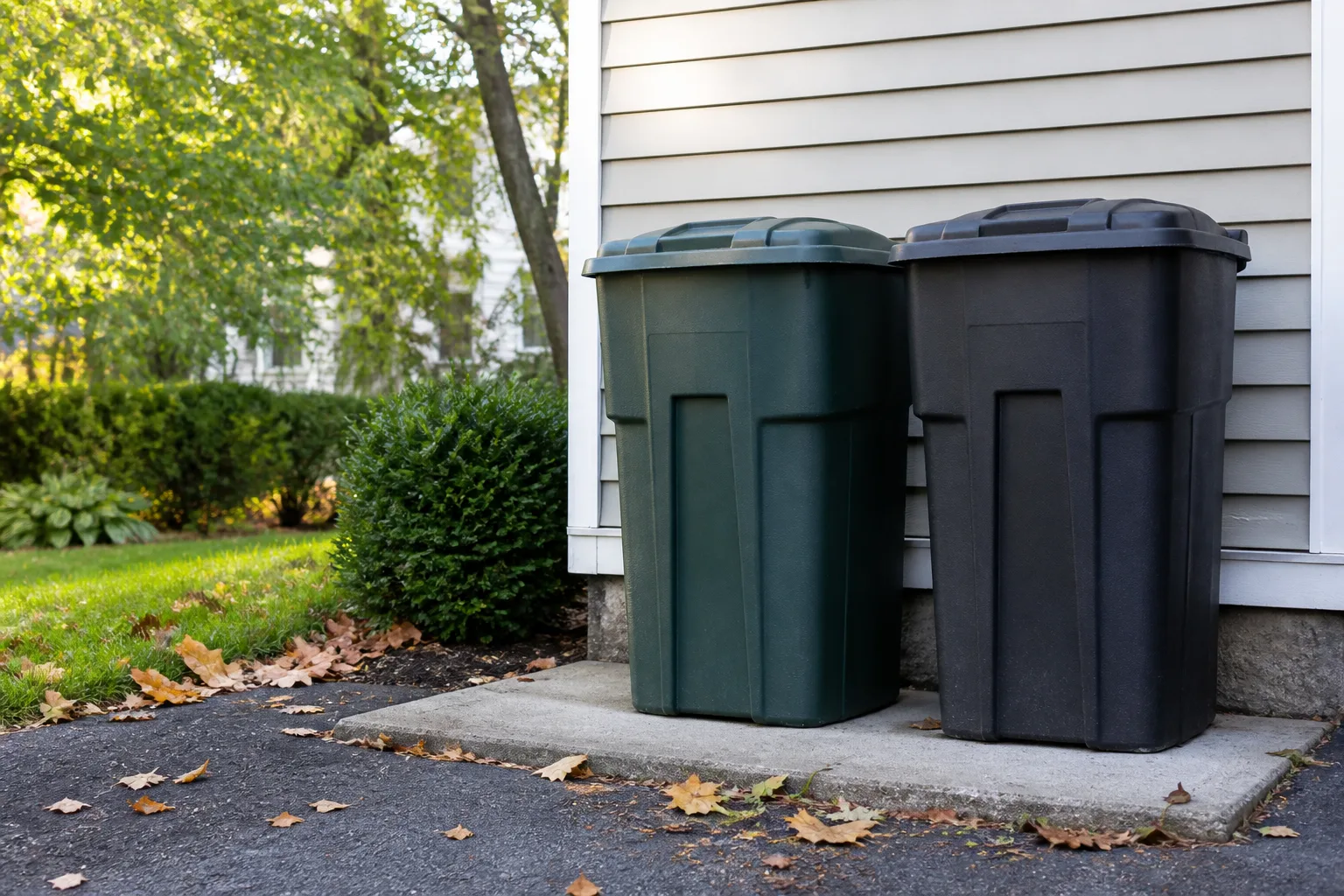
Use a kitchen bin with a close-fitting lid and clean spills or leaks promptly. Food scraps do not have to sit indoors until the bin is full: take them out when they begin to smell or attract flies, and rinse residue from cans, jars, and bottles before recycling. Wash the bin itself when liquid or food residue collects at the bottom. Outside, use a sturdy container with a tight lid and no holes, and make sure the lid still closes after collection day.
Composting can fit into a pest-aware yard, but an open pile of food scraps beside the back door is an easy target. A lidded tumbler or enclosed bin, a balanced mix of food scraps and dry material, and regular turning make the pile less exposed. Avoid adding meat, dairy, fats, or cooked food unless your local compost system specifically accepts them. Pick up fallen fruit rather than letting it ferment beneath a tree, and store pet food after feeding. The CDC’s rodent-sealing guidance also recommends keeping garbage sealed, cleaning outdoor food areas, and locating compost, woodpiles, and feeders away from the house where the property allows.
6. Remove leaks and standing water
Moisture is as important as food for many household pests. Check under sinks, behind the refrigerator, around the dishwasher, near washing-machine hoses, and in bathrooms for drips, condensation, damp cardboard, or a musty cabinet. Repair leaks and improve ventilation where practical; do not simply cover recurring moisture with a pesticide or fragrance. Dry the sink and counter at night if ants or roaches repeatedly forage there, and empty saucers beneath plants after watering when the plant does not need standing water.
Walk the yard after rain and look for water in buckets, toys, pot saucers, clogged gutters, low spots, and uncovered rain barrels. Mosquitoes can breed in small water-holding containers, so empty or refresh them regularly; use a fitted screen on a rain barrel and keep drains clear. Birdbaths can stay: clean and refresh them on a regular schedule rather than eliminating useful wildlife water. The EPA’s mosquito-prevention guidance calls out common containers such as gutters, tires, toys, and plant saucers as places to check. If water collects because of grading, drainage, or a persistent leak, address that source or ask a qualified contractor for help.
7. Seal entry points and repair screens
Check the door sweep, window screens, foundation, eaves, attic vents, and spots where pipes, cables, or utility lines enter. Patch torn screens and add weather stripping where a closed door still leaves a visible gap. Use an appropriate sealant for small cracks around nonmoving trim; larger openings may need metal mesh, hardware cloth, or a repair that preserves ventilation and drainage. Do not block combustion-air openings, exhaust vents, weep holes, or other building features that need to remain open.
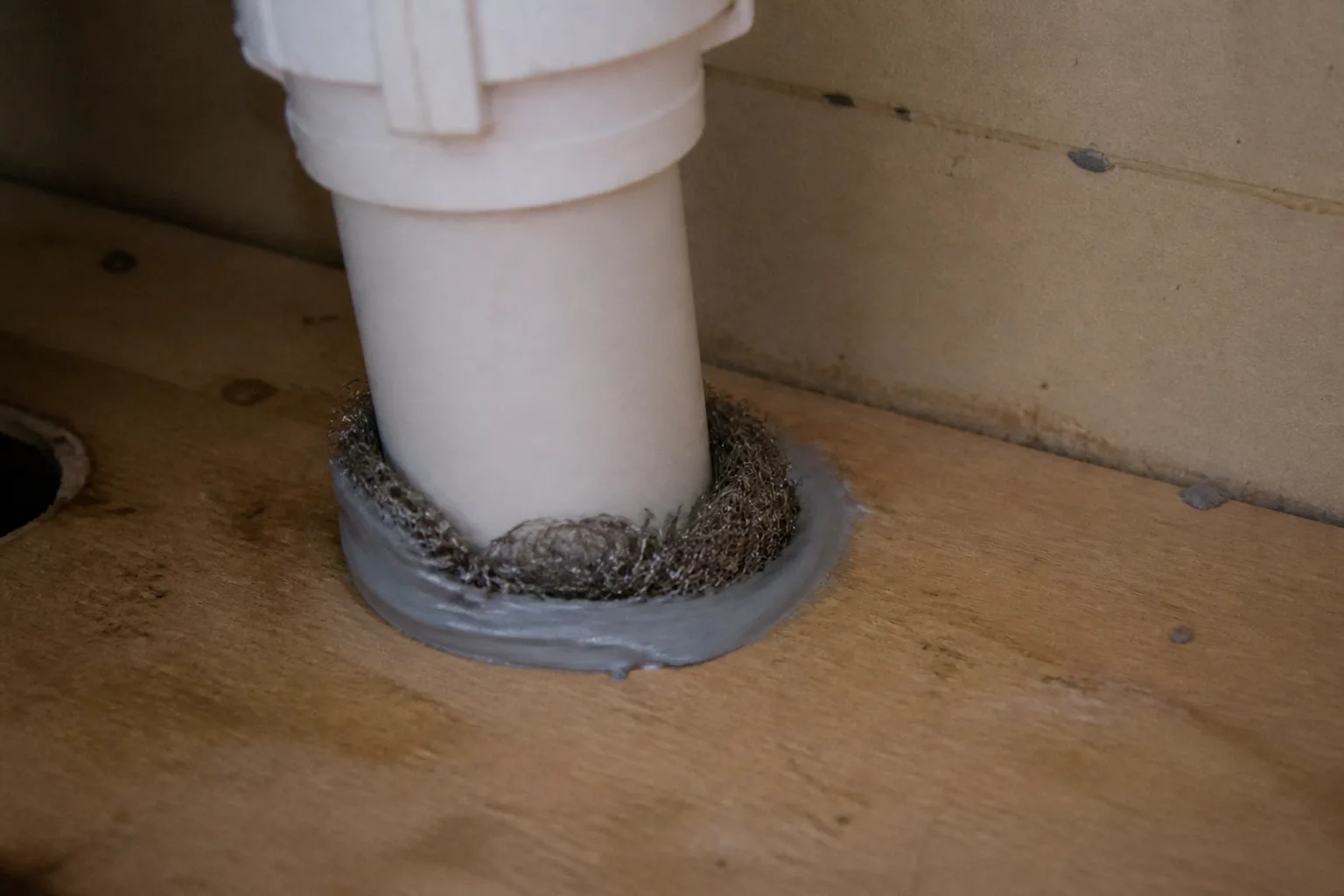
For rodents, tiny openings count: the CDC says mice can squeeze through a gap about one-quarter inch, roughly the width of a pencil. Inspect under kitchen cabinets, behind appliances, around plumbing penetrations, and where the foundation meets the structure. For small holes, the CDC describes filling the gap with steel wool and securing it with caulk; larger openings need durable material such as metal or cement. Check repairs after weather changes, because expanding sealant or a loose door sweep can reopen a route. A landlord, building manager, or contractor should handle gaps involving shared walls, wiring, fire safety, or structural damage.
8. Reduce indoor hiding places without creating a bigger mess
Pests use undisturbed clutter to hide, nest, and avoid cleaning. Keep seldom-used items in lidded plastic bins instead of piles of cardboard, grocery bags, newspapers, or fabric on the floor. Leave a little clearance around stored goods so you can inspect behind and beneath them. In closets, basements, and garages, raise boxes off damp floors and avoid packing items tightly against walls where a leak or droppings could go unnoticed.
Decluttering does not mean throwing away everything or removing all habitat from the yard. It means choosing storage that is easy to inspect and cleaning the locations that matter most to the pest you have seen. If you find rodent droppings, urine, or nesting material, do not sweep or vacuum it dry; follow the CDC rodent cleanup instructions instead. Sticky traps can help show whether insects are moving along a wall or into a cupboard, but they are monitoring tools—not substitutes for removing shelter, food, and water. A tidy inspection route gives you better information and makes follow-up easier.
9. Keep the foundation and roofline accessible for inspection
Shrubs pressed against siding, vines over vents, and branches touching the roof can make it harder to see damage and can create routes for some pests. Prune plants that physically touch the structure, keep vents and screens visible, and remove dead branches or leaves that block access to the foundation. Store firewood off the ground and as far from the house as your space allows; bring in only the amount you plan to use, and inspect it before carrying it indoors. Keep mulch, soil, and irrigation from covering siding or bridging a treated foundation zone.
There is no universal “clear strip” that fits every climate, foundation, or landscape. Leave enough access to inspect the building and follow local termite-prevention guidance, building requirements, and any instructions from a licensed termite professional. UF/IFAS advises selecting plants based on mature size, avoiding tight plantings close to the home, and pruning limbs that bridge to a roof or wall (UF/IFAS landscape guidance). That is a reason to plan the planting distance—not a reason to strip out every shrub or flower bed. Keep wildlife habitat and pollinator plantings where you can enjoy them while preserving a visible, maintainable perimeter.
10. Make outdoor food sources harder to reach
A yard can feed pests even when the house is clean. Secure garbage and compost lids, clean outdoor grills after use, store pet food and birdseed in rigid containers, and pick up ripe or fallen fruit before it attracts insects or rodents. If you use a bird feeder, place it away from doors and windows, choose a design that limits spilled seed, and clean up seed beneath it. Feed pets outdoors only when you can remove leftovers and bowls afterward.
Wildlife feeding is a trade-off: a birdbath or native planting supports wildlife, while spilled seed and scraps can attract rodents, raccoons, or wasps near a patio. You do not have to remove every garden feature. Move food and water sources farther from entrances, maintain feeder trays, and choose water features that are easy to clean and do not leave stagnant water. If a raccoon, bat, skunk, or other wild animal has moved into a building, avoid handling or trapping it yourself. Local rules and disease risks vary, and safe exclusion may depend on the species and season. Keep the home perimeter uninviting to pests while preserving wildlife habitat in a deliberate place.
11. Use outdoor lighting and doors thoughtfully
Night lighting can draw some flying insects toward a doorway, where they may slip inside when the door opens. Turn off exterior lights that are not needed, especially lights beside an open garage or frequently used entry. If you need illumination for safety, choose a shielded fixture that points down, place it away from the door where practical, and consider a motion sensor or a warmer-colored bulb. The exact effect depends on insect species, fixture, and surrounding light; changing a bulb will not solve an infestation that has a breeding source indoors.
Keep screen doors closed and repair gaps around the frame. When carrying groceries or moving between a lit room and the yard, avoid leaving the exterior door propped open. In warm regions where mosquitoes enter readily, an intact window and door screen is a more direct barrier than relying on a scented candle or indoor repellent. If an outdoor light is essential for stairs or a walkway, keep it; use a fixture and placement that reduce unnecessary attraction while maintaining safe visibility. Treat lighting as a small supporting change, not the main pest-control plan.
12. Water houseplants according to their needs
Constantly wet potting mix can support fungus gnats, especially when decaying plant material is present. Water each plant according to its species, pot, season, and growing conditions; do not follow a fixed schedule that keeps every pot damp. Let excess water drain freely, empty the saucer when appropriate, and remove fallen leaves from the soil surface. Make sure containers have drainage holes and avoid letting water leak onto shelves or floors where it can attract other pests.
A few gnats near one pot do not mean the whole home has an insect problem. Check the soil and nearby pots, reduce excess moisture if the plant can tolerate it, and use a yellow sticky card to monitor whether the adults keep appearing. Sticky cards show activity; they do not correct the conditions allowing larvae to develop. Over-drying a moisture-loving plant can create a different problem, so use the plant’s needs—not pest anxiety—to decide when to water. If gnats continue after you adjust watering and remove decaying material, identify the pest before trying a treatment and follow product directions if you use a labeled control.
13. Make garden plants resilient and support beneficial insects
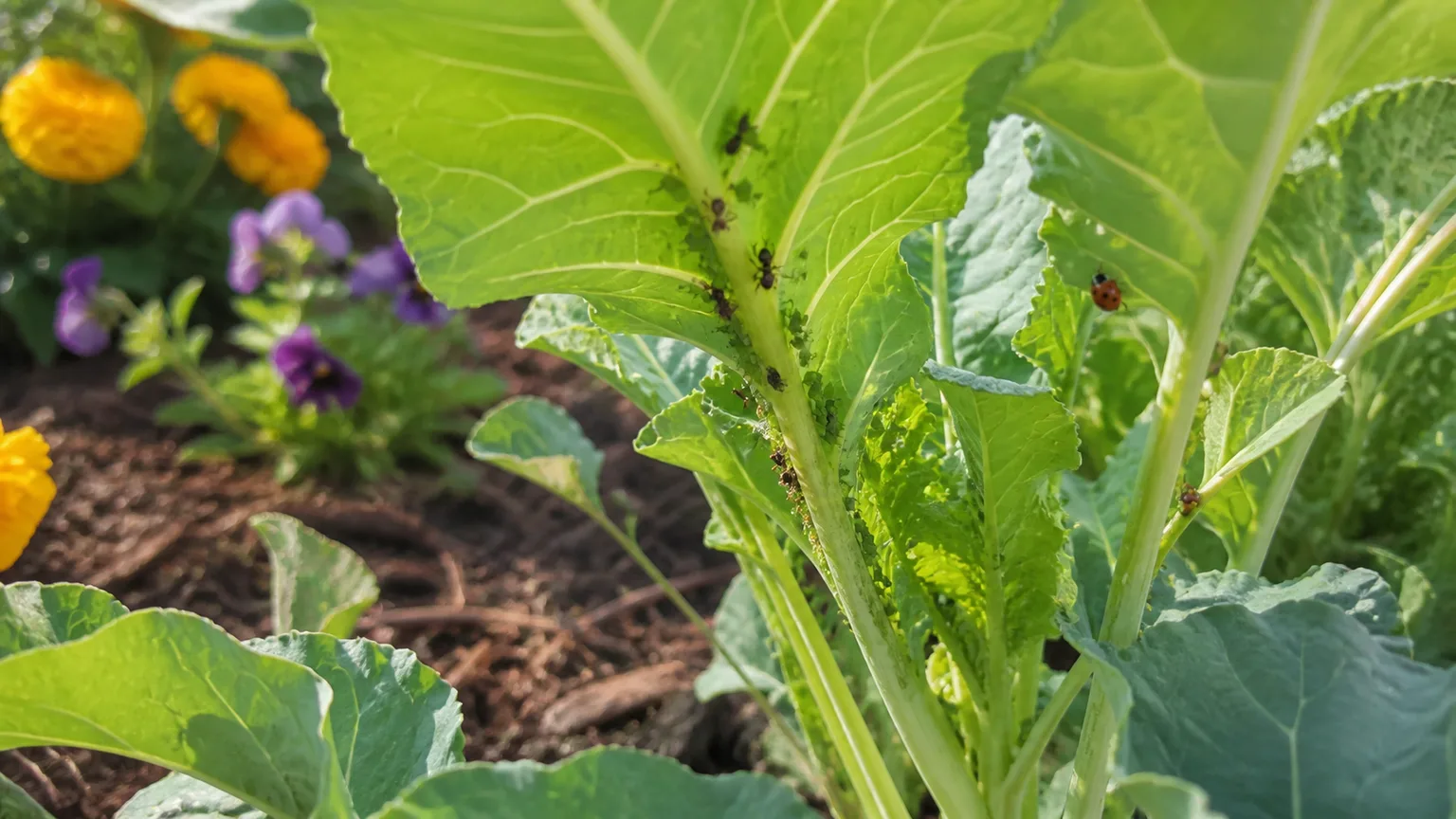
Outdoor pest prevention is about keeping damage manageable, not making a garden insect-free. Choose plants suited to your climate and site, space them for airflow and inspection, rotate susceptible crops where practical, and remove diseased or heavily infested material when local guidance recommends it. Inspect leaf undersides and tender growth often enough to spot a population before it spreads. A few aphids may be food for lady beetles, lacewing larvae, or other natural enemies; spraying every insect can remove helpful species along with pests.
A mix of flowering plants can provide nectar and pollen for beneficial insects, while native or locally adapted plants support the surrounding food web. Fine Gardening’s practical IPM guidance recommends plant diversity, observation, and making room for beneficial insects; the RHS likewise emphasizes plant selection, garden hygiene, barriers, and natural predators (Fine Gardening’s IPM guidance; RHS prevention guidance). If a specific crop is vulnerable, a supported insect-proof cover may help, but check it regularly, keep mesh from rubbing on foliage, and uncover flowers that need insect pollination. Barriers can also trap pests inside or raise humidity, so inspect rather than assuming a cover solves everything.
14. Use physical barriers and traps for the right job
Screens, door sweeps, sealed containers, row covers, and careful hand removal are nonchemical tools that address a specific route or pest. Use window mesh to keep flying insects out, and secure garden netting so birds and other wildlife cannot become entangled. For vegetable beds, cover the crop before pests arrive and remove or open the cover when pollination is needed. Some mesh can raise humidity or allow pests to lay eggs through it if it rests on leaves; the RHS explains these trade-offs in its insect-proof mesh guidance.
A simple sticky monitor can reveal whether crawling insects use a particular wall edge, cupboard, or utility area. Place it where children and pets cannot reach it, label the date and location, and compare catches over time. Traps can help detect activity or catch a limited number of pests, but a few traps will not prevent a population from using an open food source or gap. For a visible spider or isolated insect, a cup-and-card removal or a vacuum may be enough if you can do so safely; do not reach into a nest, handle a potentially dangerous animal, or disturb a wasp colony to avoid one spray. Match the physical tool to the pest’s route and risk.
15. Escalate carefully when prevention is not enough
Some pests need prompt, pest-specific management. Repeated cockroach sightings, bed bugs, termites, rodents in inaccessible spaces, stinging-insect nests near people, or wildlife inside the structure are good reasons to ask a qualified professional or local public-health authority for advice. In apartments, tell the property manager promptly: pests can move through shared walls, plumbing chases, and common areas, so a household-only fix may not address the source. Ask the provider to identify the pest, explain what conditions are contributing, and describe nonchemical steps before recommending a product.
“Natural” does not automatically mean harmless, reliable, or appropriate indoors. Essential oils, powders, homemade mixtures, and botanical pesticides can still irritate people or pets, damage plants, or affect beneficial insects. If you use a pesticide, use a product labeled for the pest and site, follow its directions exactly, and observe precautions for ventilation, food surfaces, children, pets, and re-entry. Do not mix products, transfer them to food containers, or apply an outdoor product inside. The EPA’s pesticide-label guidance explains why the label is the controlling use instruction; its labeling Q&A cautions that “natural” language does not itself establish product safety. If a label or local regulation is unclear, pause and ask an extension specialist or licensed applicator.
Conclusion
The most dependable natural pest control prevention tips are ordinary maintenance done in the right order: identify what is present, remove the resources it uses, close the route it takes, and check whether the change worked. Start with the place where you saw activity, not a whole-house spray. A sealed pantry, dry sink cabinet, repaired screen, closed bin, and visible foundation solve different parts of the problem; together, they make a home less rewarding to pests.
If pests continue despite those changes, use the evidence you collected to choose a targeted next step. Some insects belong outdoors, some damage needs monitoring rather than eradication, and some infestations are too persistent or risky for DIY treatment. A prevention-first plan can reduce unnecessary pesticide use without asking you to ignore a real health, structural, or safety concern.