How to Grow and Care for Ruscus, or Butcher’s Broom
Ruscus is a slow-growing evergreen for shade. Learn where to plant it, how to water and divide it, and why it may not set red winter berries in your garden.
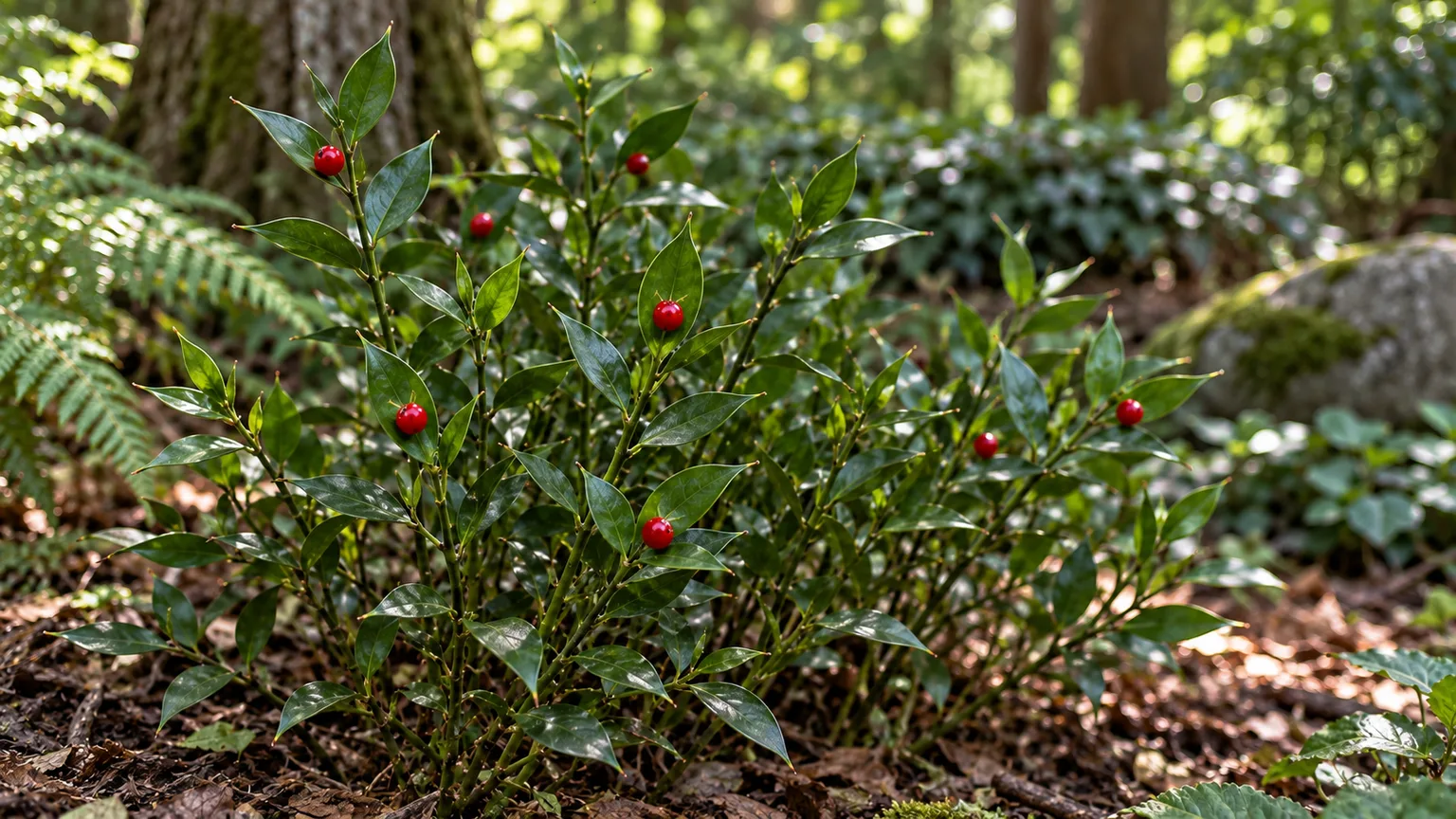
If you have a shaded corner where many evergreen shrubs struggle, ruscus is worth considering. The plant most often sold as butcher’s broom, Ruscus aculeatus, tolerates deep shade and dry conditions once established, but it grows slowly and will not produce berries reliably unless the plant’s flowers are pollinated.
That makes the buying decision as important as the care routine. Choose a well-drained site, give a new planting time to establish, and check the plant’s sex or cultivar if winter berries matter to you. The glossy, prickly stems can then provide a compact evergreen anchor for years with little pruning.
What Ruscus Is—and Which Plant This Guide Covers
Ruscus is a genus of evergreen, rhizomatous plants in the asparagus family. This guide focuses on Ruscus aculeatus, commonly called butcher’s broom or knee holly, the species described in North Carolina State Extension and Royal Horticultural Society plant profiles. Other Ruscus species exist, and cultivar traits such as size and fruiting can differ.
Its dark green “leaves” are not ordinary leaves. They are flattened, leaflike stems called cladodes; the true leaves are tiny and short-lived. Small flowers emerge on the surface of the cladodes, and pollinated female plants may later carry glossy red berries. The cladodes taper to sharp points, so use gloves when handling or pruning the plant. NC State Extension describes the plant’s slow, creeping rootstock and notes that it can form clumps or colonies over time (NC State Extension Plant Toolbox).
Butcher’s broom is a small, architectural shrub rather than a fast groundcover. Depending on the source and growing conditions, mature plants reach roughly 1.5 to 3 feet tall and can spread 2 to 4 feet; the Royal Horticultural Society notes that maturity may take 10 to 20 years. That slow pace suits a long-term woodland planting, but it frustrates anyone expecting instant coverage (RHS species profile).
Choose a Site That Suits Ruscus
Start with the site, not a fertilizer plan. Ruscus is most useful where shade and root competition make many broadleaf shrubs unreliable, such as under high-canopied trees, along a shaded foundation, or in a courtyard that receives little direct sun. NC State Extension lists it for woodland gardens and dry shade, and Gardening Know How describes it as a candidate for planting beneath trees (NC State Extension Plant Toolbox; Gardening Know How).
Do not treat shade tolerance as a cure for every difficult spot. The soil still needs to drain, and a new plant needs water while roots settle in. Avoid low ground where rainwater collects, a south- or west-facing wall that reflects intense heat onto the cladodes, and narrow paths where the pointed tips could brush people walking by. It can fill a compact bed gradually, but its mature size and slow spread mean spacing it for the future rather than planting it close as a quick screen.
Light: From Part Shade to Deep Shade
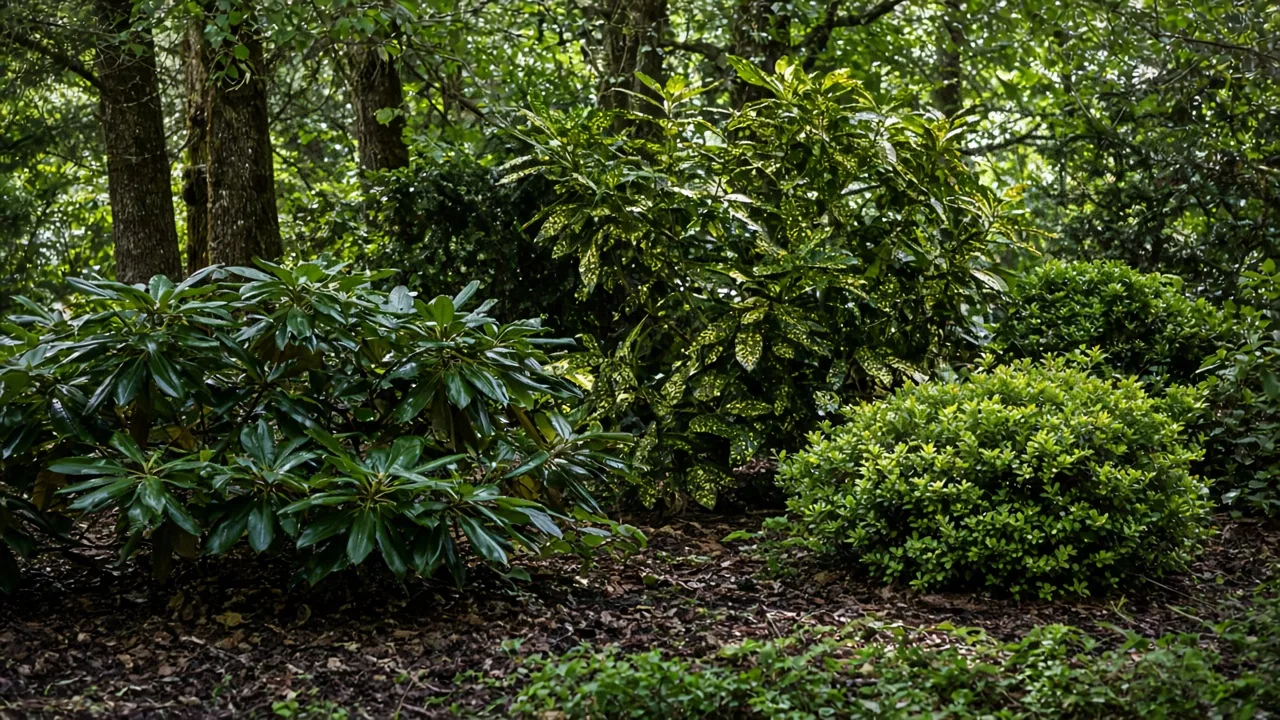
Ruscus grows in partial shade and can tolerate full or deep shade. In a very dark site, expect slower growth and a less dense clump; a few hours of gentle morning light or filtered light usually supports fuller growth without exposing the plant to hot afternoon sun. These are practical tendencies, not a strict number of light-hours requirement.
If the plant is getting sun, watch when and how it arrives. Cool morning sun is usually less stressful than late-day heat reflected from paving or a pale wall, especially in a dry summer. If cladodes fade, bleach, or develop crisp brown areas on the exposed side, move a container to deeper shade or improve shade around an in-ground plant before increasing fertilizer.
Soil: Drainage Matters More Than pH
The safest soil target is ordinary garden soil that drains freely. Butcher’s broom tolerates a broad range of soil textures and pH levels, including clay or alkaline soil, but it is not a waterlogged-site plant. The RHS lists acid, alkaline, and neutral soils as suitable when drainage is moist but well-drained or well-drained; NC State Extension likewise describes average, well-drained soil.
A heavy clay bed can work if water moves through it, but a low spot with persistent standing water is a poor match. If the planting hole fills and remains wet after rain, choose a raised or naturally better-drained position instead of filling the hole with loose potting mix; a sharply different pocket can collect water around the roots. For a container, use a free-draining potting medium and a vessel with open drainage holes.
You do not need to acidify the soil just because one source calls ruscus acid-loving. The species tolerates a wider pH range, so adjust pH only if a soil test identifies a separate problem that needs correcting. Getting the drainage right matters more than chasing a specific pH number.
Watering: Help It Establish, Then Ease Off
Water new ruscus regularly during its first growing season, especially during warm or windy weather. After planting, soak the root zone thoroughly; then check the soil before watering again. If the upper few inches are dry and rain has not replenished the bed, water deeply rather than giving the surface a light sprinkle.
Once established, butcher’s broom is drought tolerant, particularly in shade, but that does not mean it never needs water. During a prolonged dry spell, water slowly at the base when the soil is dry below the surface. Plants under mature trees may need extra attention because tree roots compete for moisture, and container-grown ruscus dries faster than an in-ground clump.
The main mistake is watering on a fixed calendar without checking the soil. Yellowing or collapsing stems in consistently wet soil call for better drainage and less frequent watering, not more. A dry plant may recover after a deep drink, but repeated shallow watering encourages the surface to stay damp while the deeper root zone remains dry.
Temperature and Hardiness: Read Ratings as a Guide
Butcher’s broom is generally sold for mild to moderate winters. NC State Extension lists R. aculeatus in USDA zones 7a through 9b, while RHS profiles use the UK hardiness rating H5 for the species and selected cultivars. These systems and garden conditions are not interchangeable guarantees; exposure, drainage, plant age, and snow or wind protection all affect winter survival (RHS species profile). ‘John Redmond’ is one more compact named selection, but its label should still be checked for the size and fruiting traits that matter in your garden (RHS ‘John Redmond’ profile).
In a colder or exposed garden, plant it in a sheltered woodland edge or near a building where winter winds are moderated. A loose mulch over the root zone can help newly planted specimens, but do not pile wet mulch over the crown. In hot regions, give the plant shade from afternoon sun and water it deeply through long dry periods while it is establishing. If you need the berries or a particular compact habit, buy a named cultivar whose label states the traits you want instead of assuming every plant behaves exactly like the species profile.
Planting Ruscus Without Disturbing Its Roots
Plant in spring or early fall, when the soil is workable and the plant has time to establish before extreme heat or cold. Dig a hole about as deep as the root ball and wider than it, then loosen the surrounding soil so roots can move outward. Set the crown at the same level it grew in its pot; burying the base can keep it too wet.
In a tree-root zone, make the hole only as large as needed and work around major roots rather than chopping through them. Set the plant in place, backfill with the existing soil, and water thoroughly to settle air pockets. Add a thin layer of leaf mold or bark mulch to reduce moisture loss, keeping it away from the stems.
Leave room for a mature clump. A plant that looks small when purchased may take years to fill its footprint, but established rhizomes can gradually push new shoots outward. Planting it too close to a path or doorway creates a maintenance problem later because the sharp cladode tips can catch sleeves and scratch skin.
Fertilizer and Mulch: Keep Care Light
Ruscus is not a fast-growing shrub that needs regular feeding. In a reasonably fertile garden bed, top-dress with a modest layer of compost or leaf mold in spring and leave it at that. Avoid repeated high-nitrogen feeding to force growth; the species is naturally slow, and extra fertilizer cannot make a mature clump fill a space overnight.
Mulch can be more useful than fertilizer, especially beneath trees where the soil dries quickly. A thin, breathable layer helps moderate soil moisture and adds organic matter as it breaks down. Keep the crown uncovered and do not let a deep, wet mulch blanket the base of the shoots.
For container plants, replace or refresh the potting mix when it becomes compacted or water stops draining freely. If growth is weak and the potting medium is old, apply a balanced fertilizer at the label’s lowest recommended rate during active spring growth. If the plant is yellowing in wet mix, do not fertilize until you have corrected drainage and confirmed that new growth is healthy.
Growing Ruscus in a Container
Ruscus can anchor a shaded patio or courtyard pot, where its evergreen structure is visible year-round. Choose a stable, deep container with drainage holes and room for a slow-growing root system; a very small pot will dry quickly and may need frequent watering. Use a good-quality potting mix rather than dense garden soil, which can stay wet in a container.
Place the pot in bright shade or a spot with gentle morning light. Check moisture by touching the mix instead of watering by the week: water when the upper layer has begun to dry, then let excess drain completely. In hot weather, a container may need water more often than an in-ground plant, but a saucer full of standing water defeats the purpose of a free-draining mix.
Container roots are more exposed to winter temperature swings than roots in the ground. In a colder climate, move the pot to a sheltered, unheated location or wrap the container for insulation before severe freezes. Avoid bringing the plant into a heated living room as if it were a tropical houseplant; it is an outdoor evergreen shrub and benefits from seasonal conditions.
Flowers, Berries, and Pollination
Ruscus flowers are small and easy to miss, but their position is unusual: they appear directly on the flattened cladodes rather than on long flower stalks. On compatible, pollinated female plants, they can develop into round red berries that add color from late summer into winter. NC State Extension notes that R. aculeatus may sometimes have self-fertile flowers, but recommends planting both sexes when the goal is to maximize fruit production.
For reliable berries, start with a plant labeled female and ask the nursery whether a compatible male is needed. If the cultivar is not self-fertile, provide a male plant nearby; NC State Extension suggests a ratio of one male to six females when maximizing fruit production. Gardening Know How likewise notes that growing both sexes can improve berry display. Do not assume that one plant will fruit simply because berries were visible on the tag photo or because another Ruscus selection in the same garden carries them (NC State Extension Plant Toolbox; Gardening Know How).
Treat the fruit as ornamental, not edible. The RHS lists Ruscus fruit as potentially harmful and says it should not be eaten; keep berries away from children and pets, and avoid using them in food or drink. If berries are the reason you are buying ruscus, confirm the plant’s sex or self-fertile status at purchase rather than waiting several seasons to diagnose a male plant (RHS species profile).
Pruning and Spring Cleanup
Ruscus needs very little pruning. In spring, remove dead, damaged, or unusually old stems at the base of the plant; new shoots will continue to emerge from the clump. The RHS and NC State Extension both recommend cutting dead stems to ground level or the plant base rather than treating ruscus like a shrub that needs annual shearing (RHS species profile; NC State Extension Plant Toolbox).
Wear sturdy gloves and use clean, sharp pruners because cladode tips are stiff and pointed. Cut only the stems you need to remove, and avoid shortening the whole plant into a hedge shape unless you are willing to lose its natural outline and any berries on those stems. If you cut a few branches for floral greenery, leave enough growth on the plant to maintain its slow-building clump.
Spring cleanup also makes it easier to check for winter damage before new shoots expand. If a stem is merely bent but still green and firm, wait until you can see where fresh growth is emerging before cutting it. Remove dead material cleanly and keep the crown open to air rather than packing it with wet leaves or thick mulch.
Propagating Ruscus by Division
Division is the most practical way to propagate a garden plant and the better option if you want to preserve a named selection. The RHS lists division as a propagation method, and Gardenia’s ruscus profile also recommends dividing established clumps. Wait until the plant is established and has several stems, then divide in early spring or early fall when the soil is not frozen or heat-stressed (RHS species profile; Gardenia butcher’s broom guide).
To divide it, water the clump the day before if the soil is dry. Lift one outer section with a spade, keeping as much of its rhizome and roots attached as you can. Choose a piece with healthy stems or visible growing points; very small fragments may take a long time to recover because ruscus grows slowly. Replant the division promptly at its original depth, firm the soil gently, and water it in.
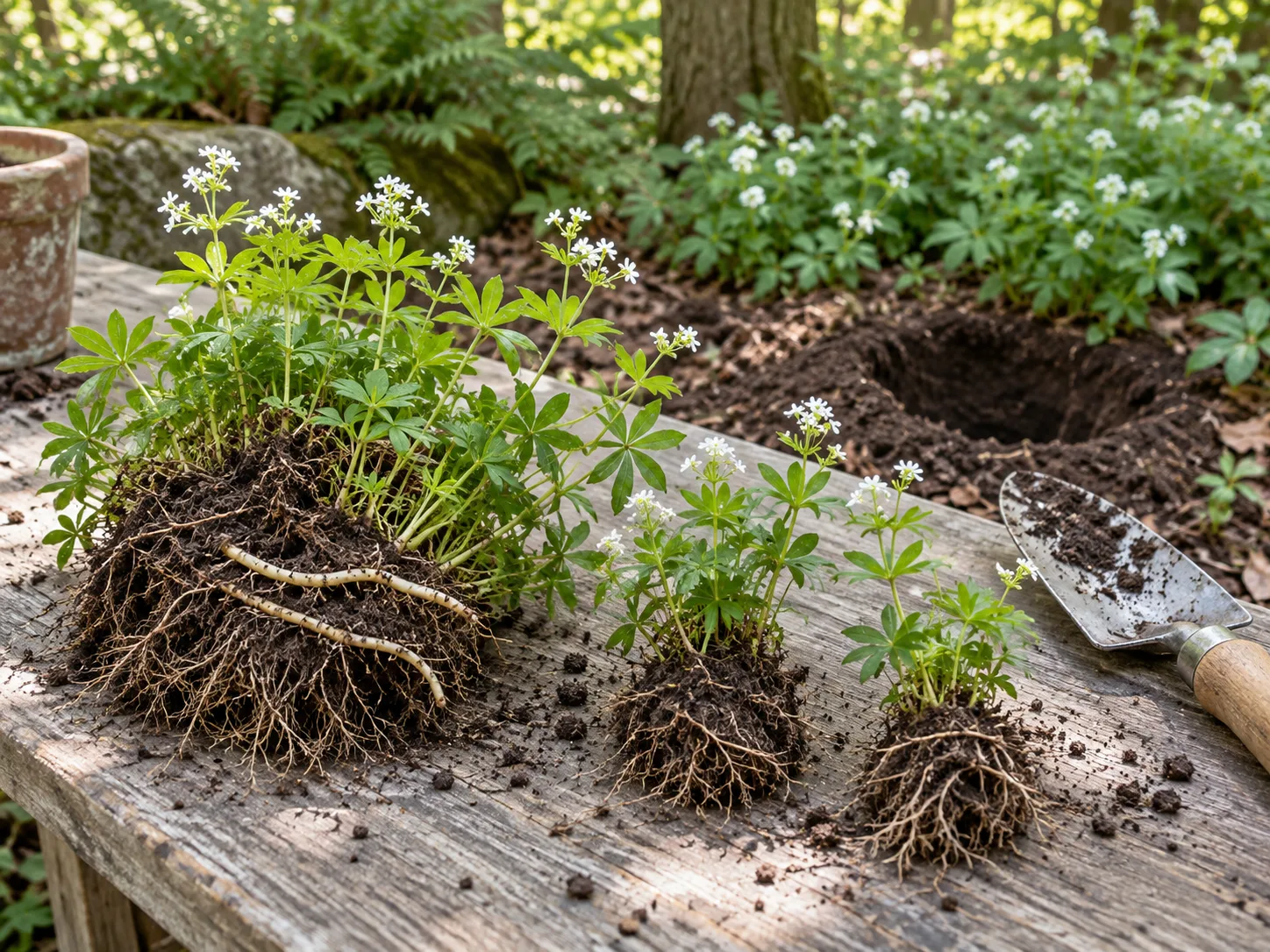
The image shows a general clump division; for ruscus, retain a healthy piece of rhizome, roots, and shoots.
Keep the new division evenly moist while it settles, but do not leave it sitting in saturated soil. It may look unchanged for a while as roots re-establish, so do not repeatedly lift it to check progress. If you are dividing a container specimen, slide the root ball out and separate a healthy outer section with a clean knife or spade, then use fresh potting mix around both replanted pieces.
Can You Grow Ruscus From Seed or Cuttings?
Seed is possible, but it is a slow, uncertain route for home gardeners. Ripe berries contain seed, but germination is not quick or uniform: a peer-reviewed study on R. aculeatus reports seed dormancy ranging from about two months to a year and a half, with germination varying by seed lot, age, and origin. Seed-grown plants may not match a named cultivar, and seedlings need time to develop before they resemble a mature shrub. The research also describes R. aculeatus as slow-growing and difficult to propagate from conventional material (peer-reviewed propagation study).
If you still want to sow seed, clean it from ripe fruit, sow it in a labeled pot of free-draining seed mix, and keep the mix lightly moist rather than saturated. Protect the pot outdoors in a sheltered place or use controlled cold and warm periods; expect to wait through more than one season and do not discard the pot just because nothing appears in the first few months. Because germination requirements can vary, division is the more predictable way to get another plant.
Stem cuttings are not the first method to try. Ruscus grows from a rhizomatous base, and a detached green stem is not equivalent to a rooted division. If you want a quick, faithful copy of a cultivar, ask a nursery for a divided or nursery-propagated plant rather than counting on an unproven cutting technique.
Troubleshooting Common Ruscus Problems
Most ruscus problems come from a mismatch between the site and the plant, not a complicated feeding schedule. Before adding fertilizer or pruning heavily, check soil moisture, drainage, sun exposure, and whether the plant is old enough to fruit. The diagnostic clues below help narrow the first thing to change.
No Berries
First check whether the plant is female. Many Ruscus plants have separate male and female plants, and a male will not produce berries; some R. aculeatus selections may have self-fertile flowers, but you should not assume that without a reliable label. If the plant is female, check whether a suitable male is close enough for pollination and whether flowers survived the season.
Age and timing matter too. A recently planted or divided specimen may need time to settle and flower, while harsh weather can damage flowers before fruit develops. Keep the plant healthy and confirm its sex before changing light or fertilizer; more sun or extra food will not solve a missing pollinator.
Yellowing or Wilting Stems
If stems yellow while the soil stays wet, stop watering and check whether the site drains after rain. In a pot, empty the saucer, clear blocked drainage holes, and allow the mix to dry somewhat before watering again. Persistent wet soil can damage roots, so consider moving an in-ground plant to a better-drained position if the problem repeats.
If the soil is dry several inches down and stems look limp or dull, water deeply at the root zone and monitor the plant over the next several days. Plants under large trees may dry faster because nearby roots draw water, and new divisions are less drought tolerant until they establish. Remove stems only after you can tell that they are dead; a temporary wilt is not a reason to cut back the whole clump.
Brown Tips and Scorched Cladodes
Brown or bleached areas concentrated on the sun-facing side often point to hot afternoon exposure, reflected heat, or dry wind. Move container plants to bright shade and protect in-ground plants from the harshest exposure if possible. If damage followed a long dry period, water the root zone deeply and keep checking moisture while new roots develop.
Do not respond to scorch by keeping the soil constantly wet. Ruscus prefers drainage, and excess water can create a second problem while the original leaflike stems remain marked. Damaged cladodes will not turn green again, but the plant can send up fresh shoots from the rhizome when conditions improve.
Slow Growth or a Spreading Clump
Slow growth is normal for butcher’s broom, particularly in dry shade and during establishment. A plant that remains healthy but adds only modest growth is not necessarily underfed; the RHS gives a long time to maturity for the species. Give it room and judge progress across seasons rather than weeks.
The rhizomes can gradually widen a mature clump, so remove unwanted outer shoots in spring before they reach a path or neighboring plants. NC State Extension notes that it may sucker and form colonies, although growth remains slow. Slugs may nibble very young shoots, but established prickly stems are less vulnerable; check new growth after damp nights and remove hiding places nearby rather than spraying preemptively.
Conclusion
Grow ruscus where its strengths matter: a shaded, well-drained bed that needs evergreen structure and can accommodate a slow-growing clump. Water consistently while it establishes, then irrigate during prolonged dry spells; keep the soil from staying soggy, and prune dead stems at the base in spring.
If you want berries, buy a female or documented self-fertile selection and confirm whether it needs a male pollinator. If you want more plants, divide an established clump instead of relying on slow, variable seed. Given the right site and patience, butcher’s broom asks little of you while holding its shape through the seasons.