18 Self-Seeding Flowers for Low-Maintenance Gardens
Self-seeding flowers fill gaps, feed pollinators, and cut replanting work. See 18 reliable choices, zone notes, and the deadheading rule most guides skip.
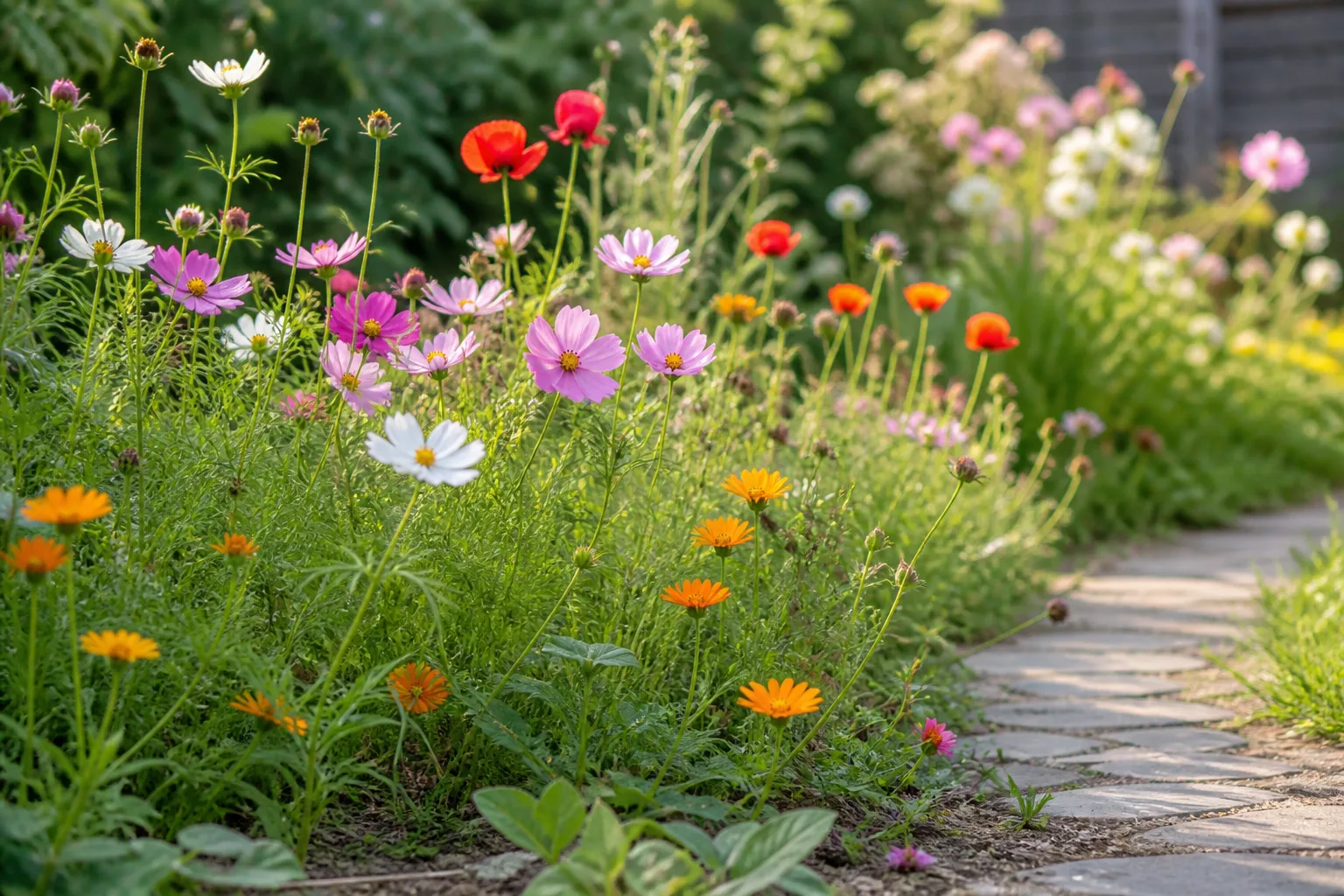
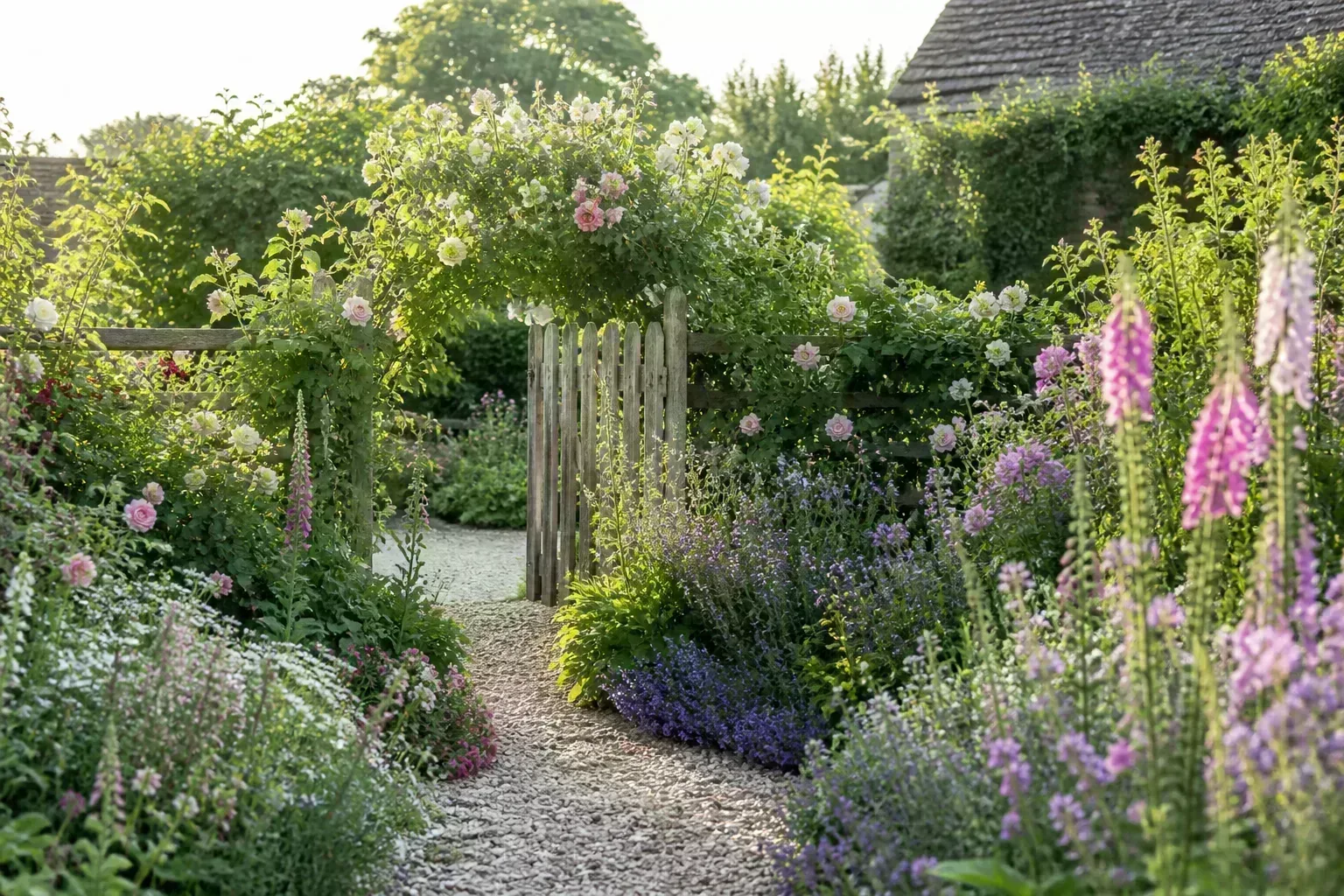
A packet of cosmos you planted three years ago is now a drift of pink and white between the pavers. That is self-seeding at work: last season’s flowers ripened seed, dropped it or flung it, and new seedlings appeared where conditions suited them. You did not replant. You may not even remember planting the original.
Self-seeding flowers are not magic and they are not all the same. Some are true annuals that die after one season and only “come back” through their children. Others are biennials that need two years to bloom. A few are short-lived perennials that persist for a few years and also scatter seed. Match the plant to your USDA hardiness zone, give seed a fair chance to mature, and you can build a cottage-style garden that fills itself in—with boundaries you choose.
What Self-Seeding Means (and What It Does Not)
Self-seeding (or self-sowing) means a plant produces viable seed in your garden, that seed survives winter or stratifies naturally, and seedlings emerge the following season without you sowing again. The parent plant may be gone; the garden looks like it “came back” because volunteers replaced it.
That is different from a perennial returning from the same root crown year after year. Coneflowers expand clumps from living roots and may drop modest seed. Hellebores are long-lived perennials that also self-sow nearby. Foxglove is a biennial: the individual plant dies after flowering, but thousands of seeds keep the patch going.
Self-seeding is also not guaranteed chaos. You control spread by deadheading early blooms, pulling unwanted seedlings while small, and choosing species that fit your climate and tolerance for surprise placement.
Self-Seeding vs Perennials vs Annuals: A Quick Guide
| Type | What returns | Examples from this list |
|---|---|---|
| Self-seeding annual | New seedlings each year; parent dies | Cosmos, calendula, poppies, marigolds, sunflowers |
| Biennial | Year-one leafy rosette, year-two flowers, then seed | Foxglove, hollyhock |
| Short-lived perennial + seed | Same plant a few years; offspring nearby | Columbine, hellebore |
| Tender perennial / warm-zone annual | May overwinter roots in mild zones; reseeds elsewhere | Petunia, verbena |
Oregon State University Extension notes that letting some annuals go to seed in fall is a practical way to encourage volunteers for the next year—especially in beds where you welcome informal fill. The trade-off is order: volunteers rarely respect your original design.
How to Manage a Self-Seeding Garden
Treat self-seeders as collaborators, not invaders—unless you ignore spread in a small bed or near wildland edges.
When to Stop Deadheading
Deadheading extends bloom by preventing seed set. That is great in June and July when you want flowers, and terrible if you want volunteers. Stop deadheading by mid- to late August in most temperate gardens (adjust earlier in short-season zones). Let the last flush form dry seed heads. If you cut every spent bloom all season, you remove next year’s crop.
Leave a few entire stalks standing through fall. Birds eat some seed (especially coneflower and sunflower); what remains drops when heads dry and split.
Mulch, Soil, and Germination Rules
Most self-seeders need seed-to-soil contact and light to germinate. A thick layer of wood mulch blocks volunteers almost completely. Use mulch only on paths and around woody plants, or pull it back in self-seeding zones each spring.
Avoid pre-emergent herbicides (products like Preen) in beds where you want volunteers—they prevent all seed germination. Hand-pull true weeds when seedlings are small; learn to recognize flower seedlings so you do not hoe out foxglove rosettes or baby columbines.
Thin crowded volunteers rather than transplanting taprooted species like poppies. Move others only when seedlings have one true leaf pair and cool weather favors recovery.
Easy Annual Self-Seeders for Beginners
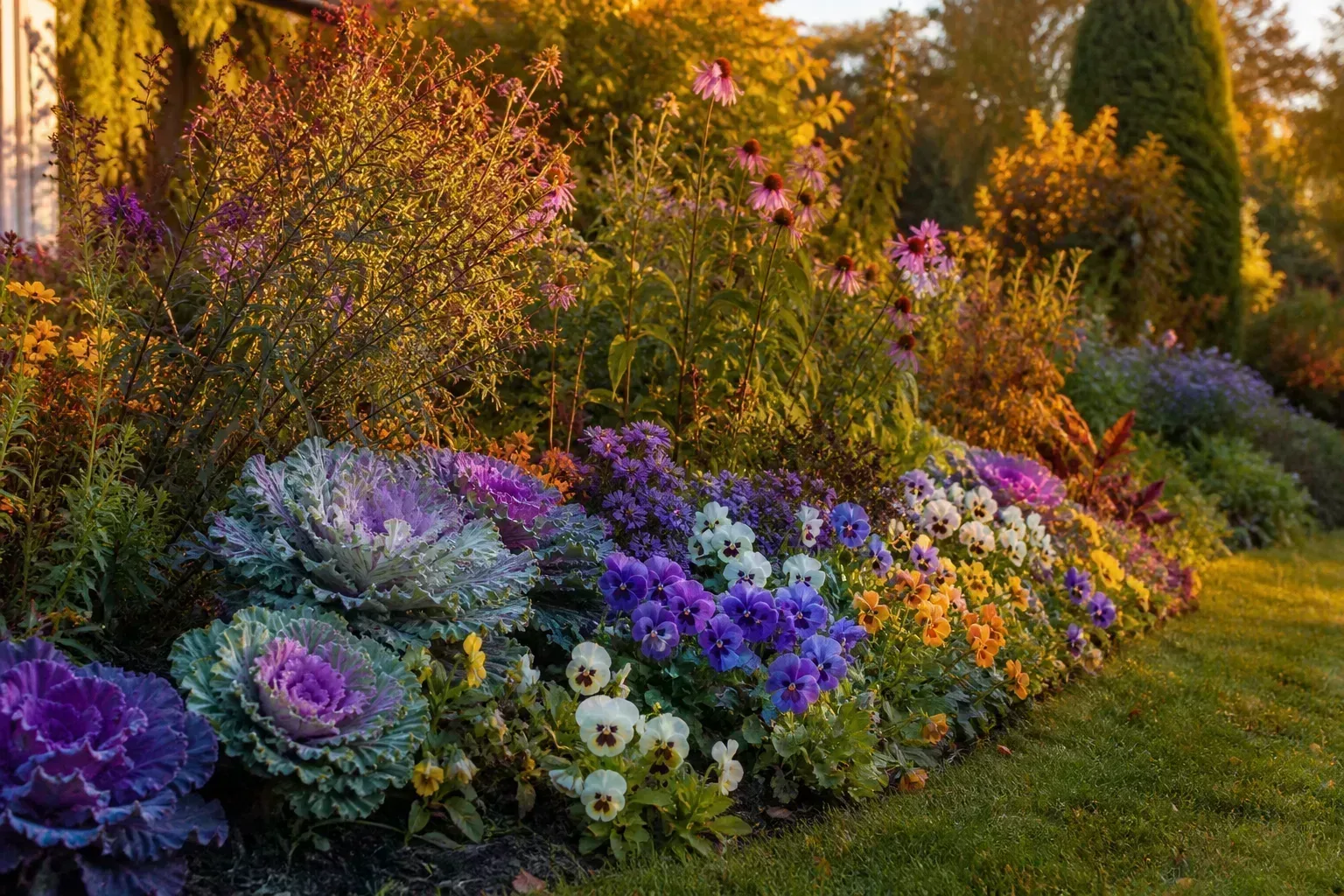
Start here if you want reliable color with minimal replanting. These are forgiving, widely available, and seed freely when you let them.
Common Poppies, Calendula, and Borage
Common poppy (Papaver rhoeas), also called corn poppy or Flanders poppy, is the classic meadow self-seeder: papery red, pink, orange, or white blooms on wiry stems. Hardy in USDA zones 1–10, it prefers full sun to light shade and blooms spring into summer. Seed is tiny; scatter on bare soil in fall or early spring and do not bury deeply. Poppies dislike root disturbance—thin in place.
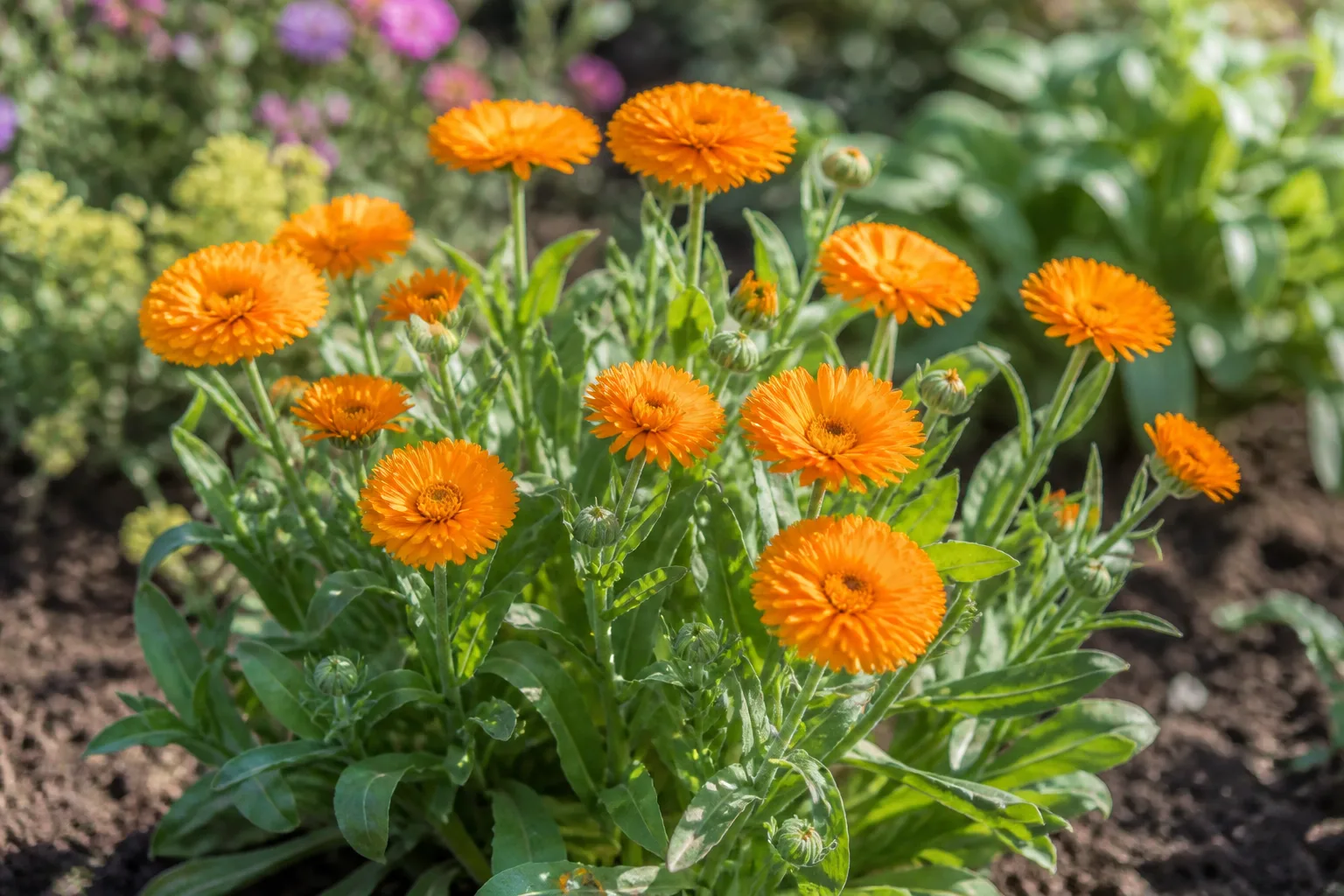
Calendula (Calendula officinalis), or pot marigold, is not the same genus as garden marigolds (Tagetes). The NC State calendula profile describes it as an annual herb with orange-yellow daisies, hardy zones 2–11, blooming spring through fall with a pause in intense summer heat. It reseeds reliably in cold and cool climates and works along paths and vegetable edges. Petals are edible; foliage is resin-scented.
Borage (Borago officinalis) is technically an herb, but the star-shaped blue flowers earn it a place in ornamental beds. Full sun, zones 2–11, summer bloom. Bees love it. It self-sows enthusiastically—pull extras if it crowds vegetables. Young leaves are edible; mature leaves are hairy and less appealing.
Cosmos, Marigolds, and Sunflowers
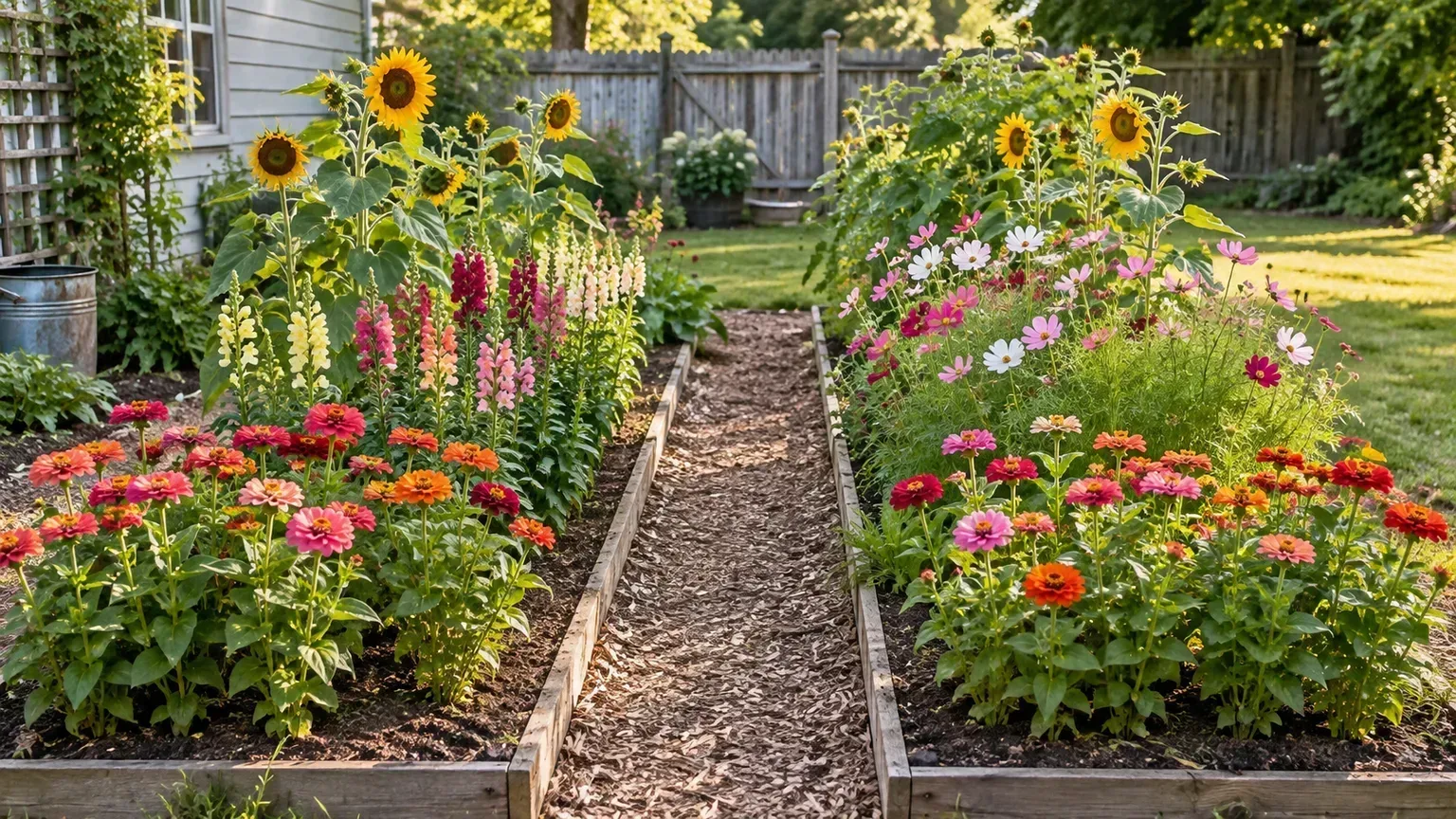
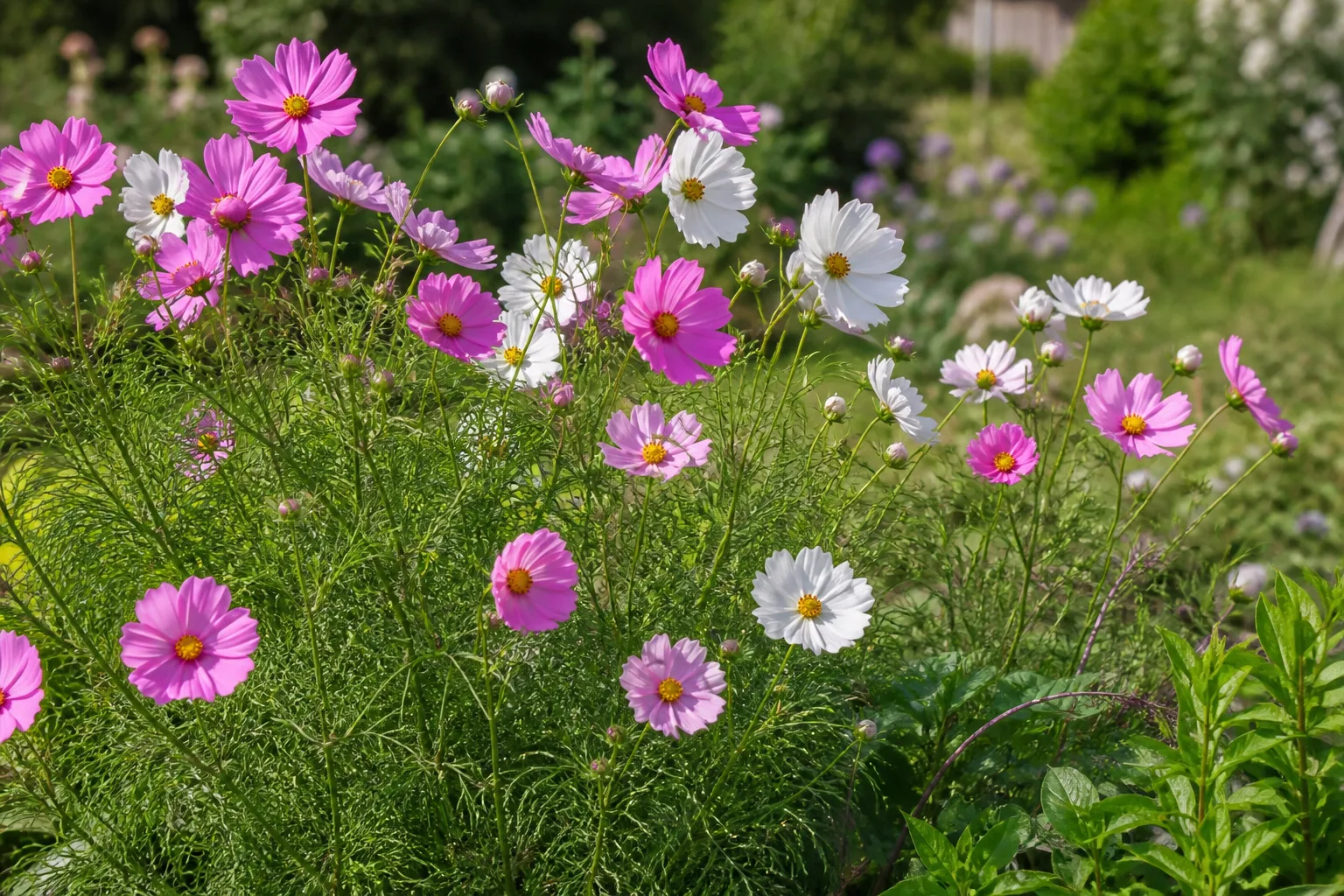
Cosmos (Cosmos bipinnatus) is the cottage-garden workhorse: feathery foliage and daisy flowers in pink, white, and magenta from midsummer to frost. Zones 2–11 in practice; reseeding is strongest in zones 5+. In zone 4 and colder, seed may not mature before hard frost—plan to resow if volunteers fail. Full sun; tolerates poor soil.
Common marigolds (Tagetes spp.) are fast, cheerful annuals in yellow, orange, and bicolor forms, zones 2–11, full sun, summer bloom. They reseed modestly compared with cosmos or calendula; open-pollinated heirlooms return more true than fancy doubles. Many gardeners use them near vegetables; evidence for pest deterrence is mixed, but pollinators visit single-flower types.
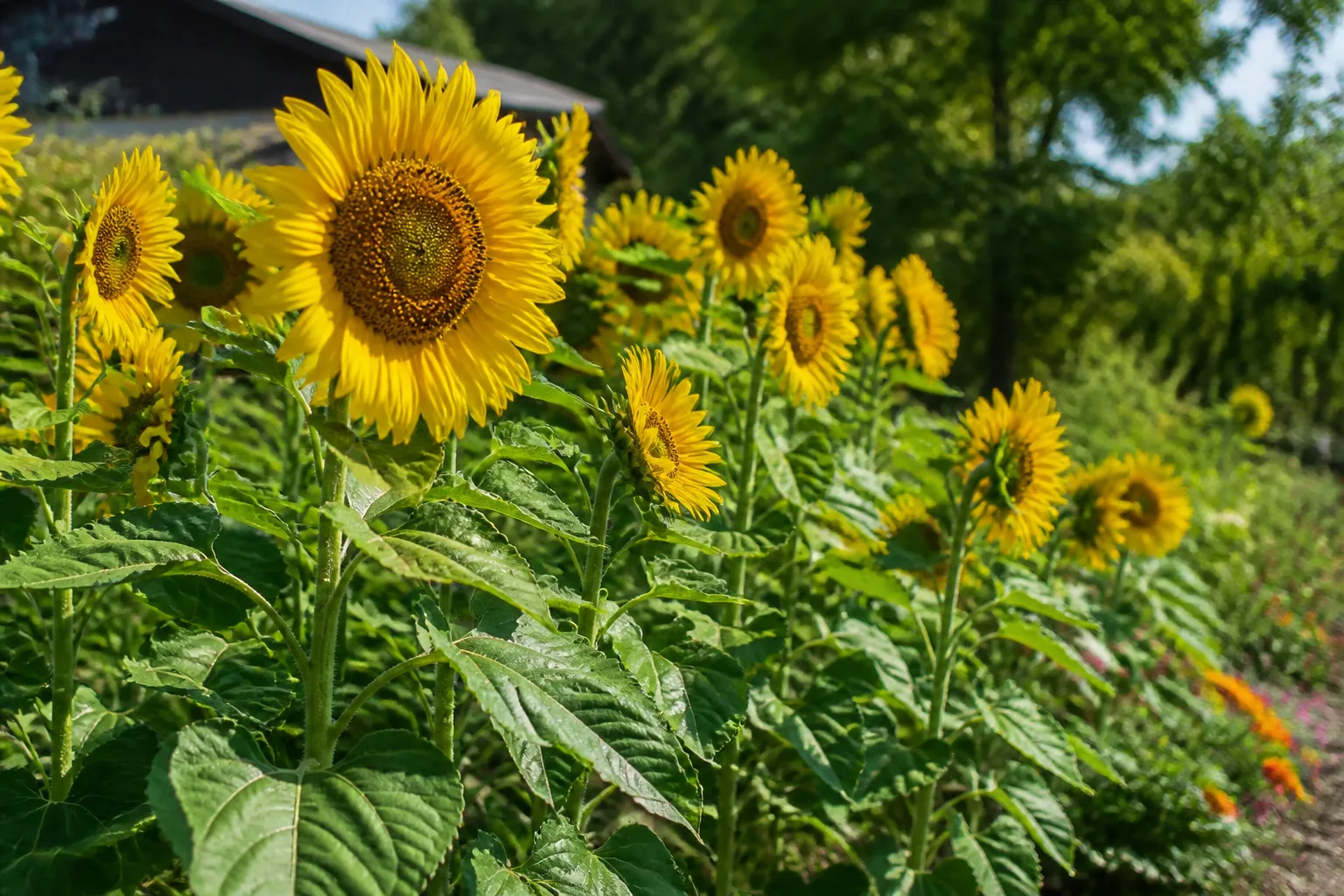
Sunflowers (Helianthus annuus) drop large seeds that birds and squirrels steal—yet plenty survive. The NC State sunflower profile describes the common sunflower as a coarse annual reaching dramatic heights in full sun. Reseeding works best if you leave mature heads on the stalk. Dwarf types volunteer at manageable sizes; giants need space. Zones 2–11.
Tall Structural Bloomers and Cottage Classics
Vertical flowers define the back of a border. Two on this list are biennials; treat them differently from annuals.
Foxgloves and Hollyhocks
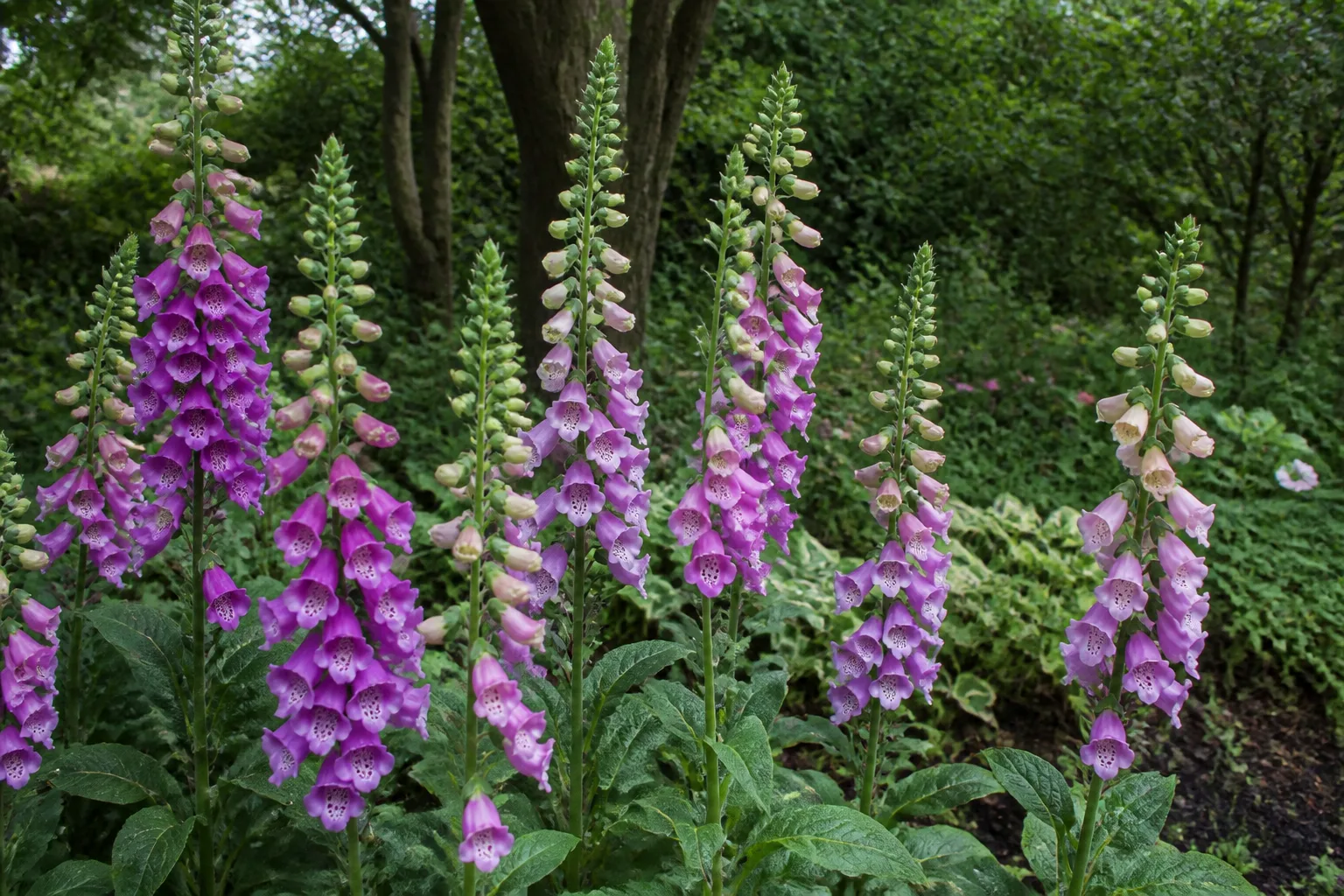
Foxglove (Digitalis purpurea) is a biennial: year one produces a low rosette of fuzzy leaves; year two sends up 3–5 foot spikes of tubular pink, purple, white, or yellow flowers, then sets seed and dies. A single plant can produce enormous seed numbers; volunteers are common. Do not pull first-year rosettes thinking they are weeds. Stagger initial plantings two years running for continuous bloom.
Foxglove is toxic to dogs, cats, and horses if ingested, per the ASPCA toxic plant guidance. Plant away from pet chew zones. Part shade to sun, zones 4–10; tall stems may need staking in wind.
Hollyhock (Alcea rosea) follows the same biennial rhythm, though some climates see short-lived perennial behavior. Towering spires in white, pink, red, yellow, and purple suit back fences and walls, zones 2–10, full sun to light shade. Rust fungus is common—space for airflow and avoid overhead irrigation on leaves. Let seed pods dry on the stalk for volunteers.
Purple Coneflower and Black-Eyed Susan
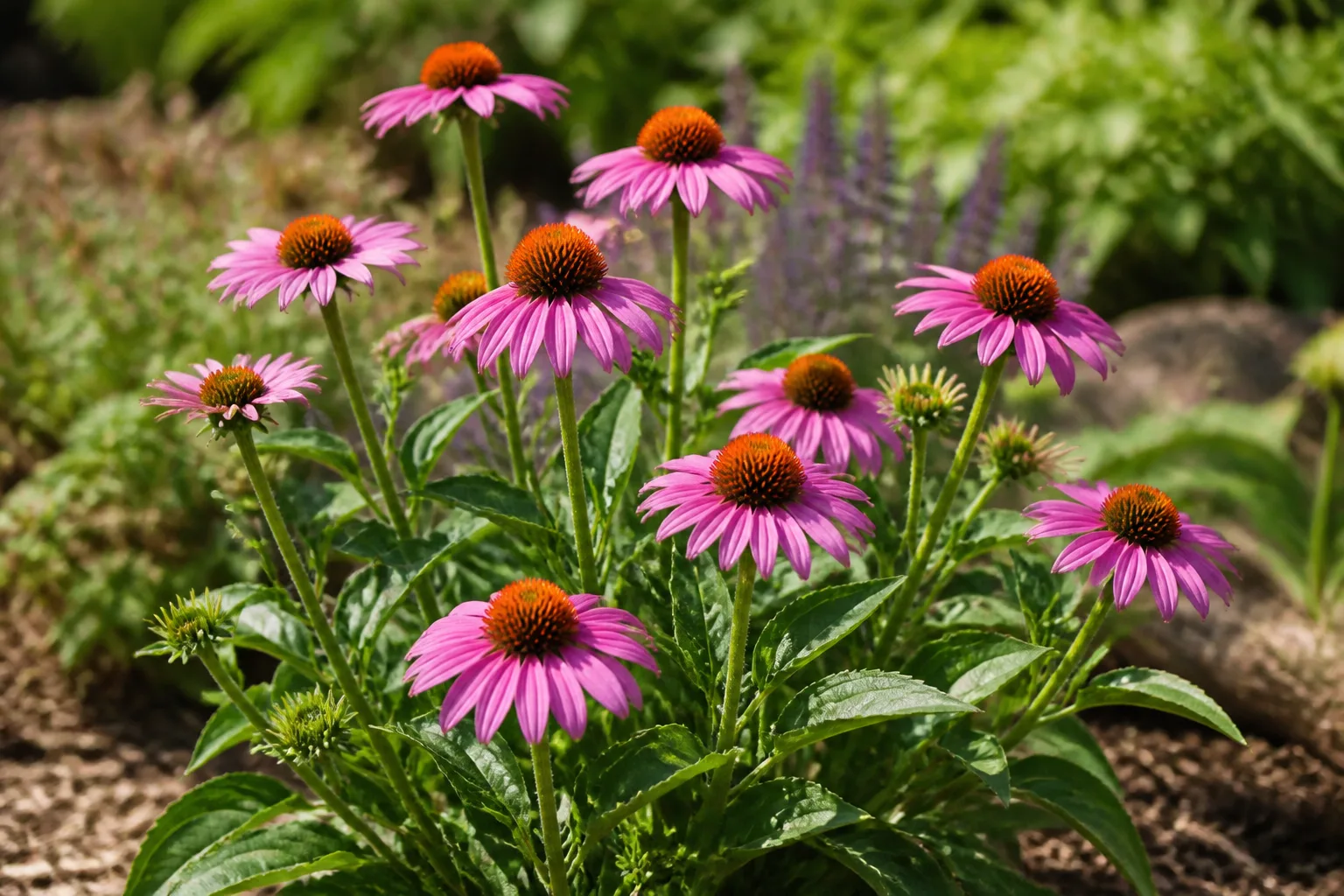
Purple coneflower (Echinacea purpurea) is a herbaceous perennial, zones 3–8, that spreads by clumps and modest self-seeding. The NC State coneflower profile describes long-lived plants with purple-pink ray flowers around a spiny cone. Leave spent heads through winter for goldfinches and late seed drop; straight species reseeds more predictably than some double-flowered cultivars. Full sun to light shade; drought-tolerant once established.
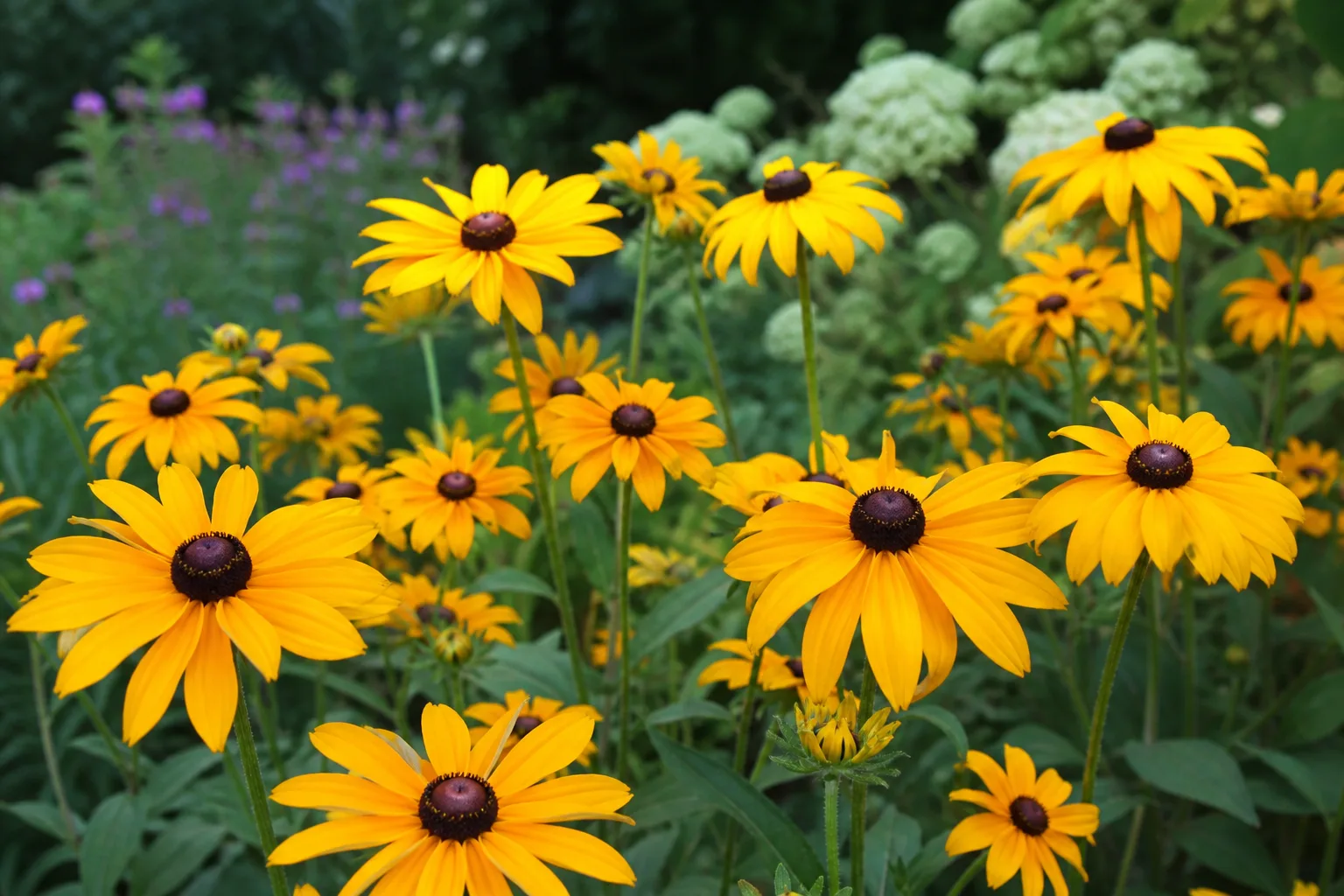
Black-eyed Susan (Rudbeckia hirta) behaves as a short-lived perennial or biennial in many gardens, with abundant self-seeding in zones 3–9, per the NC State rudbeckia profile. Yellow to orange ray flowers with dark centers bloom summer into fall in full sun. It fills meadow edges and pairs well with grasses. Pull volunteers that land in paths; transplant small seedlings if needed.
Low Growers That Fill Gaps on Their Own
These stay low and knit together bare soil—ideal for edging, rock pockets, and cottage paths.
Sweet Alyssum, Golden Ragwort, and White Corydalis
Sweet alyssum (Lobularia maritima) forms honey-scented mats of tiny white, pink, or purple flowers, zones 5–9 as annual, perennial in mild zones. It self-seeds into cracks and bed edges, pausing bloom in midsummer heat above about 85°F, then flushing again in fall. Full sun to part shade.
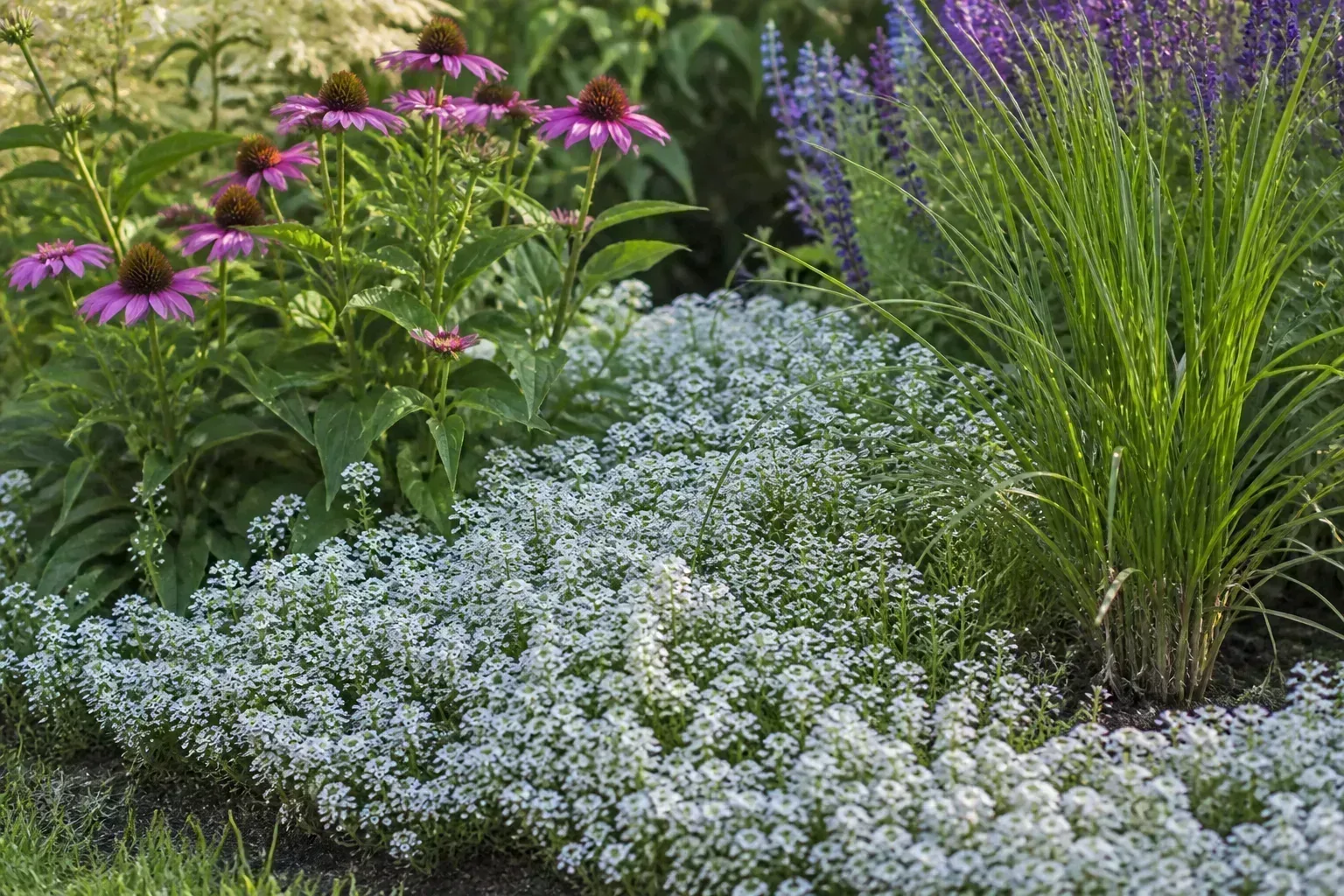
Golden ragwort (Packera aurea, formerly Senecio aureus) is a native North American groundcover with yellow spring daisies over evergreen basal foliage, zones 3–9. It spreads by seed and rhizomes in moist part shade—excellent under trees, but can spread aggressively in wet woodland gardens. Not listed as invasive nationally, yet manage it where you need tight boundaries.
White corydalis (Corydalis ochroleuca) offers delicate white and yellow spurred flowers from late spring into summer, zones 5–7, in part shade to shade. It self-sows gradually into wall crevices and woodland edges. Pair with hellebores and ferns; pull seedlings that land in lawn.
Short-Lived Perennials That Reseed
These persist a few years from the original root and also produce volunteers—often in new colors.
Columbines, Hellebores, and Eastern Red Columbine
Eastern red columbine (Aquilegia canadensis) carries red and yellow nodding flowers on wiry stems, zones 3–8, blooming spring into early summer in part shade to sun. The NC State columbine profile notes its value for hummingbirds and its preference for well-drained soil. It self-seeds freely; offspring cross-pollinate and drift in color toward muddy purple-brown over generations unless you isolate cultivars.
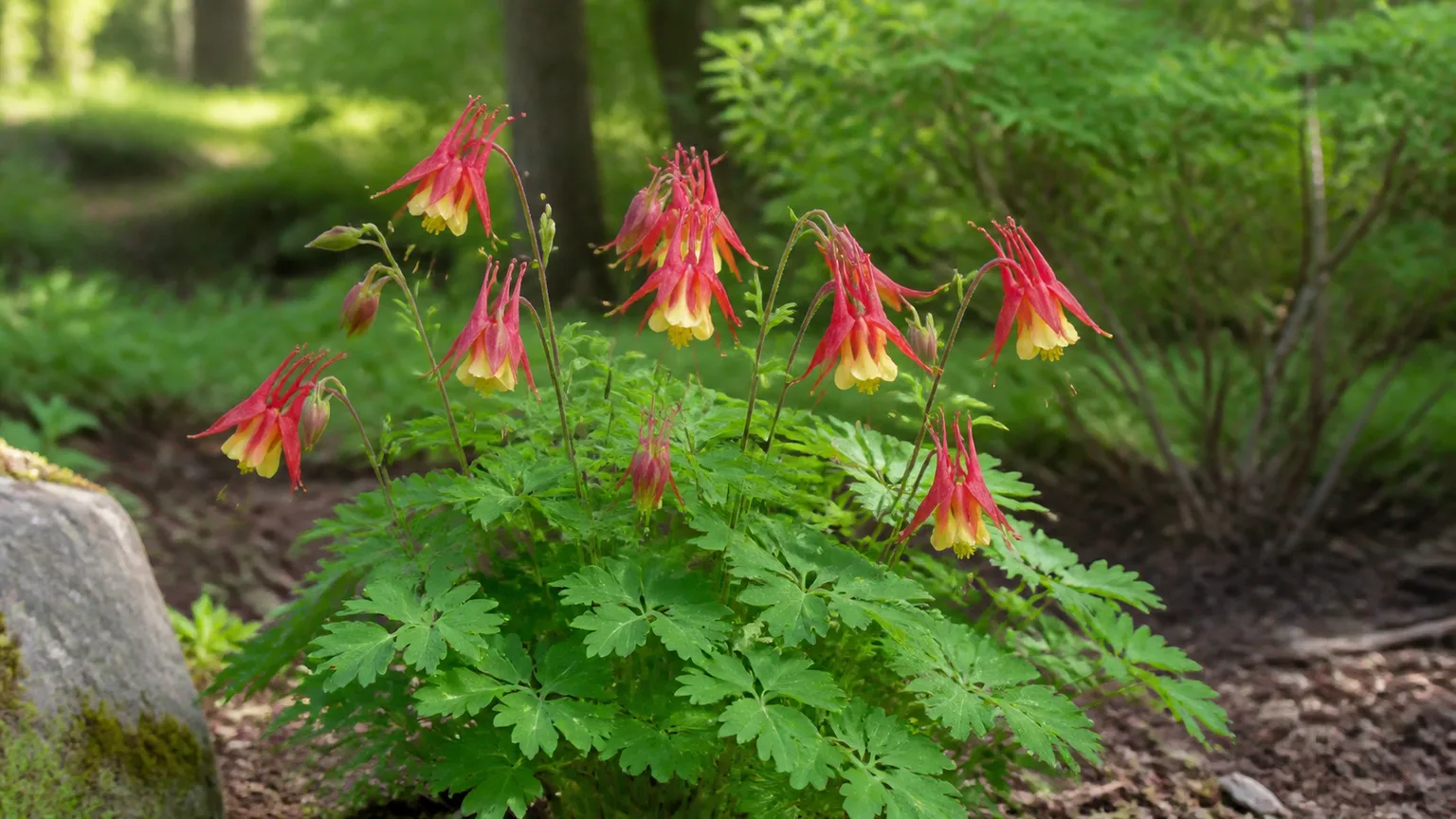
‘Pink Lantern’ and other garden columbines (Aquilegia hybrids) share the same habit: charming spurred blooms, short-lived parent plants, prolific seed, unpredictable offspring. Treat named colors as a starting point, not a guarantee for year three.
Hellebores (Helleborus orientalis and hybrids), zones 3–9, bloom in late winter to early spring in part to full shade. They are long-lived perennials with self-sowing habit in humus-rich, well-drained soil. Seedlings take years to reach bloom size; leave dry seed pods to split on the plant. Toxic if ingested—keep away from curious pets and children.
Petunias and Verbena: Warm-Zone Caveats
Petunias (Petunia × hybrida) are tender perennials in zones 10–11 and annuals elsewhere. Modern F1 hybrids rarely come back true from seed; volunteers may be smaller, single-flowered, or oddly colored. If you want uniform baskets, buy fresh plants yearly. In warm climates, spent flowers can self-sow in pavement cracks and gravel—pleasant surprise or weeding chore, depending on taste. Full sun; bloom spring through fall with feeding.
Verbena (Verbena bonariensis, tall verbena) is a butterfly magnet on airy 4–6 foot stems, zones 7–11 as a tender perennial, self-seeding annual in colder zones. It is considered invasive or naturalized in parts of the southern U.S., including Texas, Florida, and Georgia, and appears on regional watch lists elsewhere. Skip it near wildland interfaces in warm climates; deadhead if seedlings sprout where unwanted. Not all Verbena species share the same risk—check local guidance before planting.
When Self-Seeding Fails
If volunteers never appear, work through this list before blaming the plant.
Over-deadheading is the top cause: every removed bloom is removed seed. Heavy mulch blocks light and seed contact. Short growing seasons may not let cosmos or sunflowers mature seed before frost. Hybrid cultivars produce weak or sterile seed. Pre-emergent weed products stop all germination. Biennial confusion makes gardeners pull foxglove or hollyhock rosettes, eliminating next year’s display.
Fixes: leave late-season seed heads, rake mulch off volunteer zones in spring, mark biennial rosettes with a stake, choose open-pollinated varieties, and accept that some beds are too tidy for self-sowing. Direct-sow a backup packet every few years in short-season zones.
Conclusion
The eighteen flowers above—from poppies and calendula to hellebores and golden ragwort—can reduce replanting work while softening beds with informal color and pollinator value. Success hinges on lifecycle literacy: know which plants are annual volunteers, which are biennial rosettes worth keeping, and which perennials spread modestly by seed versus clump.
Let late-season seed ripen, keep soil accessible, and edit volunteers in spring instead of fighting them all summer. Avoid toxic foxglove near pets, question verbena in warm invasive-prone regions, and treat hybrid petunias as a one-season show unless you welcome surprises. Done with intention, self-seeding turns a static border into a garden that keeps rewriting itself—usually in your favor.