How to Grow and Care for Switchgrass (*Panicum virgatum*)
Learn how to grow switchgrass in sun or light shade, choose a cultivar, water it through establishment, divide clumps, and troubleshoot floppy or yellowing growth.
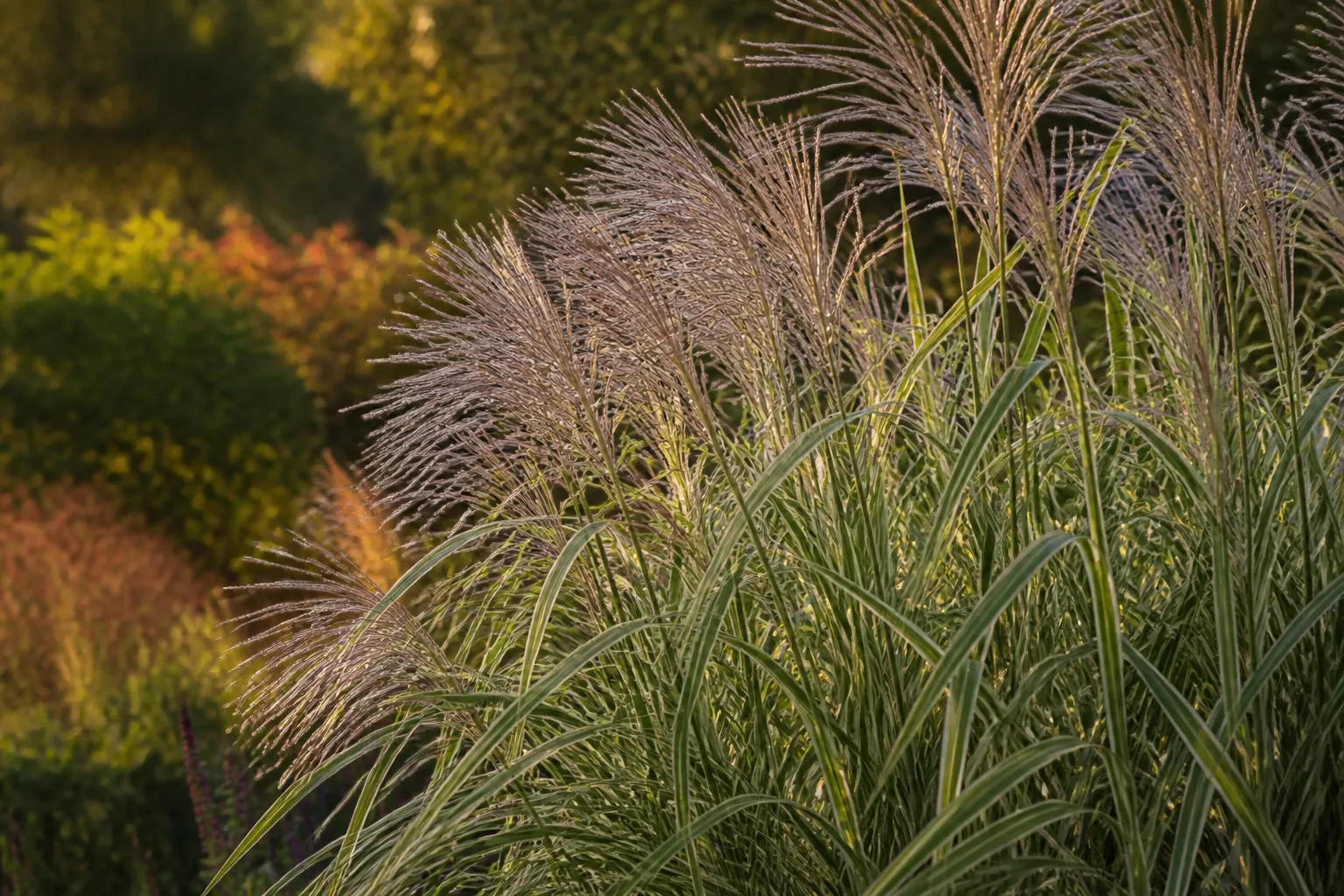
Switchgrass (Panicum virgatum) is a North American warm-season perennial grass with a useful combination of toughness and movement. Its upright blades and airy summer seedheads bring structure to a border, while the straw-colored winter clumps shelter birds and keep a slope from washing away. Once established, it handles heat, cold, periodic drought, and a wide range of soils with less fuss than many ornamental grasses.
The important catch is scale. A straight species plant can become a substantial, 3- to 6-foot clump, while some cultivars are shorter, narrower, bluer, or dramatically red in fall. Switchgrass also wakes up late because it waits for warm soil. A new planting that looks dead in April may simply be dormant; a clump that flops in July is more likely dealing with shade, excess fertility, wet roots, or a cultivar that is too tall for the site.
This guide covers how to choose, plant, water, prune, divide, and troubleshoot switchgrass so you can match the plant to the job instead of trying to force the wrong selection to behave.
Why Switchgrass Earns a Place in the Landscape
Switchgrass is a clump-forming native grass, not a lawn grass. The foliage rises from a central crown and the plant expands gradually through short rhizomes. That habit makes it useful for mass plantings, rain-garden edges, wildlife borders, meadow-style beds, and erosion-prone banks. It provides vertical texture without the constant mowing, edging, and irrigation a turf strip demands.
In summer, fine sprays of pink, purple, or reddish flower and seed structures appear above the foliage. In fall, many selections turn gold, copper, orange, or red. The dry stems remain attractive through winter and offer cover and seed for birds. The USDA PLANTS profile records the species as native across much of North America, while the U.S. Forest Service species account documents its ecological importance in prairie and grassland systems.
Quick Switchgrass Profile
| Trait | What to expect |
|---|---|
| Botanical name | Panicum virgatum |
| Plant type | Warm-season, clump-forming perennial grass |
| Typical hardiness | USDA zones 3–9, depending on cultivar and source |
| Mature size | About 3–6 feet tall and 2–3 feet wide for many selections; some cultivars differ |
| Best light | Full sun; light shade is possible but reduces strength |
| Soil | Average, sandy, clay, moist, or periodically dry soil if drainage is adequate |
| Water | Regular moisture while establishing; drought tolerant once rooted |
| Bloom period | Summer into early fall |
| Winter behavior | Dormant, with persistent tan stems and seedheads |
| Maintenance | Cut back once in late winter or early spring; divide only as needed |
Switchgrass returns every year. It is dormant, not dead, during winter, and it often does not show fresh green shoots until late spring. The exact date depends on latitude, soil temperature, and the previous winter.
Is Switchgrass the Right Grass for Your Site?
Choose switchgrass if you want a perennial screen or textural accent that can live outdoors year-round and improve a native or low-input planting. It is especially useful where a shrub would be too dense, where a slope needs living roots, or where winter structure matters as much as summer color.
It is a poor choice for a narrow foundation bed, a permanently shady courtyard, or a container that must stay tidy and small for years. It also is not the best option for a constantly waterlogged depression. Switchgrass tolerates brief flooding better than many garden plants, but “moist” is not the same as stagnant soil with no oxygen.
Species Size Versus Cultivar Size
The plant label matters. A seed-grown or straight-species switchgrass can be broad and tall enough to obscure a window. Compact selections such as ‘Shenandoah’ are more manageable in mixed borders; ‘Northwind’ is valued for a narrow, upright habit; ‘Dallas Blues’ is known for blue-green foliage and a dense clump; and ‘Prairie Fire’ is chosen for strong red color. Names and mature sizes can vary among nurseries, so use the dimensions on the tag from the actual seller rather than assuming every plant sold as switchgrass will reach the same height.
Choose the Site Before You Plant
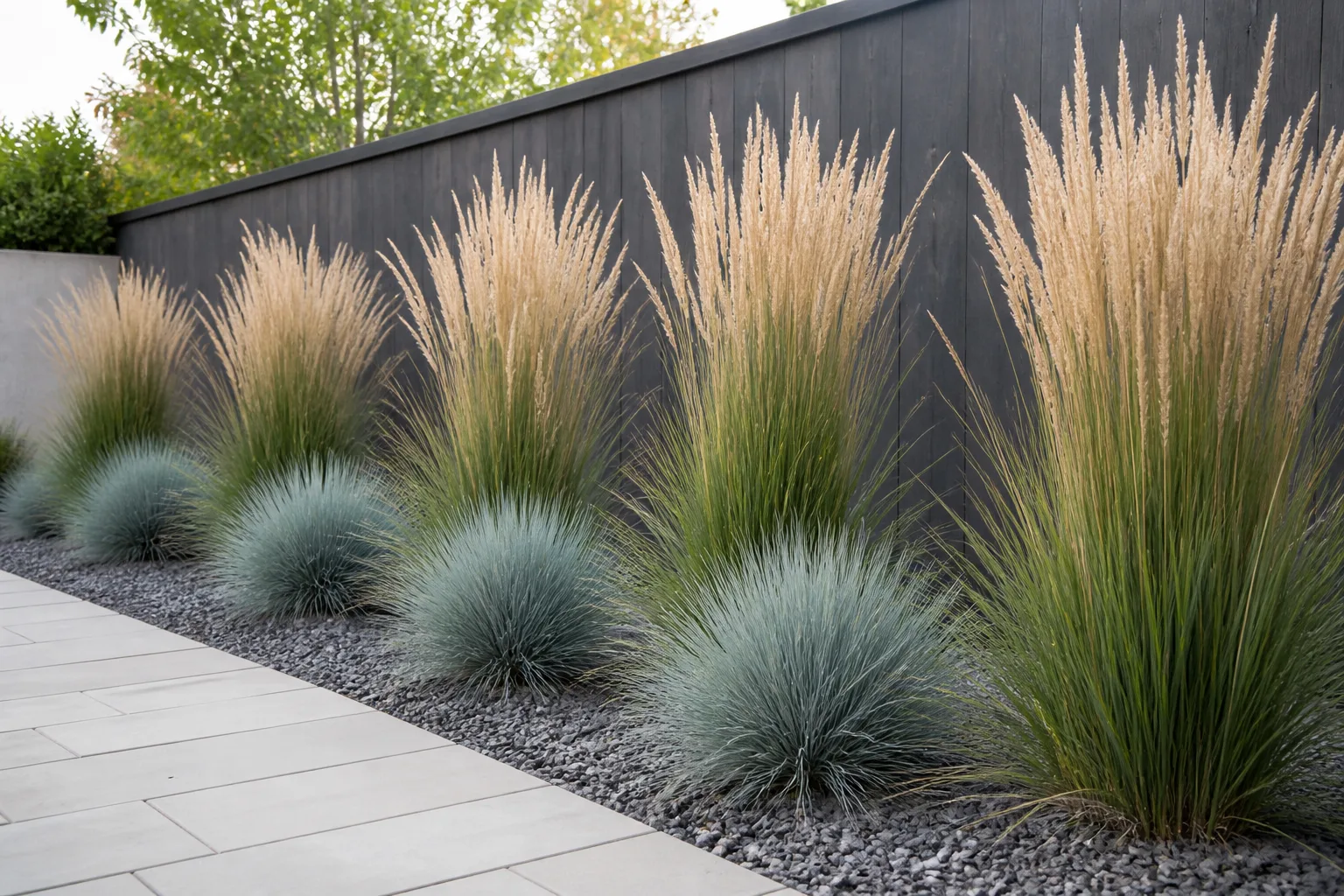
Give switchgrass at least six hours of direct sun for the strongest stems and richest color. Morning sun with afternoon shade can work in hot climates, but heavy shade usually produces a loose, leaning clump with fewer flower sprays. If the plant is intended as a screen, observe the site at midsummer rather than judging light from a leafless winter garden.
Plan for mature width, not the size of the nursery pot. Space large selections about 30–36 inches apart on center for a continuous mass, or farther apart when you want each clump to read as an individual specimen. Leave room around sidewalks and gates; dry leaves can arch outward even when the crown itself stays compact.
On slopes, plant across the direction of water flow where possible and keep the soil covered while young. Switchgrass roots help hold soil, but a new plug cannot stop erosion immediately. Mulch between plants or use a temporary erosion-control material until the crowns fill in.
Soil, Water, and Climate Requirements
Switchgrass is adaptable, but adaptable does not mean indifferent. It grows in sandy soils, clay soils, and average garden soil as long as the roots receive air and moisture is not wildly inconsistent. The Missouri Botanical Garden plant profile describes it as a grass for full sun and average, medium-moisture soil with good drainage.
Do not create a rich, loose compost pocket that holds more water than the surrounding ground. Backfill with the soil you removed, breaking up hard clods and removing construction debris. If a soil test shows a genuine deficiency, correct it before planting; otherwise, routine fertilizer is usually unnecessary.
Water deeply at the root zone rather than sprinkling the foliage every day. Established switchgrass can pause during a dry spell and recover when rain returns, but new plants need even moisture while roots expand beyond the original plug. In hot weather, a thirsty plant may curl leaves or lose lower foliage; in saturated soil, it may yellow and stop growing even though the surface is wet.
How to Plant Switchgrass Successfully
Plant container-grown switchgrass in spring after the soil warms, or in early fall while the ground is still workable. Spring is the safest timing in colder zones; fall works well where the plant has several weeks to root before hard freezes.
- Water the plant in its pot a few hours before planting.
- Dig a hole two to three times the width of the root ball and no deeper than its height.
- Slide the plant out and loosen circling roots gently with your fingers.
- Set the crown at the same level it occupied in the container. Do not bury the crown under extra soil or mulch.
- Backfill with native soil, firming lightly to eliminate large air pockets.
- Soak the planting area slowly, then add 2 inches of mulch around—not on—the crown.
The most common planting mistake is depth. A buried crown stays wet, emerges slowly, and can rot before the plant has a chance to establish. If the site is heavy clay, plant slightly high and shape the surrounding soil so water moves away from the crown rather than collecting around it.
First-Year Watering and Mulching
For the first month, check the soil every few days. Water when the top 2–3 inches begin to dry, applying enough to wet the full root ball and the surrounding soil. After the first month, lengthen the interval while increasing the area watered. A slow soak every 7–10 days is generally more useful than a small daily splash, with frequency adjusted for rain, heat, wind, and soil texture.
Keep mulch 2–3 inches deep and several inches away from the crown. Mulch reduces competition from weeds and buffers temperature swings, but a thick, wet layer over the growing point can delay spring emergence or encourage decay. In a meadow planting, a clean weed-free ring for the first season often does more for survival than a larger dose of fertilizer.
By the second growing season, test the plant before irrigating. If the foliage is upright and the soil is moist below the surface, let the roots work. Water during extended drought, particularly on sandy soil or exposed slopes, but do not keep an established clump constantly saturated.
Switchgrass Cultivars for Different Garden Jobs
Cultivar choice determines much of the plant’s behavior. Consider these common selections as starting points, then confirm the nursery’s mature dimensions.
- ‘Northwind’: A strongly upright, narrow selection for a formal border, entry view, or screen where arching foliage would be inconvenient.
- ‘Shenandoah’: A shorter selection with red-purple tones that suits mixed perennial beds better than a full-sized species plant.
- ‘Dallas Blues’: Blue-green foliage and a dense habit make it useful where foliage color matters as much as flowers; it is often chosen for dry, sunny sites.
- ‘Heavy Metal’: Stiff, blue-gray foliage can hold a vertical line, although performance still depends on full light and reasonable moisture.
- ‘Cloud Nine’: A tall, airy form for a back-of-border position or broad naturalistic planting.
- ‘Prairie Fire’: A color-forward selection that develops red tones during the growing season and turns yellow later.
Avoid selecting only by a photograph. Color varies with sun, temperature, and soil, and a heavily fertilized or shaded plant may not match the catalog image. The best selection is the one whose mature height, width, and stem strength fit your site.
How to Prune Switchgrass Without Weakening It
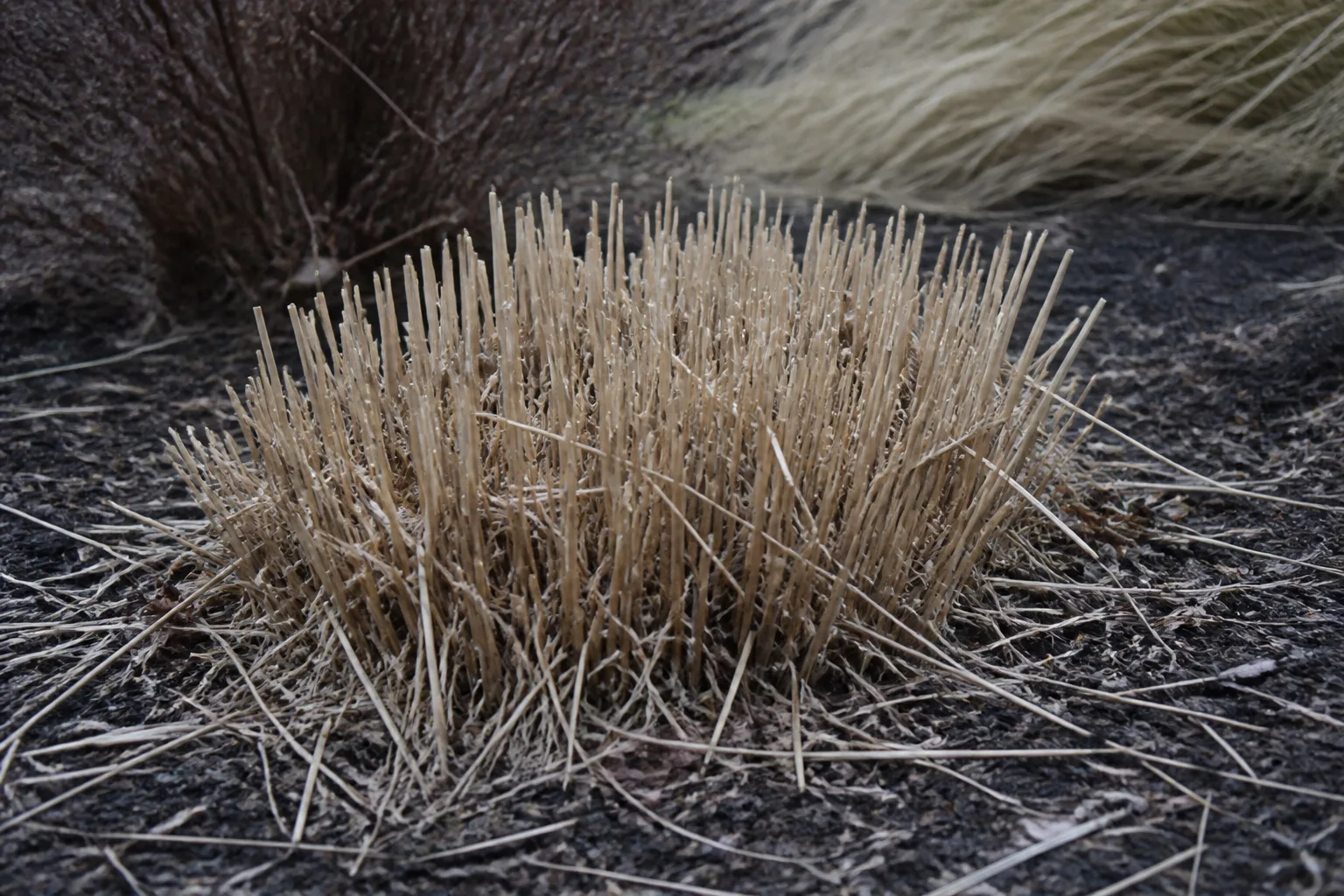
Leave the dried stems standing through winter. They protect the crown, catch snow, and provide cover for wildlife. Cut the clump back to 4–8 inches in late winter or very early spring, before new shoots begin pushing through the old foliage.
Use sharp hedge shears for a single clump or tie the stems into a bundle before cutting to make cleanup easier. Wear gloves; the dry blades can be rough. Do not shear repeatedly during the growing season. Switchgrass grows from the crown, so cutting into emerging shoots removes the season’s new structure.
If the old clump has broken down after heavy snow, remove only the damaged material. A clean annual cut is optional in a wildlife garden, but it is useful in a formal bed where old stems make the new growth look untidy. Do not burn or compost diseased material unless your local guidance permits it.
Propagate Switchgrass by Division
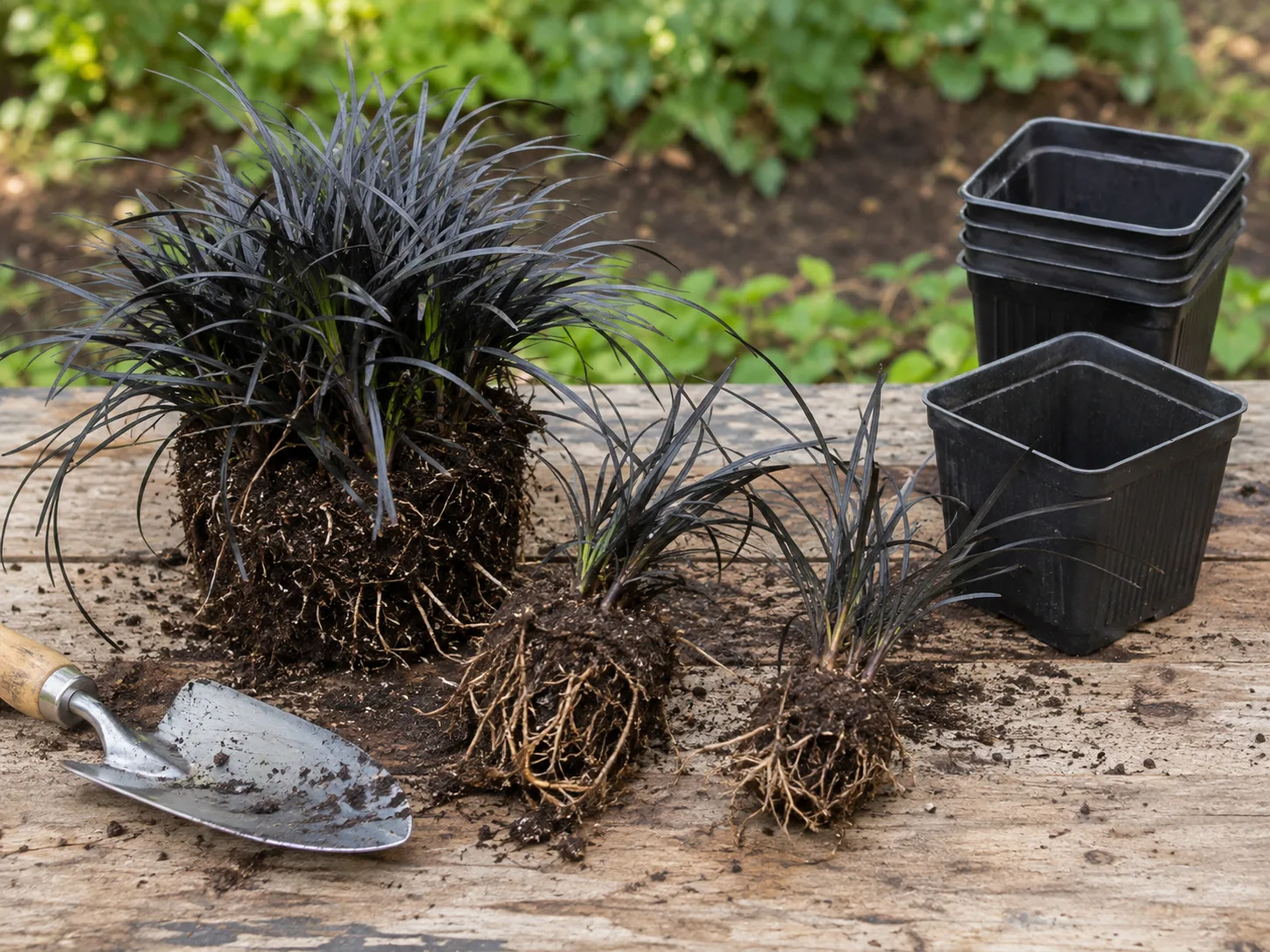
Division is the most reliable way to make a true copy of a named cultivar. Seedlings may differ in height, color, and habit, while a division retains the parent plant’s traits.
Divide in late spring after new growth is visible and the soil is warm. Water the clump the day before, then dig around the perimeter with a sharp spade. For a large plant, lift the whole clump and cut it into sections, making sure every division has healthy roots and several live shoots. Replant immediately at the original depth and water thoroughly.
Division is physical work because mature switchgrass crowns become dense and woody. If the center is dead and the outside ring is vigorous, discard the exhausted center and replant the younger outer sections. Divide only when the plant is overcrowded, declining in the center, or needed for propagation; annual division is unnecessary.
Grow Switchgrass From Seed
Seed is inexpensive and practical for a broad meadow or restoration-style planting, but it is less predictable for a designed border. Collect mature seed in fall when the panicles are dry, or buy seed from a supplier that identifies the species and source.
Sow outdoors in a prepared bed in late fall or early spring, pressing seed into firm soil and covering it lightly. Many seeds benefit from a period of cold, moist conditions before warm weather triggers germination. If starting indoors, use a clean seed-starting mix, keep it evenly moist, and provide strong light after seedlings emerge. Warm soil speeds germination; cold soil slows it dramatically.
Thin seedlings before they become crowded and transplant them while small. Expect a first-year plant to look modest while it builds roots. A seed-grown stand may take two or three seasons to develop the height and density associated with mature switchgrass.
Containers, Transplanting, and Winter Care
A deep container can hold switchgrass for a season or two, especially when starting a division or young seedling. Choose a heavy pot with drainage and enough depth for the root system; shallow decorative bowls dry quickly and restrict the crown. Container plants need more frequent watering than plants in the ground and are more exposed to winter temperature swings.
Transplant in spring when the soil has warmed. Lift as much of the root ball as possible, avoid tearing the crown, and water consistently while the plant re-establishes. For long-term container displays, choose a compact cultivar and divide or refresh the plant before the root mass becomes congested.
In the ground, switchgrass needs no special winter wrapping in its normal hardiness range. Leave the stems standing, avoid piling wet mulch over the crown, and wait for late winter or early spring cleanup. A plant that remains brown in early spring may still be perfectly healthy; check the crown for firm shoots before replacing it.
Wildlife, Erosion Control, and Landscape Design
Switchgrass supports more than a pretty border. Its dense base provides cover for small animals and birds, and its seedheads add winter food value. It is also a host and shelter component in native-grass plantings, though a single ornamental clump should not be marketed as a complete wildlife habitat by itself. Combine it with regionally native flowering plants, shrubs, and groundcovers for a richer food-and-cover network.
For design, repeat three or five clumps instead of scattering isolated plants randomly. Use an upright cultivar behind lower flowers, a blue-leaved selection beside silver or yellow foliage, or a mass of species plants to soften a fence. On a slope, combine switchgrass with plants that bloom at different heights so the planting works in every season rather than becoming a wall of tan stems.
Pests, Diseases, and Common Problems
Switchgrass is generally resilient, but poor conditions can make it look unhealthy. Start with the site before reaching for a spray.
Slow Spring Emergence
Warm-season grasses wait for warm soil. If the crown is firm and the old stems look normal, wait rather than watering constantly or feeding early. Cold, wet soil and a deeply buried crown are more concerning than a late start.
Floppy or Falling-Over Stems
Check light first. Shade produces weaker stems. Next, review fertilizer and irrigation: excessive nitrogen or lush growth in rich, wet soil can make tall cultivars lean. If the plant is healthy but naturally too tall for the bed, move it or replace it with a shorter, more upright cultivar. Staking can hide the symptom for a season, but it does not solve a site mismatch.
Yellowing Leaves
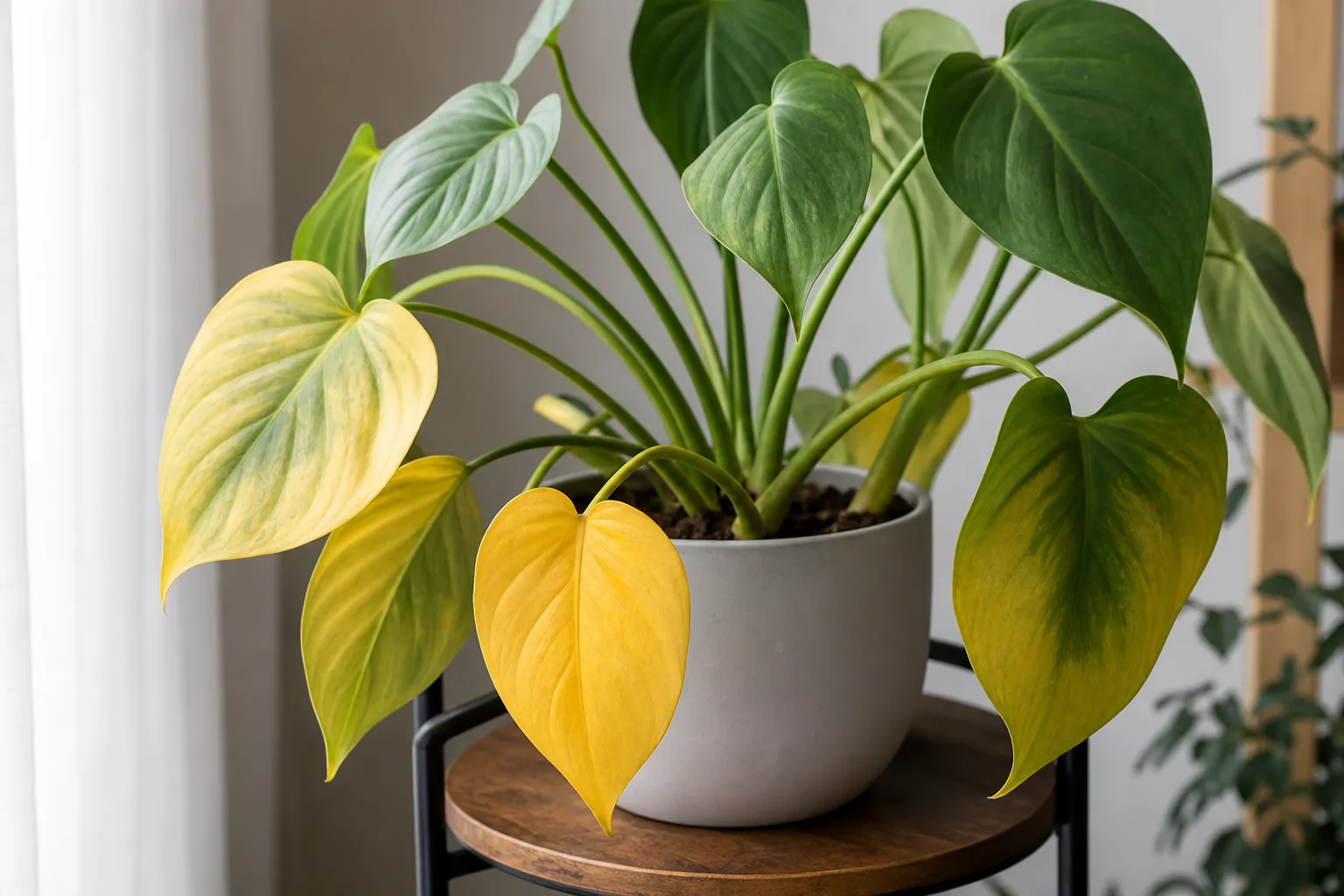
A few old lower leaves can yellow as the clump ages, but widespread yellowing suggests saturated roots, poor drainage, drought stress, or a nutrient problem. Feel the soil below the surface and inspect the crown. Correct watering and drainage first; fertilize only after a soil test shows a deficiency.
Rust, Leaf Spot, or Smut
Fungal problems are more likely when foliage stays wet and air circulation is poor. Remove badly affected leaves, water at the soil line, thin overcrowded plants, and clean up debris after dormancy. A fungicide is not a default cure for a mis-sited plant, and any product must be labeled for the crop and used according to local directions.
Unwanted spread:
Switchgrass expands by short rhizomes, but garden cultivars are typically clump-forming rather than runaway groundcovers. Give it room, remove unwanted seedlings before they mature, and divide the crown when it outgrows its space. If a planting is spreading far beyond the original clump, identify the cultivar and check whether another grass has been mixed into the bed.
Conclusion
The simplest switchgrass care plan is also the most reliable: choose a cultivar that fits the mature space, plant it in sun with the crown at grade, water deeply while roots establish, skip routine fertilizer, leave the stems through winter, and cut back once before spring growth begins. Expect a slow start in cool weather and a stronger, more drought-tolerant clump after the root system settles in.
With the right site, switchgrass becomes a long-lived piece of landscape structure rather than a plant you have to constantly correct. Let its stems move, its seedheads remain through winter, and its seasonal color do the work.