How to Grow and Care for a Tamarack Tree
Learn where a tamarack tree grows best, how to plant and water it, which compact cultivars suit a small yard, and when golden needles are normal.
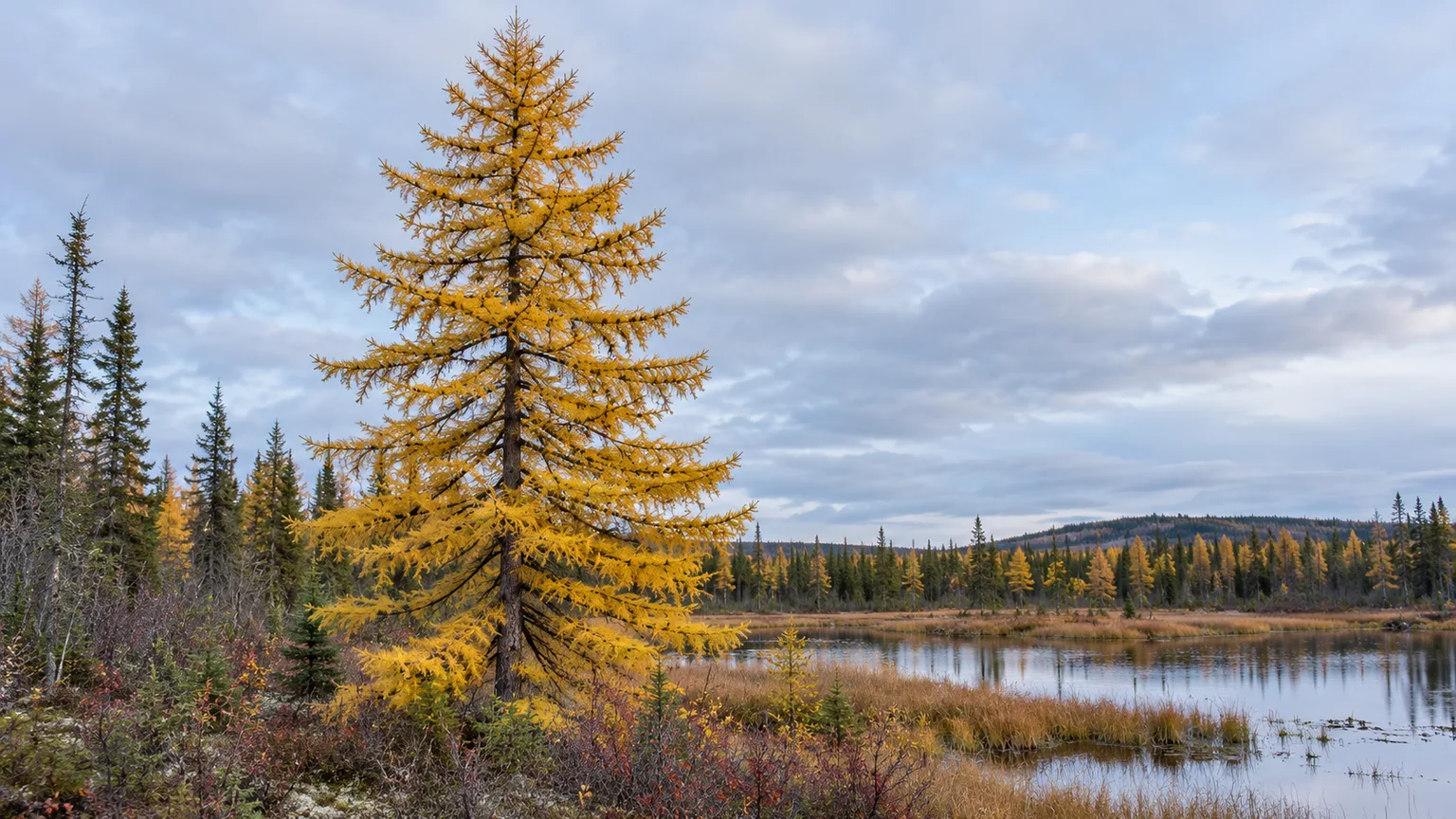
A tamarack (Larix laricina), also called American or eastern larch, is a cold-climate conifer with a seasonal surprise: its soft needles turn gold and fall each autumn. It grows best where summers stay cool, the tree can sit in full sun, and the root zone stays moist. If your yard is hot for much of summer or offers only shade, choose another tree before buying one; watering cannot fix the wrong climate.
A wild-size tamarack can become a substantial landscape tree, but compact cultivars give gardeners more options. The key is to match the species and mature form to your site, then keep the young tree evenly watered while its roots establish.
Tamarack at a Glance
| Feature | What to expect |
|---|---|
| Botanical name | Larix laricina |
| Common names | Tamarack, American larch, eastern larch |
| Type | Deciduous conifer in the pine family |
| Mature size | Usually about 40 to 80 feet tall and 15 to 30 feet wide |
| Light | Full sun |
| Soil | Moist, preferably acidic and organic; tolerates wet ground |
| Best setting | Cool-summer regions and open, naturally moist sites |
| Seasonal color | Blue-green needles in summer, yellow in fall, bare branches in winter |
The size and site traits above are broad guides, not a guarantee for every cultivar or garden. The University of Connecticut Plant Database and Purdue Arboretum both describe tamarack as a full-sun, cool-climate tree with showy yellow fall color; the databases list slightly different hardiness details, which is a reminder to use local performance and summer climate in addition to a zone label. University of Connecticut Plant Database and Purdue Arboretum Explorer provide useful species-level reference points.
Why This Conifer Drops Its Needles
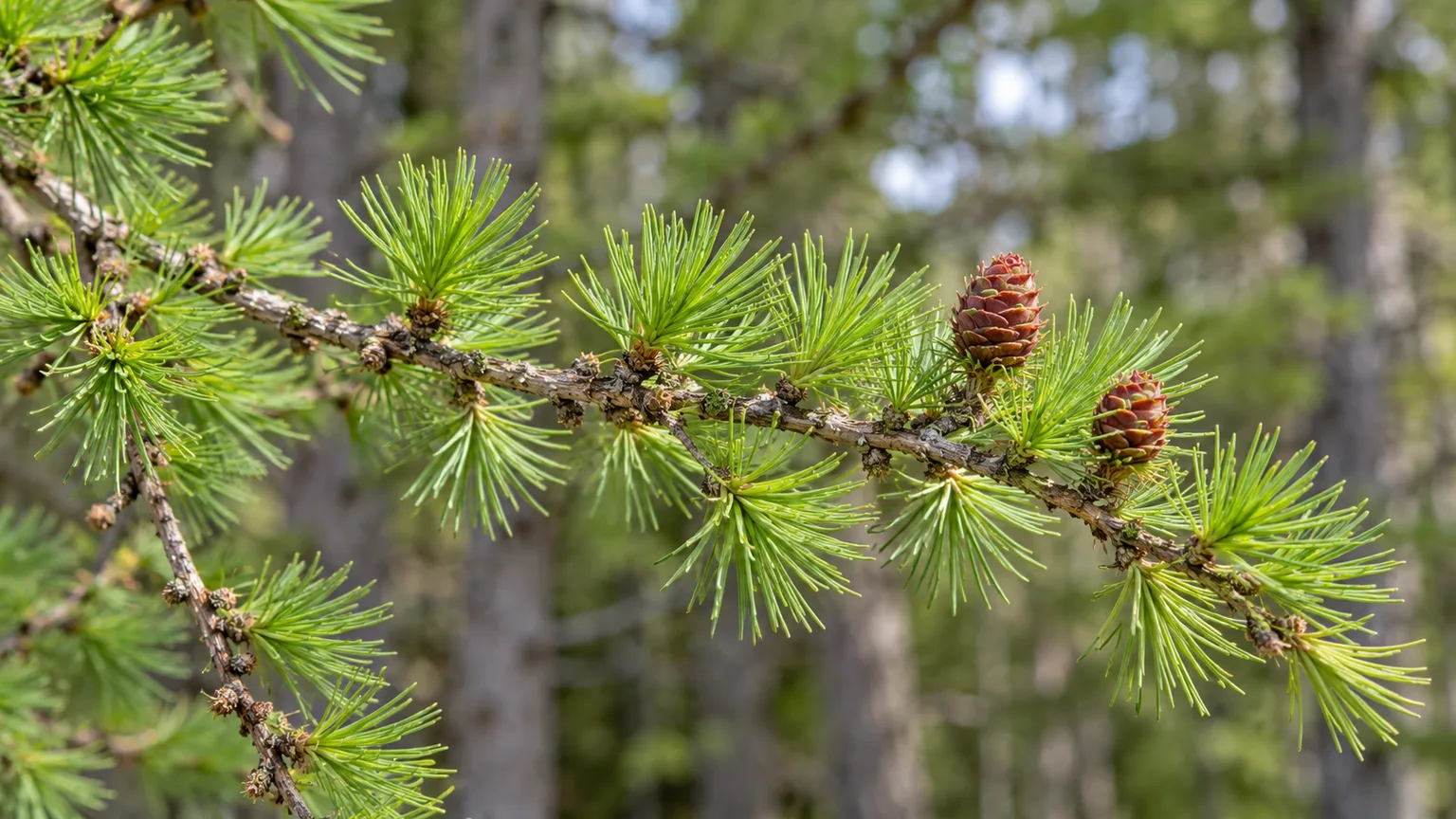
Tamarack is a conifer, but it is not evergreen. Its short needles grow in clusters on spur-like twigs, turn yellow in fall, and drop before winter; new soft needles return in spring. That annual change is normal and is one of the reasons people plant the tree. A bare tamarack in winter is not automatically dead, and a golden crown in autumn is not automatically a nutrient problem.
Look at timing and pattern before reacting. A fairly even color change across the crown late in the growing season is expected. Needles that brown or yellow in patches during spring or summer, especially with weak new growth or branch dieback, call for a closer check of moisture, pests, and site stress.
Check the Climate Before You Choose a Site
Tamarack comes from northern North America, where it grows across cool regions and in wet habitats that include bogs and muskegs. It can handle severe winter cold, but winter hardiness is only half the story. A tree may survive a cold snap and still languish in a location with long, hot, humid summers.
The most useful purchase question is not simply “Will it survive my zone?” Ask whether tamarack is already grown successfully in nearby landscapes or local arboreta. A nursery that specializes in native trees can also tell you whether the species or a cultivar is a realistic choice for your county.
Sunlight and Summer Heat
Give tamarack an open site with full sun for most of the day. A shaded tree may become sparse or lean toward light, and nearby trees will compete for both sun and moisture as they mature. Gardener’s Path recommends at least eight hours of sun for larches, while the UConn species record also lists full sun as the cultural requirement. Gardener’s Path’s larch-growing guide offers that practical sun target.
Do not plant it beneath a roofline, dense canopy, or between buildings that trap heat. Avoid hot pavement edges and chronically dry exposures in warm regions. If your summers are regularly hot and humid, consider a locally adapted larch or another tree rather than trying to compensate with extra irrigation; the tamarack’s need for cool summers is a climate limit, not just a watering preference.
Soil Moisture, Drainage, and pH
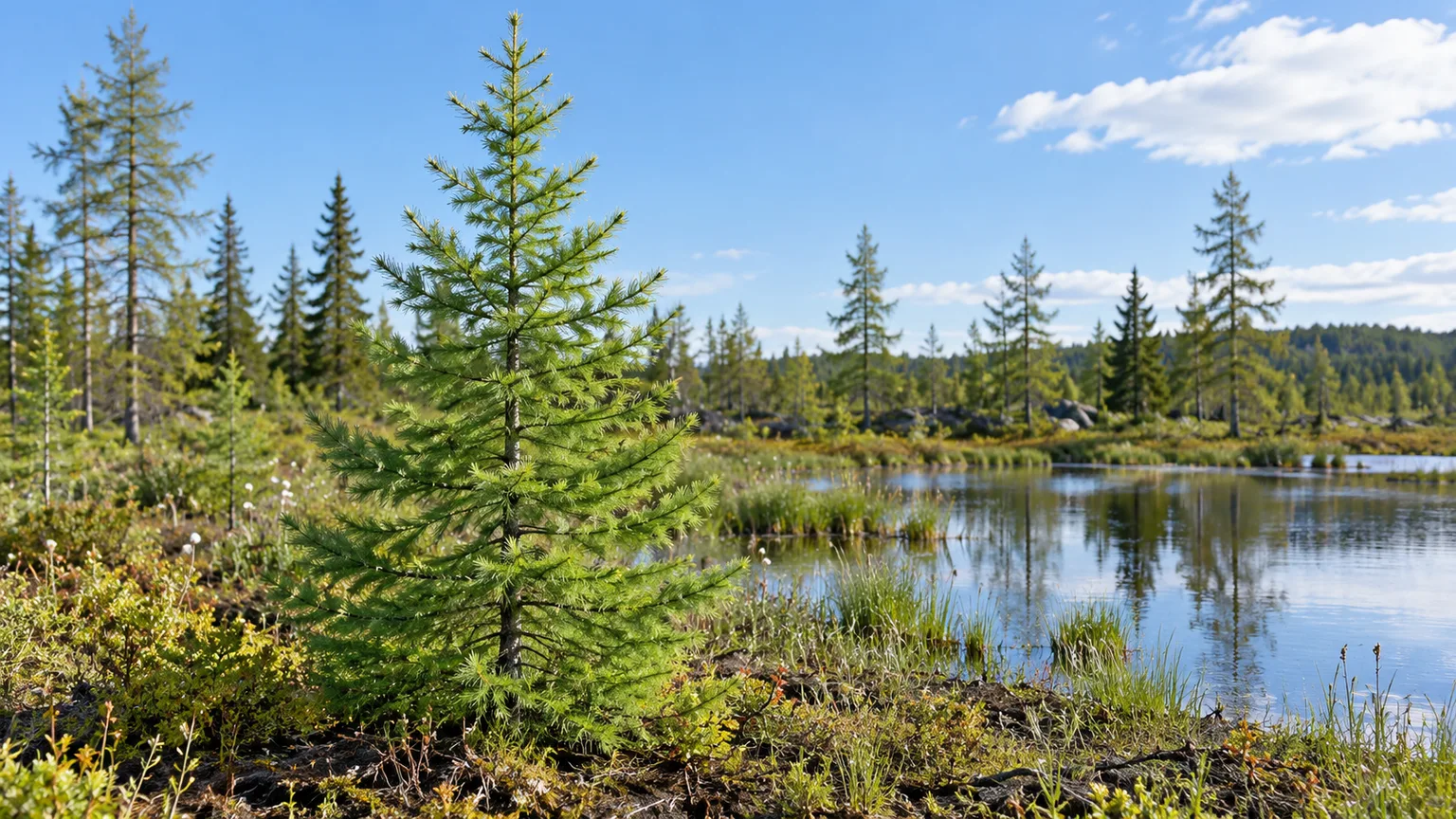
Aim for cool, consistently moist soil that is acidic and rich in organic matter. Tamarack tolerates wet ground better than many landscape trees and naturally occurs in peatlands, but that does not mean you need to flood its roots. It can also grow in moist, well-drained soil, so a bog is not a requirement.
Check the site after a heavy rain and again during a dry spell. If the soil stays damp but does not hold standing water for long periods, that is often a more forgiving home-garden condition than a small planting hole that remains stagnant. On the other hand, do not put tamarack on a dry, sandy slope and expect mulch alone to keep it healthy through summer. A soil test can confirm pH and identify nutrient issues before you amend anything; avoid adding acidifiers or fertilizer by guesswork.
A naturally wet corner can be an excellent site if it is sunny and cool. A compacted, hot low spot may not be: water tolerance does not cancel out poor root conditions, competition, or summer heat.
Plan for Mature Size and Root Space
The species can reach roughly 40 to 80 feet tall and 15 to 30 feet wide, with its size varying by site and source. Treat the larger end of that range as the planning case unless a cultivar’s mature dimensions are documented. Keep a full-size tree away from buildings, overhead wires, septic features, and places where its eventual crown will crowd other trees.
Spacing depends on what you want the planting to do. A specimen tree needs room to develop its natural pyramidal outline. In a grove, use the expected mature spread to set spacing; close planting can create a forested look, but it also means less room for each crown. Do not use the current nursery height as a proxy for the tree’s final footprint.
Tamarack is best treated as a landscape tree rather than a small ornamental that can be repeatedly cut back. Its natural shape is part of its appeal, and hard size-control pruning is not a substitute for choosing the right mature form.
Plant a Nursery Tree at the Right Depth
Plant a container-grown or balled-and-burlapped tree in spring or early fall, when the soil is workable and cool weather gives roots time to settle before heat or freezing conditions. If the nursery’s recommended planting window differs for your region, follow local guidance. Buy a healthy tree with a straight leader, evenly distributed branches, and no dead or damaged root ball.
Before digging, locate the root flare—the point where the trunk widens into the first major roots. Set the root flare level with or slightly above the surrounding soil. Dig a broad hole rather than a deep one, loosen circling roots gently, and backfill with the soil you removed. Avoid burying the trunk or filling the planting hole with a different potting mix that can hold water differently from the surrounding ground.
Water the root ball slowly after backfilling to settle soil around the roots. Do not stomp the soil hard or stake the tree unless wind or an unstable root ball makes temporary support necessary. Remove nursery tags and check ties regularly so they do not constrict the trunk.
Water, Mulch, and Establish the Root Zone
For the first growing season, water when the root ball begins to dry rather than following a rigid calendar. Feel the soil a few inches down near the edge of the original root ball; water deeply if it is dry, and wait if it is already damp. A newly planted tree in sandy soil or hot, windy weather may need water more often than one in a cool, moisture-retentive site. In later seasons, irrigate during extended drought, especially before the tree has built a broad root system.
The goal is steady moisture, not frequent surface sprinkling. Apply water slowly over the root ball and nearby soil so it can soak down instead of running off. If the ground is naturally wet, check it before watering; more water is not helpful when soil is already saturated.
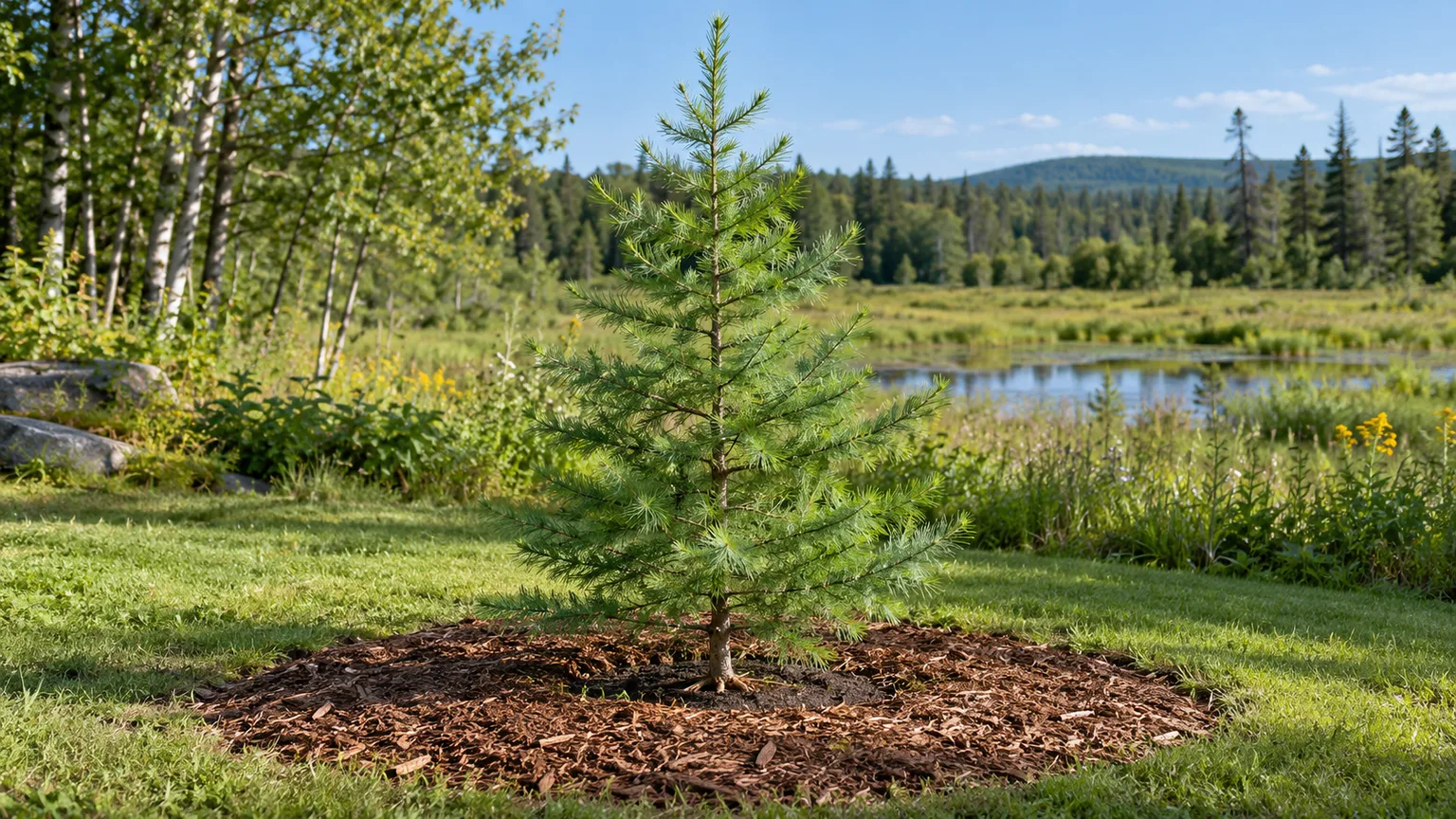
Spread a shallow layer of organic mulch over the root zone to limit weeds and slow moisture loss, then keep it away from the trunk. Penn State Extension recommends generally keeping landscape-tree mulch about 2 to 4 inches deep, using less on poorly drained soil, and maintaining a clear gap around the root flare. Penn State Extension’s tree-mulching guidance explains why a mulch volcano can keep bark wet and harm the tree. Tamarack’s own fallen needles can eventually add a light, natural mulch layer beneath an established tree.
Fertilize Only When There Is a Reason
A healthy tamarack in suitable soil usually does not need routine fertilizer. Extra nitrogen cannot correct shade, hot summers, drought, buried roots, or waterlogged soil; it may only push growth that the tree cannot sustain. Before feeding a tree with pale or stunted growth, check whether it is planted too deeply, whether the root ball dries out, and whether the site matches the species.
Use a soil test if the tree is consistently weak or if nearby plants show a nutrient problem. Follow the test’s recommendations and the product label rather than choosing a fertilizer because it is marketed for acid-loving plants. A light compost top-dressing can improve surface organic matter, but keep it away from the trunk and do not bury the root flare.
Prune for Safety and Structure
Tamarack needs little routine pruning. Remove dead, broken, or diseased branches, and correct a structural problem while it is small. For a young tree, preserve the central leader and avoid shearing the crown into an artificial shape. Gardener’s Path advises leaving mature larches largely natural and limiting shaping to young trees; that restraint suits tamarack’s open, layered habit.
Prune when the tree is dormant if you need to remove a living branch, and make clean cuts just outside the branch collar. Do not cut flush to the trunk or leave a long stub. If the top leader is broken, if two stems compete for dominance, or if a large limb hangs over a target, ask a certified arborist how to restore structure safely. Avoid topping; it creates weak regrowth and spoils the tree’s form.
Choose a Tamarack Cultivar That Fits
If you want the species’ seasonal color but lack room for a tall tree, look for a named dwarf or unusual selection from a reputable nursery. Availability is limited and cultivar names can be confused in commerce, so confirm the botanical name and ask how the plant was propagated. A tag that says “dwarf larch” may refer to another Larix species rather than Larix laricina.
Selections noted by the UConn Plant Database include ‘Blue Sparkler,’ valued for blue-toned foliage, ‘Deborah Waxman,’ a compact form, ‘Lanark,’ a low-spreading form, and ‘Newport Beauty,’ a very small selection. Gardener’s Path also describes ‘Ethan’ as a compact tamarack. The sources do not report identical dimensions for every cultivar, and availability changes, so treat a number on a sale tag as a starting point rather than a guarantee. The UConn database and Gardener’s Path describe several of these choices.
Compare Mature Form, Not Just Sale-Tag Height
Before buying, ask for mature height and spread, expected growth rate, and whether the cultivar keeps a central leader, spreads horizontally, or weeps. Those traits affect placement as much as the final height. A small, low-growing selection may work near a rock garden; a weeping one needs room for branches to cascade without blocking a path.
Check Cultivar Identity and the Graft Union
Ask whether the cultivar is a true tamarack and whether it is grafted. Grafted plants may need a visible graft union kept above soil, and shoots that emerge from below that union may belong to the rootstock. Keep any tag until you can match the tree’s name to reliable nursery information.
Diagnose Browning, Needle Loss, and Pest Damage
When foliage looks wrong, first note the season and which parts of the crown are affected. Tamarack naturally sheds its needles once a year, but a stressed tree may show changes at a different time or in an uneven pattern. Take a photo and compare it over a week or two; sudden changes and branch dieback deserve attention sooner than a predictable autumn color shift.
Normal Autumn Color vs. Premature Browning
Normal fall color usually begins as the season cools and progresses through much of the crown before needles drop. The tree then remains bare through winter. That cycle happens even when the tree is healthy, so do not try to “green it up” with fertilizer or a pesticide.
Browning in late spring or summer has a different pattern. Look for dry soil at the root ball, mulch piled against the trunk, recent digging near roots, construction compaction, or one-sided shade. If soil remains wet, check for a planting depression that traps water and inspect the root flare rather than adding more irrigation. A few brown inner needles may be hard to interpret on a mature tree; persistent browning on outer growth, dead branch tips, or progressive canopy thinning merits a local diagnosis.
Larch Casebearer, Sawfly, and Other Pests
Tamarack can be affected by larch casebearer, sawfly, and woolly aphids. Casebearer larvae feed within needles and may leave small cases; sawfly larvae chew foliage. Aphids feed on new growth. These pests can look similar to drought stress from a distance, so inspect the branches closely before deciding that an insect is responsible. The UConn Plant Database lists casebearer, woolly aphid, and sawfly among potential liabilities; Gardener’s Path describes the casebearer’s needle-mining and the importance of beneficial insects.
Start with a close look at fresh and damaged shoots, ideally with a hand lens or clear phone photo. Record whether damage is on old or new needles, whether it is localized or widespread, and whether larvae, webbing, sticky residue, or small cases are visible. Ask a local extension service or arborist to identify a serious outbreak before using a pesticide. Tall trees are difficult to treat safely and thoroughly, and broad spraying can harm beneficial insects. Remove only dead or broken branches; do not strip foliage from a tree to “clean” it.
Start Tamarack From Seed
Seed propagation is possible, but it is slower and less predictable than buying a young nursery tree. Tamarack does not necessarily produce a heavy crop of viable cones every year, and seedlings need time to grow before they can take a permanent landscape position. A named cultivar is better purchased from a nursery because seedlings may not keep its compact size or foliage traits.
Collect mature cones only when you can identify them with confidence, and check that they contain viable seeds. Many larch seeds benefit from a period of cold, moist stratification before sowing; the exact timing can vary with seed freshness and source. Keep the sowing medium evenly moist, give seedlings bright outdoor light, and protect them from drying out while they establish. Expect this to be a patient project rather than a quick way to fill a yard.
If the goal is a tree with predictable size, color, or weeping form, buy a correctly labeled cultivar instead. Nursery propagation gives you a known selection and avoids waiting years to discover that a seedling is too large for the space.
Grow a Tamarack in a Pot Only as a Special Project
A full-size tamarack is not a practical long-term container tree. A compact cultivar can be grown in a large, stable pot for a while, but it still needs outdoor sun, consistent moisture, good drainage, and enough root volume. The container will dry and freeze faster than surrounding ground, so check it more often in summer and protect the root ball in winter.
Use a pot with drainage holes and a well-aerated tree or shrub mix; do not leave the container standing in a saucer of water. Repot before the roots become tightly circling or the tree dries out within a day. If winter temperatures are severe, sink the pot into the ground or insulate it in a sheltered outdoor location while the tree stays dormant. Bring it indoors only if a specialist’s instructions for that cultivar call for it; warm indoor conditions can disrupt a temperate tree’s seasonal cycle.
If you want a lasting patio specimen, ask a bonsai grower or nursery about a suitable dwarf selection and its root-pruning requirements. For an ordinary landscape planting, a tamarack in the ground is easier to keep evenly moist and protected from temperature swings.
Conclusion
Tamarack is a distinctive choice for a cool-summer landscape: a sun-loving larch that tolerates moist ground, turns gold in fall, and stands bare through winter. Give it enough room, plant it with the root flare visible, and water the root ball when it begins to dry while the tree establishes. Skip routine fertilizer and shaping; check early browning by season and pattern, then confirm pests before treating.
The right cultivar can make a small garden possible, but the right climate and site still matter. If your summers are persistently hot or your only planting spot is shaded and dry, choose a tree adapted to those conditions instead.