Best Garden Trowels for Planting, Weeding, and Pots
Compare five garden trowels by blade shape, handle comfort, materials, storage, and digging performance to choose the right tool for pots, beds, and weeds.
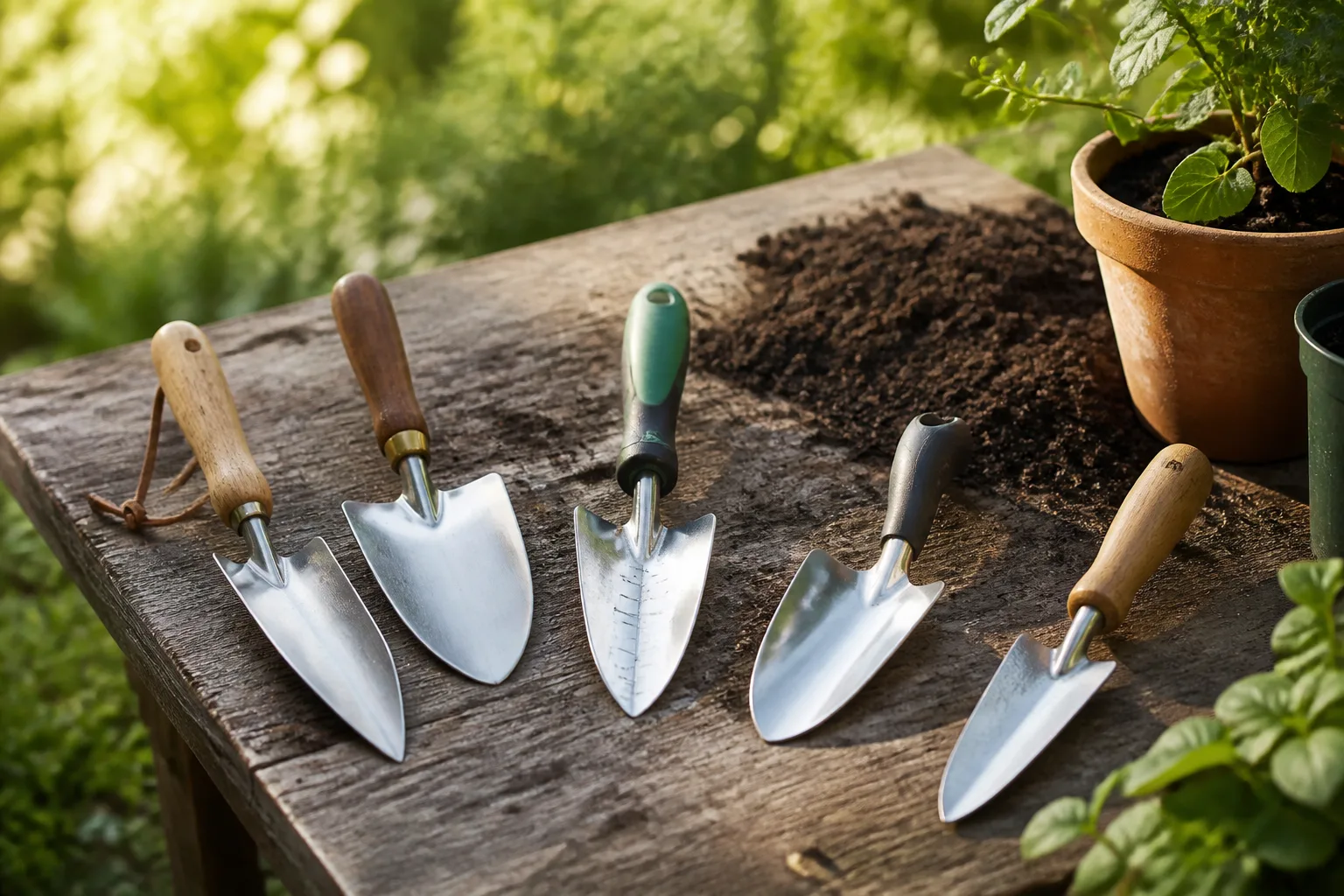
A garden trowel is the hand tool you reach for when the job is too small for a shovel but too stubborn for your fingers. The right one opens a clean planting hole, slides beneath a seedling, loosens a pot of tired mix, or pries out a weed without making you fight the soil.
The best choice depends on the work in front of you. A narrow spear blade is excellent for precision and compact ground; a broad scoop moves more mix; and an ergonomic handle can matter more than a premium blade if your hands tire quickly. This guide compares five widely useful models, then explains how to choose by blade shape, material, grip, weight, and storage.
Quick answer: which garden trowel should you buy?
For one versatile tool, the Wilcox 10-Inch All-Pro Fine Point Trowel is the strongest all-round choice in this comparison. Its pointed stainless-steel blade, clear inch-and-centimeter depth markings, full blade extension into the handle, and hanging strap cover precision planting, weeds, bulbs, and compacted soil. The compromise is a hard plastic grip that is less pleasant during long sessions.
Choose the Radius Garden Ergonomic Hand Trowel when hand comfort is the deciding factor. Its curved, soft-grip handle is light and secure, although its unusual shape is harder to hang. Choose the Edward Tools Garden Trowel when you want a broad, comfortable, budget-friendly digger for tough ground and do not mind extra weight or less legible depth marks.
The Burpee 13-Inch Stainless Steel Trowel suits a potting bench where appearance and routine transplanting matter. The Fiskars Ergo Garden Trowel is a practical fit for larger hands, raised beds, and containers when you want a cushioned grip and a simple hanging hole.
Best garden trowels at a glance
The table below is a starting point, not a ranking that ignores fit. A comfortable tool that matches your soil is usually more useful than a sharper tool you cannot hold for more than ten minutes.
| Trowel | Best fit | Blade and handle | Main advantage | Main limitation |
|---|---|---|---|---|
| Wilcox 10-Inch All-Pro Fine Point | One-tool gardeners, precise planting | Stainless steel spear; hard plastic handle | Sharp point and readable depth marks | Grip is not cushioned |
| Burpee 13-Inch Stainless Steel | Potting benches and routine transplanting | Rounded stainless steel; oak handle | Attractive, sturdy design | Handle has no cushion |
| Radius Garden Ergonomic Hand Trowel | Long sessions and hand fatigue | Aluminum square blade; curved thermoplastic grip | Soft, lightweight, secure hold | Awkward to hang |
| Fiskars Ergo Garden | Raised beds, containers, larger hands | Pointed aluminum blade; cushioned handle | Comfortable and easy to store | Handle may feel too large |
| Edward Tools Garden Trowel | Budget buyers and hard soil | Broad carbon/stainless blade; rubber grip | Leverage, comfort, and depth marks | Heavier; markings are faint |
What makes a hand trowel good?
A useful trowel balances four things: penetration, soil capacity, control, and hand comfort. A narrow pointed blade enters firm soil with less sideways force, while a wider blade carries more soil out of a hole. Neither shape is automatically better; the best shape is the one that fits the hole size and soil resistance you face most often.
Construction matters at the joint between blade and handle. A blade that extends deeply into the handle gives you more confidence when levering a clod or root-bound plug. Stainless steel resists rust, aluminum keeps weight down and does not rust in the same way, and carbon steel can feel tough but needs more attention if it is left dirty or wet.
Then consider the part that touches you. A small, hard handle can be nimble for short jobs and tiring for long ones. A large cushioned handle may reduce pressure on the palm but feel clumsy in a narrow pot or awkward in a smaller hand. Weight is not a quality score: a little heft can help a blade enter firm soil, but unnecessary mass becomes noticeable when you are transplanting dozens of seedlings.
Wilcox 10-Inch All-Pro Fine Point Trowel
Best for: precision planting, bulbs, weeds, and gardeners who want one durable general-purpose trowel.
The Wilcox is the clearest choice when you want the tip to go exactly where you point it. Its stainless-steel spear blade is narrow enough for small planting holes and sharp enough to break through compacted soil. The depth ruler inside the blade adds a useful check when a bulb or seedling needs consistent placement instead of a hole made by guesswork.
The supplied testing notes report five years of use, including outdoor storage, with no visible rust on the blade. They also call out the full blade extension into the handle, which reduces concern about the blade separating when you use the trowel to pry apart a firm clump. The bright red finish is not a performance feature, but it is genuinely practical when tools disappear into grass or dark soil.
The limitation is the hard plastic handle. It is fine for a few holes, a quick weeding pass, or repotting one plant, but gardeners who spend an afternoon digging may prefer a softer or more contoured grip. The trowel weighs 7.2 ounces and includes a leather strap for hanging. If your priority is precision and long service life, the Wilcox is the best first tool; if your priority is palm comfort, start with Radius or Fiskars instead. The Wilcox product listing is useful for identifying the fine-point style, but current prices are intentionally not included here.
Burpee 13-Inch Stainless Steel Trowel
Best for: gardeners who want a polished-looking tool for a potting bench, transplanting, and everyday container work.
The Burpee trowel takes a different route to usefulness. Its six-inch rounded stainless-steel blade is shaped more like a small scoop than a narrow dibber, so it is comfortable for moving potting mix around a root ball and filling a medium-size hole. The five-inch oak handle gives it a warm, traditional feel, and the leather strap makes it easy to hang where you can reach it.
The supplied notes describe two seasons of use and emphasize a rare behavior for an inexpensive hand tool: the tester chose to clean and keep this one rather than discard it at the first sign of grime. That is a clue about its appeal. It combines a sturdy, attractive design with the sort of shape that works for transplanting tomato seedlings, refreshing a houseplant, or portioning mix into a container.
The wooden handle is not cushioned, so do not confuse attractive with ergonomic. Gloves can make it more comfortable, but a gardener with hand pain should compare the grip diameter and hold before choosing it for long sessions. The Burpee is a good middle ground when you want a pleasant, durable tool for ordinary planting and care, not a blade specialized for piercing hard ground.
Radius Garden Ergonomic Hand Trowel
Best for: long gardening sessions, hand fatigue, and gardeners who want a soft, secure grip across pots and beds.
The Radius Garden trowel is the comfort specialist in this group. Its distinctive curved handle keeps your wrist in a more neutral position than a straight, narrow handle, and the soft thermoplastic grip helps prevent slipping when the soil is damp or your gloves are dusty. At 6.4 ounces, it is light enough to use repeatedly without feeling like you are carrying a small pry bar.
Its aluminum blade is rust-proof and sturdy, but the supplied test notes say it is not the sharpest blade in the comparison. That matters if your garden is full of baked clay or thick roots. It still handled deeply rooted weeds and compacted soil in the test notes, and the square profile gives it enough surface area for containers, raised beds, and small in-ground plants.
Storage is the trade-off. The curved shape does not include the simple hanging string found on some traditional trowels, so it is easier to toss into a deck box, tool bag, or potting bench drawer than onto a pegboard hook. If your hand is the limiting factor, that is a minor inconvenience. The Radius Garden product page shows the distinctive curved form; the important buying question is whether that grip feels natural in your hand, not whether it resembles a conventional trowel.
Fiskars Ergo Garden Trowel
Best for: larger hands, raised beds, containers, and gardeners who want comfort plus easy storage.
The Fiskars Ergo Garden Trowel is a practical, middle-of-the-road tool with a pointed aluminum blade and a cushioned, non-slip handle. The spear shape gives it enough bite for compacted potting mix and firm garden soil, while the blade remains gentle enough for ordinary planting around small plants when you slow down and use the sides rather than stabbing through roots.
The supplied notes list a 6.4-ounce weight and praise the rust-resistant blade, cushioned grip, and hang hole. That last feature is easy to underestimate: a tool that dries on a pegboard after use is less likely to sit in a muddy bucket, and clean storage is part of durability. This is a good option for the gardener who moves between a raised bed and a container bench and wants one tool that does both without feeling specialized.
The handle is larger than the Wilcox’s and may be too bulky for smaller hands or tight spaces. Try holding a trowel with your thumb resting on top and your fingers around the thickest section; if you cannot close your hand comfortably without squeezing, the extra cushioning will not help. For average-to-large hands, however, Fiskars offers a sensible balance of leverage, grip comfort, and storage.
Edward Tools Garden Trowel
Best for: budget-conscious gardeners, broad planting holes, and soil that is compact, root-bound, or a little rocky.
The Edward Tools trowel is the broad, workmanlike pick. Its large spear-shaped blade moves more soil per scoop than a narrow precision trowel, and its slightly pointed tip can enter compacted or root-bound mix. The rubber handle includes a thumb rest and finger hooks, so you can push with the heel of your hand and pull with your fingers instead of relying on a tight fist.
Those details make a difference when you are opening several holes in firm ground. The supplied test notes describe it as comfortable, sturdy, and versatile for planting, transplanting, repotting, and rocky soil. They also describe it as the heaviest option in the comparison. The stated specification is 8.5 ounces, which is the figure to use when comparing it with the lighter 6.4- and 7.2-ounce tools; do not treat the lower shorthand sometimes used for this model as a precise weight.
The depth markings are helpful but faint, so they work best in good light after you brush soil from the blade. That is a small price for a broad, comfortable tool at a budget-oriented position. Pick Edward Tools if you want leverage and soil capacity; pick Wilcox if a narrow point and easy-to-read ruler matter more than a cushioned grip.
Match blade shape to soil and plant
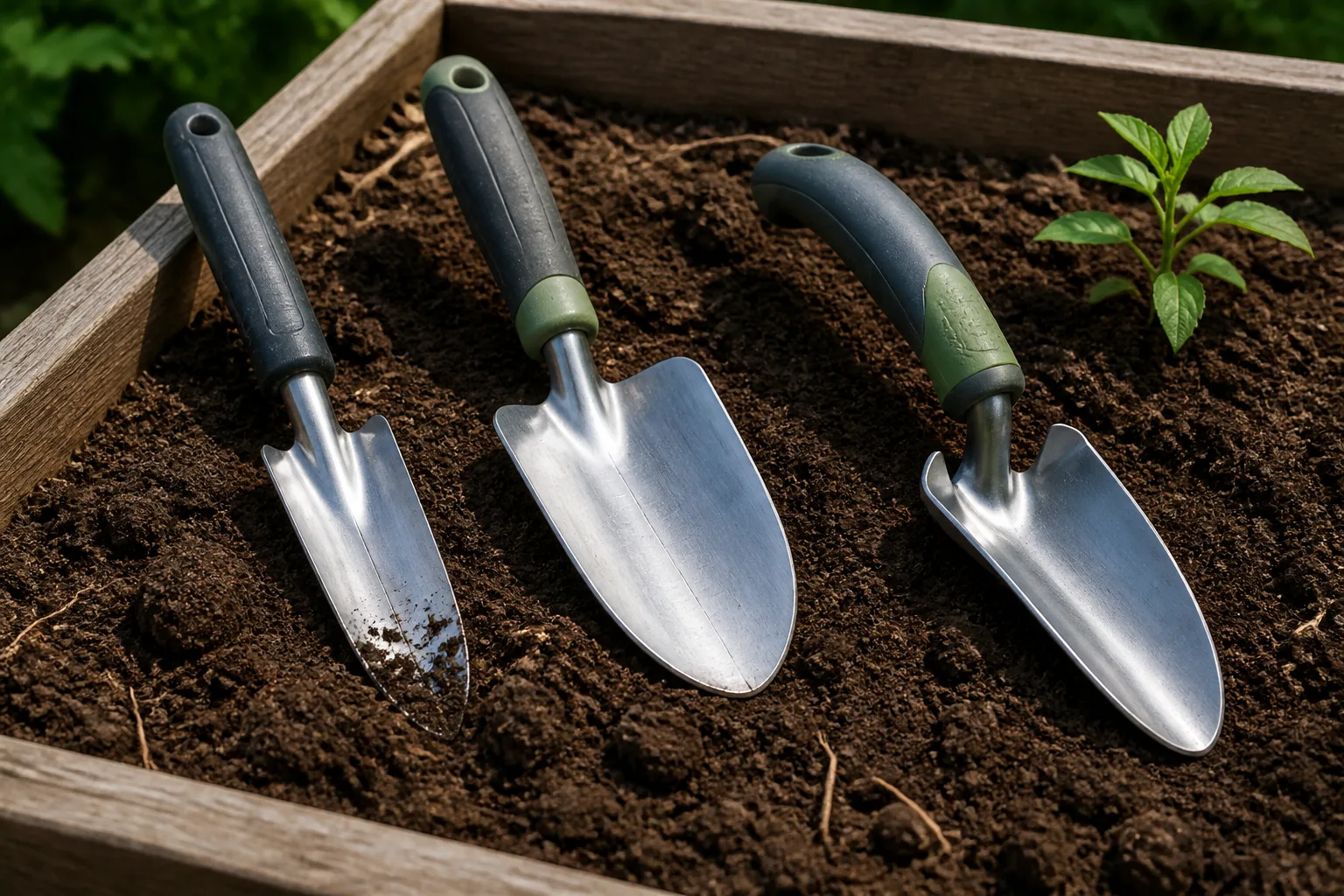
Blade shape determines how the force from your hand reaches the soil. A pointed or spear blade concentrates pressure at the tip, making it useful for firm soil, small holes, bulbs, and weeds with a central root. A rounded blade spreads the load and carries a neat scoop of mix, which is helpful in containers and around fragile root balls. A square or broad blade opens a wider hole quickly but may be less precise beside crowded stems.
Use this decision rule: if you usually make holes narrower than the width of your palm, favor a pointed blade. If you move handfuls of potting mix, favor a rounded scoop. If your soil is firm and your work spans containers and beds, choose a pointed or broad blade with a grip that lets you press without twisting your wrist.
Do not use sharpness as permission to cut through roots. A pointed trowel is for entering soil where you have checked the planting zone, not for forcing a path through a root ball. When a plant is already established, open the hole just outside the root mass and widen it with a rocking motion.
Choose handle comfort and size
Handle comfort is not just “soft versus hard.” The diameter, curve, texture, and angle change where pressure lands in your palm. A compact straight handle gives precise fingertip control but can create a pressure point. A thick ergonomic handle spreads force across more of your hand, though it may be hard to grip securely if your hand is small.
Before buying, imagine three positions: pushing the blade into firm soil, scooping loose mix, and carrying the tool with a wet glove. Your thumb should be able to brace the handle without reaching, your fingers should wrap without squeezing, and your wrist should stay close to straight. If you feel yourself bending the wrist sideways to keep the blade level, the handle geometry is working against you.
Weight also depends on the job. A 6.4-ounce tool such as the Radius or Fiskars is easier to repeat for a long planting session. A heavier 8.5-ounce tool such as Edward Tools can feel more planted in compact soil, but that advantage disappears if the extra mass makes you lift and reset the tool hundreds of times. Short jobs reward precision; long jobs reward a comfortable contact point.
Stainless steel, carbon steel, or aluminum?
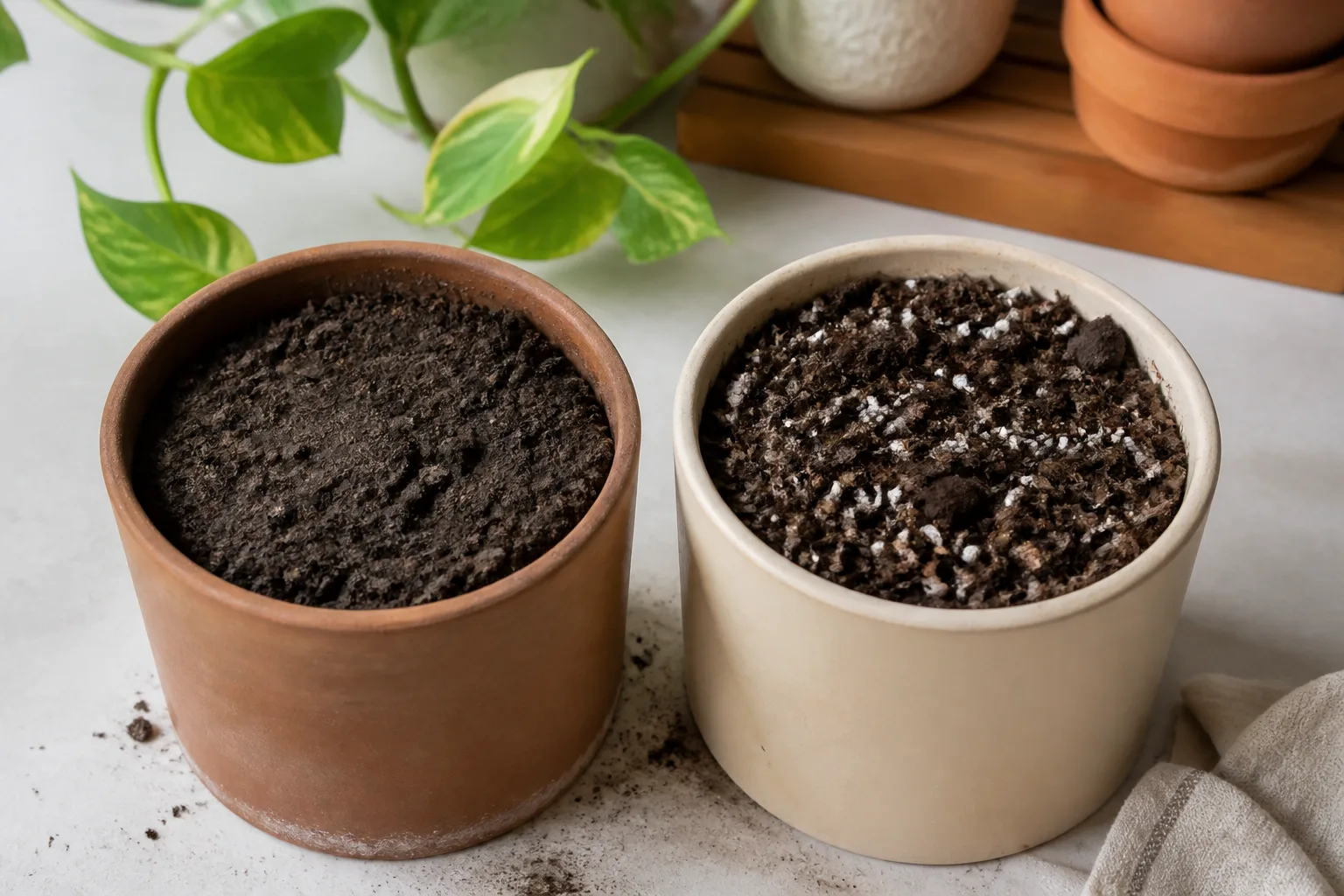
Stainless steel is the low-fuss choice when you want a blade that resists rust and tolerates repeated contact with damp soil. Wilcox and Burpee use stainless-steel blades in this comparison. It is a strong default for a tool that may live in a potting shed, though “stainless” does not mean you should store it muddy or wet.
Carbon steel can provide a tough digging edge, but it benefits from prompt cleaning and drying. The Edward Tools specification combines carbon and stainless steel, so treat the tool as durable rather than maintenance-free. If you garden in wet conditions or routinely leave tools outdoors, a quick rinse, brush, and dry wipe will matter more than a material label alone.
Aluminum keeps weight down and resists rust, which is why Radius and Fiskars are appealing for repeated work. Aluminum can be a good fit when hand fatigue is your main concern. Material does not tell you how sharp, thick, or well-supported a blade is, however; inspect the blade-to-handle joint and choose the shape that matches your soil.
How to use a garden trowel without damaging roots
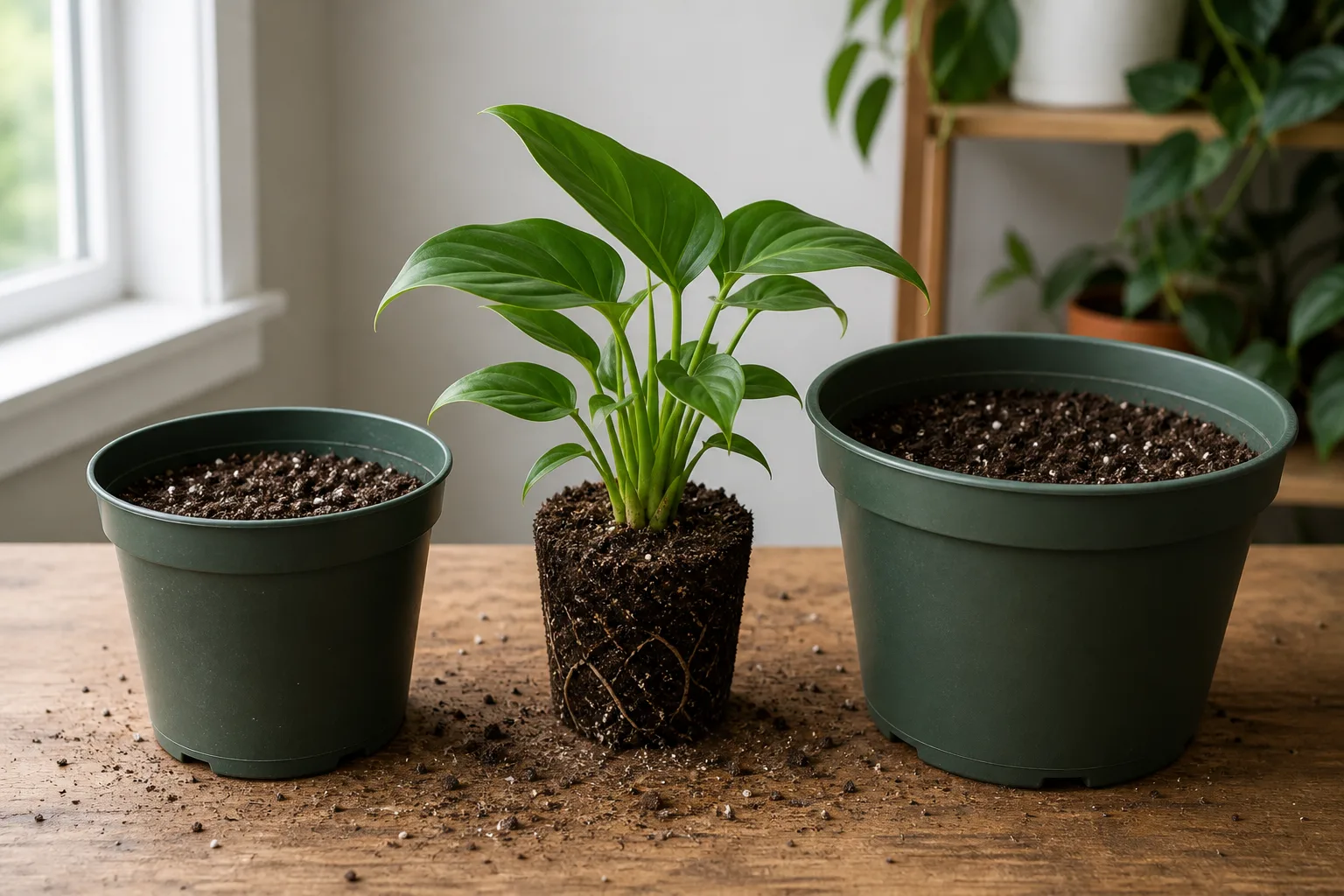
For a seedling or small plant, use the trowel in a sequence that protects the roots rather than treating it like a miniature shovel:
- Check moisture first. Soil that is slightly moist holds together; bone-dry mix collapses around a root ball, while saturated soil smears and hides the hole’s shape.
- Open the hole wider than the root mass. Use the blade tip to mark the center, then rock the trowel gently to widen the sides. Do not stab repeatedly beside the stem.
- Set depth with the root crown in mind. The top of the root ball should sit at the surrounding soil level unless the plant has a specific planting requirement. Depth markings help, but the plant’s crown is the final reference.
- Support the plant, not the leaves. Hold the root ball or the lower stem while guiding soil around it. Leaves bend and tear more easily than the stem base.
- Backfill in small lifts. Use the rounded or flat side of the blade to push soil into gaps, then settle it with your fingers. Avoid packing hard enough to erase air spaces.
For repotting, a rounded blade is usually easier to control because you can carry mix without scraping a root ball. For bulbs, a pointed blade and depth marks help create repeatable holes. Prepare a defined planting trench before setting bulbs, and use the plant’s recommended depth rather than treating the trowel ruler as a universal setting.
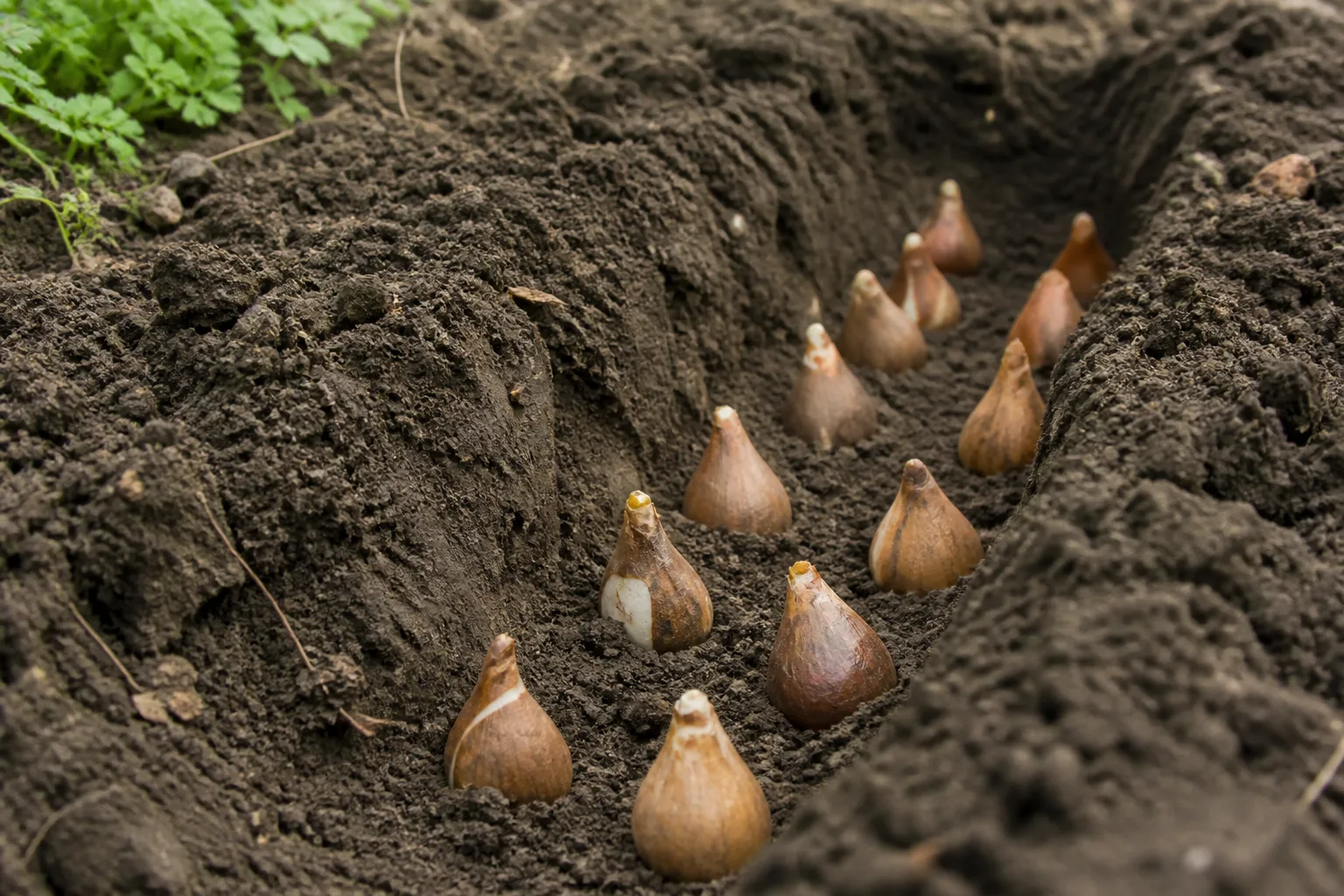
Water after planting according to the plant’s needs, not just because soil was disturbed.
Where each trowel works best
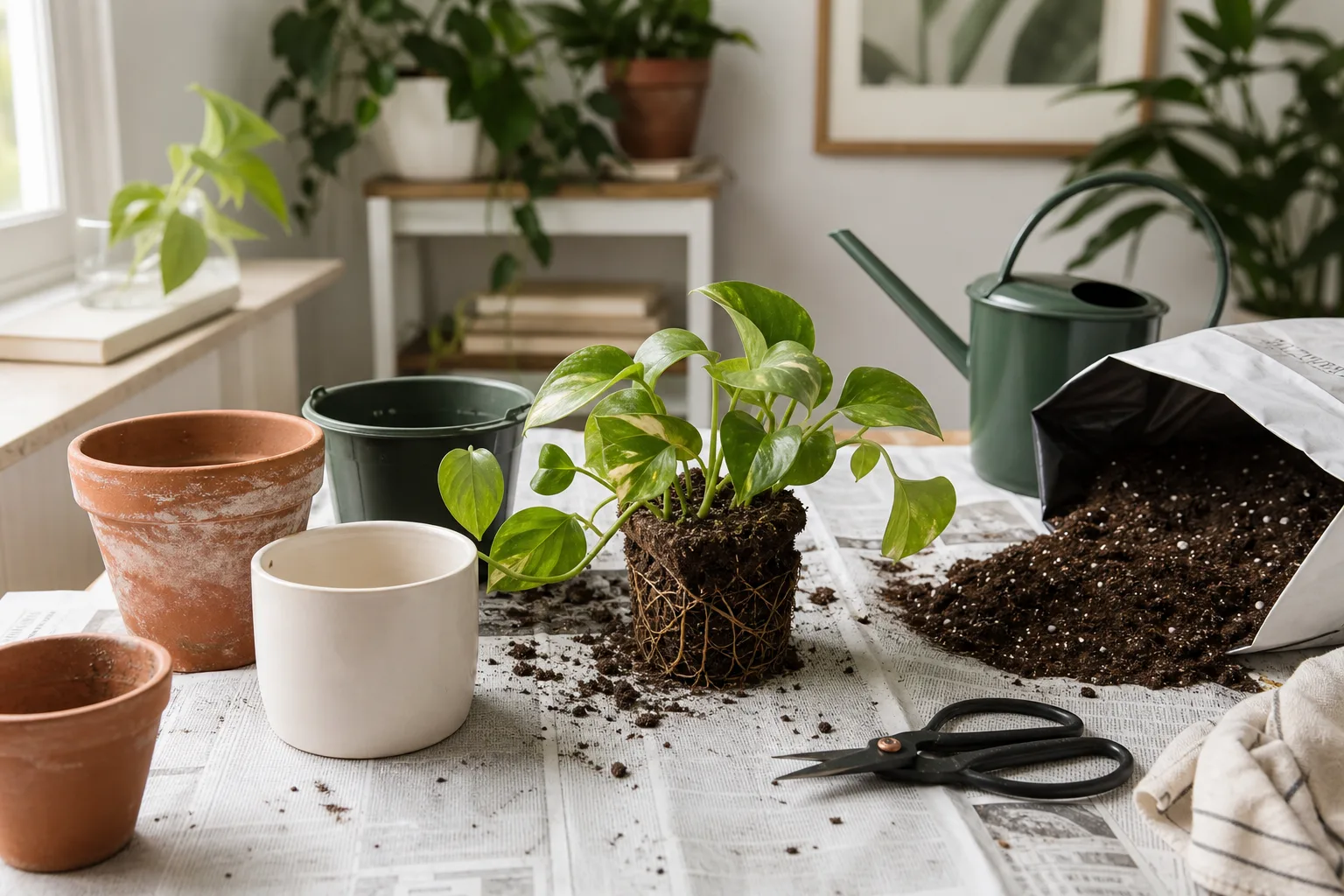
Container gardening: Favor a rounded or broad blade that moves potting mix without spilling. Burpee is the most natural fit here, while Edward Tools is useful when the mix has compacted or roots have filled the pot. A narrow spear works too, but it may take more scoops to fill a wide container.
Raised beds: Choose the balance of penetration and comfort. Fiskars handles ordinary bed work with a pointed blade and cushioned grip; Radius is a better choice when you will spend a long time moving from plant to plant. Wilcox is helpful where soil is firm and holes need to be precise.
Bulbs and seedlings: Pointed blades and depth markings are valuable because the job depends on consistent depth and a narrow opening. Wilcox is the clearest match. Use the tip as a guide and widen the hole rather than twisting hard against the bulb or root ball.
Weeding: A pointed trowel can loosen a small weed when you can get below the crown, especially in loose soil. Work beside the weed, follow the main root, and lift rather than chopping blindly. For weeds spreading through a mat of fine roots, a hand fork or dedicated weeder may separate the plant with less soil disturbance.
Houseplant repotting: Comfort and soil capacity matter more than maximum digging force. Burpee’s rounded blade is tidy for scooping mix; Radius is easier on the wrist when you have many pots; Edward Tools helps with root-bound mix but may feel oversized in a small nursery pot.
Garden trowel care that prevents failure
Most trowels fail from neglect at the joint, not from ordinary planting. Soil holds moisture against the blade and can work into the handle connection. After use, knock off loose soil, rinse persistent mud, brush the blade clean, and dry the tool before putting it away.
Store the trowel where air can reach it. A leather strap or hanging hole is useful because it keeps a dirty tool out of a bucket, but do not hang it while the blade is still wet. If you keep tools in a shed, a simple peg or dry tray is enough; the important part is that the blade is not left buried in damp soil.
Inspect the joint every few uses. A blade that rocks, a handle that splits, or a sharp edge with a visible burr is a repair-or-replace signal. Depth marks can fade from abrasion, so wipe the blade clean before relying on them for bulb planting. Sharpening may restore a dull edge, but it will not fix a loose handle or a blade that has bent out of alignment.
When a trowel is the wrong tool
A hand trowel is not a miniature answer to every garden problem. It is the wrong tool when the ground is so hard that you must use your whole body weight, when a weed has a deep taproot that needs a long weeder, or when roots fill an entire bed and you need a fork to lift a larger section without cutting it into pieces.
Use a hand fork to loosen a dense mat of fine roots or remove debris between plants. Use a dibber for very small seed holes when a blade would remove too much soil. Use a larger shovel for moving more than a few scoops, and stop using a trowel as a pry bar if the handle or joint begins to flex.
The safest limit is simple: if you cannot see what the blade is entering, slow down. Rocks, irrigation lines, thick roots, and buried edging can all turn a short planting job into a damaged tool or damaged garden. Clear the area, change the angle, or switch tools.
Testing notes and recommendation limits
The comparison behind these picks looked at sharpness, maneuverability, sturdiness, handle comfort, performance in containers and beds, work in compacted or rocky soil, storage, and value. Those are the right categories for a hand tool because a trowel spends its life moving between different jobs rather than repeating one controlled cut.
The product-specific details here come from the supplied hands-on test notes and their listed specifications. They are useful for comparing the five models, but they are not a promise that every gardener will have the same experience. Hand size, glove thickness, soil moisture, bed condition, and whether you store tools outdoors can change the best choice.
Measurements are not complete for every model, and prices are omitted because retail figures change. Treat “best overall,” “most comfortable,” and similar labels as use-case shorthand. The most durable blade is not the most comfortable grip, and the most comfortable grip is not necessarily the easiest to store. Choose the trade-off you will notice every time you garden.
Conclusion
The Wilcox 10-Inch All-Pro Fine Point Trowel is the best one-tool starting point for most gardeners because its pointed stainless-steel blade, depth marks, durable construction, and hanging strap cover the widest range of small jobs. Its hard plastic handle is a real limitation for long sessions, so choose Radius Garden when hand comfort comes first or Fiskars when you want a cushioned grip with easy storage.
Choose Burpee for attractive, rounded-blade potting and transplant work, and choose Edward Tools when a broad, comfortable, budget-friendly blade matters more than low weight. Whichever trowel you buy, match its shape to the soil, open holes beside roots instead of through them, and clean and dry the blade after use. Those habits will do as much for the tool’s service life as the material stamped on the blade.