Taylor Swift Engagement Garden Plants Explained
Florists identified limelight hydrangeas, peonies, delphinium, and smilax in Kelce's backyard proposal—here is how the enchanted garden worked and how to copy it.
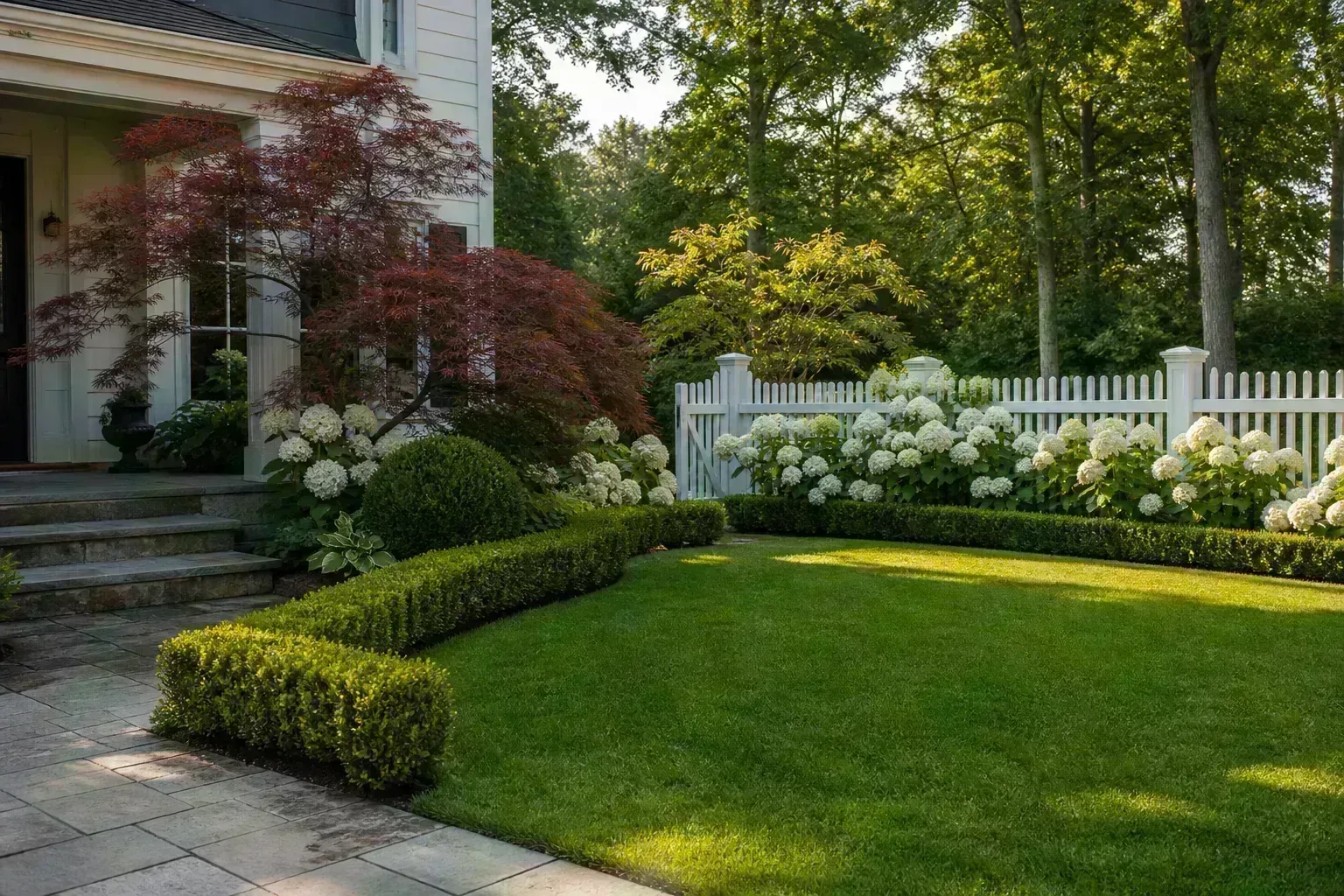
Taylor Swift and Travis Kelce’s engagement photos did not go viral because of a ring close-up alone. The backyard read like a fairytale set—white and blush blooms, mossy greens, stone and river rock, a domed structure dripping with vines, and two oversized urns framing the moment. If you have been zooming in trying to name the plants or wondering whether your yard could ever look like that, you are asking the right questions. The magic is real, but most of it is event floriculture, not a mystery garden Travis has been quietly deadheading for years.
Below is a horticulture-first breakdown of what florists identified in the photos, what the install likely cost, how professionals sync blooms for a single evening, and realistic ways to borrow the look—from a $600 corner to a full pro build.
What We Actually Know About the Proposal Setting
The August 26 Announcement and Backyard Location
Swift and Kelce announced their engagement on Tuesday, August 26, 2025, in a joint Instagram post with multiple photos from the proposal. The setting was Travis Kelce’s backyard—a private residential landscape in the Kansas City area, not a public botanic garden you can visit on vacation. That matters for two reasons: the photos show a one-night floral production layered onto an existing yard, and any recreation plan you copy at home should assume temporary staging plus a few permanent backbone plants, not an instant mature woodland.
Florist Ashley Greer of Atelier Ashley Flowers, who spoke with PEOPLE about the install, described the scene as an “enchanted garden” built among August forest trees, pulling imagery from Swift’s songwriting palette—willow, ivy, and roses among the symbolic notes (PEOPLE). Greer estimated 800 pounds of greenery, roughly 1,200 roses, and at least 1,000 additional blooms in the overall design. The total floral and decor budget likely reached up to $38,000—a figure that sounds shocking until you itemize a 20-foot metal dome, crew labor, and thousands of stems delivered at peak freshness.
Why the Garden Read as “Enchanted” Instead of Just Expensive
The White-and-Pink Cottagecore Color Story
The photos skew white, blush, peach, and soft green—a restrained romantic palette instead of a rainbow mixed border. That discipline is why the scene feels like a storybook rather than a garden center clearance rack. Designers call this cottagecore with fairytale elevation: loose natural forms (ferns, trailing smilax, meadow-style ground cover) paired with formal bones (boxwood edging, massive urns, symmetrical path framing).
If you want the same emotional hit in your yard, pick one light color family and repeat it. Three pink hydrangea cultivars plus orange marigolds will not read the same as an all-white and blush scheme with green texture doing the contrast work.
Layered Structure: Arboretum, Urns, and Ground Install
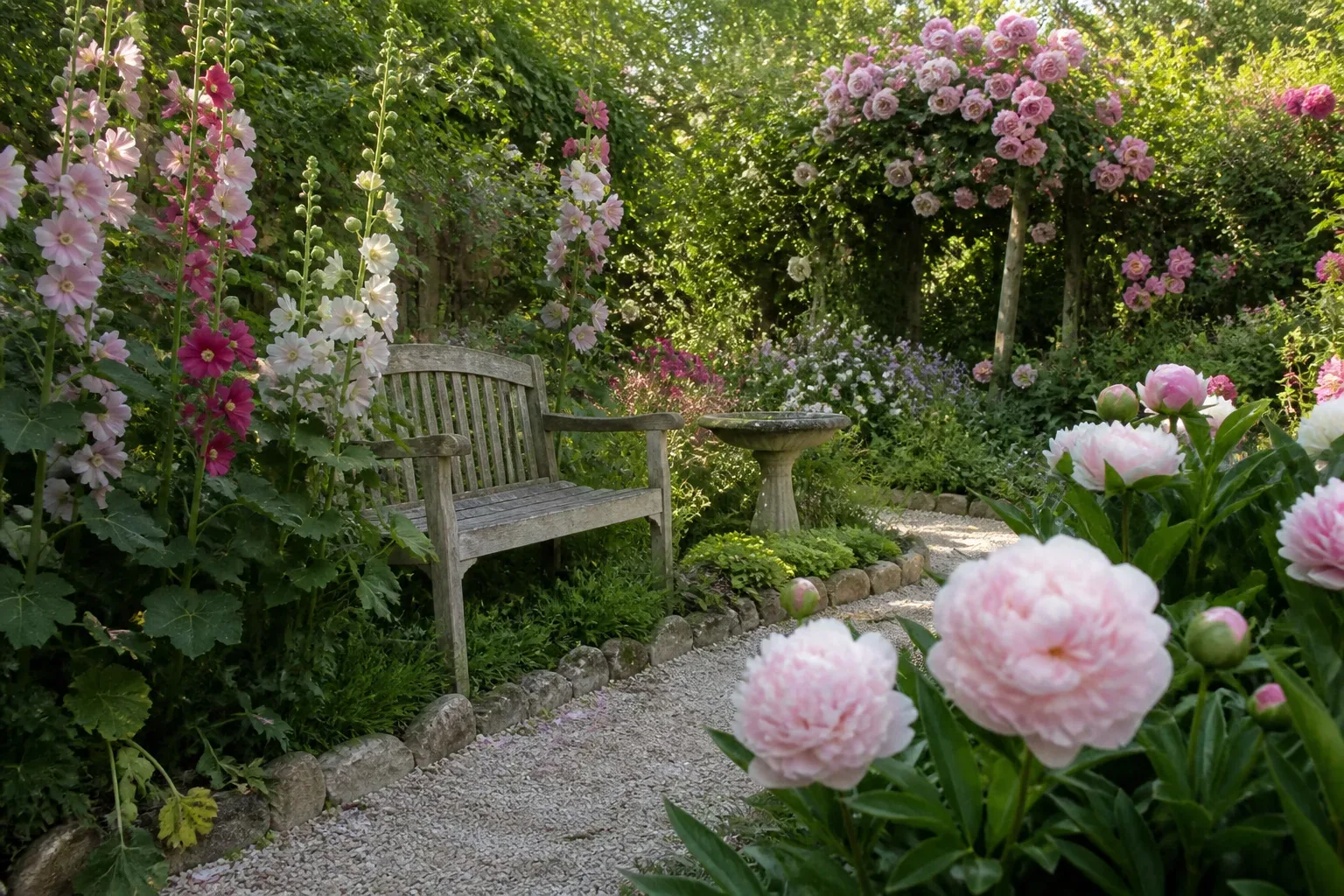
Greer told PEOPLE the composition centers on a 20-foot domed arboretum—metal framework wrapped in southern smilax, moss, and vines with garden roses, anemones, lilies, and candles woven through (PEOPLE). That vertical room sets the scale. Two large concrete planters anchor the midground, while a ground installation of boulders, river rock, ferns, and pocketed roses creates a meadow floor where Kelce knelt. Boxwood and lily line the path edges. Your eye travels up (dome), out (urns), then down (ground plane)—classic event design sequencing that smartphone photos still read clearly.
The Floral Budget Breakdown Florists Estimated
Greer placed the domed structure alone at roughly $18,000 to $30,000, depending on the floral company and build location (PEOPLE). That range covers engineered metal, onsite assembly, labor to zip-tie greenery, hydration for cut material, and the premium of hundreds of roses wired at height. Smilax and moss give softness; roses and anemones supply focal color; candles add warm point light after dusk. This is not a pergola you buy online—it is a temporary botanical building.
Each urn arrangement—limelight hydrangea, secret garden roses, delphinium, and pink surprise lilies—likely ran $1,000 to $3,000 per vessel (PEOPLE). The ground installation (boulders, river rock, white duchess peonies, white scabiosa, ferns, rose pockets, and path framing) was estimated at $4,000 to $5,000. Add those bands to the dome and you are already near the upper total before delivery fees, overtime crew, and last-minute stem upgrades. The takeaway for home gardeners is not despair—it is line-item clarity. You can buy the composition logic without buying two thousand stems.
Every Flower and Plant Spotted in the Engagement Photos
Limelight Hydrangeas and Late-Summer Panicle Color
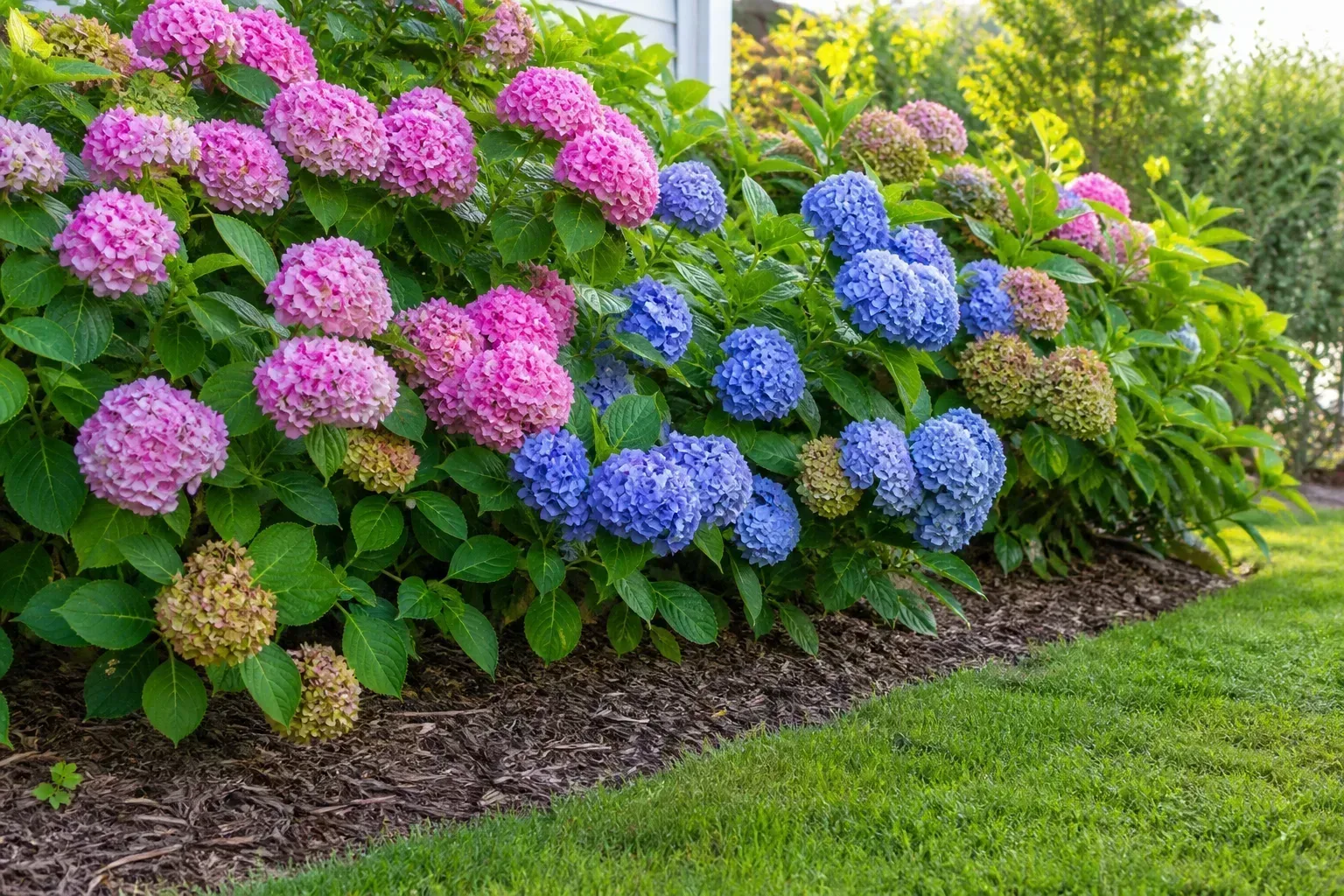
The urns and surrounding plantings prominently feature ‘Limelight’ panicle hydrangea (Hydrangea paniculata ‘Limelight’), one of the few hydrangeas that blooms on new wood and peaks summer into fall. NC State Extension notes panicle hydrangeas are more sun-tolerant than bigleaf types, prefer morning sun with afternoon shade, and produce large creamy cones that age toward pink as autumn nears (NC State Extension). That late-season performance explains why limelight reads so white in August photos while many mopheads have already faded.
Limelight also photographs extra pale in soft evening light and when clustered with white roses—another reason the install looked almost unreal. For a permanent yard in USDA Zone 5–8, limelight is a legitimate backbone shrub if you have space (often 8–15 feet tall if unpruned). Prune in late winter for size; blooms do not depend on last year’s wood.
Peonies, Delphinium, and Surprise Lilies
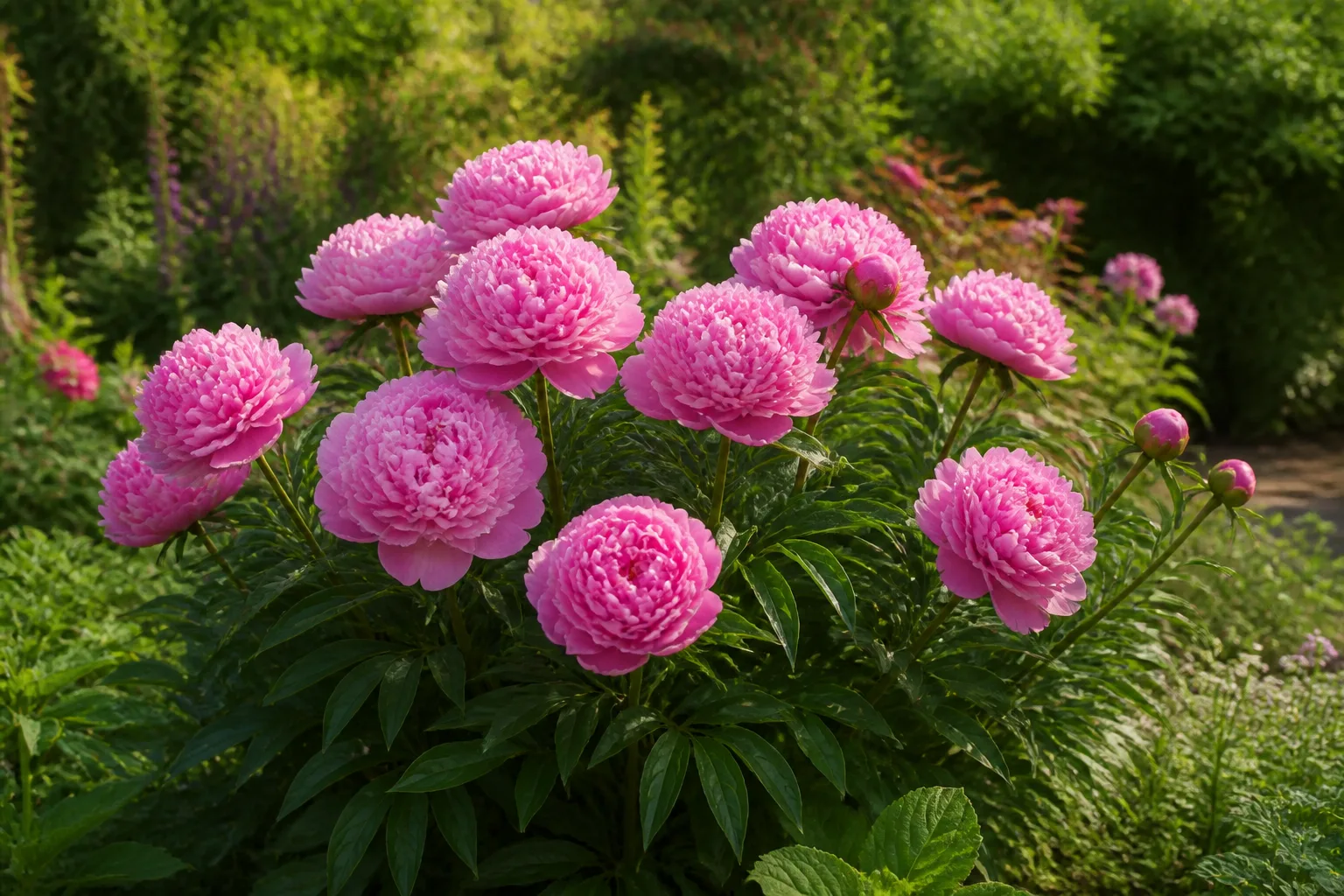
Greer identified white duchess peonies in the ground plane and delphinium in the urns (PEOPLE). Here is the horticulture reality check: herbaceous peonies bloom late spring to early summer in most Midwestern gardens, and the RHS warns that planting too deep suppresses flowers for years—buds should sit no more than 1 inch below soil (RHS). Delphinium prefers cool springs and often finishes its first flush before August heat. So those perfect August peony bowls in the kneeling zone were almost certainly cut stems or container plants swapped in for the event, not a peony border that happened to peak on proposal night.
Pink surprise lilies (Lycoris spp.), by contrast, are famous for late-summer naked-stem blooms—foliage in spring, flowers appearing alone in August. That timing aligns naturally with the announcement date and makes them one of the few “surprise” elements that could be genuinely seasonal in Kansas City (Zone 6a/6b). If you want honest late-summer magic without forcing peonies, surprise lilies plus panicle hydrangea is the pairing to study.
Garden Roses, Anemones, and Trailing Greenery
Greer’s stem list includes garden roses, anemones, and lilies woven through the dome, plus 1,200 roses overall (PEOPLE). Event roses are often grown in greenhouses for uniform heads and harvested days before install. Anemones (likely Anemone coronaria or hybrid cut types) give that open, storybook center—excellent in photos, short-lived in vases without cool storage.
Southern smilax (Smilax smallii and related species in the trade) is a trailing evergreen vine florists drape for weddings—not a plant most homeowners train as a permanent wall cover in cold climates. It is chosen because it bends, bundles, and hides mechanics. For a DIY version, combine ** seeded eucalyptus, ivy (where invasive laws allow), and maidenhair fern** in moist floral foam—same silhouette, smaller scale.
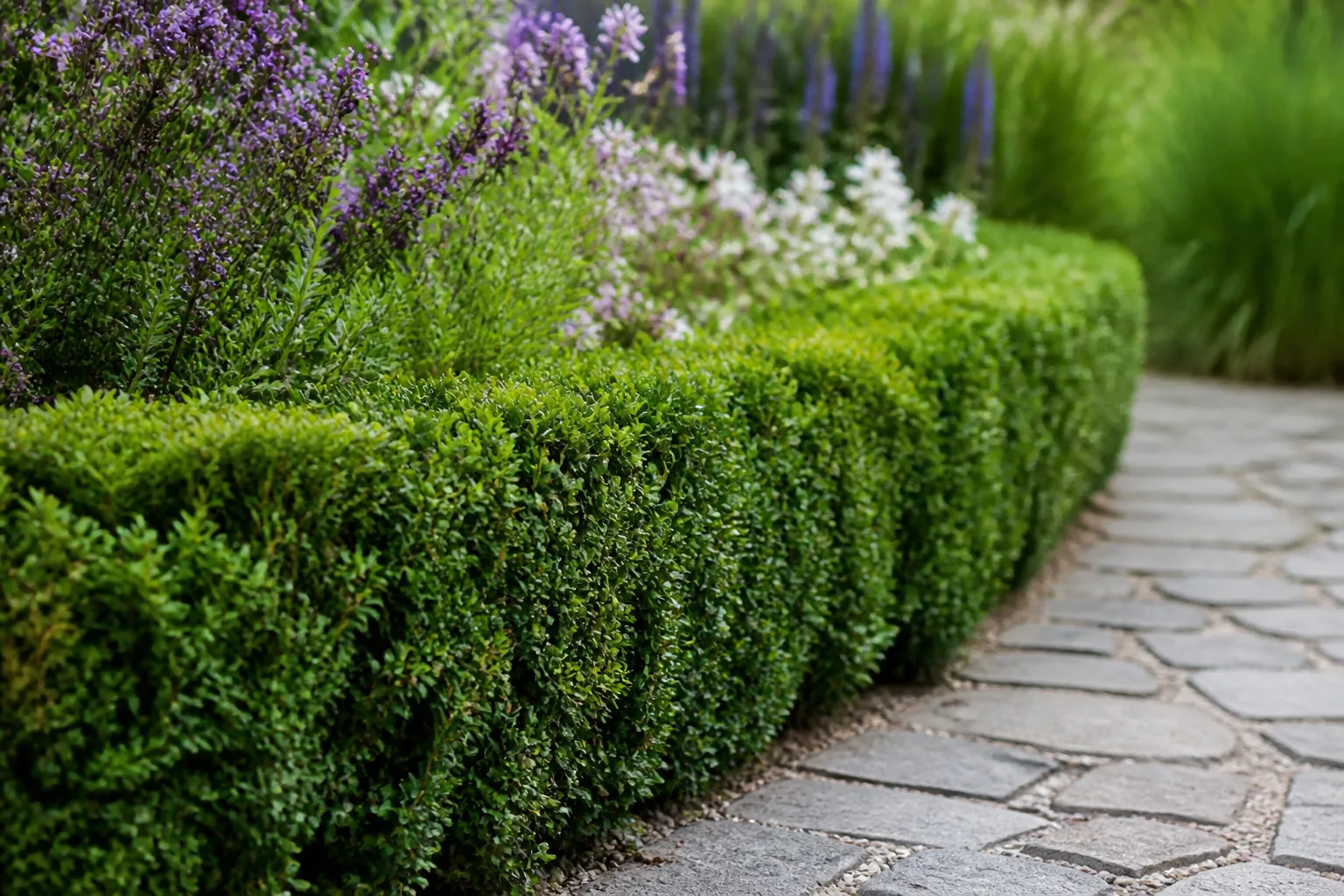
Path framing with boxwood and lily adds crisp geometry against loose meadow planting. Boxwood is the classic evergreen edging designers use when they want paths to read formal in photos; NC State and other extension guides treat Buxus as structure, not filler. White scabiosa (pincushion flower) supplies airy texture at knee height—perfect for breaking up massed roses without new colors. Ferns bridge hardscape (boulders, river rock) and soft blooms, mimicking woodland edge ecology. None of these require celebrity budget individually; they require repetition and spacing so the camera sees rhythm instead of clutter.
How They Got So Many Plants Blooming at Once in Late August
Event Florals vs. Permanent Landscape Beds
The usual backyard guess—“Did he plant everything three months ago?”—misses how luxury events work. Professionals combine four tools: (1) stems bought in bud from wholesalers, (2) potted greenhouse plants dropped into beds for 24 hours, (3) seasonal field crops at natural peak, and (4) preserved or dyed material where needed. Hydrangea and surprise lily can be legitimate August performers in Kansas City. Peonies and delphinium in the kneeling zone behave like florist product, not synchronized perennial borders.
After the proposal, much of the cut material does not transplant into long-term beds. Some urn shrubs might get planted if roots are intact, but thousands of rose stems and dome wiring are compost or waste—plan accordingly if you are eco-minded and copying at home.
In late August in Zone 6, you can reliably build around panicle hydrangeas, surprise lilies, late summer lilies, annual white scabiosa or zinnias, and repeat-blooming roses if irrigated through heat. You cannot honestly promise peony and delphinium peaks without buying cut flowers or accepting forced greenhouse pots you will remove later. Naming that gap is what separates useful garden writing from fan fiction—and it saves you from planting peonies deep in August and wondering why nothing happens next May.
For ongoing hydrangea performance after the party, see our guide on keeping shrubs from wilting through summer heat at /guides/how-to-keep-hydrangeas-from-going-limp/.
Recreate the Enchanted Garden at Three Budget Levels
Tier 1 — Proposal Corner in a Weekend ($500–$1,500)
Pick one tree or fence corner instead of a 20-foot dome. Buy or rent a simple arch, wrap it with grocery-store smilax alternatives (eucalyptus, ivy), and add two thrifted concrete urns filled with one limelight hydrangea each plus inserted cut peonies and delphinium from a florist bucket.
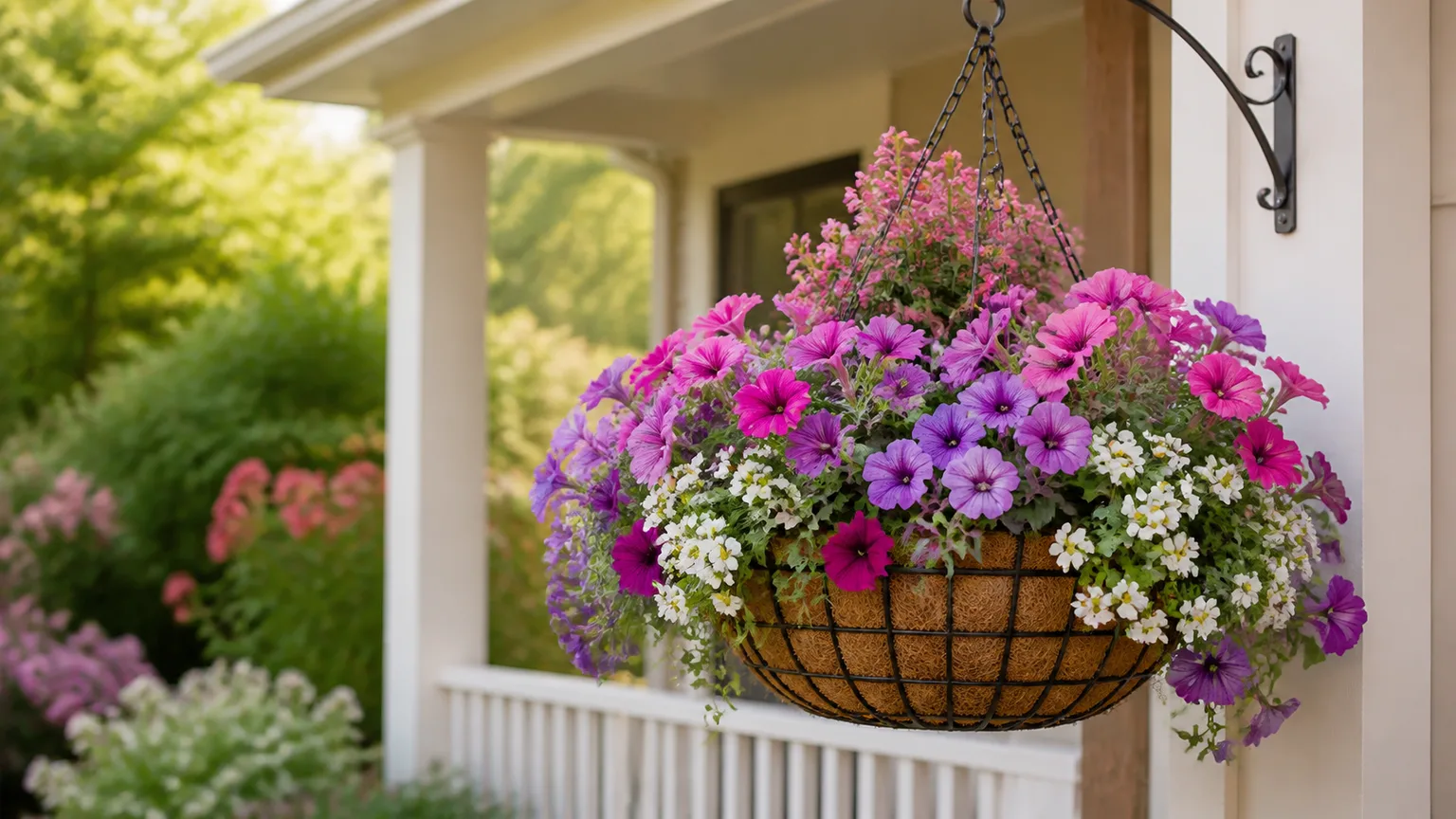 Line the ground with landscape fabric, river rock, and potted ferns you will keep afterward. Battery candles in lanterns beat open flame for neighborhood safety. This tier buys composition, not stem count.
Tier 2 — Backyard Garden Party ($3,000–$8,000)
Hire a local event florist for a partial dome or hoop structure (10–12 feet), 800–1,200 premium stems, and delivery/day-of install. Invest in repeatable hardscape: boulders, a gravel path, and boxwood balls you keep after roses are composted. Plant one limelight hydrangea and a surprise lily bed this fall so future anniversaries bloom on their own. At this tier you are building 60% reusable garden bones, 40% fresh flowers.
Tier 3 — Full Pro Install ($15,000 and Up)
This mirrors the celebrity math: engineered dome, crew of four or more, 2,000+ blooms, hardscape ground cover, and candle service. Book 8–12 weeks ahead, insist on a site walk, and require a weather plan (fans, mist, weighted bases). If you are not proposing to a global audience, Tier 2 plus excellent photography lighting will look identical on Instagram for a tenth of the cost.
For permanent structure plants that read luxe year-round—not just event night—study massing and repetition in /guides/plants-that-make-yard-look-more-expensive/.
Design Moves Worth Copying Without the Stadium Budget
Urns, Trellis, Benches, and Safe Outdoor Lighting
You do not need Kelce’s square footage to steal the feeling. Scale down to a bench tucked into a vine-covered corner, two matching urns on either side of a path, and one overhead element (arch or chandelier branch) to frame faces in photos. Keep pillows neutral—blush, ivory, sage—and let flowers carry color. Repeat one rose variety in both urns so the scene feels intentional instead of leftover wedding aisle mix.
The engagement dome integrated candles among fresh greenery—gorgeous and risky. Open flame near dry moss, smilax, and August wind is how venue insurance nightmares start. Use LED candles for anything above head height or within 24 inches of foliage. If you must use real flame, keep it in enclosed lanterns on gravel, assign a fire watcher, and check local burn ordinances. Never hang unprotected tealights in a vine tunnel you plan to leave unattended while changing clothes or eating dinner.
Common Mistakes When Copying a Celebrity Floral Install
Planting peonies in August and expecting spring blooms is the most common error—fall is for bare-root peony division, not midsummer sod swaps. Mixing too many colors turns cottagecore into carnival. Skipping structure (boxwood, path edge, urn symmetry) makes loose flowers look messy instead of enchanted. Under-watering inserted pots during a hot afternoon proposal wilts hydrangea heads faster than almost any other mistake—pre-soak foam, mist panicles, and shade the setup until the moment. Finally, ** believing the photos show a maintained private garden** sets unfair expectations; even Kelce’s yard likely returned to normal lawn and trees within days, with photos preserving the one evening the florists owned the clock.
Conclusion
The Taylor and Travis engagement garden stuck in our heads because it nailed color discipline, vertical scale, and layered texture—then backed the fantasy with serious floral logistics and a budget most of us will never spend. You can still learn from it: limelight hydrangeas and surprise lilies for honest late-summer bloom, cut peonies and delphinium for the fairytale moment the calendar will not give you for free, and boxwood plus stone to keep the story readable in pictures. Start with one corner, build reusable bones, and rent the drama on the stems you cannot grow. That is how an enchanted garden becomes yours—not a screenshot you envy once a year.