42 Prettiest Flowers in the World to Grow
Discover 42 of the prettiest flowers in the world, with practical advice on light, soil, watering, seasons, containers, and pet safety.
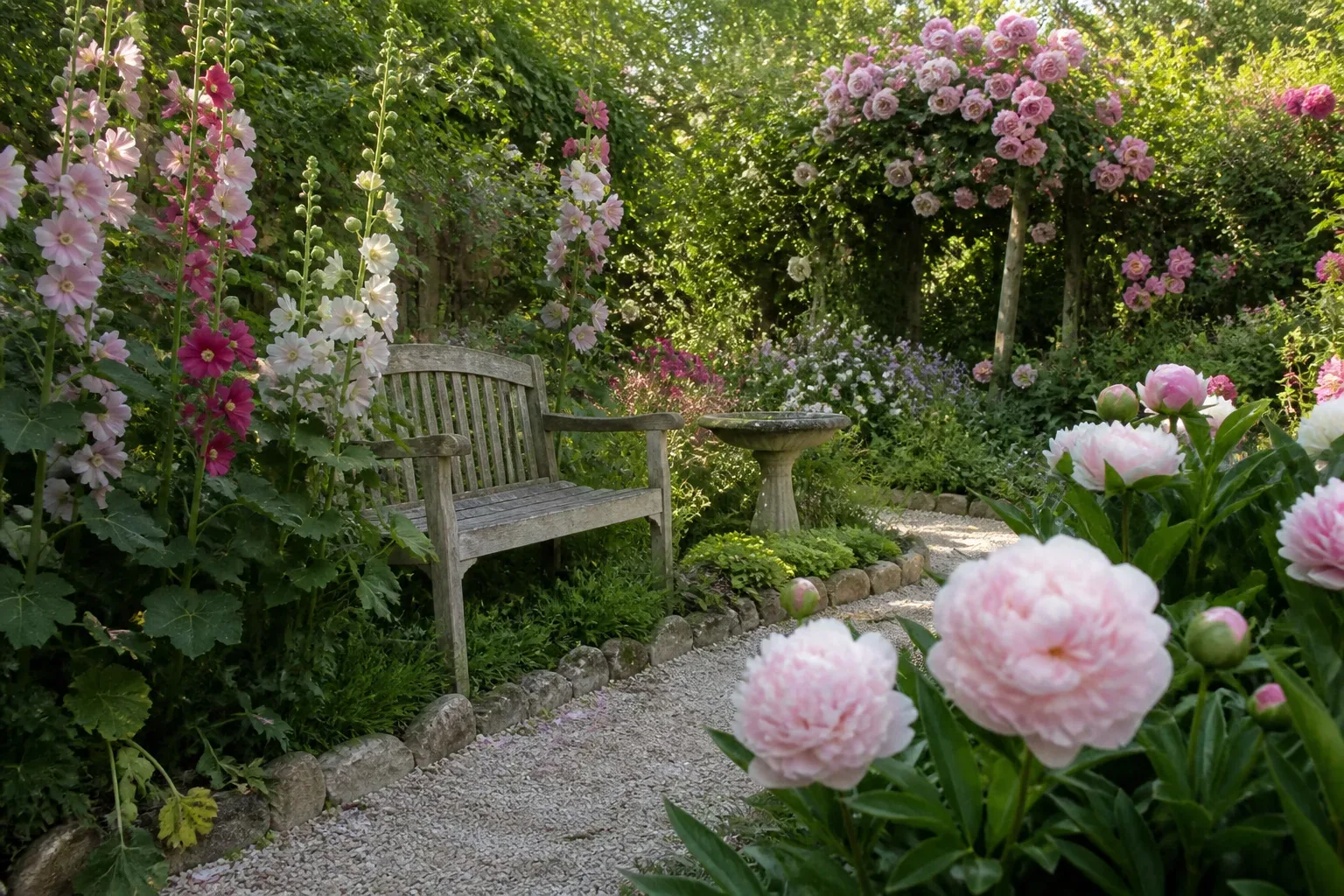
There is no single winner for the title of prettiest flower in the world. A dinner-plate dahlia wins on scale, a jasmine-like orchid wins on detail, a rose wins on scent and romance, and a water lily wins by making a pond look painted. The better question is: which flower has the look you love and the conditions you can reliably provide?
This list keeps the visual pleasure but adds the decision that makes a garden succeed. For each flower, look for the practical constraint in bold: sun, shade, drainage, winter protection, support, water depth, or patience. Hardiness-zone numbers are useful for comparing cold tolerance, but they are not a complete climate report; check the USDA Plant Hardiness Zone Map alongside your local frost dates, summer heat, rainfall, and soil.
Use a conditions-first shortlist
Before buying the flower that stopped you in a photograph, write down four facts about your site: the number of hours of direct sun, whether soil drains within a day, the coldest winter conditions, and how much space the mature plant can occupy. This simple check eliminates the most expensive mistake in ornamental gardening: buying a plant for its bloom and discovering that its roots, crown, or winter habits do not match the garden.
The other useful distinction is plant type. Annuals give fast color but usually need replanting; perennials return but may take a season to establish; biennials such as foxglove and hollyhock often flower in their second year; bulbs, tubers, and rhizomes store energy underground; shrubs and vines need room and structure; water plants need a container or pond designed for them. The RHS guide to perennials makes the same core point from a different angle: there are perennials for almost every combination of sun, shade, wetness, and dryness, but the match matters.
42 flowers worth growing
These are not ranked from one to 42. They are arranged by the job they can do in a garden, because a beautiful planting is usually a composition of shapes, heights, foliage, and bloom times rather than a single specimen.
Statement blooms and cut-flower stars
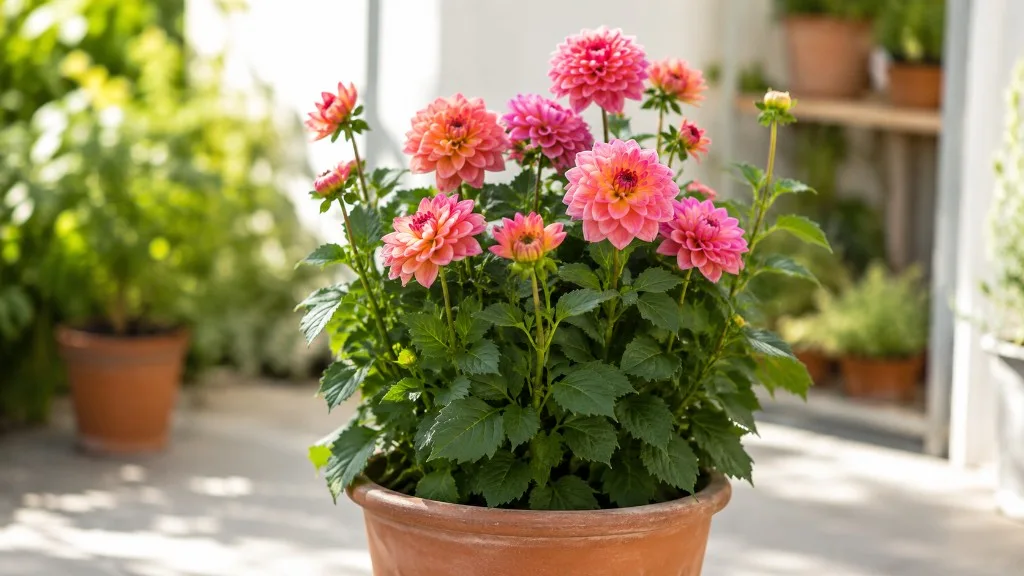
1. Dinner plate dahlia (Dahlia hybrids). Few flowers create instant drama like a giant dahlia, but the largest blooms require more than admiration: give them full sun, fertile well-drained soil, regular moisture, and support for tall stems. In cold climates, lift and store the tubers after frost; in a cut-flower garden, pinch the growing tip early and disbud later if you want fewer, larger flowers. The RHS dahlia guide and BBC Gardeners’ World dahlia advice both treat dahlias as long-blooming but frost-tender plants, which is the trade-off behind their spectacular display.
2. Bearded iris (Iris germanica). The falls, standards, and fuzzy “beard” make this one of the most graphic flowers for a sunny border. Plant the rhizome shallowly in free-draining soil; deep planting and wet winter soil are common reasons an iris stops flowering. Divide crowded clumps every few years, using the RHS border-iris guide as a reminder that sun and drainage matter more than rich feeding.
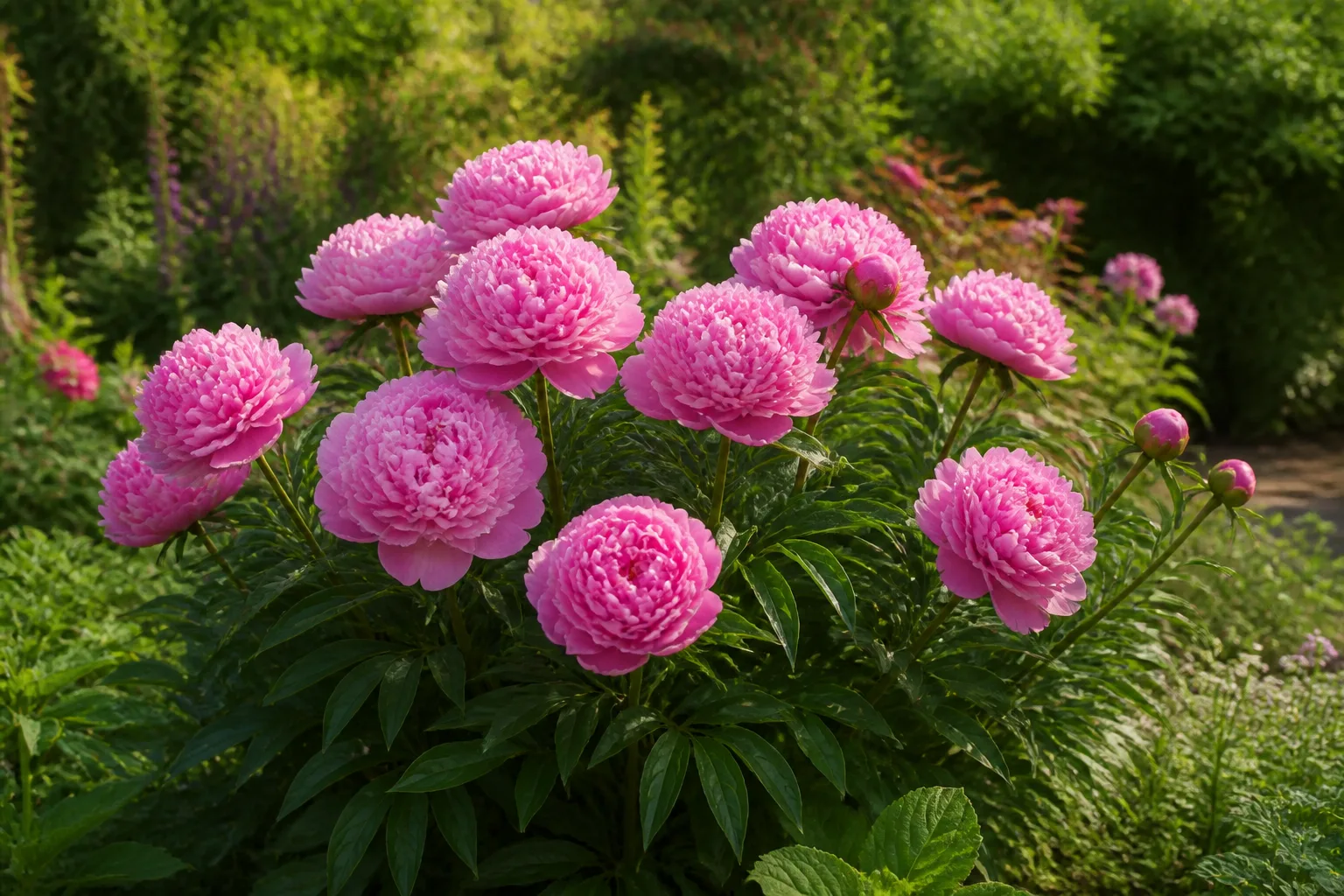
3. Peony (Paeonia spp.). Peonies repay patience with lush foliage and enormous, often fragrant blooms that can live for decades in the right spot. Choose full sun or light shade depending on species, improve poor soil with organic matter, and keep the eyes of herbaceous peony divisions close to the surface; planting too deeply is a classic reason for leafy plants with no flowers. Give heavy double blooms a support ring before they open.
4. Parrot tulip (Tulipa Parrot Group). Twisted, feathered petals make parrot tulips look almost hand-painted. Plant firm bulbs in well-drained soil in autumn, let the foliage yellow naturally after bloom, and treat many parrot types as short-lived accents rather than guaranteed permanent clumps. The RHS tulip guide notes that shallow planting and disease-prone bulbs can undermine the display, so buy firm, healthy bulbs and plant them at the recommended depth.
5. Hydrangea (Hydrangea spp.). Hydrangeas offer more than the familiar round mophead: lacecaps, panicles, oakleaf foliage, and smooth hydrangea all give different shapes and seasons of interest. Start with species and cultivar, not color alone; bloom timing, pruning wood, mature size, and soil moisture vary widely. The RHS guide to shrubby hydrangeas is a useful reality check, while Gardeners’ World’s hydrangea guide explains why flower color in some bigleaf hydrangeas changes with soil conditions and is not a simple fertilizer switch.
6. Bird of paradise (Strelitzia reginae). Orange sepals and blue petals emerge from a boat-shaped bract, giving this South African plant its unmistakable bird profile. It needs bright sun, warmth, fertile well-drained soil, and winter protection outside tropical climates; North Carolina Extension’s bird-of-paradise profile lists it as a warm-climate perennial that can also grow as a well-lit container plant. Treat it as a foliage-and-flower investment, not a quick annual.
7. English rose (Rosa cultivars). The best English roses combine layered old-fashioned flowers with repeat flowering and fragrance, but the plant still needs at least several hours of sun, airflow, rich soil, and annual pruning. Choose a cultivar for the space: a compact shrub rose belongs in a border or pot, while a rambler can swallow a small support. The RHS rose guide recommends matching the rose to the site rather than forcing a favorite into shade or waterlogged ground.
8. Zygopetalum orchid (Zygopetalum spp.). Speckled green, burgundy, purple, and white flowers give this orchid an unusually painterly look, and many types are notably fragrant. Grow it in an airy orchid medium, bright filtered light, steady moisture without a stagnant pot, and moderate humidity; protect it from freezing and harsh midday heat. It is a better choice for a sheltered greenhouse, conservatory, or mild-climate patio than for an exposed winter garden.
9. Lotus (Nelumbo nucifera). Lotus flowers rise above the water on strong stems, which is part of the magic: they look architectural rather than merely floating. Give them full sun, a wide heavy container or pond, aquatic soil, and enough room for vigorous leaves and spreading rhizomes. A small decorative bowl is not a suitable long-term home; choose a dwarf cultivar if your water feature is compact.
10. Cherry blossom (Prunus ornamental cultivars). A flowering cherry turns the first warm weeks of spring into an event, then gives useful structure after the petals fall. Plant it where the mature canopy has room, the soil drains well, and roots will not be trapped beside paving or a foundation. Pick a cultivar suited to your winter chill, summer heat, and disease pressure rather than choosing only by the photograph on the tag.
Vertical, unusual, and cool-climate flowers
11. Turkscap lily (Lilium martagon). Pendant flowers with recurved petals and freckles bring an almost woodland-orchid quality to a border. Keep the roots cool and the flowers in sun or bright dappled light, use excellent drainage, and shelter tall stems from strong wind. As with every true lily, check toxicity before planting if cats can reach the garden.
12. Himalayan blue poppy (Papaver betonicifolium; often sold under the older genus Meconopsis). This is the blue flower people dream about and then struggle to grow. It prefers cool summers, consistent moisture, humus-rich soil, and protection from baking afternoon heat; in a hot or dry climate, admire it in a specialist garden rather than treating a failed planting as a personal gardening failure.
13. Delphinium (Delphinium elatum hybrids). Tall spires of blue, violet, or white make delphiniums excellent for the back of a cool-climate border. Plant in rich but well-drained soil, keep moisture steady, and stake before the stems become top-heavy. They look best when given air and sun, but hot, humid summers can shorten their performance.
14. Toad lily (Tricyrtis hirta). Toad lily earns its place in the shade garden with small orchid-like flowers spotted in purple and white when many sun-loving plants are fading. Give it moist, humus-rich soil and partial to full shade, with enough airflow to avoid a permanently wet crown. It is a good choice for a woodland edge, not a dry reflected-heat bed.
15. Foxglove (Digitalis purpurea). Tall spires of tubular blooms are magnets for bumblebees and make a strong vertical rhythm in a cottage garden. Foxglove is commonly biennial, so allow some seedlings to remain if you want flowers in successive years, but plant it with clear boundaries: all parts are toxic if eaten. Poison Control’s foxglove guidance explains why this is a safety issue, not just a label on a seed packet.
16. Cockscomb (Celosia argentea var. cristata). Its folded, brain-like flower heads are impossible to confuse with a daisy or rose. Give it warmth, sun, and well-drained soil; too much rich nitrogen can produce leaves at the expense of the flower texture you bought it for. It is a useful annual for hot borders and containers where a strong sculptural shape is needed.
17. King protea (Protea cynaroides). Protea flowers look spiky, papery, and improbably large because the showy parts are bracts surrounding the small central flowers. They need intense light, very sharp drainage, restrained feeding, and a climate without prolonged hard frost or summer humidity. Do not “improve” a protea bed with heavy compost or constant irrigation; conditions that suit a rose can rot a protea.
18. Love-lies-bleeding (Amaranthus caudatus). Long, hanging tassels bring movement and a deep red accent to an annual bed or large container. Grow it in sun, give it room to spill or arch, and avoid overfertilizing if you want strong color and flower tails rather than a giant leafy plant. If you grow amaranth for food, verify the species and use only clean, unsprayed plants; ornamental use and edible use are not automatically interchangeable.
Climbers, water plants, and warm-climate showstoppers
19. Wisteria (Wisteria spp.). Few vines make a spring entrance like wisteria cascading from a pergola, but its beauty comes with structural responsibility. Use a genuinely strong support, plant in full sun or very bright light, and commit to regular training and pruning. The RHS wisteria guide warns in practical terms that vigorous vines can reach enormous size and that seed-grown plants may take years to flower; buy a named, grafted or cutting-grown plant when predictable bloom matters.
20. Passionflower (Passiflora incarnata). The flower’s corona looks like a miniature clock made of petals and filaments, and the vine can cover a trellis quickly. The native maypop grows in full sun to part shade and well-drained soil, supports several pollinators, and may die back in colder winters. North Carolina Extension notes that the roots can spread aggressively and that the leaves and stems have toxic properties, so give it space and do not treat every passionflower species or fruit as edible.
21. Anemone (Anemone spp.). “Anemone” covers spring windflowers, poppy anemones, and taller Japanese anemones, so check the species before choosing a spot. Most want moist but well-drained soil and some protection from harsh afternoon sun; the reward is a simple, floating flower that softens a border without competing with every plant around it.
22. Daffodil (Narcissus spp.). Daffodils are among the most dependable spring bulbs and come in enough forms to support a whole early-season planting. Set bulbs in autumn in sun or light shade, let the leaves remain until they yellow, and use clumps through grass, borders, or containers. The RHS daffodil guide recommends planting bulbs at roughly three times their height and explains why early leaf removal reduces future flowering.
23. Hibiscus (Hibiscus spp.). Tropical hibiscus gives large, saturated flowers in warm climates, while hardy hibiscus and rose of Sharon extend the look into colder gardens. Identify the type before planting: tropical hibiscus needs winter protection in frost-prone areas, whereas hardy forms die back and return. Full sun, moisture-retentive but draining soil, and room for the mature shrub are the shared starting points.
24. Japanese camellia (Camellia japonica). Camellia flowers look like polished porcelain, especially against glossy evergreen leaves in late winter or spring. Give it acidic, well-drained soil, bright shade or gentle morning sun, shelter from drying wind, and consistent moisture while buds form. It is a slow investment, so place it where the evergreen structure matters even when the plant is not in bloom.
25. Million bells (Calibrachoa hybrids). These small petunia relatives pour color over the edge of a hanging basket or container. Give them strong light, a fast-draining potting mix, regular water, and light feeding; containers dry quickly, but soggy roots are just as damaging as drought. They are annuals in cold climates and can be overwintered only where light and temperature make that practical.
26. Balloon flower (Platycodon grandiflorus). The inflated buds are the show before the blue, pink, or white star-shaped flowers open. Plant it in sun or light shade with well-drained soil, and mark the location because it can be late to emerge in spring. Once established, it is a calm, long-lived perennial that works especially well at the front or middle of a border.
27. Columbine (Aquilegia spp.). Columbine flowers hang like little lanterns, with spurs that make them favorites for hummingbirds and a natural fit for woodland edges. Give them morning sun or dappled shade, average moisture, and permission to self-sow if you like informal drifts. They are often short-lived as individual plants, but seedlings keep the planting moving.
28. Hollyhock (Alcea rosea). Hollyhocks turn a narrow wall or fence line into a vertical flower show with very little ground footprint. Plant in full sun, protect tall stems from wind, and remember that many are biennial: a first-year rosette may be building the bloom you want next year. Good airflow matters because tall, crowded foliage is more prone to leaf disease.
29. Hyacinth (Hyacinthus orientalis). Hyacinths are compact, intensely fragrant spring bulbs for borders, pots, and entry paths. Plant firm bulbs in autumn in sun or light shade, and do not bury them in waterlogged soil. Their scent is powerful, so a few well-placed bulbs near a door can be more successful than a mass planted far from where anyone walks.
Easy annuals, containers, and fragrant finishers
30. Nasturtium (Tropaeolum majus). Nasturtium gives rounded leaves and hot-colored flowers with very little fuss, especially in poor soil where more heavily fed plants become floppy. Grow it in sun or light shade, let trailing types spill over a wall, and use the flowers in food only when you know the plant is correctly identified and free of sprays. Rich soil often produces more leaves and fewer flowers, so restraint is part of the care.
31. Moss rose (Portulaca grandiflora). This low succulent annual is built for heat, bright sun, and dry conditions. Plant it in sandy or sharply drained soil, water after planting until established, then let the surface dry between deeper drinks. Its flowers open in sunlight and may close in cloud or at night, which is a feature of the plant rather than a sign of wilting.
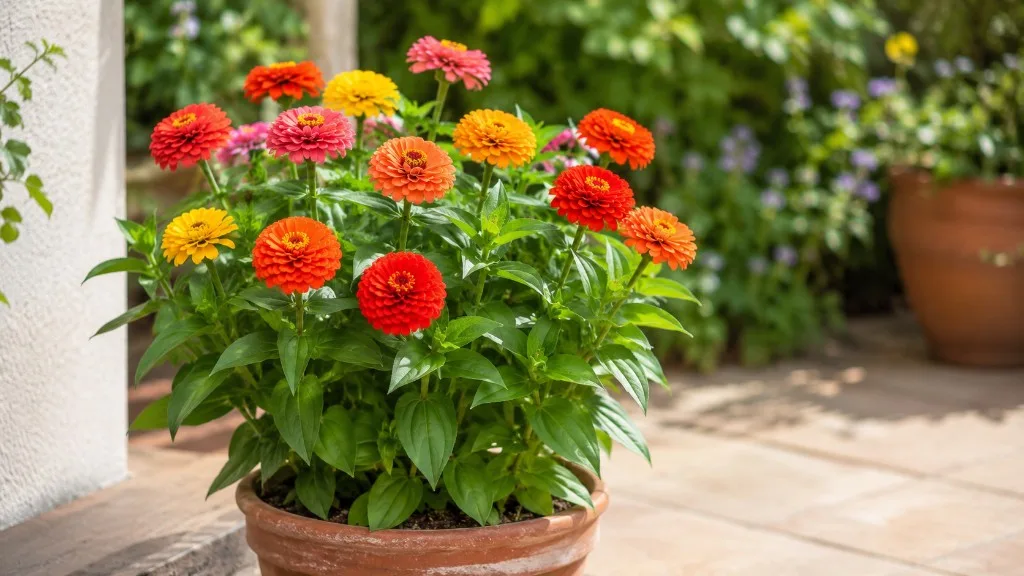
32. Zinnia (Zinnia spp.). Zinnias are among the best beginner flowers for fast, colorful results from seed. Give them full sun, space for airflow, and regular harvesting or deadheading; cutting the stems brings more flowers and keeps the plants from becoming a tired mound. They are excellent in a cut-flower bed because different heights and flower forms can be mixed without complicated care.
33. Sunflower (Helianthus annuus and related species). Sunflowers are fast, cheerful, and useful for adding height behind shorter flowers. Sow them where they will receive full sun and where tall cultivars can be staked or sheltered from wind; birds may beat you to the seed heads, so grow extra if wildlife is part of the plan. Dwarf types are better for containers than giant branching varieties.
34. Water lily (Nymphaea spp.). Water lilies make a pond feel complete, with floating leaves and flowers that sit at the water surface rather than rising high above it. Match the cultivar to the pond’s depth, give it full sun, and keep the container heavy enough that it cannot tip. Do not confuse a water lily’s needs with a lotus’s: both are aquatic, but their height, leaf habit, and planting depth differ.
35. Bleeding heart (Lamprocapnos spectabilis). Heart-shaped pink or white flowers appear in spring on arching stems, then the plant may go dormant as summer heat arrives. Give it moist, well-drained soil and partial to full shade, and plant nearby foliage that can cover the gap later in the season. The right companion is part of the design; a dormant bleeding heart is not a dead one.
36. Lavender (Lavandula spp.). Lavender earns its place through both flower color and fragrance, but it is often killed by kindness. Give it full sun, lean, fast-draining soil, and only enough water to establish or to carry it through exceptional drought; heavy wet soil is a bigger danger than modest dryness. The RHS lavender guide also separates hardy English types from tender French and Spanish types, a distinction that matters before winter.
37. Plumeria (Plumeria spp.). Plumeria flowers are fragrant, waxy, and unmistakably tropical, making them excellent for frost-free courtyards and containers that can move indoors. Give them full sun, warm temperatures, very good drainage, and a dry winter rest if the plant goes dormant. In a cold climate, grow it as a container specimen rather than pretending a sheltered corner changes its frost tolerance.
38. Stargazer lily (Lilium Oriental hybrids). Large pink-and-white flowers with a strong fragrance make Stargazer a natural focal point and a useful cut flower. Plant bulbs in autumn or spring according to your climate, keep the soil draining, and shade the roots while the flower stems receive sun. True lilies are extremely dangerous to cats, so a cat-accessible garden or home is a serious reason to choose another flower.
39. English daisy (Bellis perennis). Small pink or white daisies bring a close-to-the-ground, springlike note to containers and informal lawns. Give them cool conditions, light shade or gentle sun, and moisture that does not sit around the crown. In hot regions they are often treated as seasonal annuals, while in suitable climates they can naturalize more freely than expected.
40. Marigold (Tagetes spp.). Marigolds are dependable, bright, and useful for edging a vegetable or flower bed. Give them sun and well-drained soil, remove spent flowers for a tidier display, and choose compact French types for pots or taller African types for a stronger vertical accent. Their presence can support a diverse garden, but do not promise that marigolds alone repel every pest; plant health still depends on the whole growing system.
41. Snapdragon (Antirrhinum majus). Snapdragons bring unusual, hinged flowers and cool-season color to beds and containers. They often perform best in spring and fall, may pause in intense summer heat, and respond to deadheading and occasional cutting. Choose dwarf cultivars for the front of a border and tall types for bouquets, with staking if the site is windy.
42. Chrysanthemum (Chrysanthemum × morifolium and related garden mums). Chrysanthemums close the season with dense color in white, yellow, bronze, pink, red, and purple. Buy a cultivar described as hardy for your area, plant it in spring if you want a better chance of overwintering, and give it full sun with rich, draining soil. A florist’s mum bought in full bloom is not automatically a hardy garden perennial.
How to choose a flower you can keep happy
Match light, temperature, and drainage
Start by matching the site, then match the flower. Full sun means several hours of direct light, but the intensity of that light changes with latitude, elevation, season, and reflected heat; a plant that thrives in gentle northern sun may scorch beside a hot wall. Likewise, “moist soil” means a root zone that holds water while still containing air, not a permanently saturated hole.
Use a simple triage. For dry, sunny, fast-draining ground, shortlist lavender, moss rose, protea, iris, sunflower, zinnia, and some dahlias. For moist shade, consider toad lily, bleeding heart, columbine, anemone, or foxglove. For a frost-free patio, look at plumeria, bird of paradise, hibiscus, and container-grown orchids. If your space has the wrong combination of light and drainage, amend the site or choose a different flower; do not try to negotiate with a root system.
Plan the handoff between bloom seasons
The prettiest garden is rarely the one with the largest single flower. It is the one that hands color from one plant to the next: daffodils and hyacinths in spring, iris and peony in late spring, roses and hydrangeas in summer, dahlias and zinnias in late summer, then chrysanthemums and seed heads in fall. This is why the best planting plans use repeated groups rather than one of everything.
Use structure to keep the garden attractive between blooms. Evergreen camellia foliage, rose leaves, iris fans, hydrangea stems, lotus leaves, and the seed heads of some annuals can carry the composition after a flower fades. Fine Gardening’s design guidance on using form, texture, repetition, and foliage is a useful complement to flower-color shopping: bloom is temporary, but plant structure keeps working.
Growing tactics that protect bloom quality
Treat soil, water, and storage organs differently
Do not water all 42 plants the same way. Roses, hydrangeas, delphiniums, and large-leaved annuals usually need more consistent moisture during active growth; lavender, moss rose, and protea want the soil to drain quickly; lotus and water lilies need a permanent aquatic setup. Containers dry faster than beds, but adding water to a container with poor drainage only creates a wetter problem.
Bulbs, tubers, and rhizomes also have different timing. Tulips, daffodils, hyacinths, and lilies are true bulbs; dahlias grow from tubers; bearded irises spread by rhizomes. The RHS bulb guide explains why these storage organs need active watering while growing and after flowering, then a rest period. Let bulb foliage die back naturally, avoid soaking dormant dahlia tubers, and never plant iris rhizomes so deeply that the crown cannot dry.
Support, deadhead, divide, and prune with purpose
Put supports in place before tall plants need them. Delphinium, hollyhock, sunflower, peony, lily, and climbing flowers are easier to guide while young than to rescue after rain and wind have bent them. Deadheading is equally specific: remove spent blooms when you want rebloom or a clean display, but leave selected seed heads when they feed birds or add winter structure.
Pruning timing follows the plant’s flowering wood. Wisteria, hydrangeas, roses, and flowering shrubs can lose next year’s display if cut at the wrong time; read the cultivar’s instructions instead of applying one universal “prune in spring” rule. Divide crowded irises, lift tender dahlias before hard frost, and give peonies time to settle before assuming they need more fertilizer.
Safety and garden ecology
Check toxicity before planting
Pretty does not mean edible or pet-safe. True lilies, including Oriental hybrids such as Stargazer, are a special emergency risk for cats; bulbs such as tulips, daffodils, and hyacinths can cause gastrointestinal illness and may be more concentrated than the flowers. Foxglove is toxic because of heart-active compounds, and hydrangea, wisteria, passionflower, and many other ornamentals also deserve a species-specific check.
The ASPCA’s gardening safety guidance recommends checking plants before bringing them into a pet-accessible area, and Poison Control’s daffodil information explains why a familiar spring bulb still deserves care. Keep plant tags, teach children not to sample garden plants, and contact a veterinarian or poison service promptly after suspected ingestion. Do not rely on a common name because “lily,” “daisy,” and “rose” can describe unrelated plants.
Grow for pollinators without overpromising
Flowers can provide nectar, pollen, shelter, or larval food, but the benefit depends on the flower’s structure, bloom timing, local insects, and whether the plant is accessible. Single-flowered roses, lavender, zinnias, passionflower, columbine, foxglove, and many daisy-family flowers can offer useful resources, while some densely petaled cultivars expose less pollen and nectar.
Choose several flower shapes and bloom windows, avoid blanket pesticide use, and include regionally native plants where they fit your site. The RHS Plants for Pollinators list is a good example of a more useful approach than labeling one plant “best”: match plant selection to the pollinators and growing conditions of your region.
Conclusion
The prettiest flower is the one that looks beautiful and remains healthy in the place you give it. Start with the site, choose a manageable mix of bulbs, annuals, perennials, shrubs, vines, and water plants, then build a handoff from spring through fall so the garden never depends on one short moment of bloom.
If you are choosing today, pick one flower for your actual conditions, not your fantasy conditions. A sunny dry bed might begin with lavender, iris, zinnia, and dahlia; a cool shady border might begin with bleeding heart, columbine, toad lily, and foxglove; a frost-free patio might begin with plumeria, hibiscus, bird of paradise, or an orchid. The right match will always look better than a difficult plant fighting its environment.