Fish Fertilizer for Tomatoes in Pots
Learn how to use fish fertilizer for tomatoes in pots, including N-P-K label checks, dilution, timing, root safety, and common mistakes.
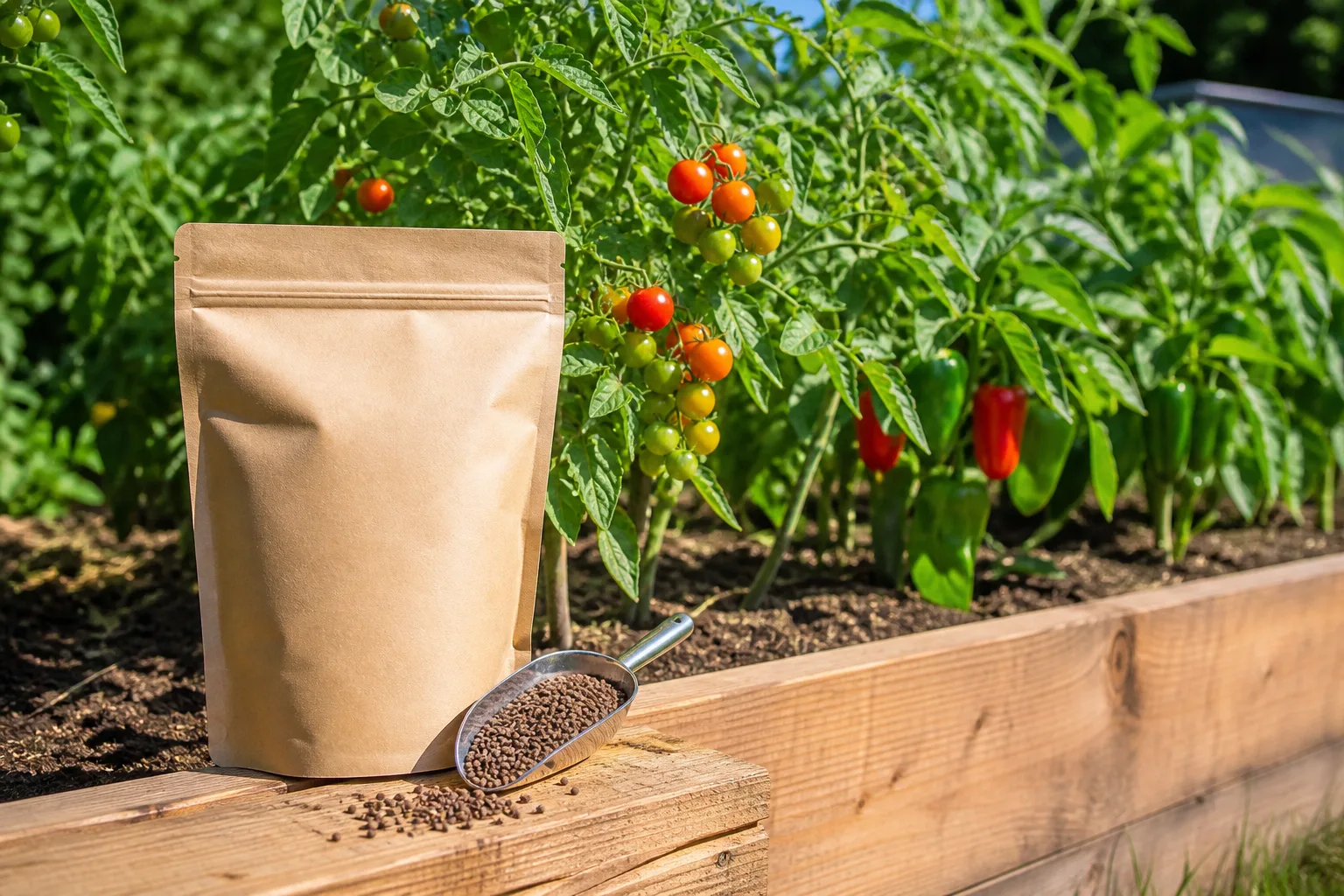
Fish fertilizer can be useful for tomatoes in pots, especially when frequent watering has depleted nutrients from the potting mix. It is a liquid feed that can be diluted and delivered with the same watering routine you already use, which makes it appealing for small-space gardeners.
It is not a magic tomato product, though. Fish fertilizer cannot compensate for a pot that is too small, a mix that stays soggy, a plant that lacks sun, or a feeding plan that supplies more nitrogen than the plant can use. The best results come from treating it as one part of a container system: enough root volume, open drainage, steady moisture, strong light, and a measured fertilizer dose.
Can fish fertilizer help tomatoes in pots?
Yes, fish fertilizer can help a potted tomato when the plant is actively growing and the potting mix needs supplemental nutrients. Container plants are watered more often than in-ground plants, and repeated irrigation can carry soluble nutrients out of the pot. NC State Extension notes that containers need more frequent irrigation as plants grow and lists tomatoes among crops that can be grown successfully in containers when their root systems have enough depth. (NC State Extension)
Fish fertilizer is especially convenient when you want a liquid feed rather than a granular product. You can mix it into water, apply it to the root zone, and observe the plant before deciding whether another application is warranted. That makes it easier to use modestly than a dry product that can be sprinkled unevenly or concentrated in one small patch of soil.
The qualification is important: a healthy tomato does not automatically need more fertilizer. If the plant is dark green and leafy, the potting mix already contains a slow-release feed, or you have recently used compost and another fertilizer, adding fish fertilizer may create excess rather than improvement. Fertilize because the label, plant stage, and growing conditions support it—not because a greener plant seems like the goal.
What fish fertilizer actually provides
Fish fertilizer is made from processed fish materials and sold as a concentrated liquid or liquid concentrate. The useful question is not whether it is “natural” or whether it smells strong; it is what nutrients the finished product supplies, in what ratio, and at what labeled concentration.
The product can provide plant-available nitrogen along with smaller amounts of phosphorus, potassium, and other nutrients, depending on the formulation. Some products are fish emulsion, some combine fish with hydrolyzed fish or seaweed, and some are blended with other organic inputs. Two bottles that both say “fish fertilizer” may therefore require different amounts and different intervals.
Read the N-P-K line before the front label
The three numbers on a fertilizer label are the N-P-K analysis: nitrogen, phosphate, and potash, expressed as percentages by weight. They are not a score, and a product with the biggest numbers is not automatically better for a tomato in a pot.
Nitrogen supports leafy and stem growth. Phosphorus is involved in energy transfer and root and reproductive processes, while potassium supports several plant functions including water regulation and overall vigor. Plants need all three, but the correct balance depends on the potting mix, plant stage, cultivar, and what has already been applied.
Colorado State University Extension describes tomatoes as moderate nitrogen feeders and warns that high nitrogen can produce excessive vine growth at the expense of fruit production. The same guidance recommends light applications and says a water-soluble fertilizer can supplement summer growth when the plant needs it. (Colorado State University Extension)
Treat the N-P-K analysis as a reason to choose a product and set expectations, not as permission to improvise a dose. If the label says the fish fertilizer is high in nitrogen and your plant already has dense foliage with few flowers, more of that product is unlikely to solve the problem.
When to use fish fertilizer—and when not to
The most useful feeding window is when the tomato is establishing roots and producing new growth, or when a long season and frequent watering have depleted nutrients from the container. A new transplant that is still wilted, heat-stressed, or sitting in waterlogged mix needs environmental correction before it needs a stronger feed.
Match feeding to transplant recovery, growth, and fruiting
Start by checking the potting mix. If the mix came pre-fertilized, follow its instructions before adding another product. If the tomato has just been transplanted, give it time to settle and show new growth; feeding a stressed root ball immediately can add another variable when the plant is already struggling to take up water.
Once the plant is upright, the mix drains normally, and new growth is visible, apply fish fertilizer only at the label rate. A diluted liquid feed can be useful during active vegetative growth, but the plant’s appearance should determine whether you continue. During flowering and fruiting, do not assume that repeating a high-nitrogen fish product will create more fruit. A tomato fertilizer or balanced vegetable feed may be more appropriate if the label and plant stage call for it.
Pause and reassess if you see fertilizer crust on the potting mix, scorched leaf margins, unusually dark foliage, rapid soft growth, or a plant that is producing leaves without setting fruit. Also skip a planned feeding when the pot is bone dry, the roots are sitting in water, a heat wave is causing severe wilt, or you have not accounted for another fertilizer already used.
How to apply fish fertilizer without burning roots
Fish fertilizer is easy to use, but easy does not mean dose-free. The concentrate is stronger than the diluted solution the roots should receive, and a small container gives mistakes less soil volume in which to disperse.
Dilute by the label and apply to moist root-zone soil
Use the product’s current label as the dosing authority. Do not copy a tablespoon-per-gallon recipe from another bottle because concentration, N-P-K analysis, and application instructions differ between products. Measure with a dedicated spoon or cup, mix thoroughly, and keep the concentrate away from children, pets, food-preparation surfaces, and unprotected skin.
Apply the diluted solution to already moist potting mix, not to a dry root ball. If the soil is dry, water first with plain water and allow it to absorb; then feed according to the label at a separate watering or as the label directs. Pour around the soil surface and root zone rather than onto the leaves, stems, or unripe fruit.
Water slowly enough to spread the solution through the root ball. A stream that runs straight out of one drainage hole can deliver too little to part of the pot and too much to another. If the potting mix has pulled away from the sides or become water-repellent, rehydrate it gradually before applying fertilizer.
The goal is not to force drainage every time you fertilize. The goal is an even, label-strength solution in a pot that drains freely. If fertilizer salts build up or the product was accidentally over-applied, stop feeding and flush only if the container has open drainage and the plant can tolerate the extra water; a blocked or waterlogged pot needs a drainage fix first.
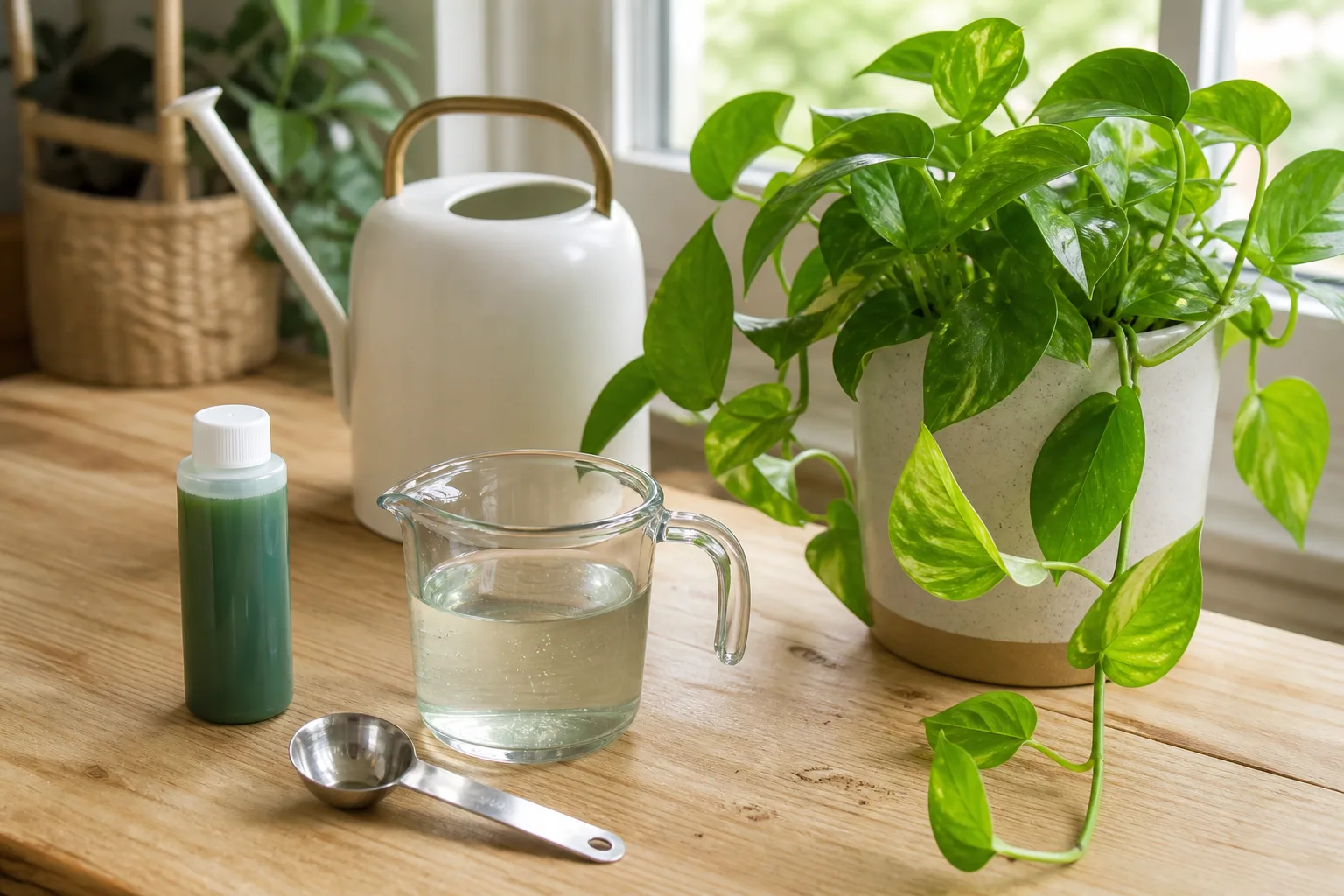
Feed on a schedule you can adjust
A calendar reminder is useful, but it should prompt an inspection rather than trigger an automatic dose. Check the plant’s stage, recent watering, pot size, potting-mix label, and any other fertilizer applied since the last feeding.
For a label that permits repeated applications, a conservative starting rhythm is often more useful than an aggressive one: feed during active growth, leave time for the plant to respond, and reassess before repeating. Colorado State University Extension gives a two- to four-week interval for light summer fertilizer applications in its tomato guidance, but your fish product’s label and your container conditions take priority. (Colorado State University Extension)
Keep a simple log with the date, product analysis, diluted amount, weather, and plant response. If the leaves become lush but flowers slow down, stop adding nitrogen and investigate light, temperature, pollination, root space, and moisture consistency. If the plant improves after a cautious feed, that is evidence that nutrients may have been limiting—not proof that a stronger dose will improve it further.
Get the pot and potting mix right first
Fertilizer cannot rescue a root system that lacks air, water, or room. Many “feeding” problems in containers are actually pot problems: garden soil compacts, a decorative pot has no drainage hole, a small container dries out twice a day, or a saucer holds water against the roots.
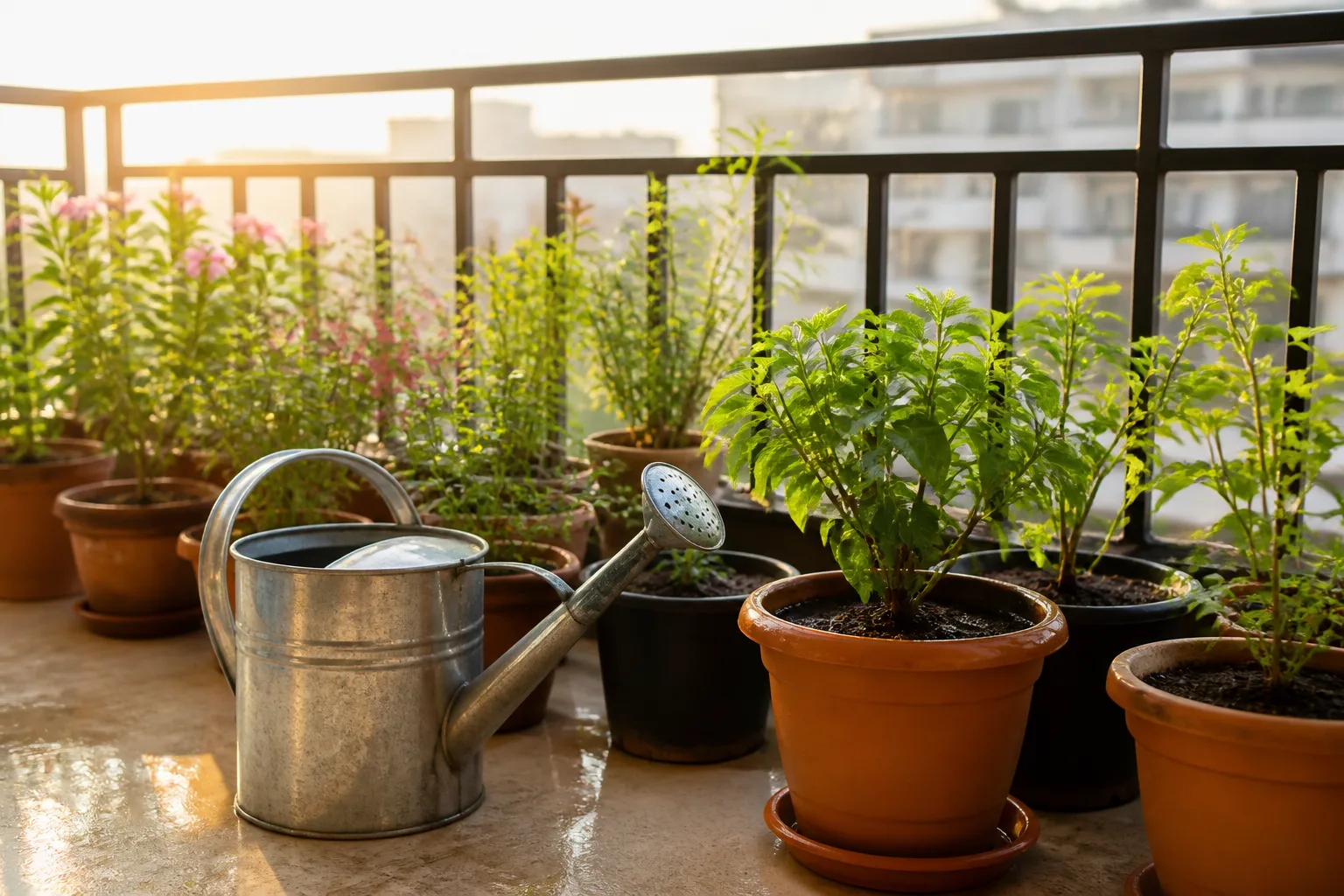
Give roots enough volume and drainage
Use a light, purpose-made potting mix rather than soil dug from the garden. Epic Gardening recommends a container with drainage holes and explains that container tomatoes need a mix that holds moisture while remaining airy; it also warns against heavy garden soil and poorly draining compost-heavy mixes. (Epic Gardening)
Use one tomato per container unless the container is genuinely large and the varieties are intended to share space. A compact determinate can work in a smaller pot when the variety’s tag allows it, while a vigorous indeterminate is more forgiving in a large container or grow bag. As a practical target, many gardeners use roughly 5 gallons for a compact plant and 10 to 15 gallons or more for a large indeterminate, but mature plant size and the variety’s own instructions matter more than a universal number.
The container must have open drainage holes across the bottom, and the plant should not sit in a saucer of standing water. Larger soil volume slows drying and gives roots more nutrient-bearing mix to explore; it also gives you a larger margin for error when hot, windy weather increases water demand.
Match the variety and support to the container
Read the tag for determinate, indeterminate, dwarf, or container-type growth. Determinate tomatoes tend to stay more compact and set a concentrated crop. Indeterminate tomatoes keep extending and need sturdy support, regular tying, and enough space for the canopy to dry and remain accessible.
Install the cage, stake, or trellis when you plant. A support added later can disturb roots, and a top-heavy vine can tip a lightweight container before fertilizer becomes the limiting factor. NC State Extension recommends full sun for fruiting vegetables, and its guidance says tomatoes do better with eight to 10 hours of direct sunlight; a shaded plant may make leaves but cannot be pushed into fruiting with more feed. (NC State Extension)
Avoid the mistakes that reduce tomato harvests
Fish fertilizer is often chosen because it feels gentle and straightforward. It still has enough nutrient concentration to cause trouble when the product is stacked with other feeds or used to treat symptoms that are not caused by a deficiency.
Do not confuse more nitrogen with more tomatoes
The classic excess-nitrogen pattern is a vigorous, leafy plant with delayed flowering or disappointing fruit set. That pattern is not a diagnosis by itself—low light, heat, cultivar, pollination, and root stress can produce similar results—but it is a strong reason to stop unplanned feeding.
Do not respond to every pale leaf with fish fertilizer. Older lower leaves may yellow from normal aging, dry soil, root damage, or a nutrient shortage; new leaves can be affected by different problems. Compare the symptom with soil moisture, drainage, light, plant stage, and the dates of previous applications before correcting anything.
Penn State Extension advises against excess or high-nitrogen fertilizer for tomatoes because it can produce luxuriant foliage while delaying flowering and fruiting. That is why a tomato-specific product is not automatically better than fish fertilizer, either: the N-P-K analysis and the plant’s actual needs still control the decision. (Penn State Extension)
Manage product stacking, odor, and spills
Do not combine fish fertilizer with a slow-release fertilizer, compost tea, seaweed concentrate, and a second tomato feed simply because each product sounds beneficial. Count every source of nutrition, especially when the potting mix already contains fertilizer. A soil test is more useful than guesswork when you are growing in a reusable container mix or repeatedly feeding the same pot.
Fish fertilizer can have a strong odor, and spills may attract pets or wildlife. Keep the bottle tightly sealed, mix it outside or in a washable area, wipe spills immediately, and avoid leaving a freshly treated container where animals can investigate it. The smell is a practical drawback, not evidence that the product is working better.
Troubleshoot yellow leaves, wilt, and few fruits
The quickest way to misuse fertilizer is to treat every tomato symptom as hunger. Look at the soil and the roots’ environment before you reach for the bottle.
Match the symptom to soil moisture and plant stage
| What you see | Check first | Better next action |
|---|---|---|
| Older lower leaves yellow while the mix is dry | Root-zone moisture and recent feeding | Water thoroughly, then reassess; feed only if the label and plant response support it. |
| Leaves yellow while the mix stays wet | Drainage, blocked holes, and root condition | Stop fertilizer and watering until the cause is corrected; more nutrients will not restore oxygen-starved roots. |
| Crispy margins or a white crust on the mix | Recent concentration, repeated feeding, and drainage | Stop feeding; use plain water only to flush a freely draining pot, and do not repeat the product until the plant recovers. |
| Large dark leaves but few flowers | Nitrogen, light, heat, and variety | Pause high-nitrogen inputs and improve light and conditions; do not add a bloom booster without evidence of a deficiency. |
| Afternoon wilt in a hot balcony pot | Pot size, root temperature, and moisture depth | Check below the surface; move or shade the pot temporarily and upgrade the container if it dries too quickly. |
| Flowers drop but foliage looks healthy | Night and day temperatures, pollination, and water stress | Keep moisture steady and wait for suitable temperatures; fertilizer cannot fix heat-related pollen failure. |
Container tomatoes often need more frequent watering than in-ground plants, and Penn State Extension gives 1 to 1.5 inches of water per week as a garden starting point while emphasizing that soil, weather, and plant conditions matter. Do not force that number into a pot by measuring water blindly; use it as a reminder to account for rainfall and to keep the root zone from swinging between drought and saturation. (Penn State Extension)
If you suspect overfertilization, stop the product and inspect the roots only if the plant continues to decline or the pot remains wet. A healthy-looking root ball, open drainage, and a gradual return to plain watering may be enough. Rotten or dark roots, a sour smell, or mix that never dries point to a root-zone problem that fertilizer will not solve.
A simple fish-fertilizer routine from transplant to harvest
Use this as a decision sequence, not a fixed recipe:
- Start with the container. Confirm the pot is large enough for the variety, has open drainage, and contains a light potting mix. If the mix is already charged with slow-release fertilizer, account for that before adding fish fertilizer.
- Let a transplant recover. Water it thoroughly, protect it from extreme heat or cold, and wait for upright growth or new growth before adding a supplemental feed.
- Read the label. Record the N-P-K analysis, dilution rate, permitted application interval, crop directions, and any storage or handling warnings. Never substitute a recipe from a different product.
- Check the soil. Feed only when the mix is moist but not saturated and the plant is actively growing. Rehydrate dry mix with plain water before applying a diluted liquid feed.
- Apply evenly. Measure the concentrate, dilute it fully, and water the root zone slowly. Keep the solution off leaves, fruit, paving, and areas where pets or wildlife may lick a spill.
- Wait and watch. Give the plant time to respond before repeating. Look for balanced growth, new flowers, and normal moisture use—not just darker leaves.
- Pause when the evidence changes. Stop feeding if the plant becomes excessively leafy, the mix develops a crust, leaf edges scorch, the roots stay wet, or another fertilizer has already supplied the same nutrients.
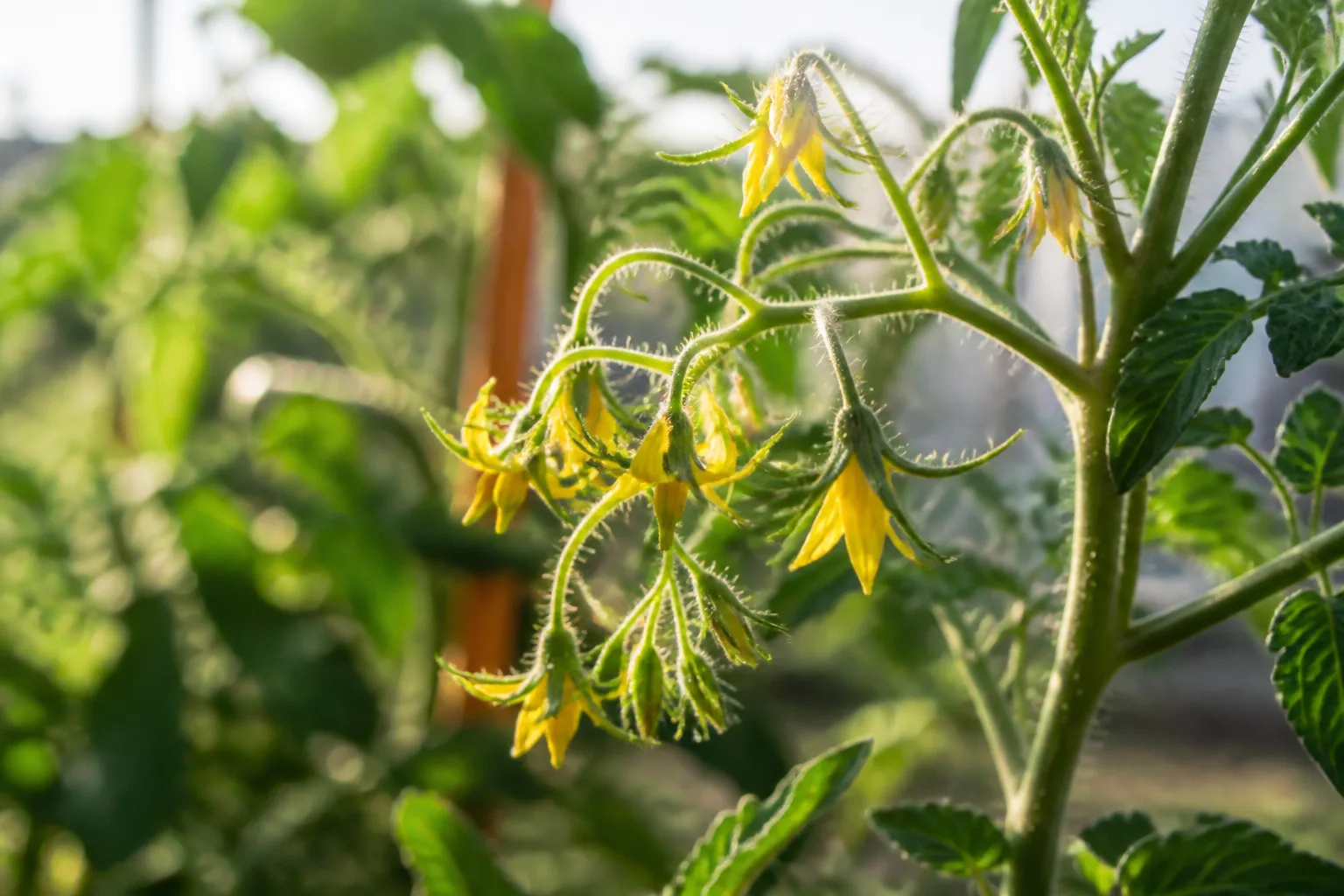
This routine keeps the product in its proper place. Fish fertilizer can replenish nutrients that frequent container watering has carried away, but the plant still needs light, air, water, root space, support, and a potting mix that drains. If any of those are limiting, fertilizer may make the leaves greener while the harvest stays disappointing.
Conclusion
Fish fertilizer is a sensible option for tomatoes in pots when you want a liquid feed and the plant genuinely needs supplemental nutrition. Its biggest advantages are convenience and easy integration into a watering routine; its biggest risks are an inaccurate dose, excess nitrogen, product stacking, and the assumption that fertilizer can fix a poor container setup.
Choose the product by its N-P-K analysis and label directions, dilute it exactly, apply it to moist root-zone soil, and reassess before feeding again. Give the tomato enough potting mix and drainage, keep moisture consistent, and treat yellow leaves, wilt, or missing fruit as clues to investigate rather than automatic requests for more fertilizer. One bottle can support a productive container tomato, but the growing system is what makes the difference.