The Health Benefits of Gardening, Explained
The health benefits of gardening depend less on the plant than the routine. See what research supports, what it cannot prove, and how to garden more safely.
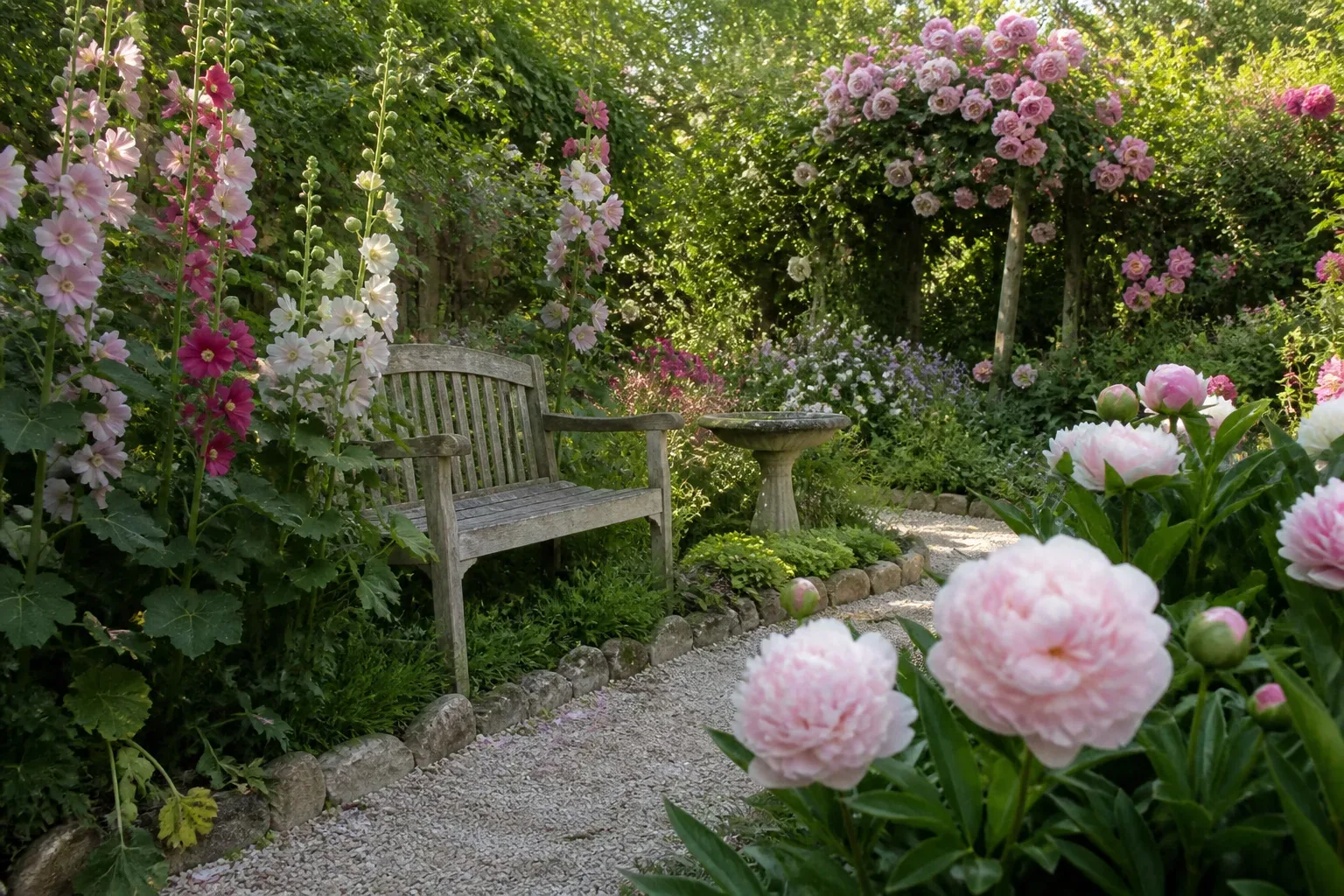
The most durable health benefit of gardening may have little to do with whether you grow tomatoes, roses, herbs, or nothing more ambitious than a pot of mint. It is the repeatable reason to move, pay attention, step outside, and care for something that answers back slowly.
That does not make gardening a cure or a substitute for medical care. It makes it a useful everyday activity with several modest pathways to well-being: physical work, sensory attention, nature contact, food access, and connection with other people. The plant is the invitation; the habit is where most of the value accumulates.
The Benefit Is the Routine Itself
Gardening has a built-in loop that many forms of exercise and self-care lack: you do a small task, see a result, and have a reason to return later. Watering a seedling, removing a competing weed, checking for new growth, or harvesting a few leaves gives the day a concrete point of contact with the living world.
That loop matters because health-supportive behavior is easier to repeat when it is attached to meaning. You are not moving simply to fill a quota; you are carrying compost because a bed needs it, walking to check the beans, or sitting beside a plant while you prune. The activity still counts, but the purpose can make it feel less like a chore.
Why a Routine Beats a Plant Wish List
The benefits of gardening do not depend on owning a large yard or choosing a supposedly special plant. A routine that fits your actual life is more valuable than an ambitious garden that becomes too hot, heavy, expensive, or demanding to maintain.
Think of the habit as a dial with several settings. A five-minute container check can provide sensory focus and a little movement; a half-hour of bed preparation can provide more exertion; a community-garden workday can add conversation and shared purpose. None is automatically better than the others, and you do not need to maximize every setting at once.
The universal part is not a guaranteed medical outcome. It is the flexibility of the activity. Gardening can be adapted from standing to sitting, from outdoor beds to indoor containers, and from solitary care to a shared project without losing its central feature: regular, meaningful participation.
What Research Supports—and What It Does Not
The evidence is encouraging, but it is not as simple as “gardening improves everything.” A 2025 systematic review and meta-analysis in BMC Public Health included 23 studies with 4,535 participants and found the clearest overall signal in mental health, while the pooled physical and general-health effects were smaller and more uncertain.
The same review is useful precisely because it shows the limits. The studies varied widely in the gardening programs, participants, outcomes, and comparison groups; the confidence intervals for the pooled effects included no effect, and the authors graded the physical-health evidence very low. After removing some high-risk studies, the mental-health result became stronger, but that does not turn every home garden into a treatment.
An earlier review of 22 studies focused on older adults and reported benefits across quality of life, physical strength and flexibility, cognitive ability, and socialization. The McMaster Optimal Aging summary rates that review’s quality as moderate, so it is best used as a broad map of possible benefits rather than a precise dose prescription.
The Strongest Signal Is Mental Health
Gardening can give attention a manageable job. You notice leaf color, soil texture, new buds, insects, wind, and the difference between a plant that is thirsty and one that is simply resting in afternoon heat. That kind of outward attention can interrupt a day dominated by screens, worry, or repetitive thoughts without demanding that you “clear your mind.”
Practical horticulture organizations describe the same pattern in less clinical language. In a BBC Gardeners’ World Magazine conversation with Thrive, social and therapeutic horticulture is presented as a way to support mood, dexterity, and people living with varied health conditions. That is useful context, but it is not permission to diagnose or treat depression with a trowel; persistent or severe symptoms still deserve professional support.
The mental reset may also come from the combination of effort and attention. A task such as weeding a small patch is physical enough to change your state, repetitive enough to settle into, and specific enough to keep your mind from floating away. You do not need a perfect garden or a joyful mood before you start—the routine can be valuable even on an ordinary day.
Physical Activity Helps When the Task Matches the Effort
Gardening is physical activity, but its intensity is not fixed. Digging, raking, carrying a light load, turning compost, walking between beds, and preparing soil can raise your breathing rate; watering a few pots, deadheading, or checking seedlings may be gentle movement. Pace, soil resistance, tool weight, temperature, and your own fitness change the answer.
The CDC’s adult activity guidance recommends at least 150 minutes of moderate-intensity activity each week plus muscle-strengthening activity on two days. Gardening can contribute to that total when the work is genuinely moderate, but do not assume that every minute in a garden meets the same target or trains every muscle group.
Fine Gardening’s Fit to Garden guidance makes the practical point that strenuous garden work deserves a dynamic warm-up, sound lifting mechanics, and a post-activity stretch. Start with the task you can repeat comfortably, and use increased time or effort as a gradual progression—not as proof that you are getting healthier.
Why a Tiny Garden Can Still Count
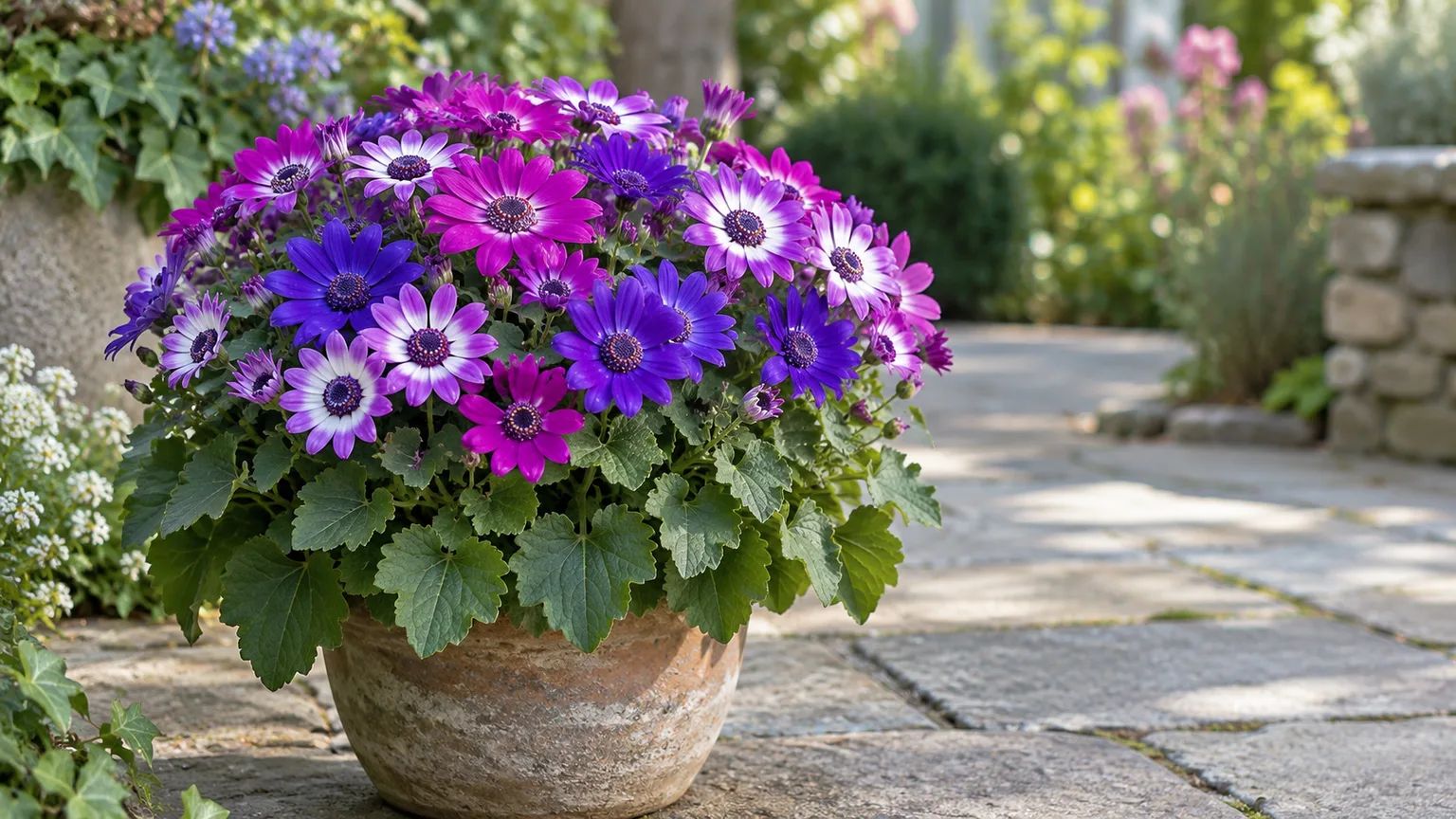
A balcony, windowsill, patio, or community plot can provide a real gardening routine even when it cannot provide every benefit of a large outdoor yard. A container may not offer the same walking distance, soil volume, wildlife habitat, or fresh-air exposure as a bed, but it can still create a daily check-in, a sensory task, and a reason to stand, reach, carry a small watering can, or harvest something.
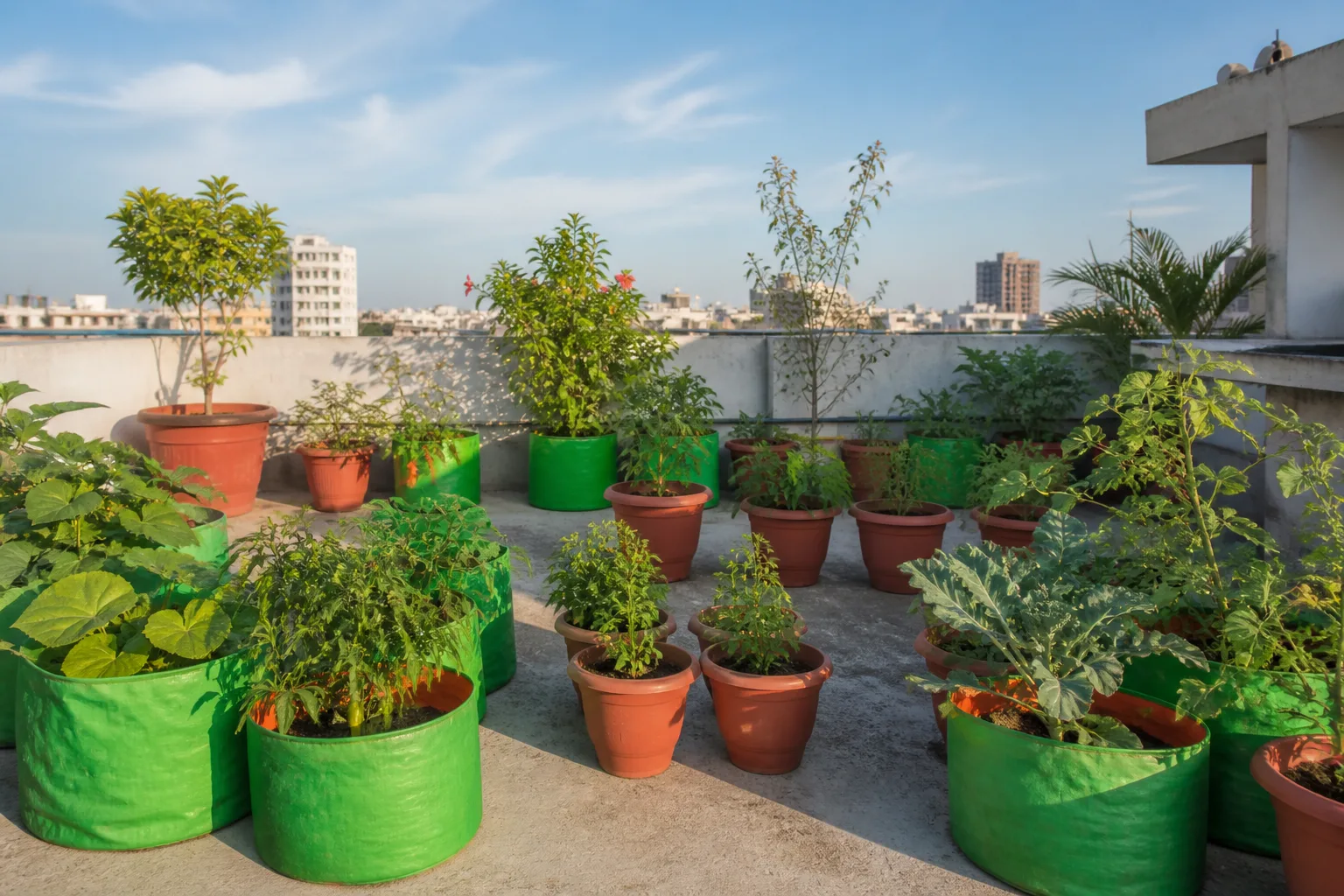
Small spaces can be easier to sustain because they reduce friction. Put herbs or salad greens where you already pass, choose containers light enough to move safely, and group plants by watering needs so care takes minutes rather than becoming a project. If you have limited energy, one productive pot is a better health routine than ten neglected ones.
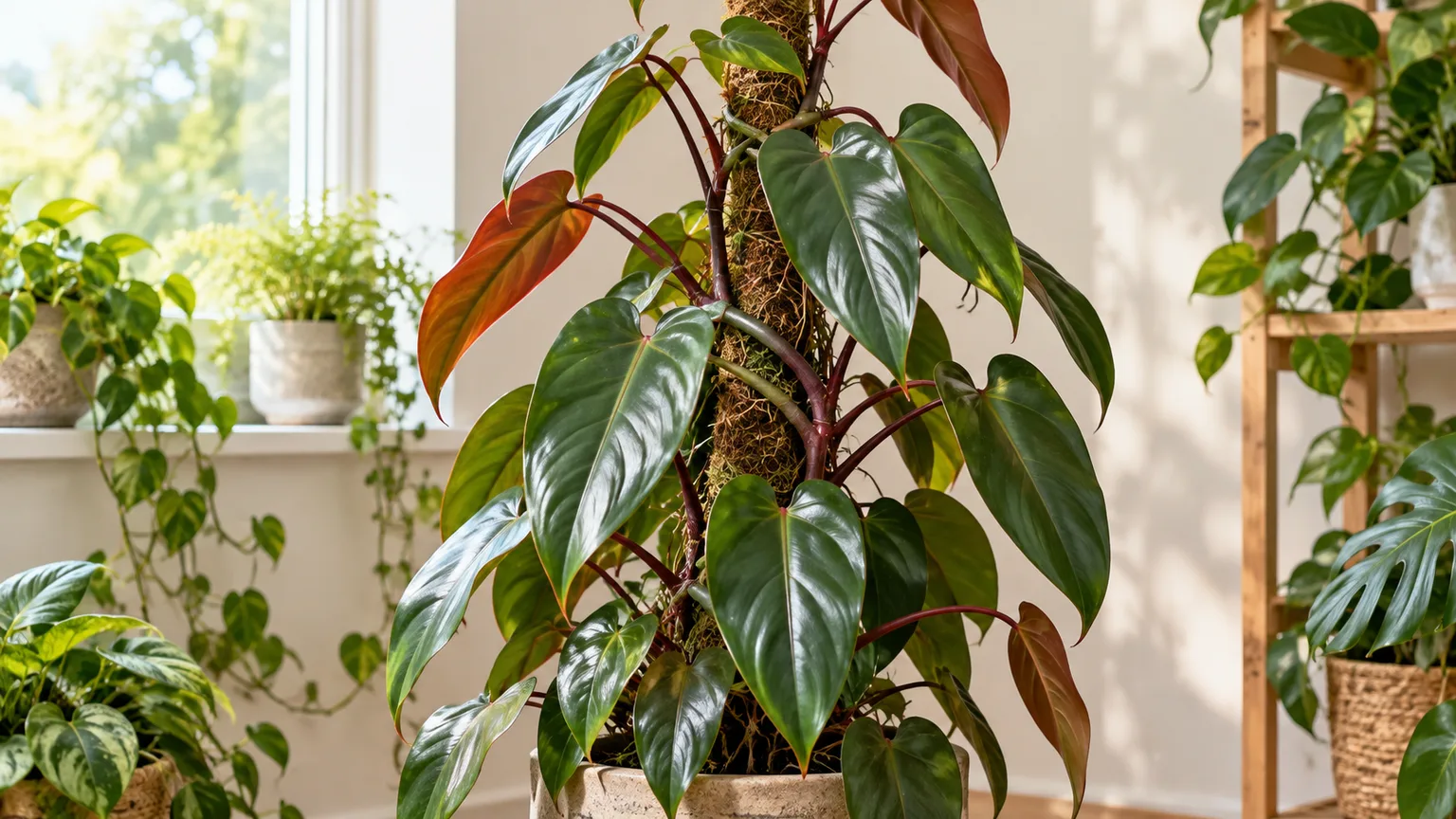
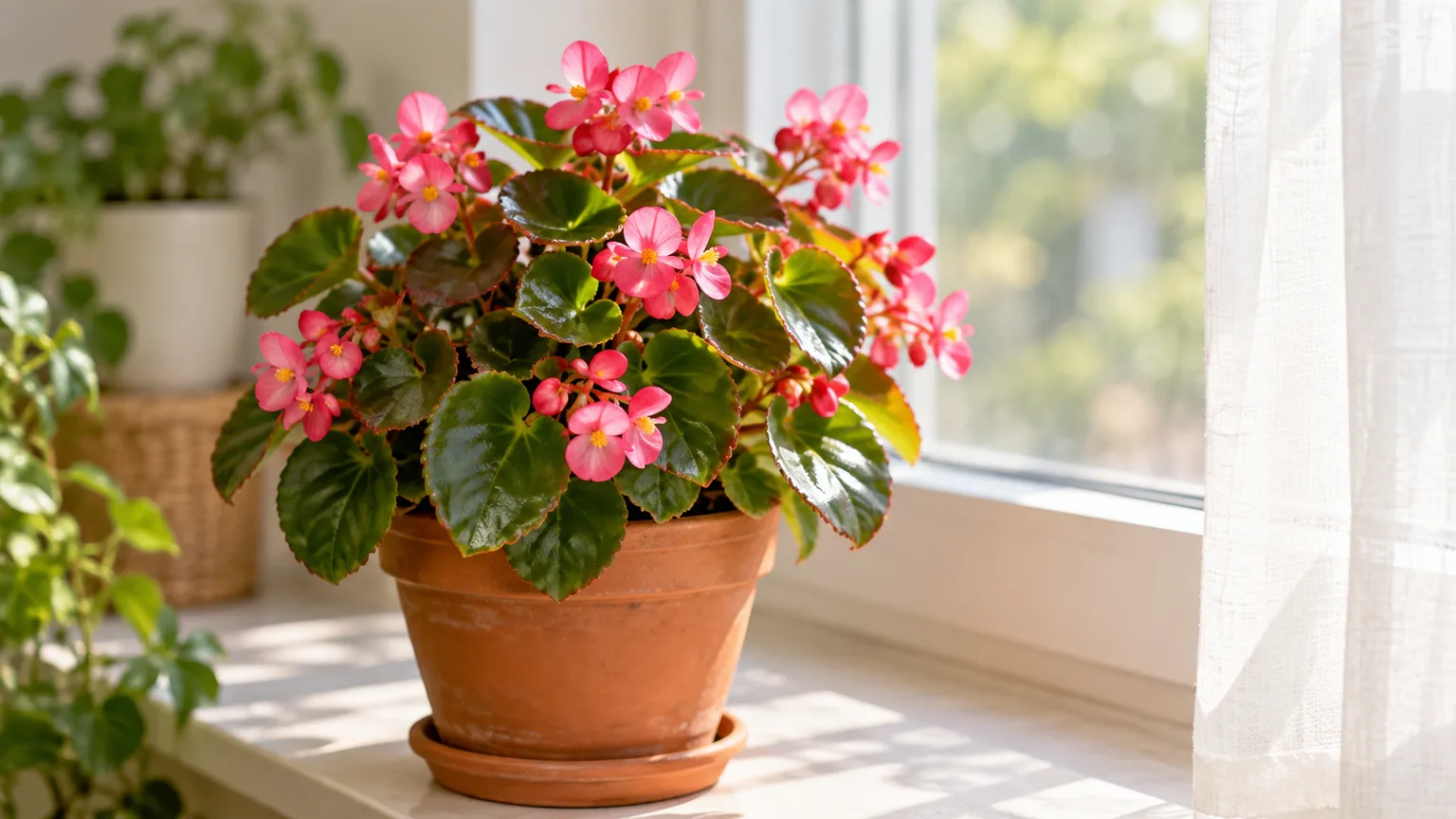
The same principle applies to indoor plant care, with an important distinction: indoor care may provide attention and light movement but not the same outdoor exposure or moderate physical workload. Be precise about what you are seeking, then choose the smallest version that delivers it.
Build a Garden That Supports Your Body
An enjoyable garden can still strain your back, knees, hands, or balance if every task happens from one awkward position. The goal is not to avoid effort; it is to distribute effort so the garden asks for useful movement without turning one session into a recovery problem.
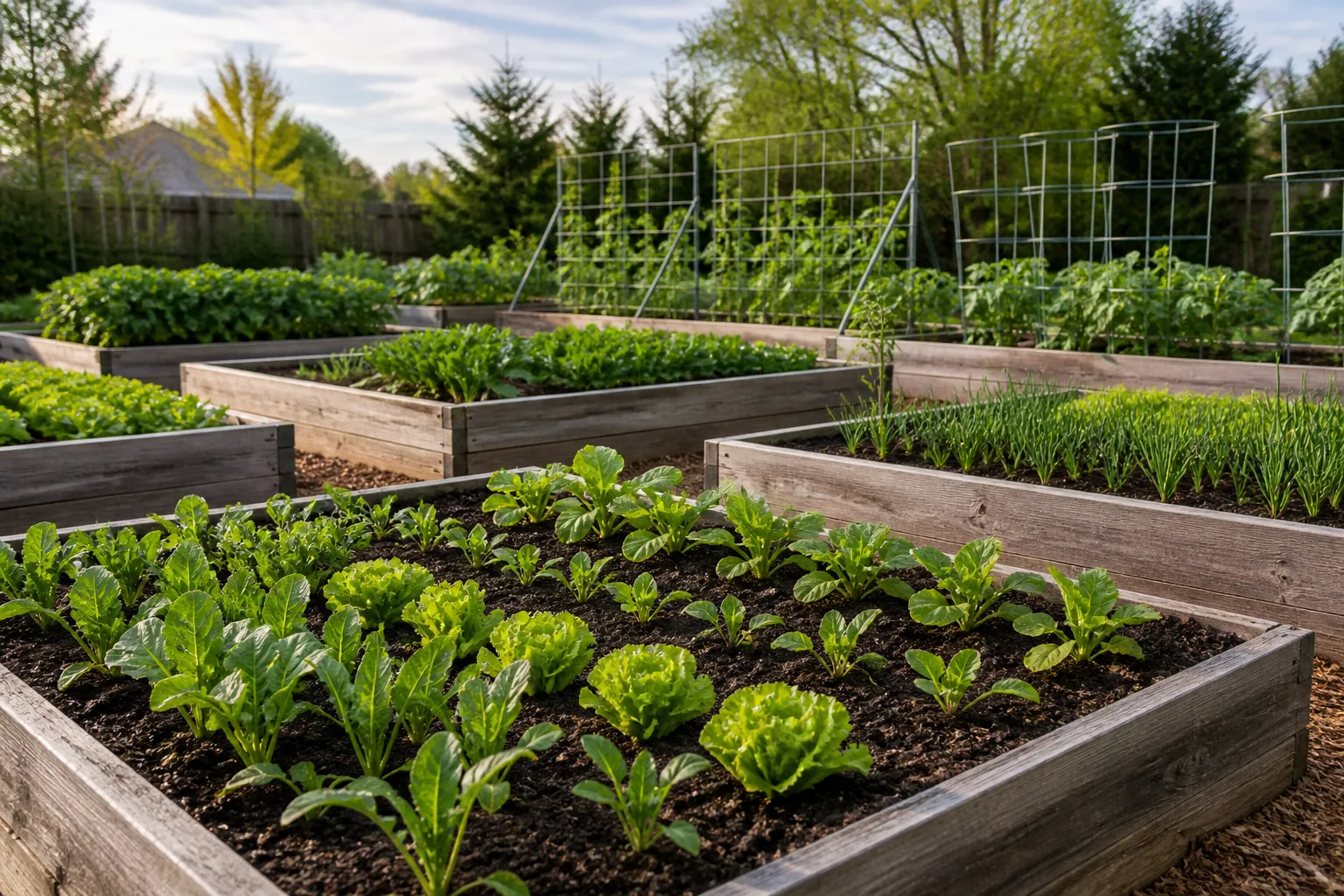
Choose bed heights, paths, tools, and storage based on the body you have today. Raised beds, vertical planters, a stable kneeler or seat, lightweight hoses, ergonomic handles, and a potting surface at a comfortable height can make the same garden more usable. Accessibility is not a special add-on for someone else—it is a way to keep a routine available as seasons, injuries, and energy levels change.
Use Task Rotation Instead of One Long Push
Repetitive strain often starts with a reasonable task done too long. Alternate a close-up job such as planting with a walking job such as checking beds, then switch to a lighter cleanup or seated harvest. Change position before discomfort forces you to stop, and keep loads small enough that you can carry them without twisting.
A useful sequence is reach, squat or sit, walk, and pause rather than twenty minutes of only one motion. Let the soil condition decide the tool: do not fight compacted ground with a short hand tool if a longer handle or a different day would let you work upright. The best garden exercise is the kind that leaves you able to return tomorrow.
Make the Work Accessible
If bending is difficult, raise the work rather than trying to become more flexible through pain. Containers on a sturdy bench, wall-mounted planters, trellises, and raised beds can bring the root zone into a more comfortable range; a wheeled cart can reduce carrying; a hand pruner with a grip that fits your hand can reduce unnecessary force.
If standing tolerance is limited, set up a stable seat near the plants and keep tools within easy reach. If vision, balance, or coordination is a concern, improve path width and lighting, remove trip hazards, and ask an occupational or physical therapist for individualized adaptations. Gardening should support independence, not quietly test it.
Let Gardening Restore Attention
The attention benefit is easiest to access when you stop treating every garden visit as a productivity contest. Pick one narrow observation: which plant has changed, where the soil is dry, which flower is open, or what pollinator is visiting. You are training yourself to notice, not trying to finish the entire yard.
Sensory details make this easier. Smell the leaves before you reach for a phone, listen for birds while you water, feel the difference between loose and compacted soil, or compare two days of growth with a quick note. These cues give the mind something concrete to process and make the routine memorable without requiring a journal, app, or elaborate mindfulness script.
Do not force the garden to be calming every time. A failing crop, pest outbreak, heat wave, or long weeding backlog can create stress. The remedy is to shrink the job, ask for help, or change the goal from “fix everything” to “make one small improvement and stop.”
Grow Food for Access, Not a Miracle Cure
Growing food can make fresh ingredients visible and convenient. A bowl of herbs by the kitchen door or a few greens ready to harvest may lower the effort required to add produce to a meal, and harvesting can connect the work in the garden to a satisfying result on the plate.
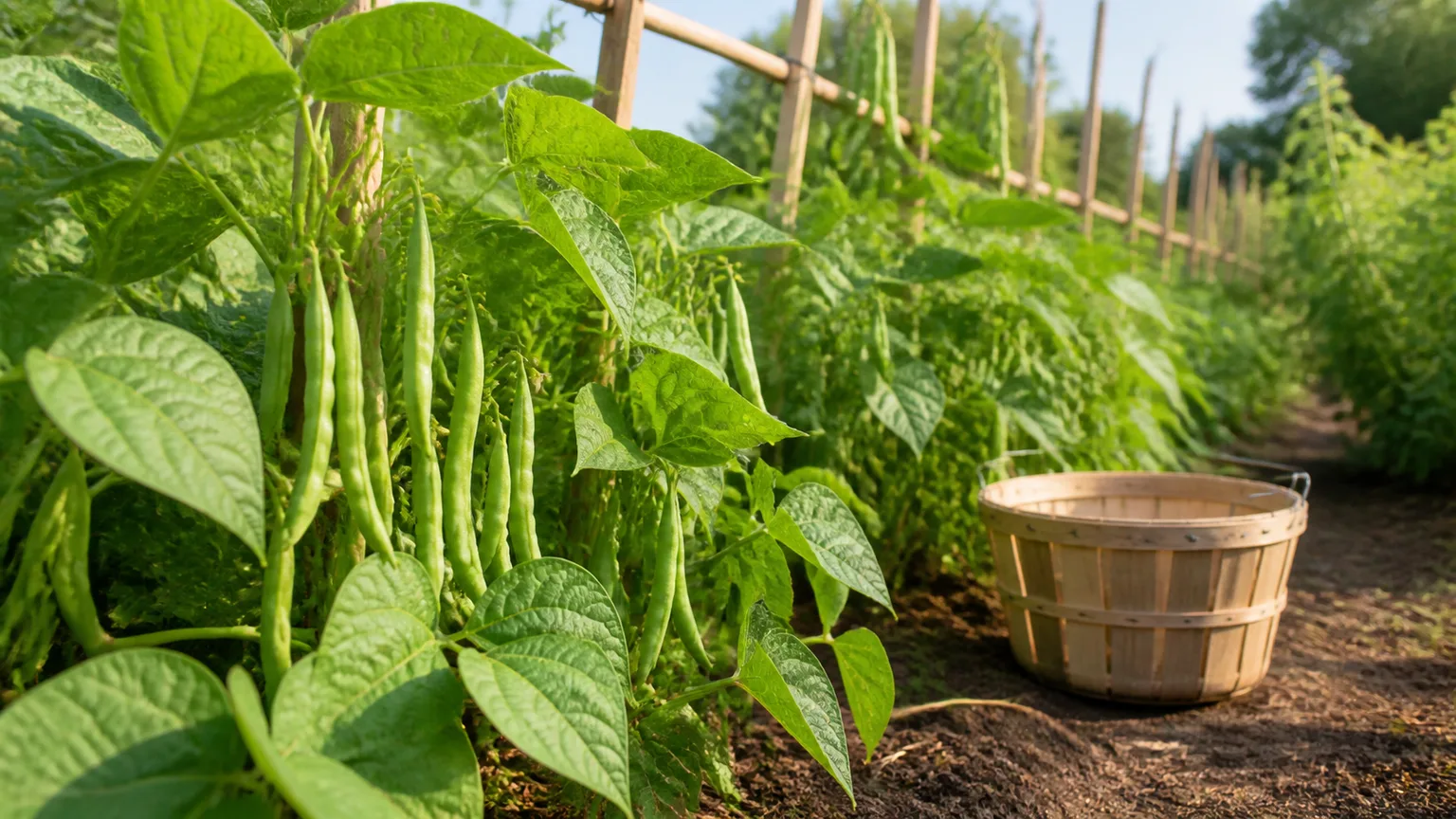
That is a behavioral advantage, not a guarantee of a better diet. Homegrown food still needs safe soil, clean water, sensible harvest and storage practices, and a place in a balanced eating pattern. A garden can also produce more zucchini than one household can use, so plan for sharing, preserving, or growing only what you will actually eat.
The financial case has limits too. Seeds, containers, soil, water, tools, pest losses, and time all have value. Grow crops you enjoy and use often, start small, and measure success by regular use and enjoyment as well as grocery savings. The health benefit is not canceled if your garden is not profitable.
Nature and Community Turn Chores Into Meaning
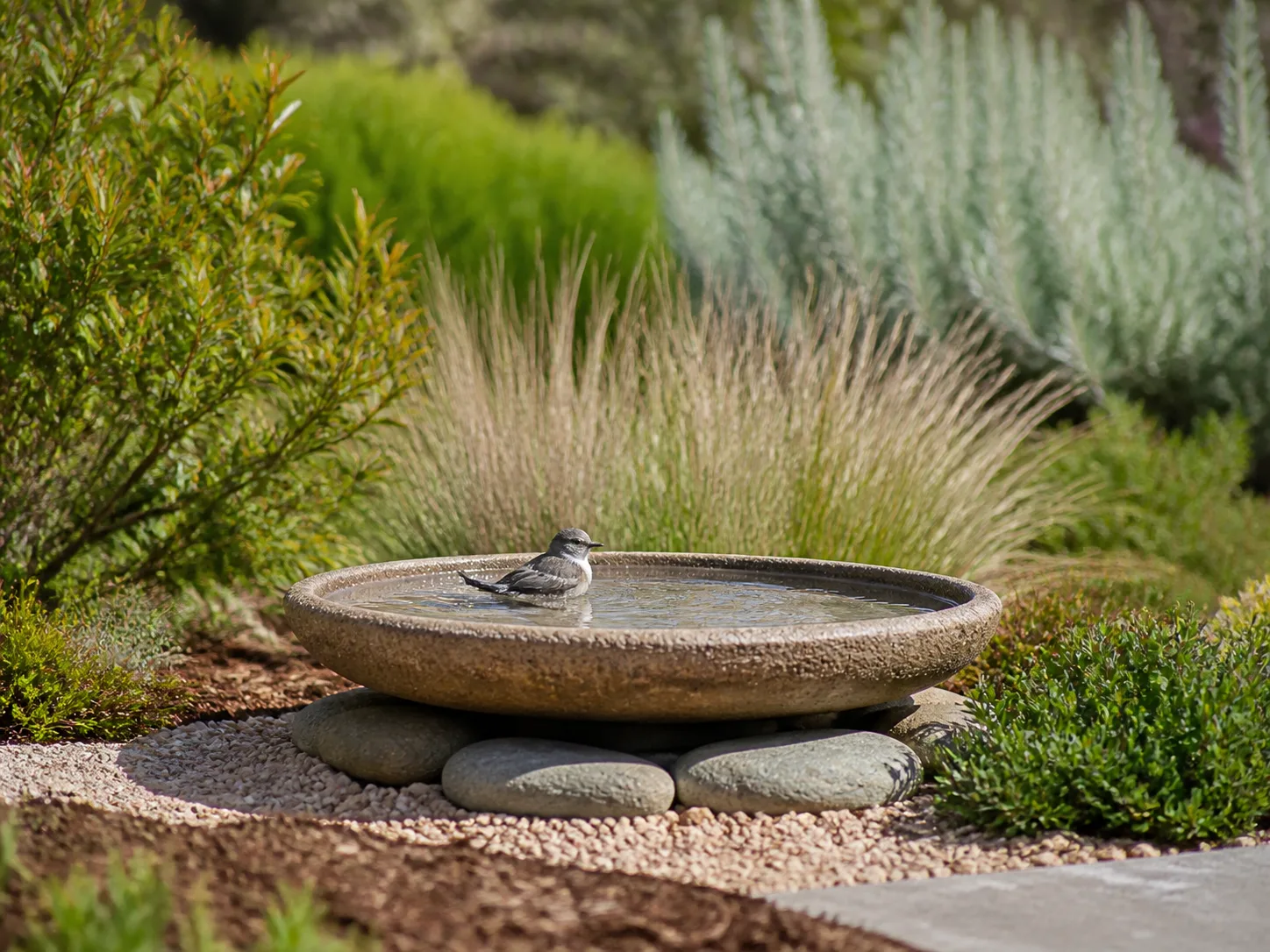
A garden creates a small, observable relationship with weather, soil, insects, birds, and seasons. That connection can shift nature from background scenery into something you understand through repeated contact. It can also change how you care for the space, because a garden that supports pollinators or birds gives you a reason to notice more than the plants you planted.
Community adds another layer. A plant swap, shared harvest, neighborhood garden, class, or conversation over a fence can turn solitary maintenance into belonging. The social effect is not automatic—some people garden precisely because they want quiet—but the activity is unusually easy to share because there is always a concrete subject to discuss.
If mobility, transportation, language, or social anxiety makes a community plot impractical, create a lower-pressure version. Share extra seedlings with one person, ask a neighbor to help move a heavy bag, join a short workshop, or invite someone to sit in the garden without assigning them a task. Connection can be as small and specific as the garden itself.
A 20-Minute Gardening Routine That Compounds
You do not need a demanding schedule to test whether gardening helps you. Try this adaptable routine two or three times a week, stopping sooner if the weather, your body, or your clinician’s advice says to stop:
- Minutes 0–3: arrive and assess. Check heat, footing, soil moisture, and the one task that matters most. Fill water, put on protection appropriate for the conditions, and leave the phone aside if it distracts you.
- Minutes 3–10: do one active task. Walk between containers, rake a small area, prepare a few planting holes, carry only a manageable load, or harvest. Keep the effort conversational rather than pushing into pain or breathlessness.
- Minutes 10–16: change position and task. Switch from standing to sitting, close work to walking, or digging to a lighter job. This is where the routine becomes more sustainable than a single burst of enthusiasm.
- Minutes 16–20: close the loop. Put tools away, note what changed, move harvested food to the kitchen, and choose the next small task. A clear ending makes it easier to return.
The point is not that 20 minutes is a proven therapeutic dose. It is a low-friction experiment that lets you observe your own response: do you feel more settled, more energized, more connected, or simply satisfied that one useful thing is done? Keep what helps, shorten what drains you, and build duration only when recovery is easy.
A Weekly Version for Busy or Limited-Mobility Gardeners
If daily care is unrealistic, assign different jobs to different days. One day can be a seated planting or pruning session, another a short walk-and-check, and a third a harvest or community visit. Use automatic irrigation, mulch, sturdy supports, and plants matched to your climate to reduce maintenance that steals the pleasure from the routine.
Ask for help with the jobs that are risky rather than trying to prove that you can do everything alone. Someone else can turn compost, lift a full watering can, or clear a path while you handle seed selection, harvesting, observation, or lighter care. Shared work still counts as participation.
When Gardening Is Not Automatically Healthy
Gardening can expose you to heat, sun, dehydration, allergens, insects, contaminated soil, sharp tools, awkward lifting, and repetitive movements. Pesticides and fertilizers add their own label and handling requirements; more natural does not automatically mean harmless. Wear protection suited to the task, follow product labels, wash produce, and avoid working through warning signs because the bed is “almost finished.”
Gardening may also become unhealthy when it is driven by guilt or perfectionism. If you are losing sleep over a crop, spending beyond your budget, or turning every weekend into emergency maintenance, reduce the garden’s demands. A deliberately smaller garden can give you more of the benefits because you have the energy to use it.
People with heart, lung, neurological, musculoskeletal, or balance conditions should follow individualized medical advice about exertion and environmental exposure. Gardening can complement a care plan, but a research finding about a group of participants cannot tell you whether a particular lift, heat level, or task is safe for you.
What to Do If You Feel Worse After Gardening
Stop and move to shade or a cool indoor space if you feel faint, confused, unusually weak, nauseated, or short of breath. Drink water as appropriate for your health needs, loosen the task, and do not resume heavy work simply because the session is unfinished. Urgent or persistent symptoms need medical attention.
For ordinary soreness, look at the pattern rather than judging the entire activity. Pain that returns in the same joint, worsens during a particular motion, or lasts longer after each session is a signal to change the setup, reduce the load, or get professional advice. The goal is a routine that improves your life, not a badge for tolerating discomfort.
If the garden itself is creating stress, use the same decision rule. Keep one small area healthy, let less important jobs wait, and ask whether a plant, tool, or layout is creating more work than value. A garden is allowed to be forgiving.
Conclusion
The overlooked benefit of gardening is not hidden in a particular flower, vegetable, or “healthy” plant. It is the way a garden can make useful behavior easier to repeat by tying movement, attention, nature, food, and connection to something concrete.
The evidence supports possibility, not guarantees. Start with a routine small enough to sustain, adapt the work to your body, notice how you respond, and let the garden grow at the same pace as your capacity. The best health-supportive garden is not the most impressive one; it is the one you can return to.